This journey, starting in the far north of Scotland, visiting Oxfordshire (twice), London, West Sussex, Poole, Surrey, Cheshire , Liverpool and Inverness.
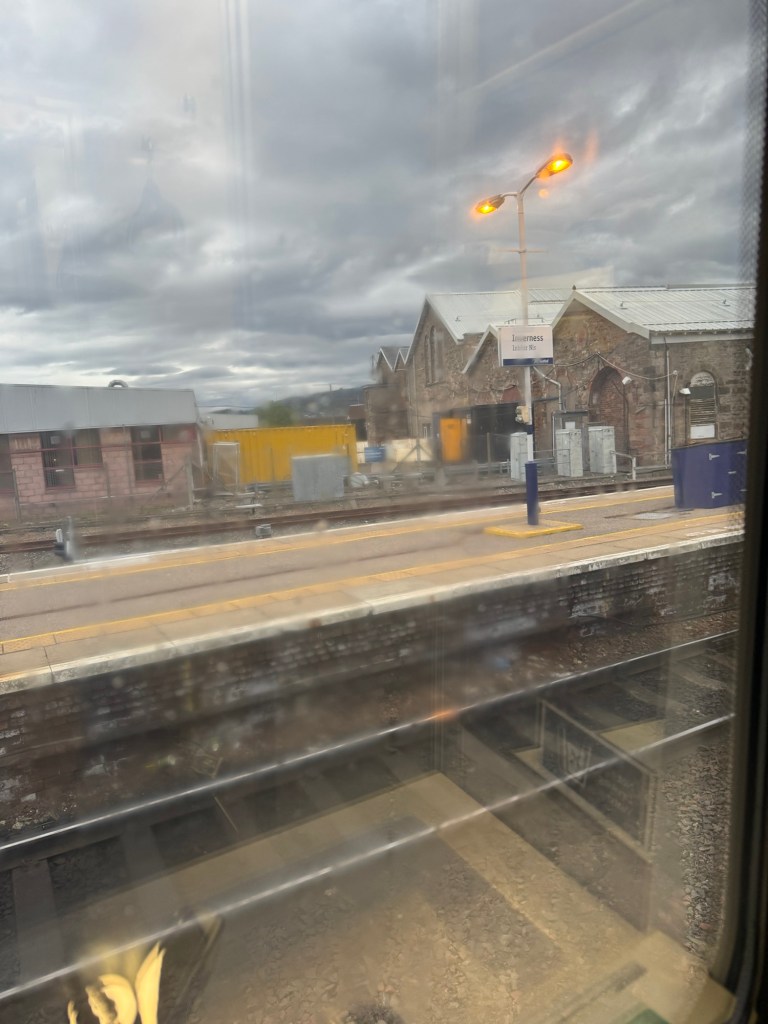
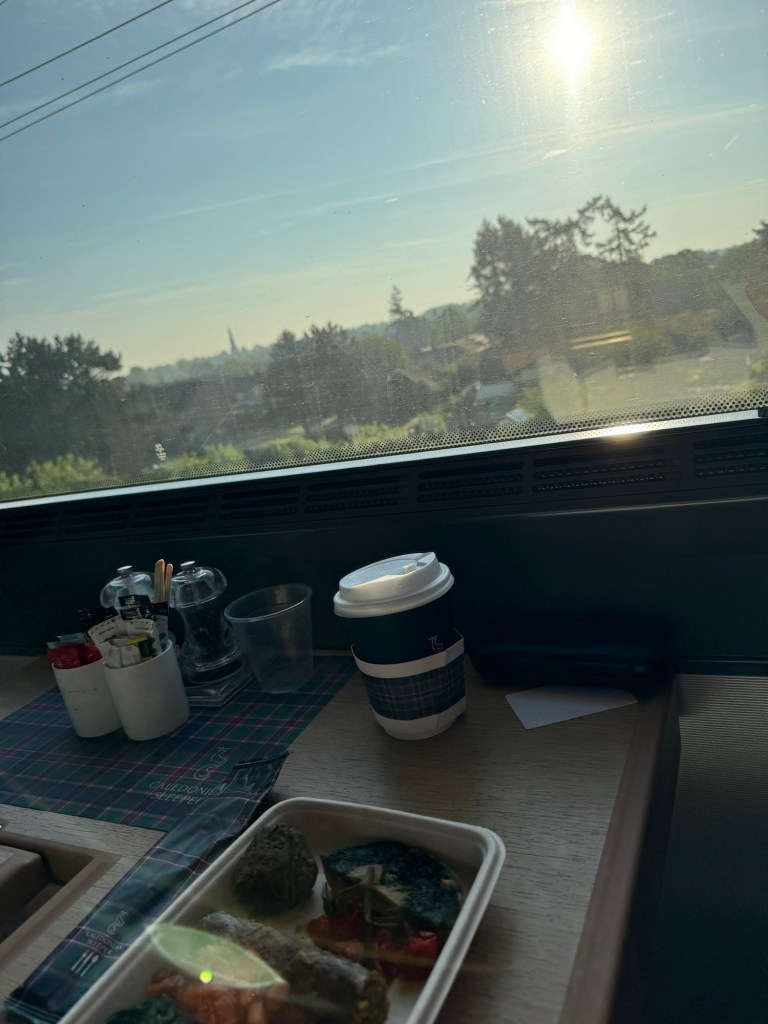
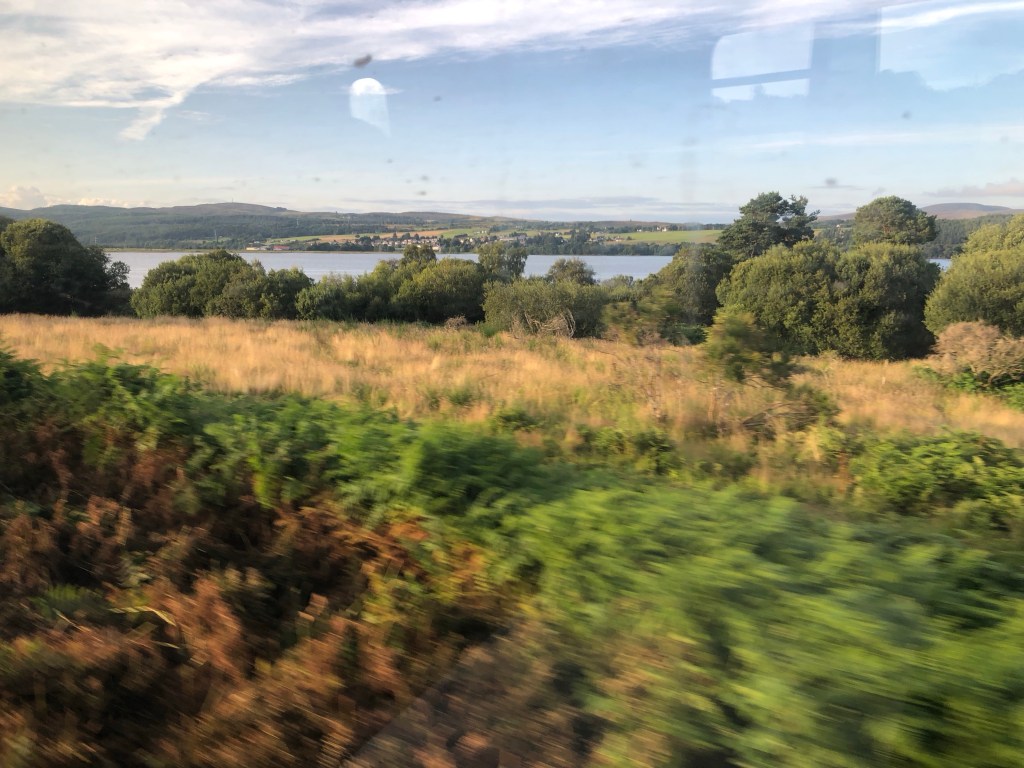
Cloud still lowRain has started Change to the Caledonian Sleeper at Inverness.Sunny breakfast on the move
No dishwasher working on the train, hence the disposable cup.
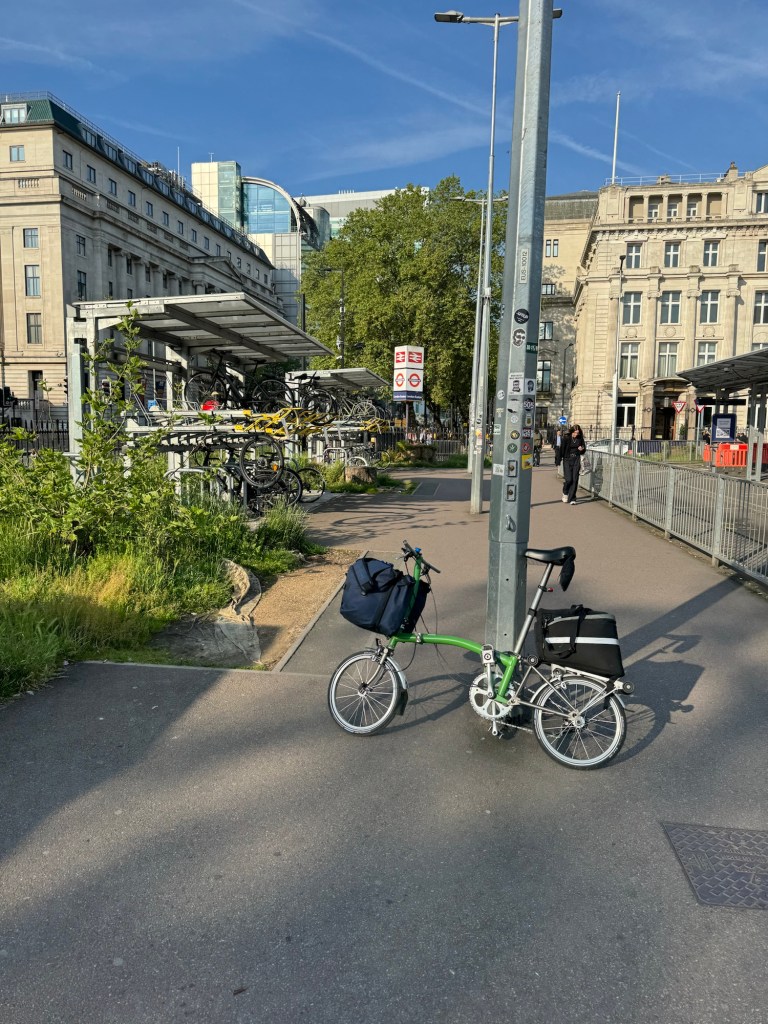
Sunny at Euston
The only issue on the cycle to Paddington was a close pass from a speeding motorcyclist. Why are they allowed in the bus lanes and why can’t they ride better?
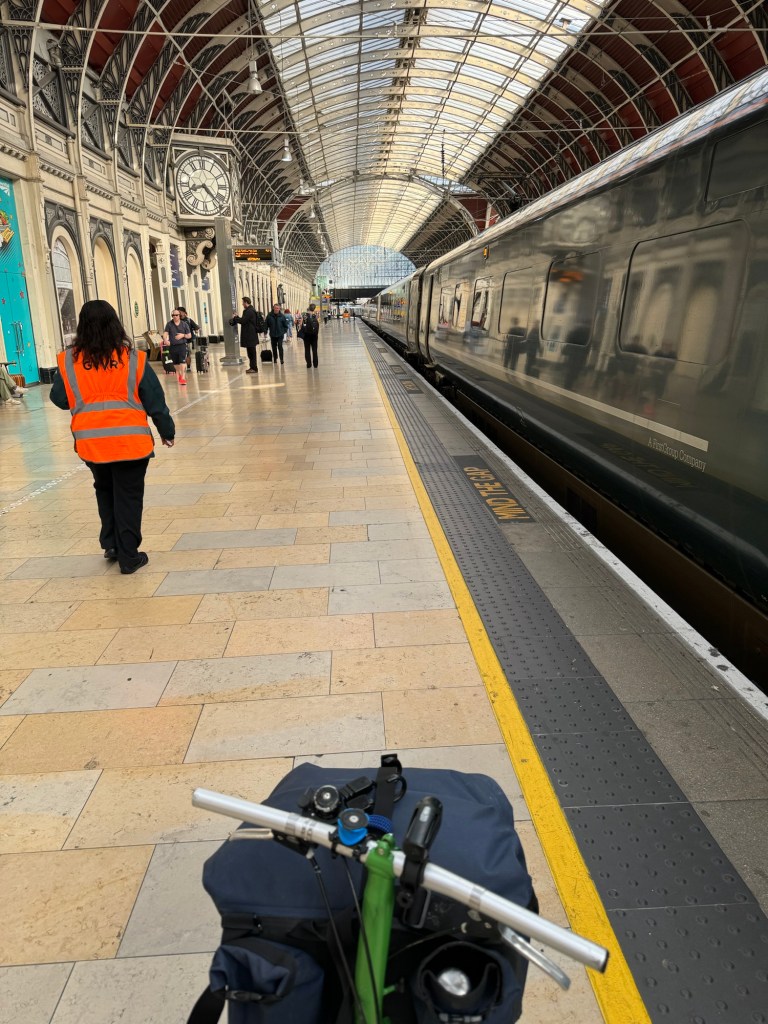
Paddington
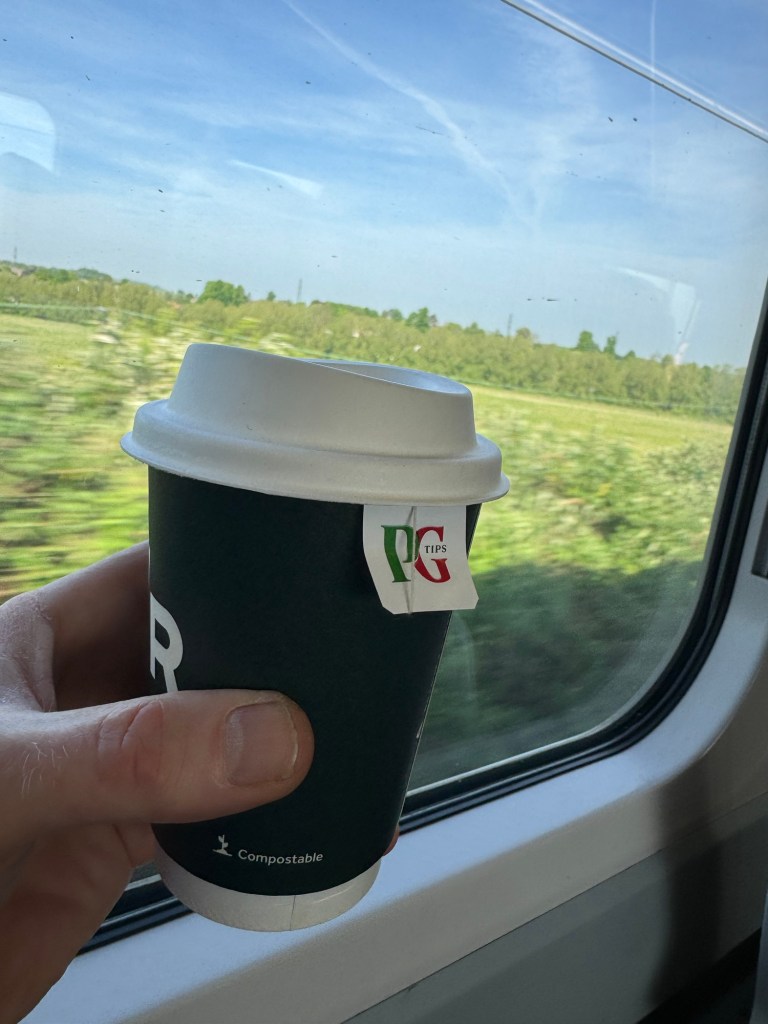
After chatting to the man on the train doing the food trolley he said he would give me a free tea, if he got time before Didcot. Very kind.
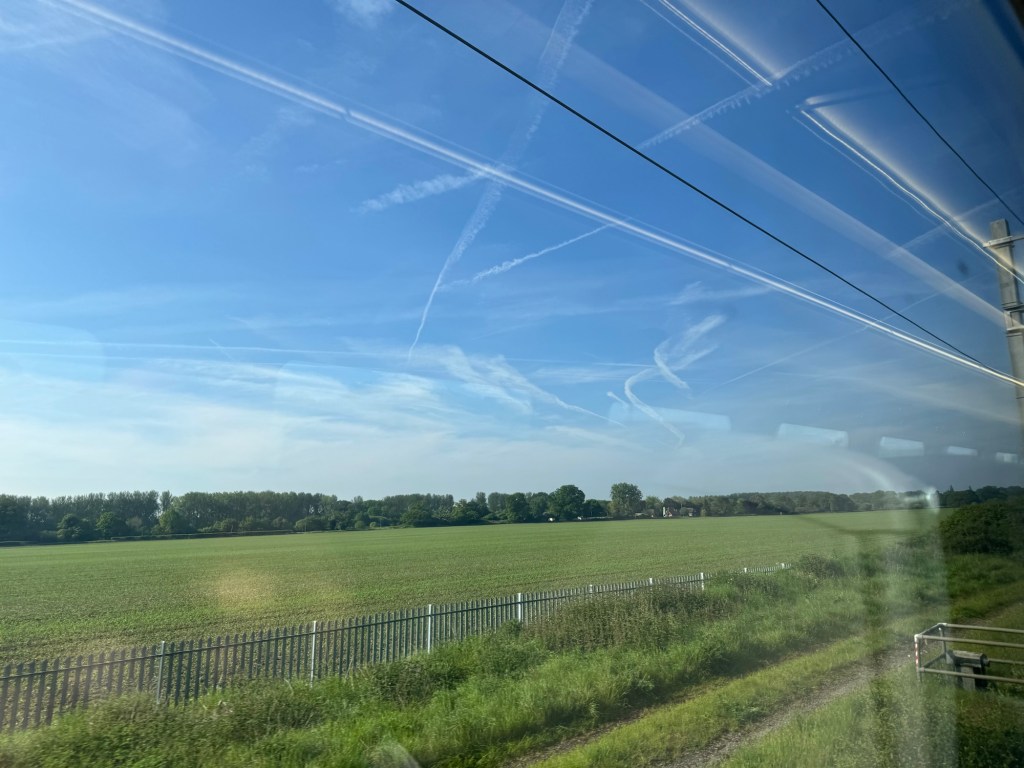
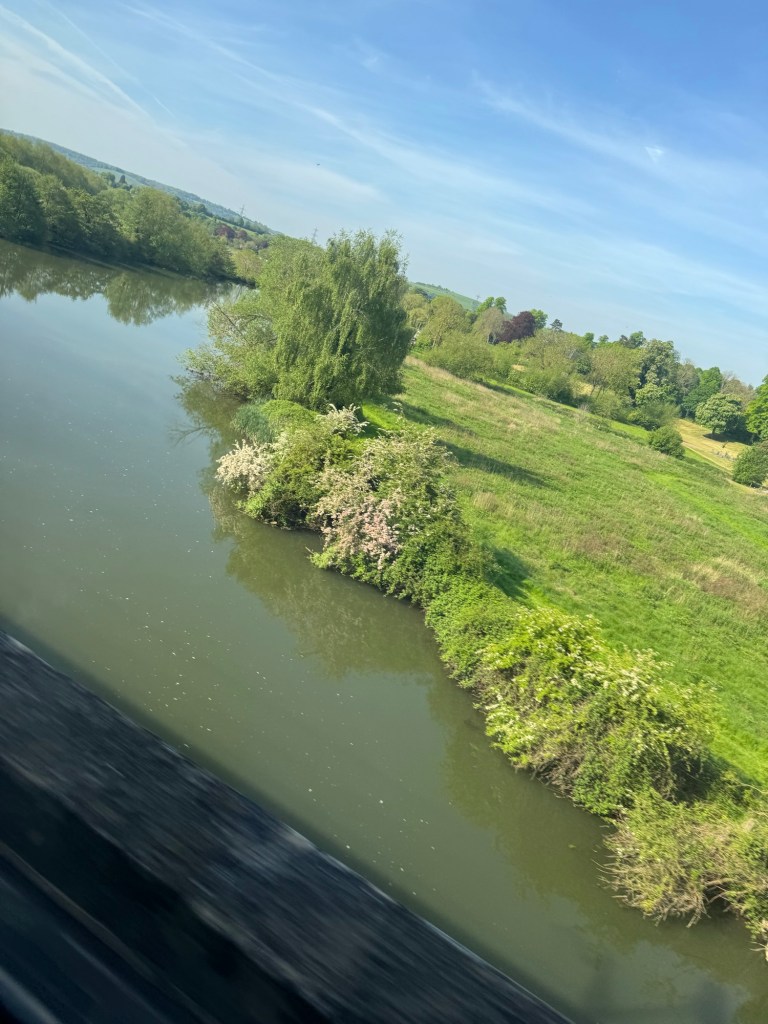
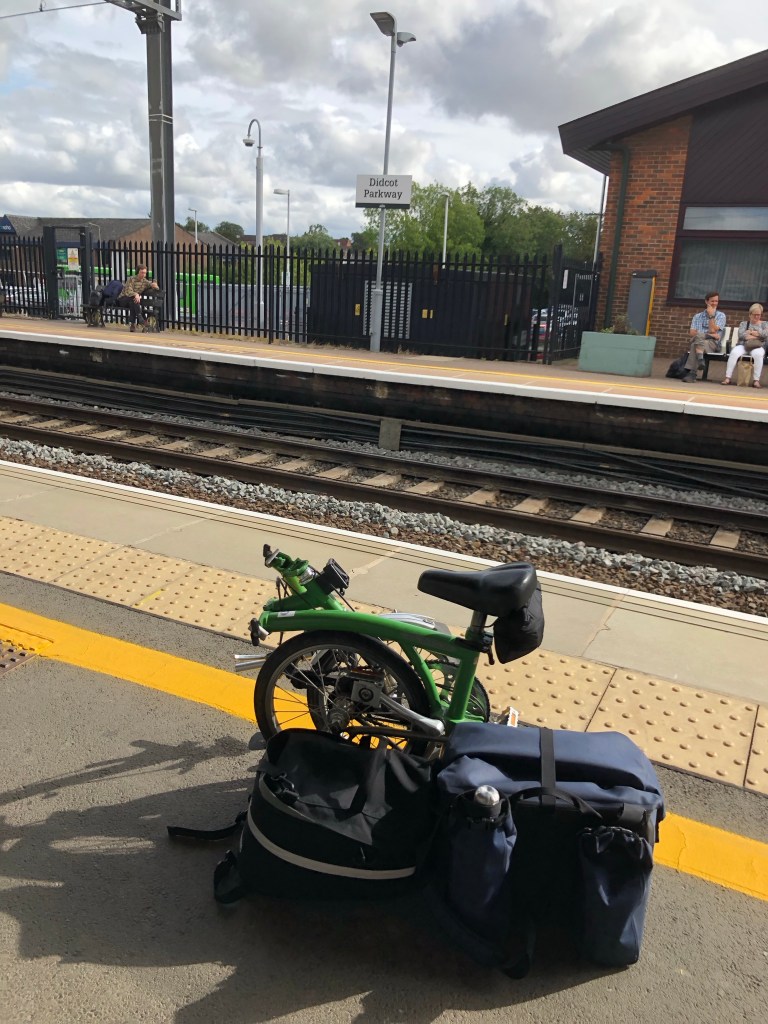
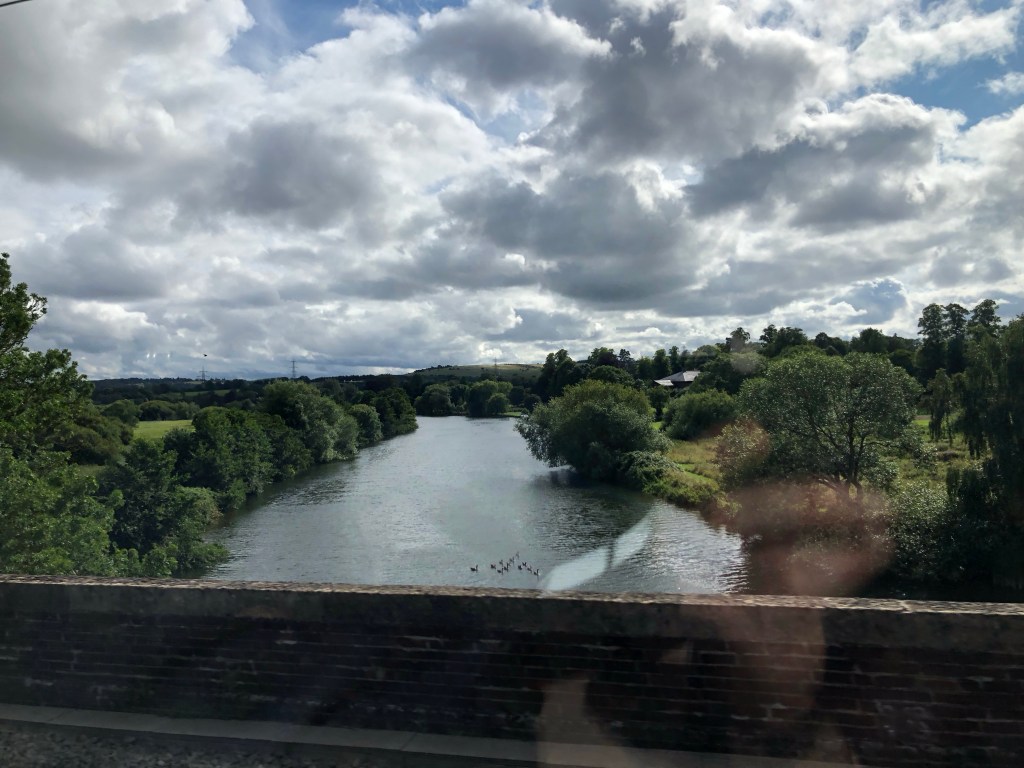
Vapour trails Free teaThe ThamesDidcotDidcot again
First train issue- train to Paddington delayed so caught a different train.
Cycle across London in glorious sunshine, taking in Buckingham Palace, Houses of Parliament, London Eye…
I came across a new menace in London, motorised skateboards exclusively ridden by idiots. These are not legally allowed to be used on pavements, roads or cycle paths. What happens if collide with an illegal vehicle, with no insurance and no sense?
After a stay in London I trained on from south London via London Bridge to Sussex.
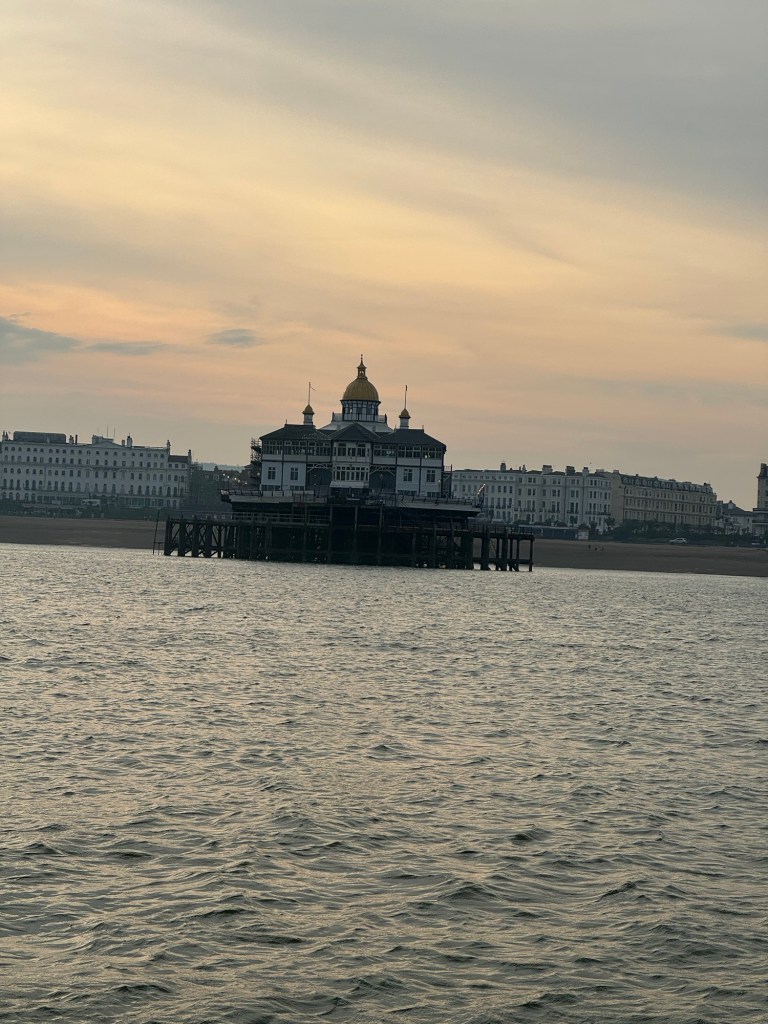
Eastbourne PierEastbourne Pier from a different angle
The trip included cycling on the wonderful cuckoo trail. Lots of birdsong but no cuckoos heard,
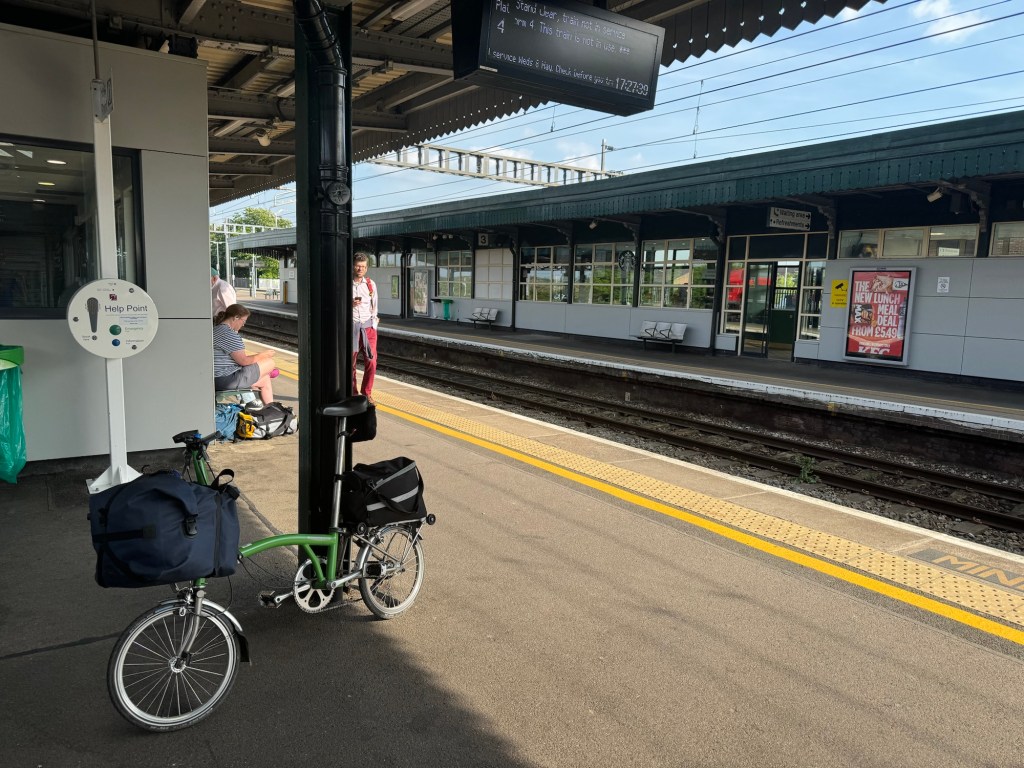
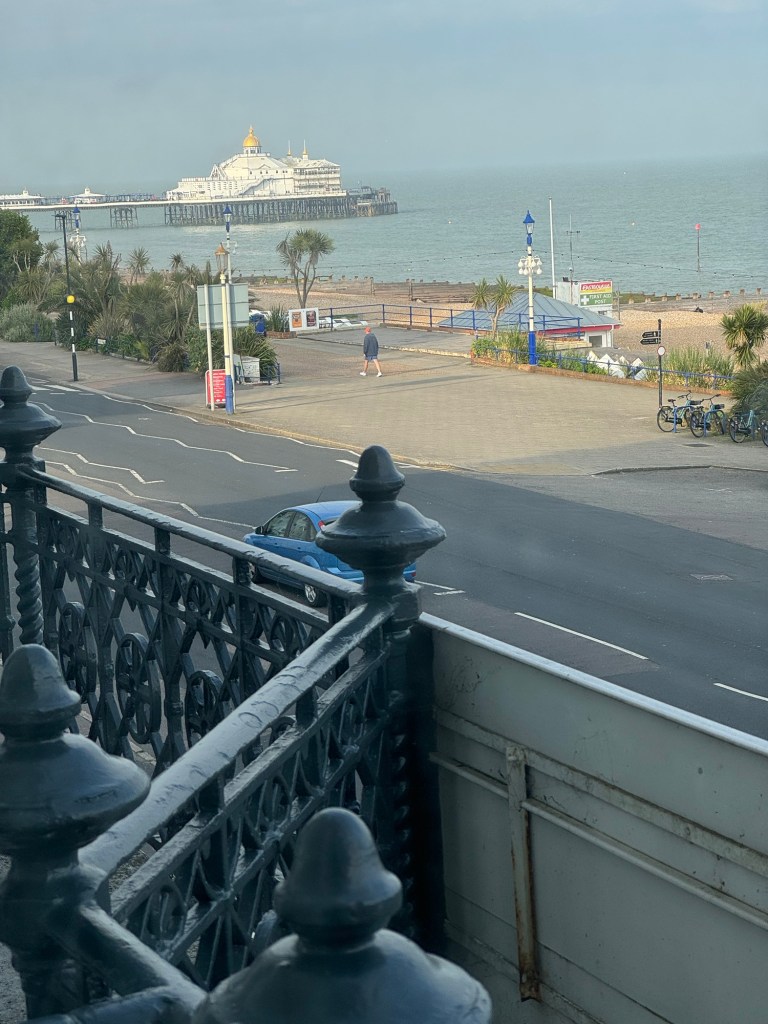
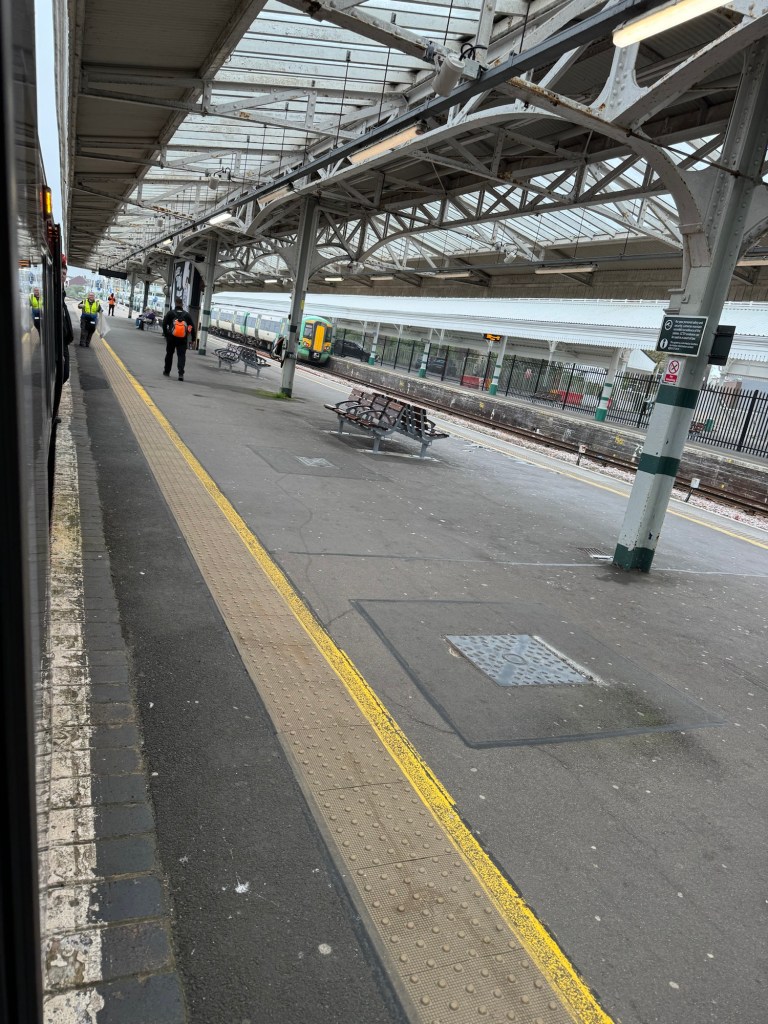
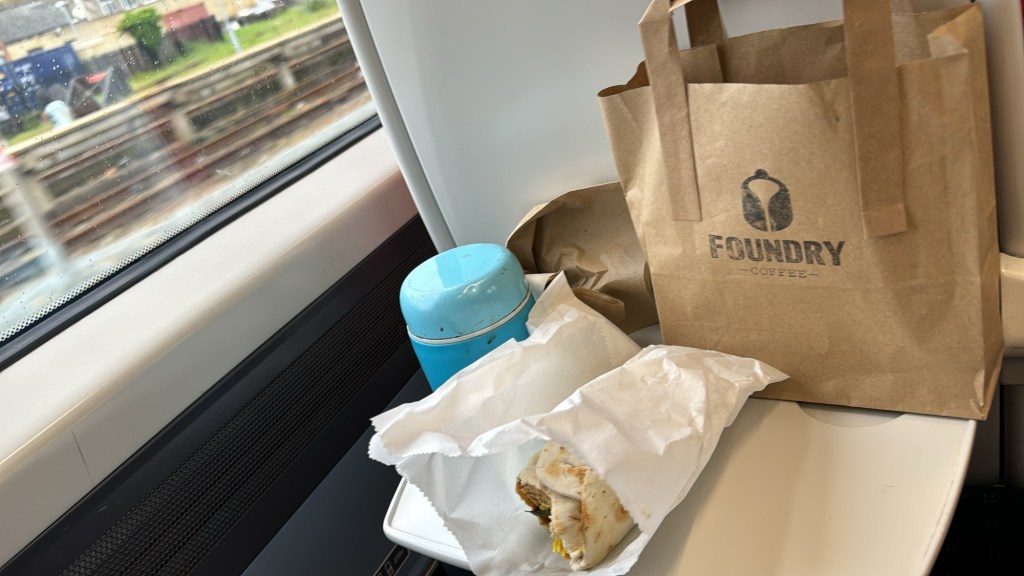
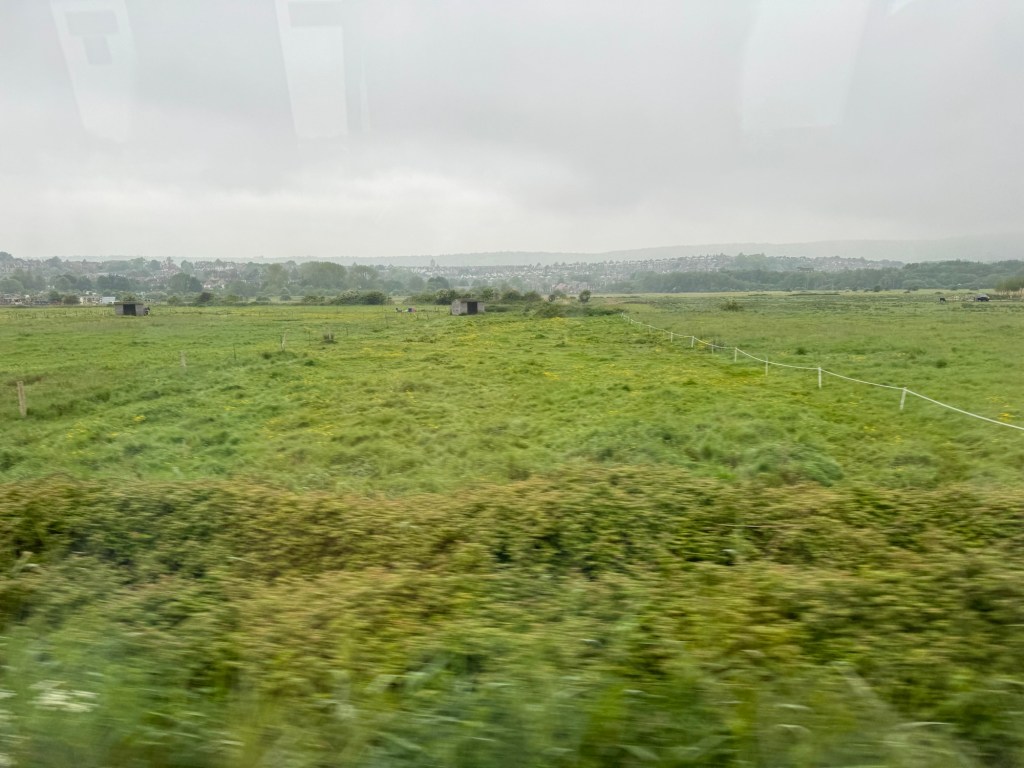
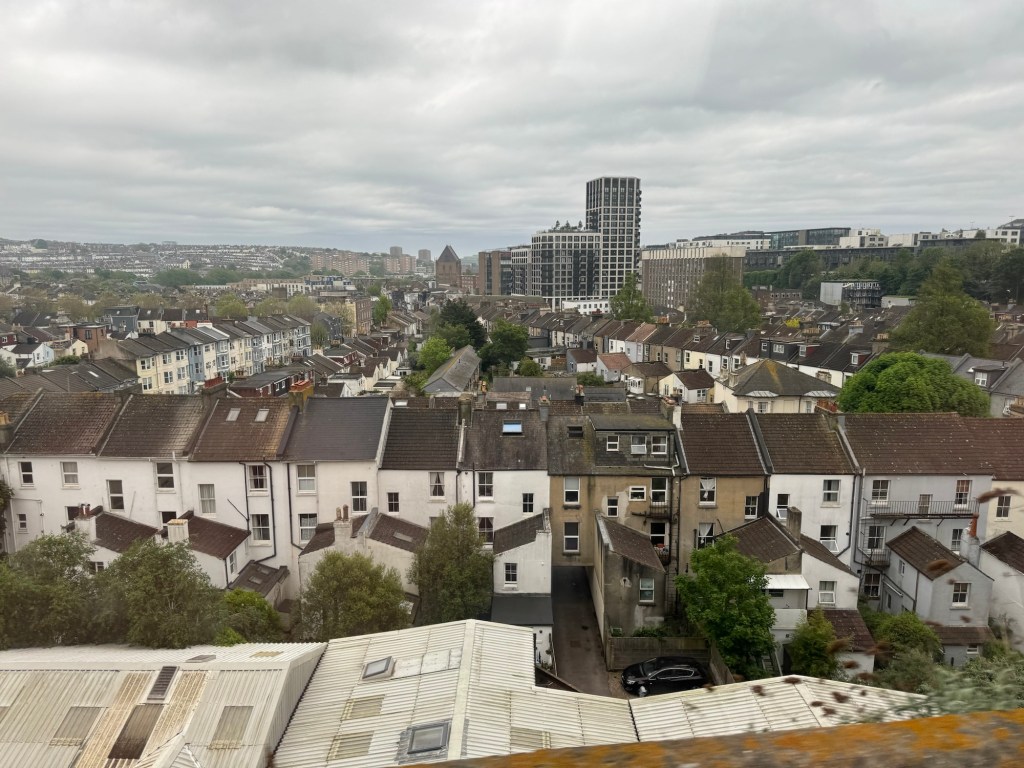
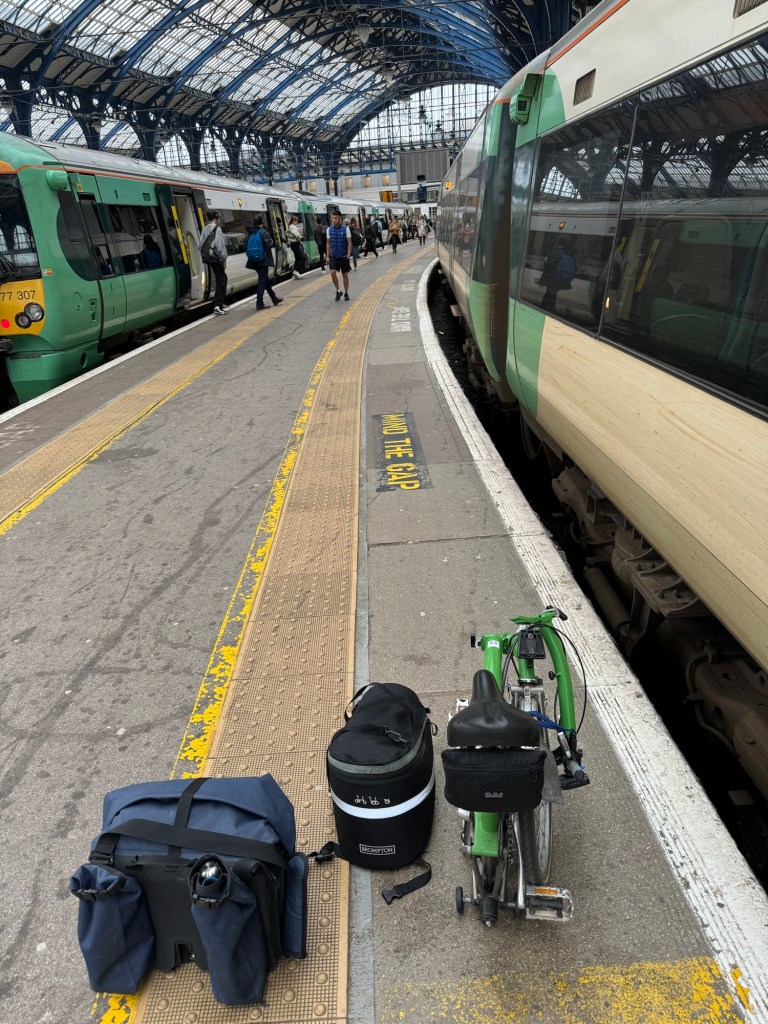
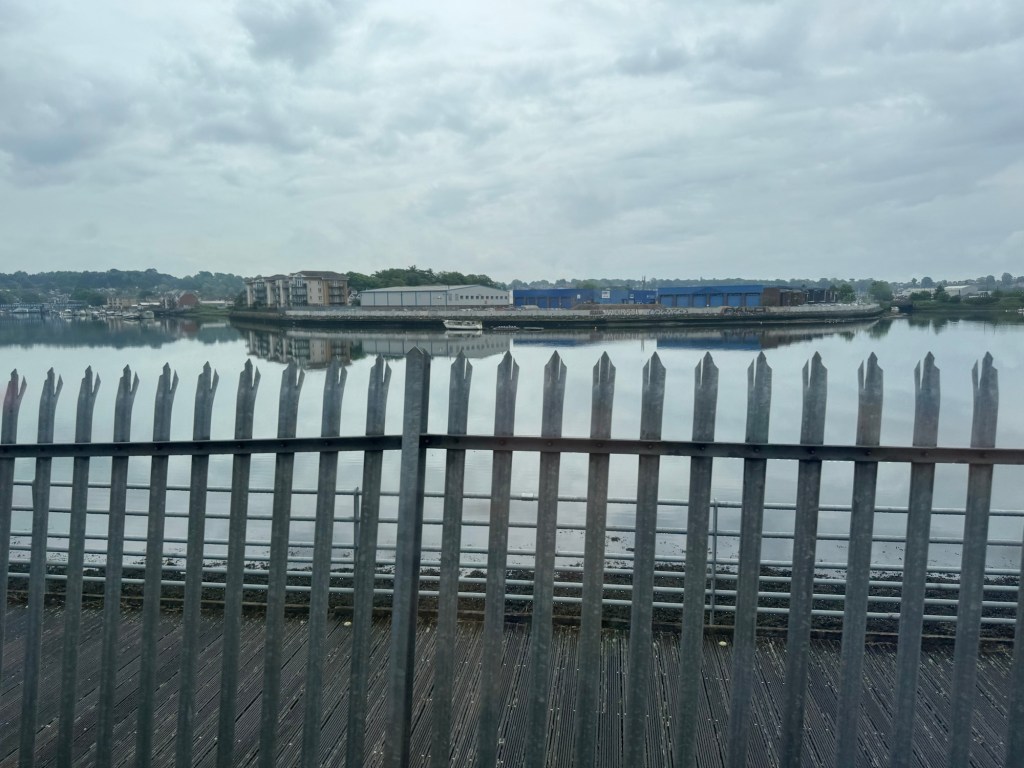
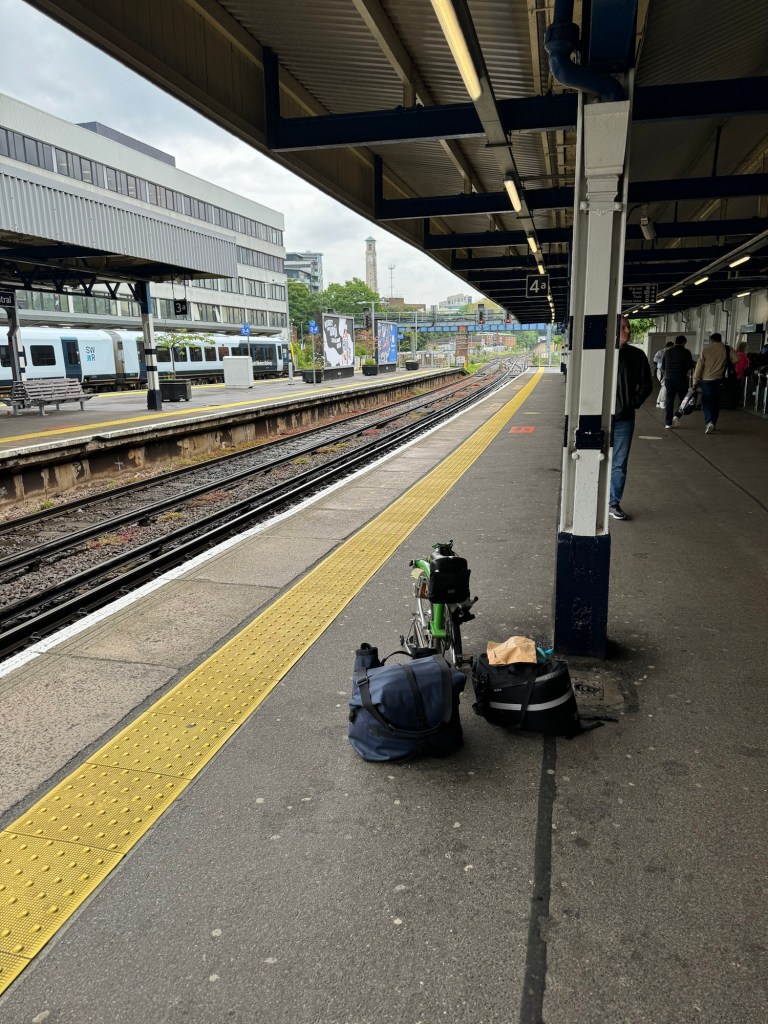
Sunny view of the sea Back on the train again at Eastbourne Early start, so breakfast on the train A green interlude Brighton Brighton station River Itchen Southampton station Near Christchurch
A stop in Poole then back on the train.
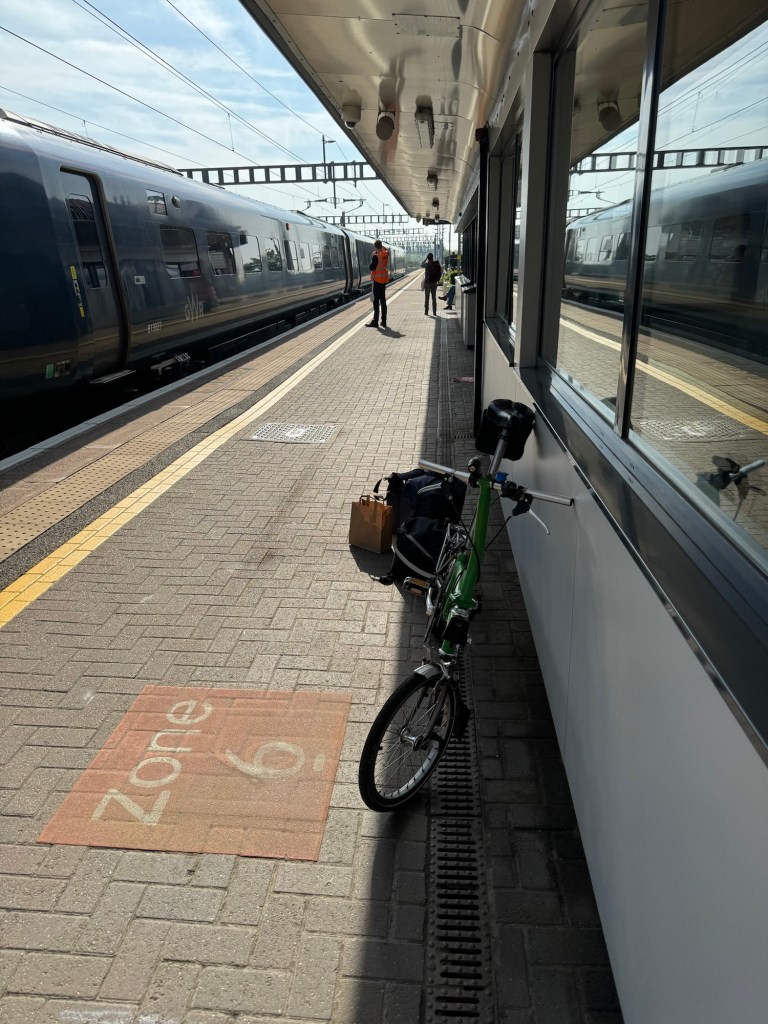
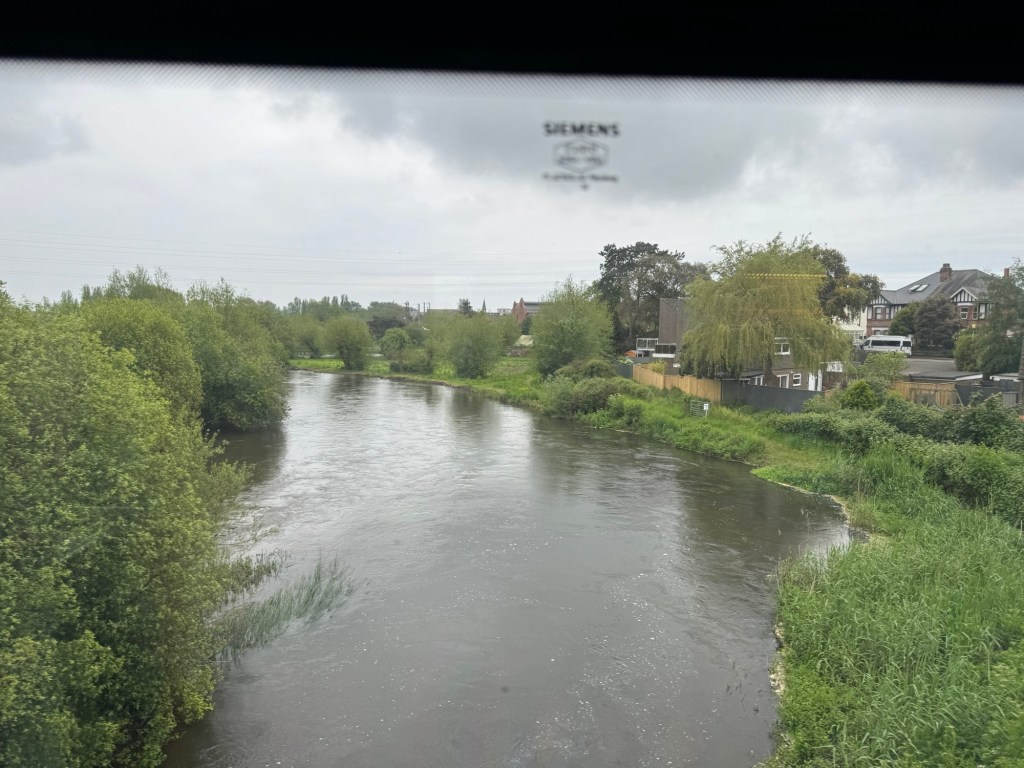
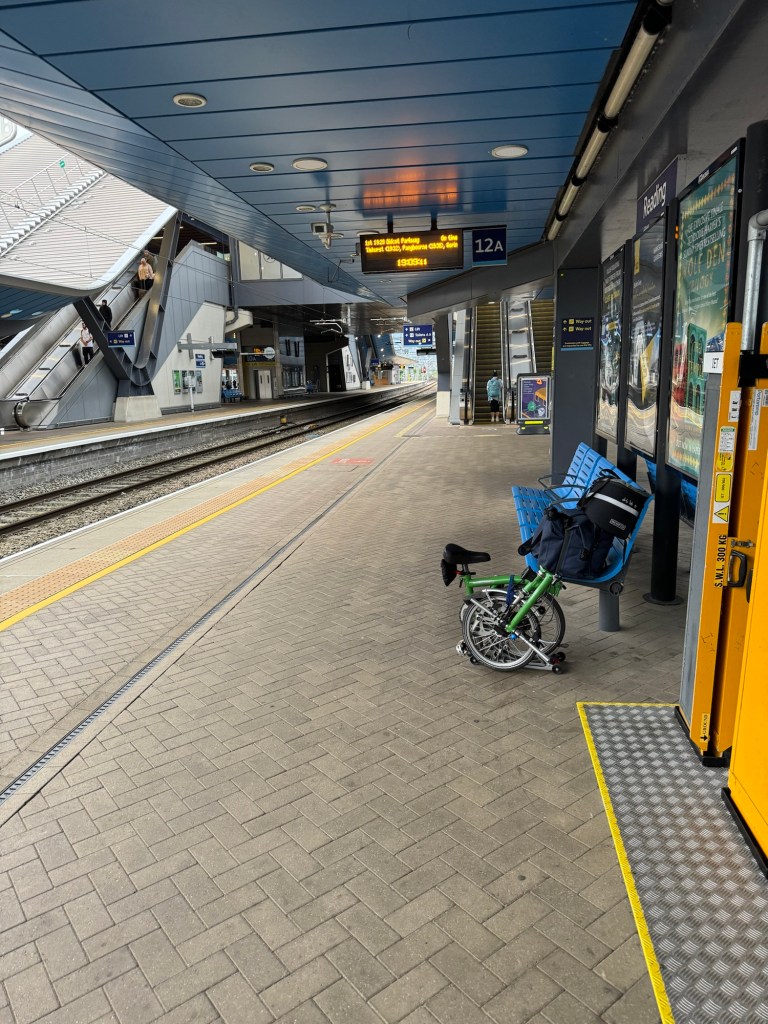
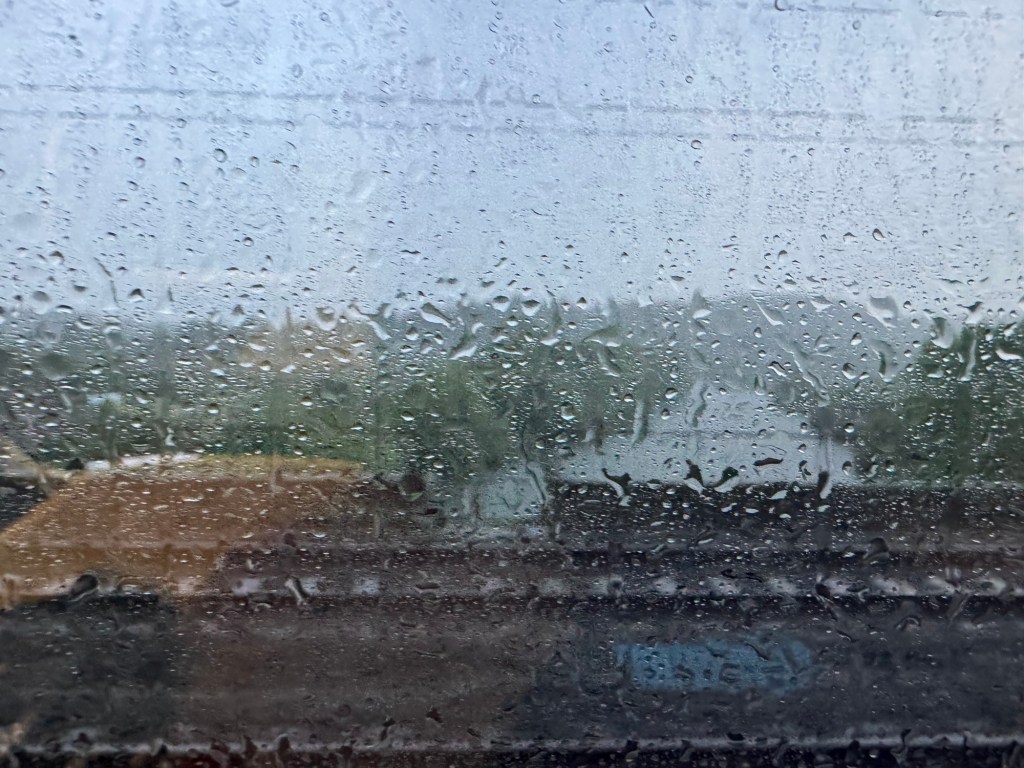
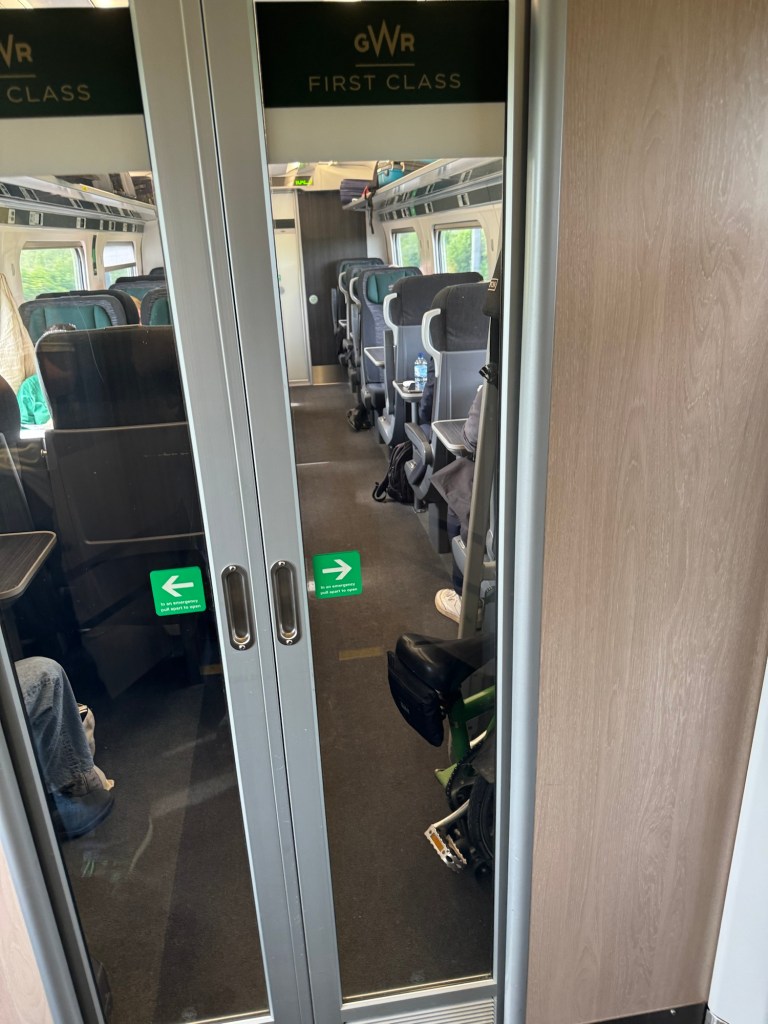
Always end up in Reading 🙂A rainy view of the ThamesAfter a wet ride from Didcot Station Oops, accidentally got on first class at Didcot- on a crowded train
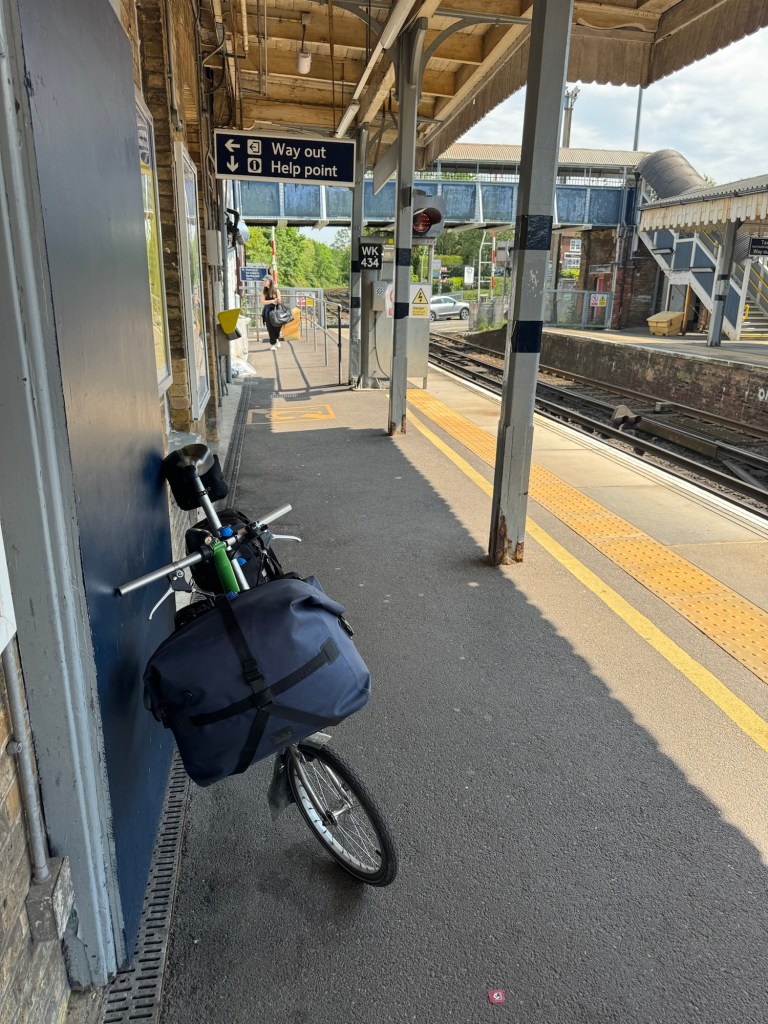
Change at Reading, on to Ash.
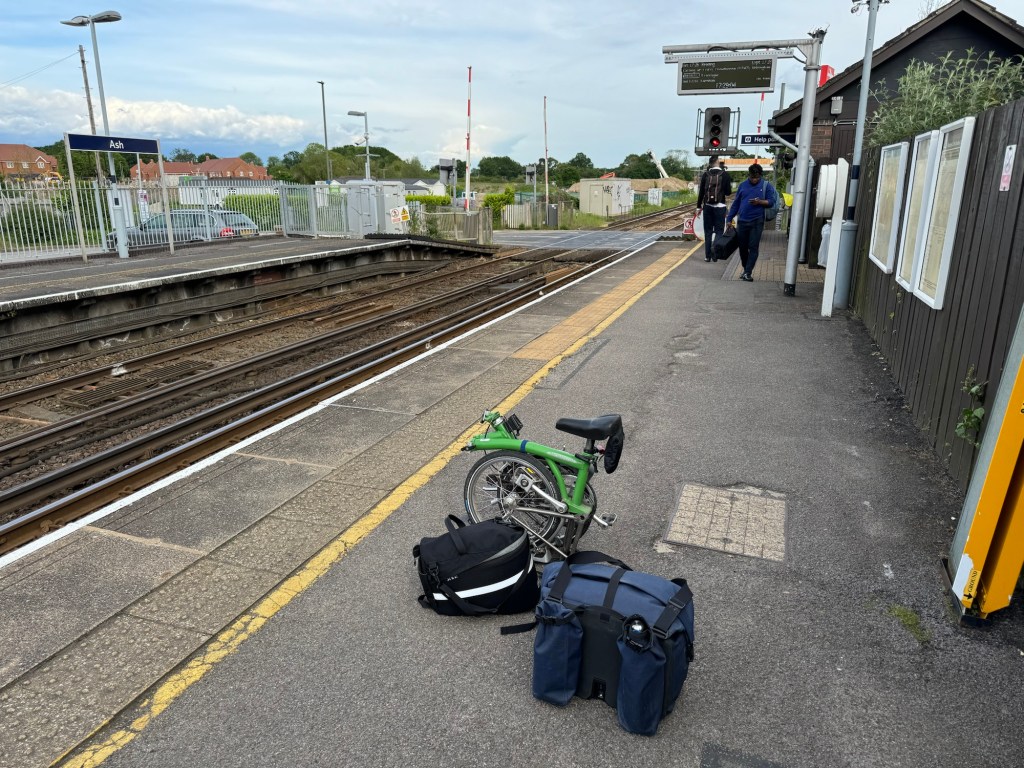
Ash
Fun at Ash, delayed train from Guildford due to something being thrown on the line.
A stay in Surrey for the weekend.
Leaving FarnhamLondon
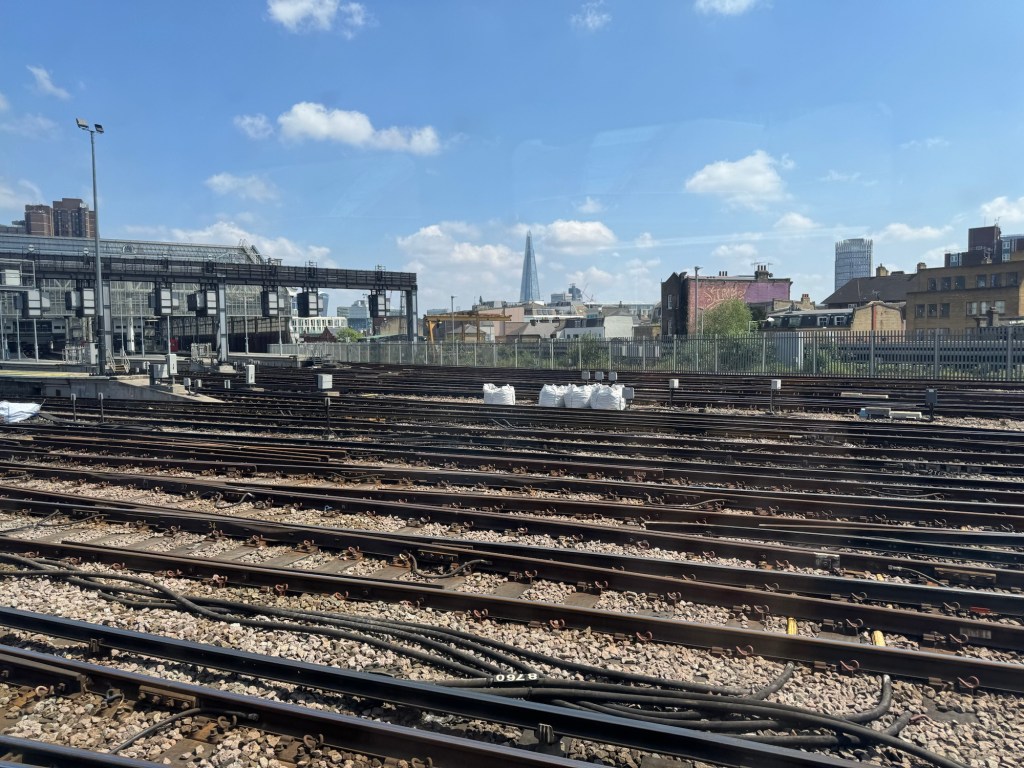
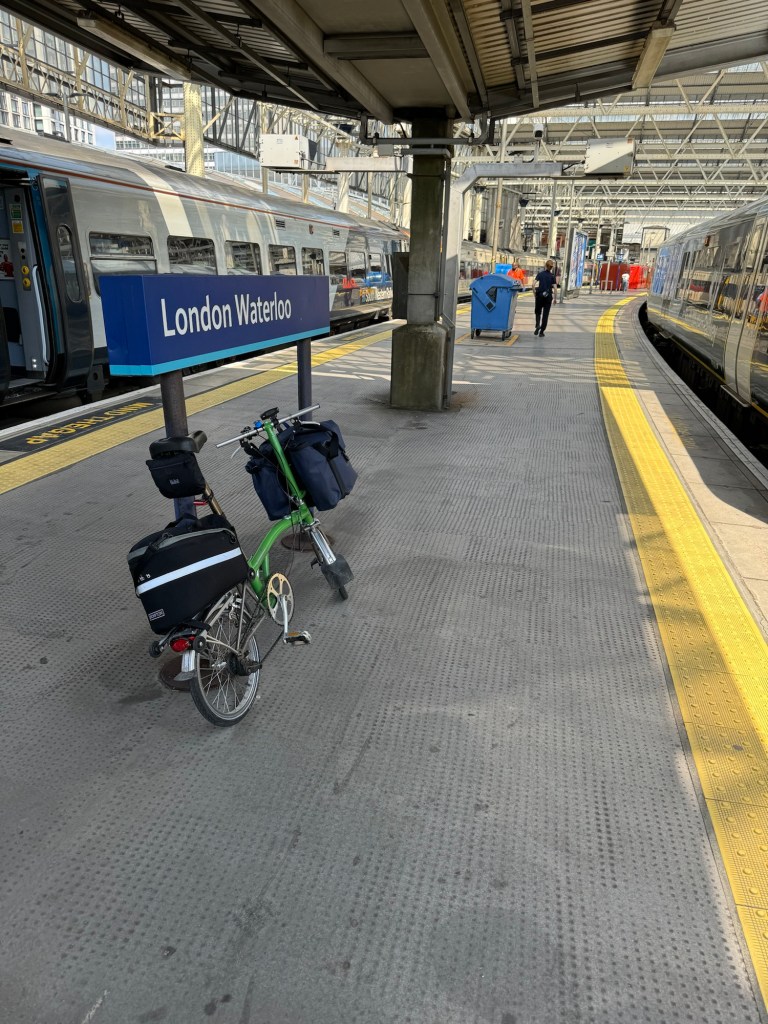
Another cycle across London.
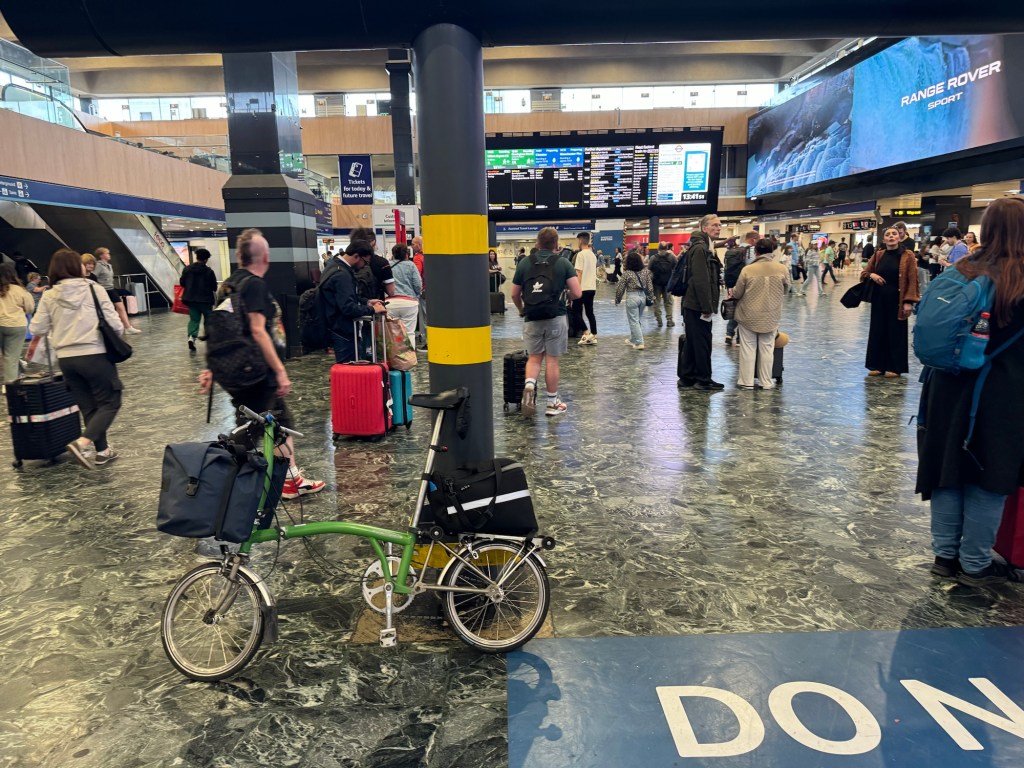
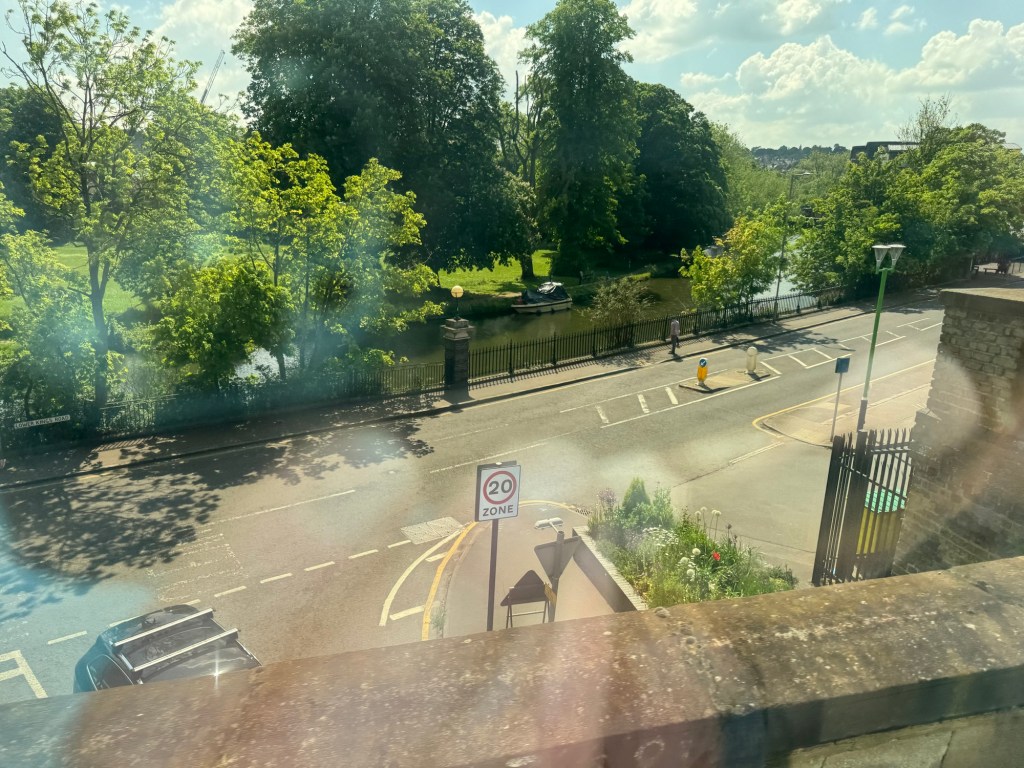
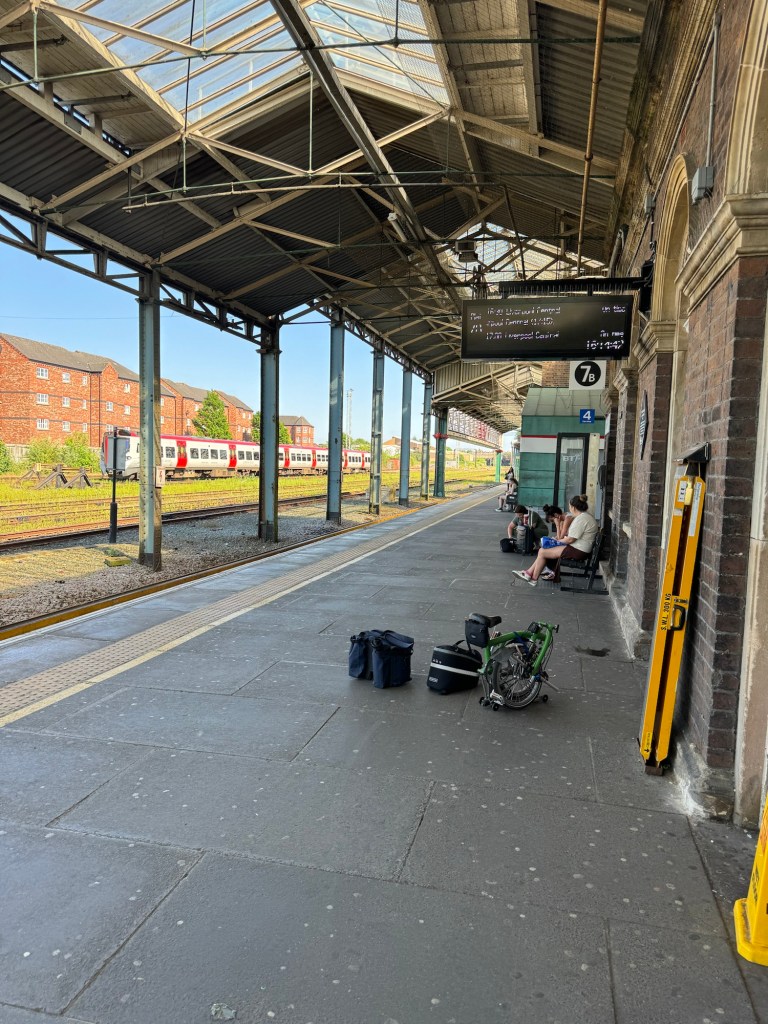
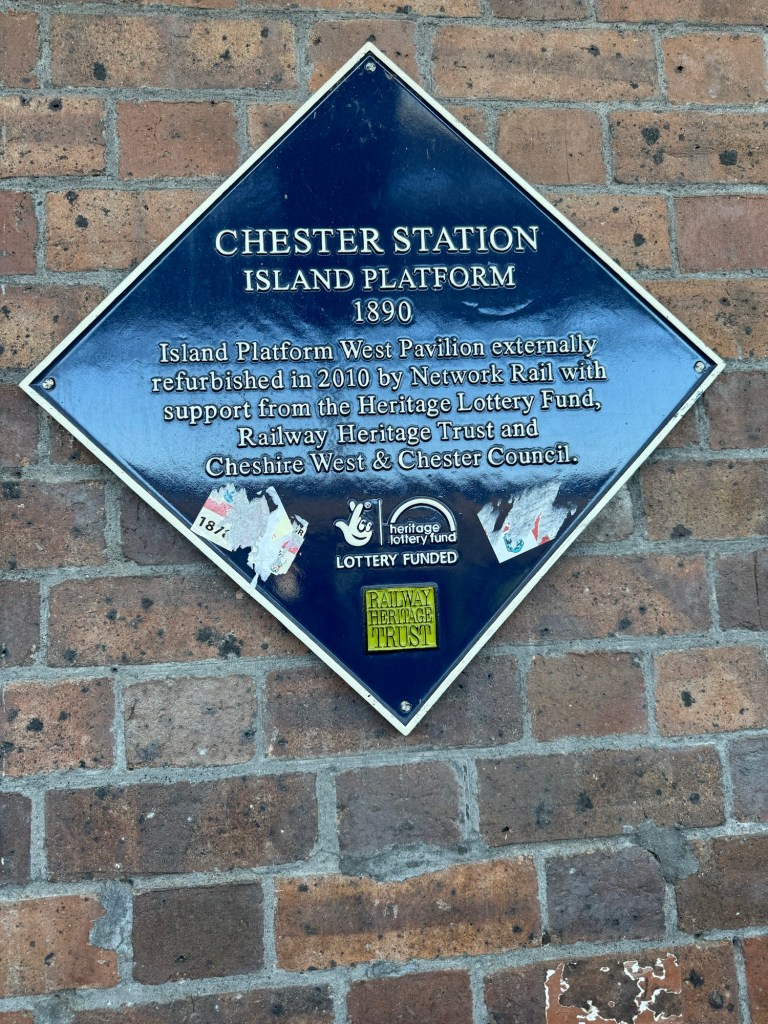
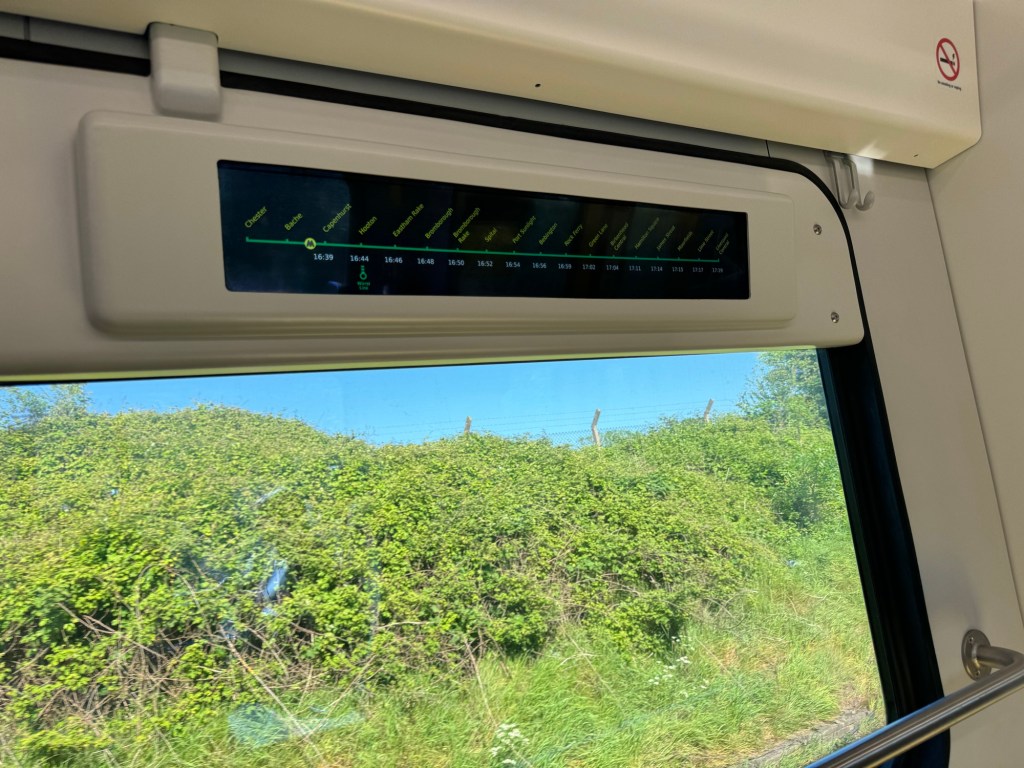
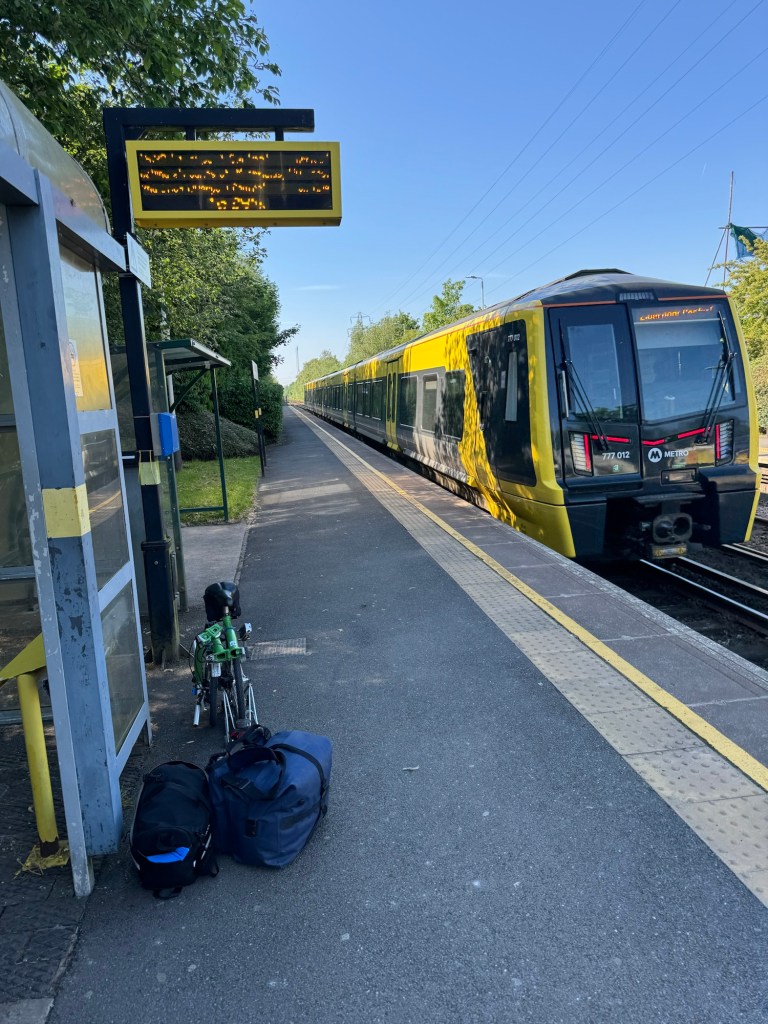
Euston stationBerkhamsted?Chester stationCapenhurst Liverpool
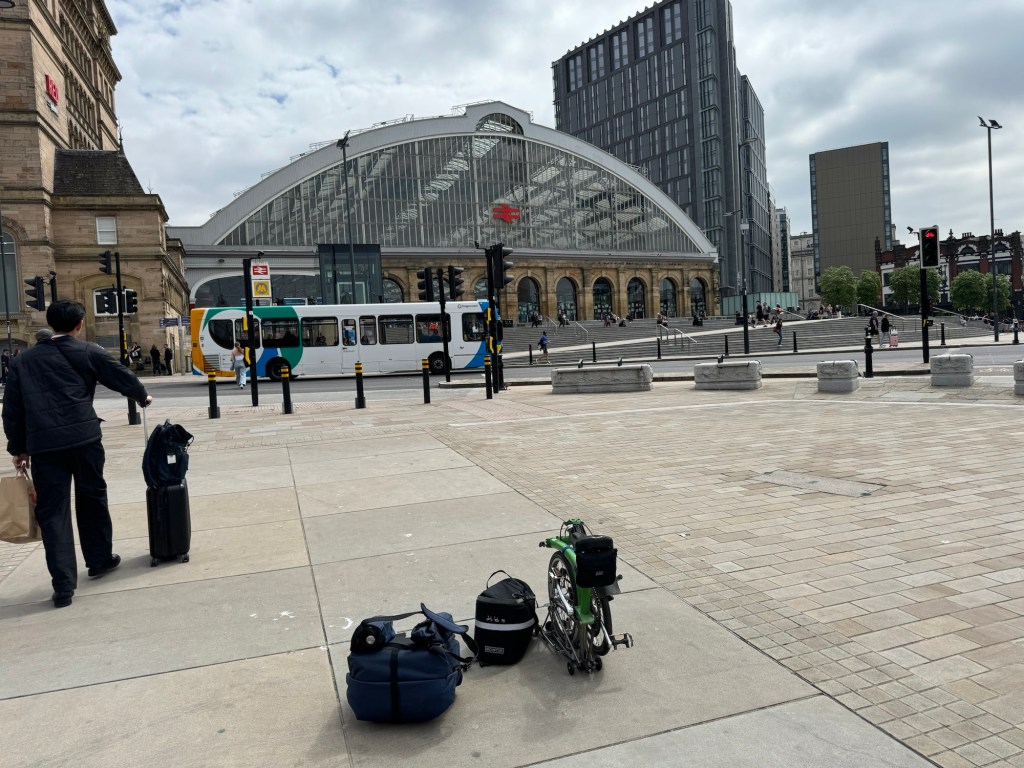
Things started going pear shaped at Liverpool from where I was trying to travel to Inverness.
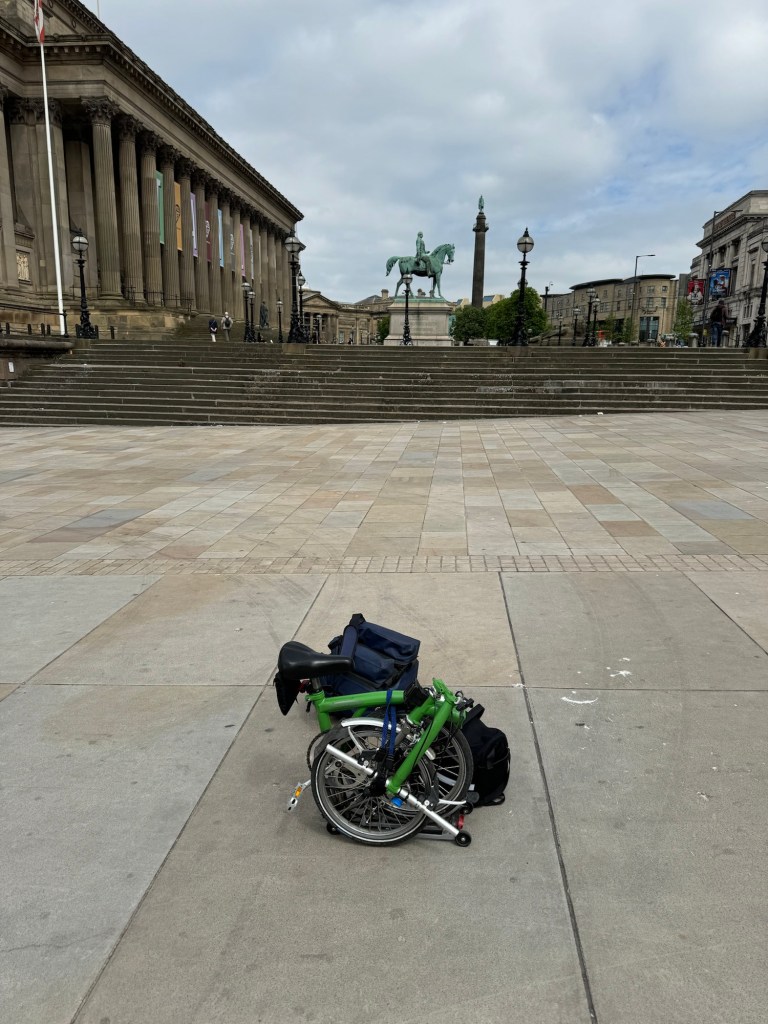
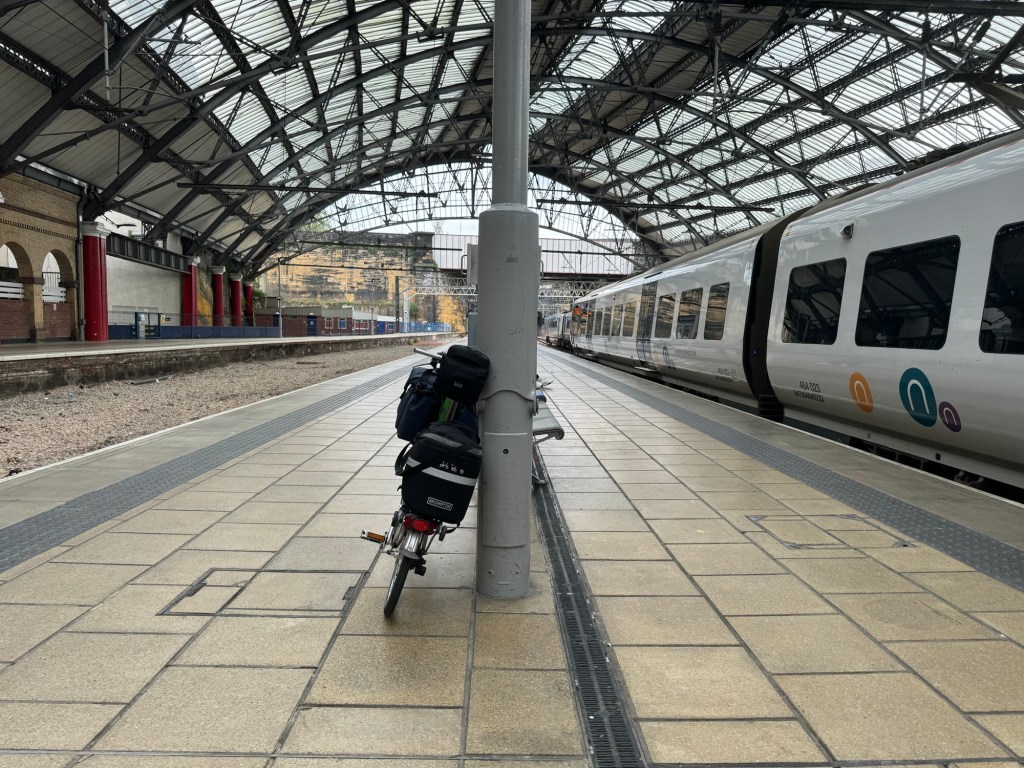
Liverpool station
Caught an earlier train , which I was only able to do due to having arrived early at Liverpool.
Change at Preston for Edinburgh Passing through LancasterBack into Scotland- sun getting low
The train got stopped, so my connection at Haymarket started looking unsafe,
Edinburgh Airport
Despite warning the conductor and his best efforts we missed the connection to Inverness. ScotRail refused to hold their train. Splitting up British Rail was not a good idea.
Shoved on a train to Perth.
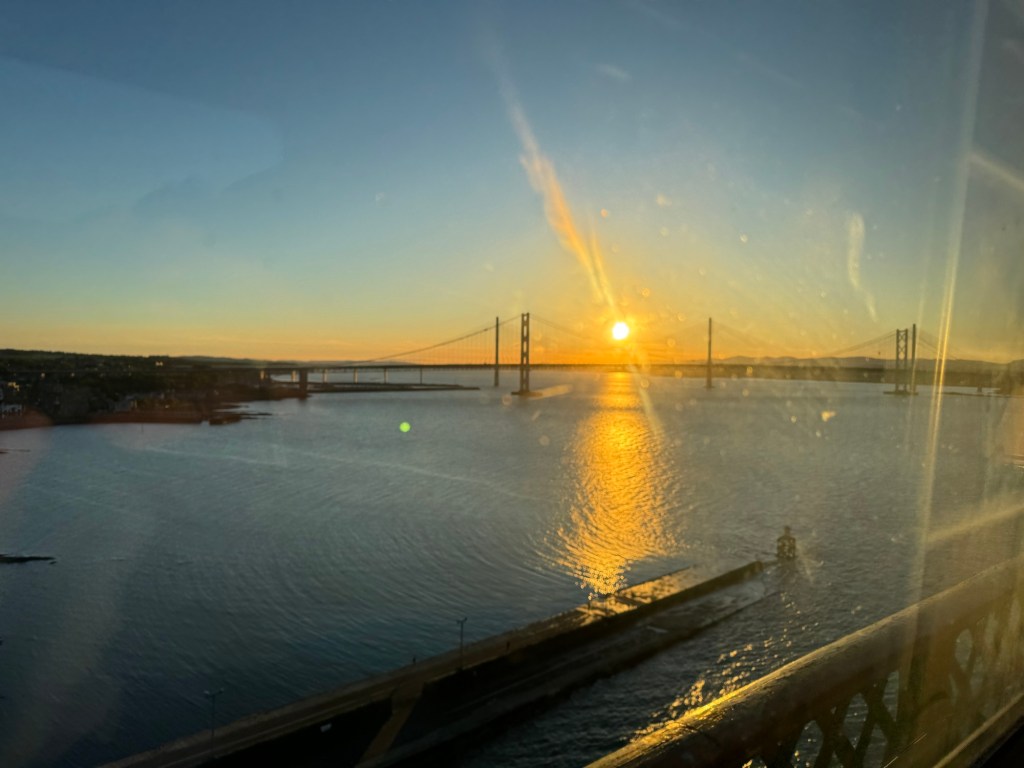
Sun setting on the ForthI did not expect to be going through Kilcardy
After a late taxi ride from Perth to Inverness I eventually got to bed.
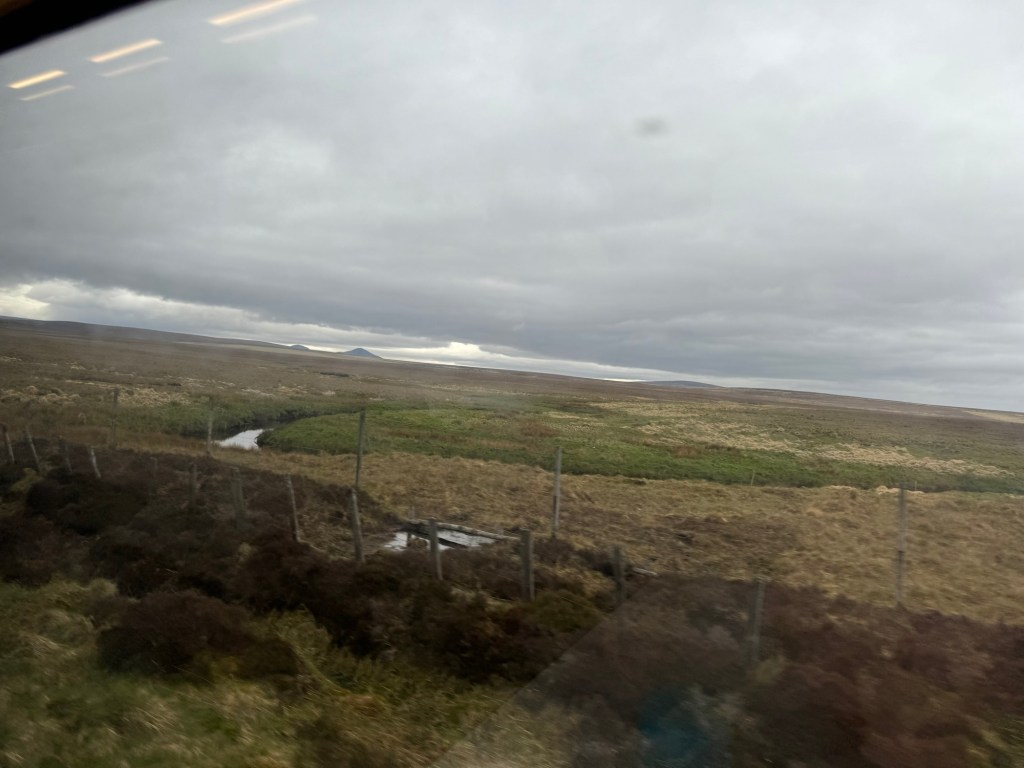
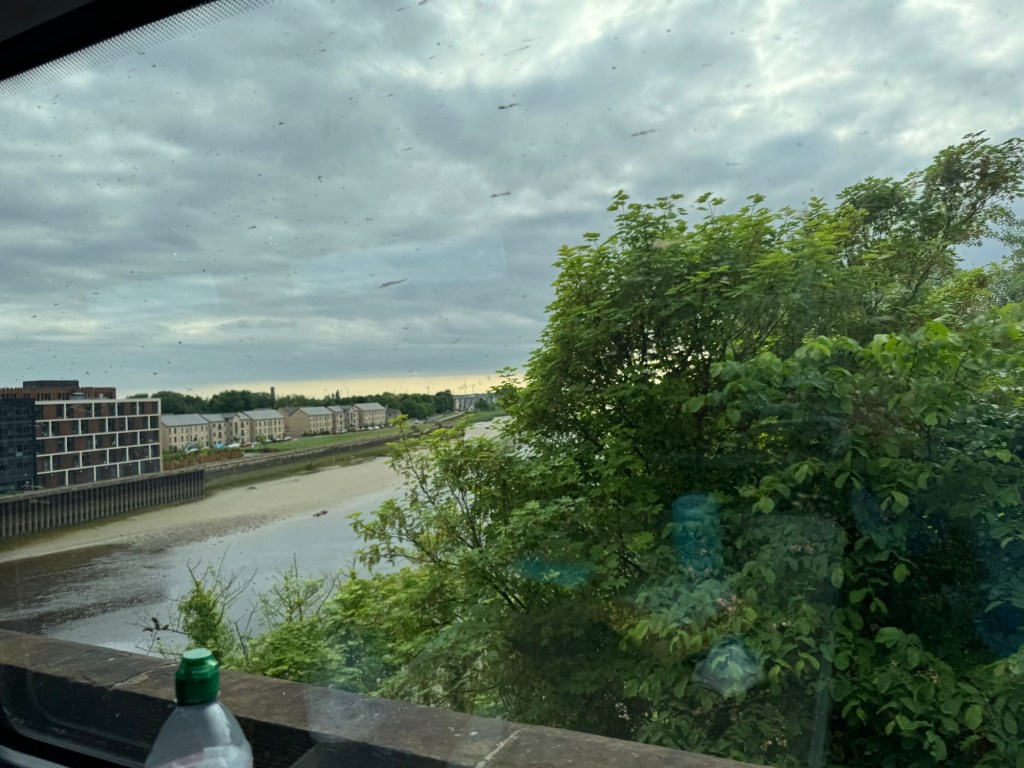
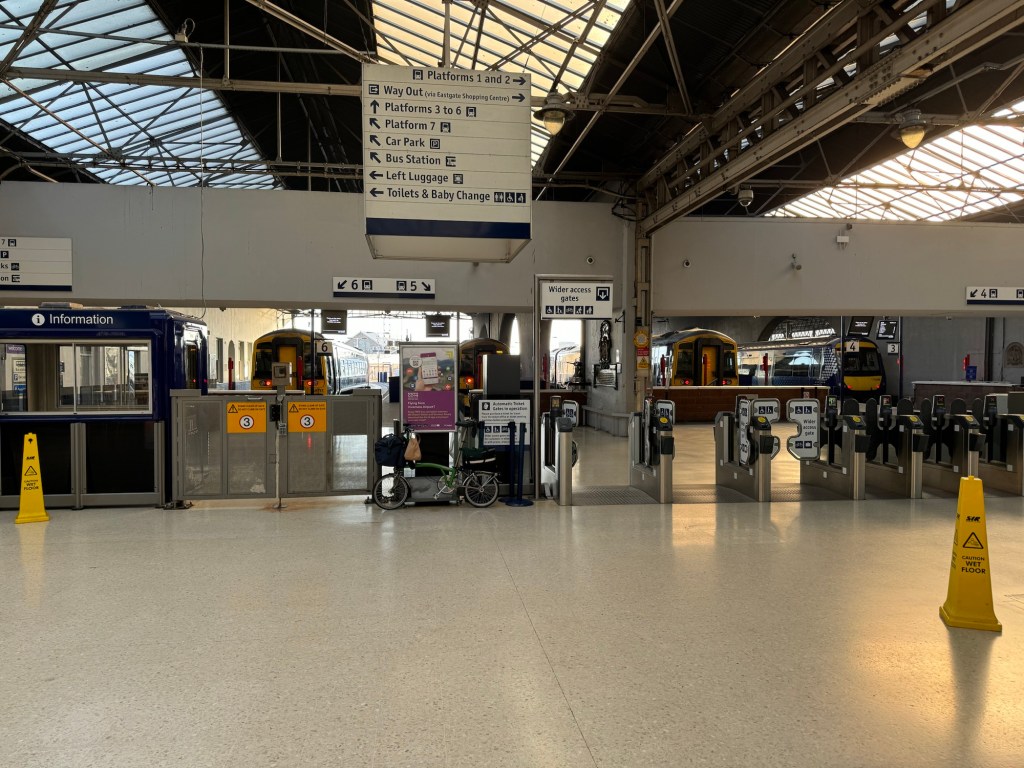
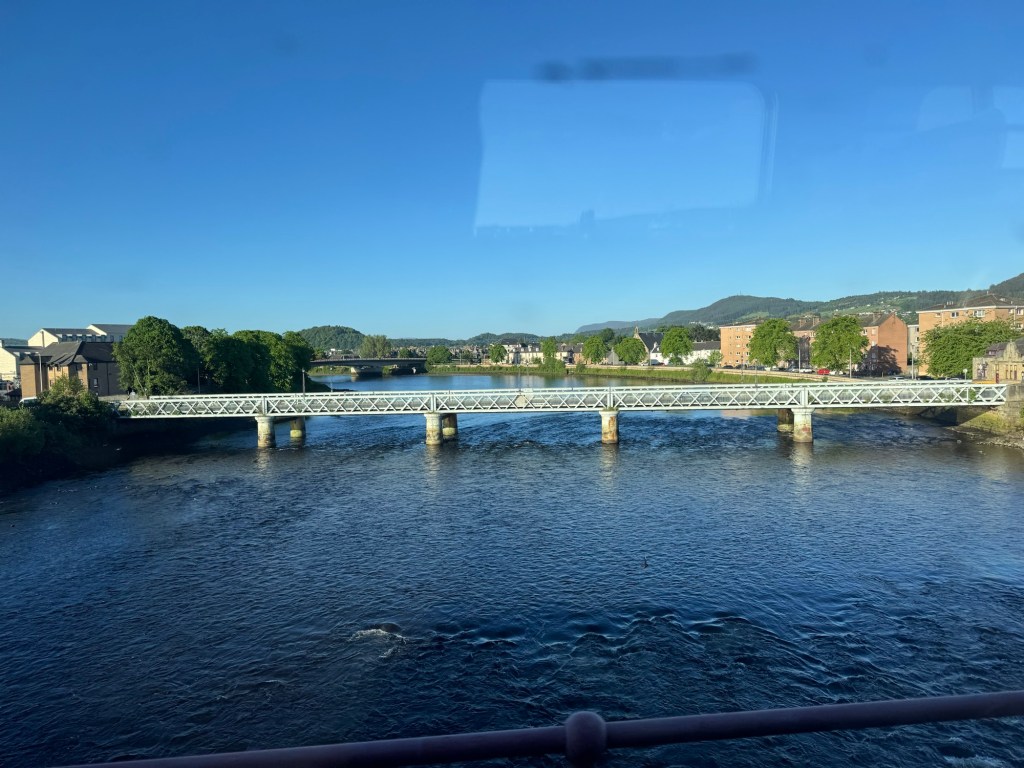
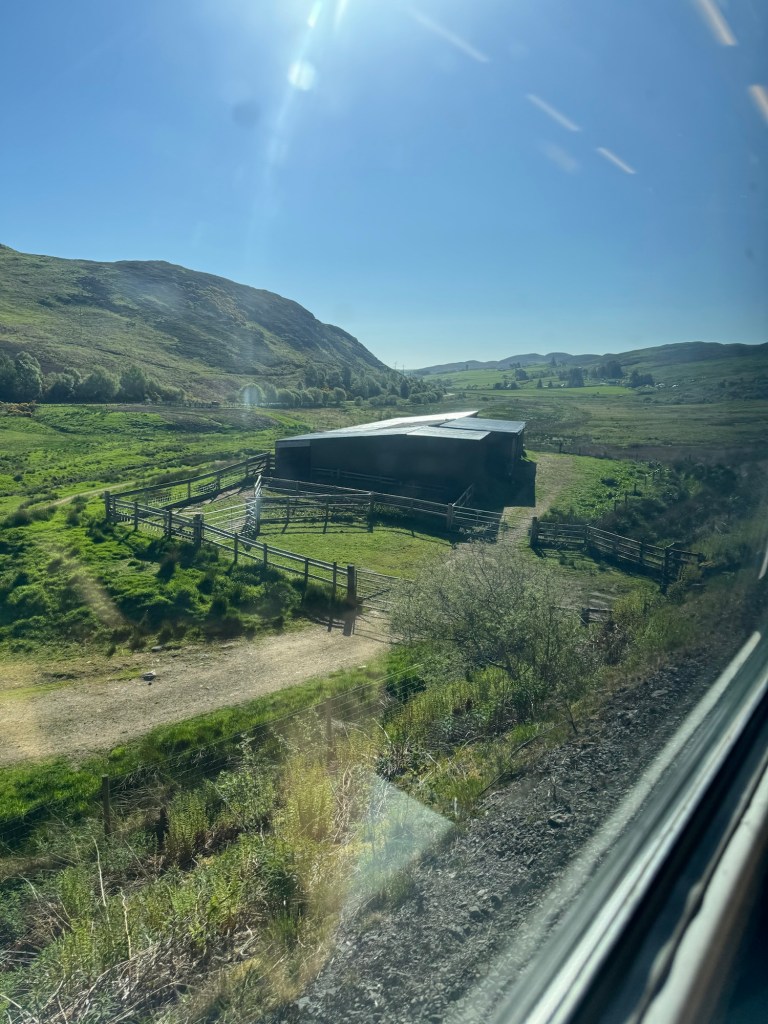
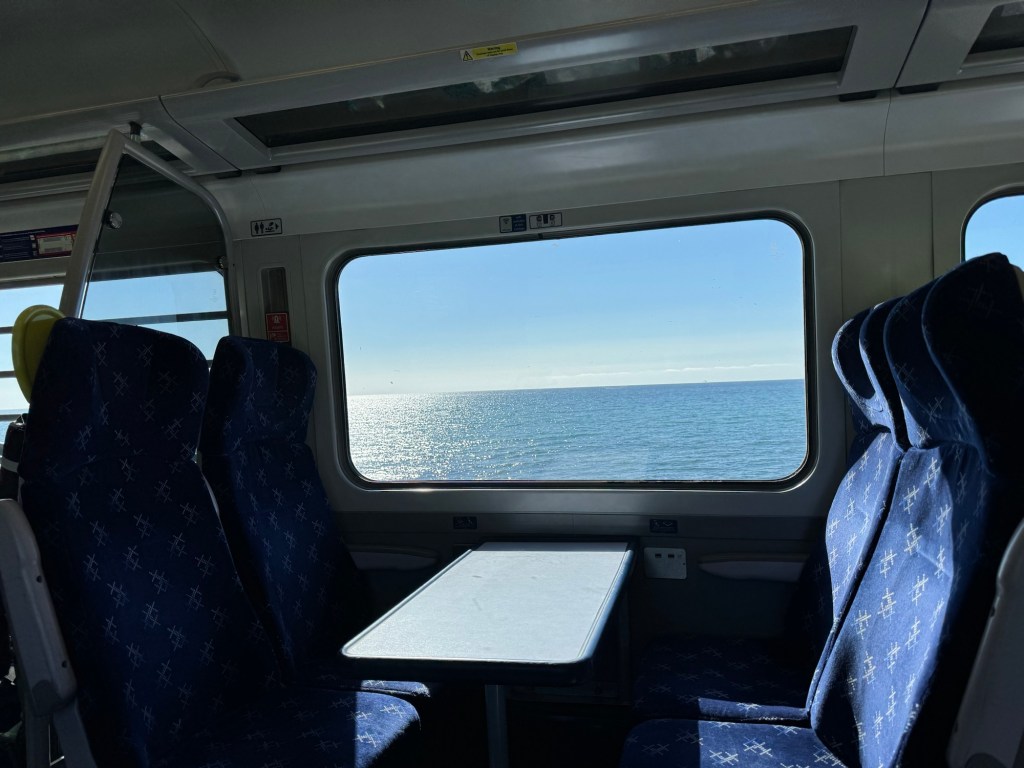
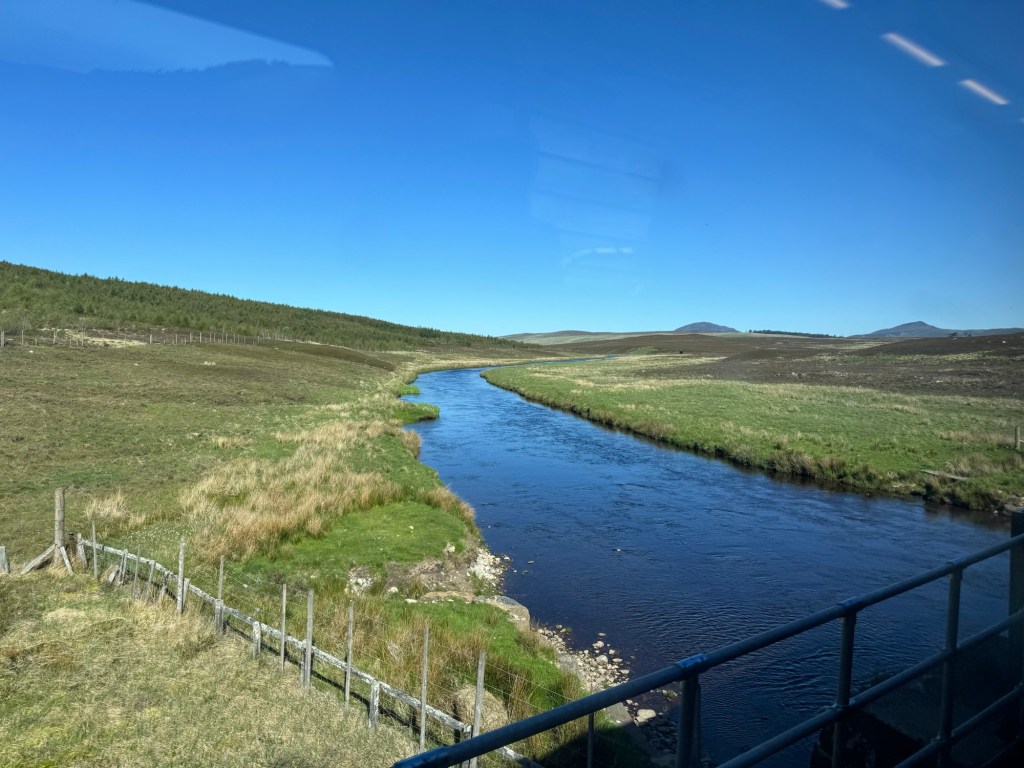
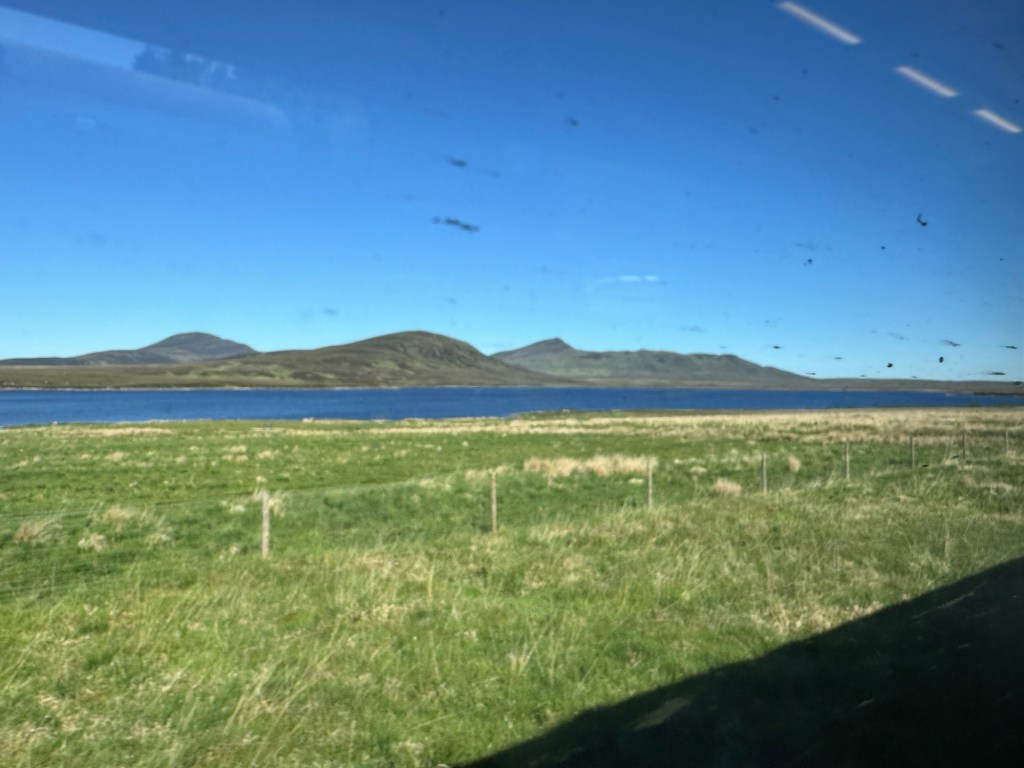
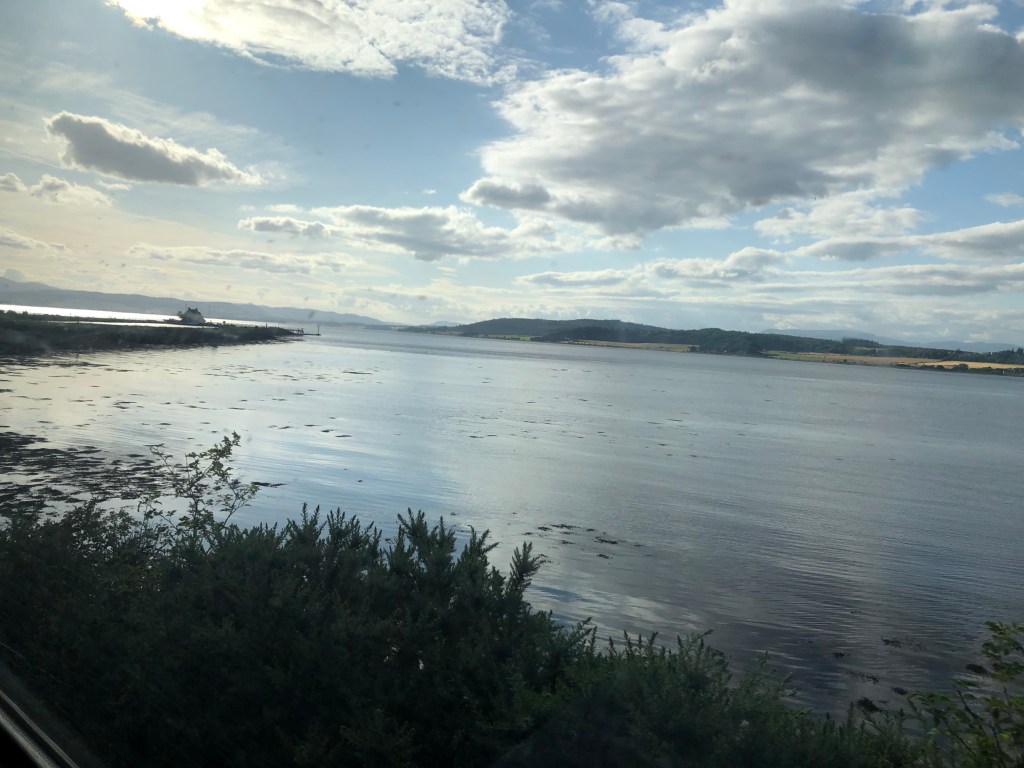
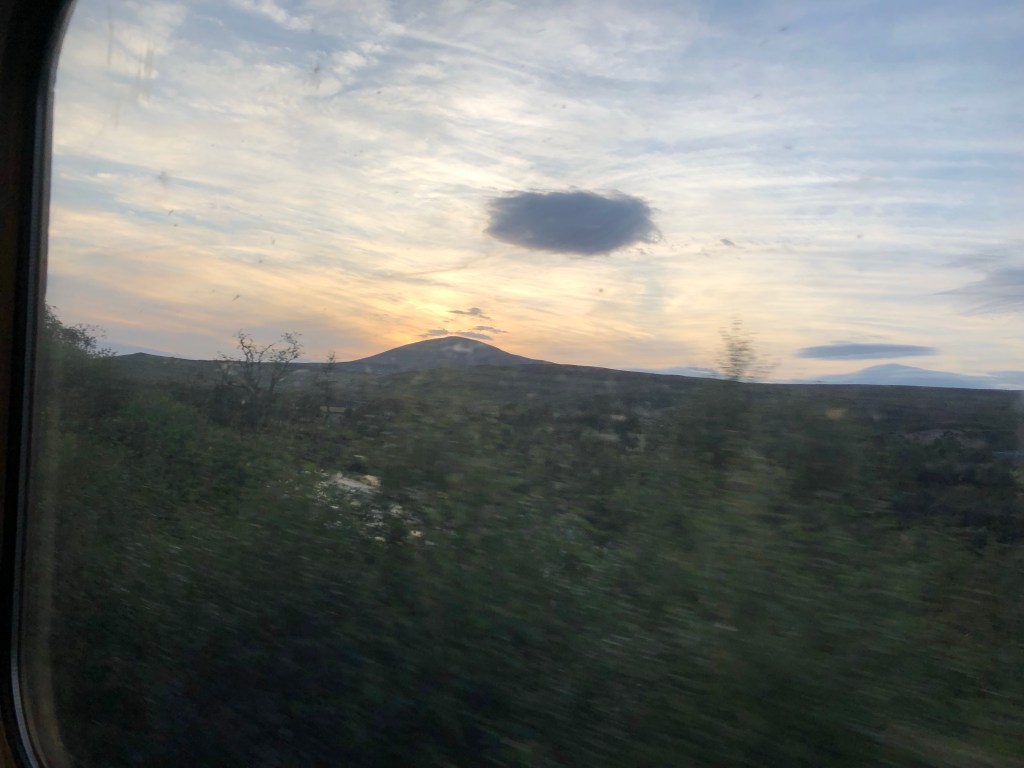
Up bright and early Back at Inverness station Crossing the river NessNear LairgSunny with a blue sea near Brora.River HelmsdaleNear KinbracePreparing to disembark
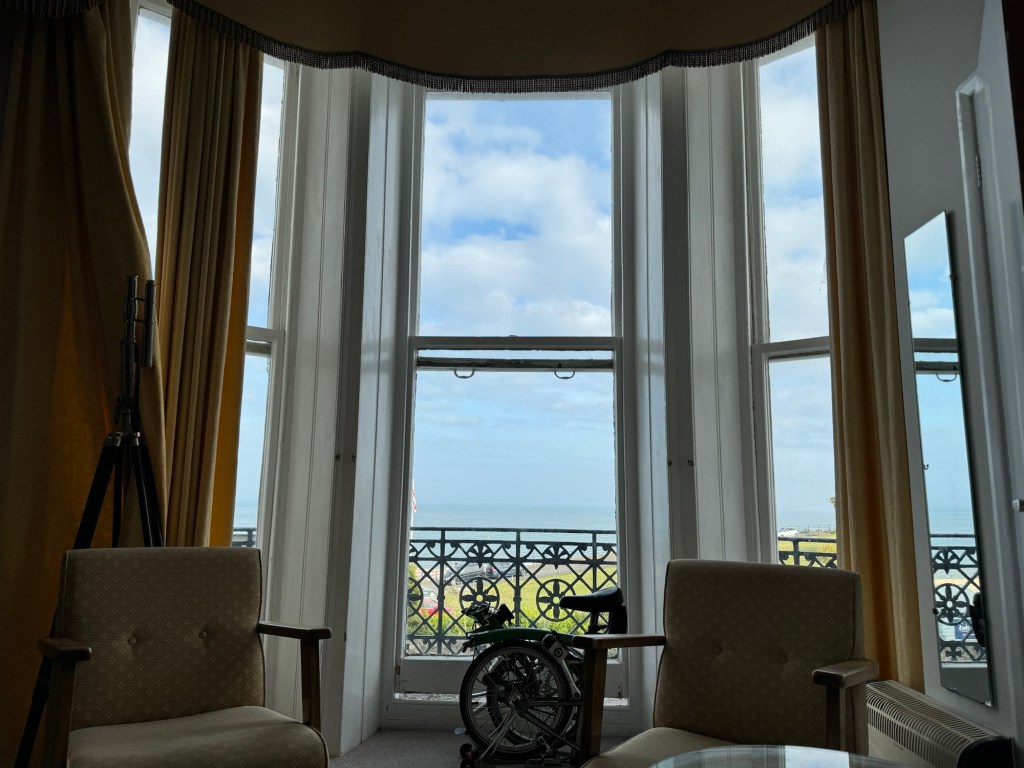
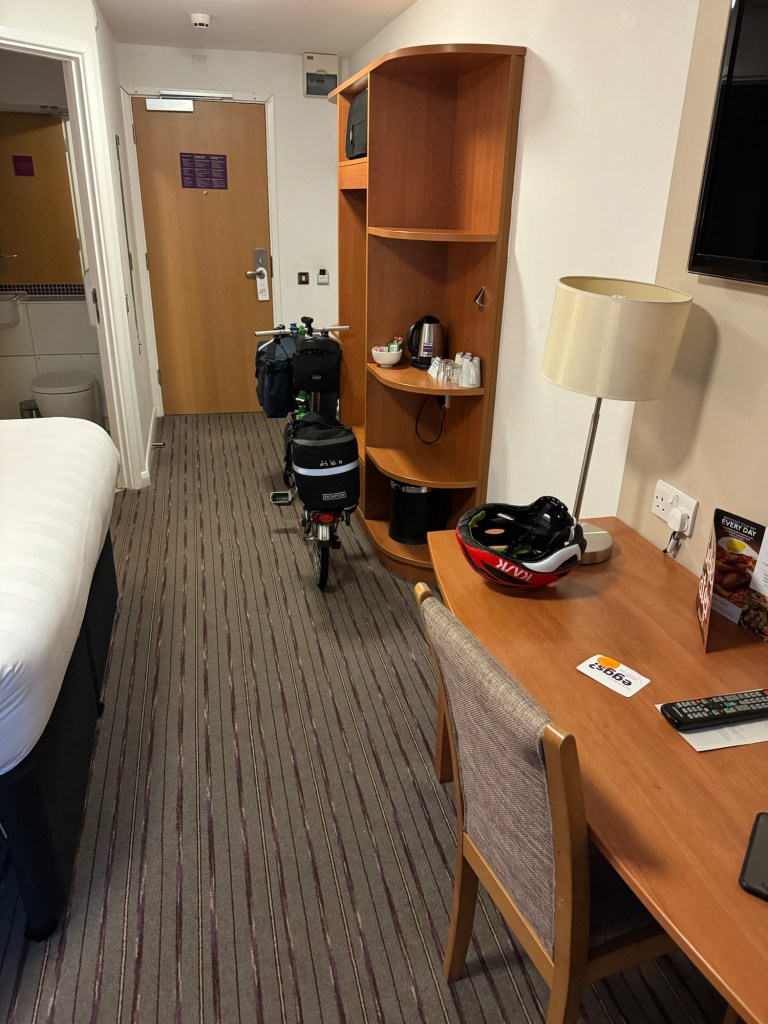
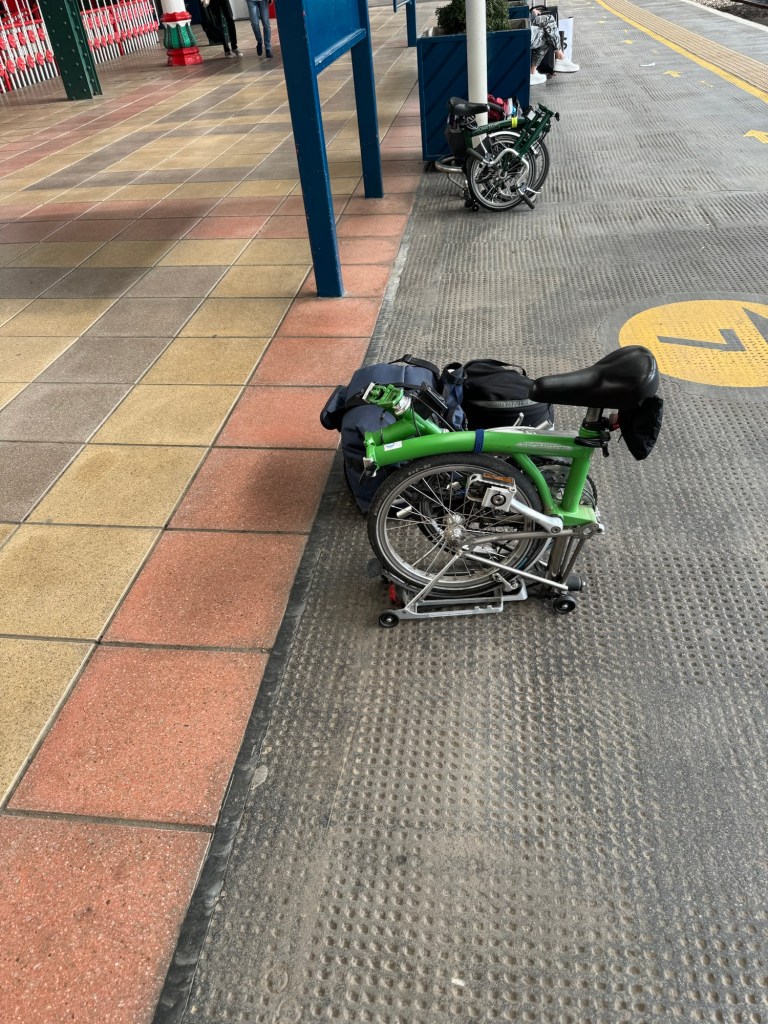
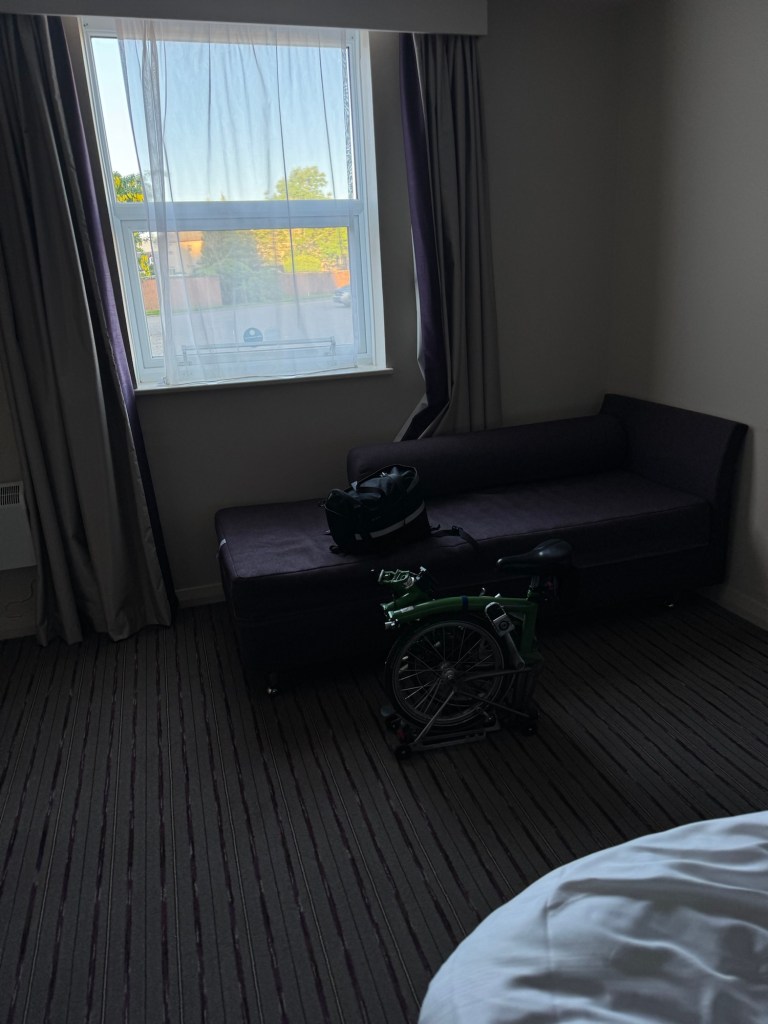
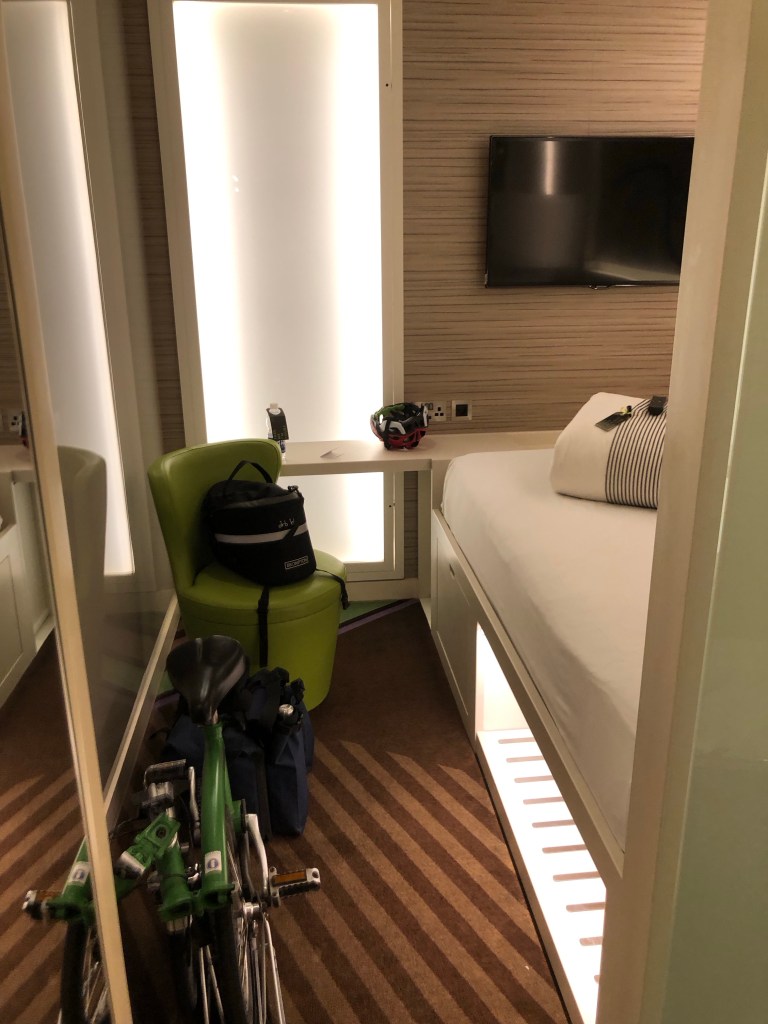
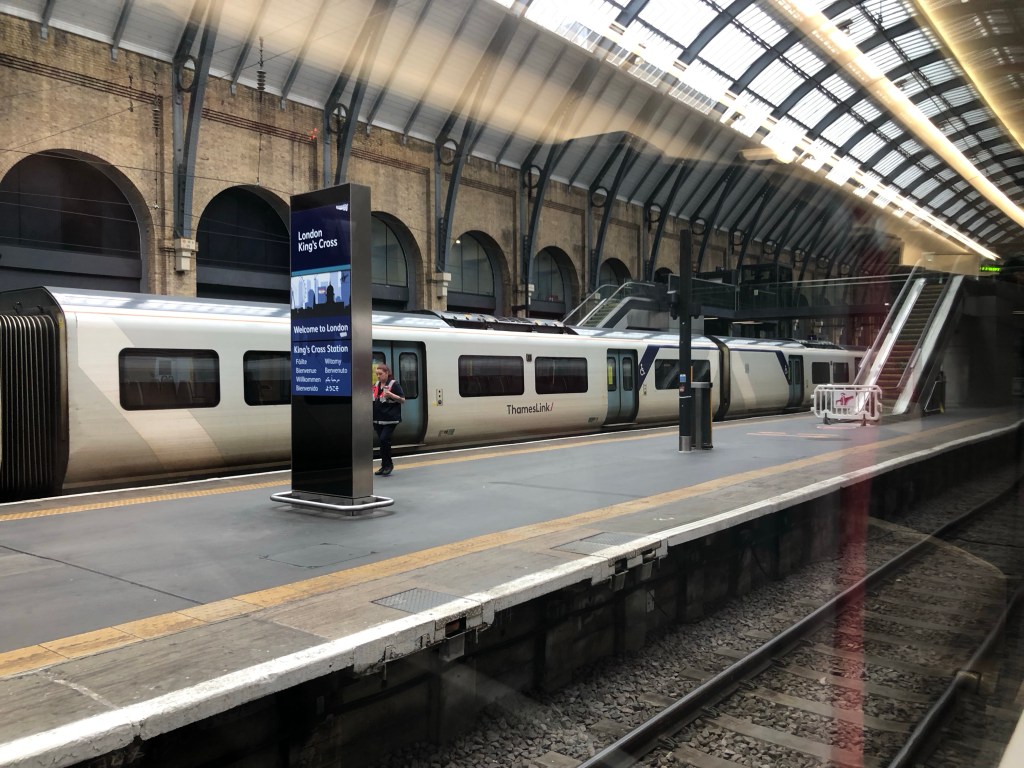
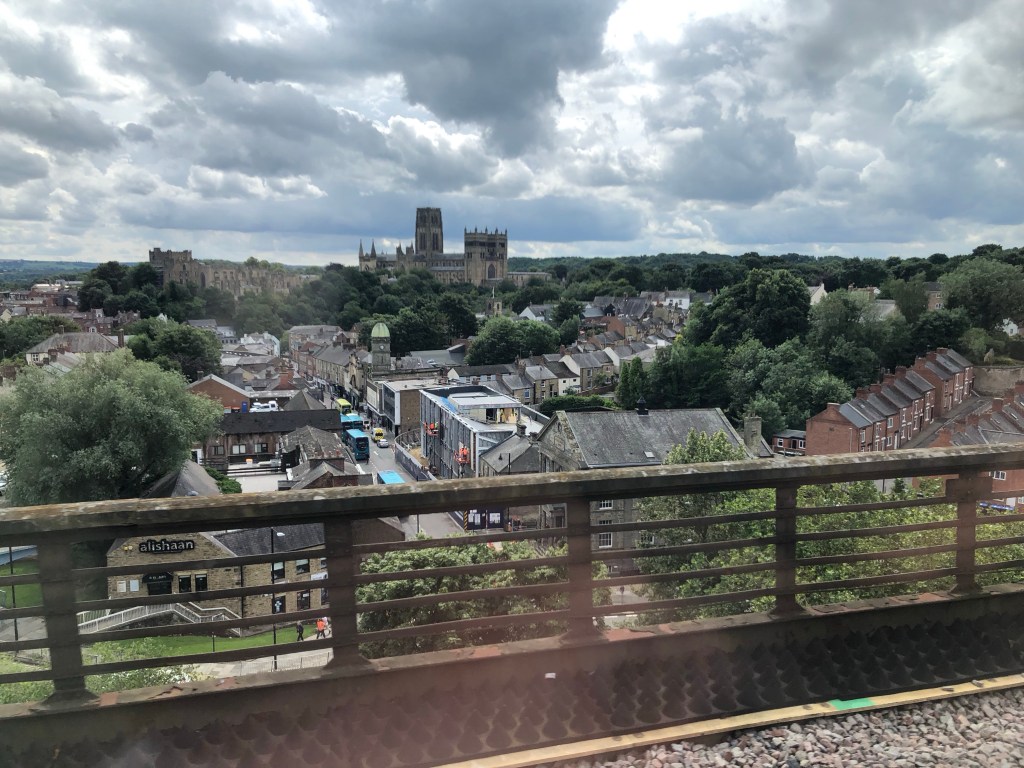
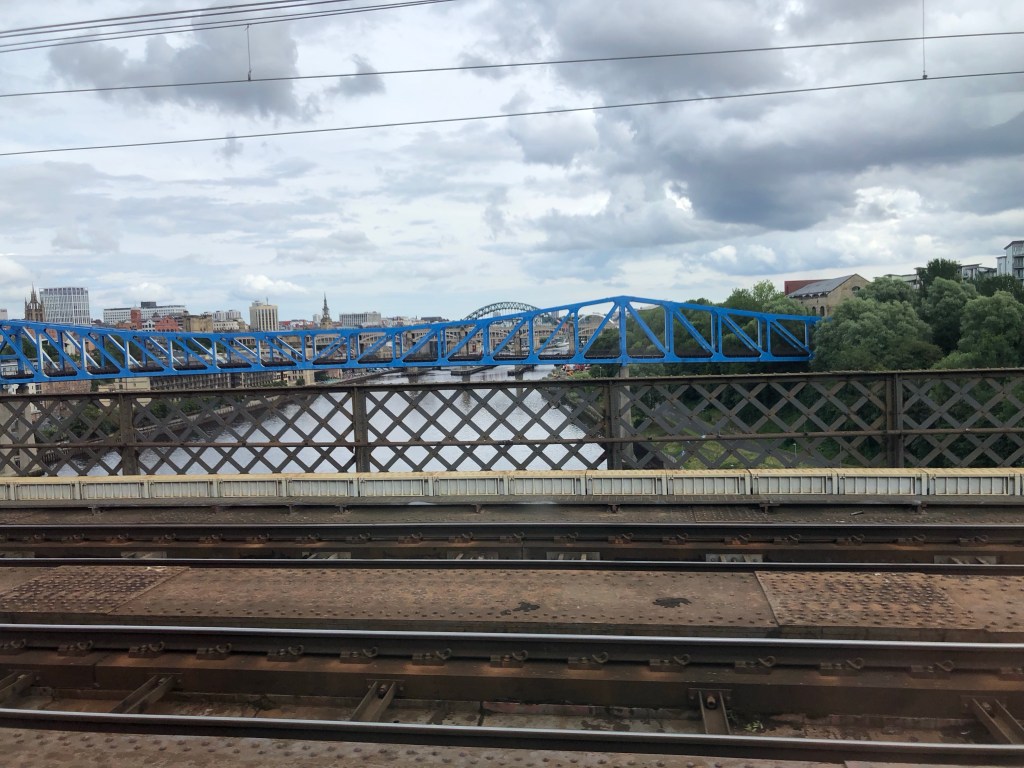
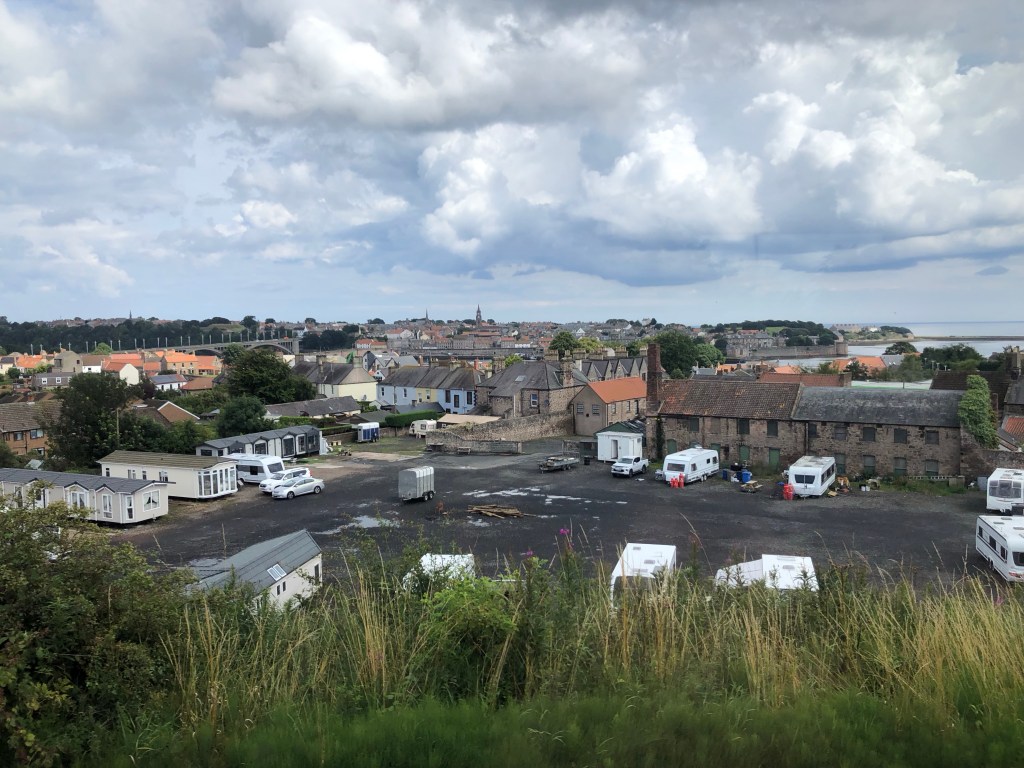
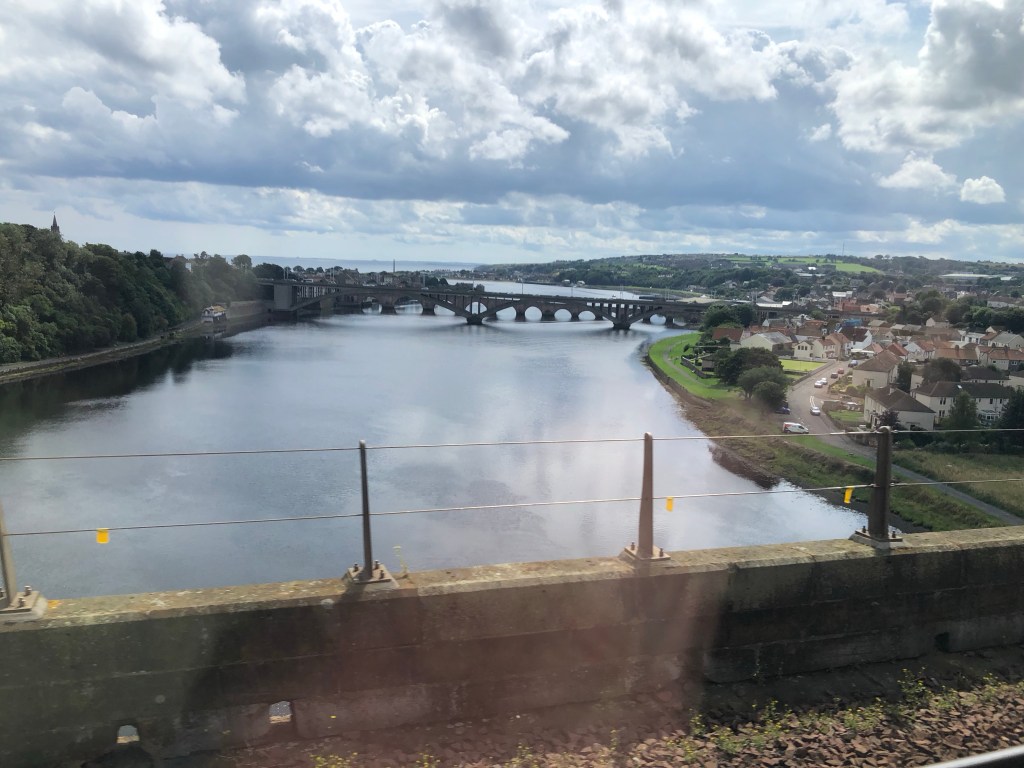
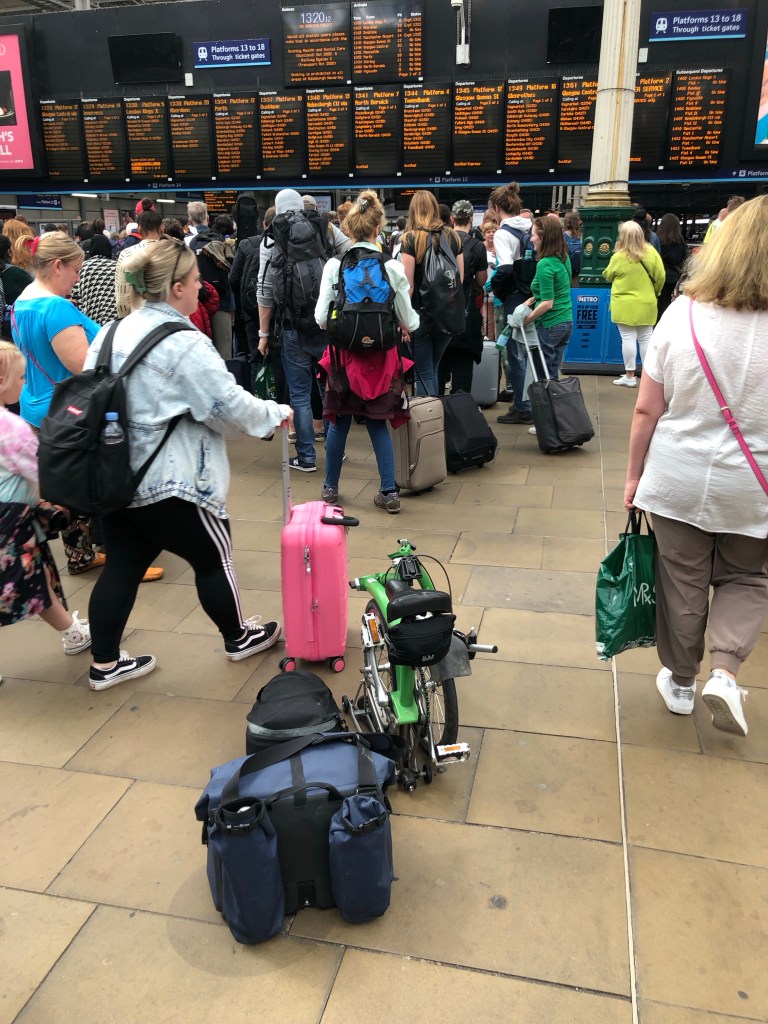
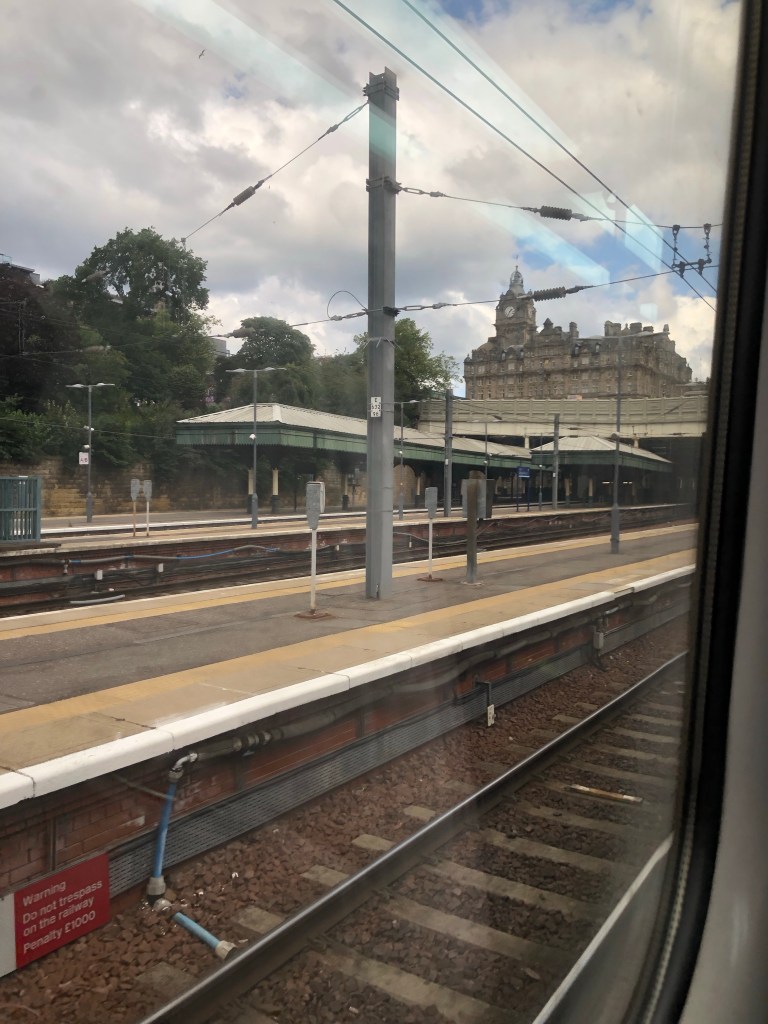
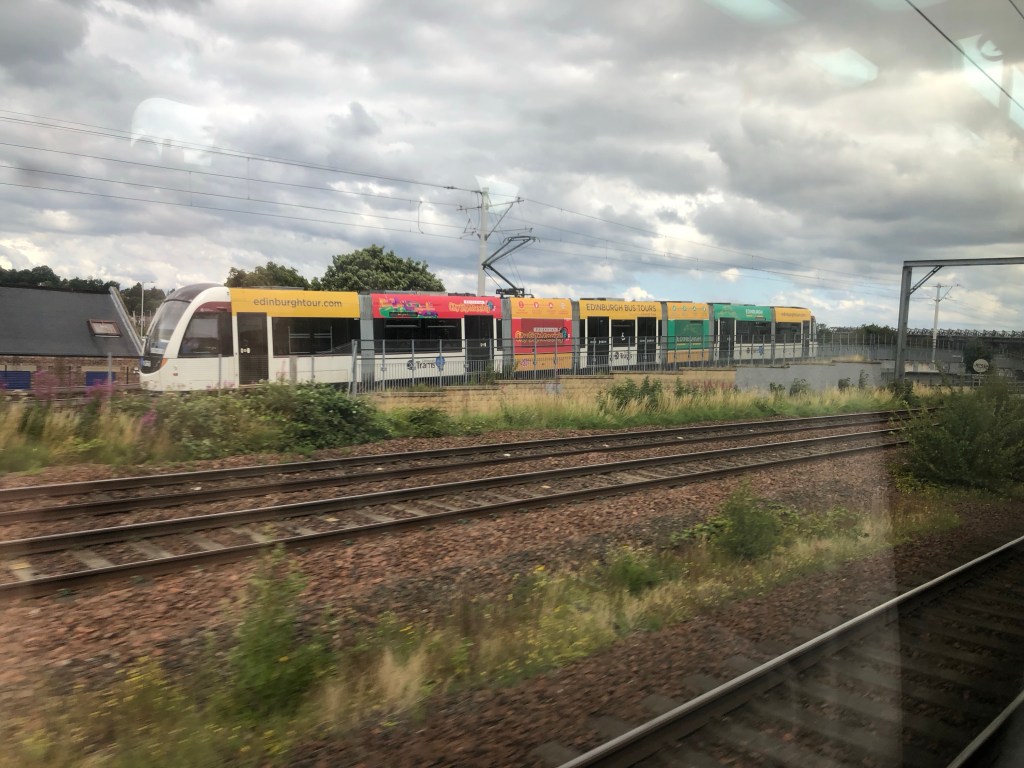
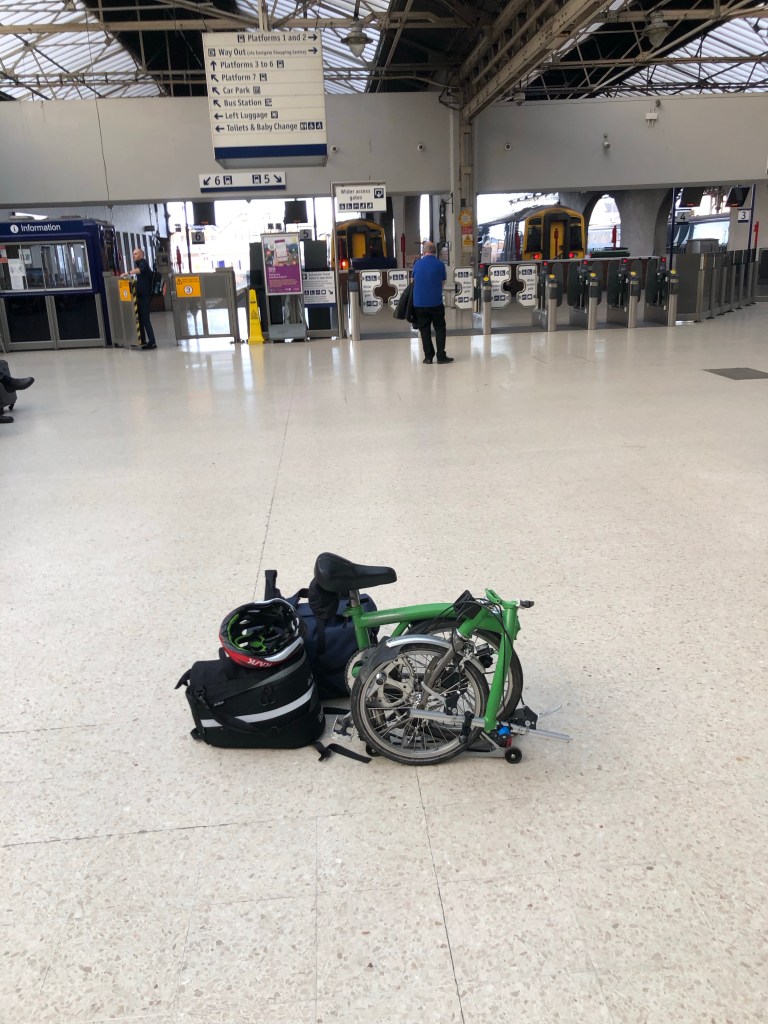
Stayed at the Hub by Premier Inn at Kings Cross. Small but perfectly fine.The room has a Brompton drawer.First time of traveling from London to the Far North on daytime trains, starting at Kings Cross.Passing through Durham.And Newcastle.Berwick Change at Edinburgh. It’s busy.On my way again.Murrayfield Edinburgh tramSecond change in Inverness Beginning to darken.
A long day on the train. Scheduled times, 4:42 Kings Cross to Edinburgh, 3:35 Edinburgh to Inverness and the final leg 3:51. Distances 631km, 181 km and 130km. Trains getting slower as I travel north.
Caught a long delayed train instead of the one that I was meant to catch so I thought I’d get to London early. But further delays due to signal issues resulted in long delays on the way into London. But got there in the end. The train was 47 mins late according to the announcements. I was only 20 mins late.
Anecdotally the ULEZ is a success. London smells better. The traffic moves more freely. Pollution has reduced in London and I wonder if the pollution outside London has reduced. Pollution rises into the atmosphere in London and then comes down in Oxfordshire. Has anyone measured this?
In last weeks election the Conservative Party made much of the ULEZ. Unfortunately the primacy of the car still exists for a lot of people and is considered a vote winner. To me health and the environment trumps-why do we still think that poisoning people is acceptable?
After the epic and throughly enjoyable train trip from the far north of Scotland to Porto I am going to continue to blog on less environmentally expensive transport. Looking at some of my trips and some big issues out there.
The example the Guardian cited was the journey from London to Edinburgh, which is one part of the journey that I completed. 12.5kg for the train and 131kg for the plane, more than a factor of 10 difference. All the trains I travelled on we’re pretty well full, so maximum savings achieved.
From the article “The first result from RDG’s new carbon calculator confirms this figure is actually 12.5kg/CO2e – approximately half the previous estimation, and 10 times less carbon than car travel or 13 times less than the equivalent flight.” referring to trains. I am actually surprised how much better trains are than flying and cars.
Let’s answer the questions on the journey: was it practical, was it fun, did it reduce pollution? And ask some more questions. The journey started and finished in the far north of Scotland and did a small diversion to Bristol, and then travelled to Porto and back.
Was the journey practical?
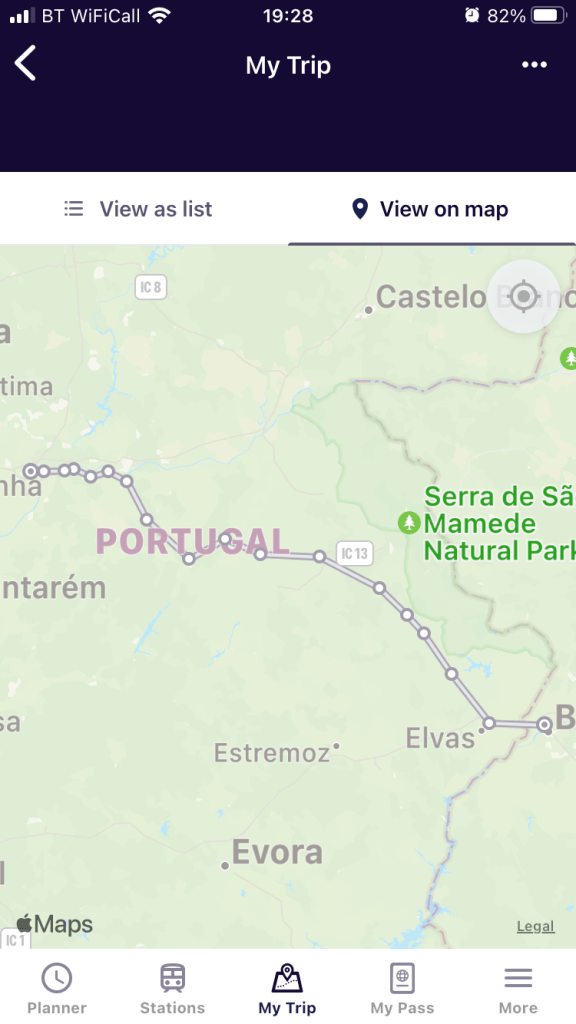
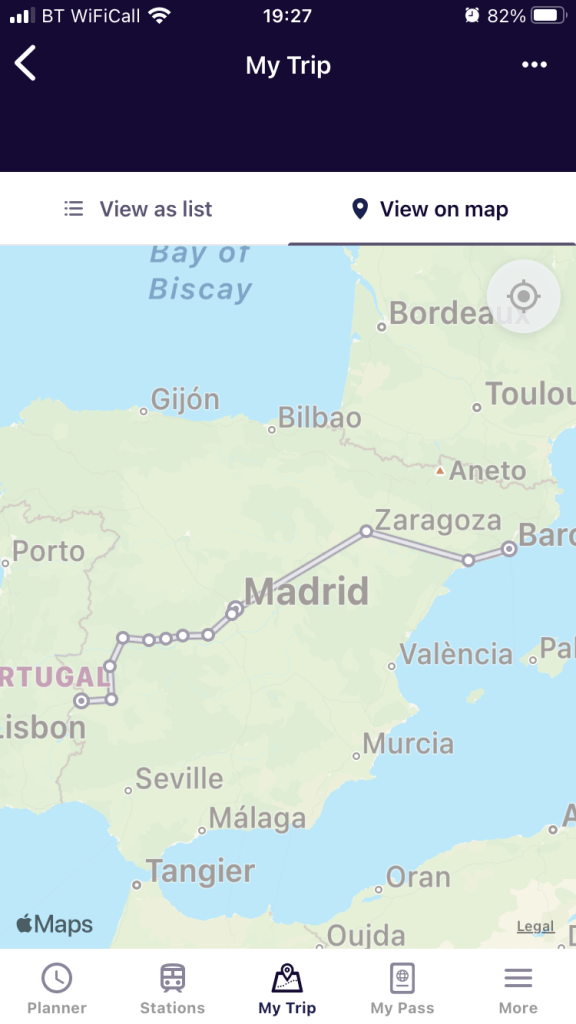
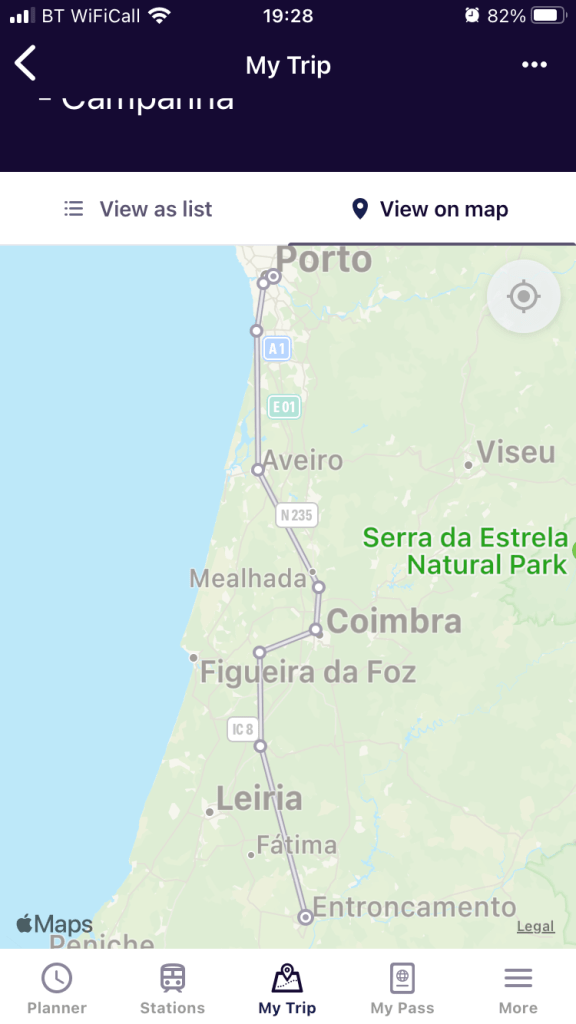
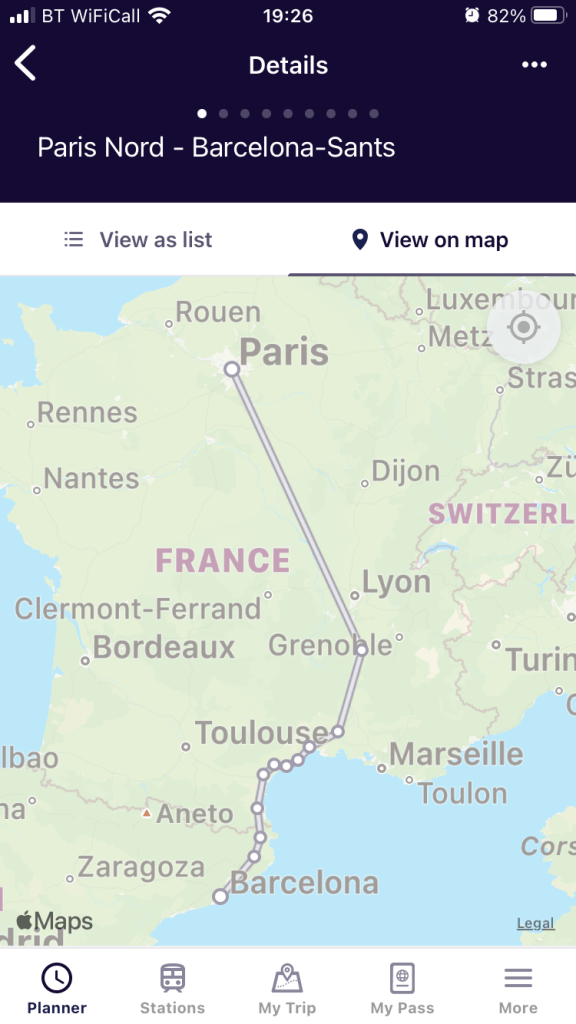
Flying from the UK is a lot quicker then traveling all the way by train. It turns out that getting to Portugal is particularly difficult. There appears to be very poor rail connections between Spain and Portugal, made worse by industry action on the trains in Portugal. But the trains linking London and Paris, Paris and Barcelona, Barcelona and Madrid are very rapid. Even London to Edinburgh is fast. There is no need to fly these routes. Being able to get from London to Barcelona or Paris to Edinburgh in a day is amazing.
Travelling by train to Bristol turns out to be more practical than flying from Scotland.
Was the journey fun?
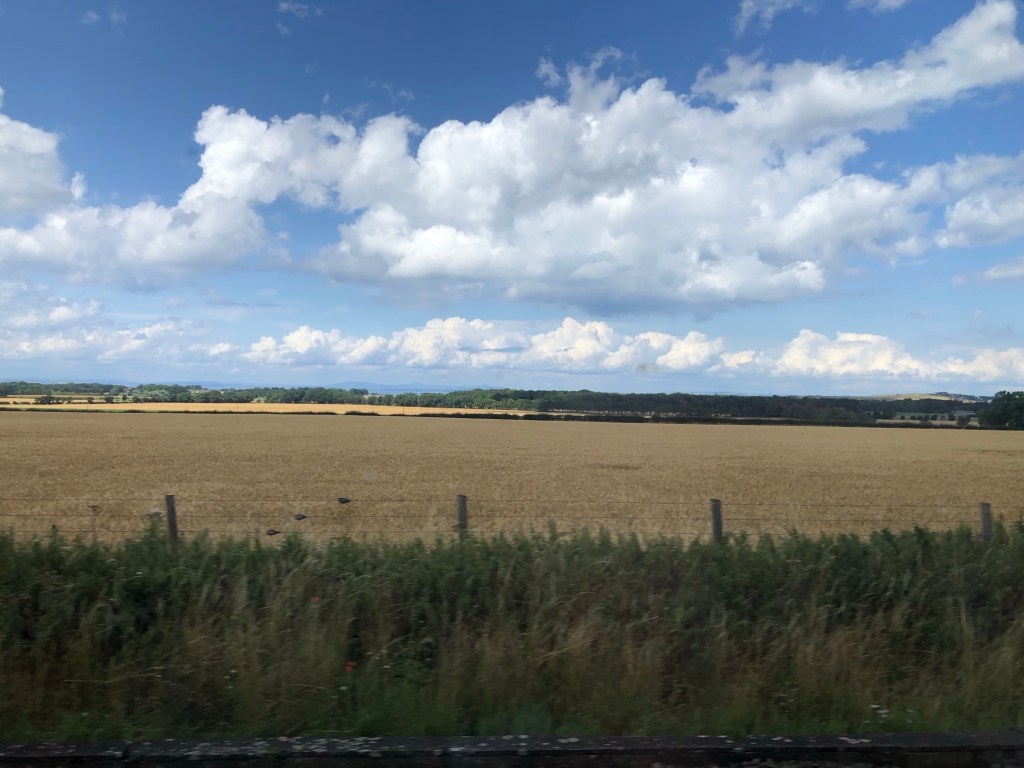
Yes, it certainly was. Traveling through France, Spain, Portugal, England, Scotland, watching the changing landscape, agriculture, seeing towns and cities, all from the comfort of a train, can’t be beaten. Meeting a whole load of different people, and chatting. Exploring cities, hunting food, this was a full on experience. Far superior to flying.
I was constrained by having to be in particular locations at the start and end of the journey, otherwise I would have spent more time on the journey. However I realised that I could have spent an extra day on the journey out. Planning and booking the travel and accommodation was challenging, but it all came together.
Does traveling by train reduce pollution compared with flying
The short answer is yes!
Beautiful but slow route into Portugal
Which was the most cycle friendly city?
Paris has undergone a big change, loads of dedicated cycle paths. It was a joy to cycle round, with sights and atmosphere all the way. Even the drivers were good. So Paris was the top place to cycle.
Second place goes to Barcelona. Some good cycle routes but not as expansive as Paris. Cycling turned out to be great way to see the city.
Madrid did not have the clear routes of Paris and Barcelona. Twice when I stopped at traffic lights , I found that a police car was lurking just behind to me on my left. When they clocked that I spotted the police car, they the drove off, through the red light. Almost as if they they were waiting to catch me out. Unfortunately I did not get time to properly explore Madrid, which was a shame.
Fourth London. Some good dedicated routes such as Euston to Waterloo, but Paddington to St Pancras not so good. Some good views from the bike in London.
Fifth, Edinburgh, the tram lines and confusing roads letting Edinburgh down. But good sights.
Porto is beautiful, but the cobbled streets and extremely aggressive drivers bring Porto down. So Porto I have to put in at sixth.
Cycling around all the cities was a great way to sightsee. Faster than walking or public transport. Cooler as well, even in sweltering Barcelona, cycling was pleasant. And you are in amongst it all.
I have not included Badajoz in the rankings , as it is far smaller than the other the large cities. But Badajoz was great to tour by bike. What a beautiful place to visit.
Crossing Spain
The list to finish
Hotels: best value Porto, followed by Badajoz. The cheapest hotels. Badajoz had the edge on quality but had a very loud wedding happening, which negated its plus points. Worst value Oxfordshire.
Food: very expensive in the UK. Good value in France, Portugal and Spain. Struggled to find good food in Porto. Late arrival in many of my destinations and traveling by train all day that often I did not eat enough.
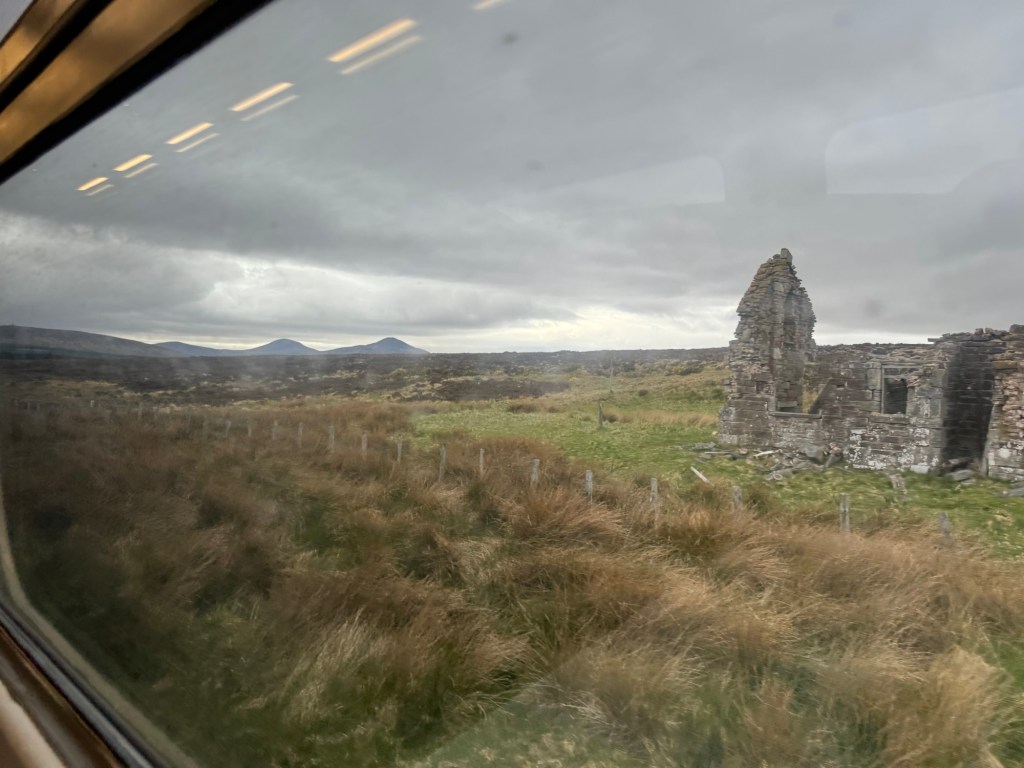
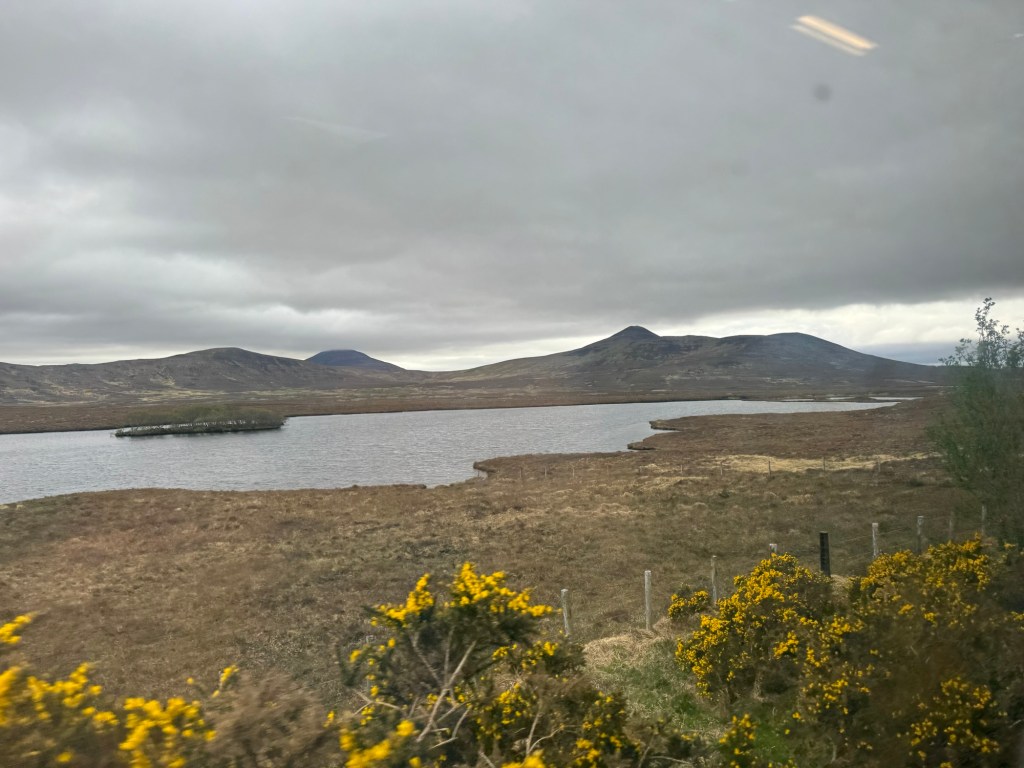
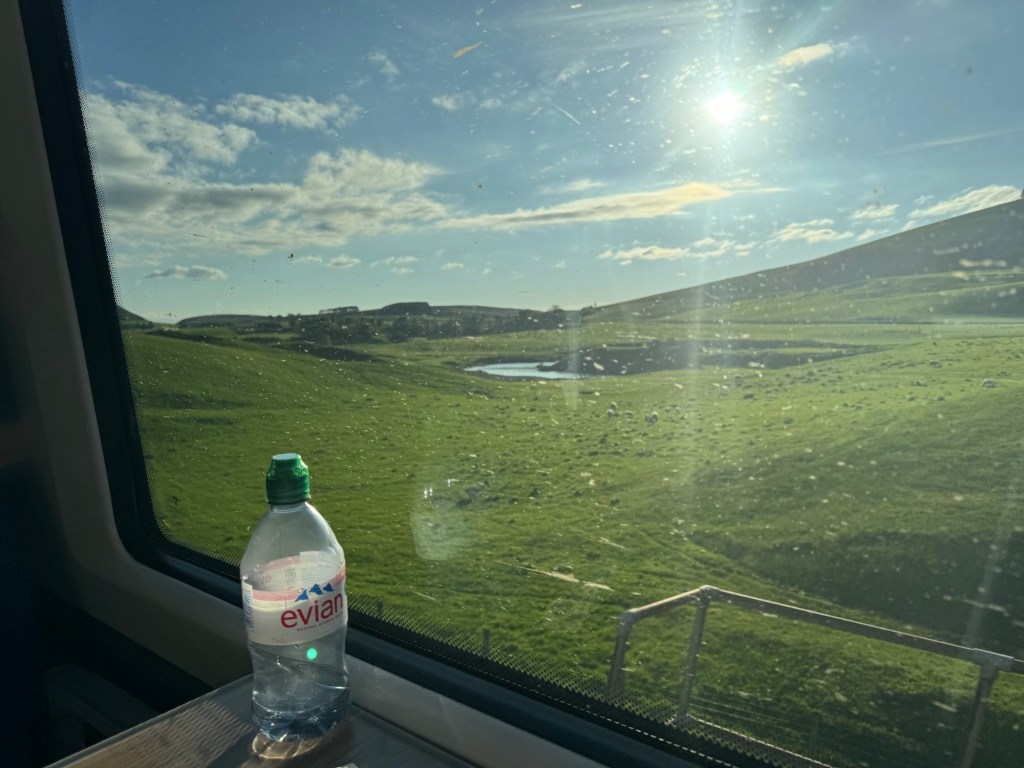
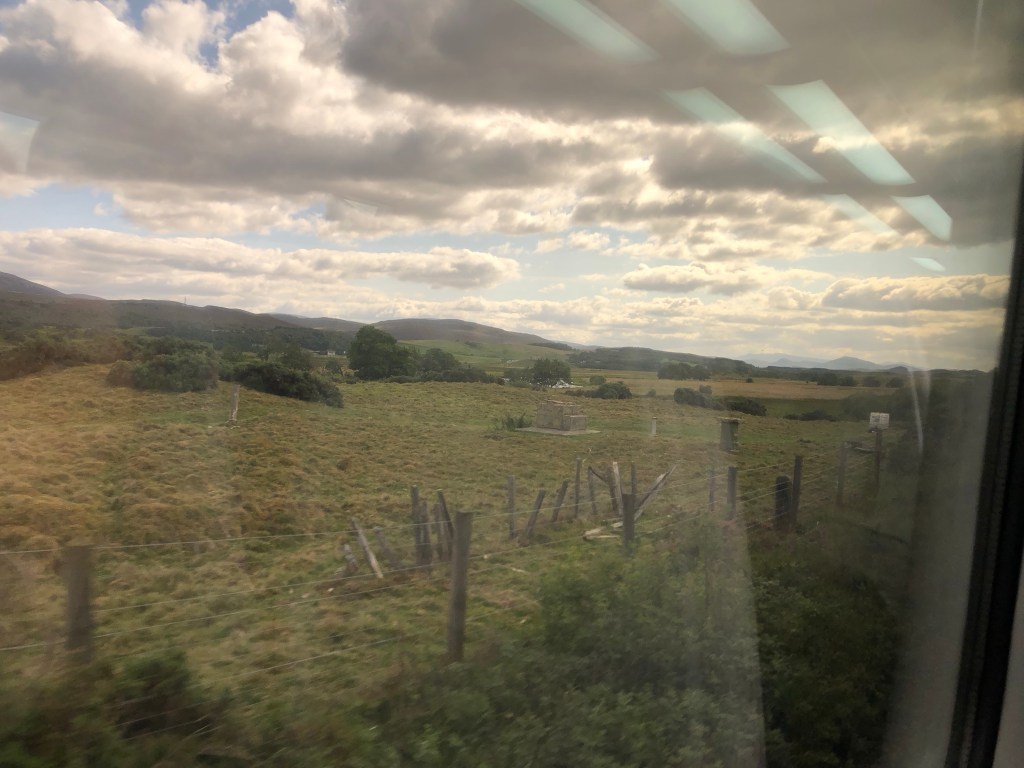
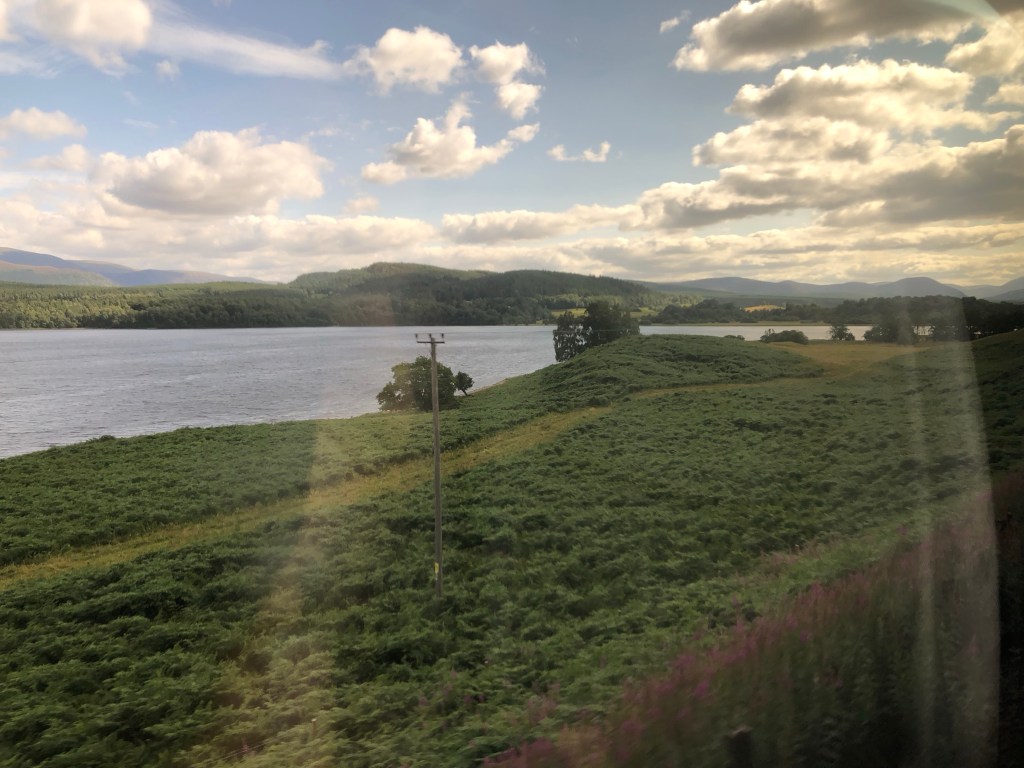
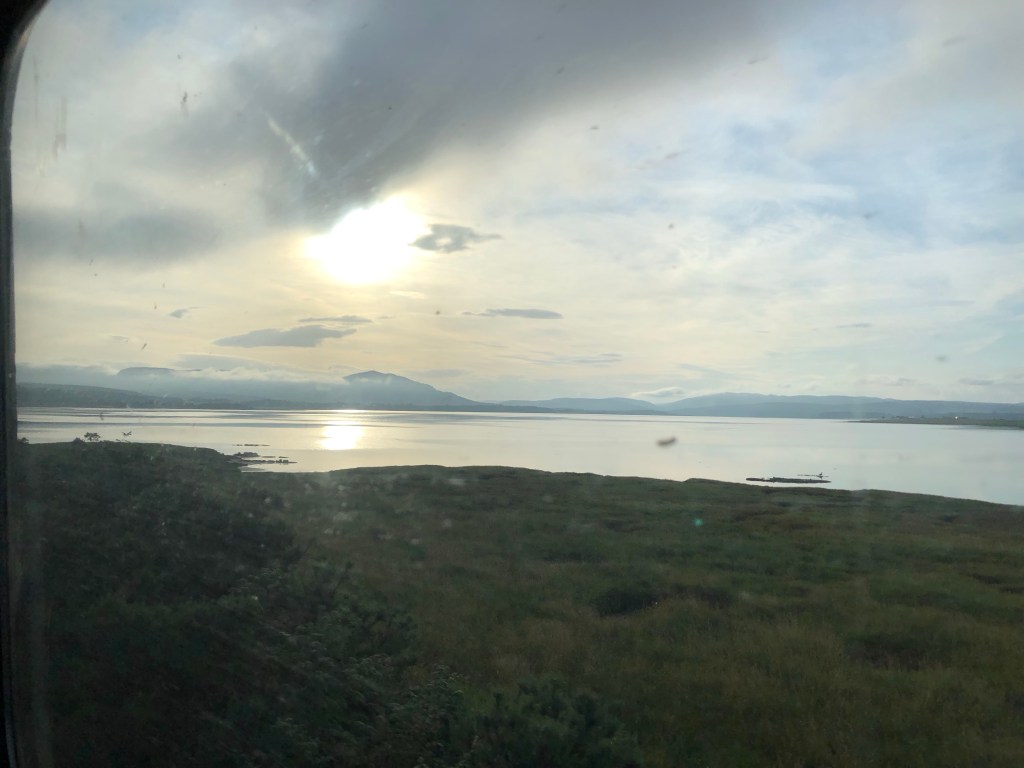
Most picturesque train line: the far north line in Scotland, followed by Edinburgh to Inverness. Badajoz to Entroncamento was impressive.
Portugal rail
Firsts: so many, first time in Badajoz, Barcelona, Madrid, Porto, first time crossing France and Spain by train – each in one day, first time cycling in Paris, Barcelona, Madrid, Porto Badajoz. First time speaking in French to a Catalan on the TGV, first time attempting to speak Spanish in Spain. And so many more.
Best train- the TGV. Amazing train.
Tickets: ScotRail cheap club 50 ticket from the far north to Inverness and Edinburgh to the far north. Caledonian Sleeper Inverness to London, expensive. Local trains in SE and SW England, the routes are awkward if not going to or from London. Interrail Oxfordshire to Porto to Edinburgh with extra reservations but excluding Madrid to Barcelona. I had to get a bus from Porto to Valladolid. I will use the Interrail ticket again.
The part of the route Paris to Barcelona – the best train.



 Insight