A detour to Didcot.
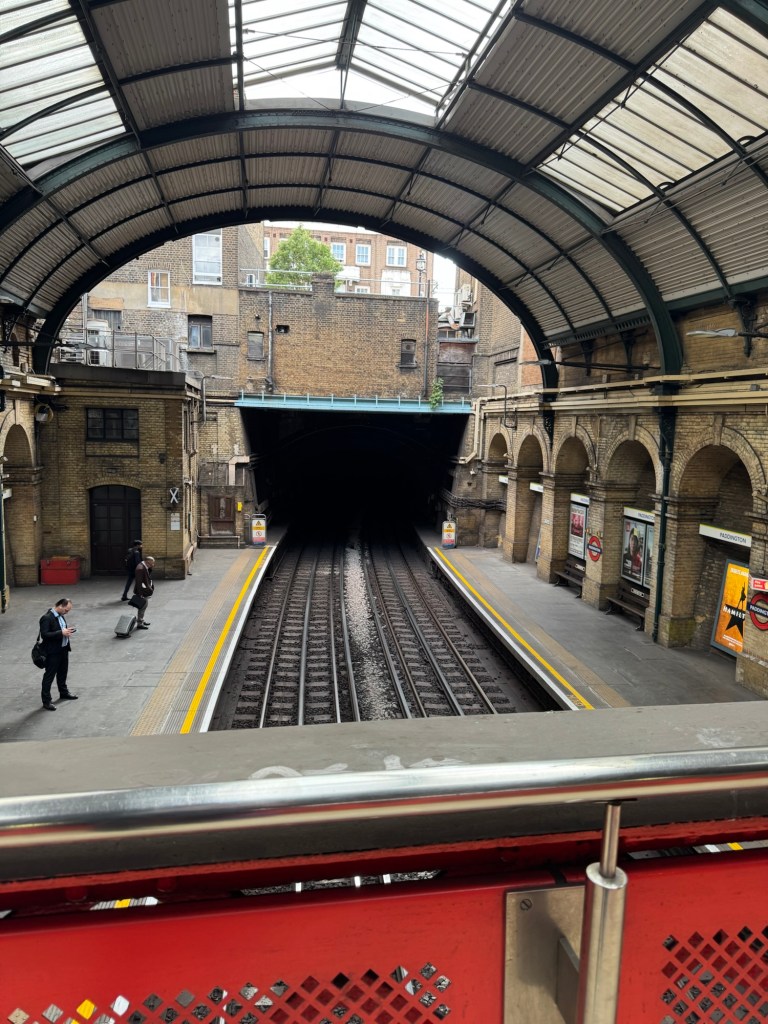
Arrived at Paddington and to the closest tube station with a branch of the circle line. No trains running. Backtracked to the other circle line branch and finally caught the tube. It’s far simpler and quicker on the bike.
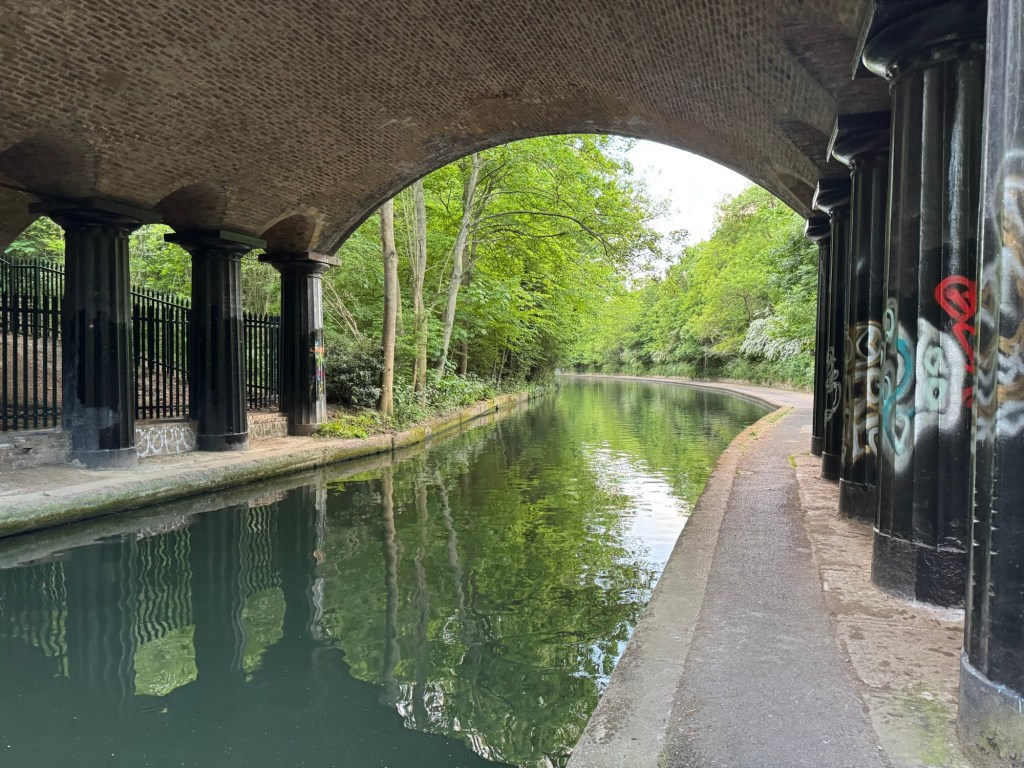
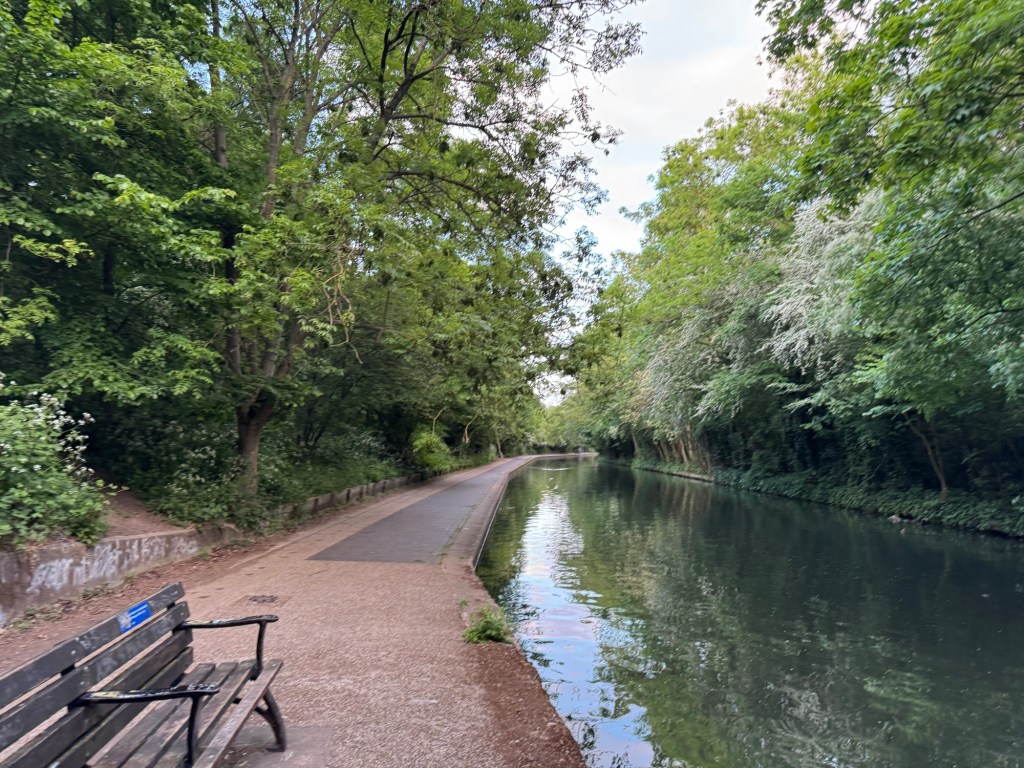
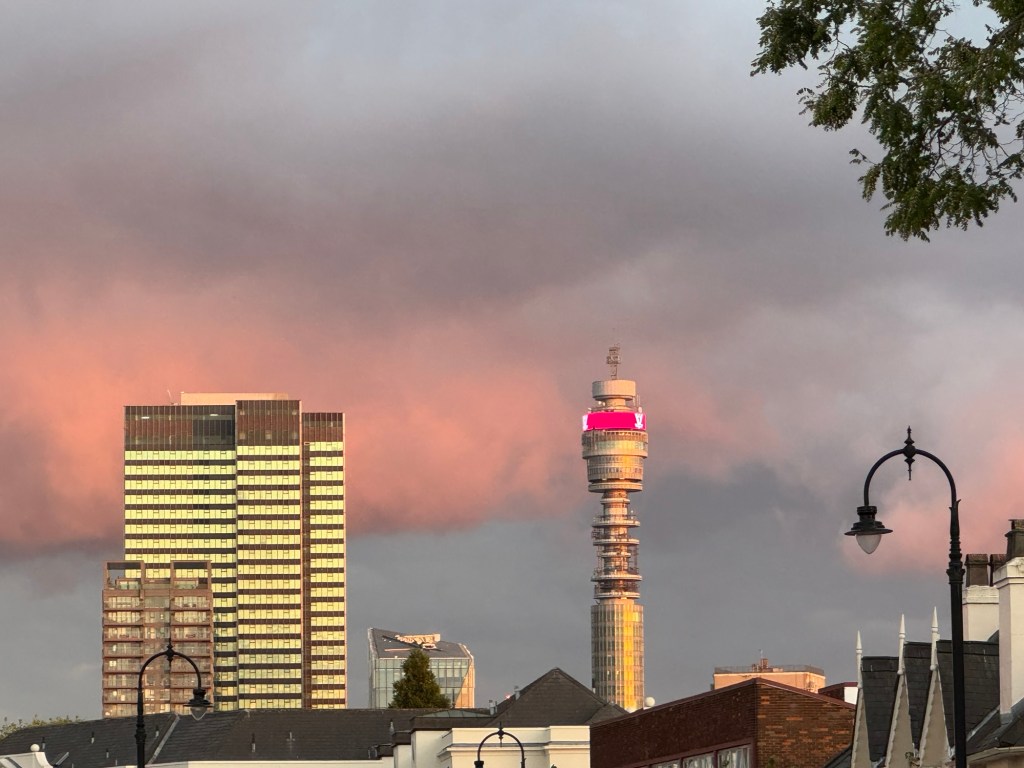
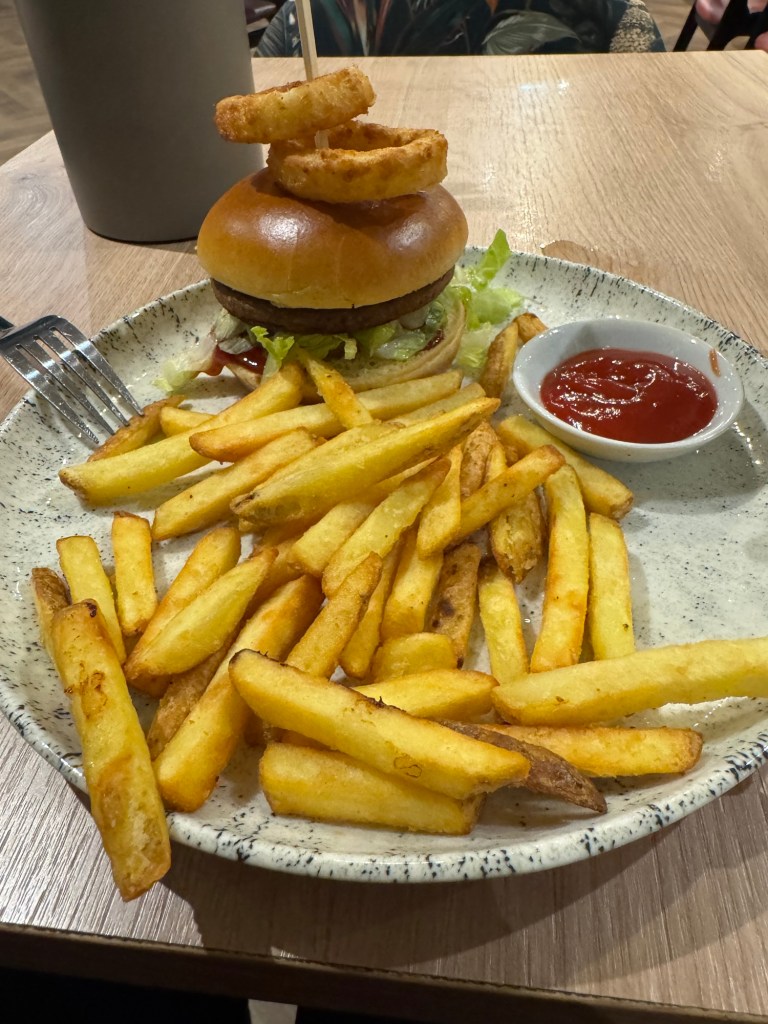
A detour to Didcot.
Arrived at Paddington and to the closest tube station with a branch of the circle line. No trains running. Backtracked to the other circle line branch and finally caught the tube. It’s far simpler and quicker on the bike.
The journey
The map taken from the Interrail app shows just how far the journey was, but misses the far north line and the detour to Oxfordshire.
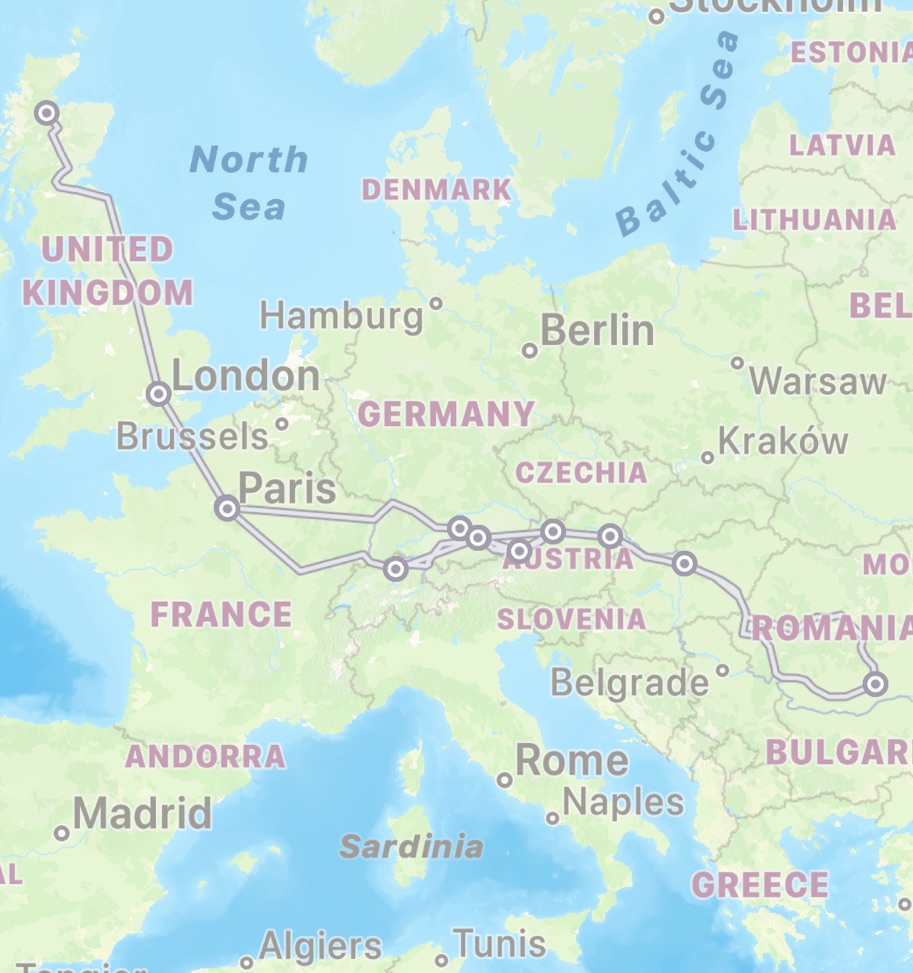
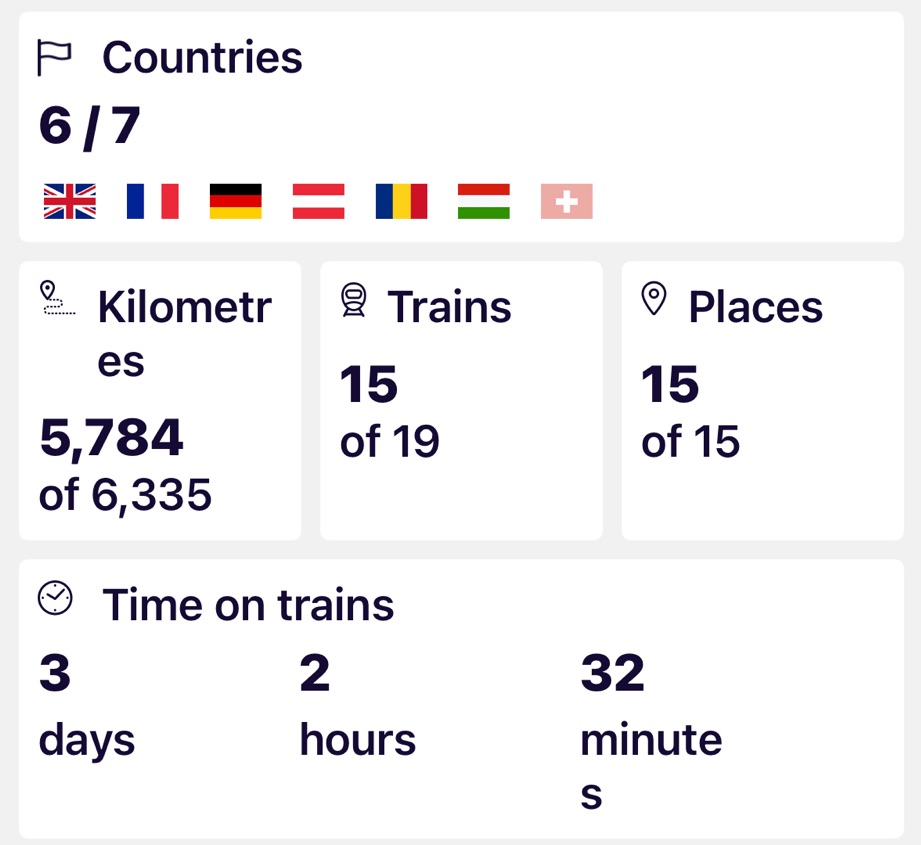
From the Interrail app: 5784 km distance
15 trains on the Interrail ticket, 20 in total.
Seven countries.
Weather
Sunny almost throughout, but a big variation in temperature. Highest ,around 14 centigrade in Augsburg, lowest -10 in Bucharest.
Food
The food was good, but had to get creative in the meat centric countries. I had my first experience of a Lebanese restaurant in Bucharest, the very good Coin-Vert Libanez.
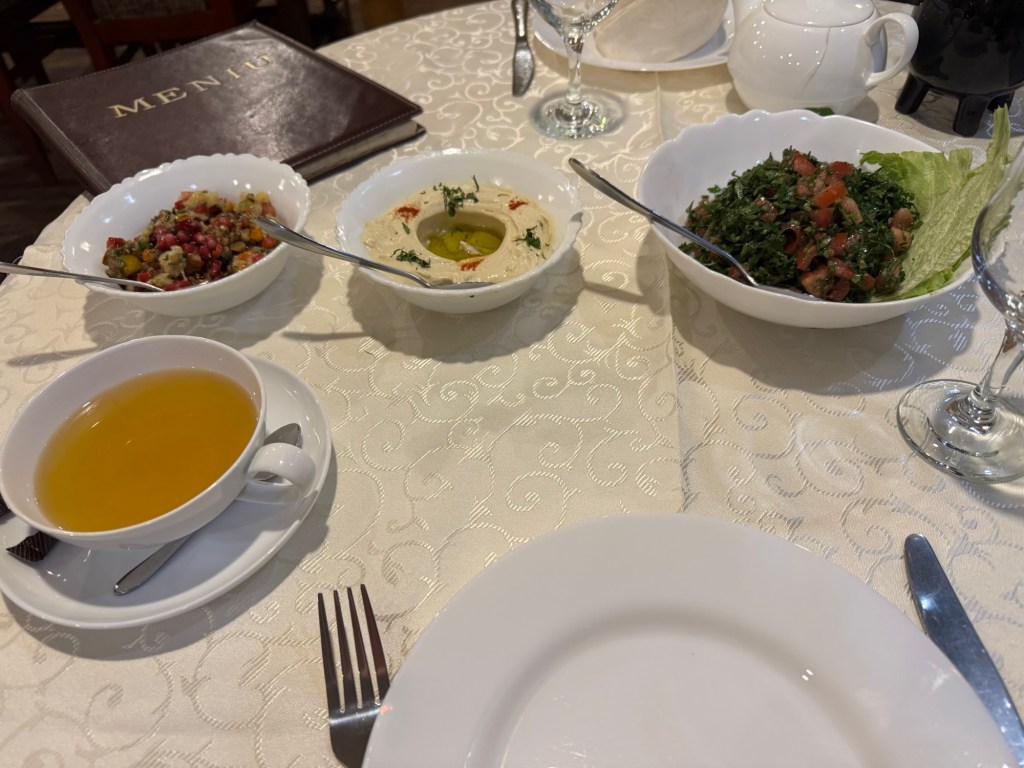
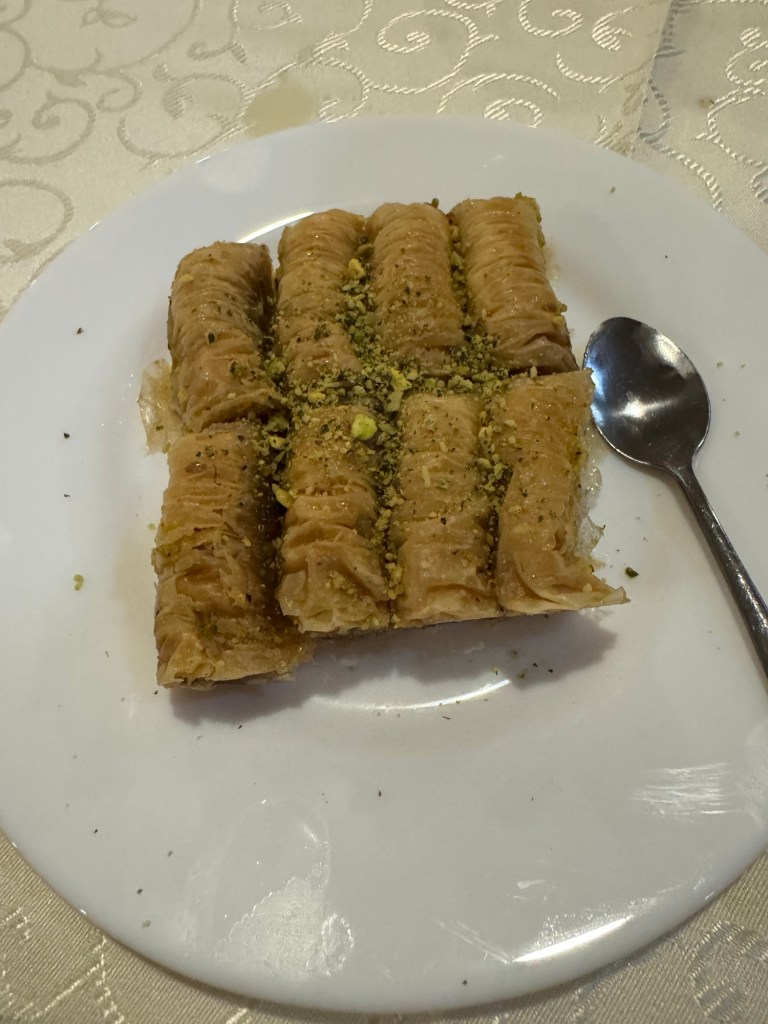
I had to fight through the snow and ice to get to it. A week later I had my second Lebanese restaurant experience in Paris.
Plenty of good food on this trip.
Hotels
I stayed in three Premier Inn plus rooms, three varieties of Ibis: budget, styles and no moniker, a Radisdon Individuals Schiller Park in Linz and Ramada by Wyndham in Bucharest.
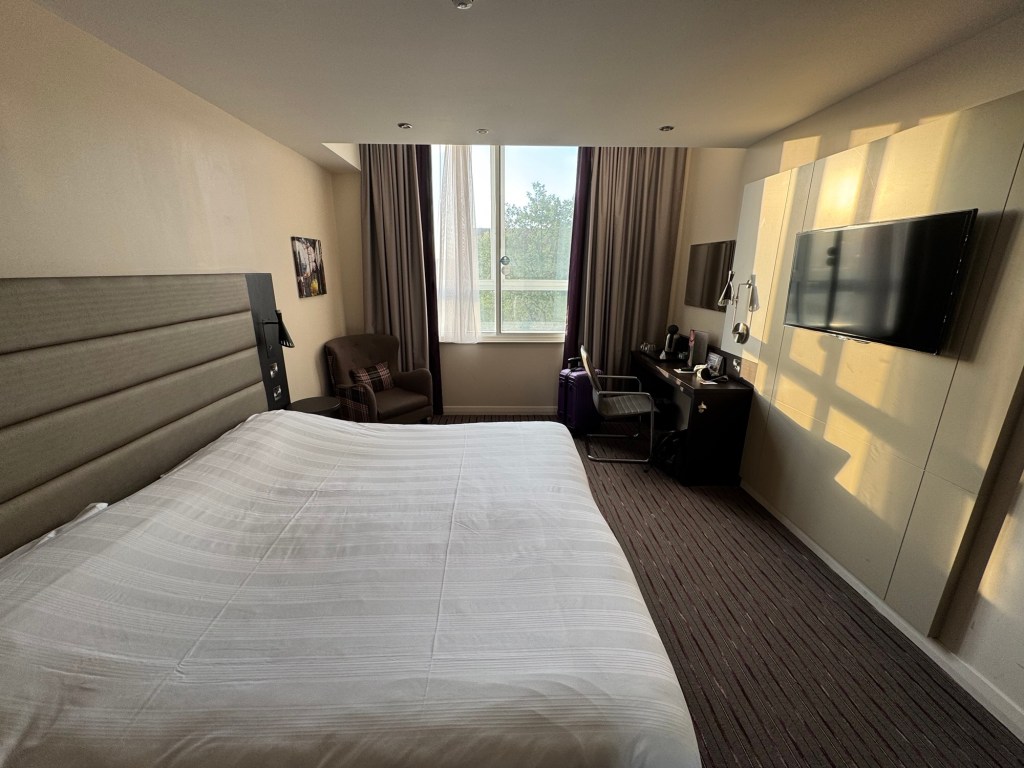
Best bed:Premier Inn plus
Best shower: Premier Inn plus
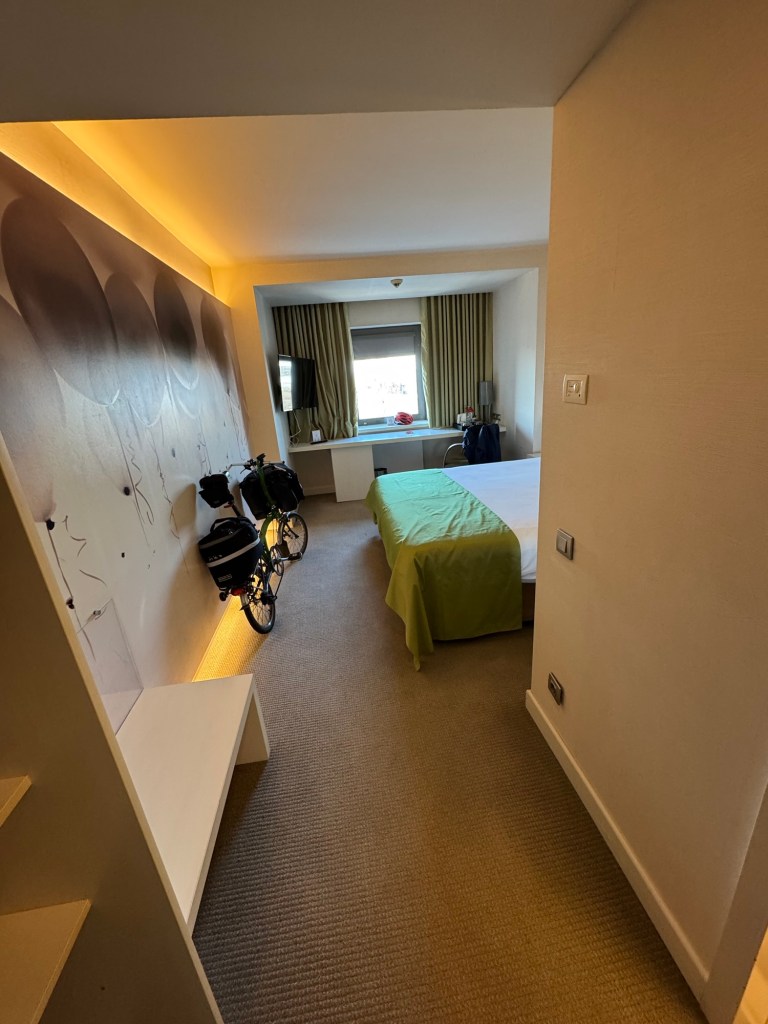
Best view: Ramada by Wyndham
Best location: Hotel Schiller Park- in central location near the railway station.
Best breakfast: Ramada by Wyndham
Best rooms: Premier Inn plus
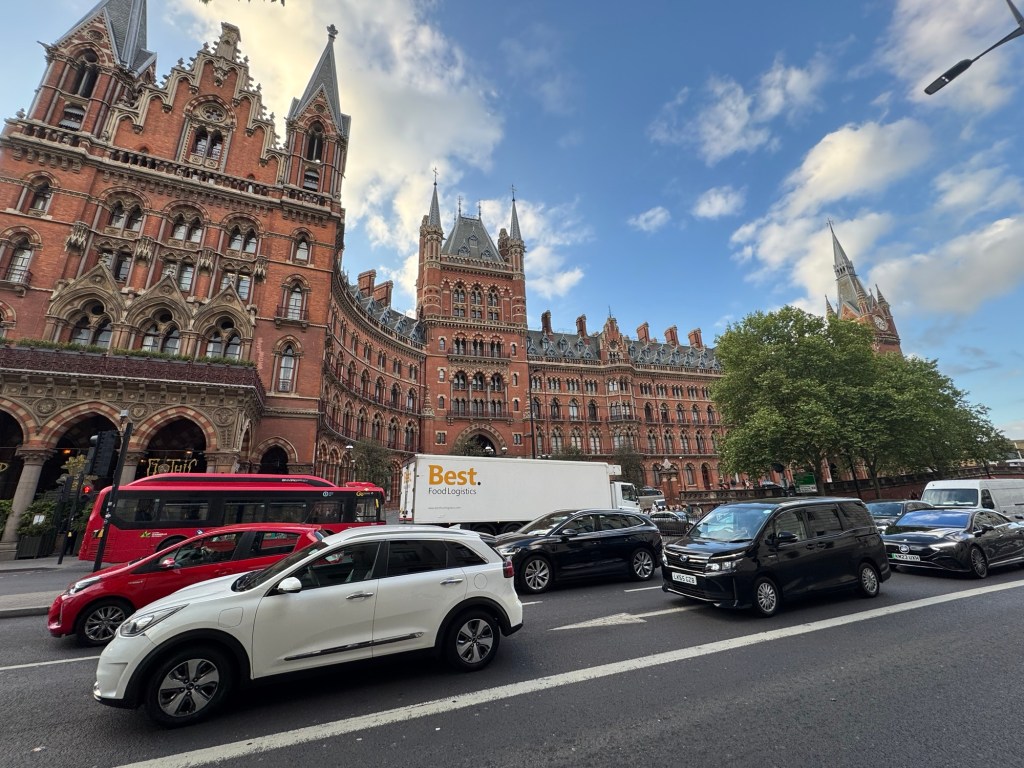
Most expensive: Premier Inn St Pancras
Best check out times: Ibis / check out by noon.
I like the simplicity of the Ibis Budget.
Locations
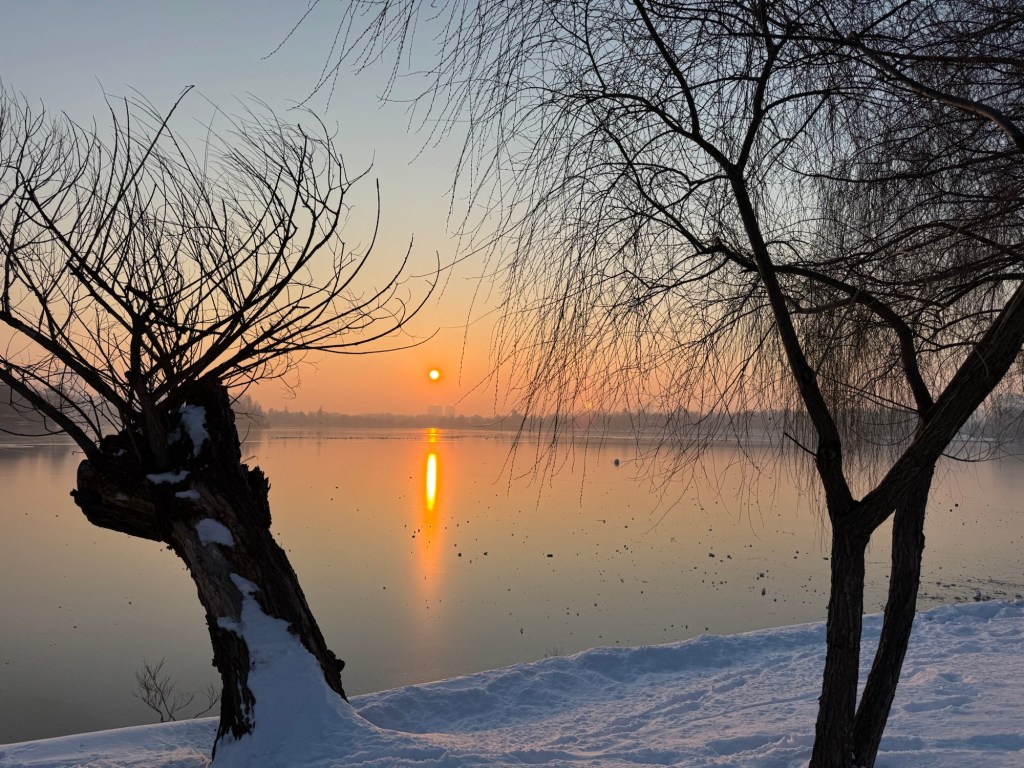
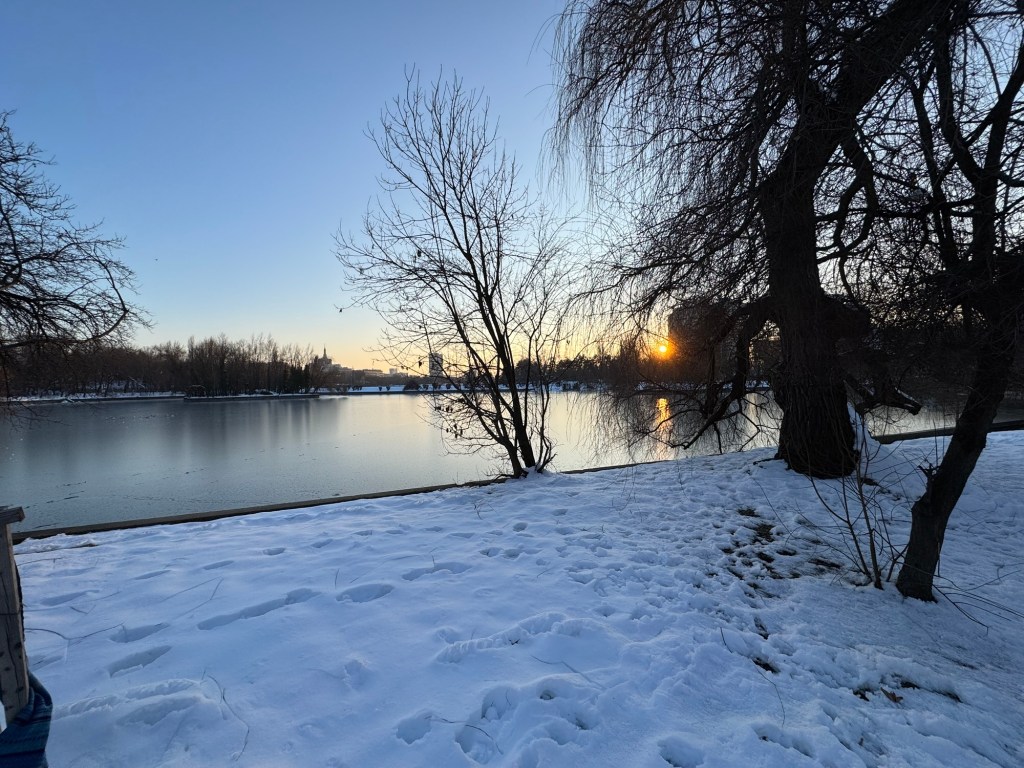
Both Augsburg and Linz were amazing places to visit. Smaller and not as busy as Vienna but interesting buildings and history. Bucharest lacked the beautiful buildings but the lake was beautiful.
Travelling by train emphasised the change in landscape and buildings. Farmhouses are tiny and ramshackled in Romanian but huge and well maintained in Austria and Germany.
People
As well as meeting the natives of each country that I visited I was surprised to meet people from so many other countries. I had conversations with Qataris, Russians, Albanians, Norwegians, New Zealanders, Moldovans, Canadians, Taiwanese and probably more. Talking to Austrians in German with their local accents was a joy, including a woman in her 90s from Vienna,
Cycling
Cycling was awful in Bucharest, but faster than cars. Driving in Bucharest also looks awful. Paris cycle way provision is good in Paris, but blocked by vehicles on the Sunday. Vienna was busy, Augsburg pleasant. I heard a tram hitting a car in Vienna and saw the massive crumpled side of the car, the tram just drove off. The closest I came to an accident was Inverness, where a car was being driven at 60 mph in a 30 zone, as I was turning right. The bike gave a good way to cross cities between stations and to get to hotels. It was also a great luggage trolley.
I start the visit to Linz with some food at a nearby Korean restaurant.
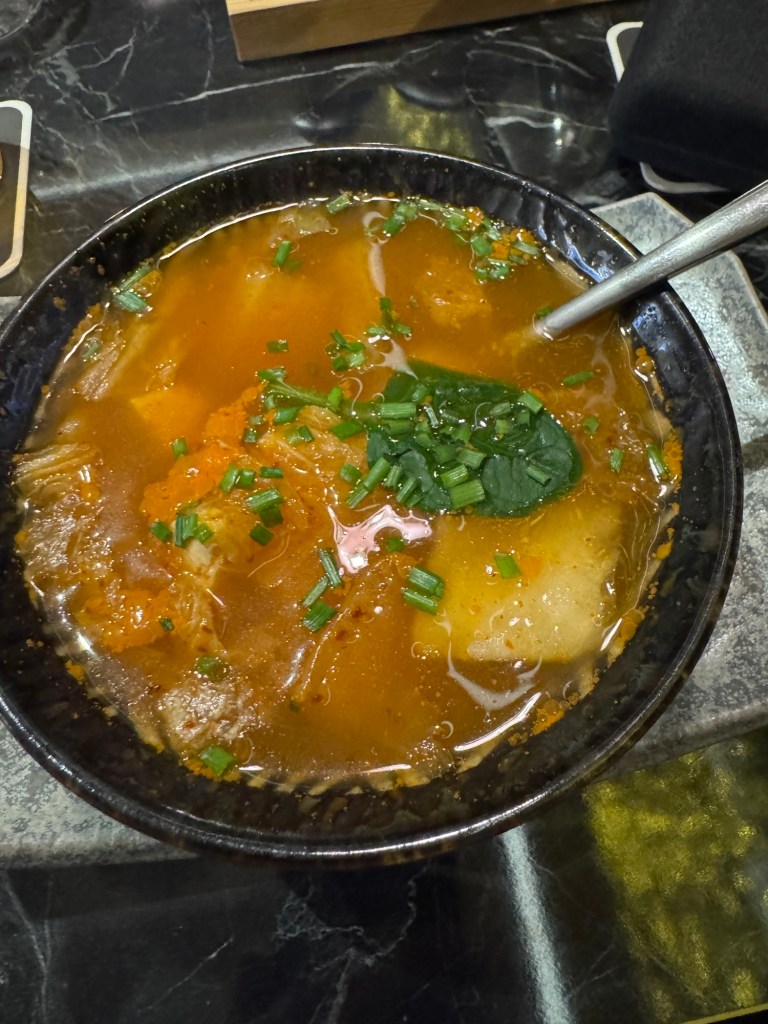
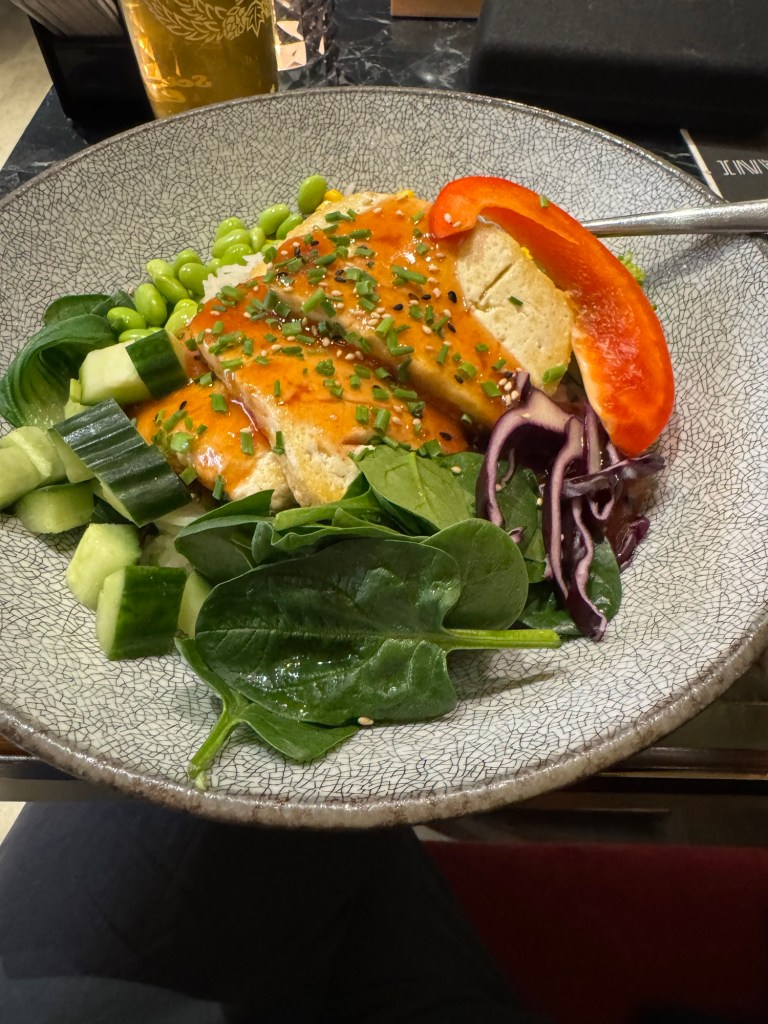
The next day I explore.
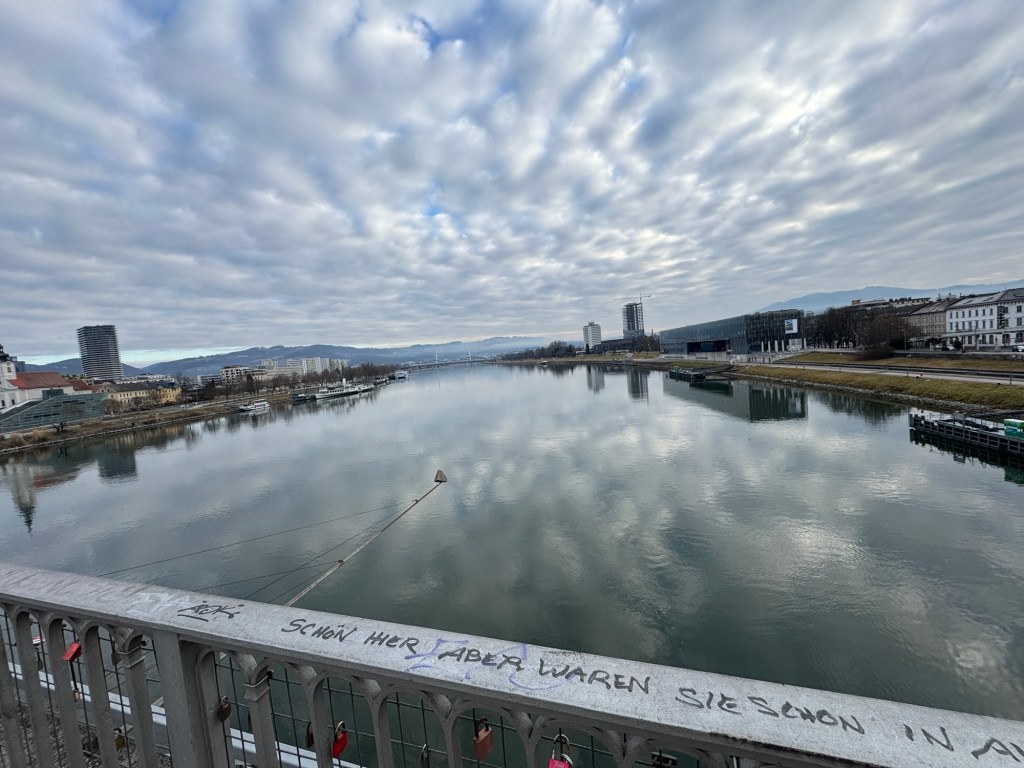
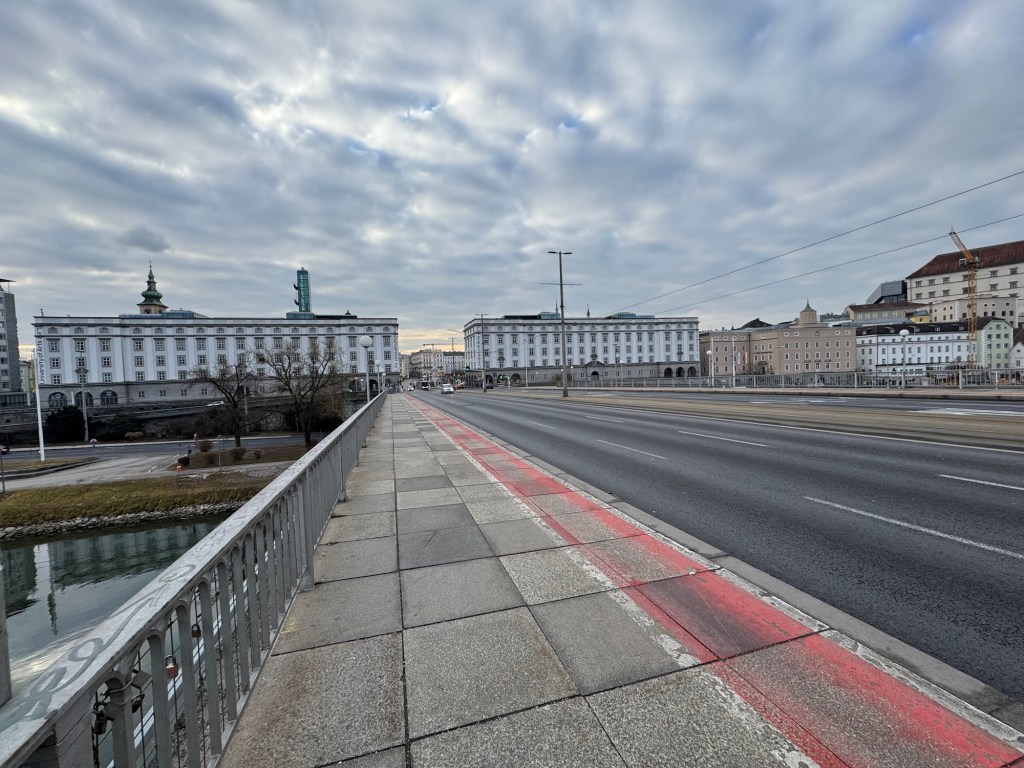
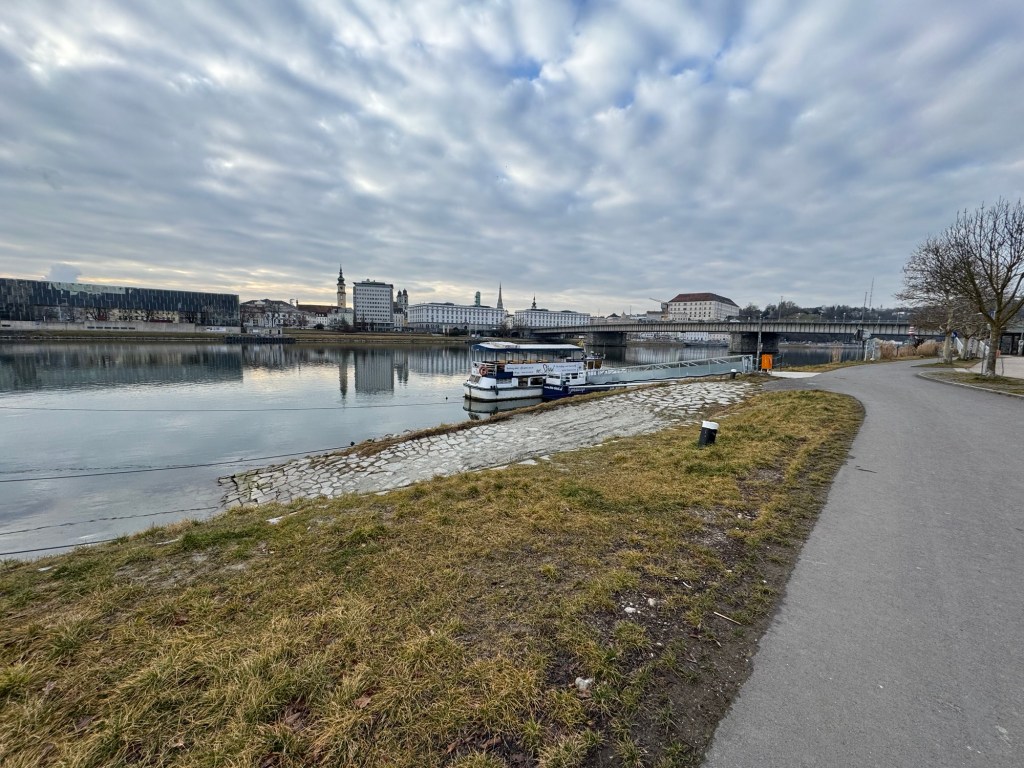
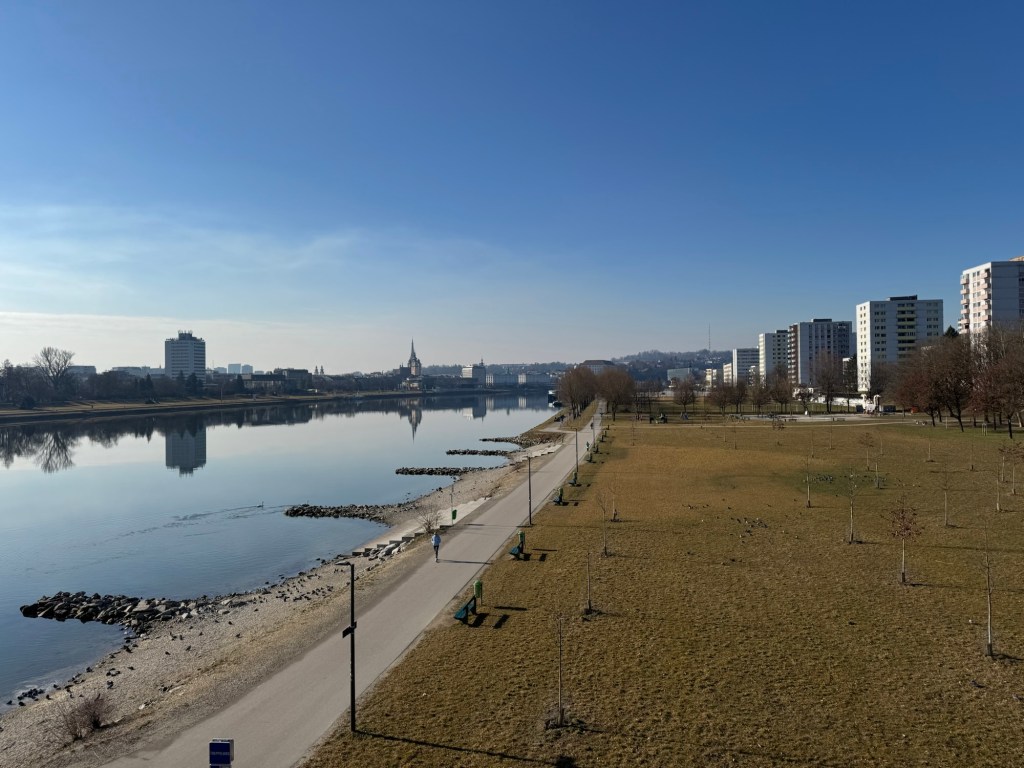
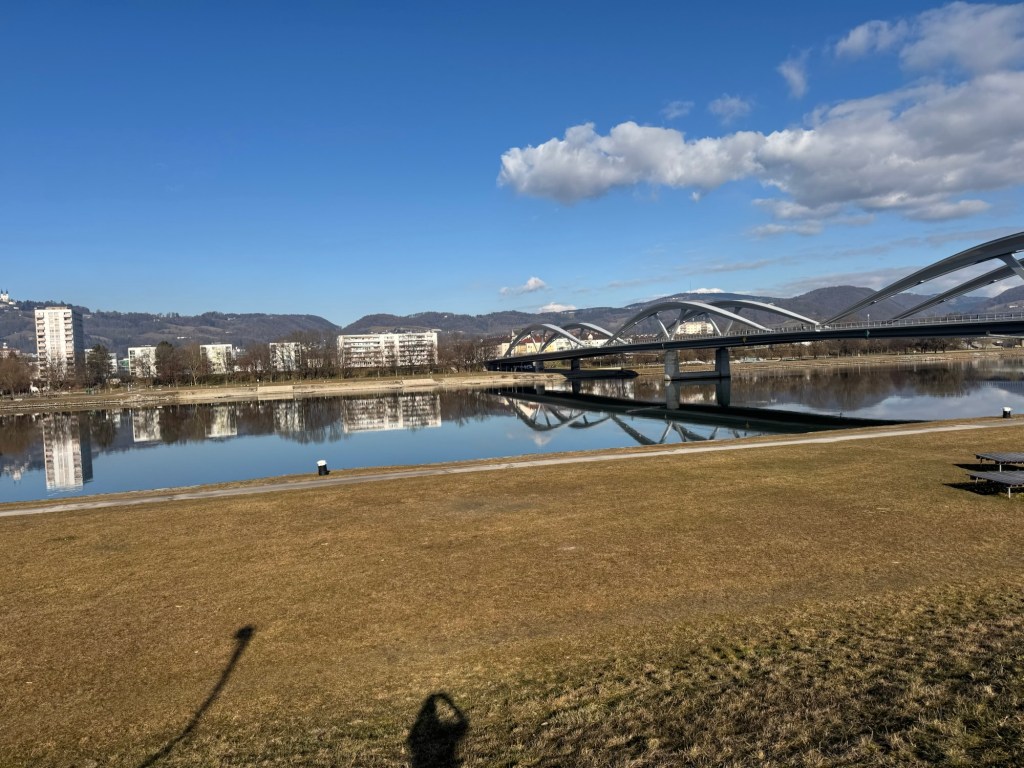
Back to the hotel for breakfast.
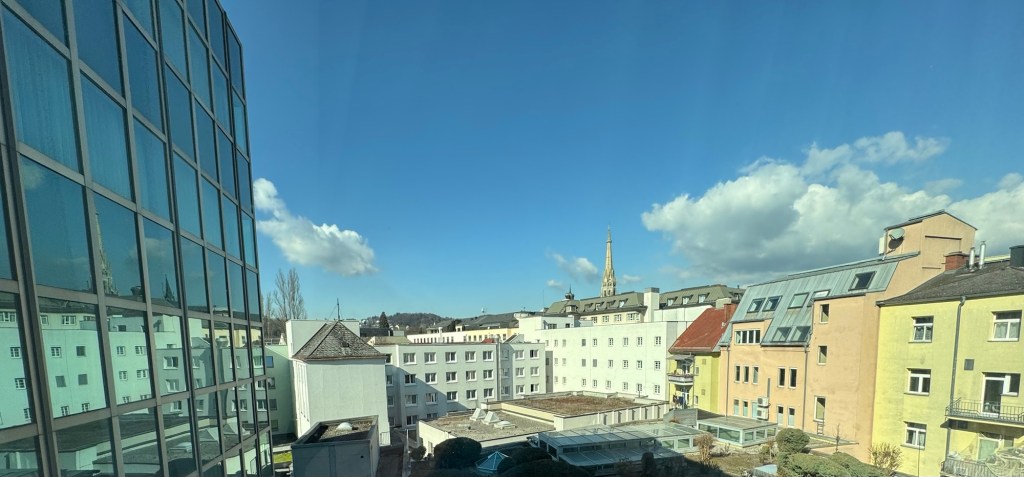
And then more exploration.
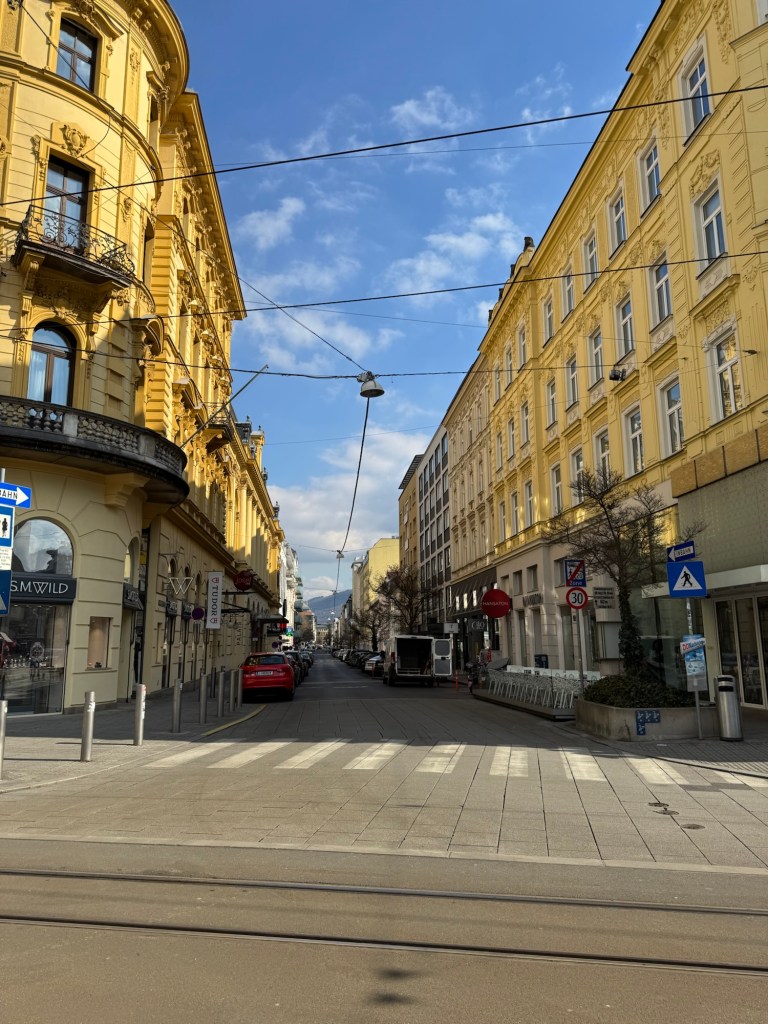
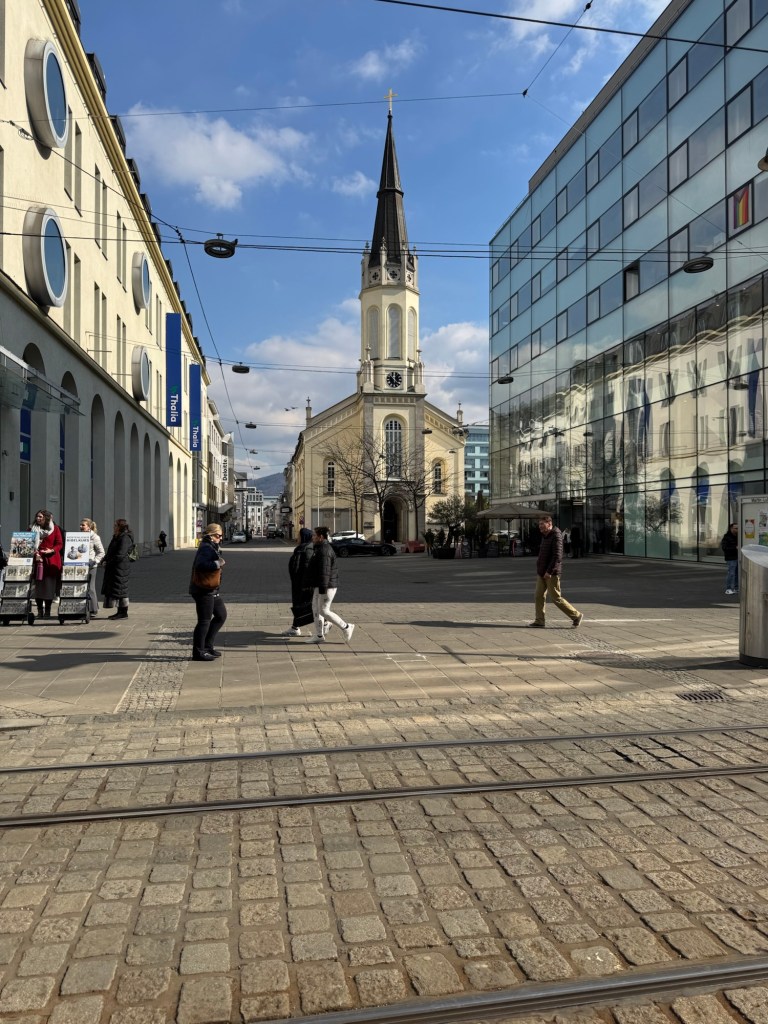
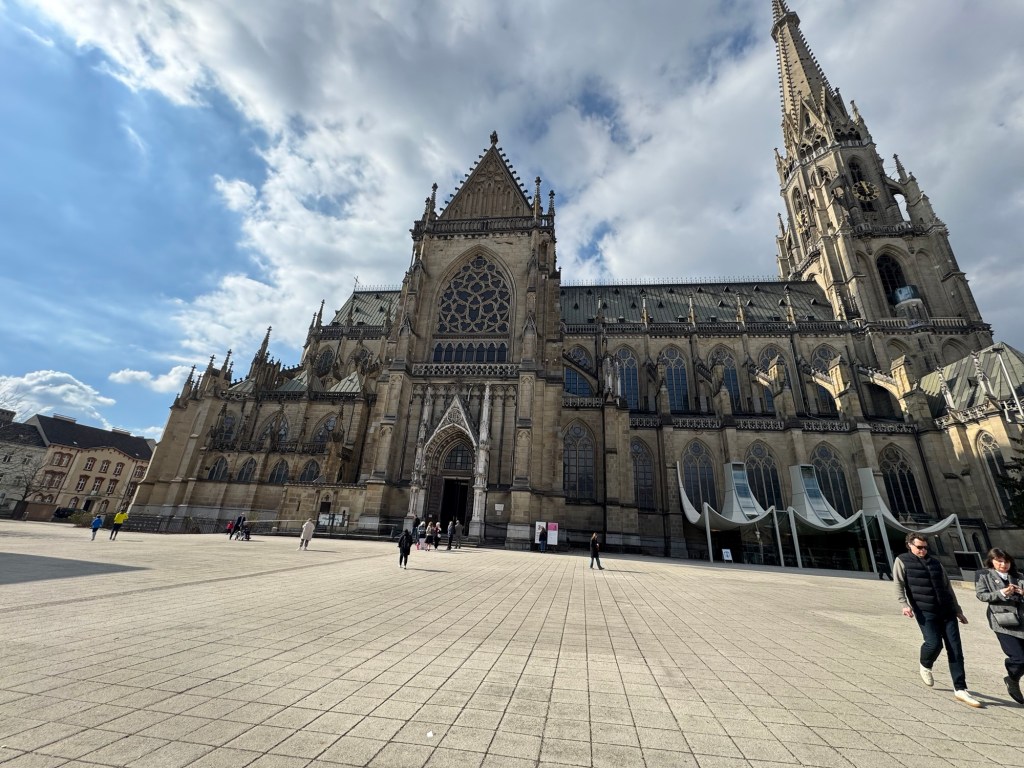
I think I can see the top of the steeple from my hotel window.
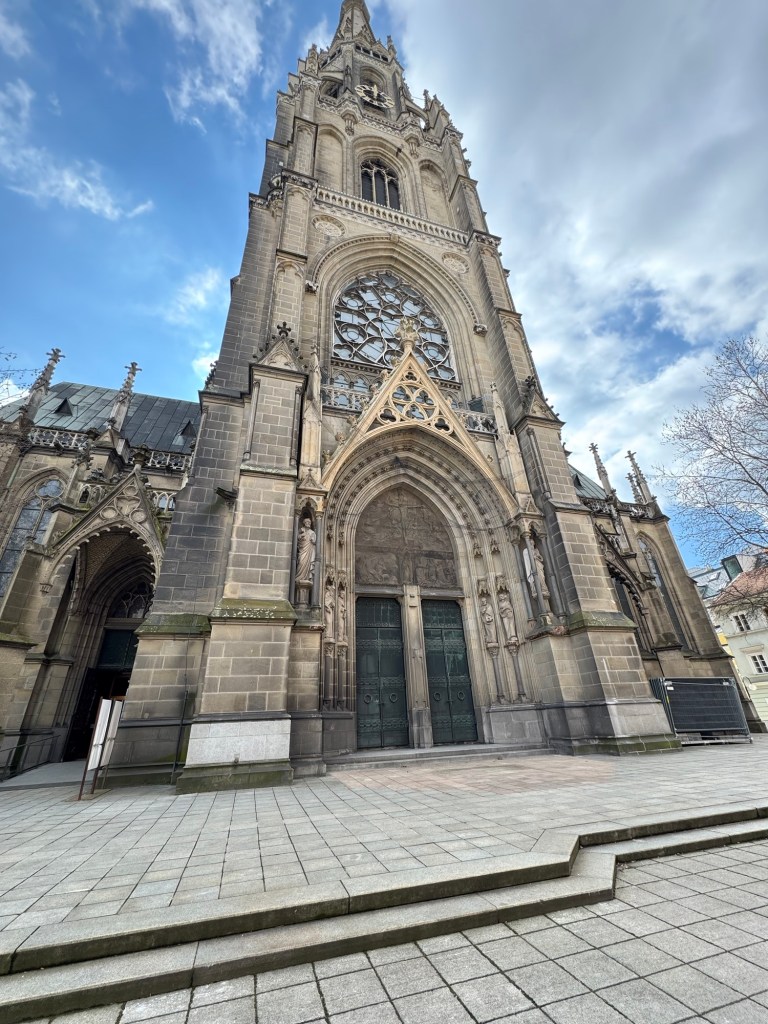
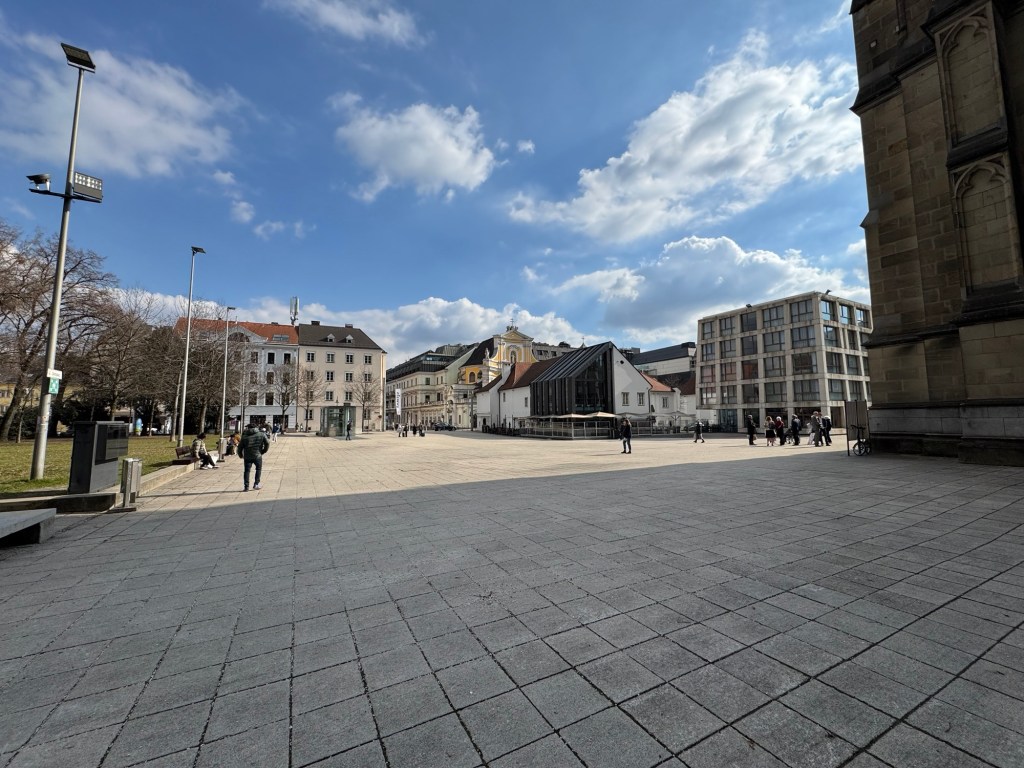
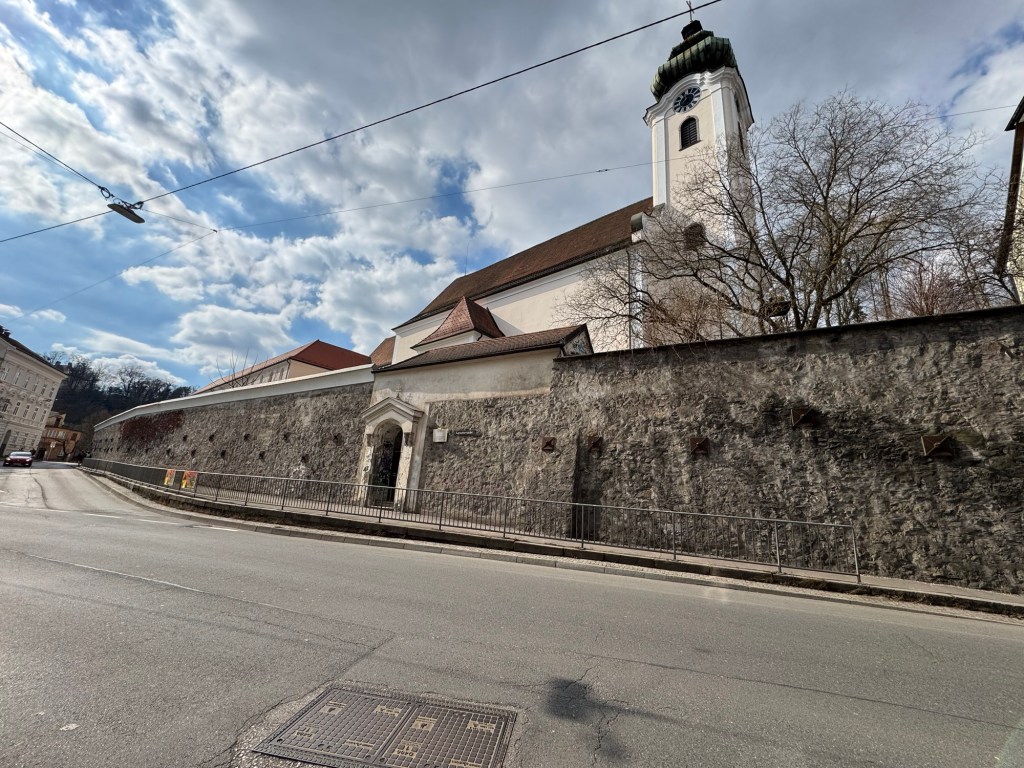
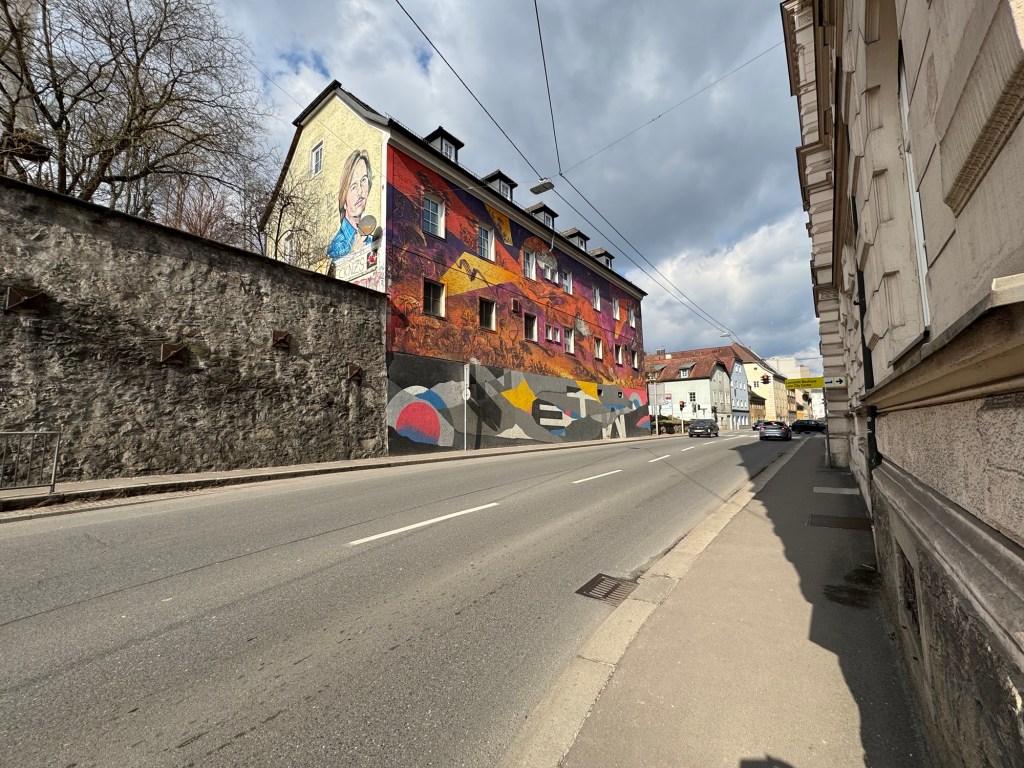
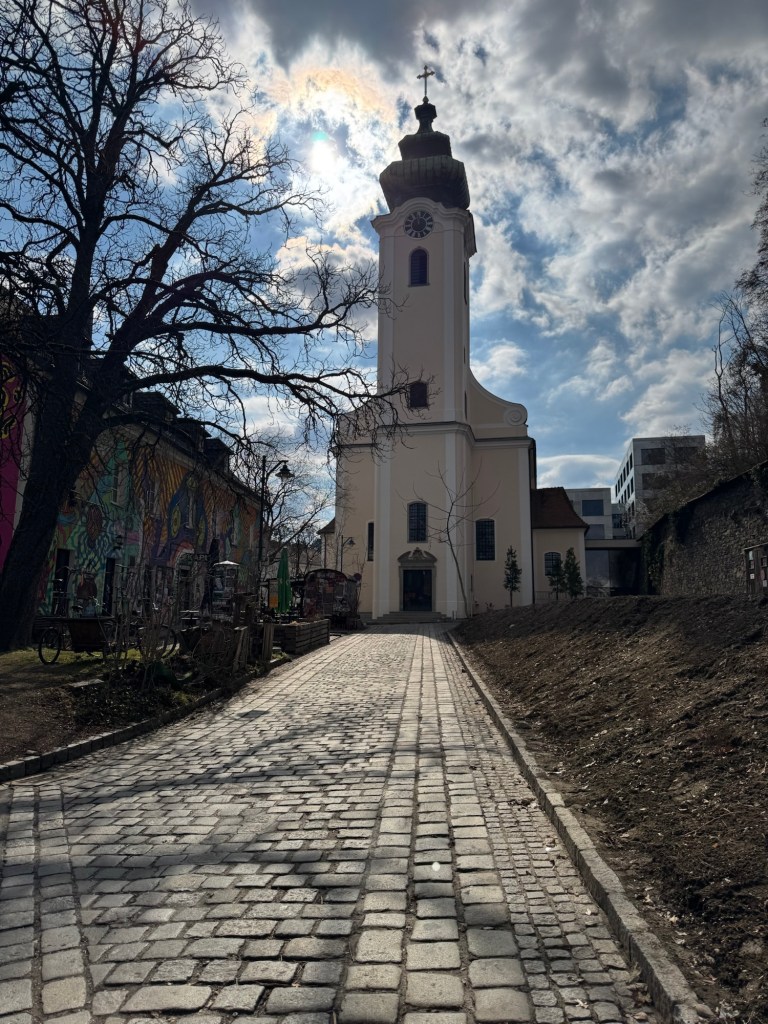
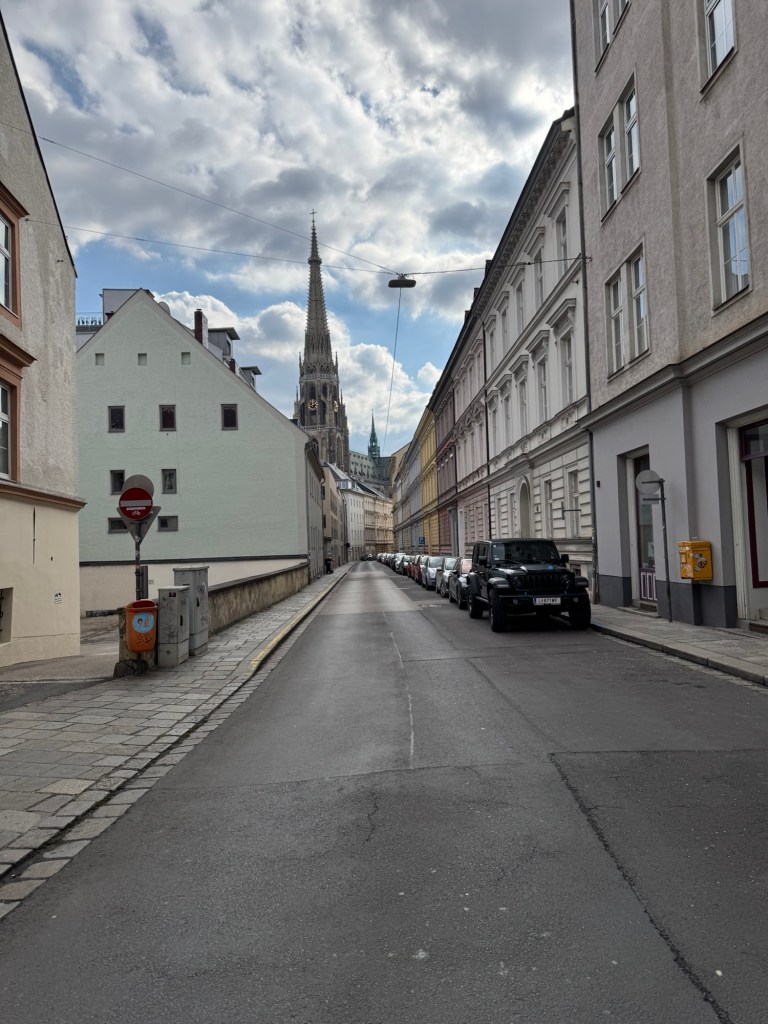
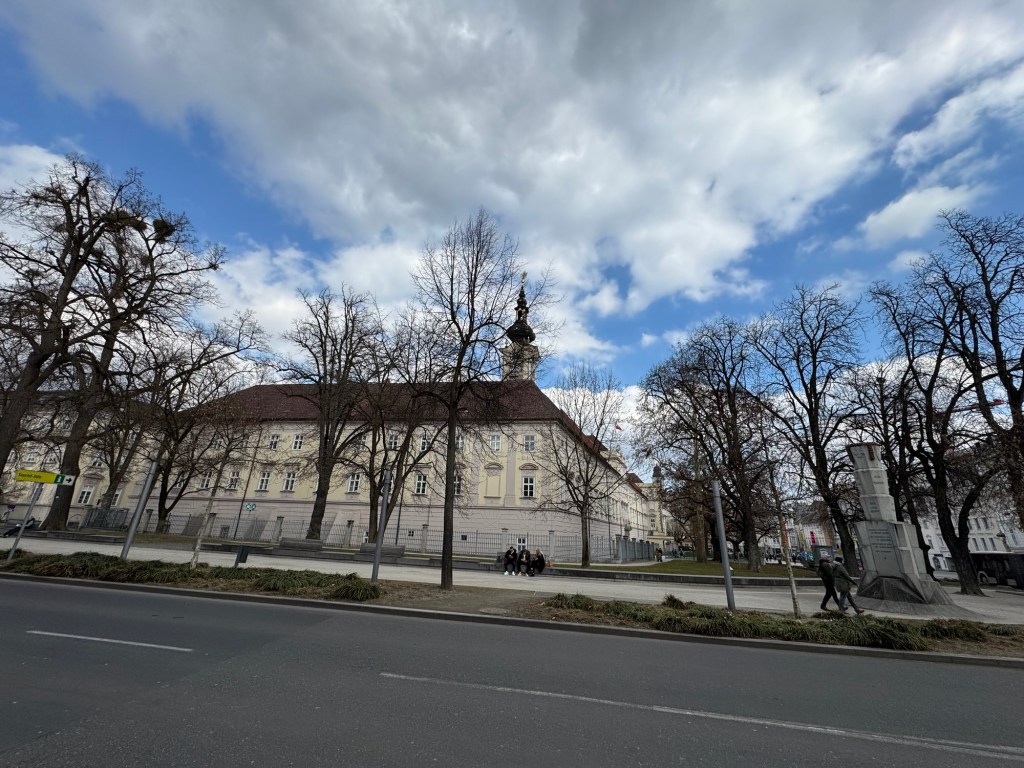
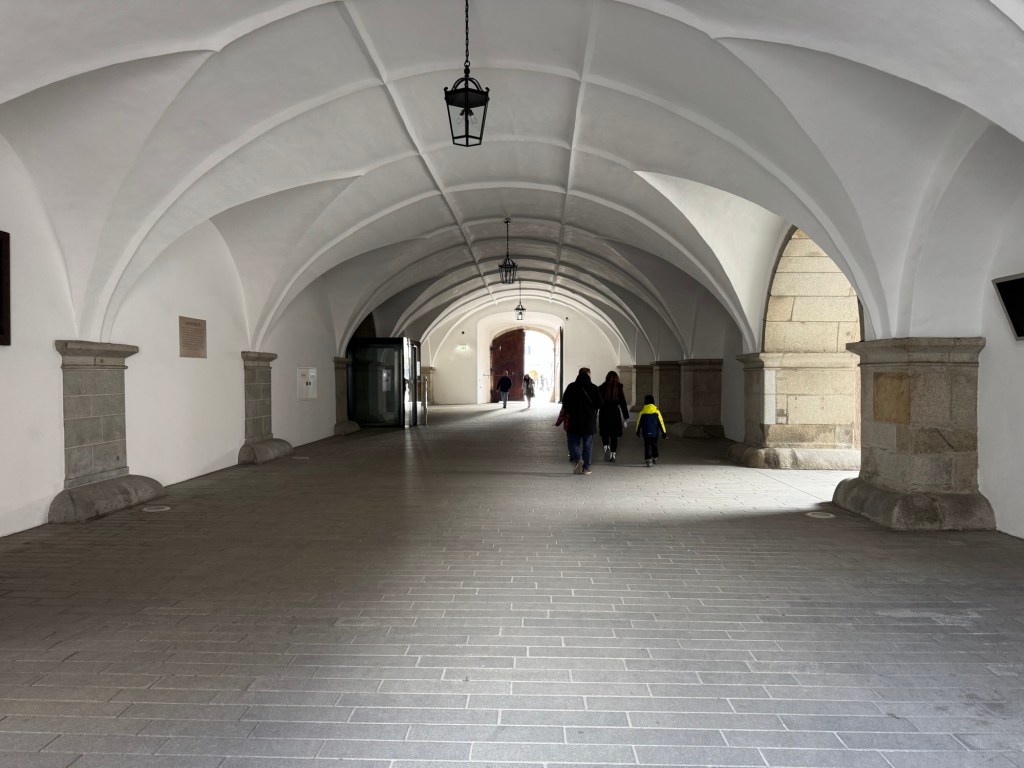
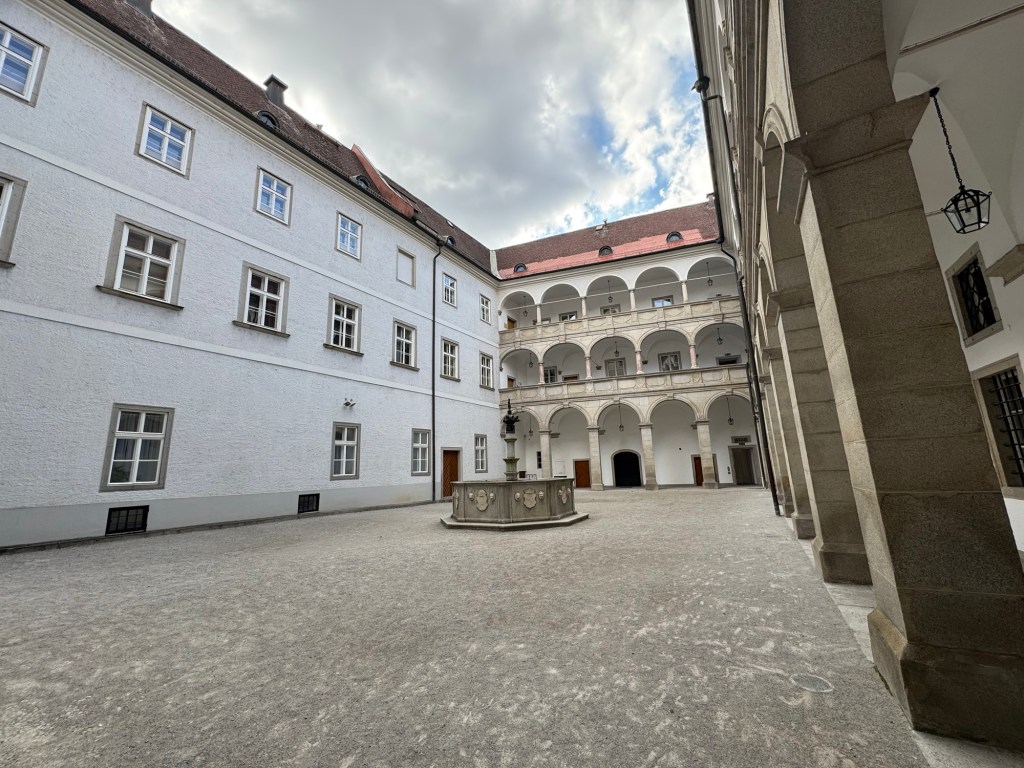
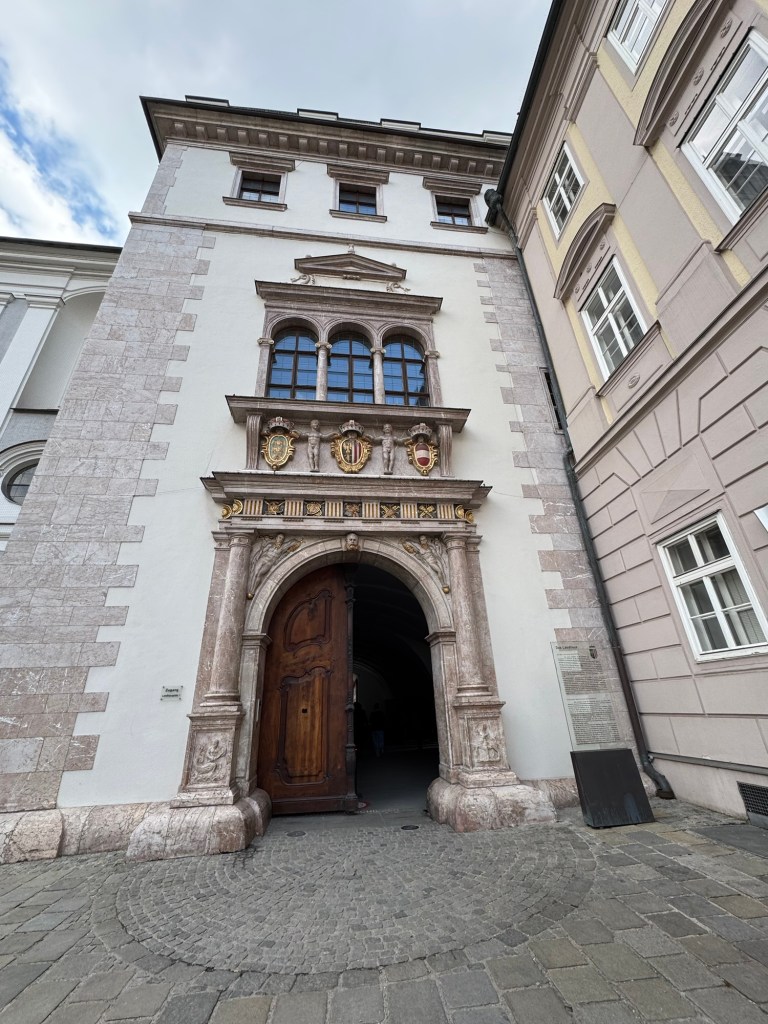
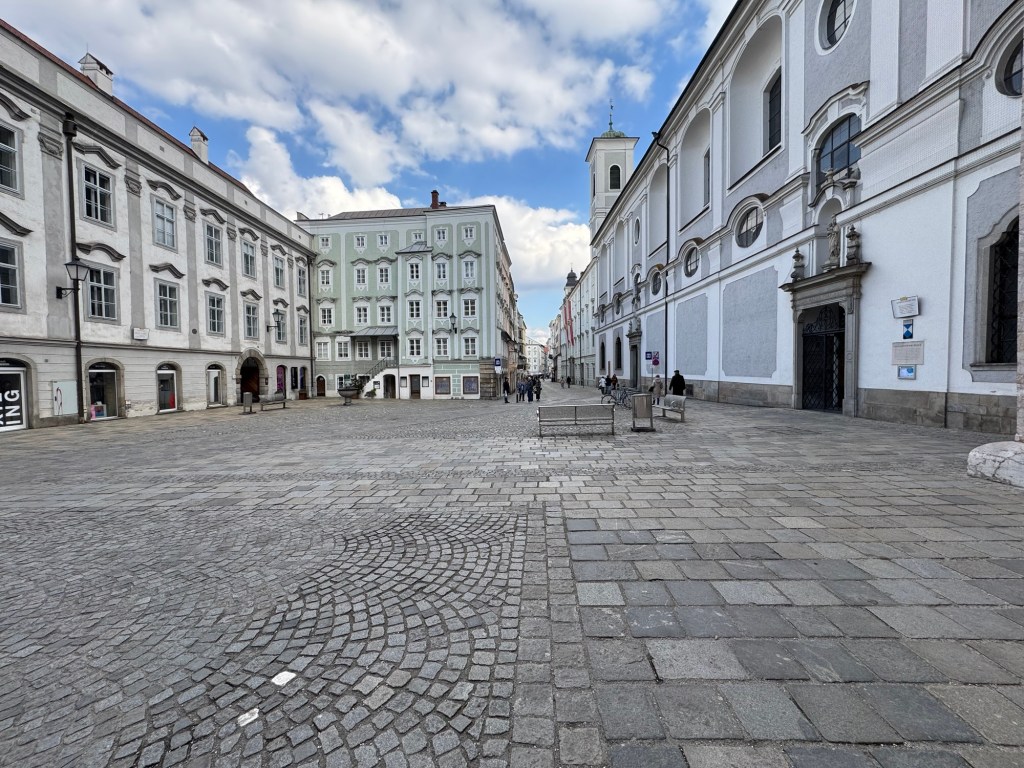
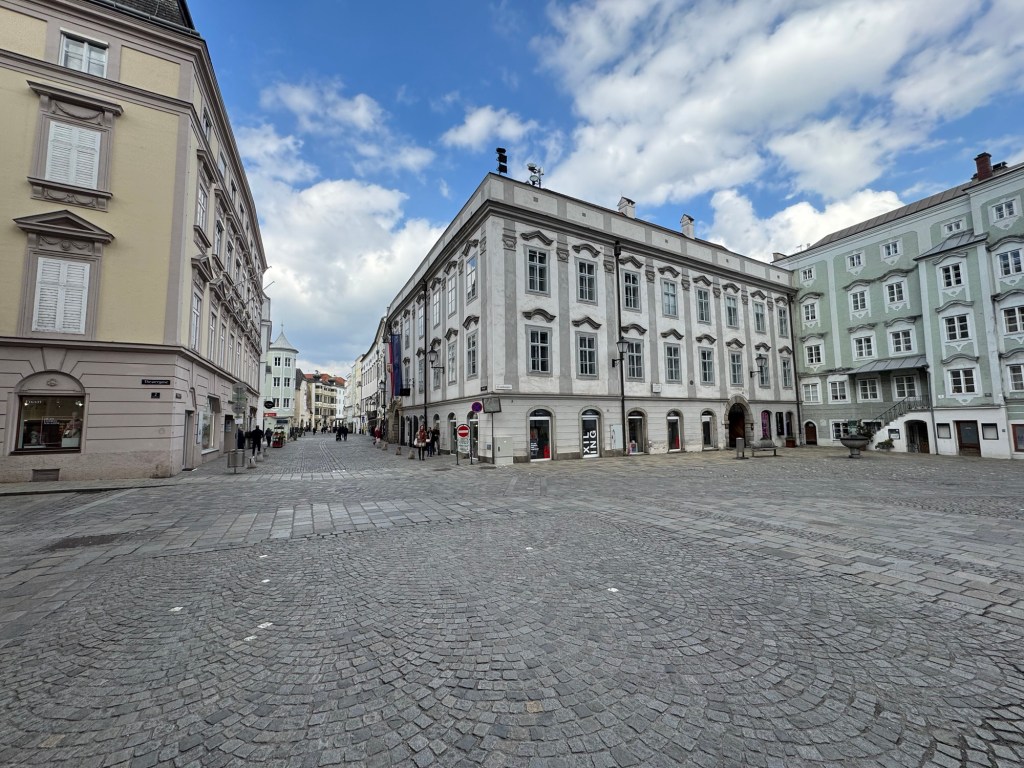
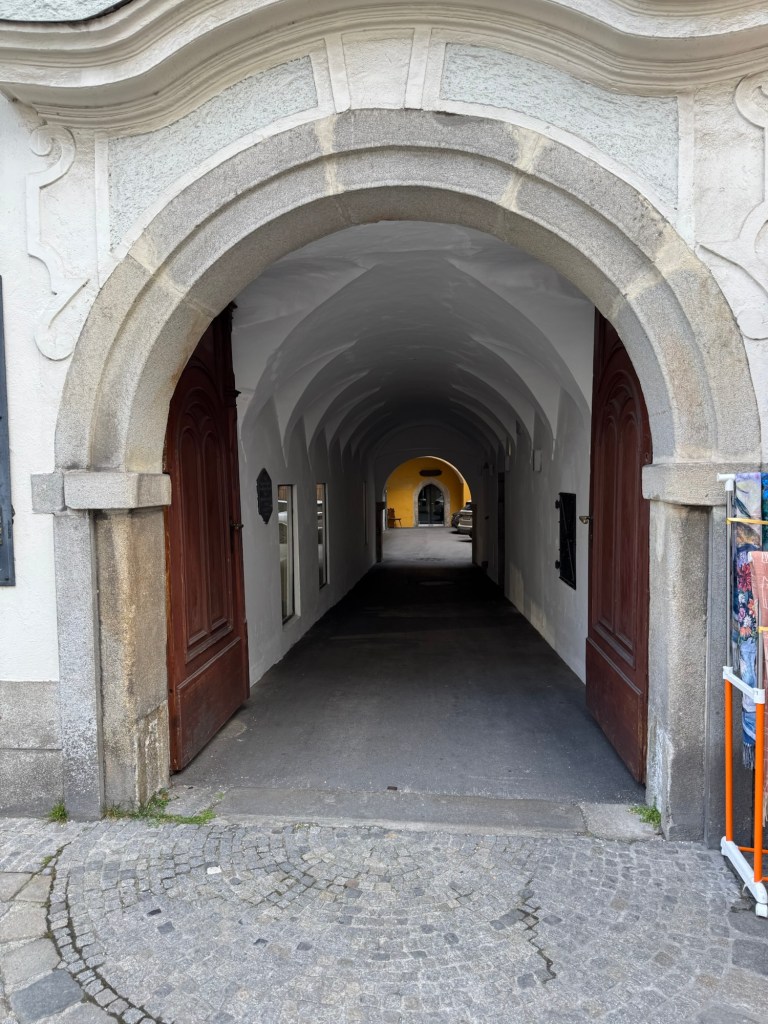
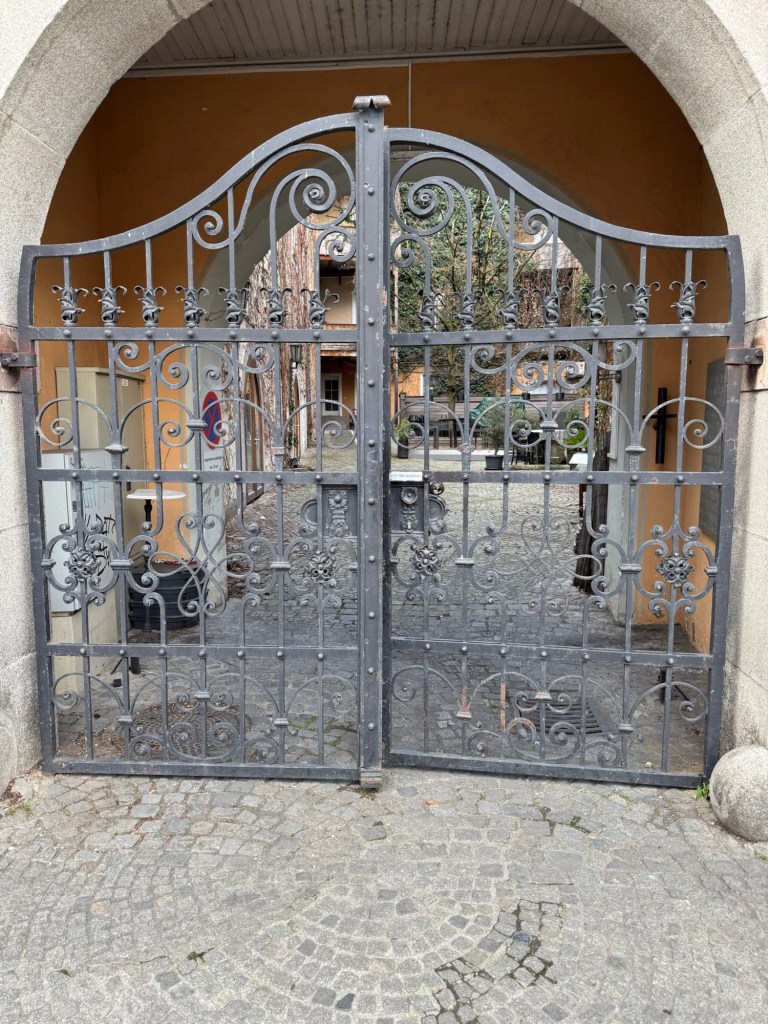
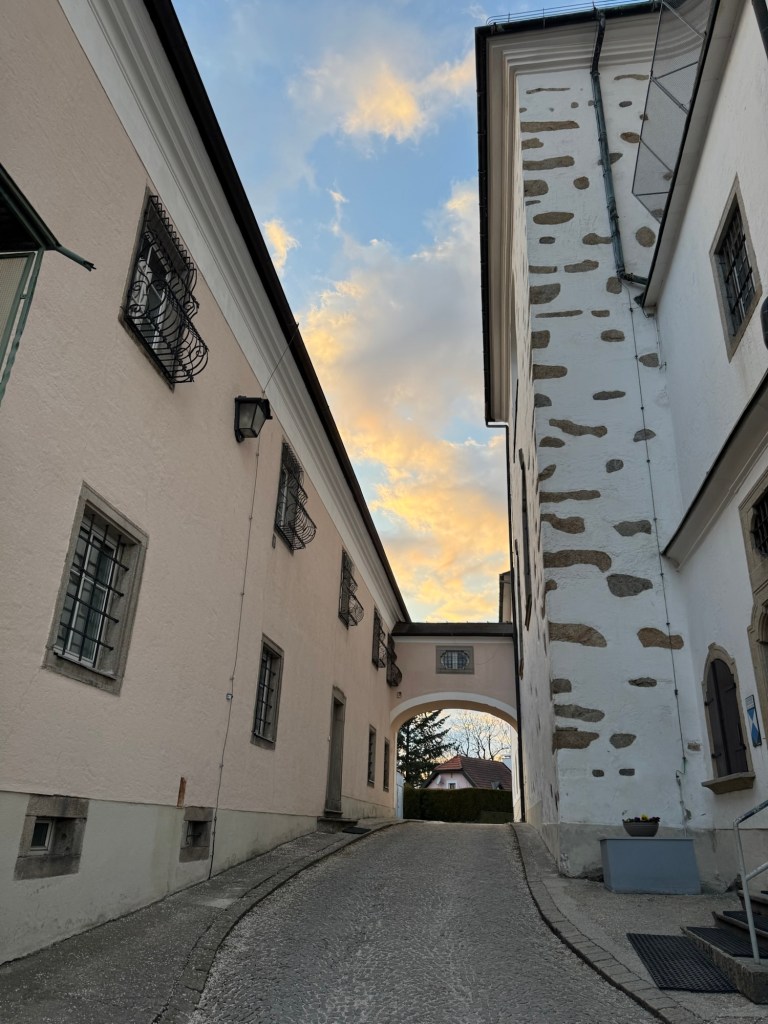
Interesting courtyards and passages off streets
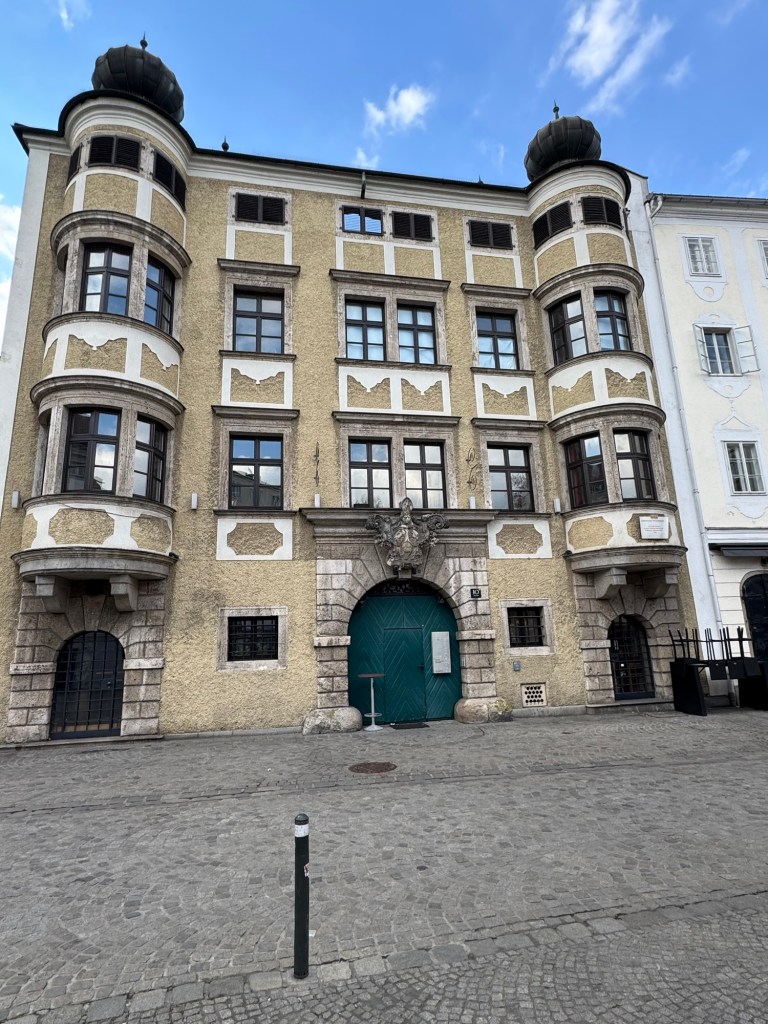
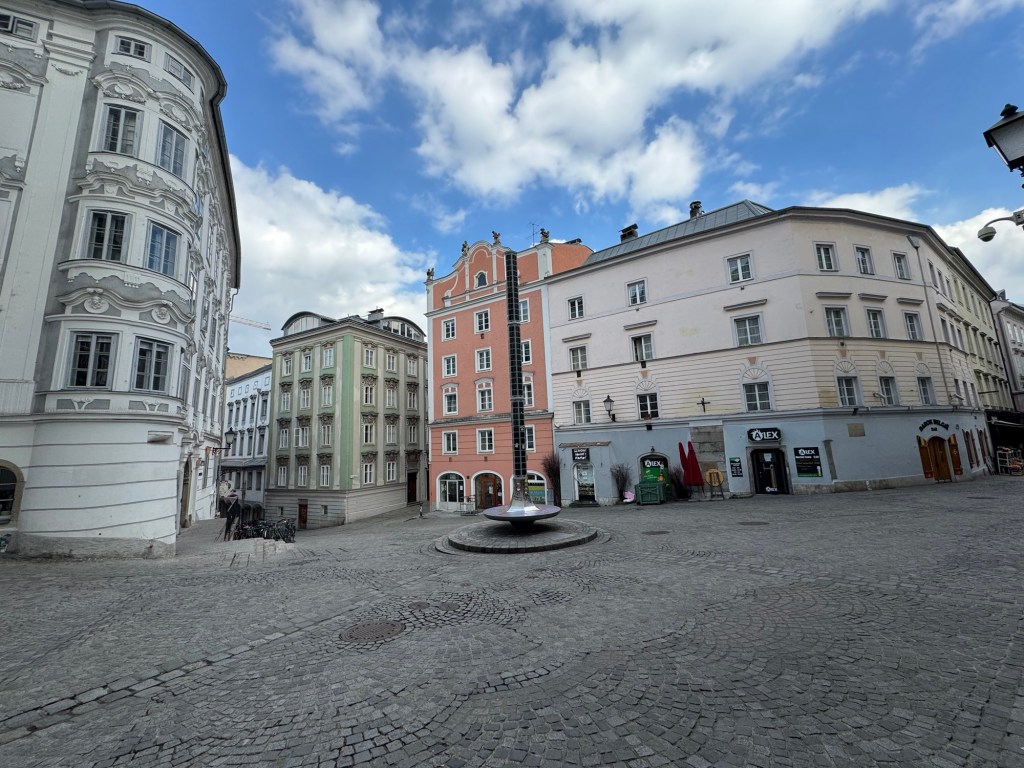
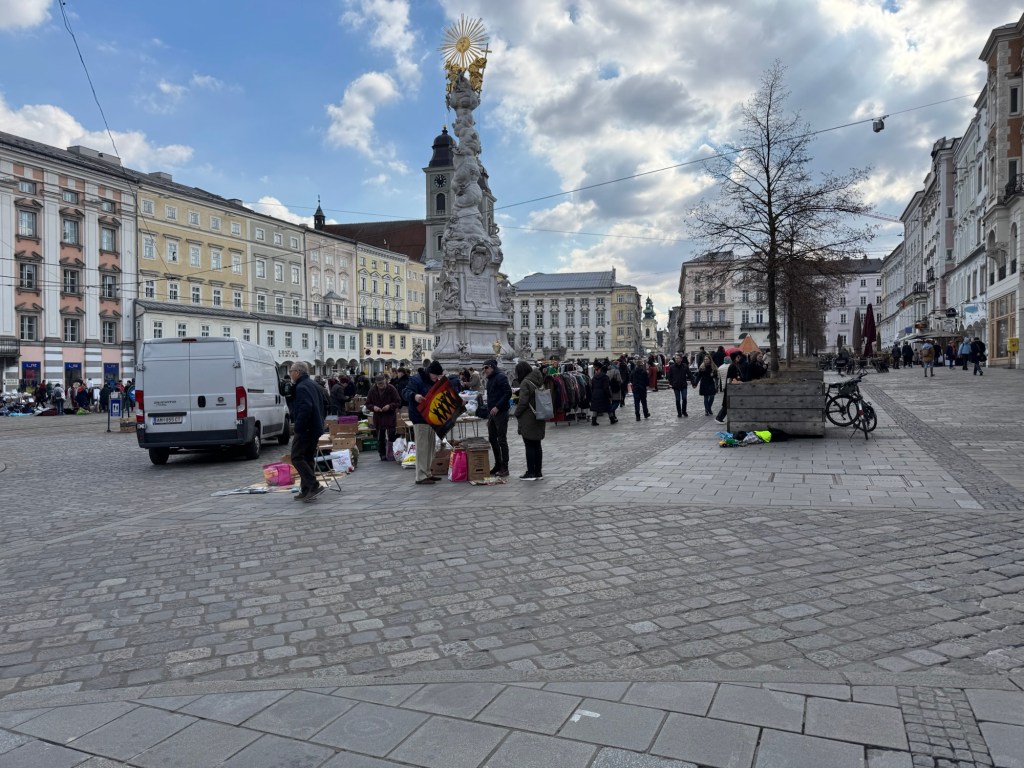
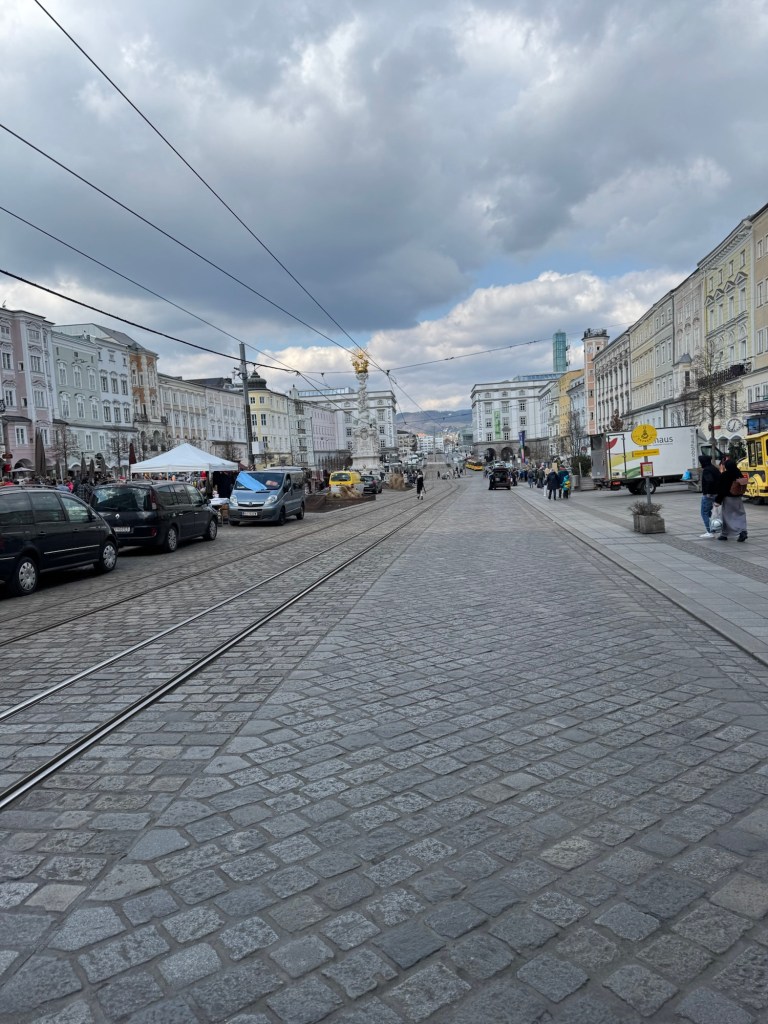
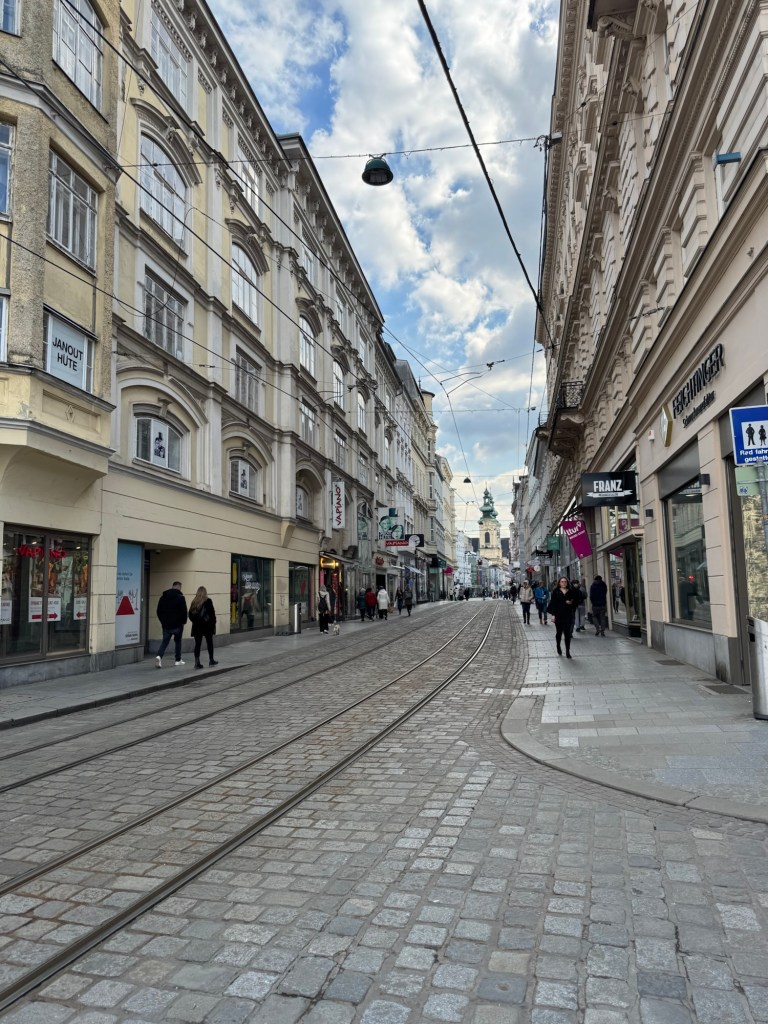
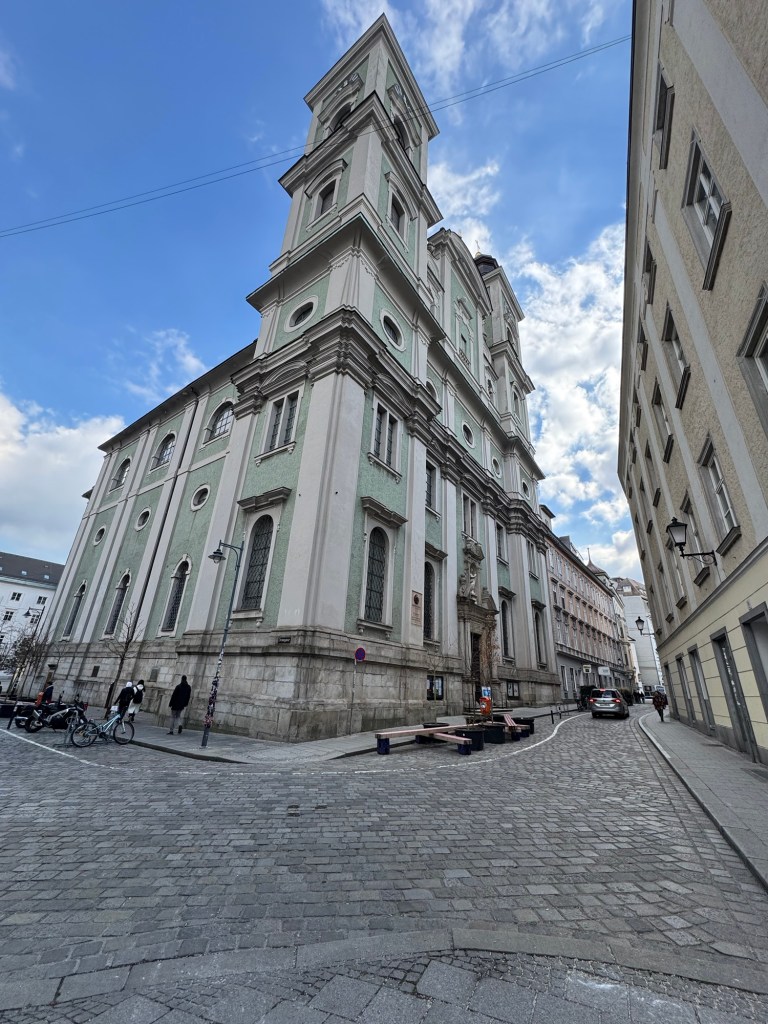
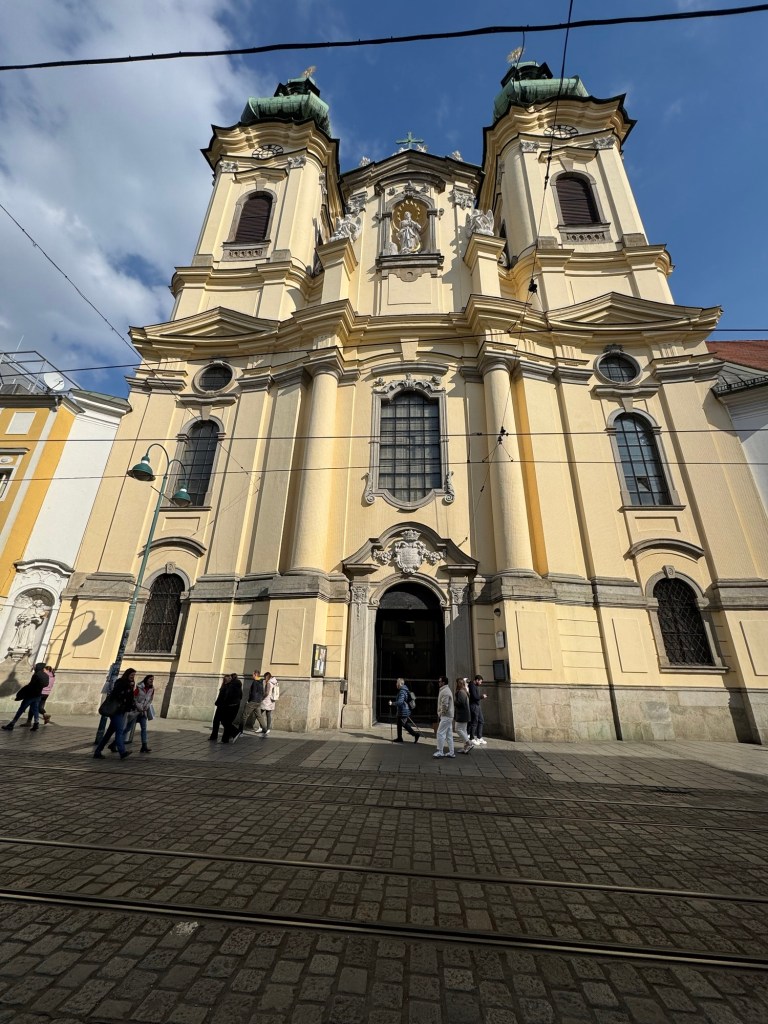
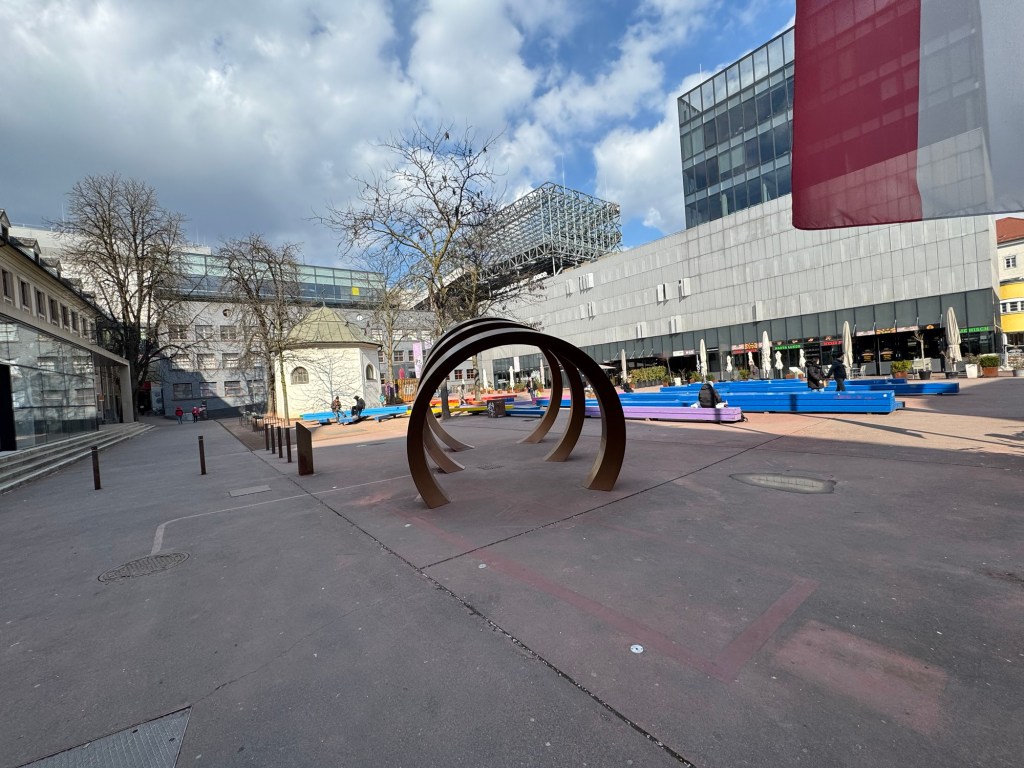
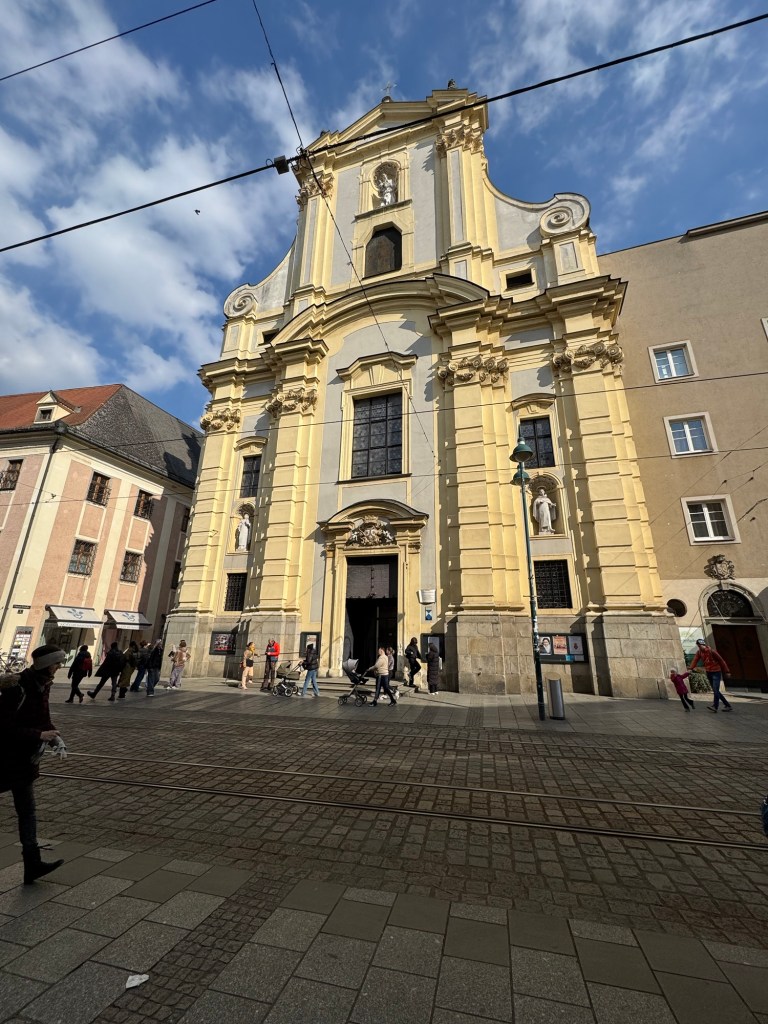
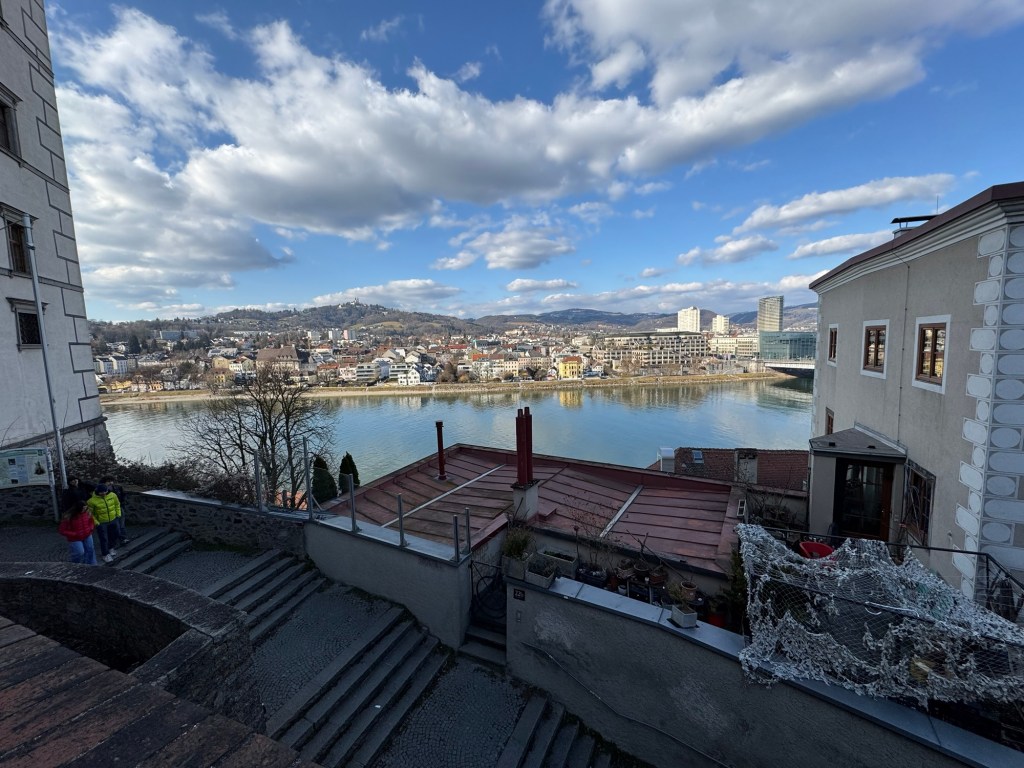
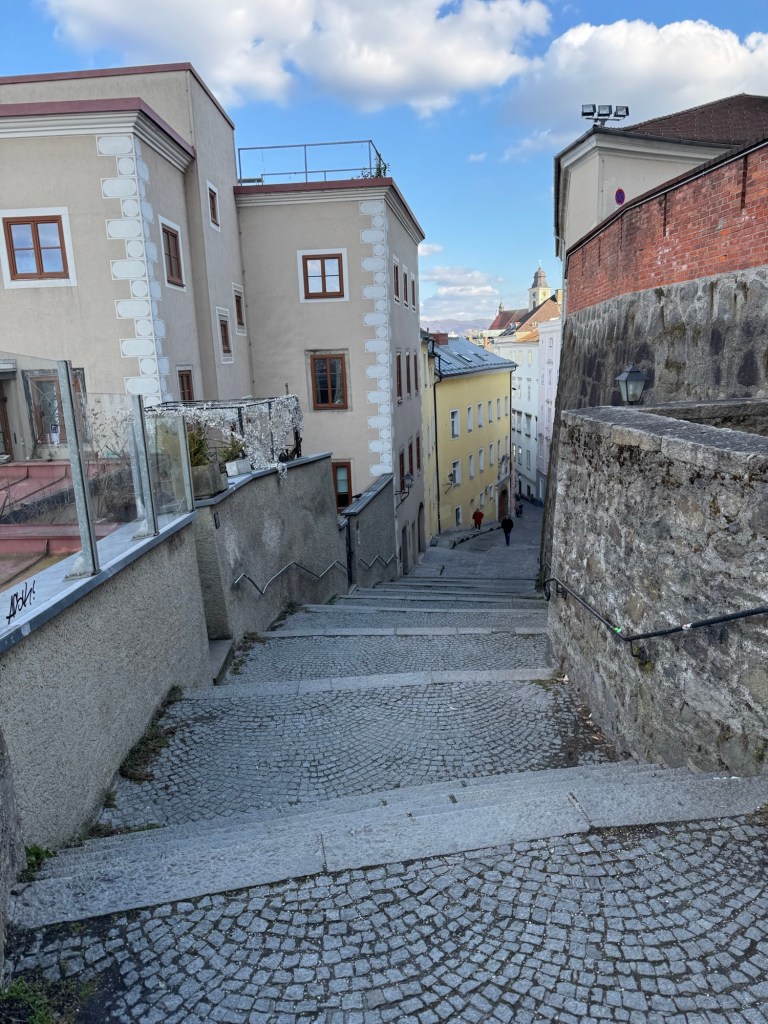
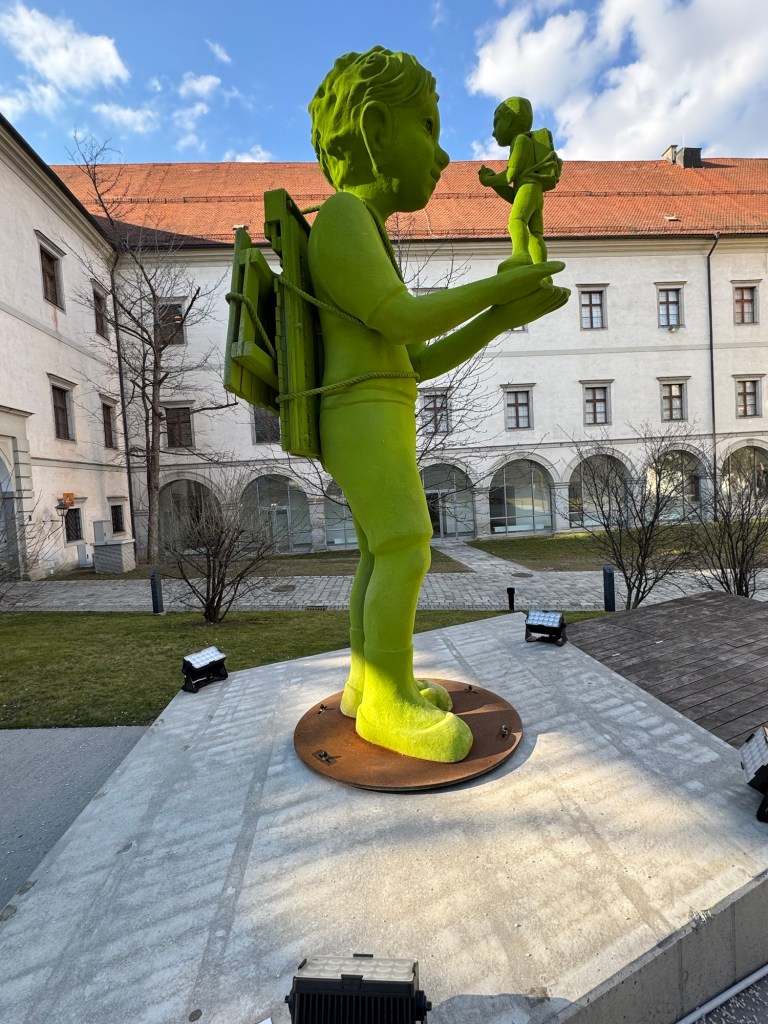
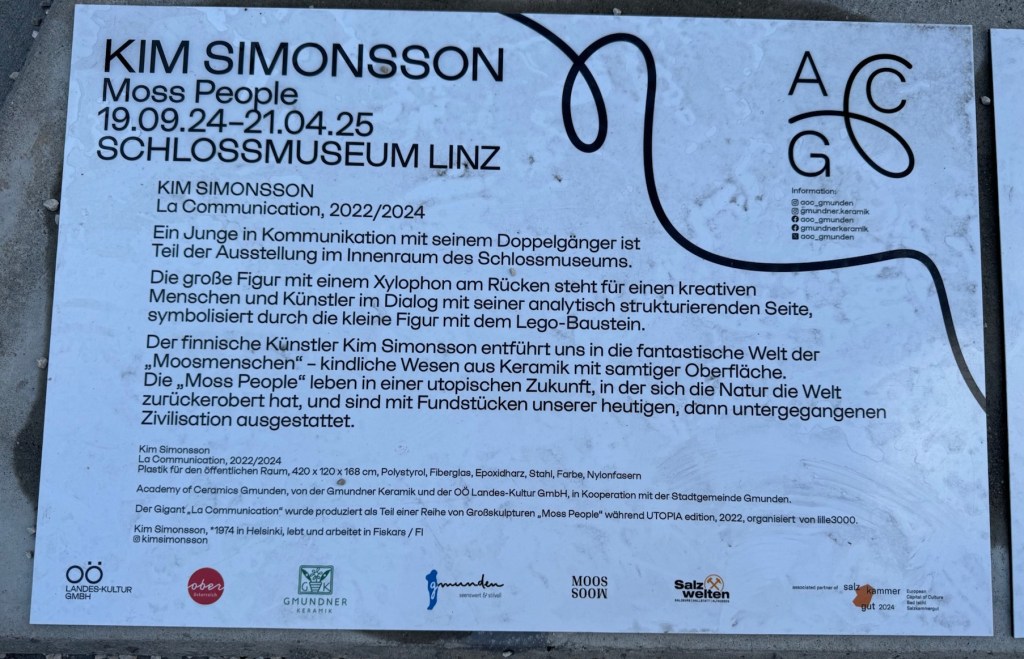
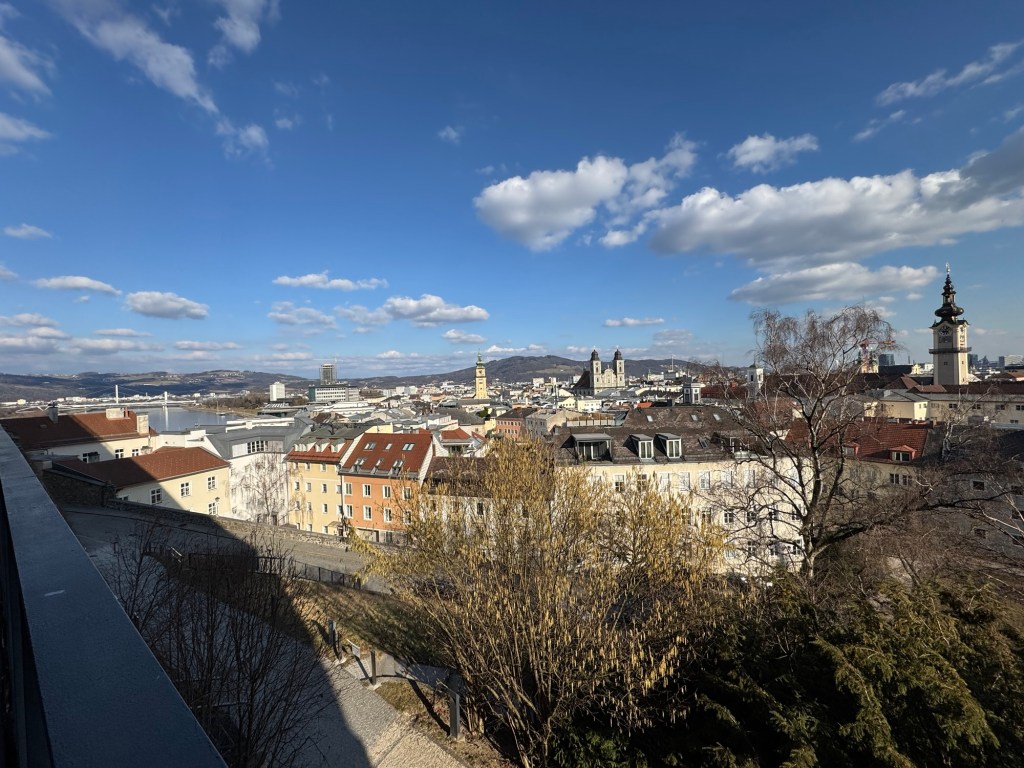
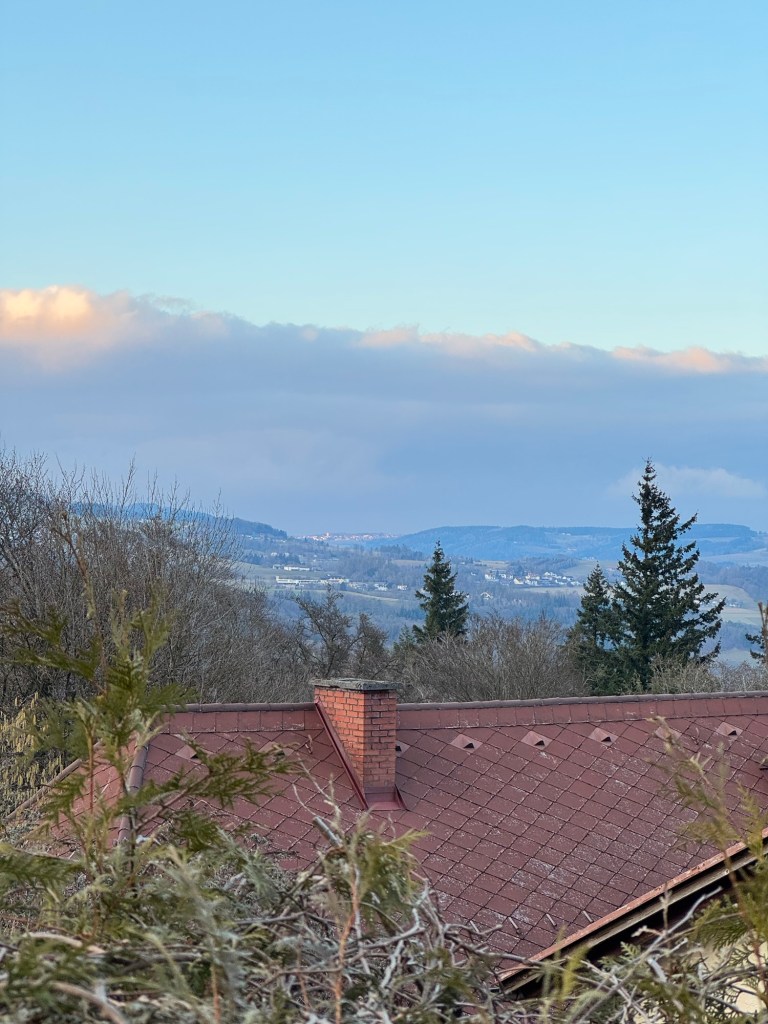
More views
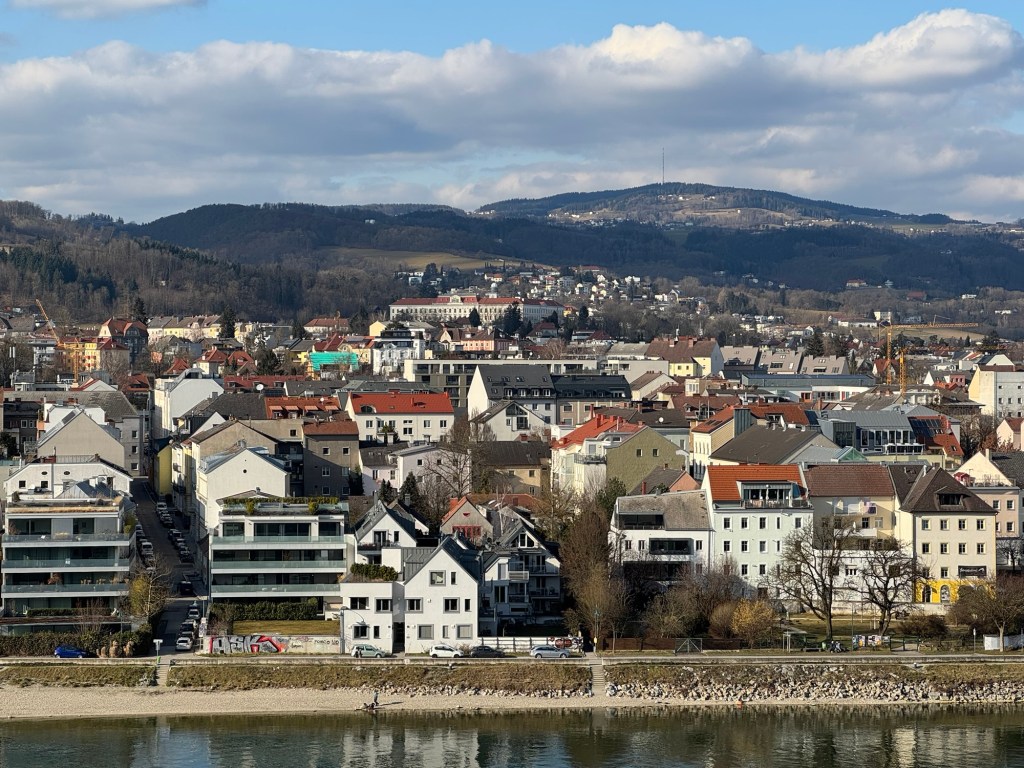
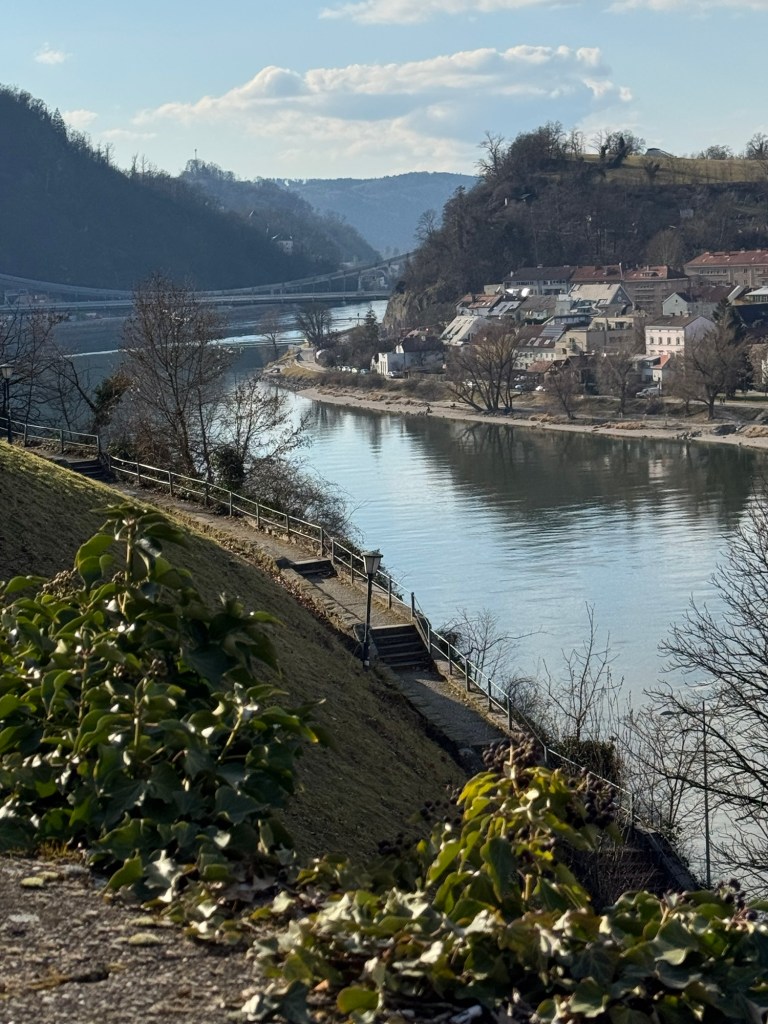
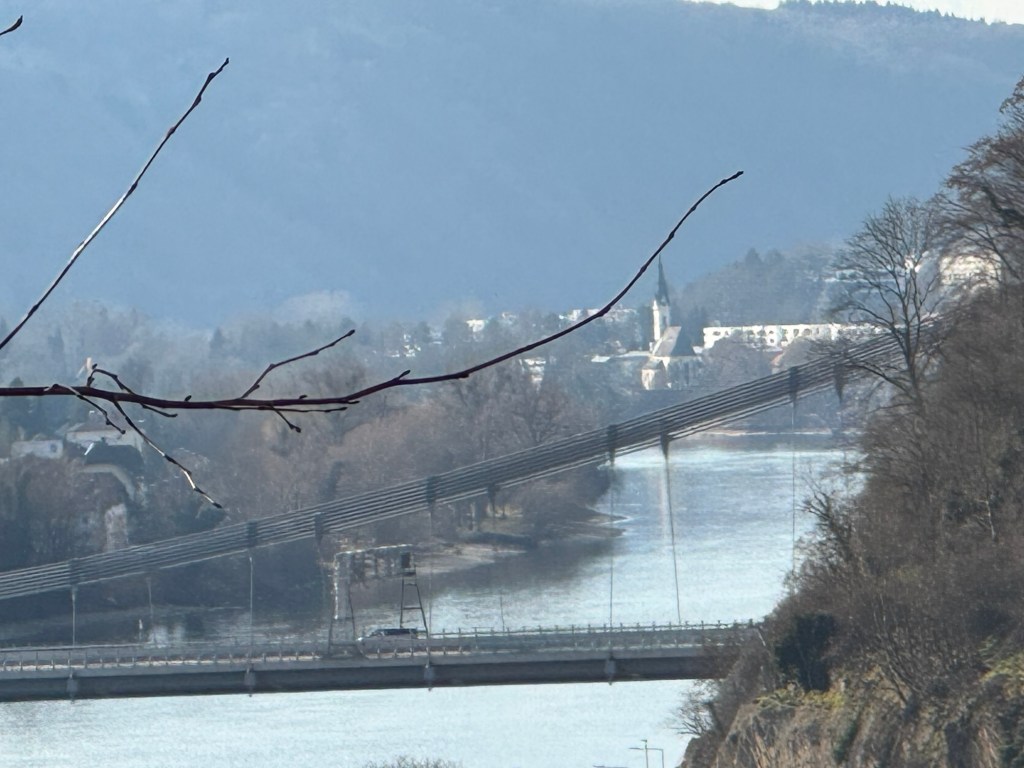
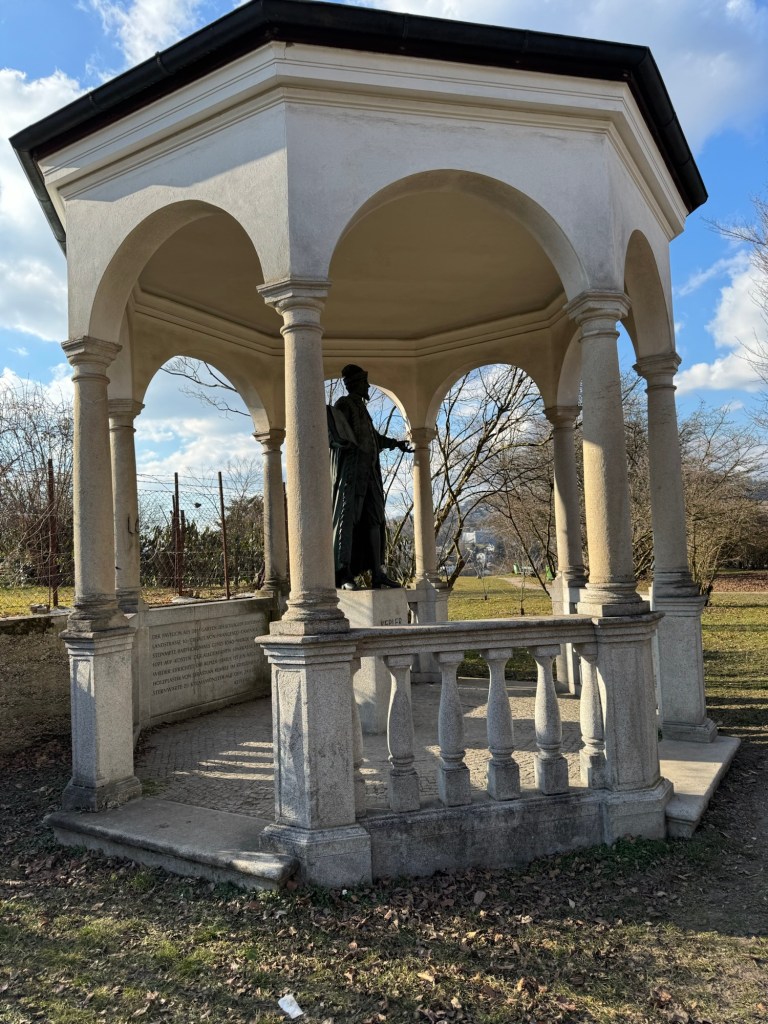
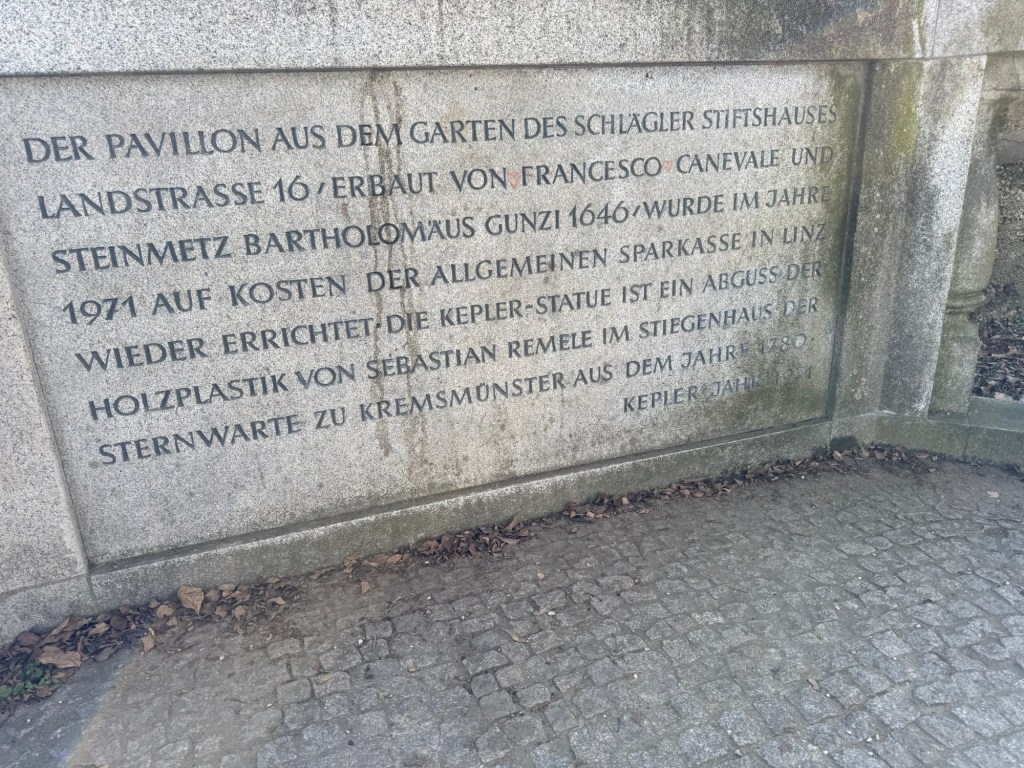
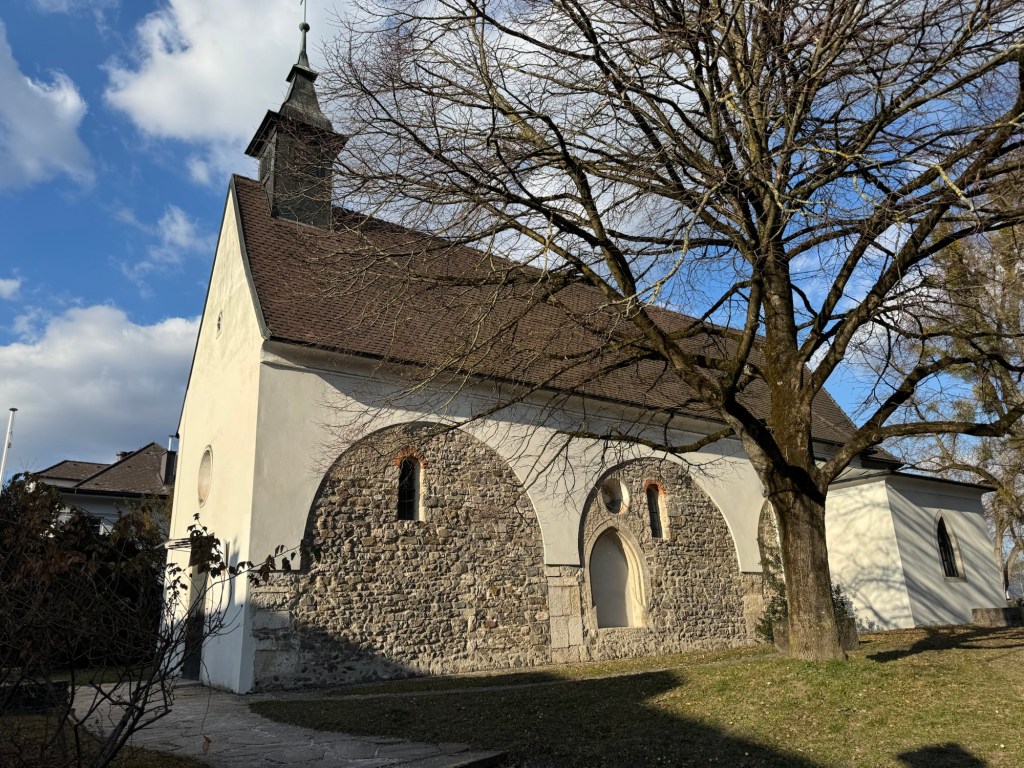
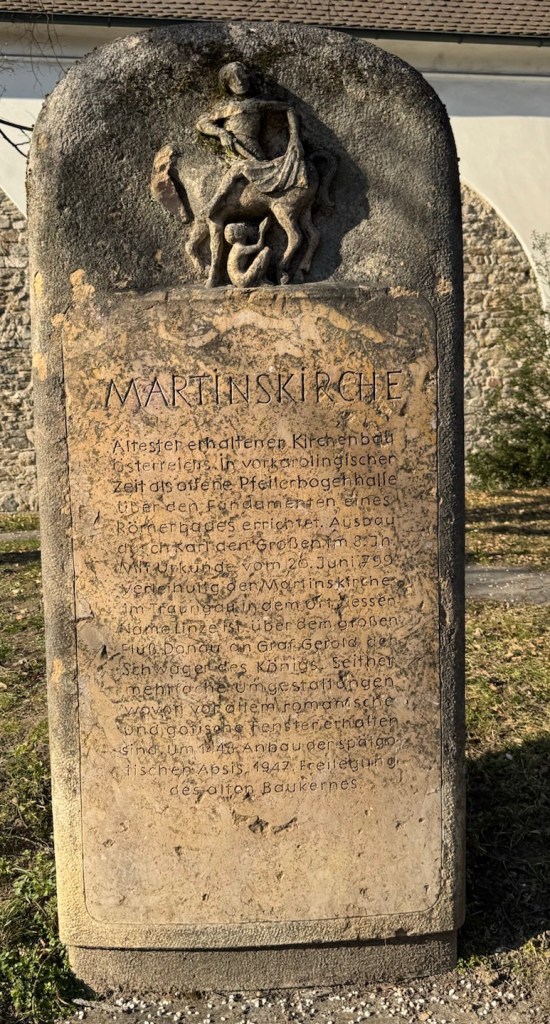
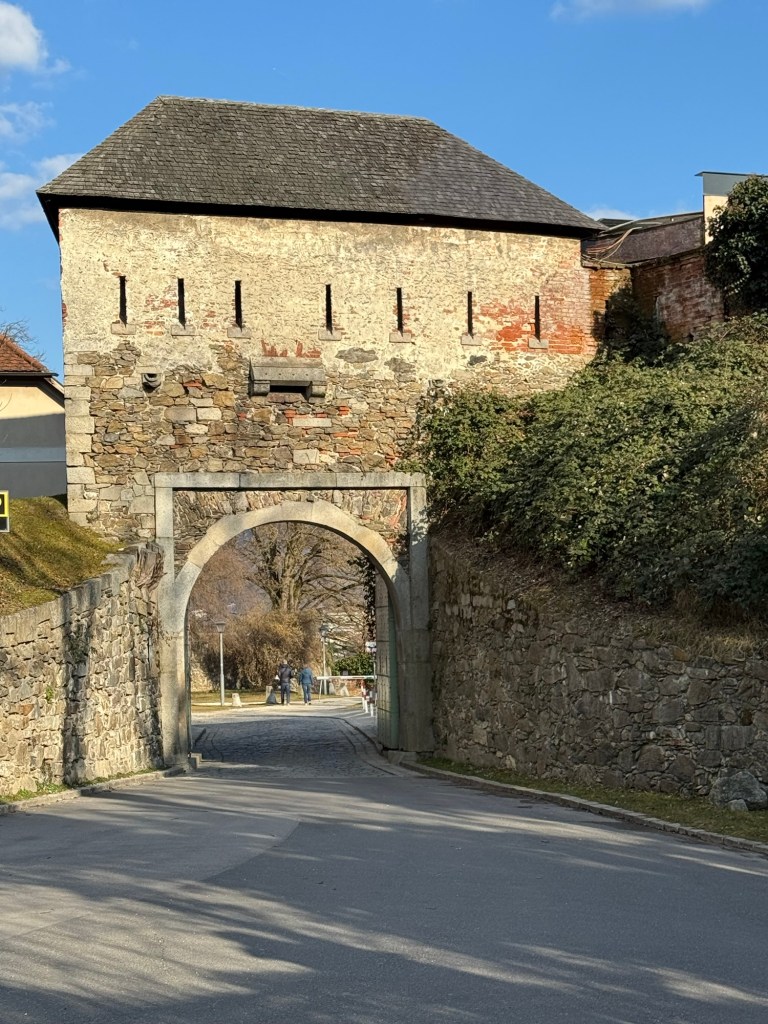
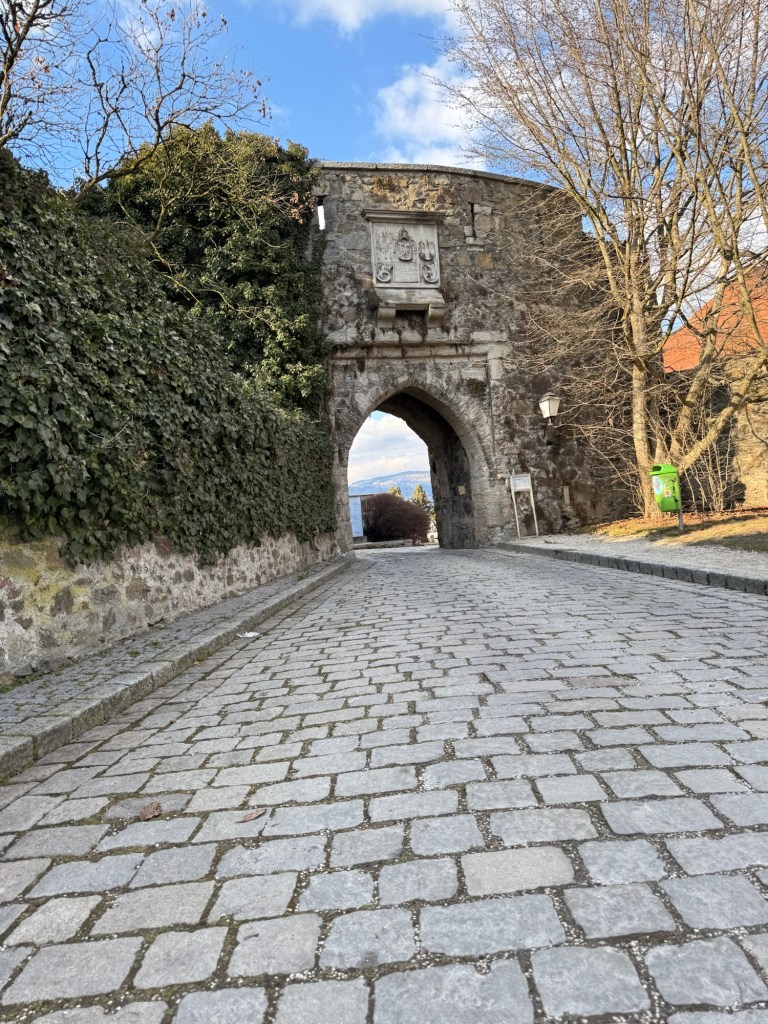
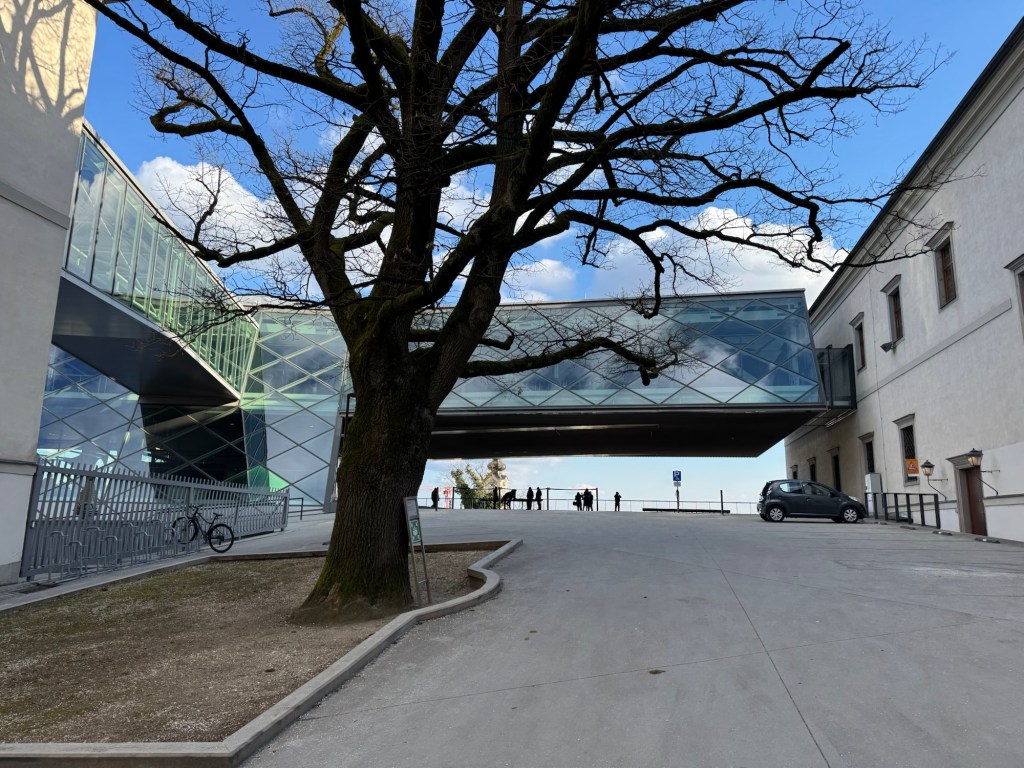
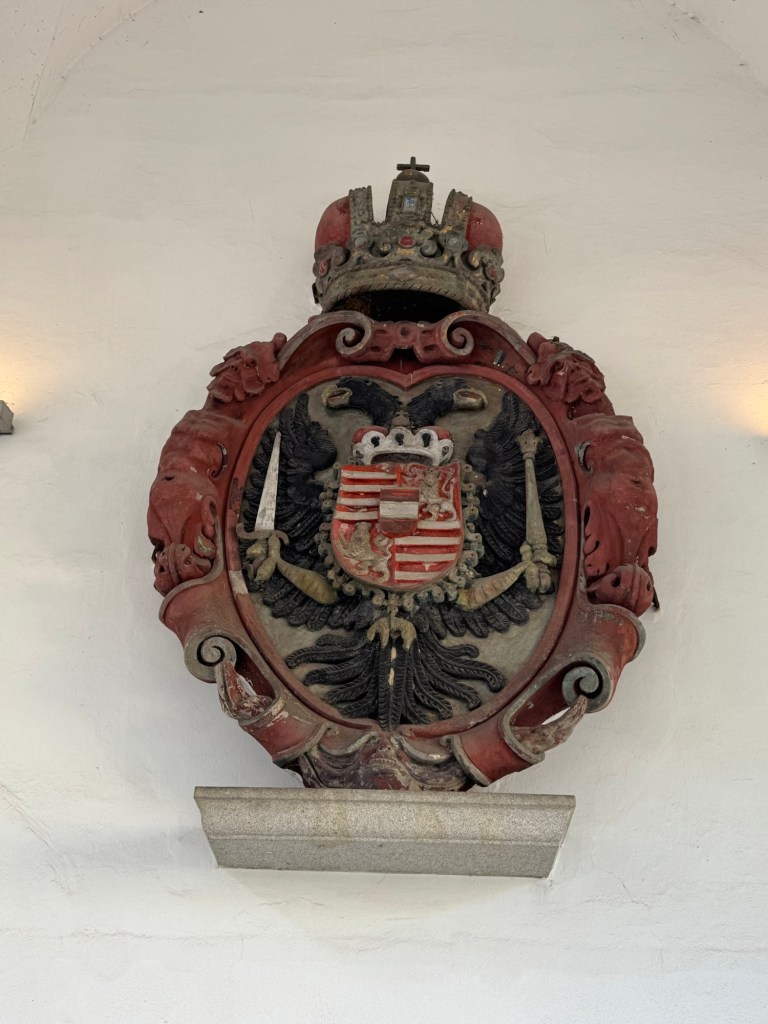
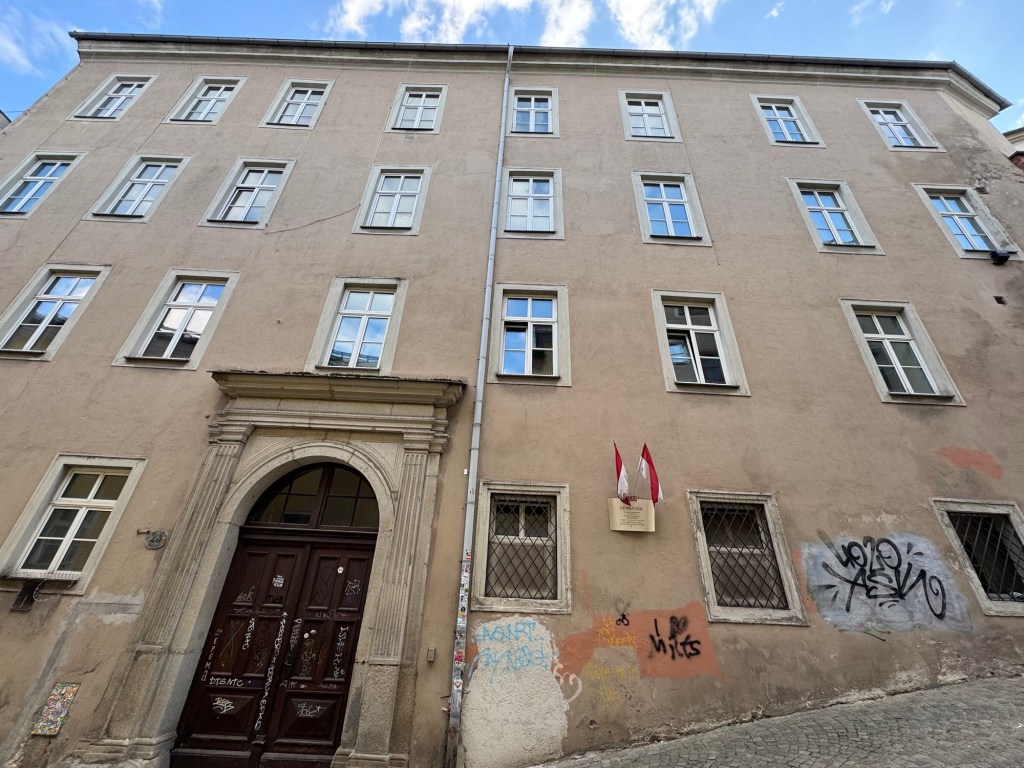
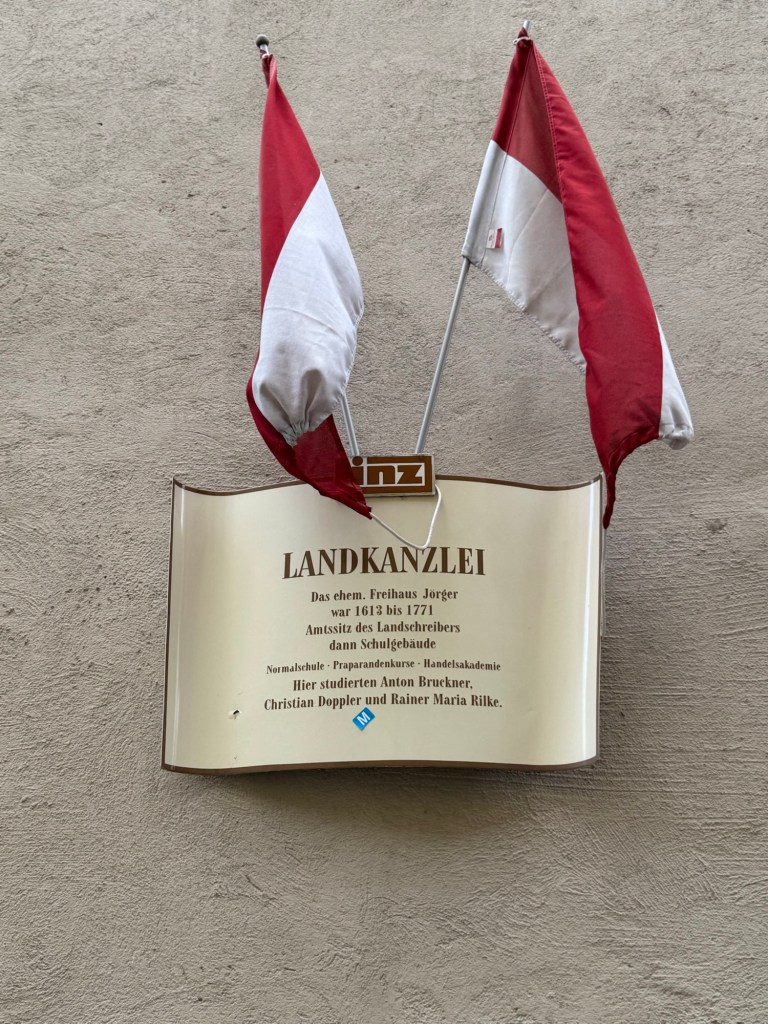
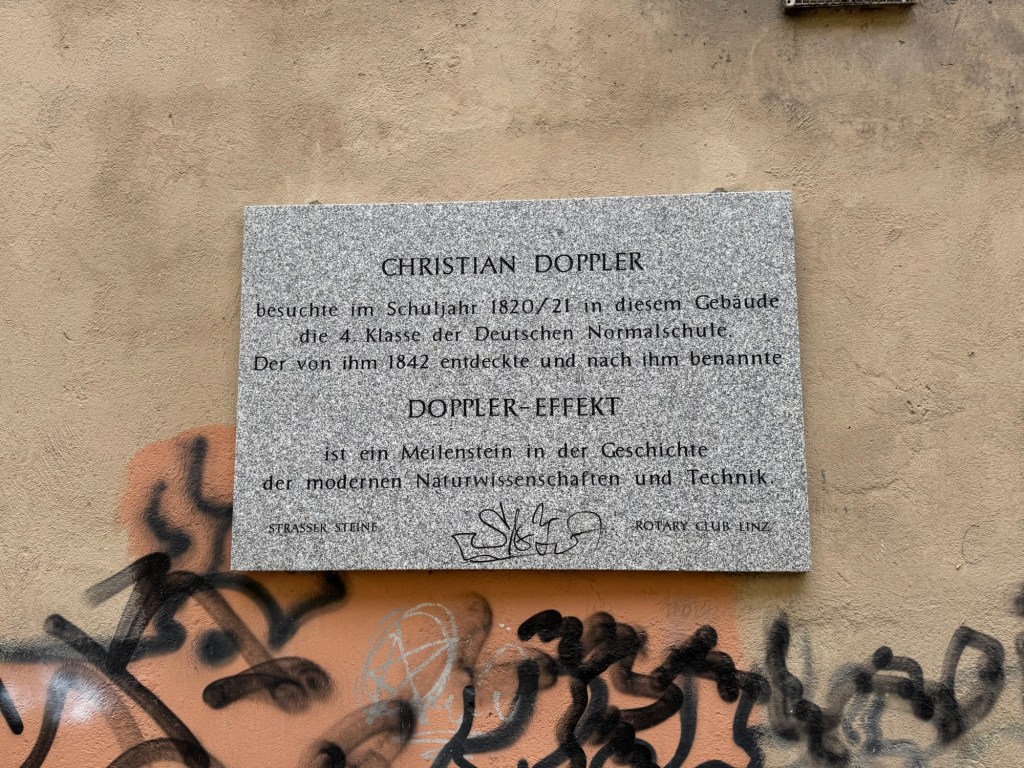
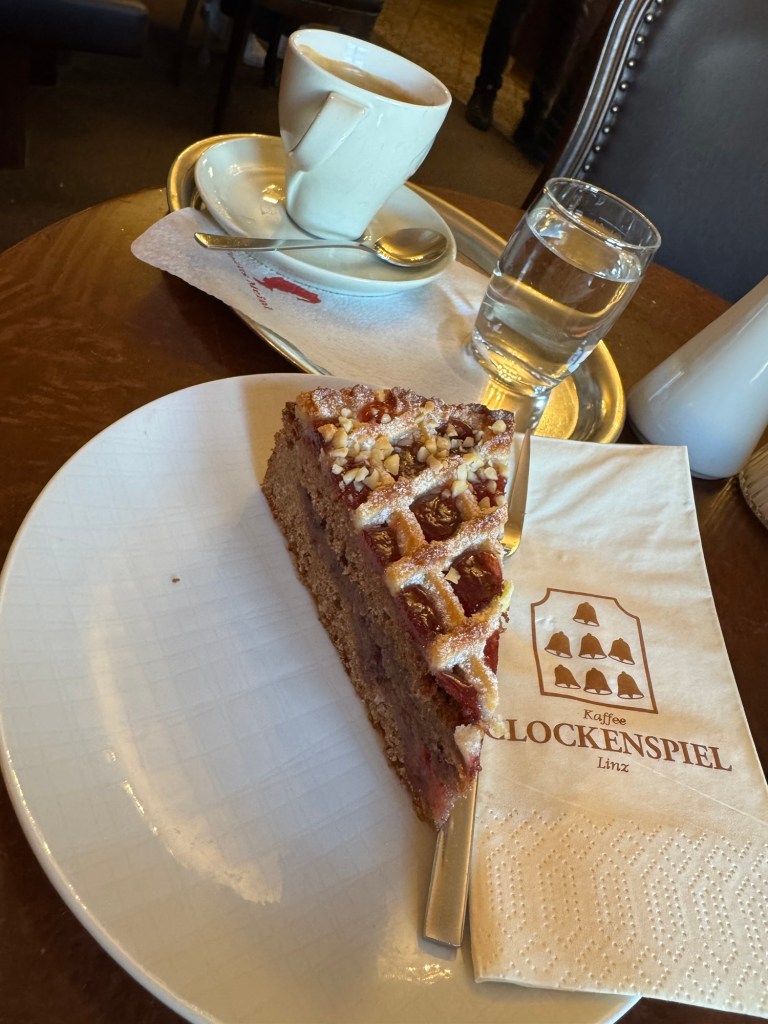
Time for refreshment.
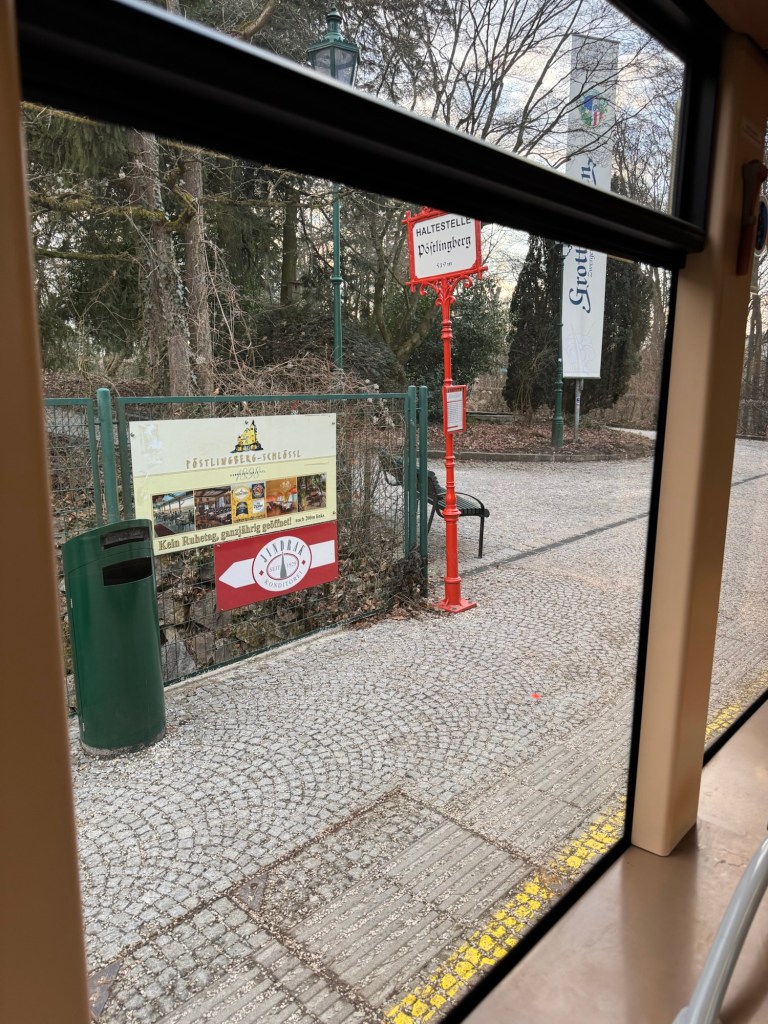
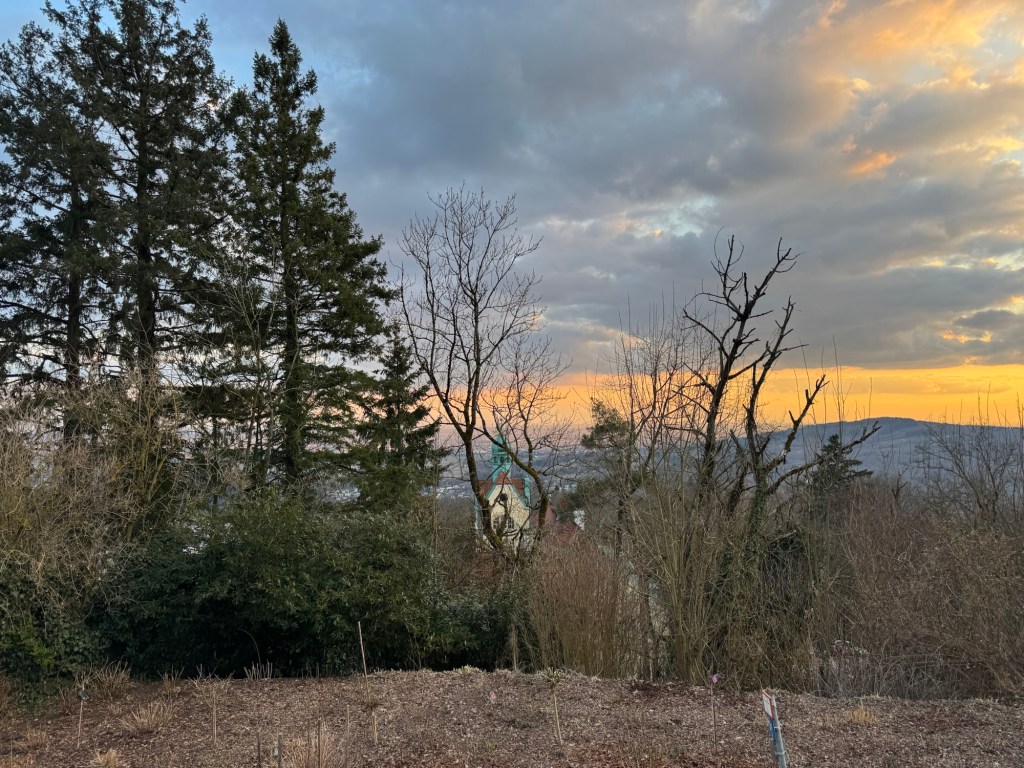
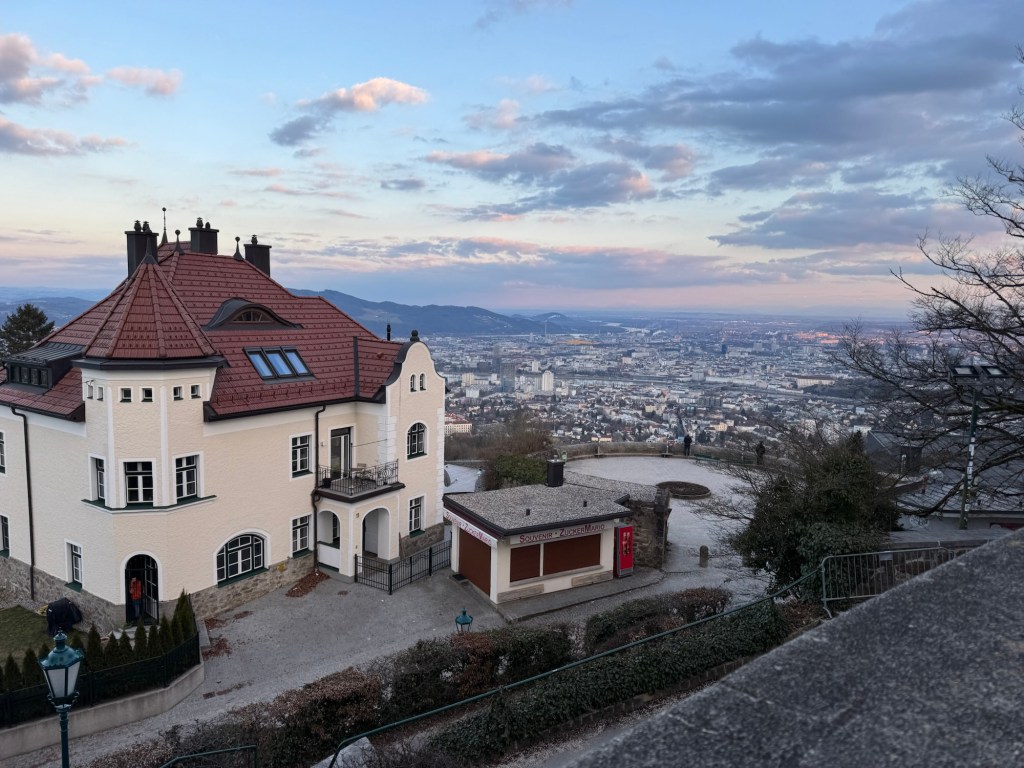
And then have a trip on the Pöstlingbergzug. This heads from the Hauptplatz to the Pöstlingbergkirche. Which appears in my earlier photos on the other side of the valley.
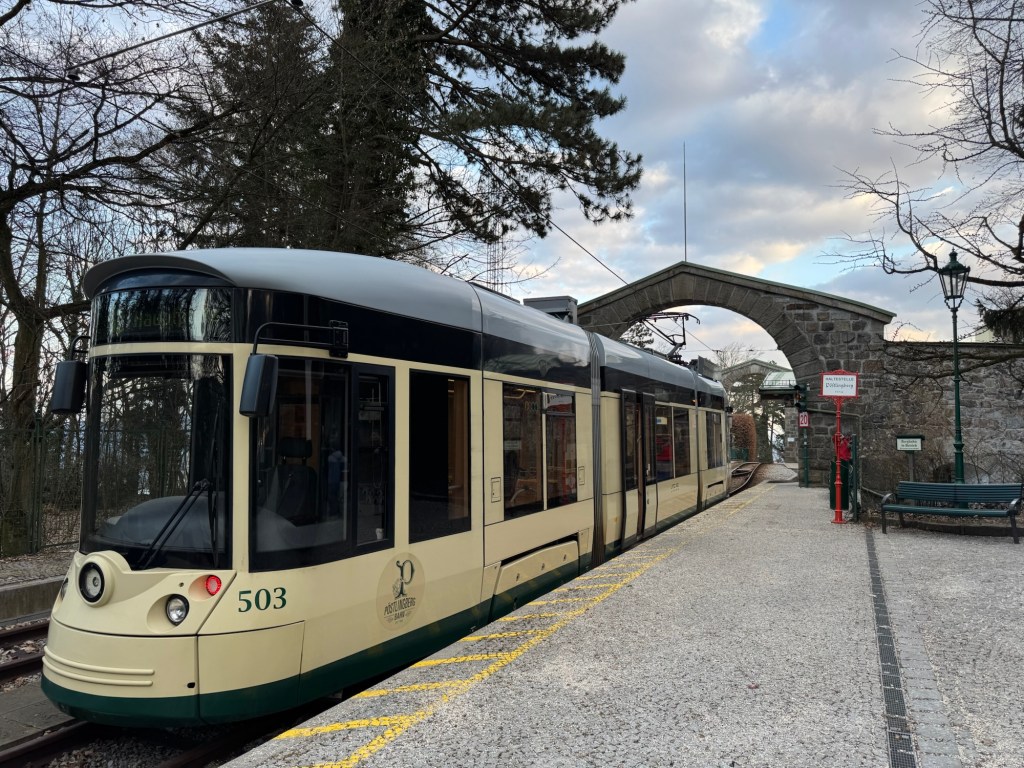
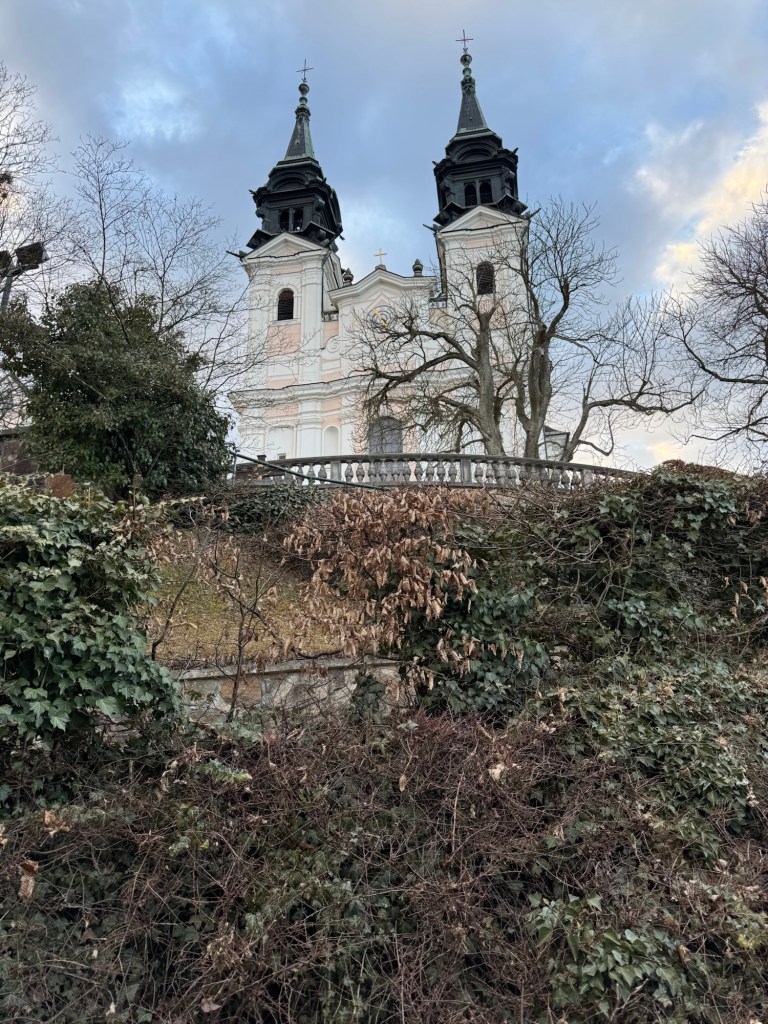
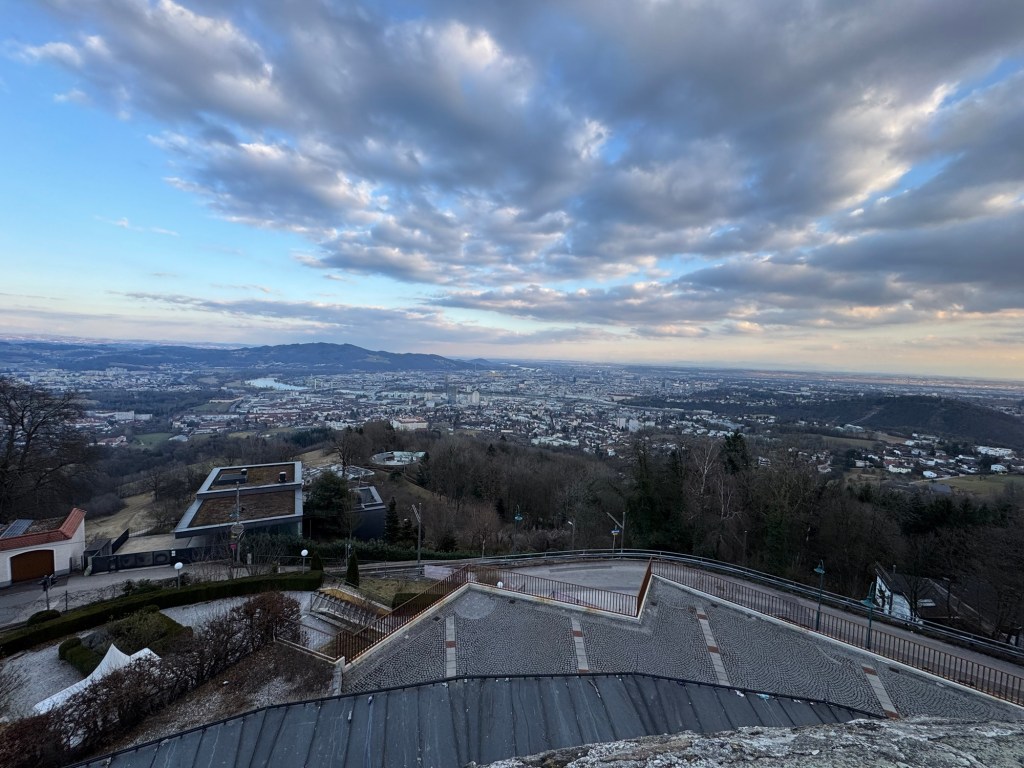
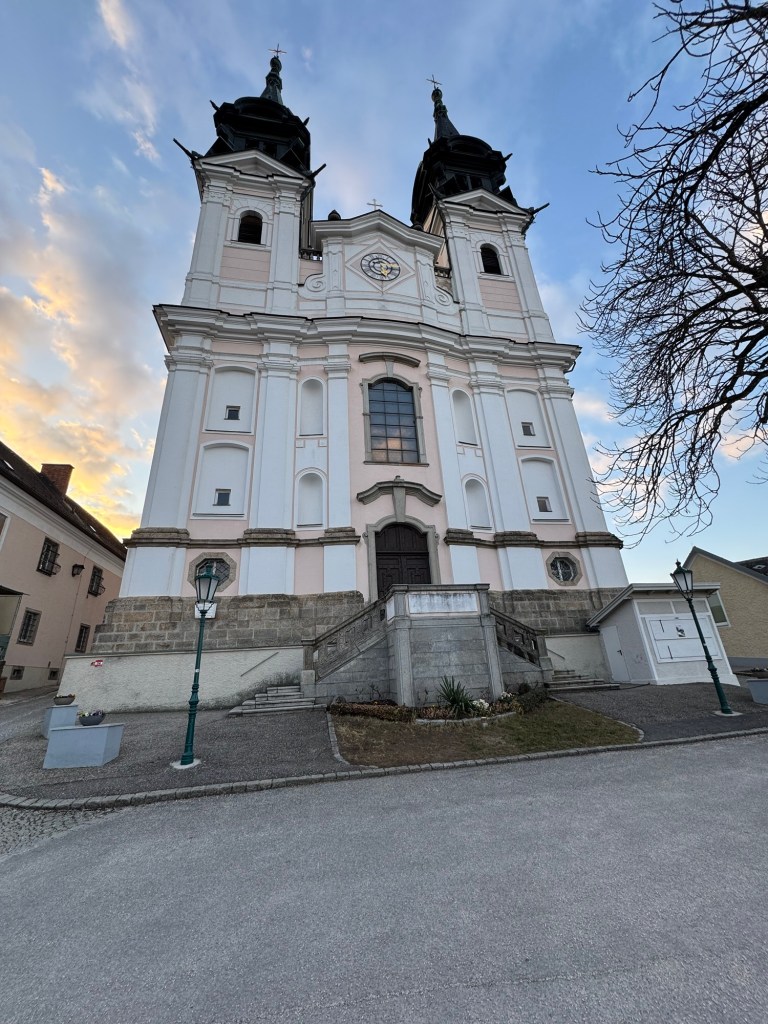
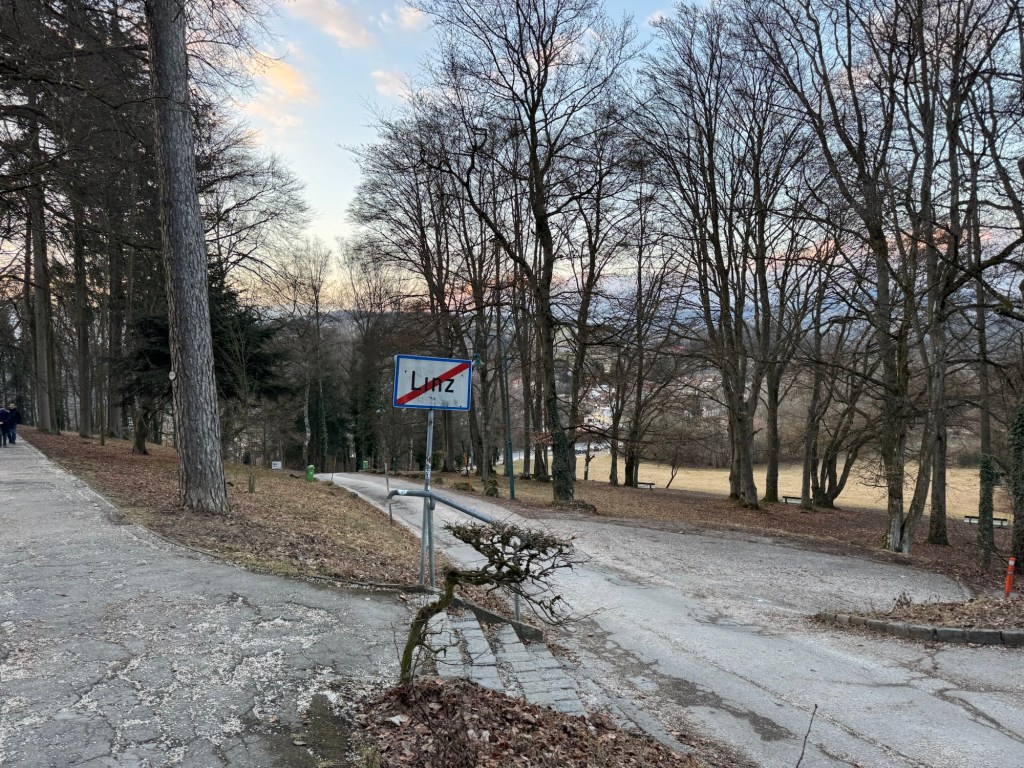
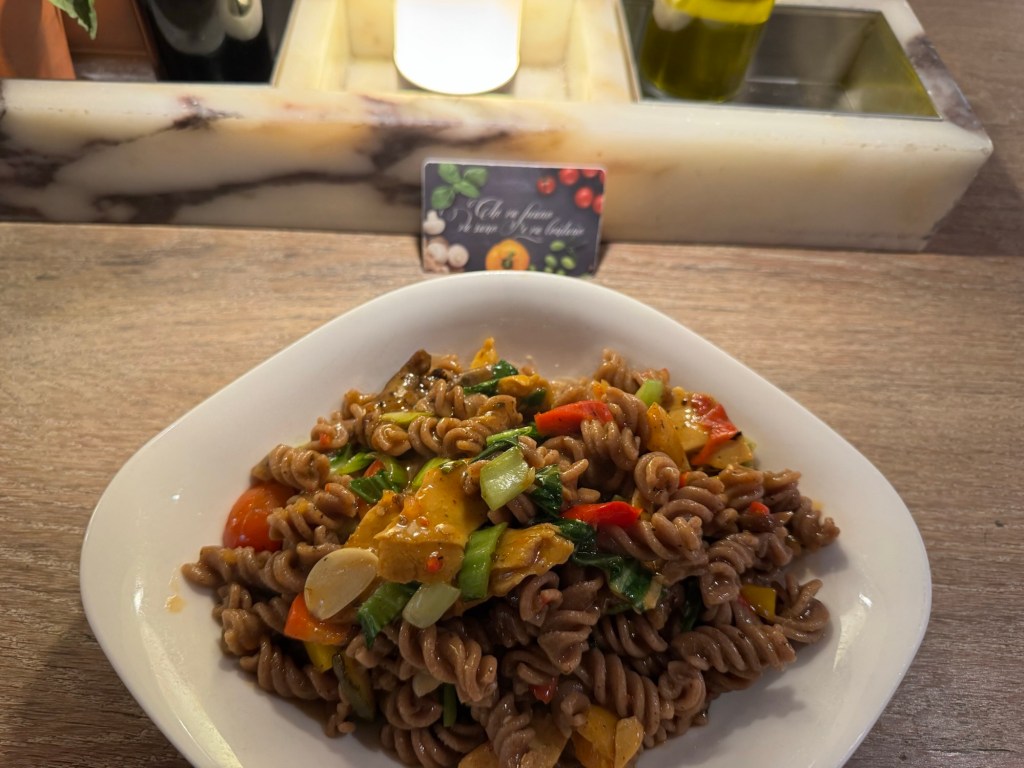
And then out for dinner at a pasta restaurant which makes food to order-no waiters.
Trams
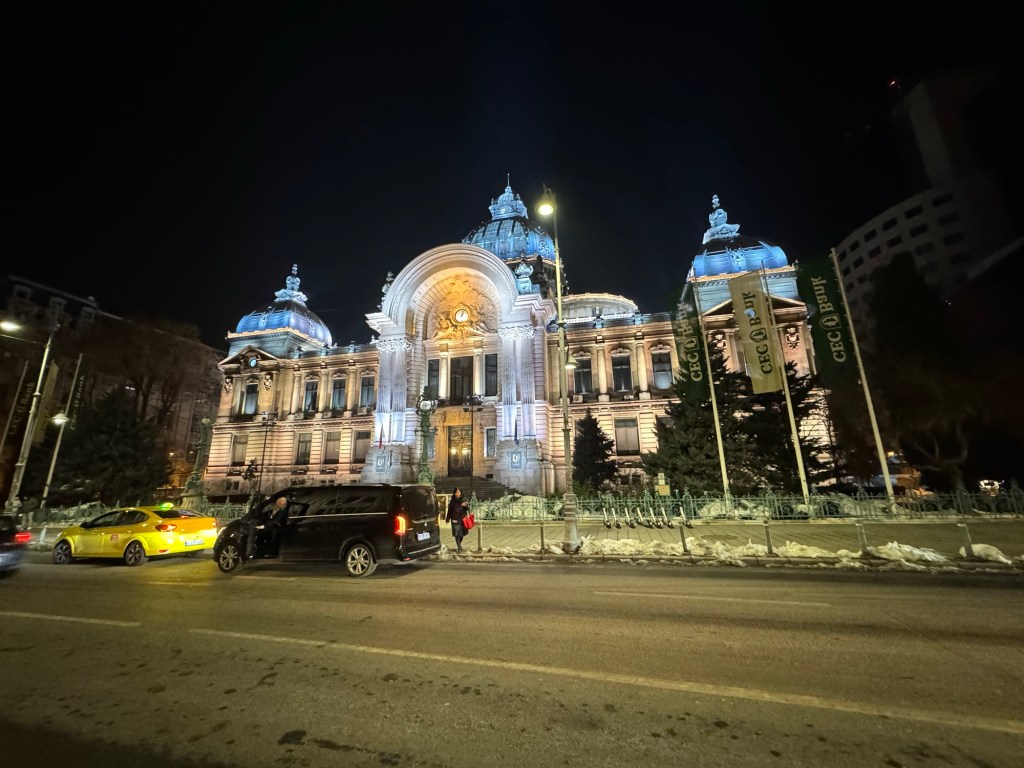
A few pictures from Bucharest.
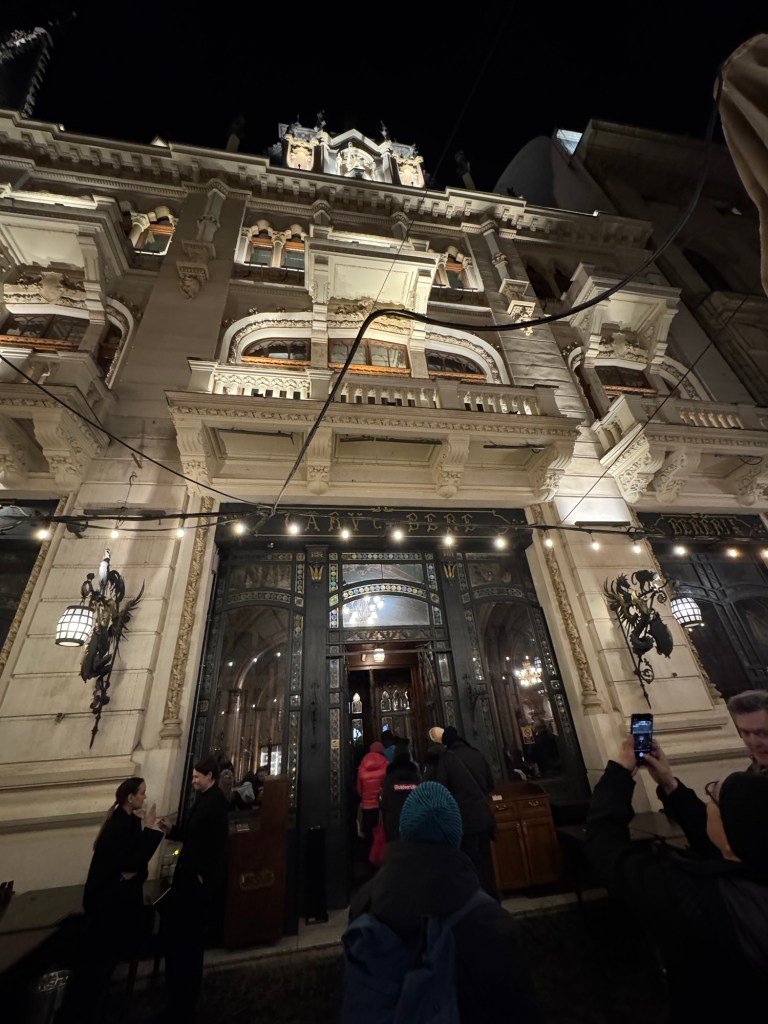
The Cara cu bere is a restaurant serving traditional food with something extra…..
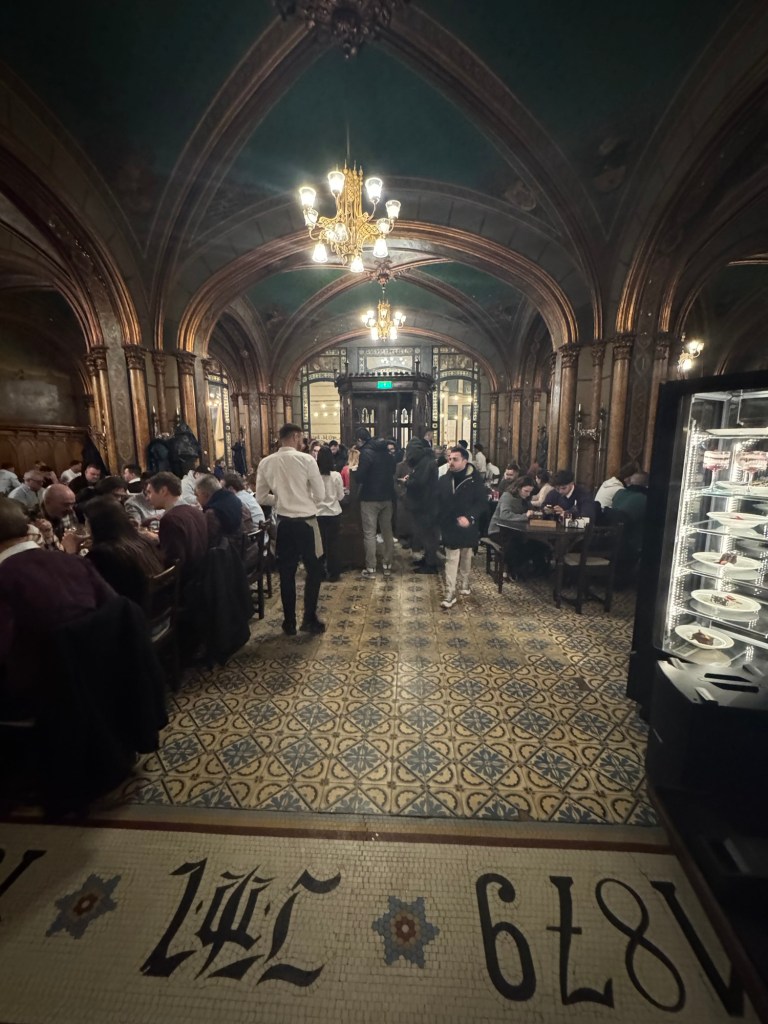
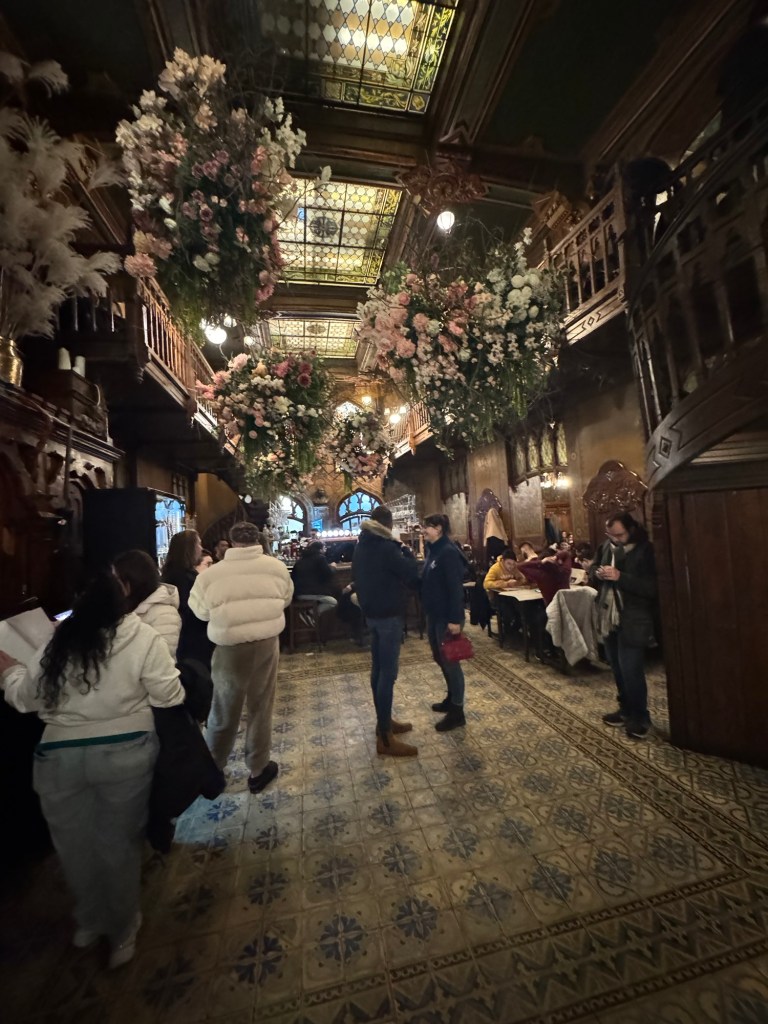
The food:
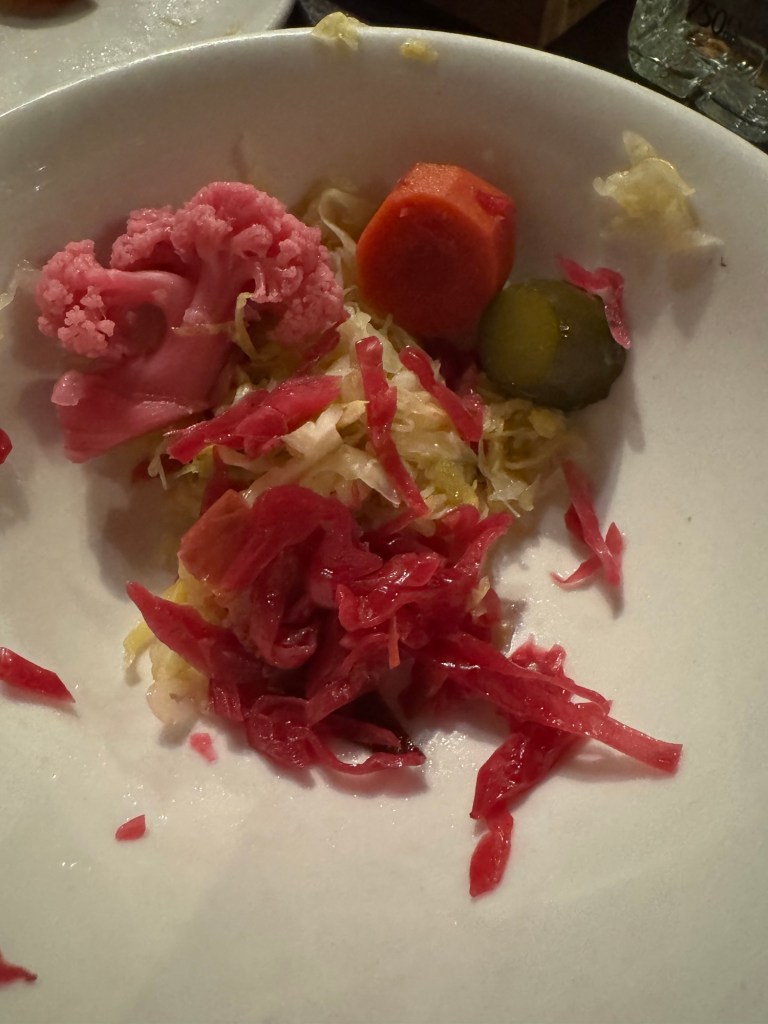
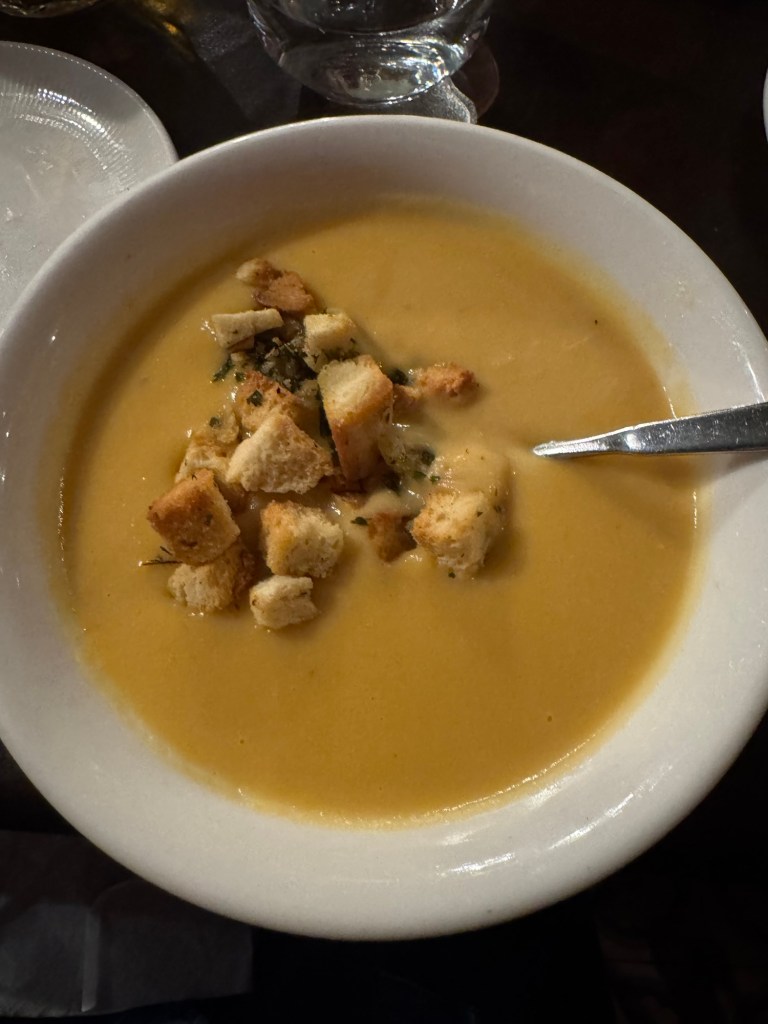
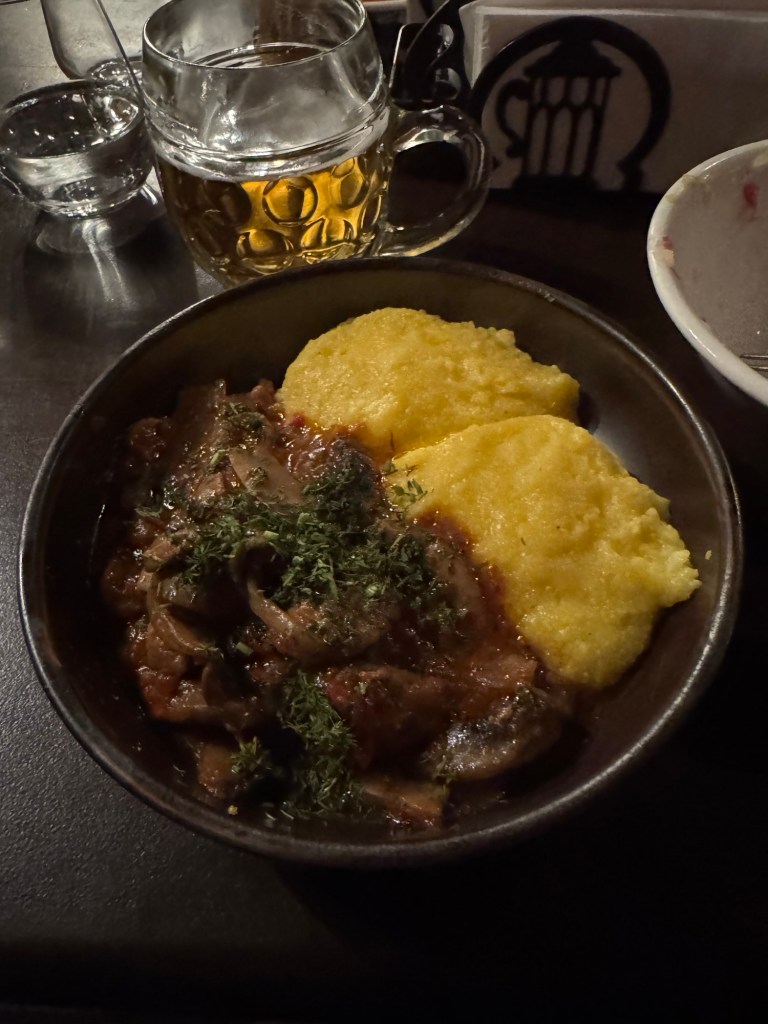
One train, almost 19 hours..,,
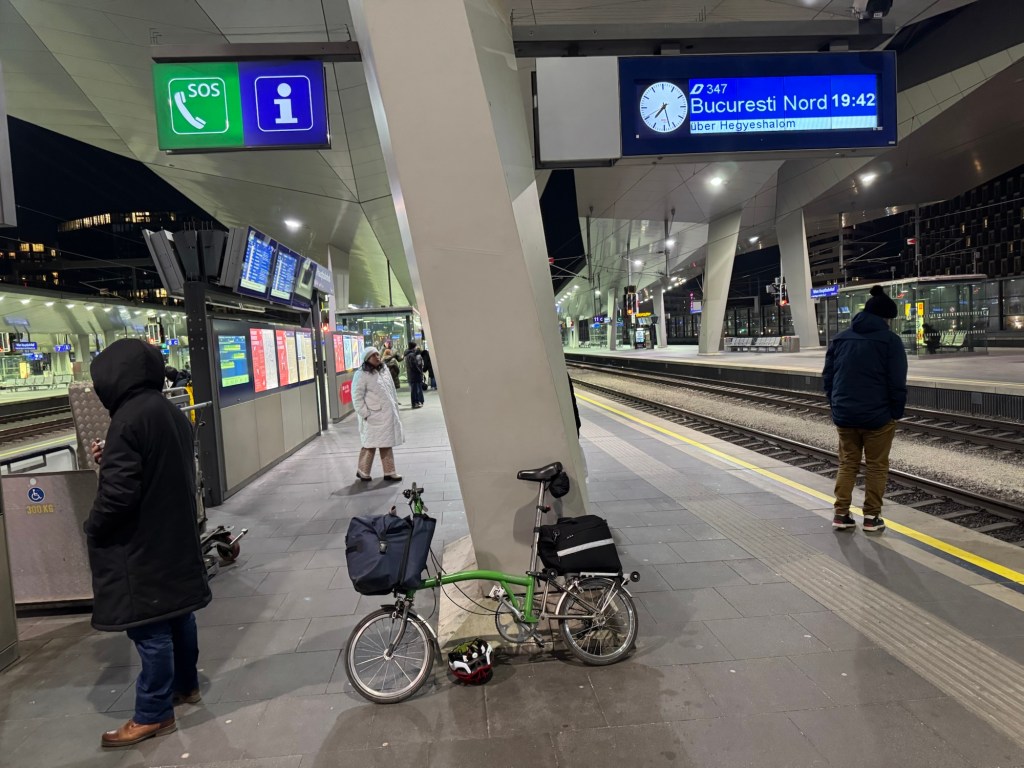
I have a bed booked for the train. I have no idea of the quality of the accommodation.
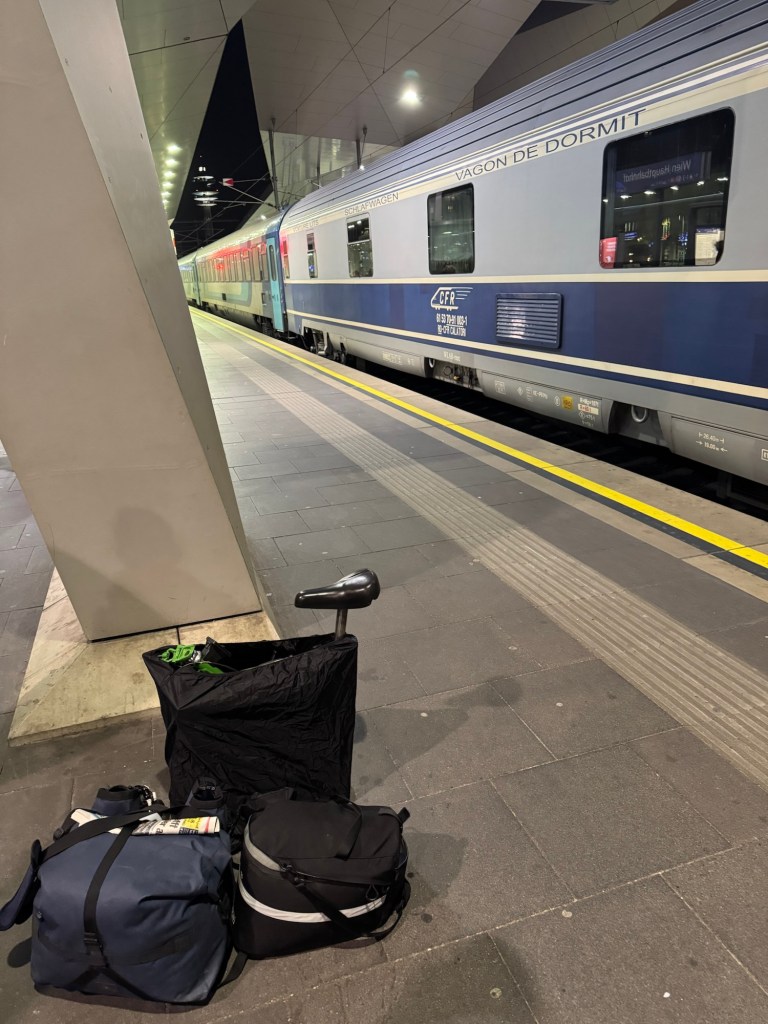
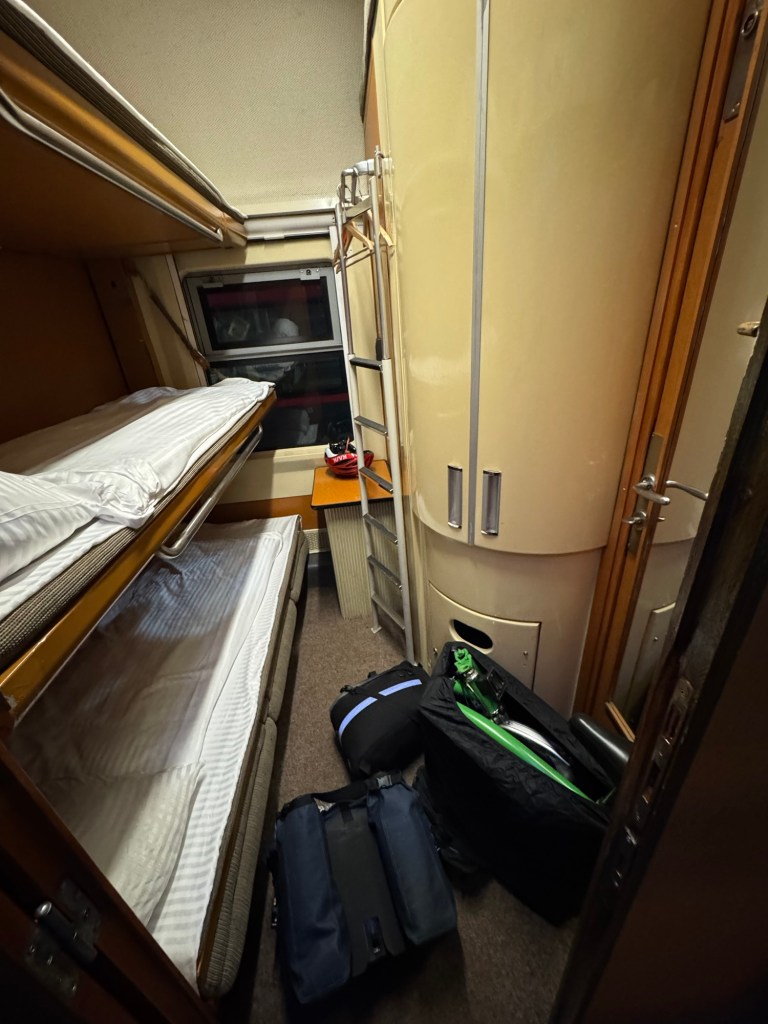
Three of us sharing the cabin. So there followed a game of Jenga to fit everything in.
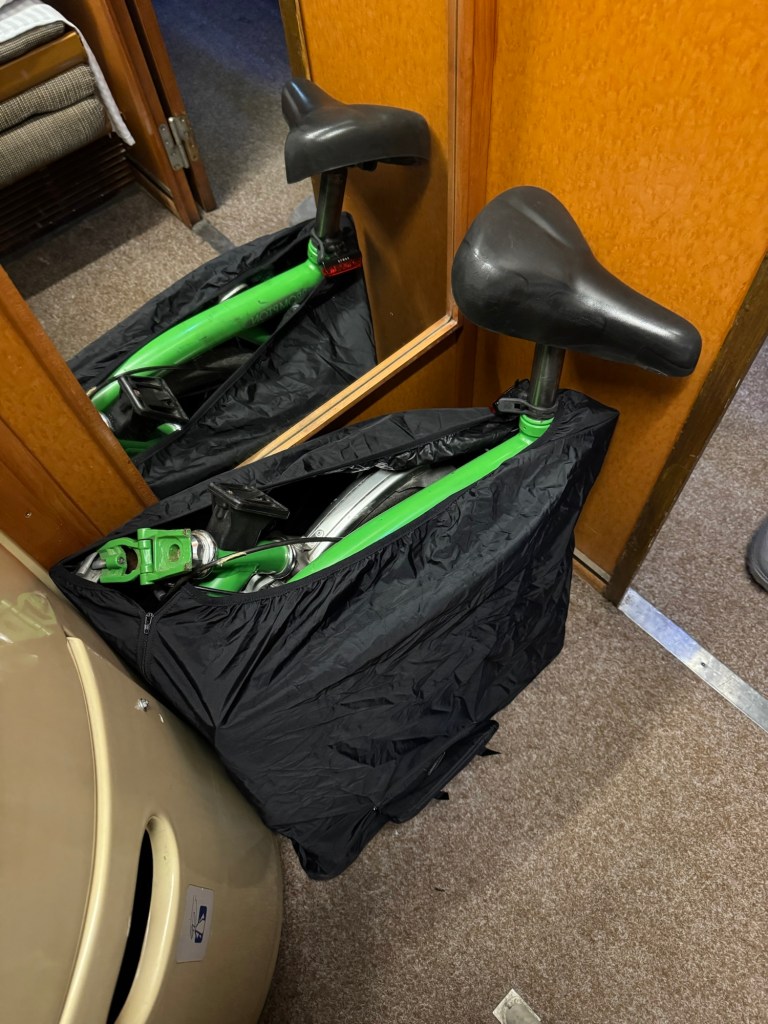
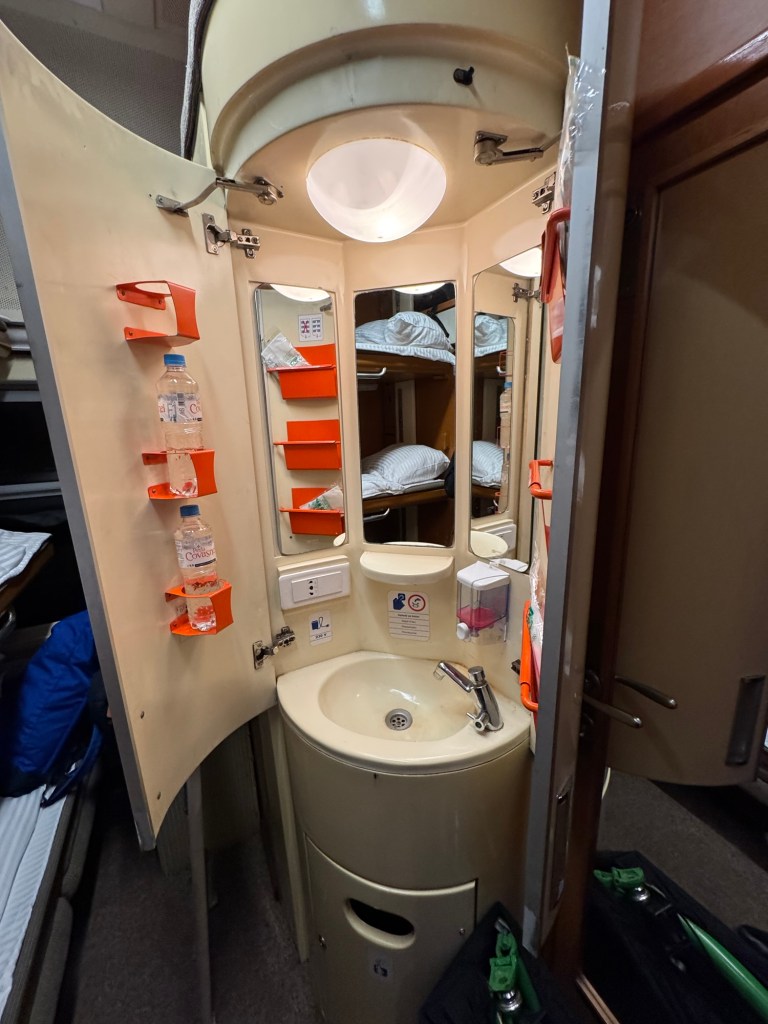
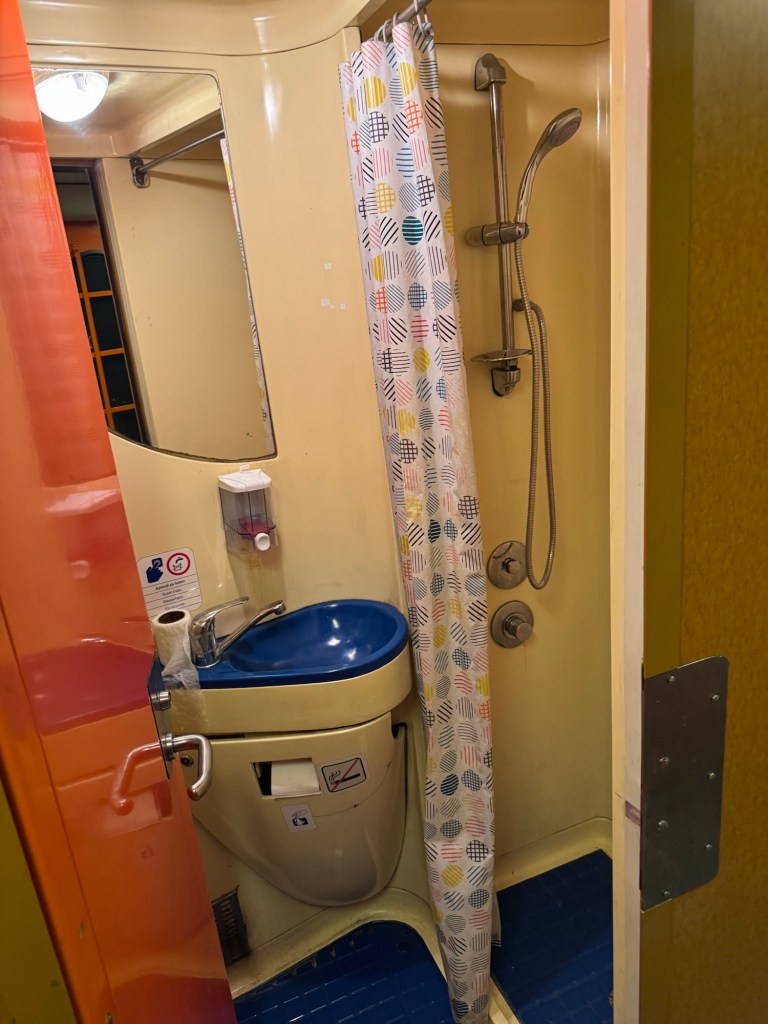
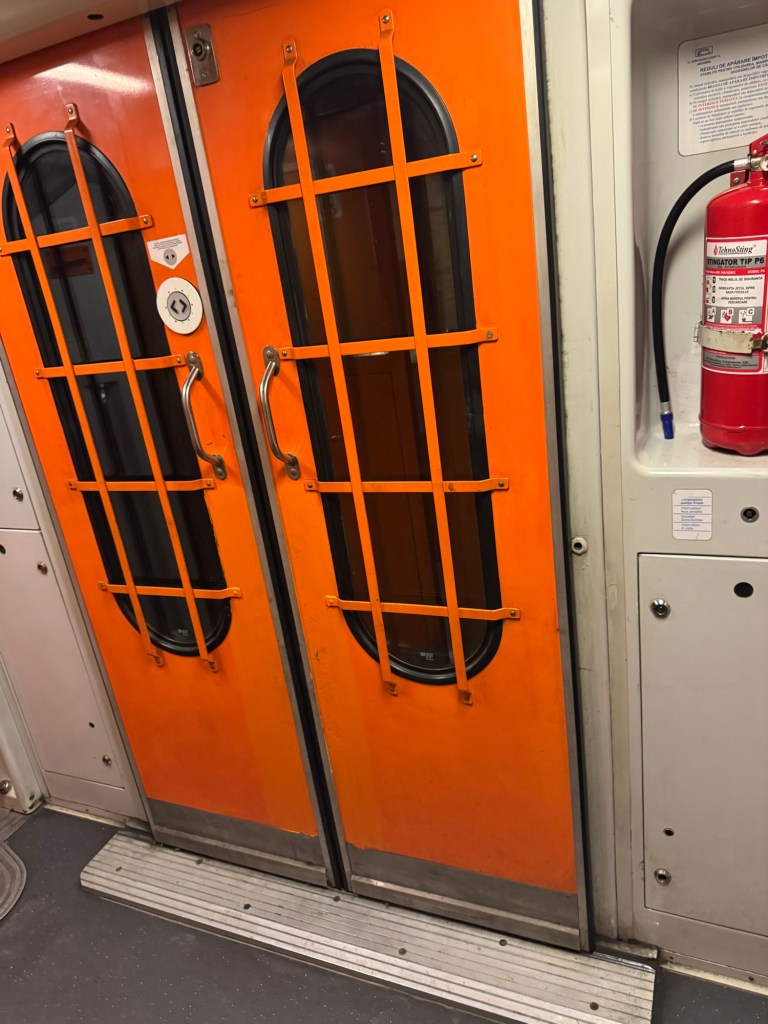
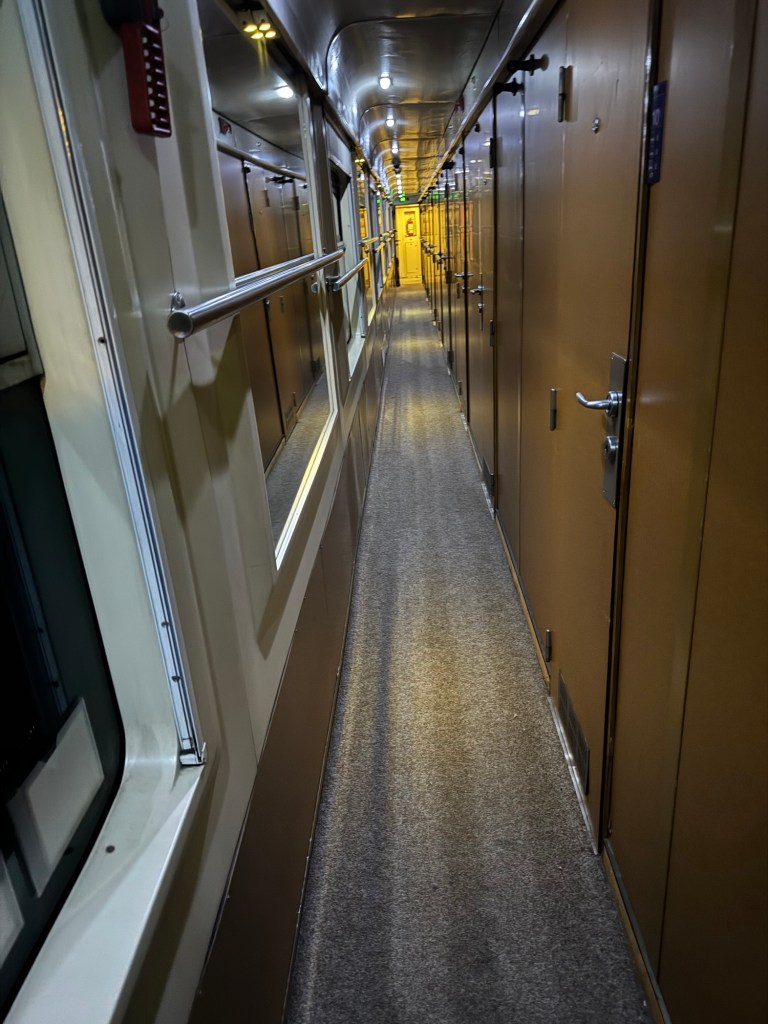
The train set off, crossing the border into Hungary just after half past nine, Austrian time. I slept through most of Hungary, but was woken up by shouting, possibly in Budapest.
We crossed in Romania at around 3:45.
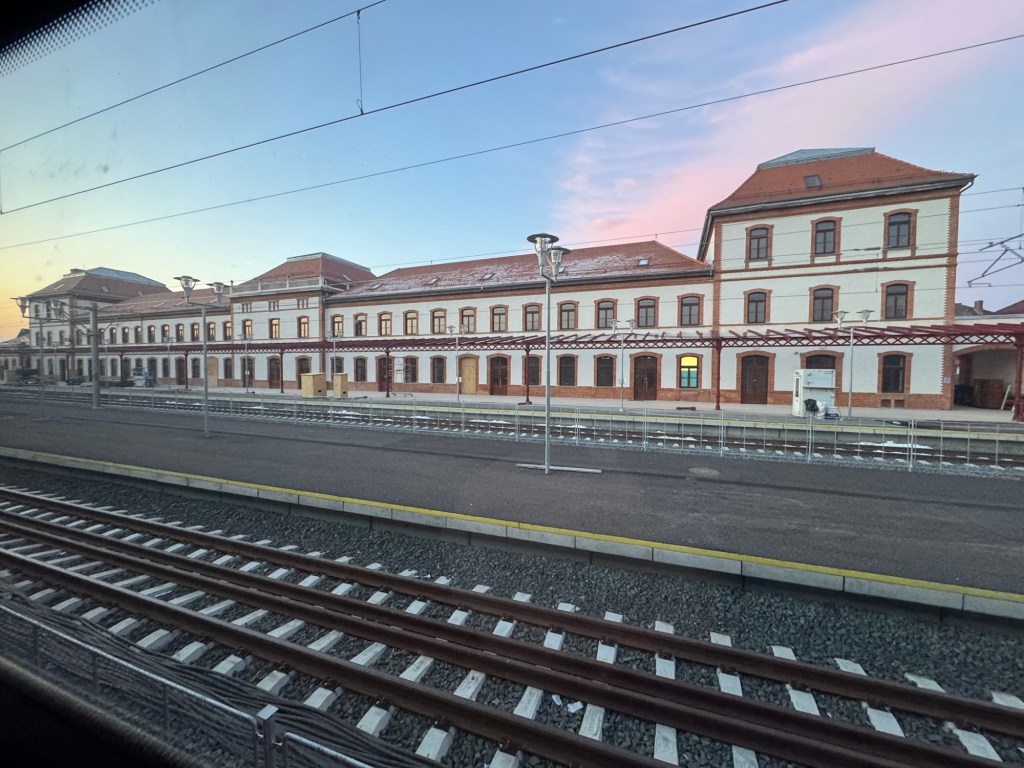
It’s a long journey from the border to Bucharest, under bright blue almost cloudless skies.

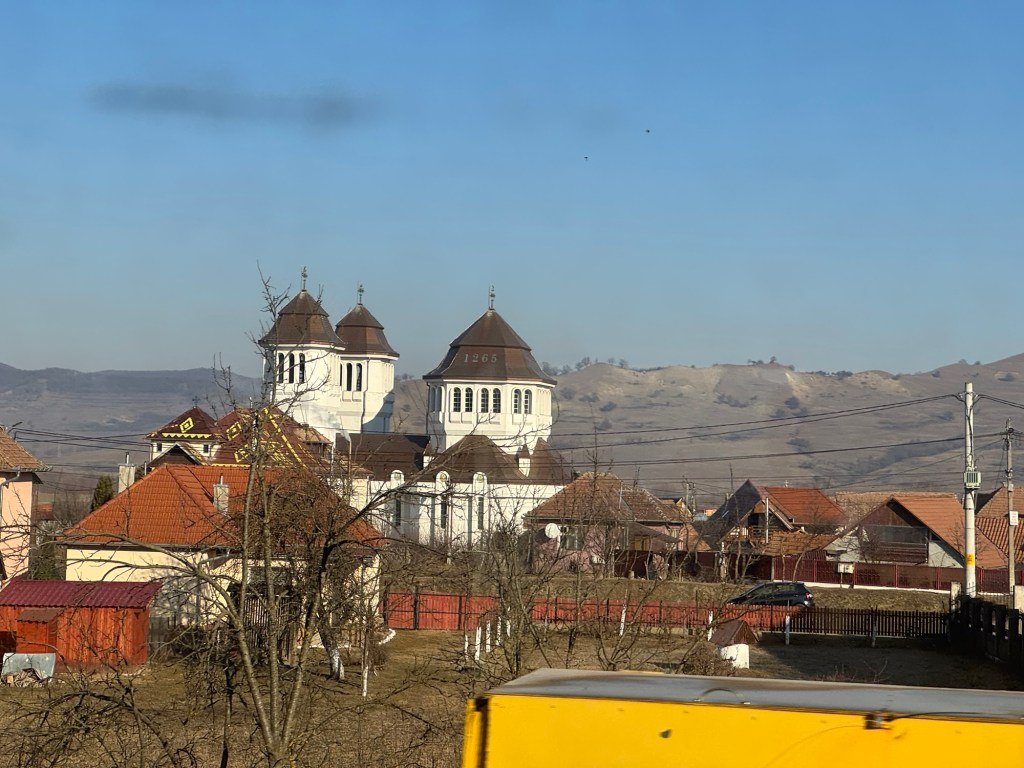
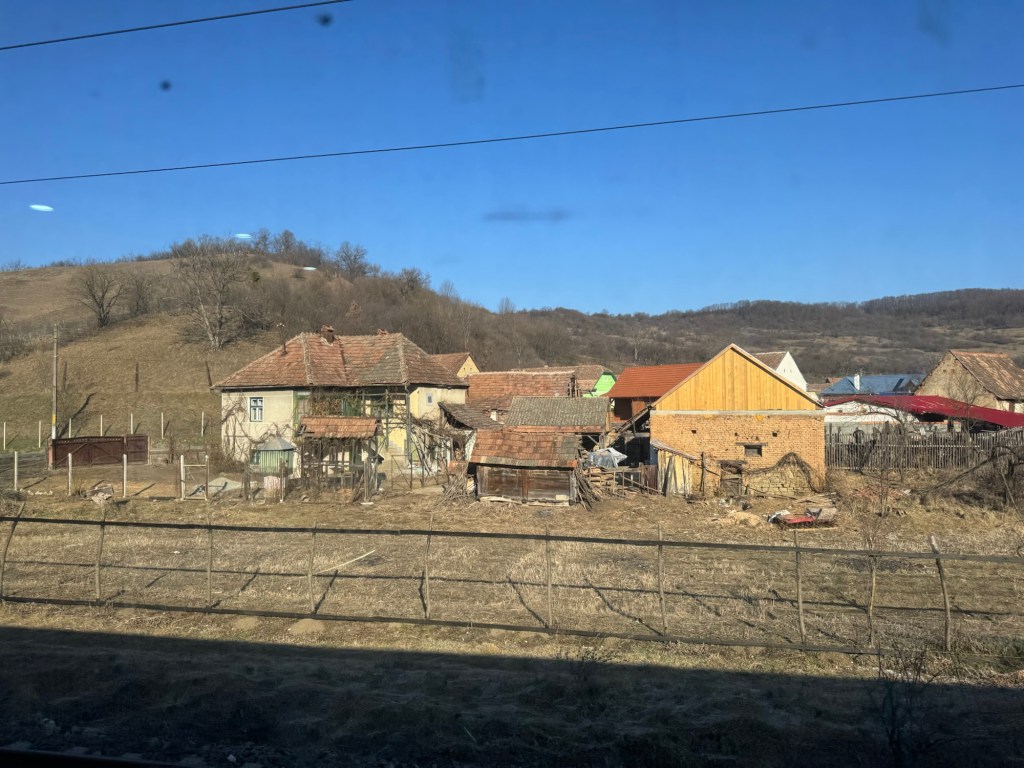
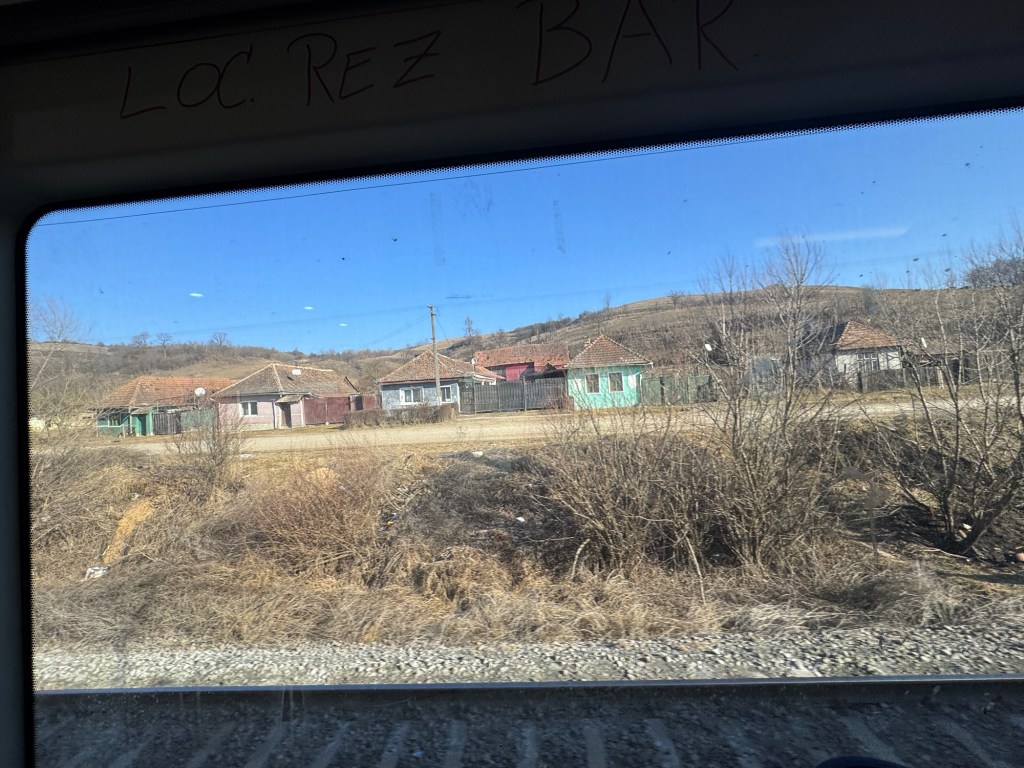
Many of the houses are small but colourful.
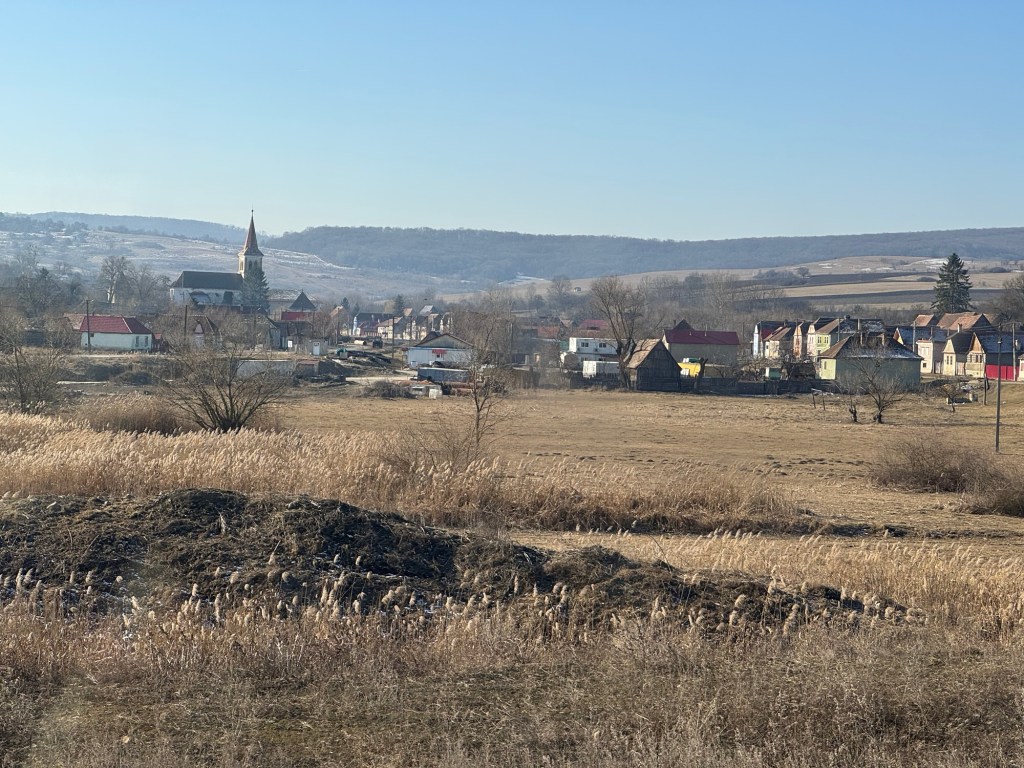
It’s cold outside but looks dry with the grass parched.
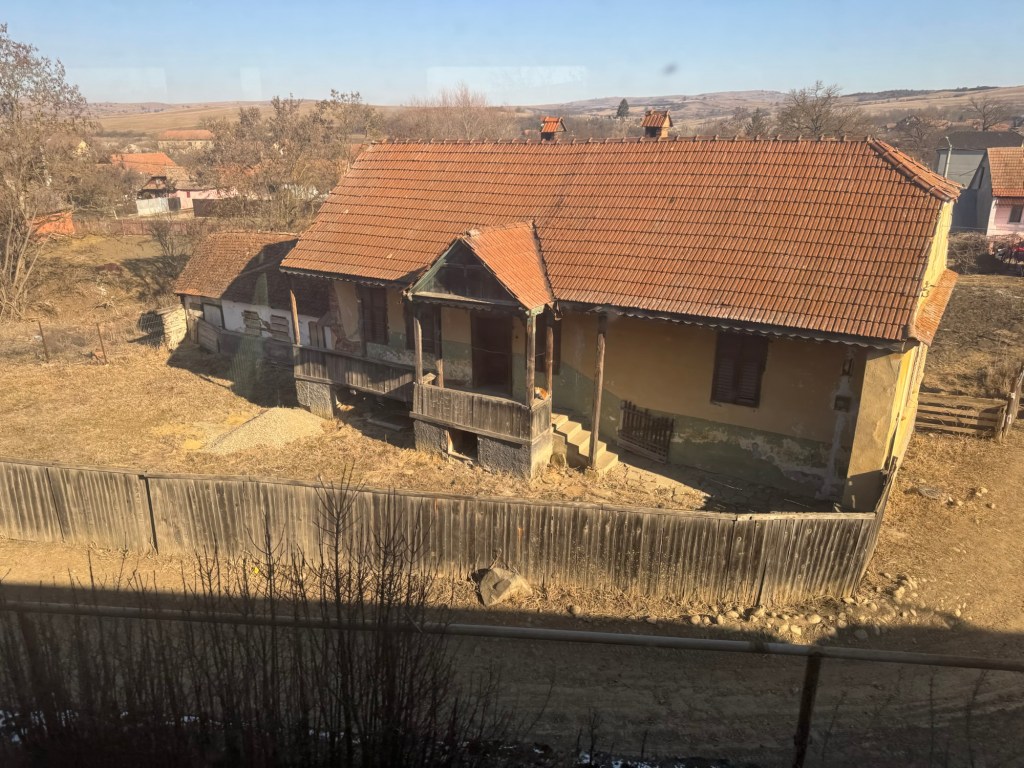

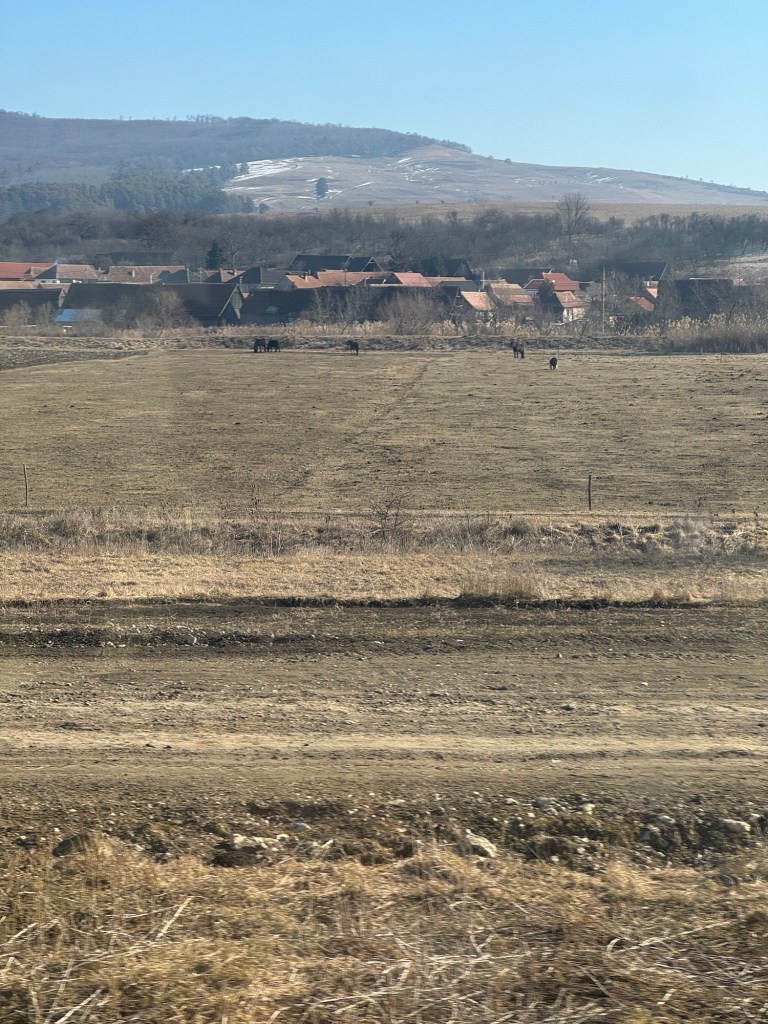
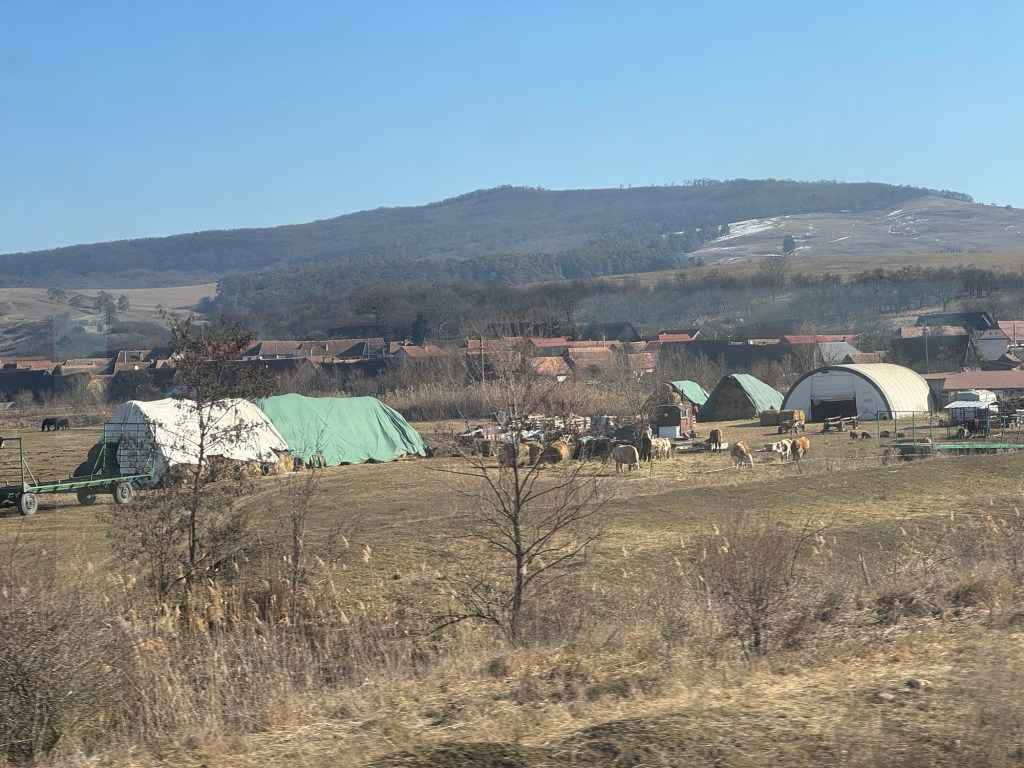
I didn’t see any livestock, apart from close to houses. Presumably due to the grazing being poor at this time of year.
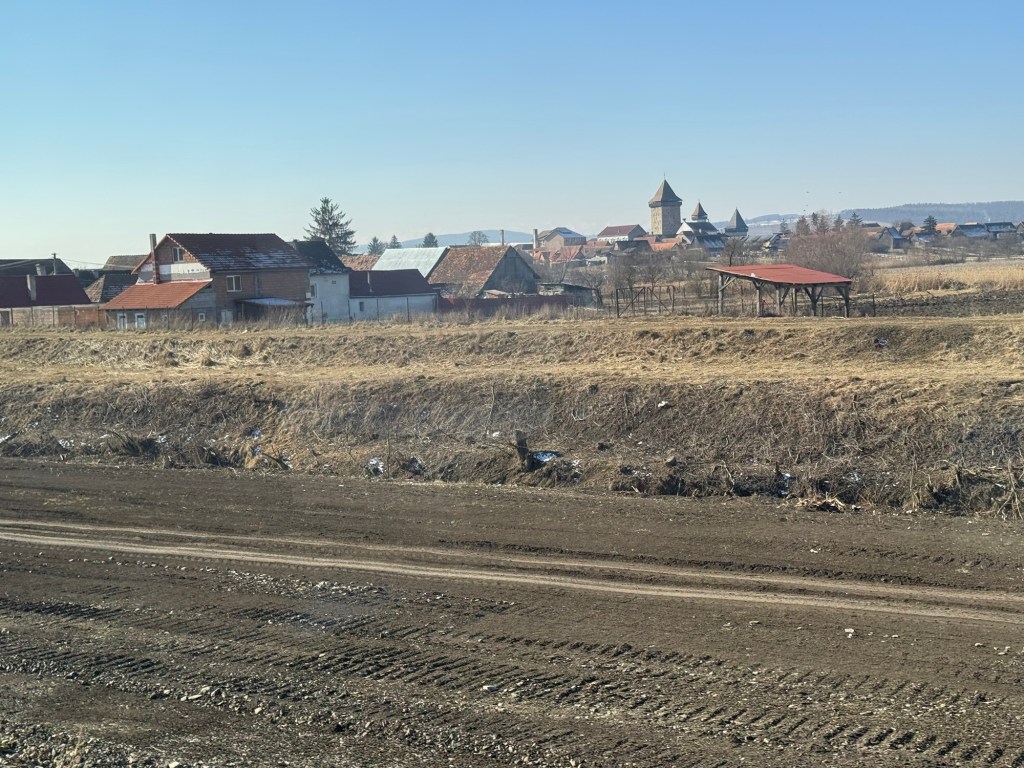

We start seeing snow.
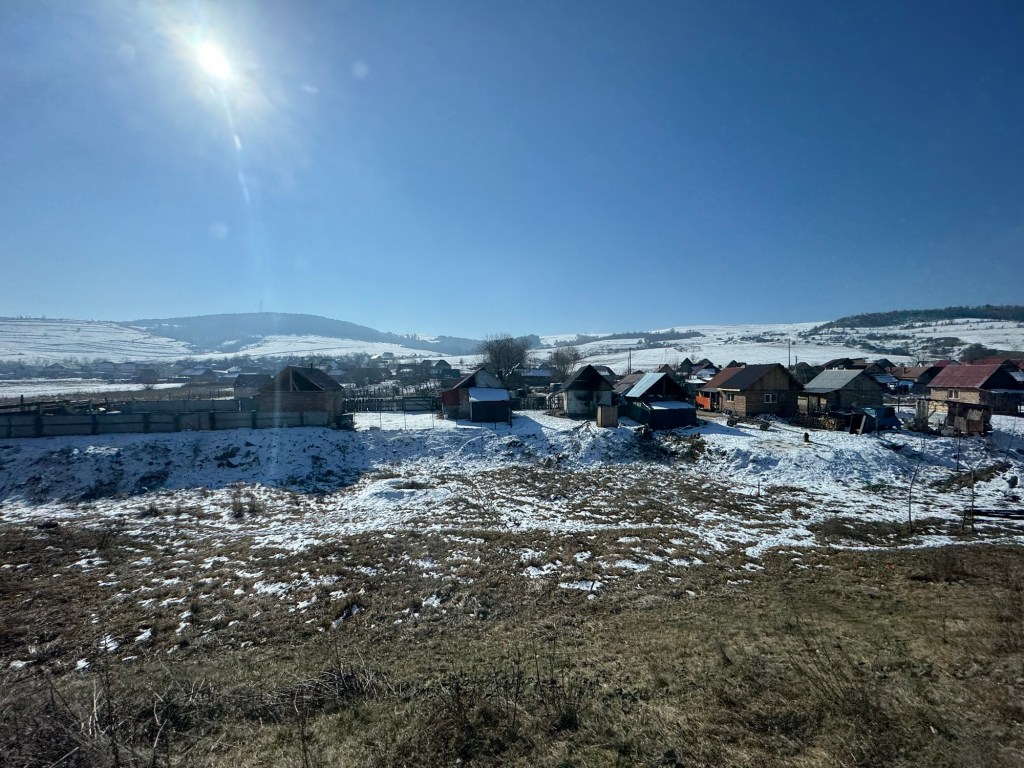
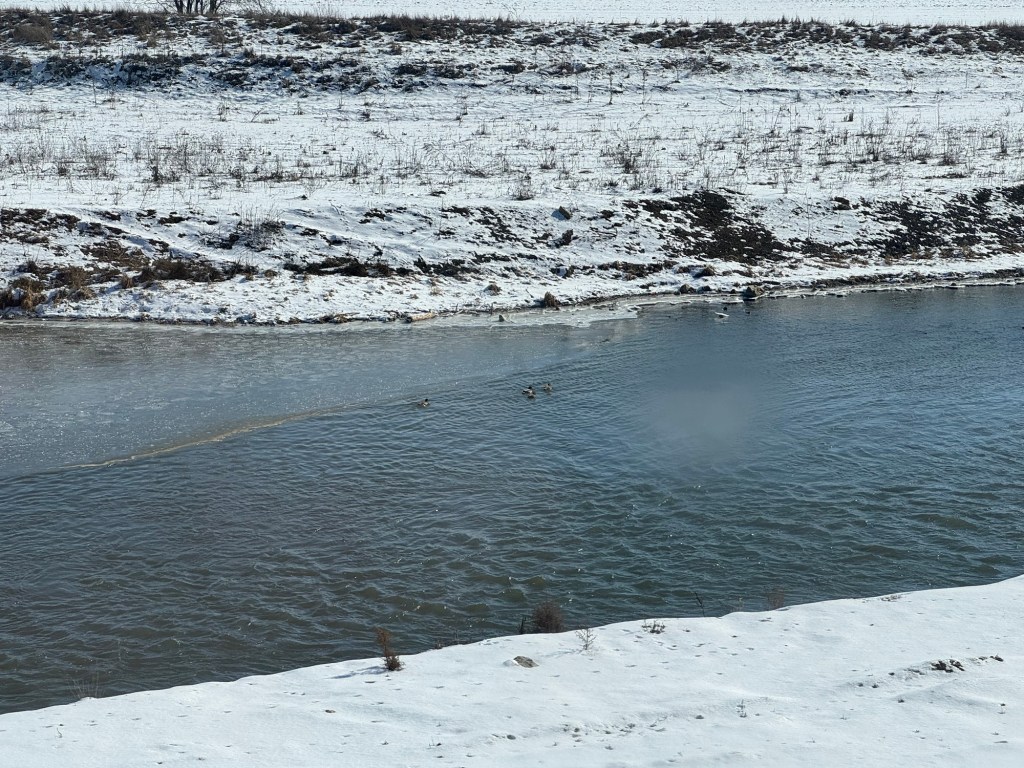
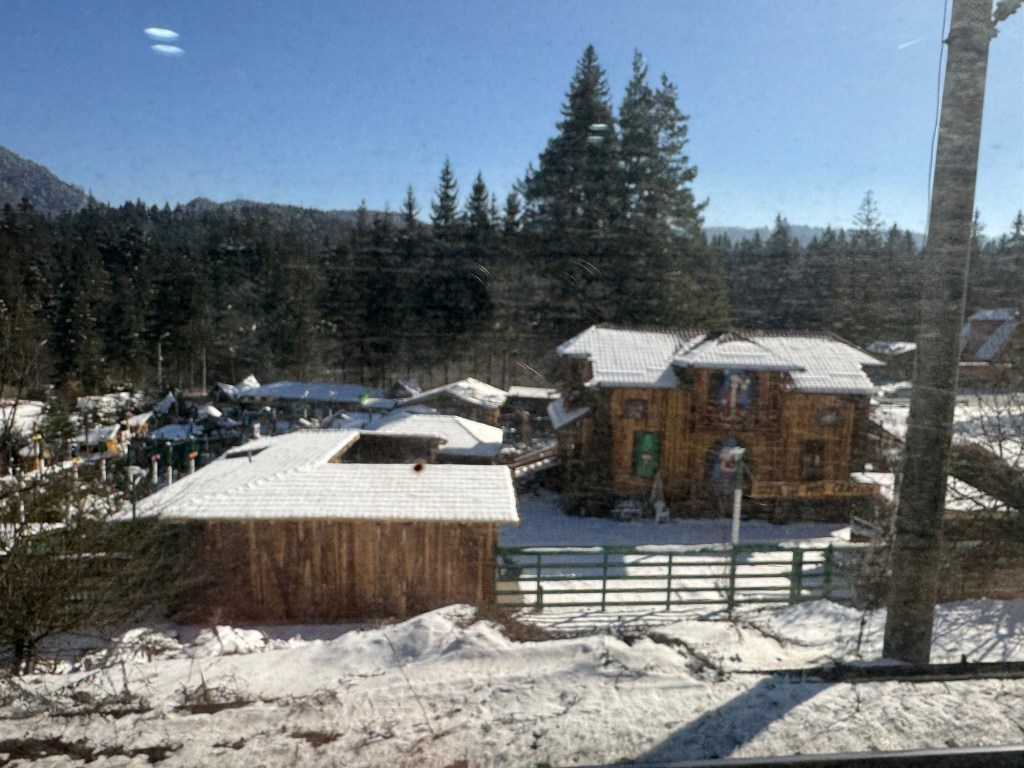
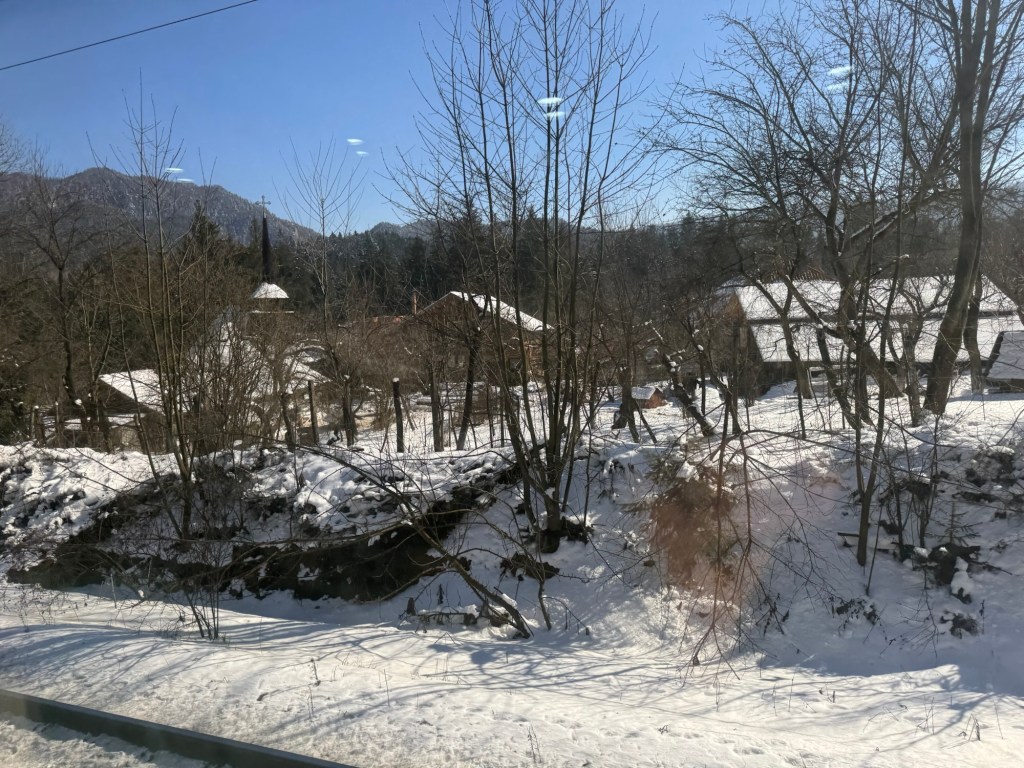
The snow is getting thicker and the buildings have the look of a resort.
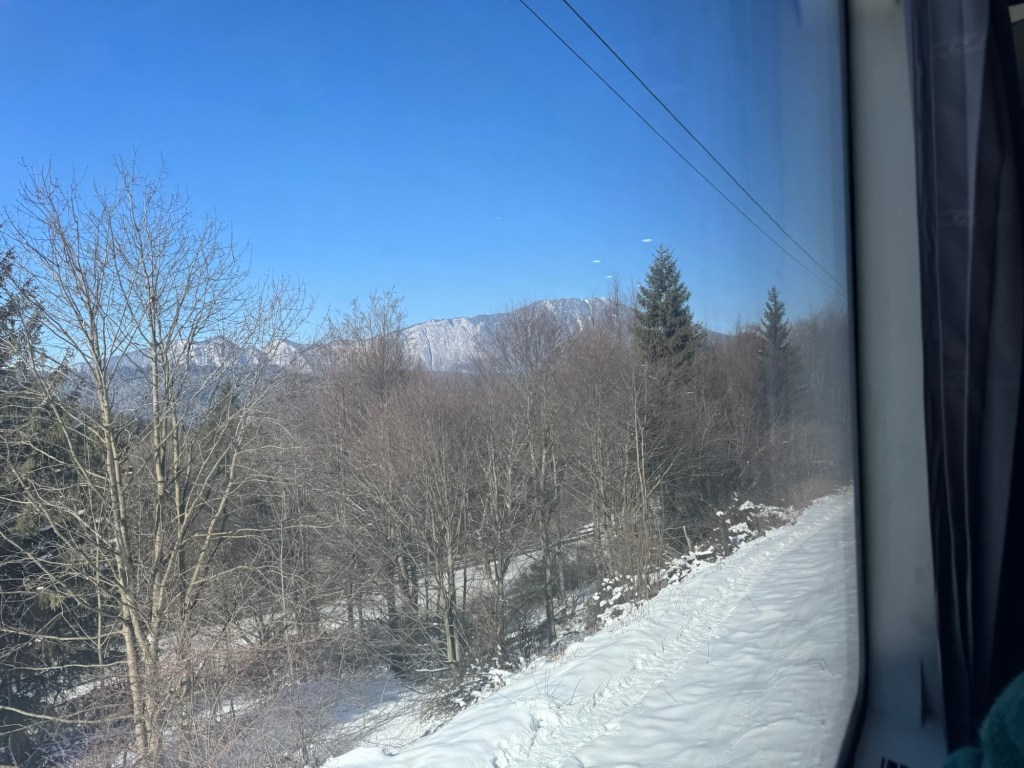

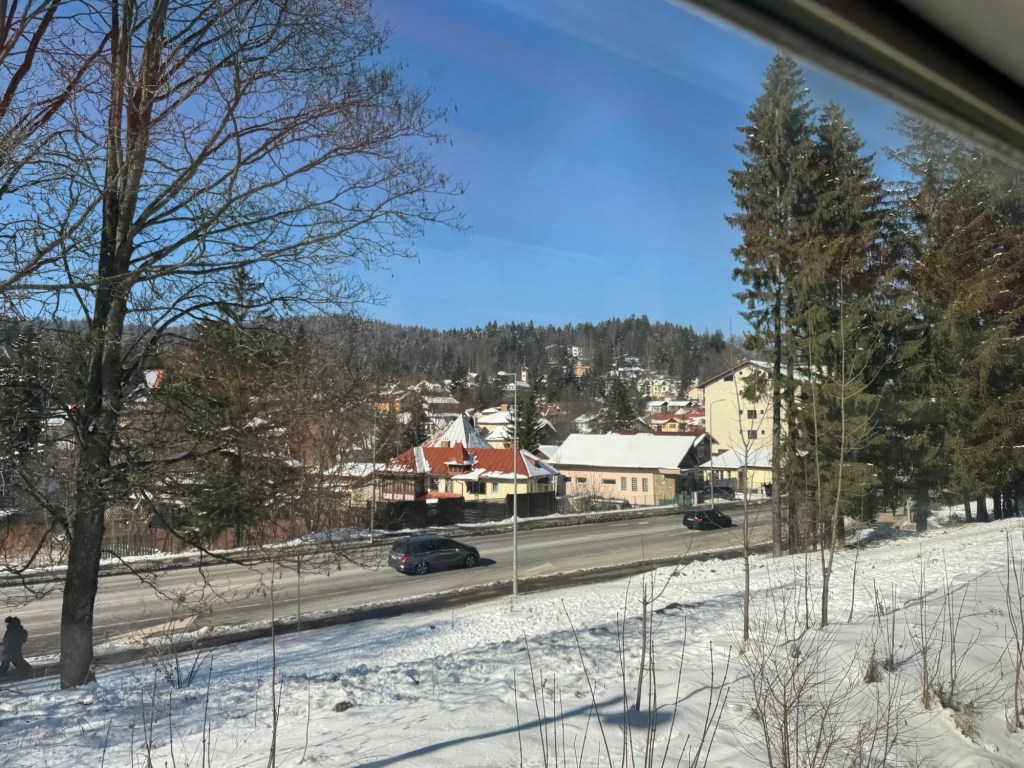
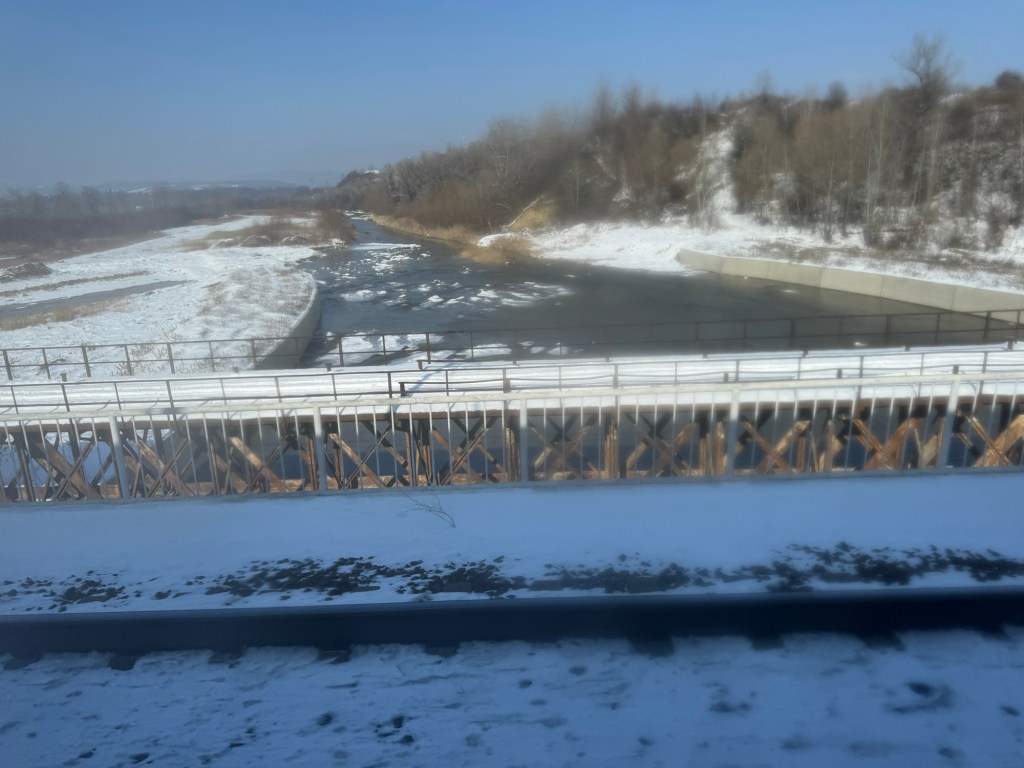
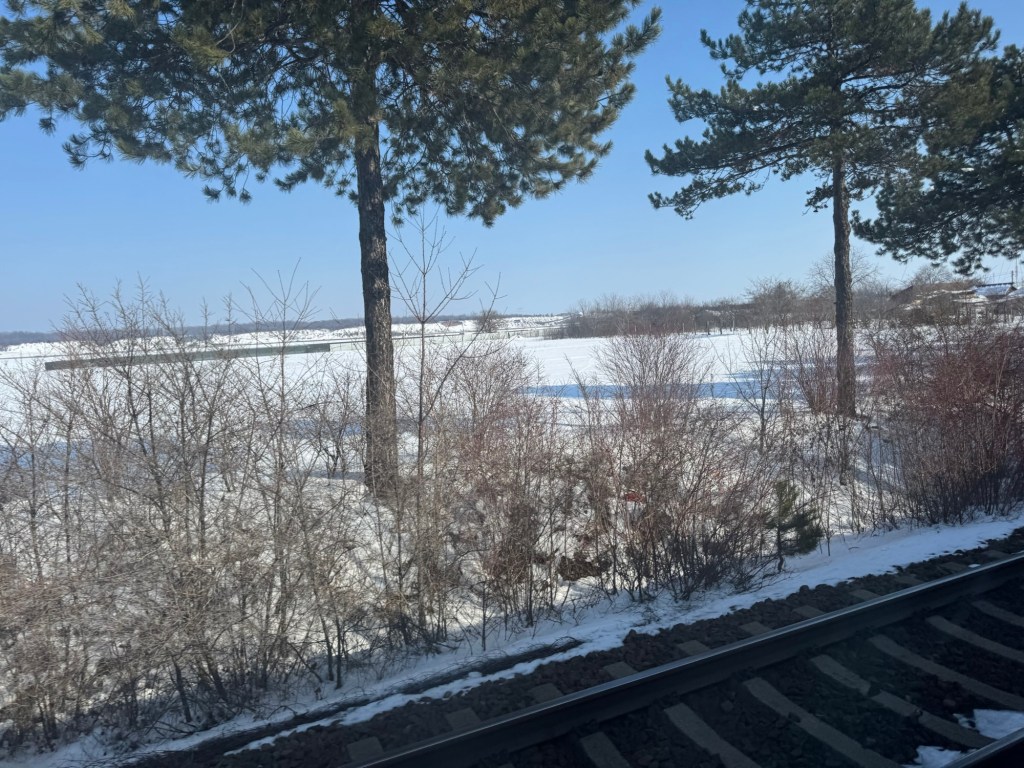
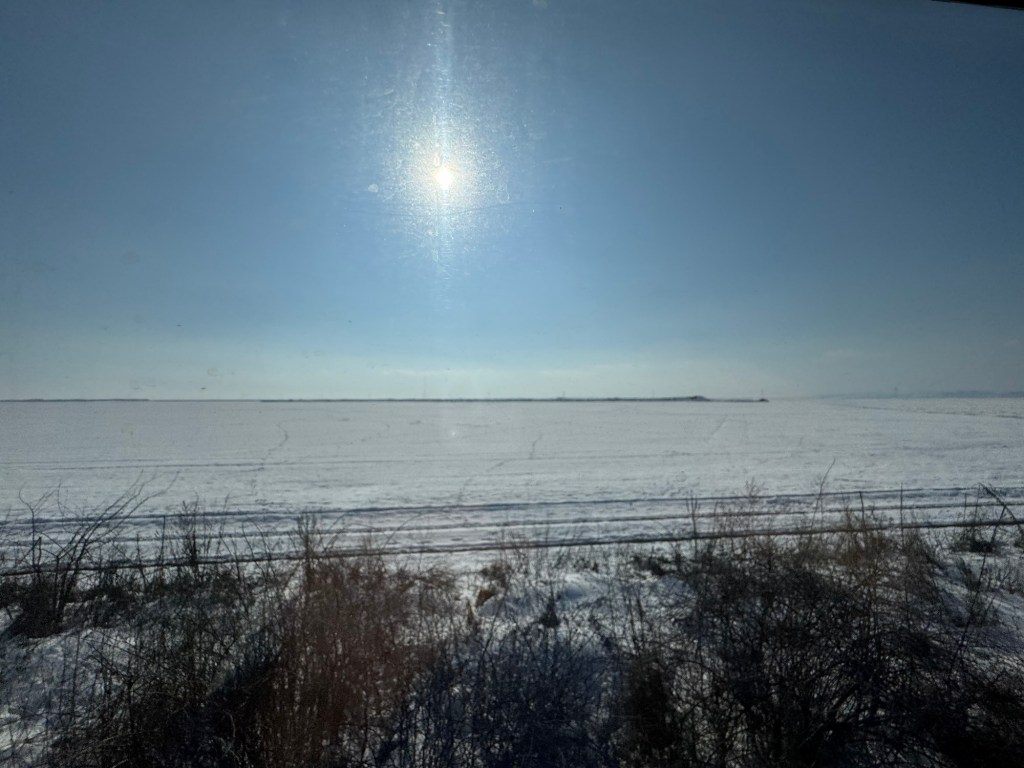
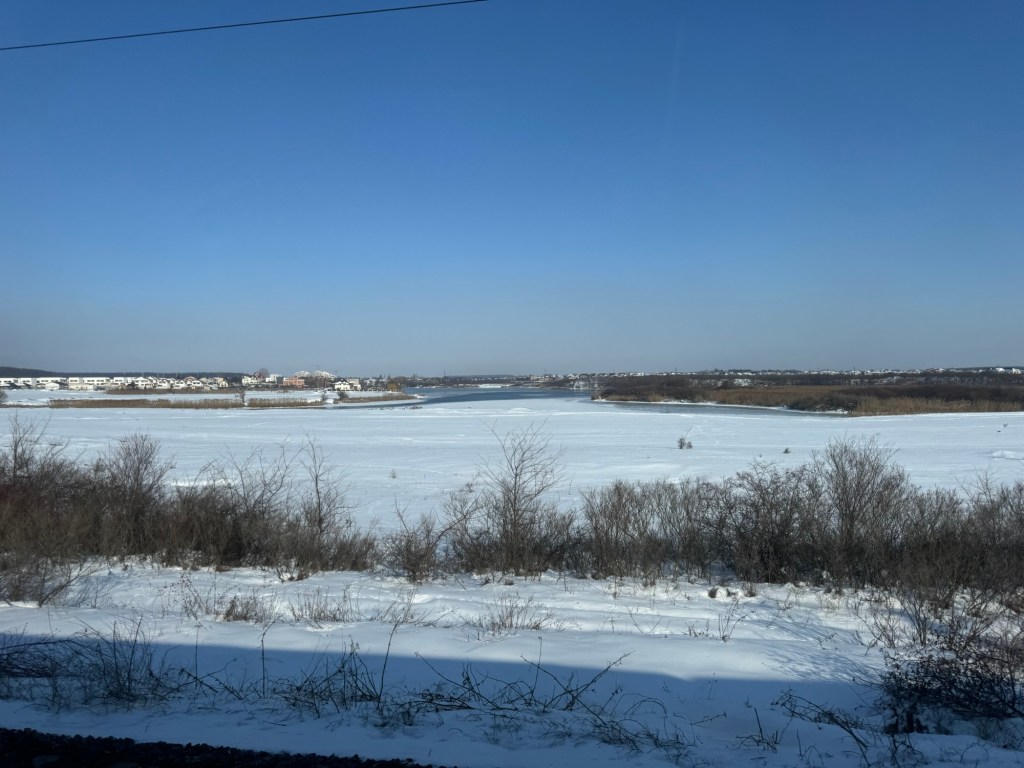
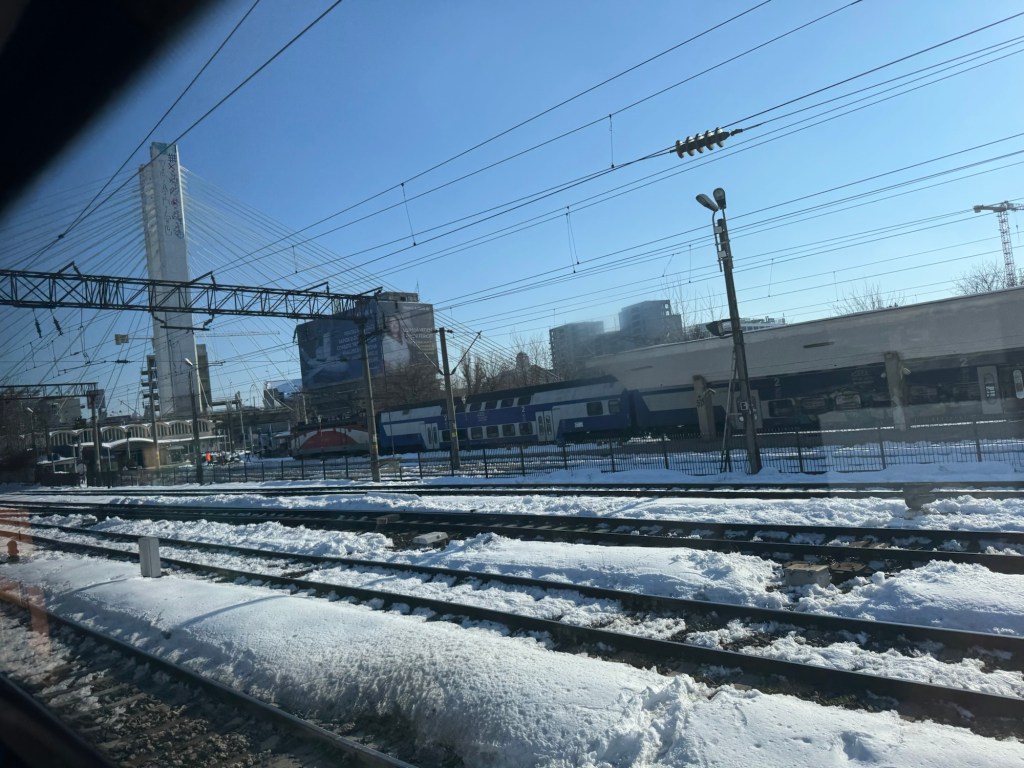
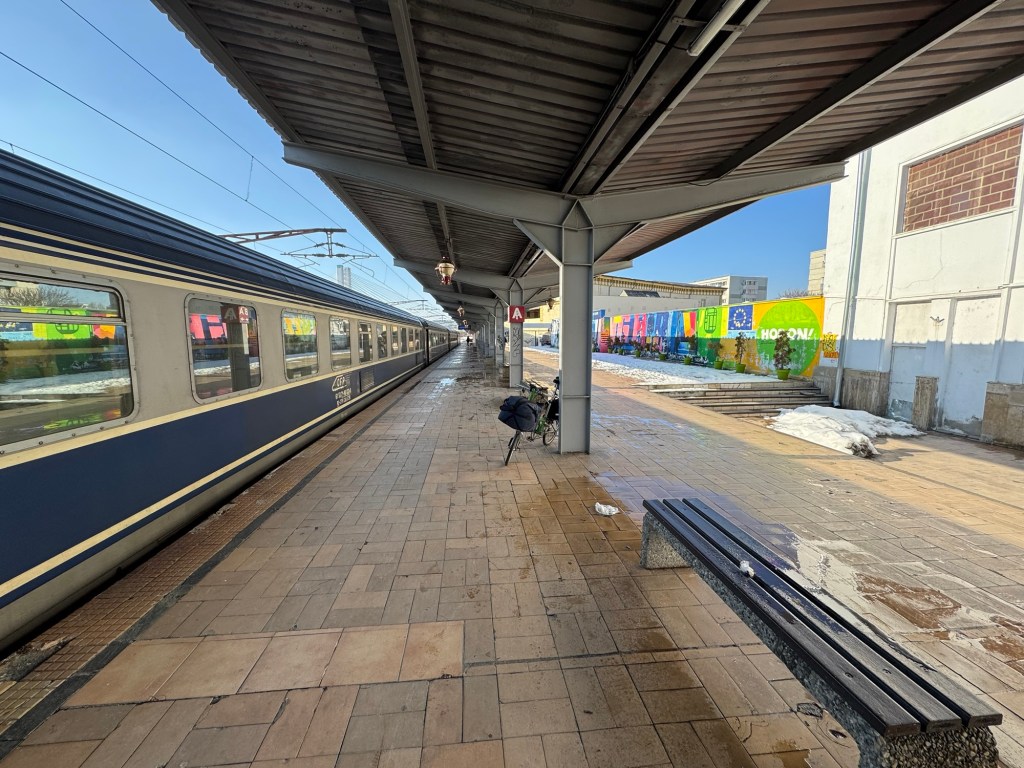
The journey flew past in a flash. I slept well, much to my surprise. I shared the cabin with an Austrian and a Romanian who works in Austria, but barely speaks German. They were good company.
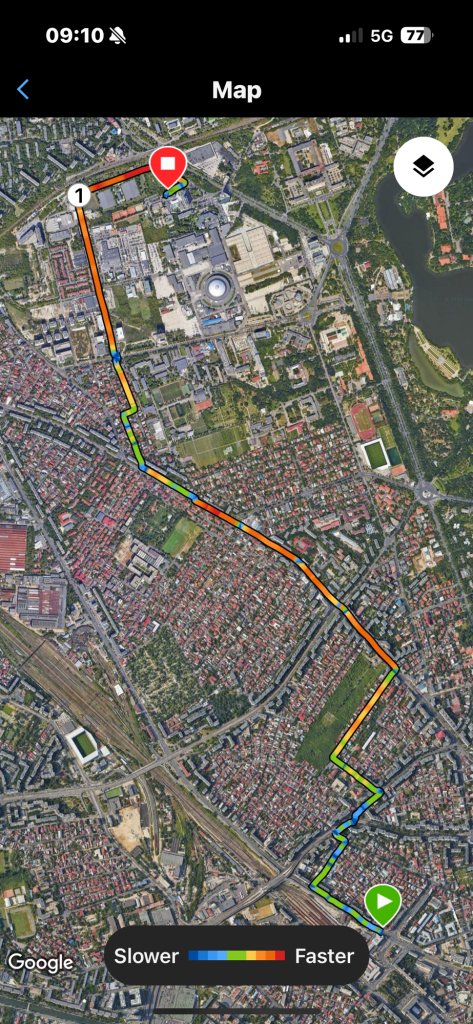
Slightly uncomfortable ride across to the hotel, trying to use the smaller roads.

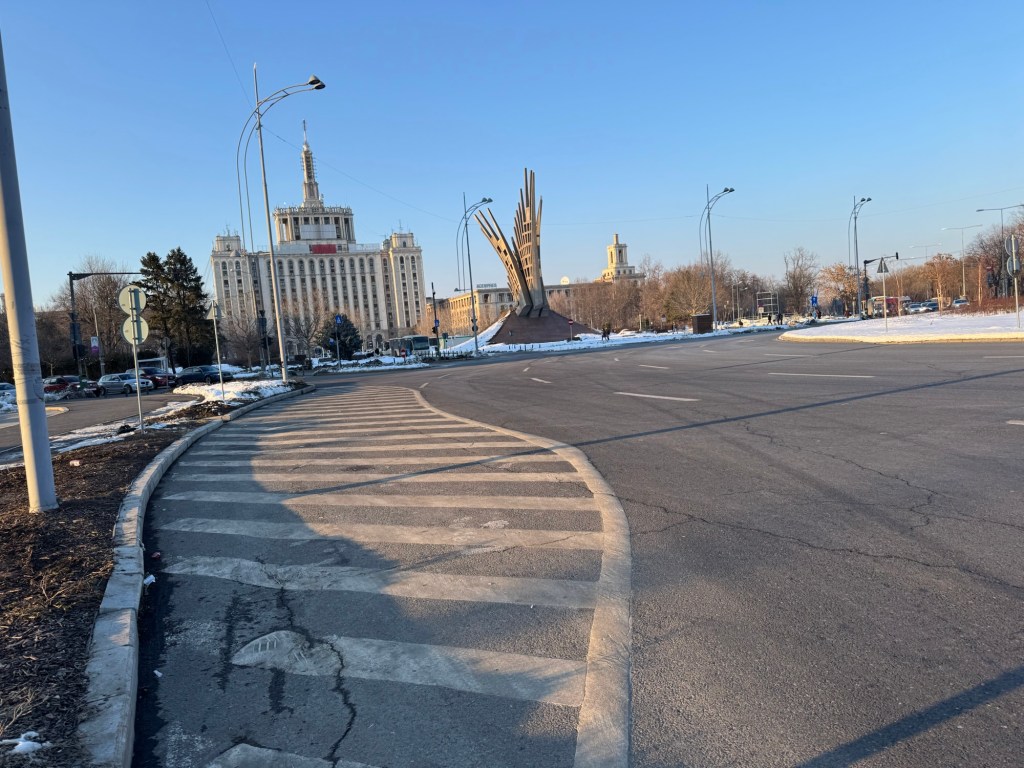
And time for a quick explore.
Arrived in Vienna in the dark.
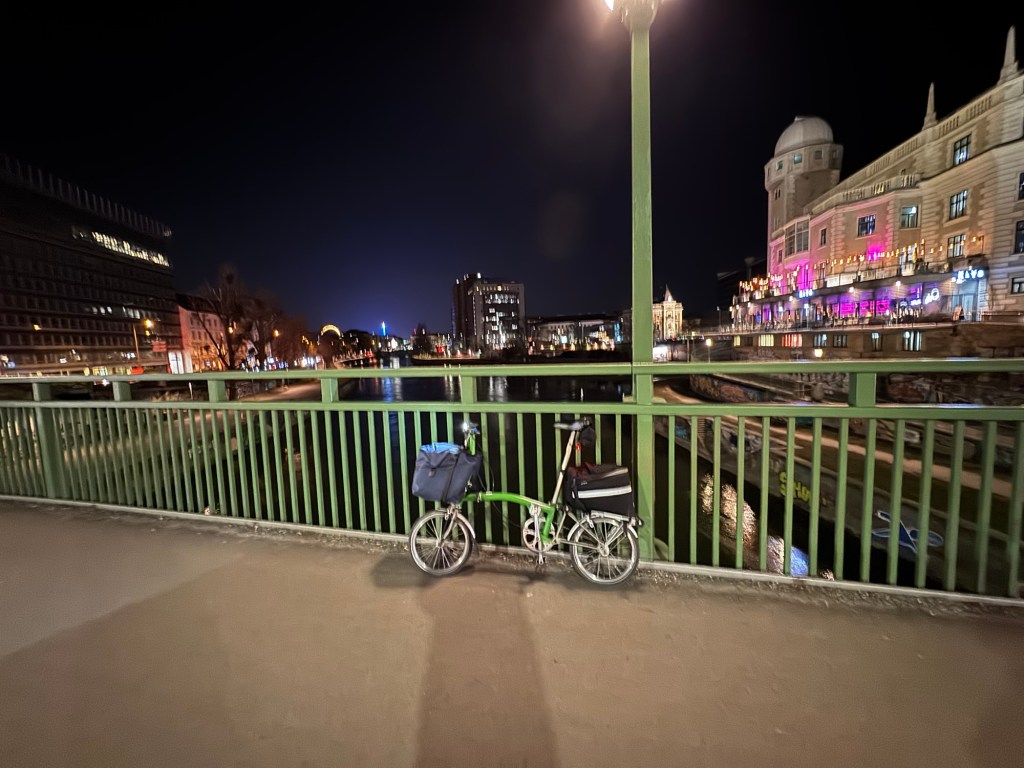

It’s always unnerving cycling in a country for the first time. What is available in terms of cycle paths, how do the motorists behave. There are lots of good cycle ways in Vienna but I ended up on one road with no cycle path which was uncomfortable.
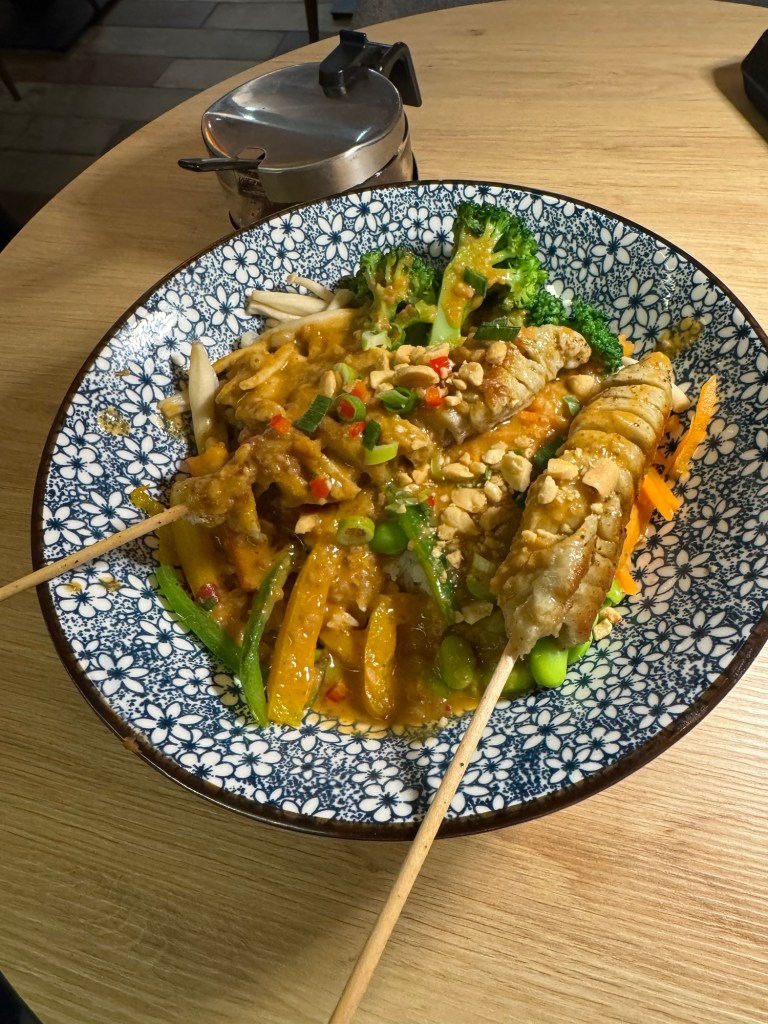
Looked for a restaurant close to the hotel and found..
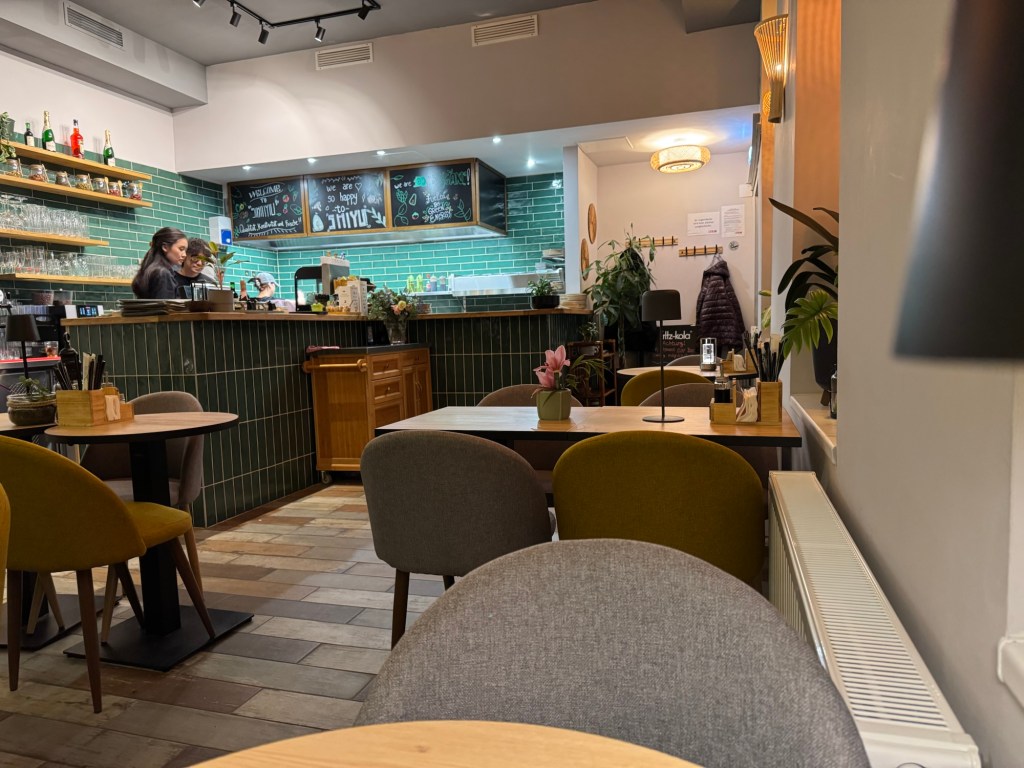
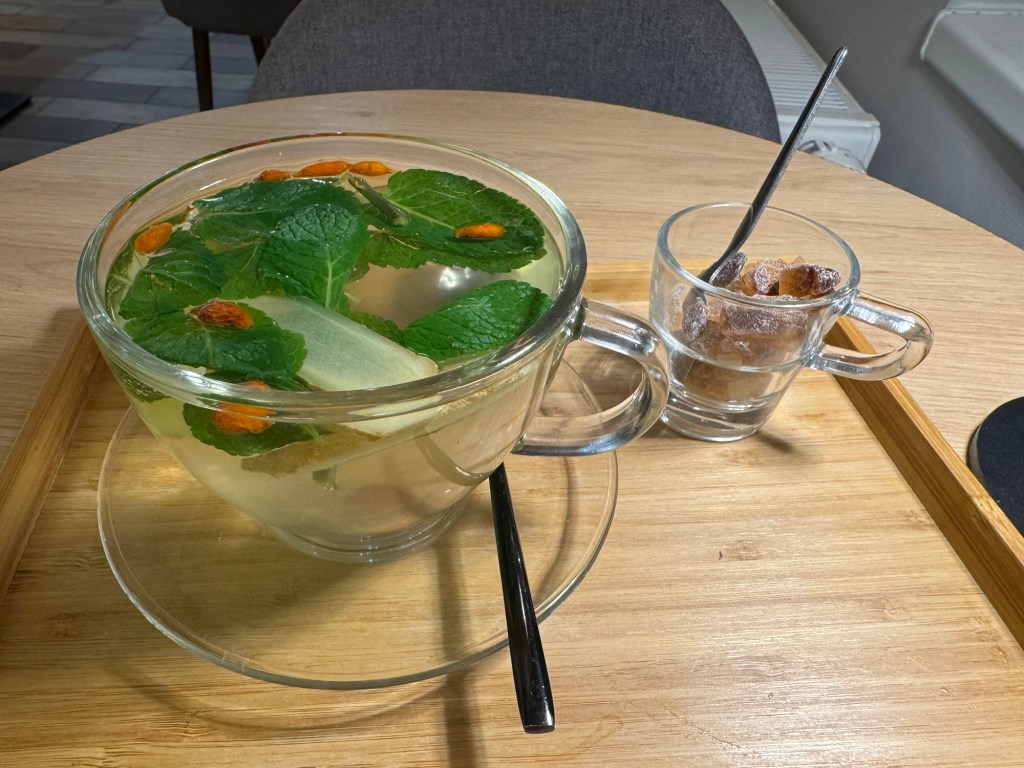
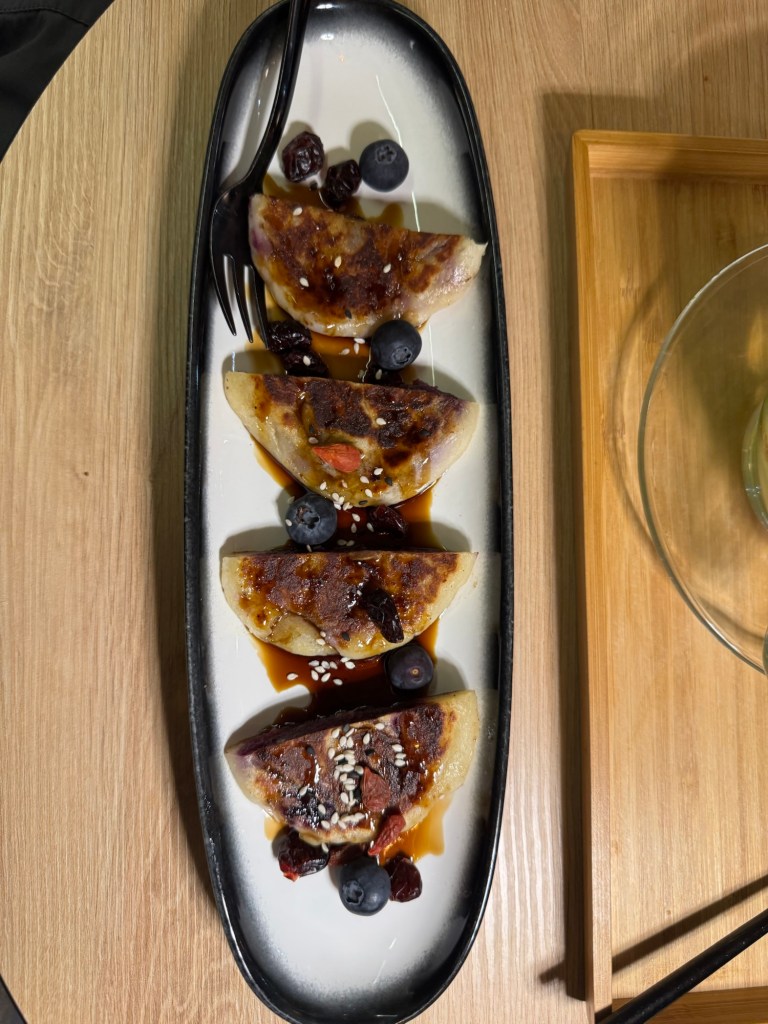
Lovely food.
And next day..,
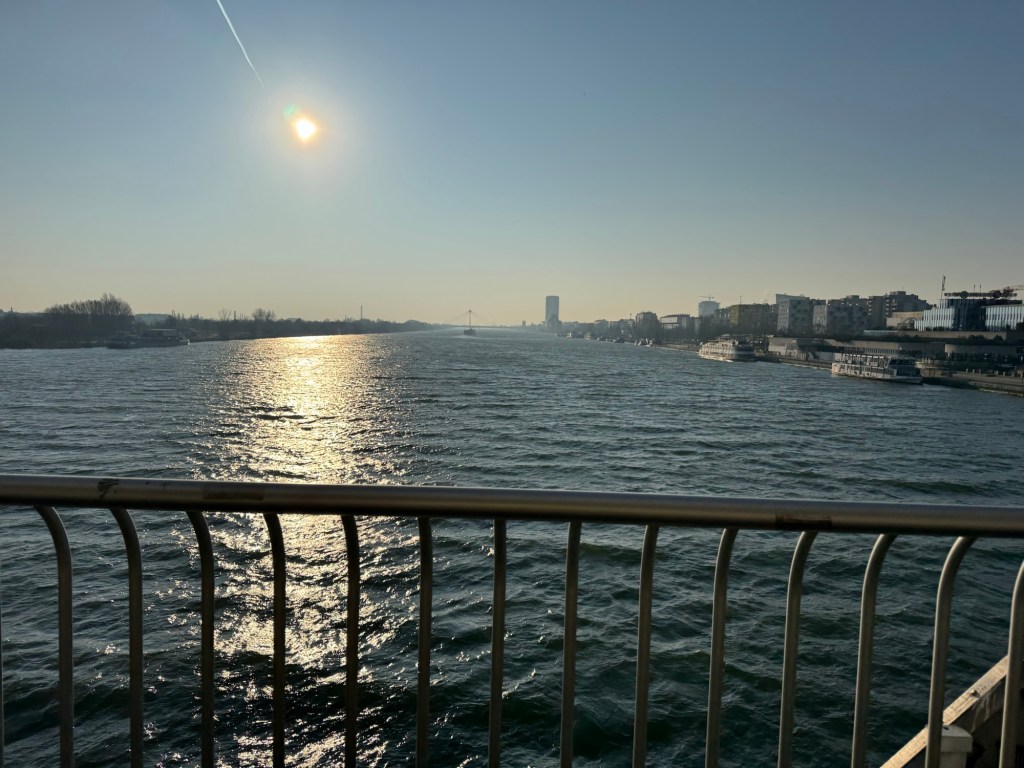
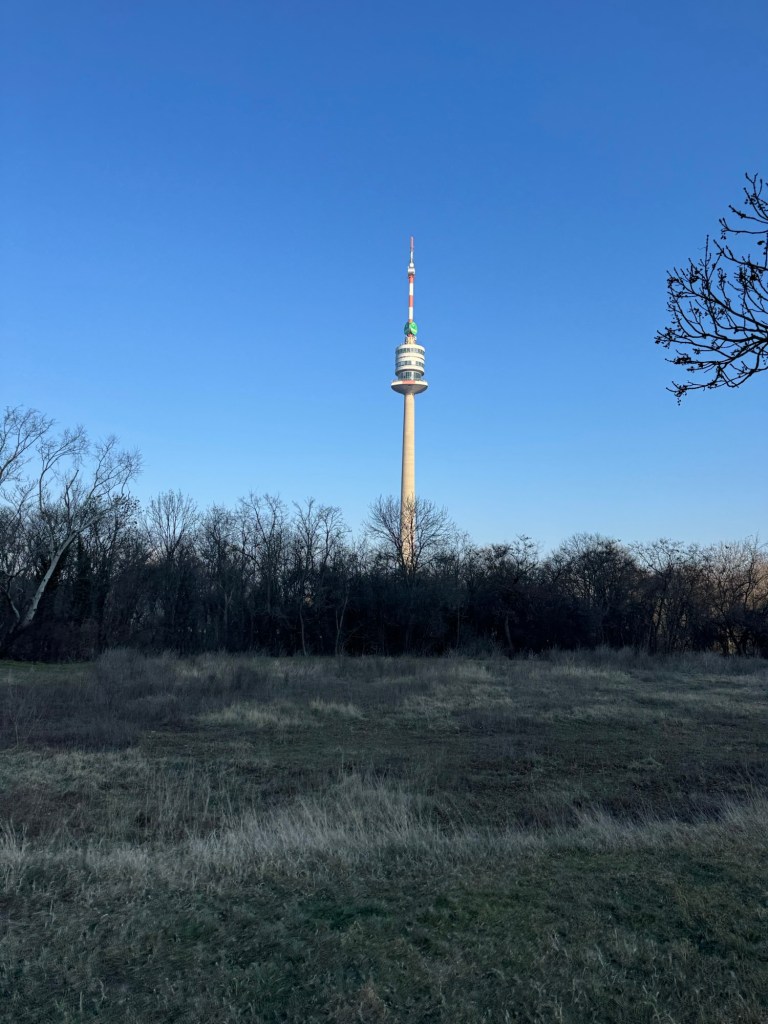
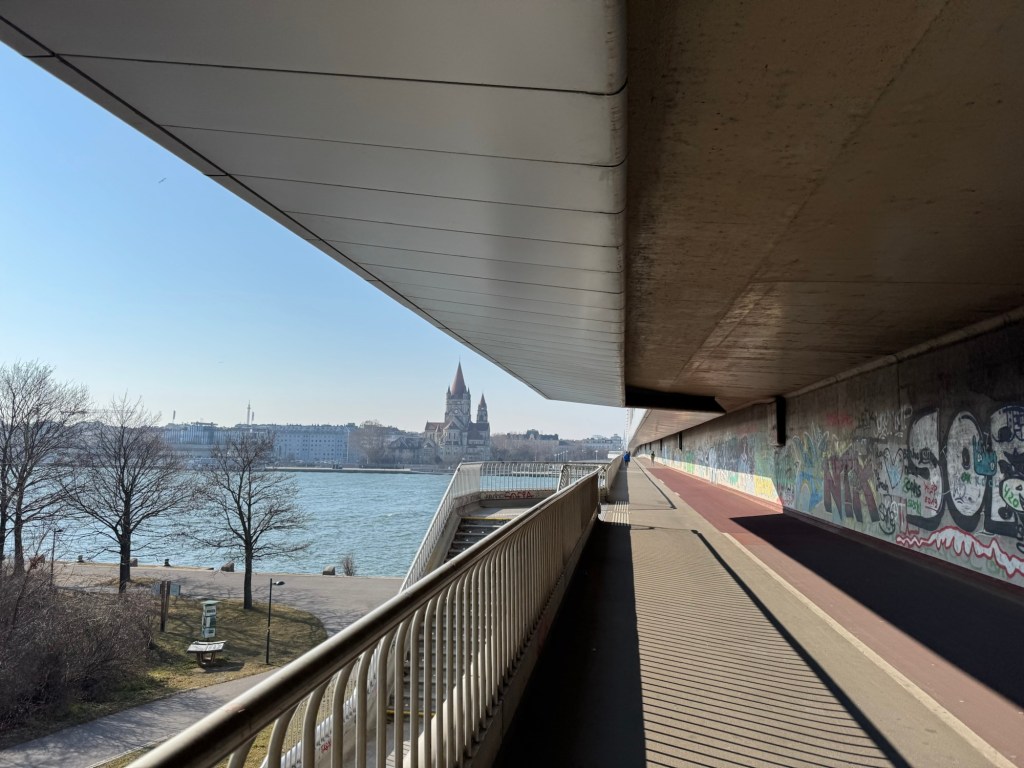
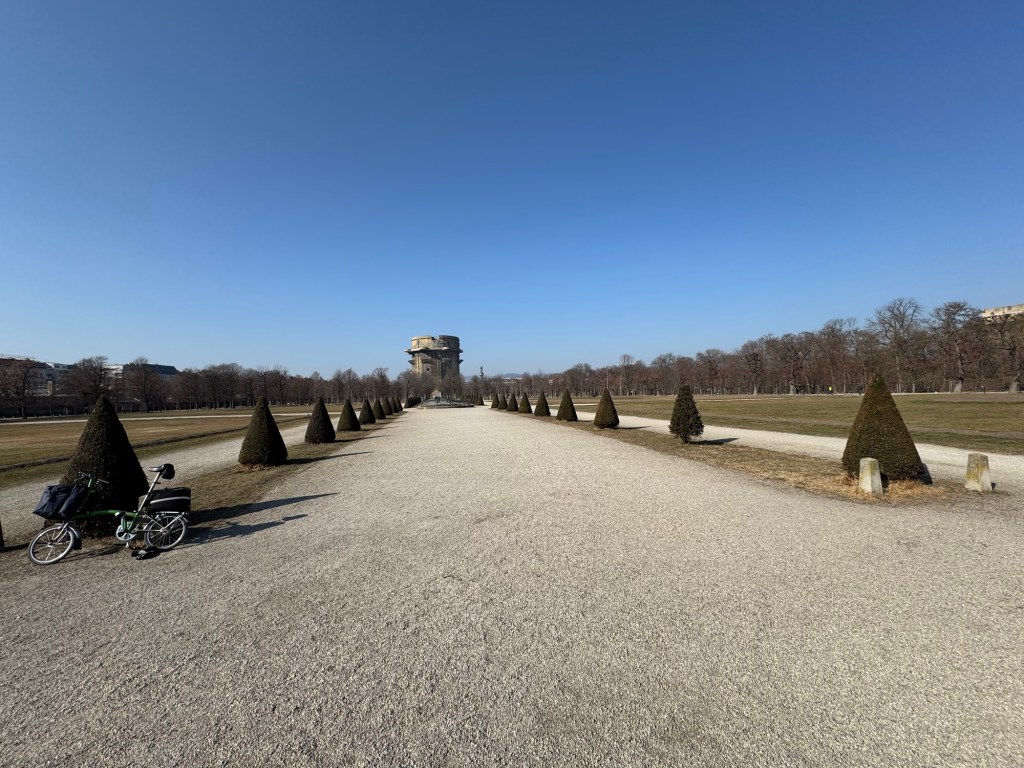
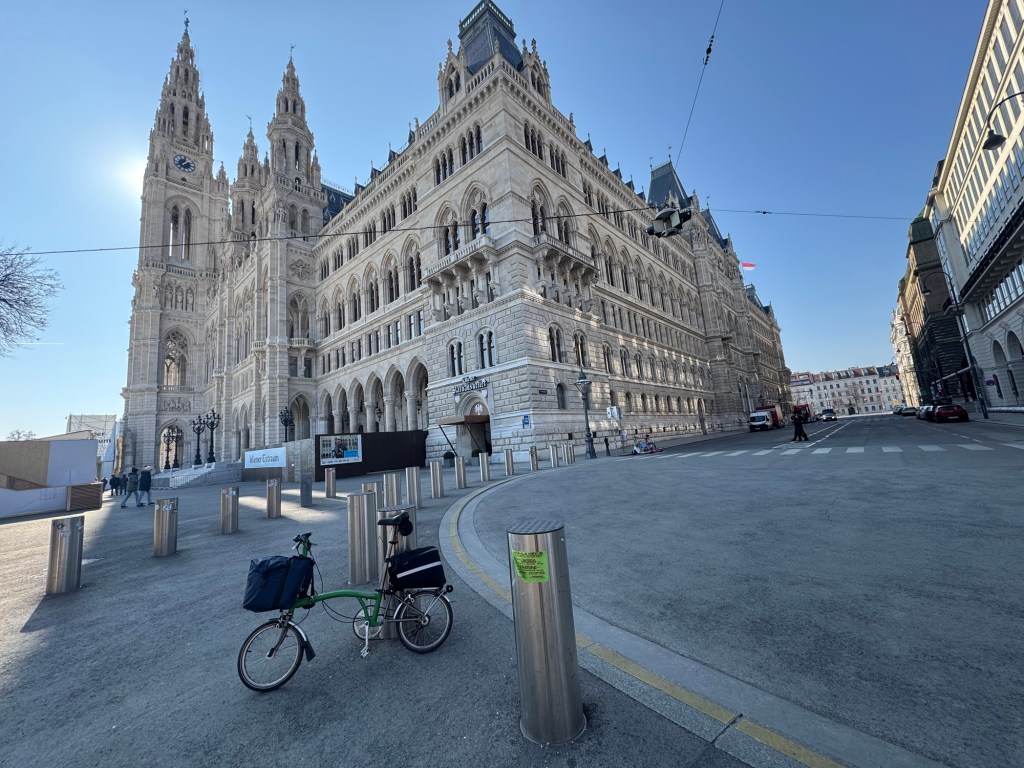
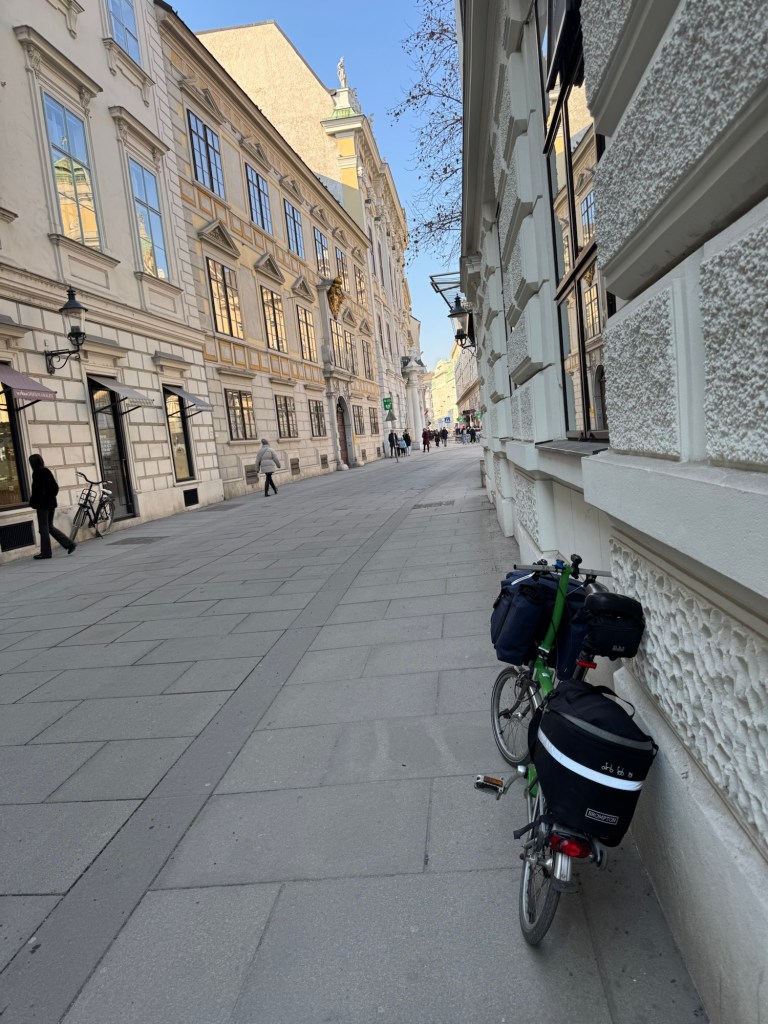
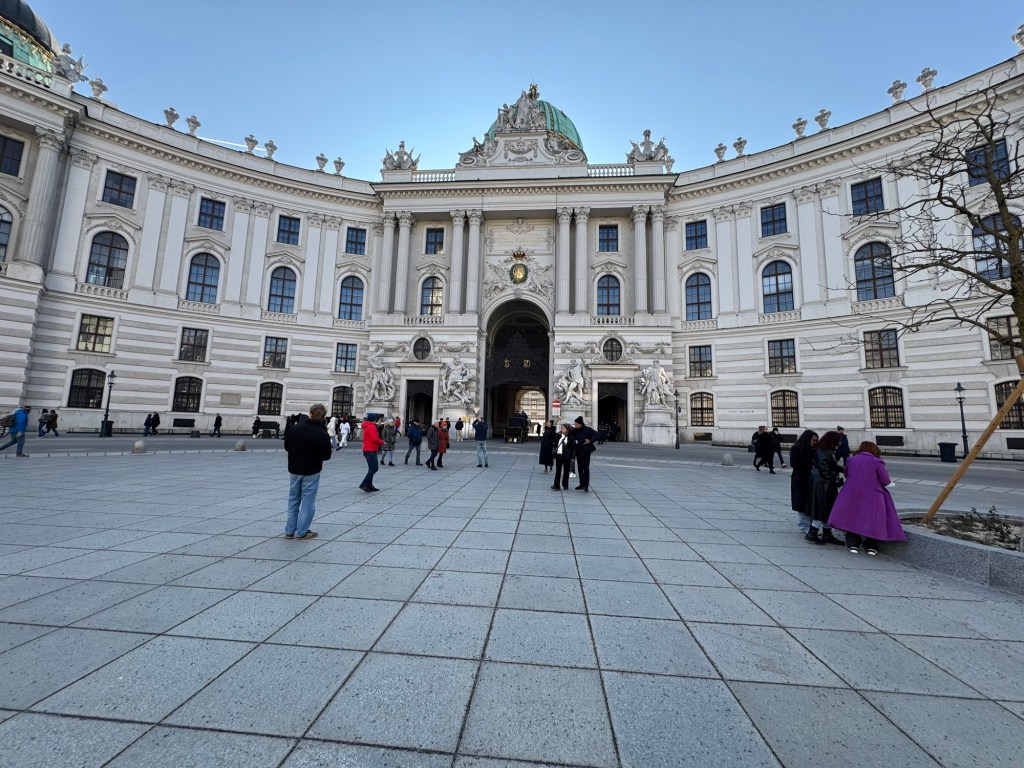
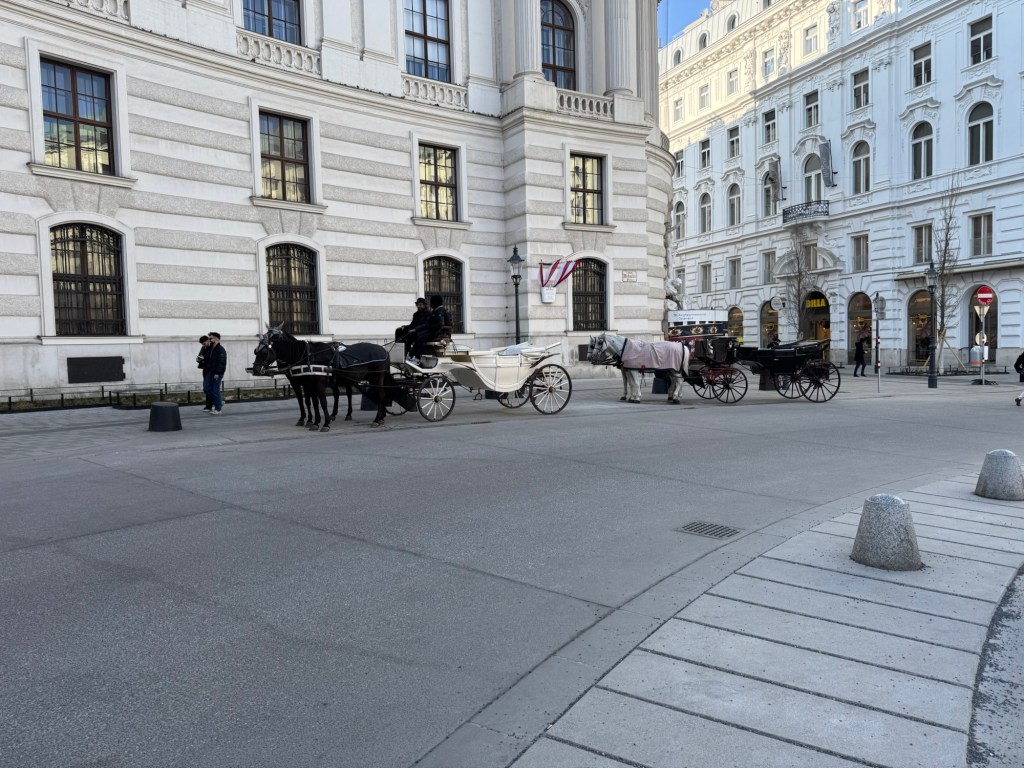
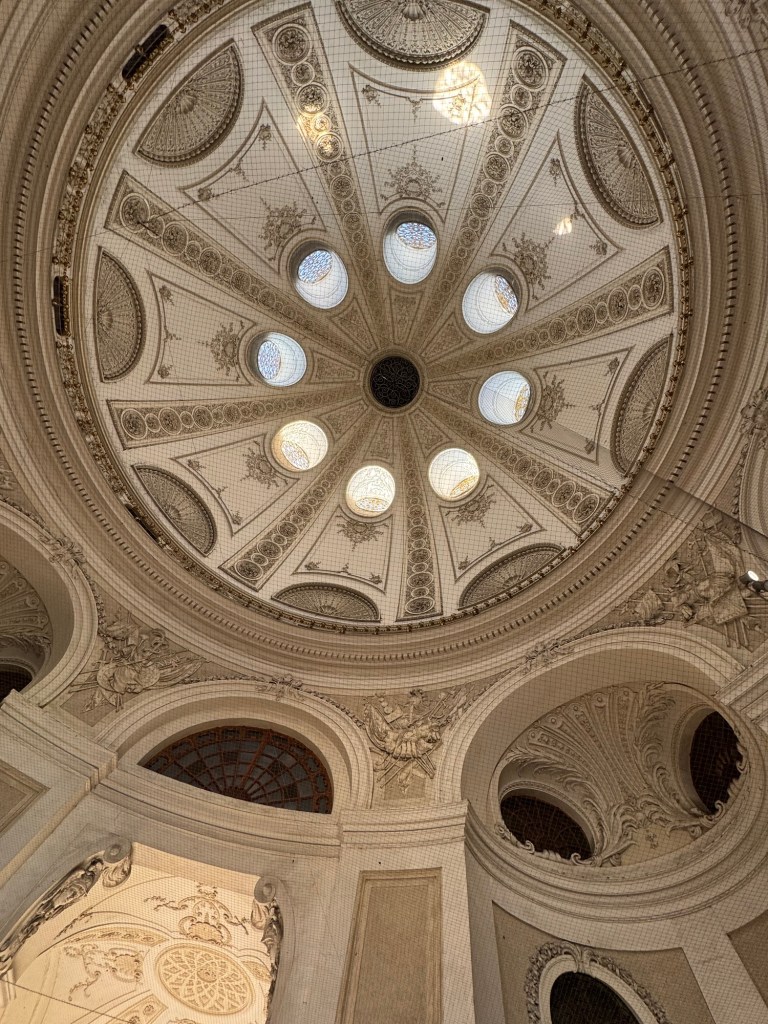
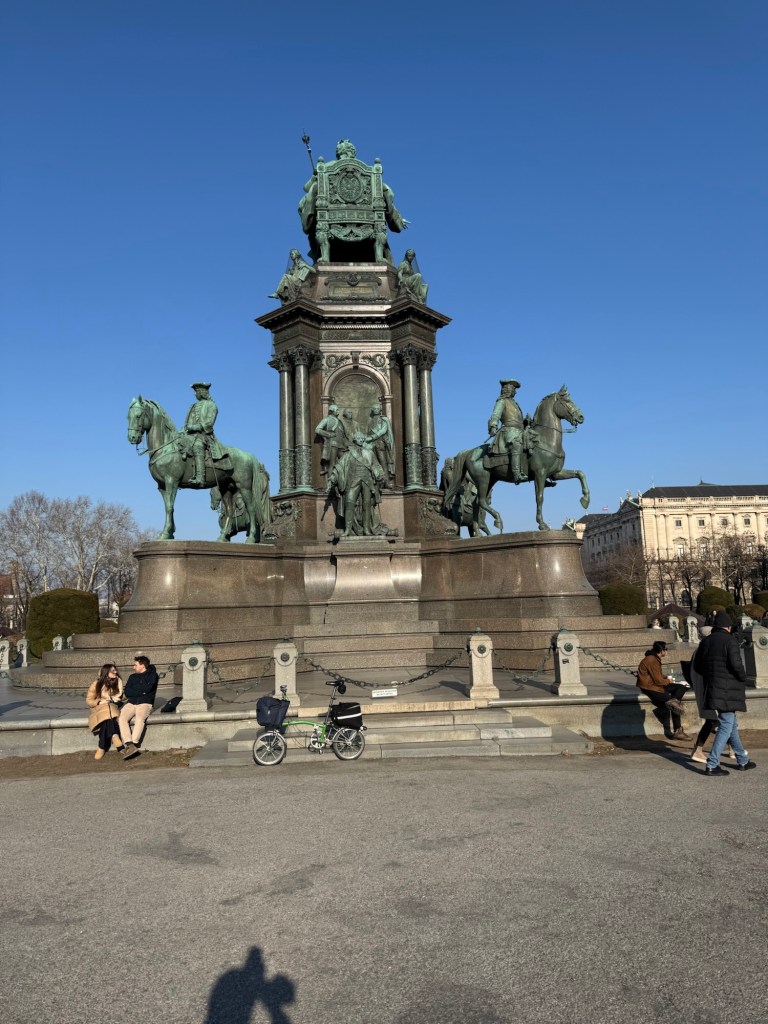
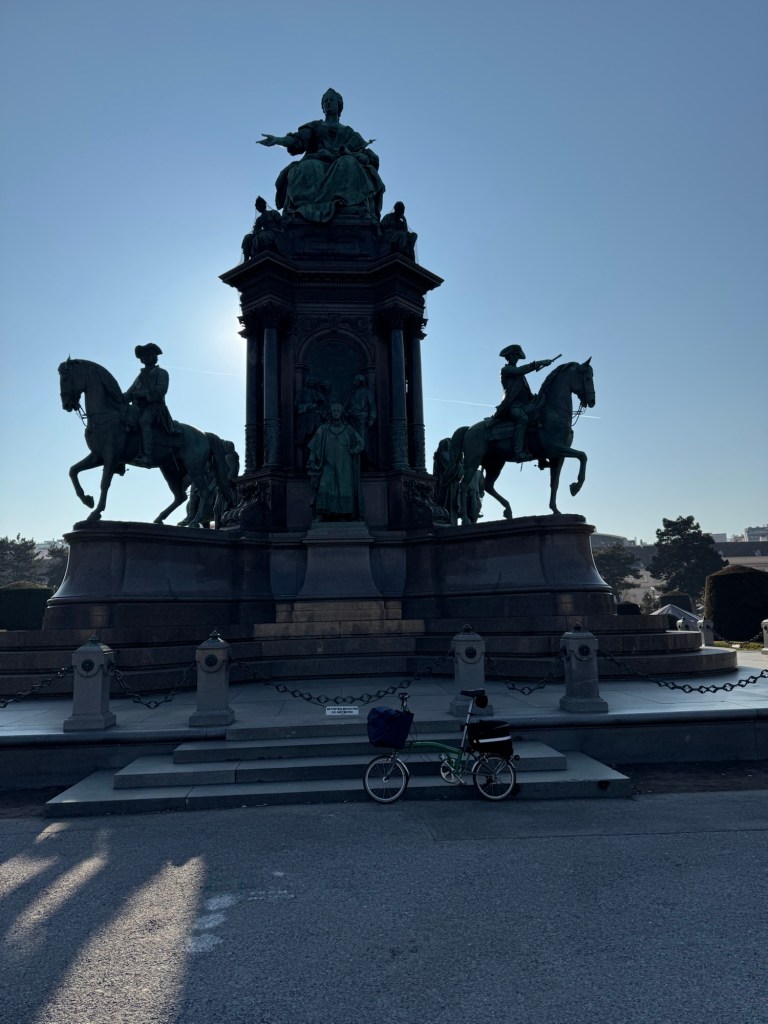
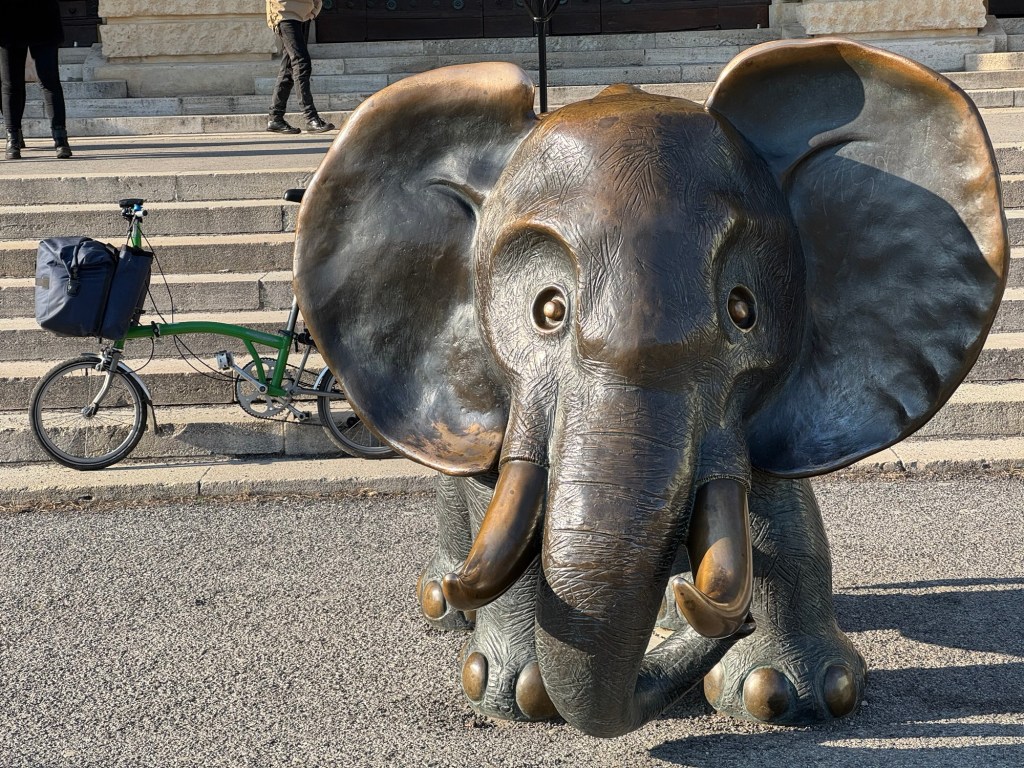
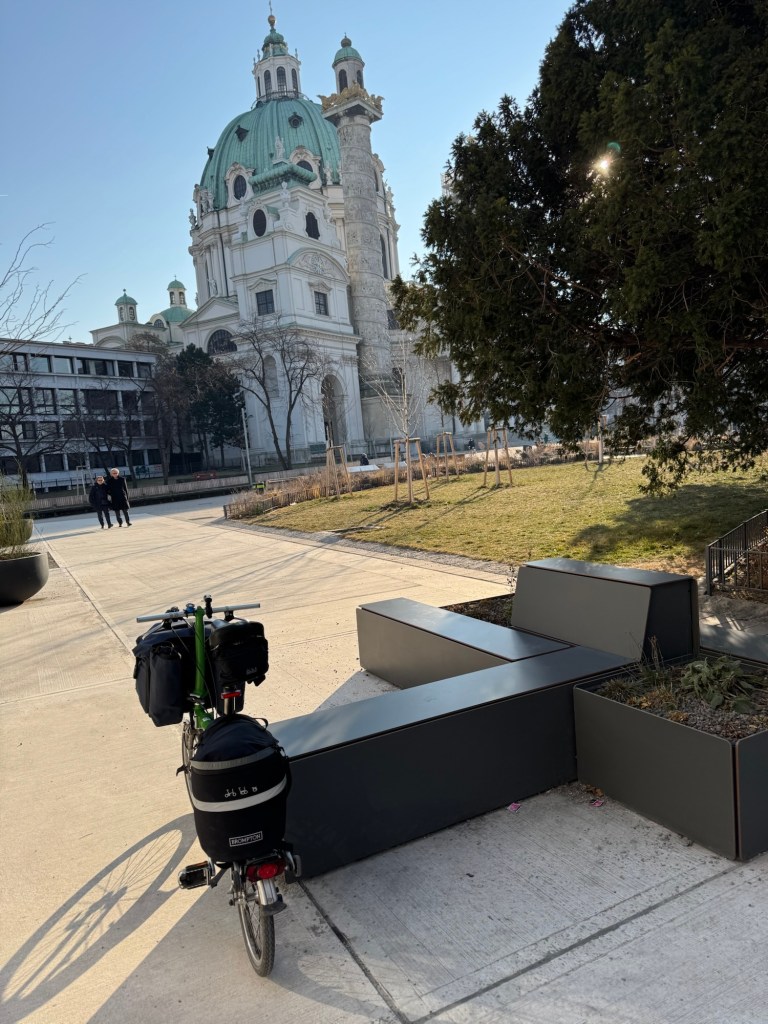
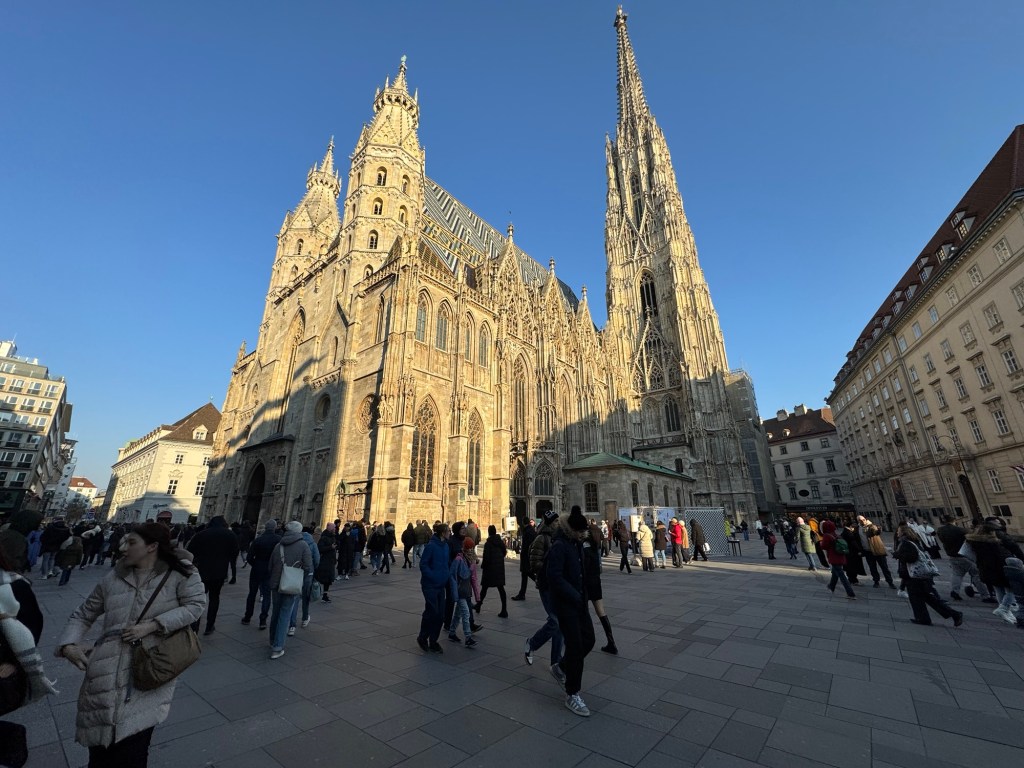
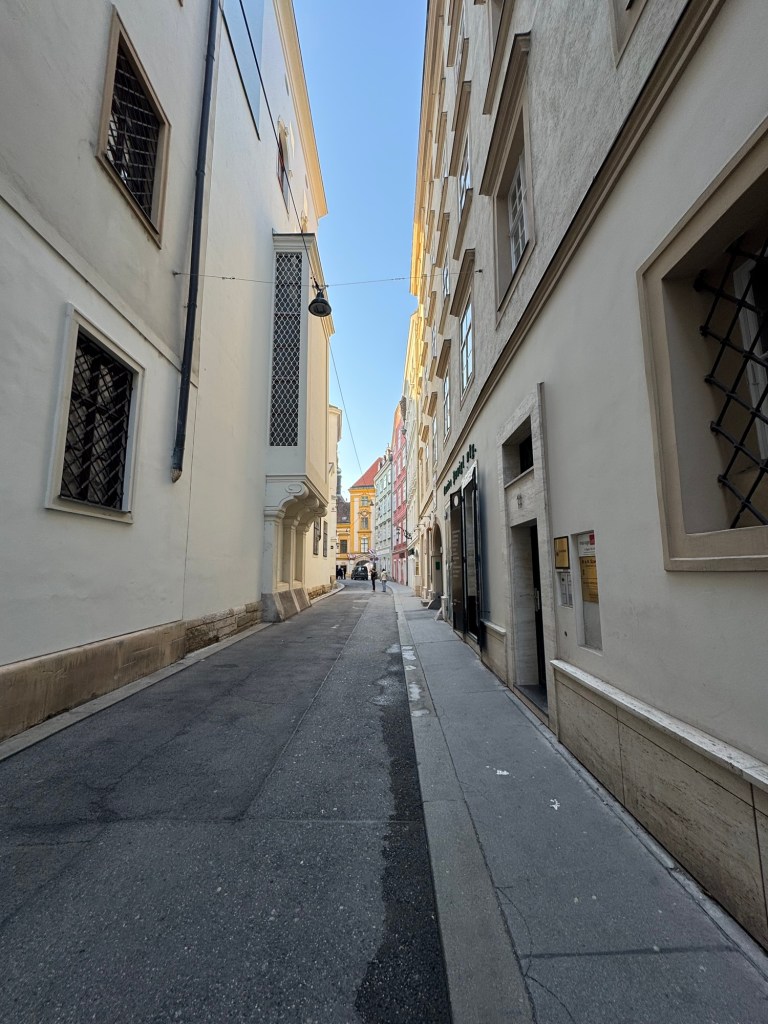
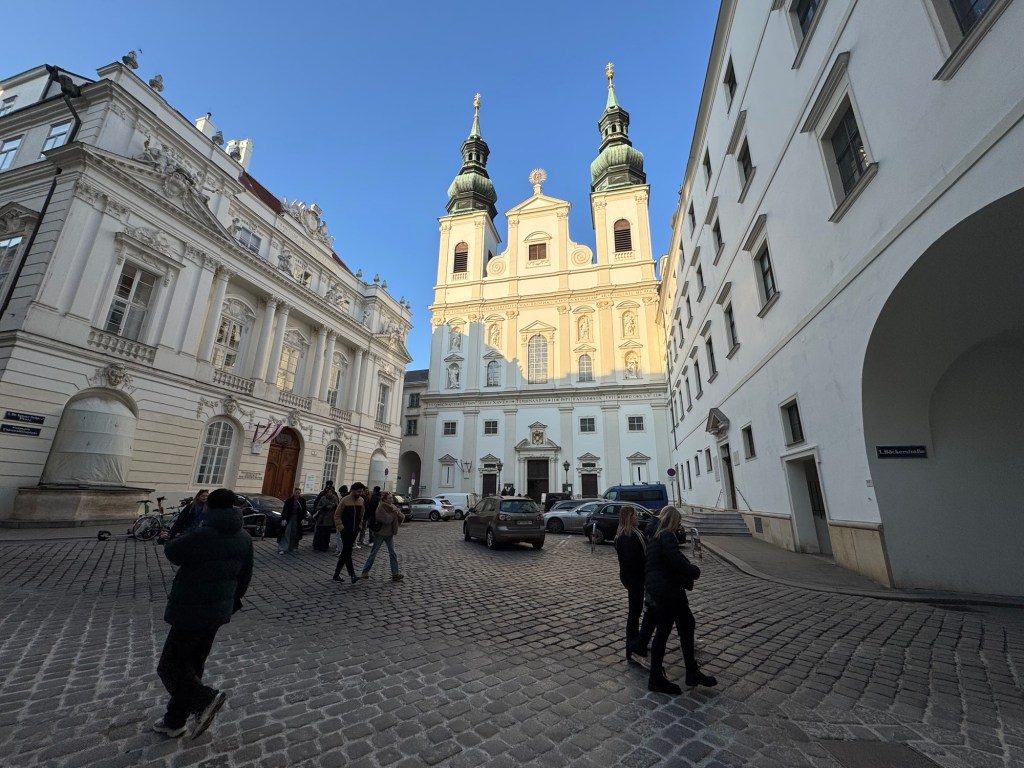
Then it’s back to the Hauptbahnhof.
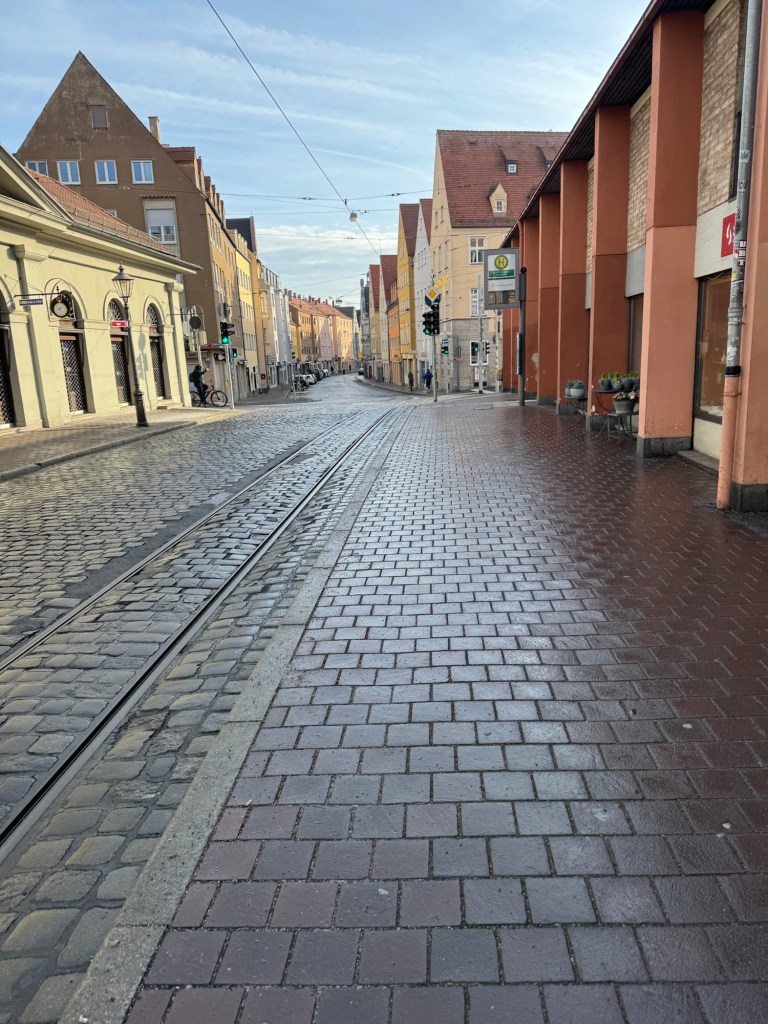
Having never been to Augsburg previously but having heard a lot about Augsburg and particularly the Fuggerei I had high expectations. I set off on foot as check out time was noon.
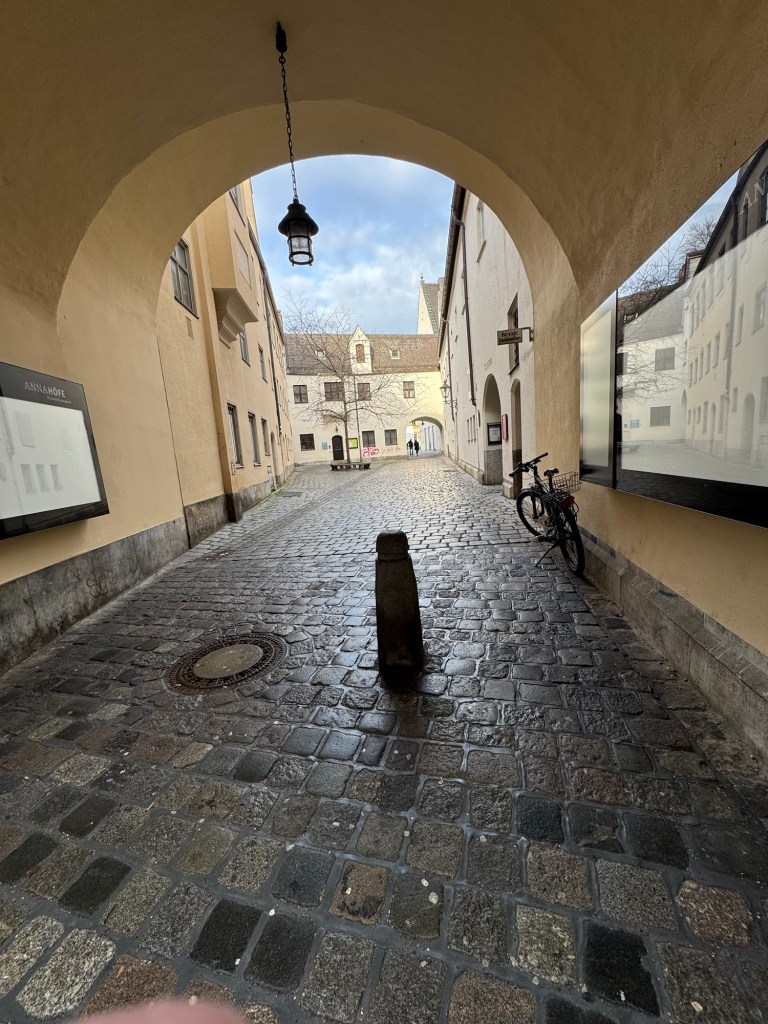
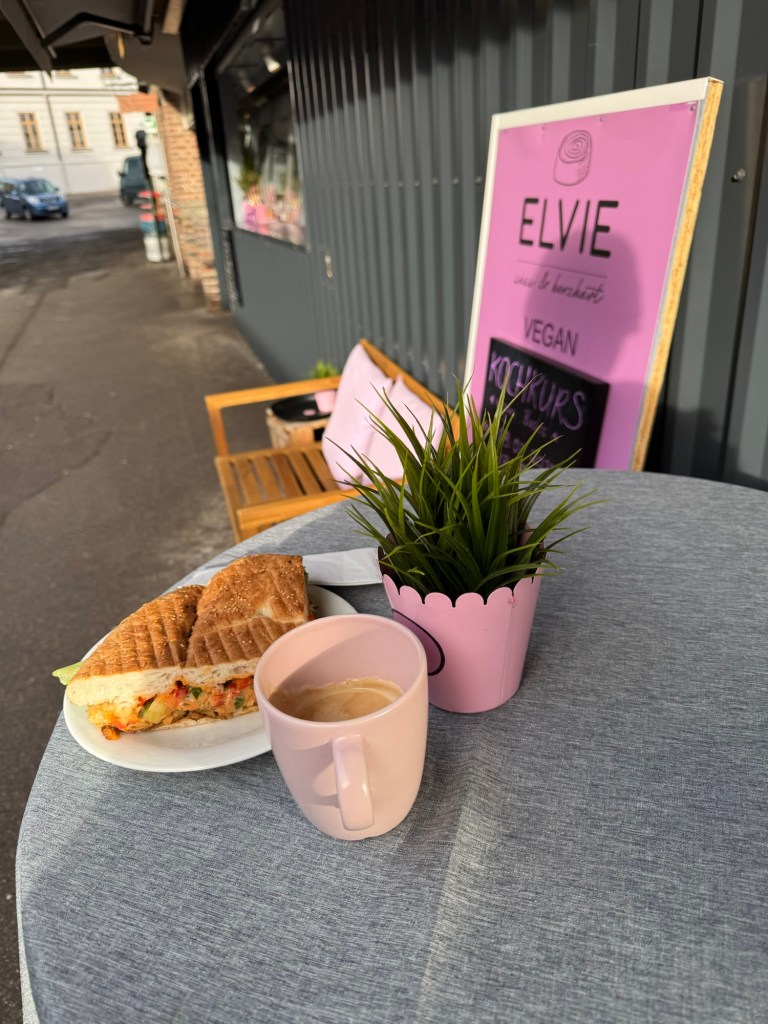
Stopped for breakfast at the local market.
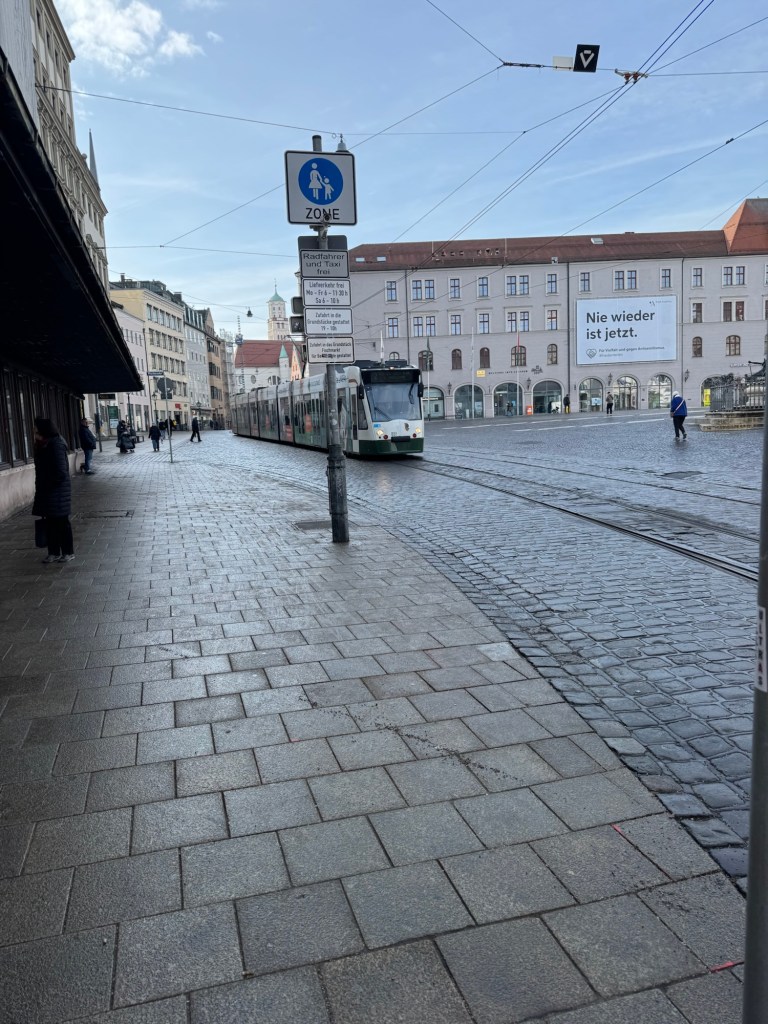
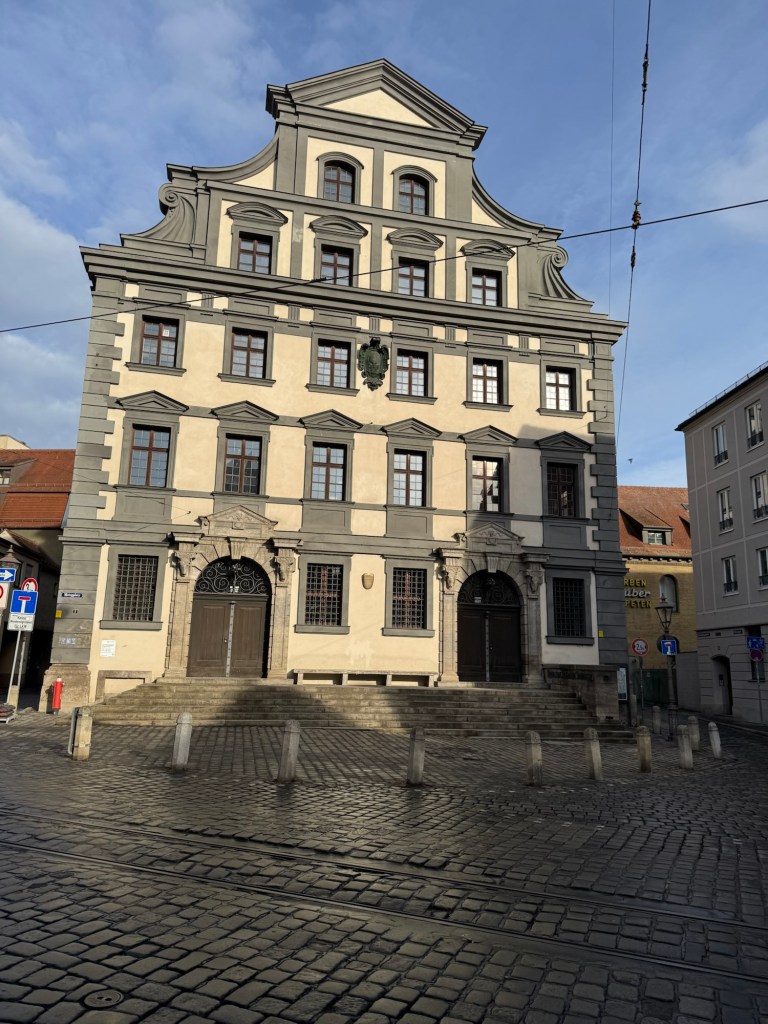
I
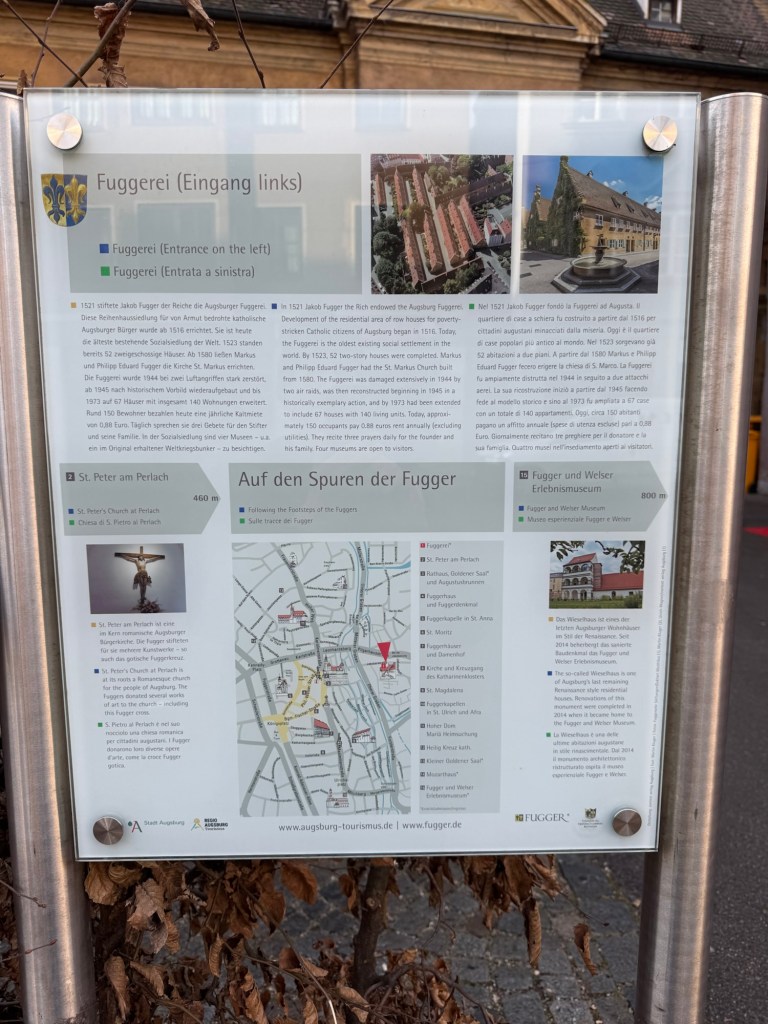
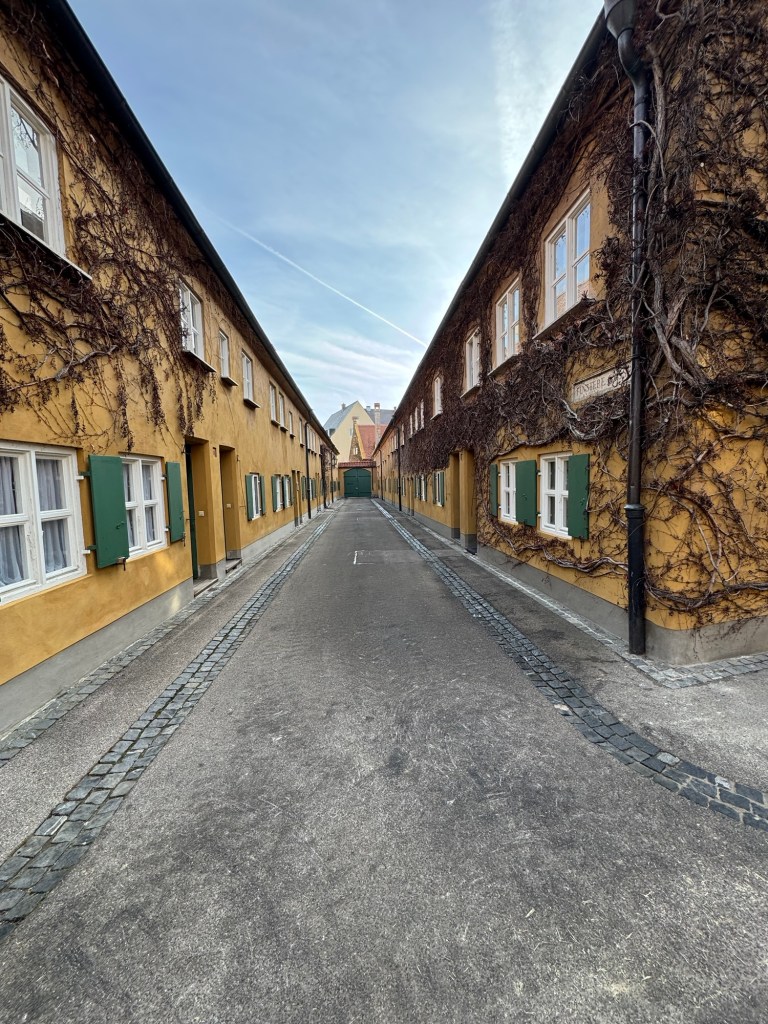
8 Euros to explore the Fuggerei. The place is fascinating.
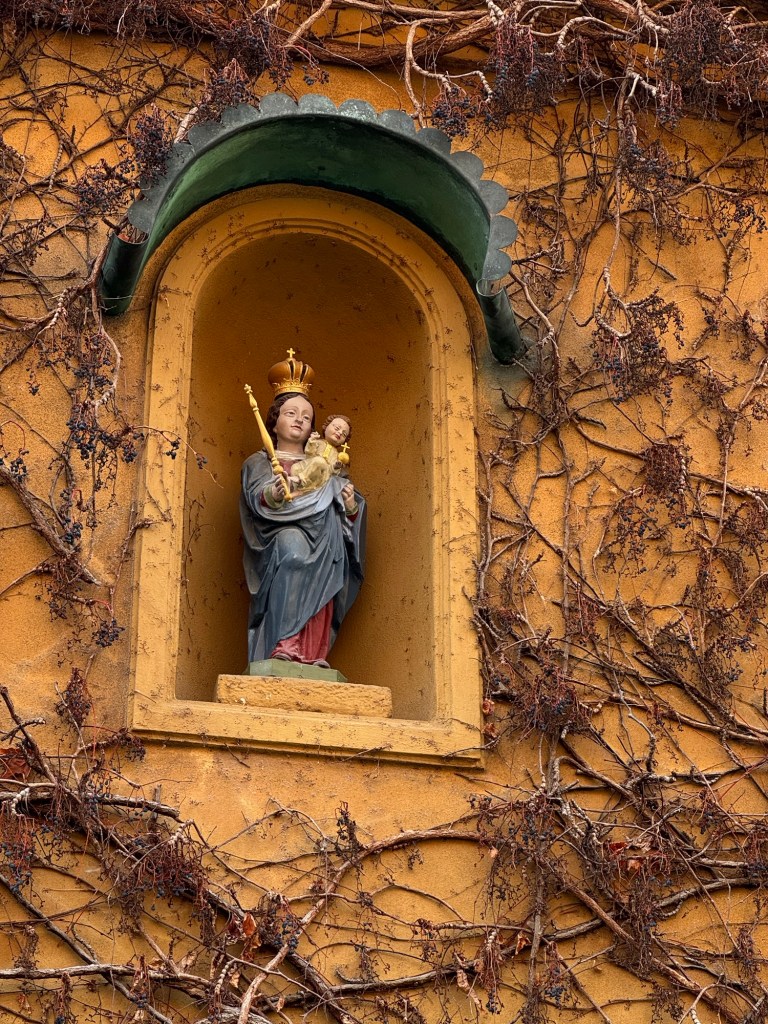
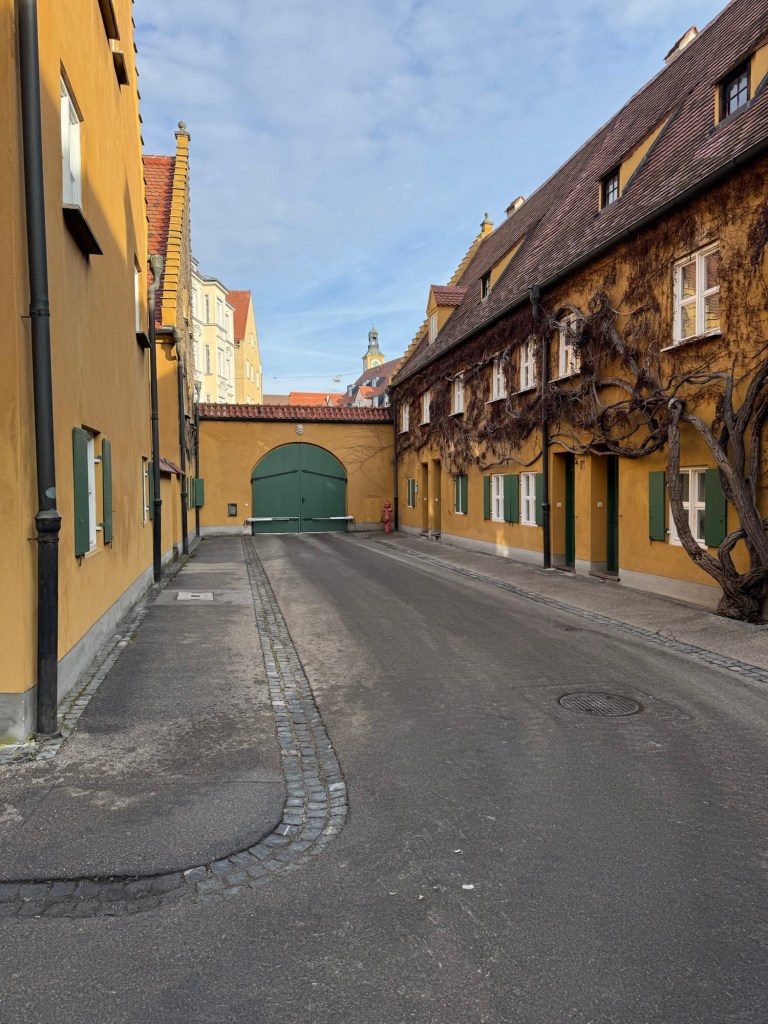
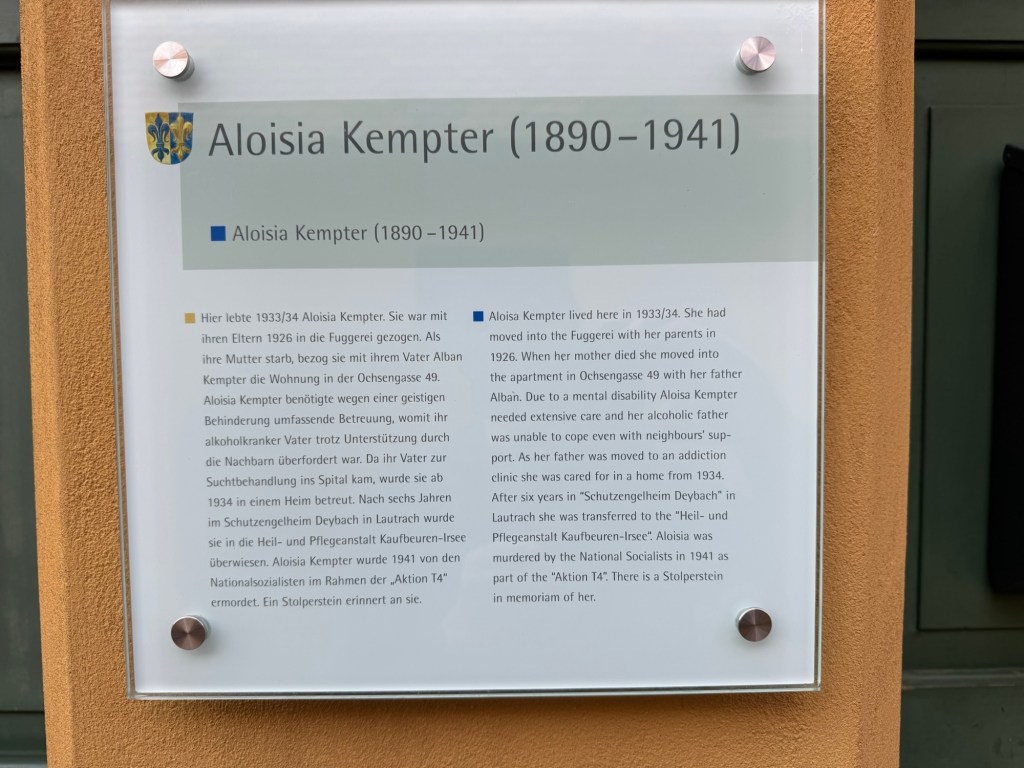
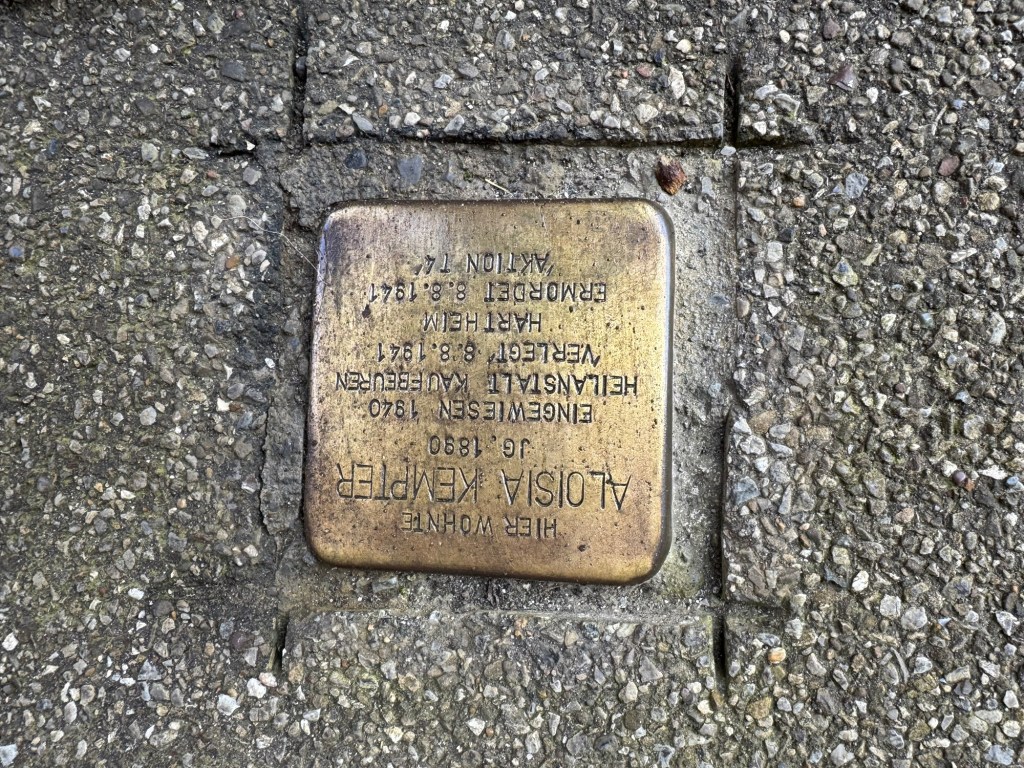
The Fuggerei was flattened by British bombing towards the end of the Second World War. Augsburg was a major centre for manufacturing weapons including fighter planes, and therefore a prime target. The Fuggerei was rebuilt.
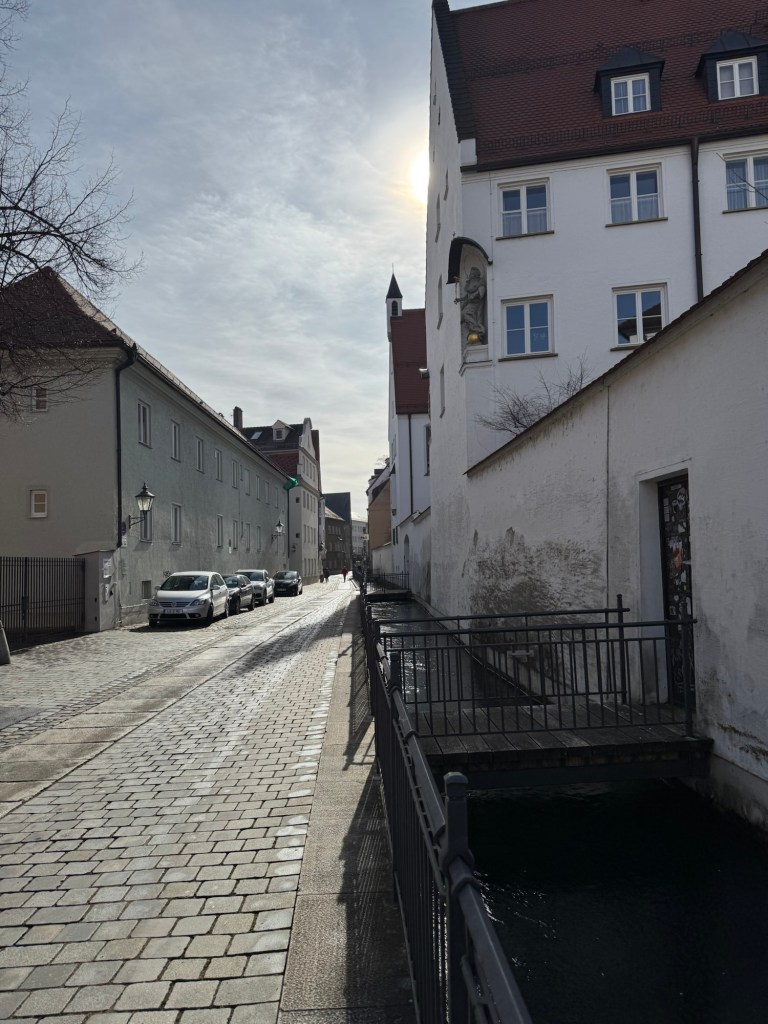
On the way back to the hotel I discovered that the river is channelled through the city next to roads and houses.
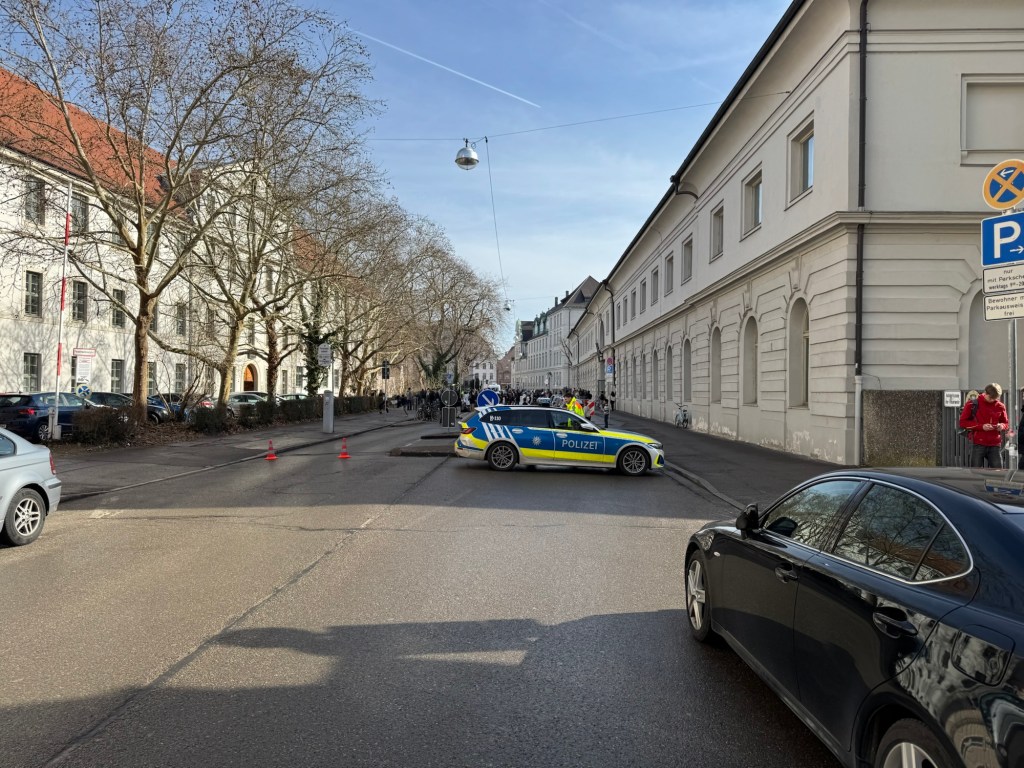
I also walked along a street with loads of school children playing in the road. I asked the policeman what was happening. The police had blocked the street in preparation for a demonstration. An enterprising sports teacher used the moment to get the children out for a bit of fun.
After checking out I went back to the Augsburg Altstadt
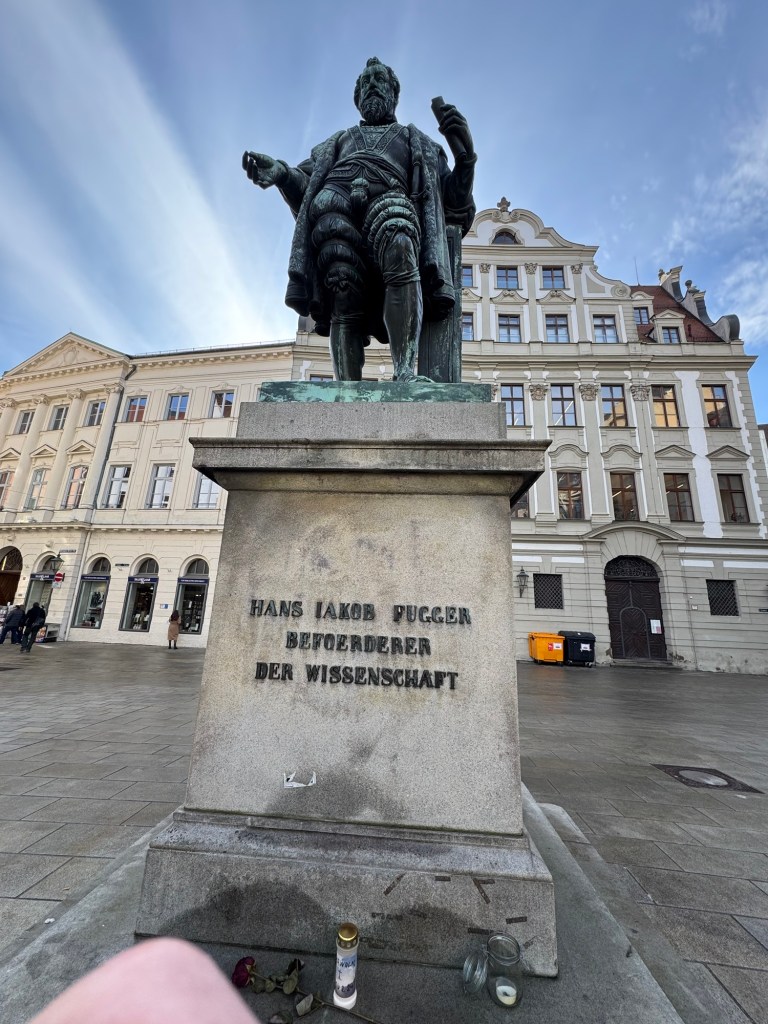
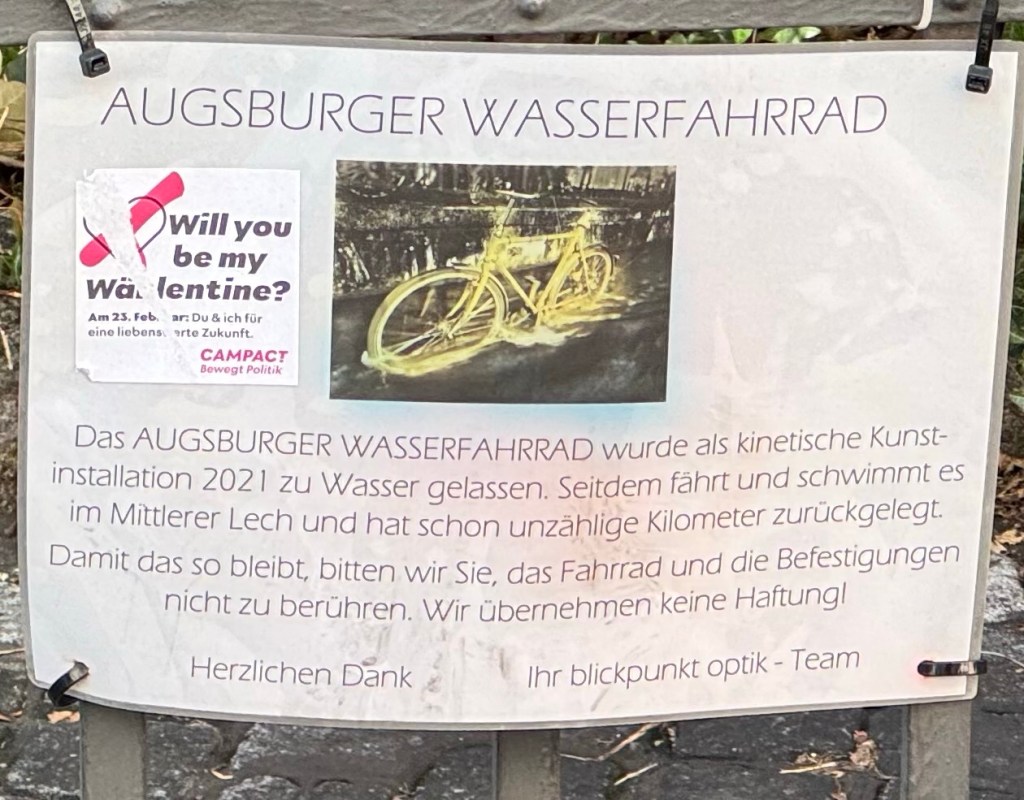
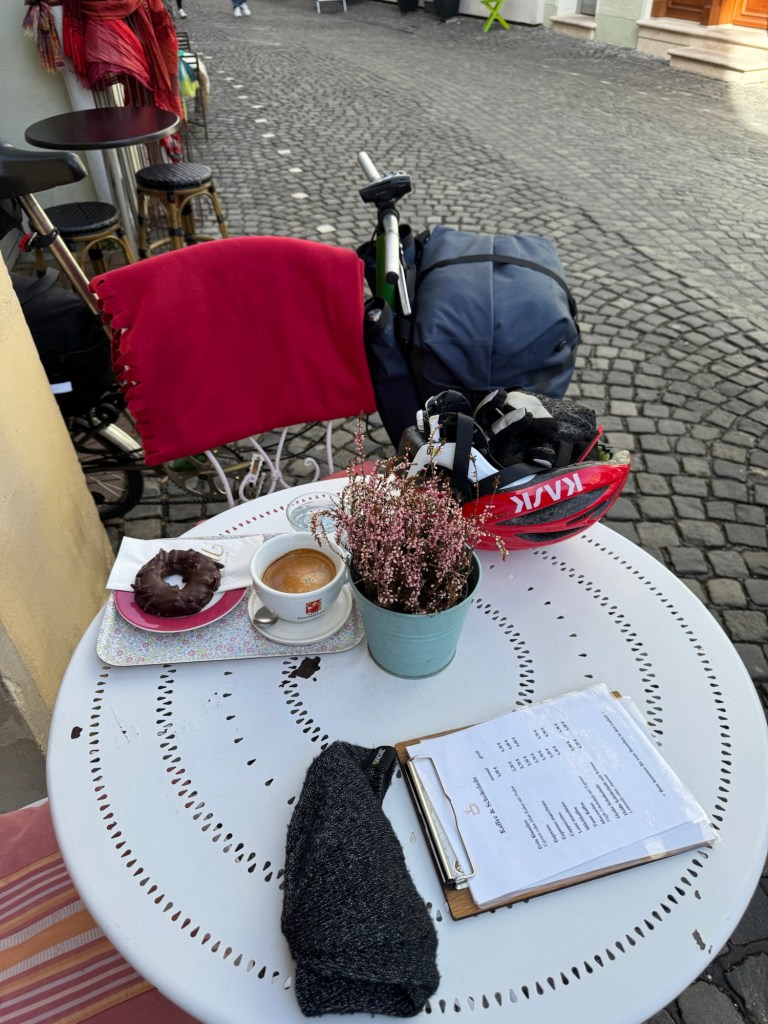
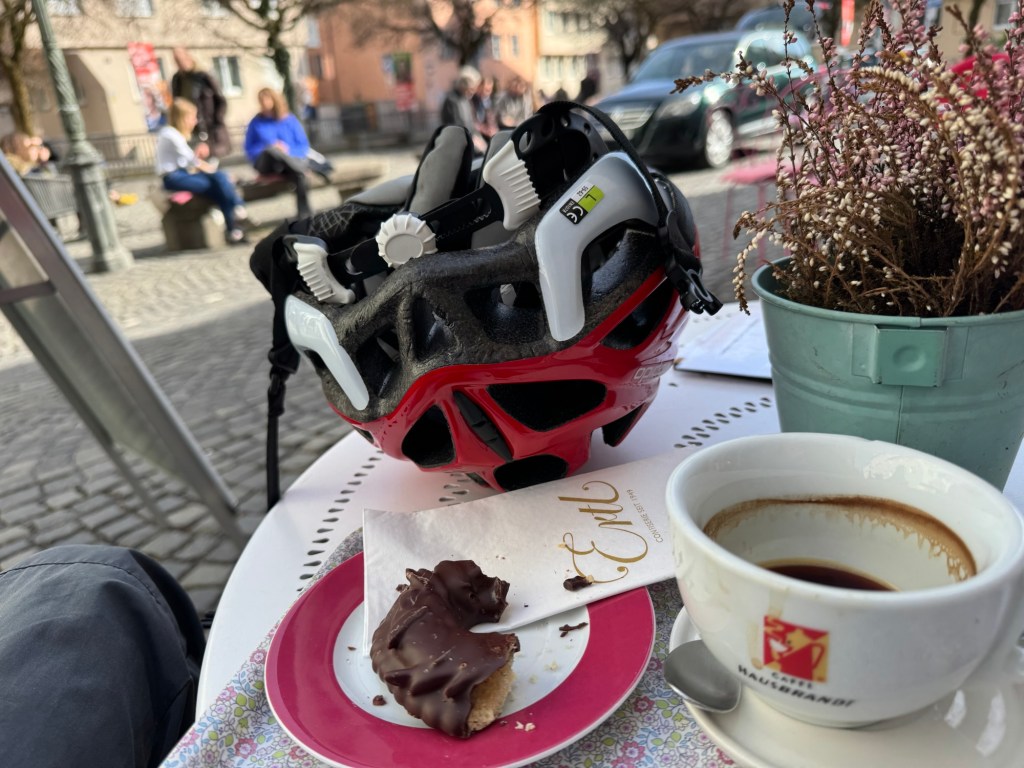
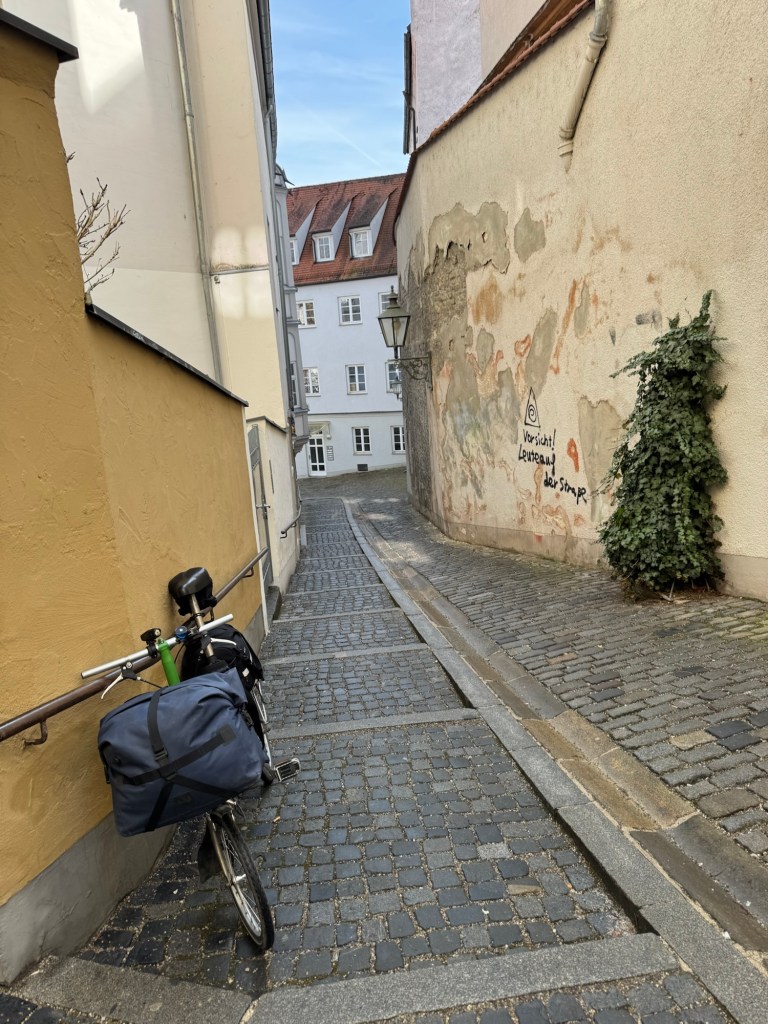
Augsburg exceeded expectations, beautiful city, but substantially rebuilt after the war.
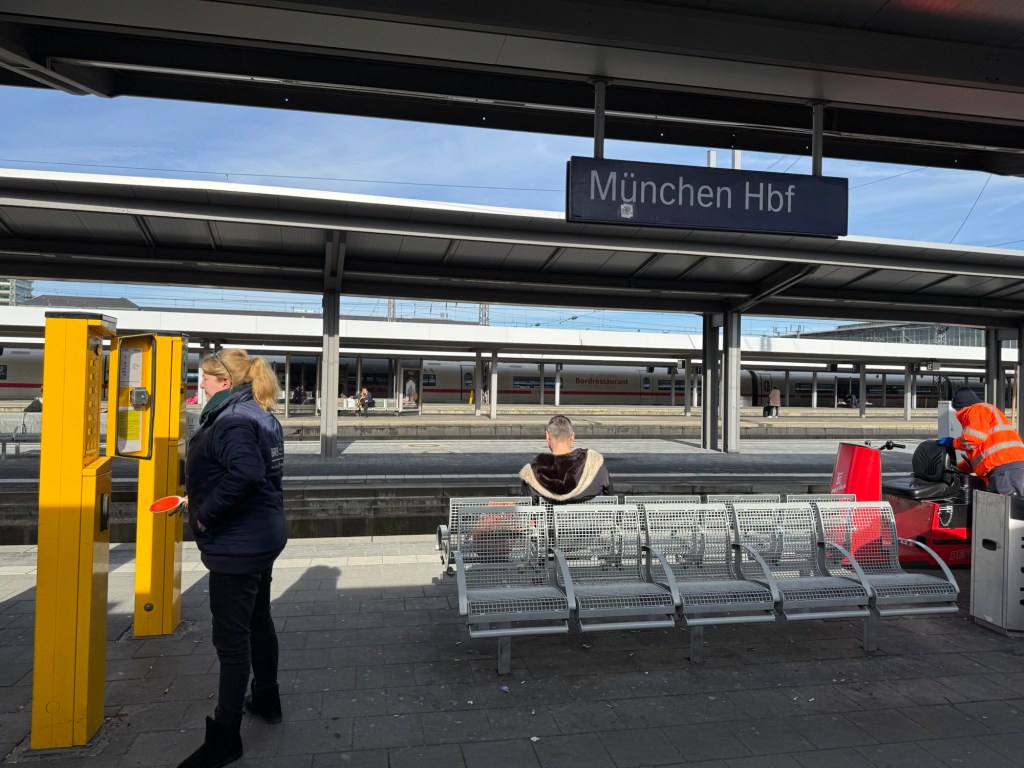
Change at München
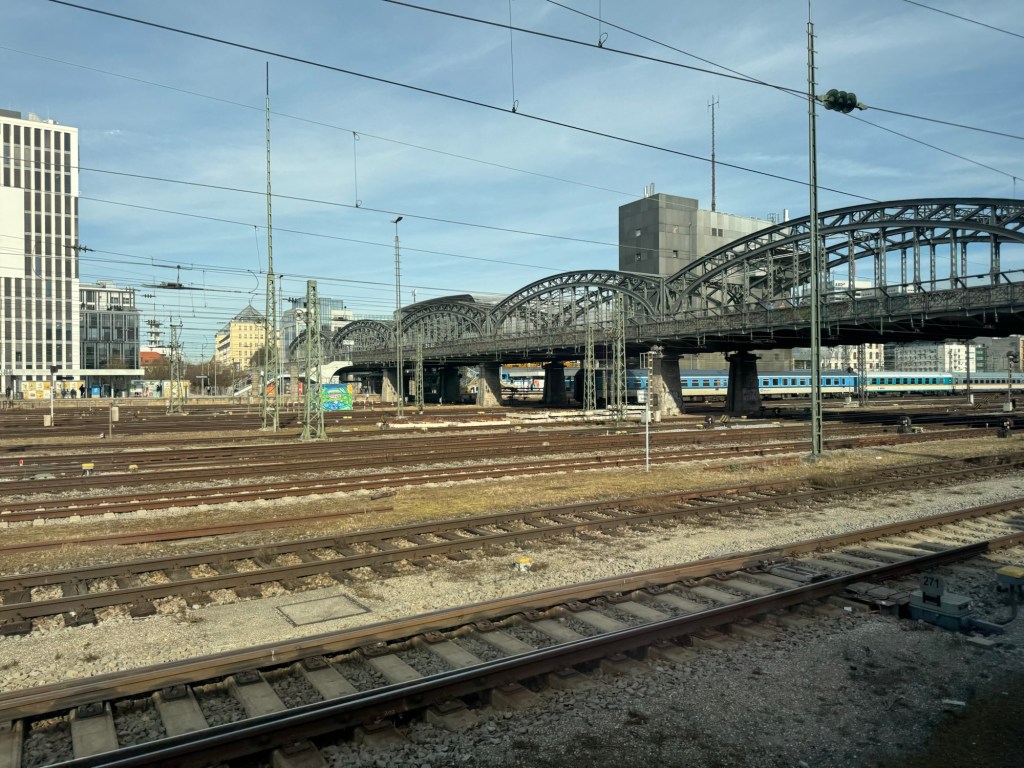
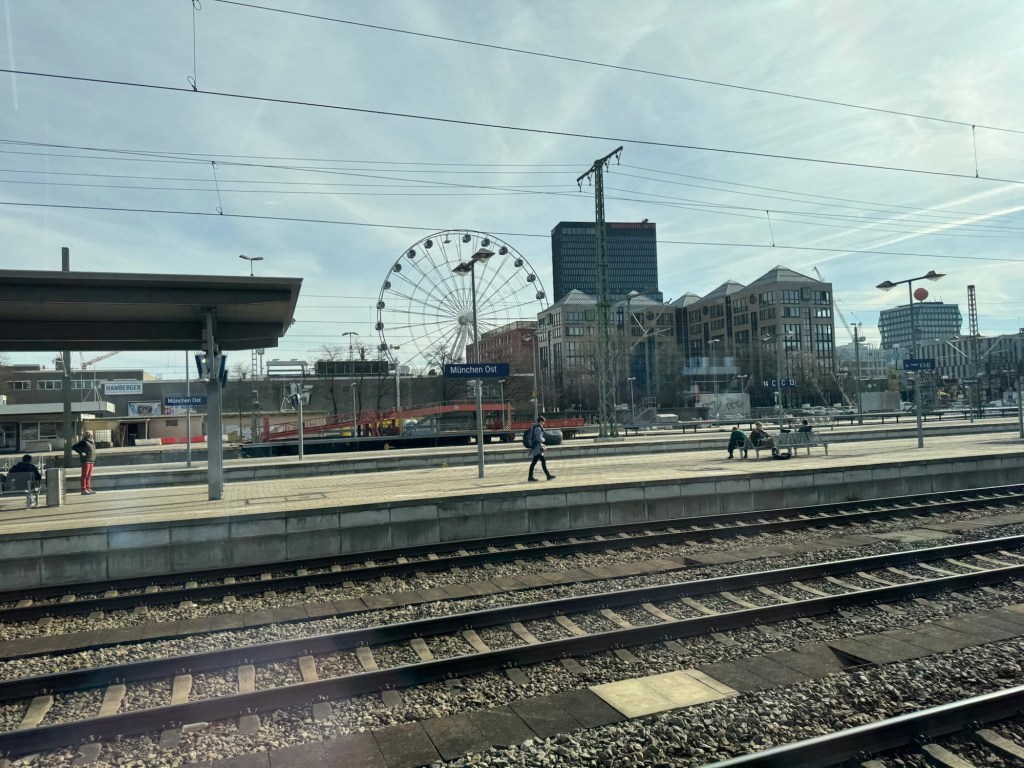
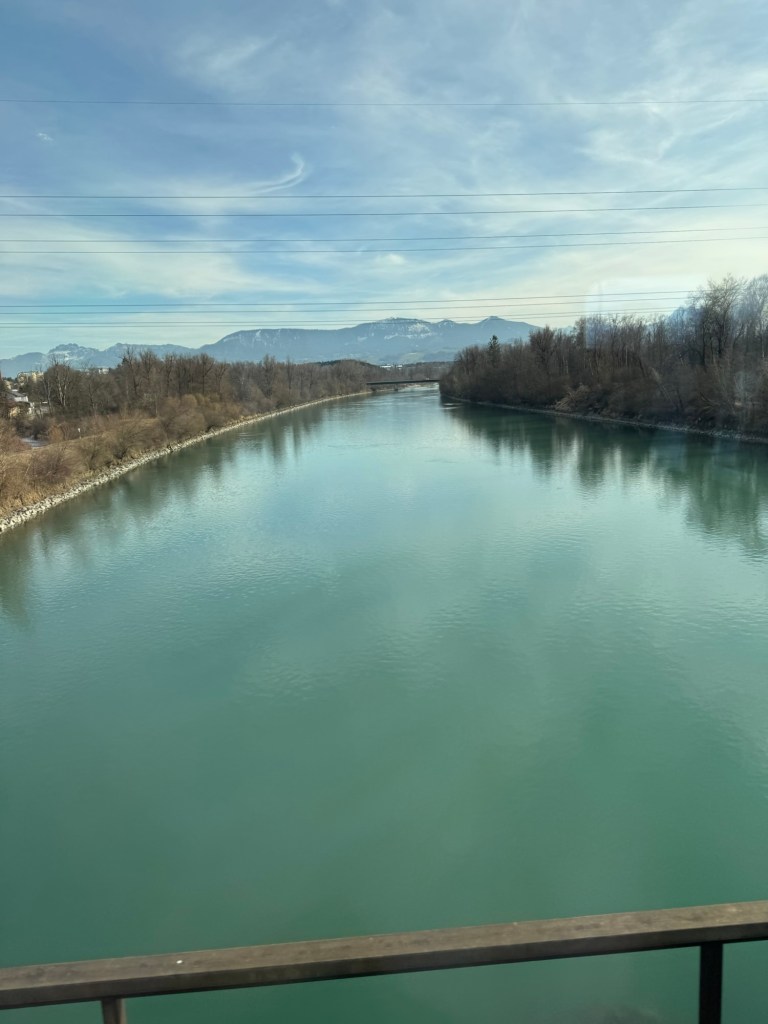
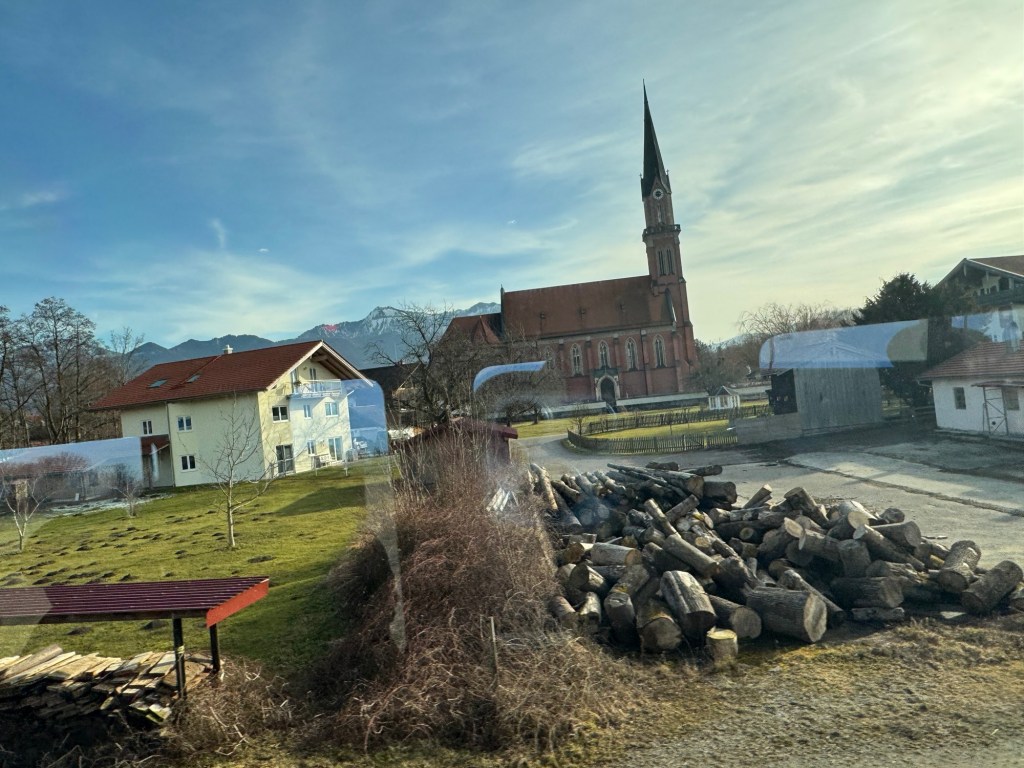
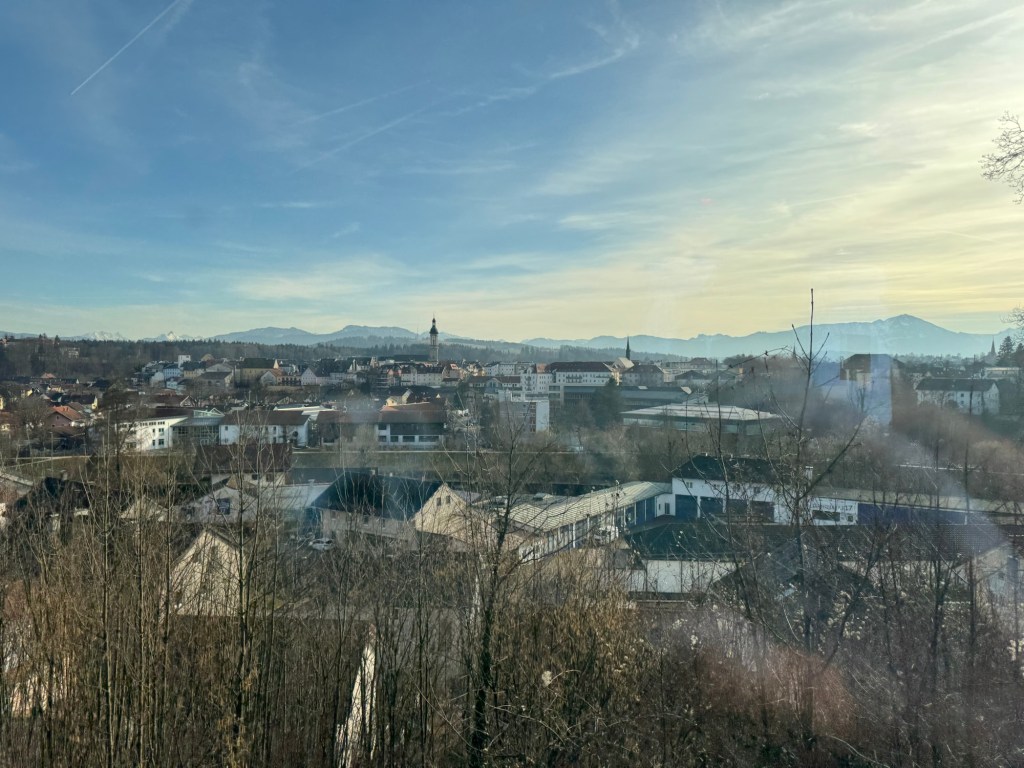
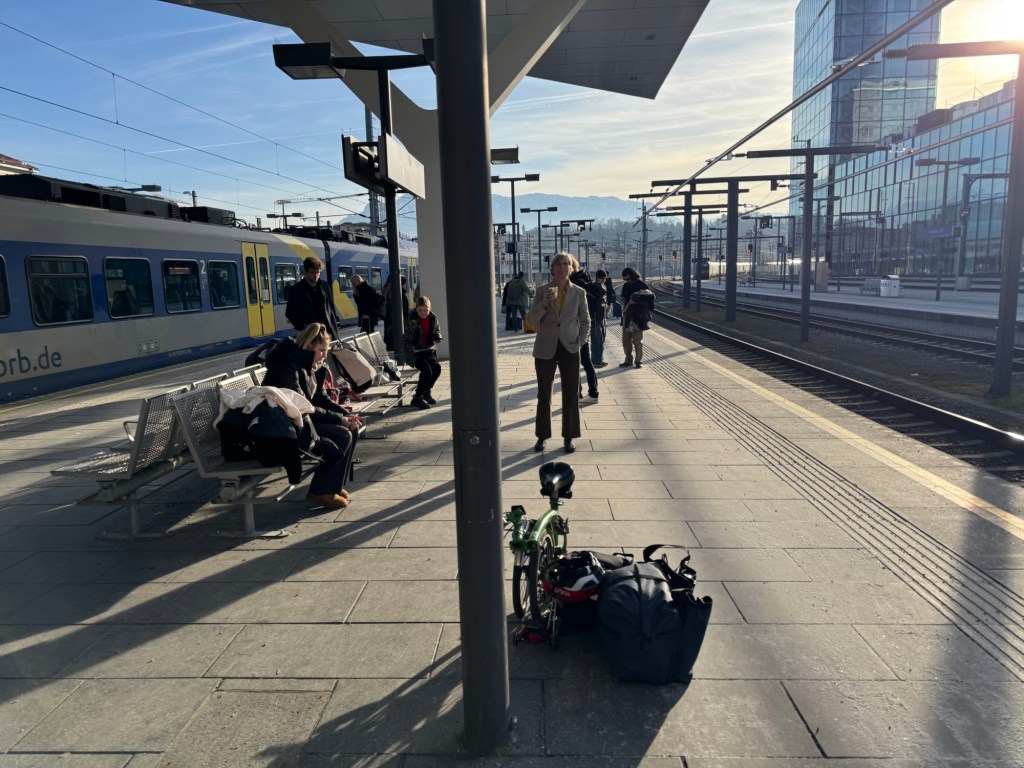
What is interesting is that the German regional train runs from München to Salzburg, requiring cross border cooperation. This happens quite frequently on this trip.
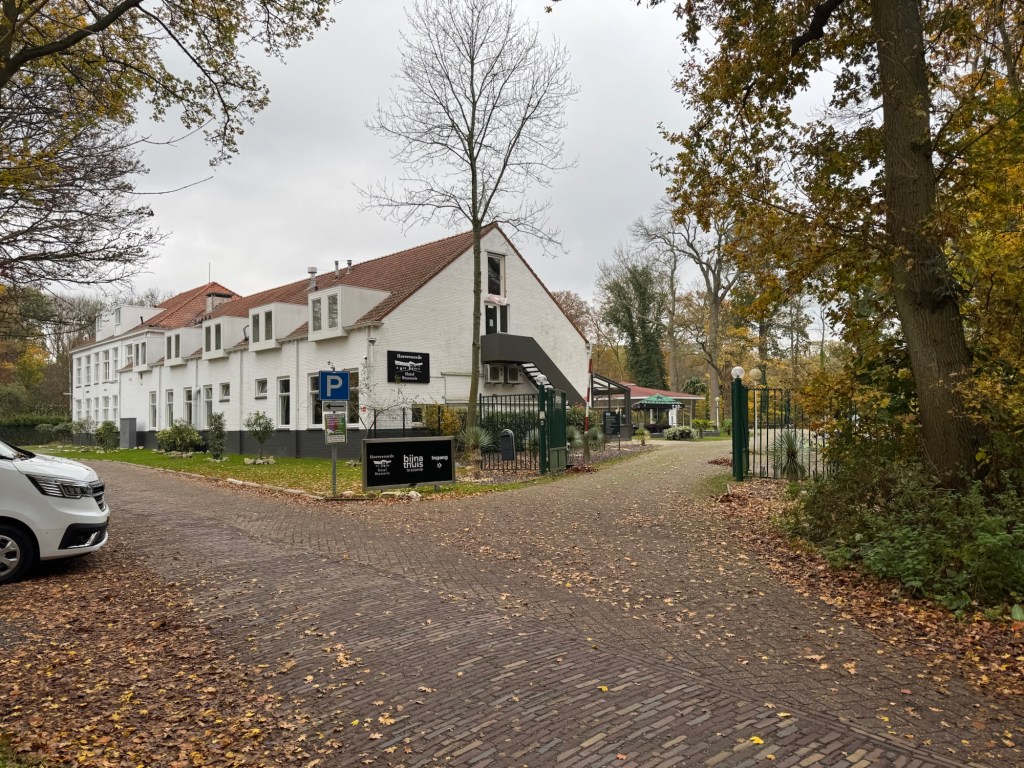
Hotel in a nice location, in a wooded area.
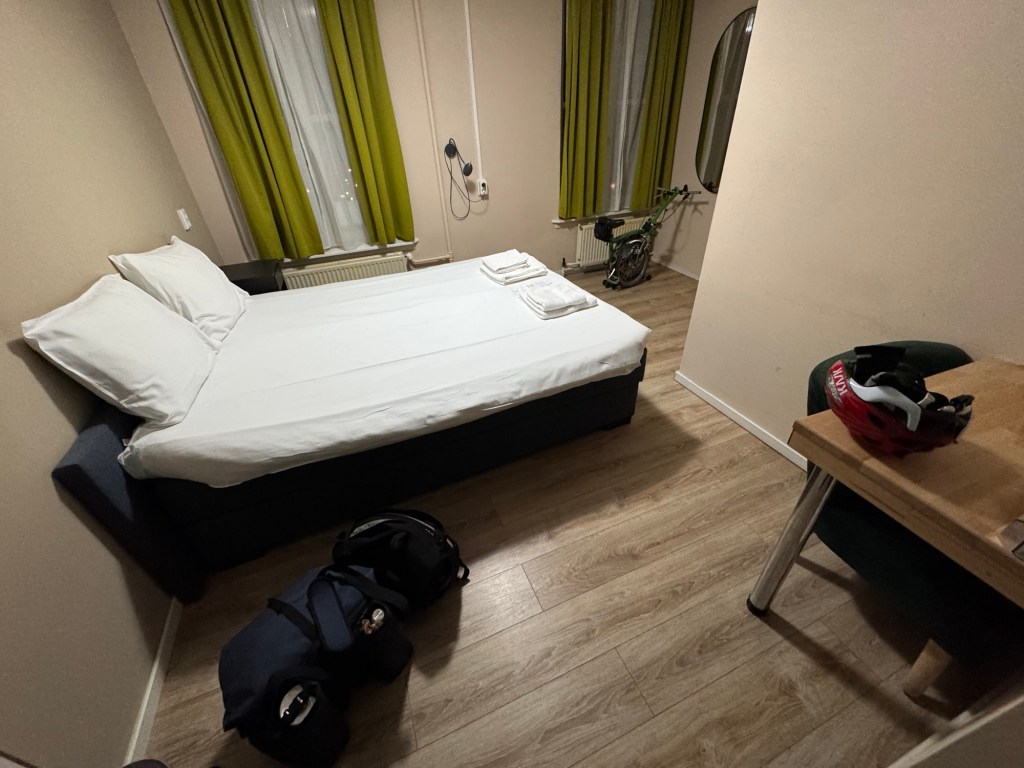
Room is basic with no kettle, rather inconveniently.
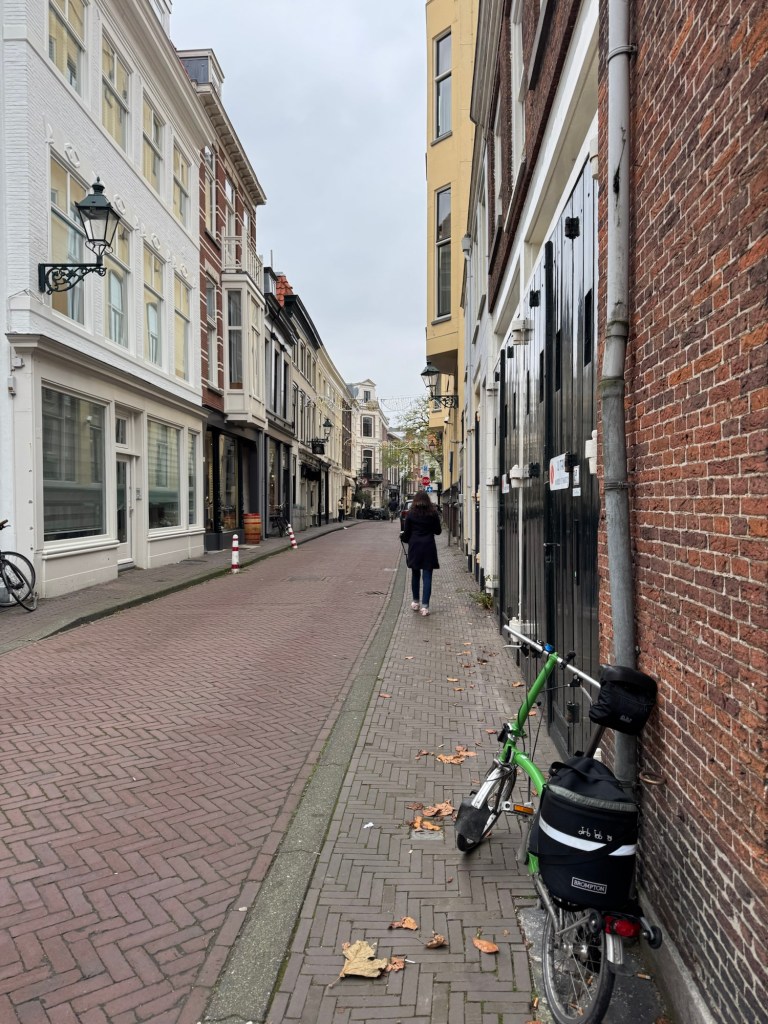
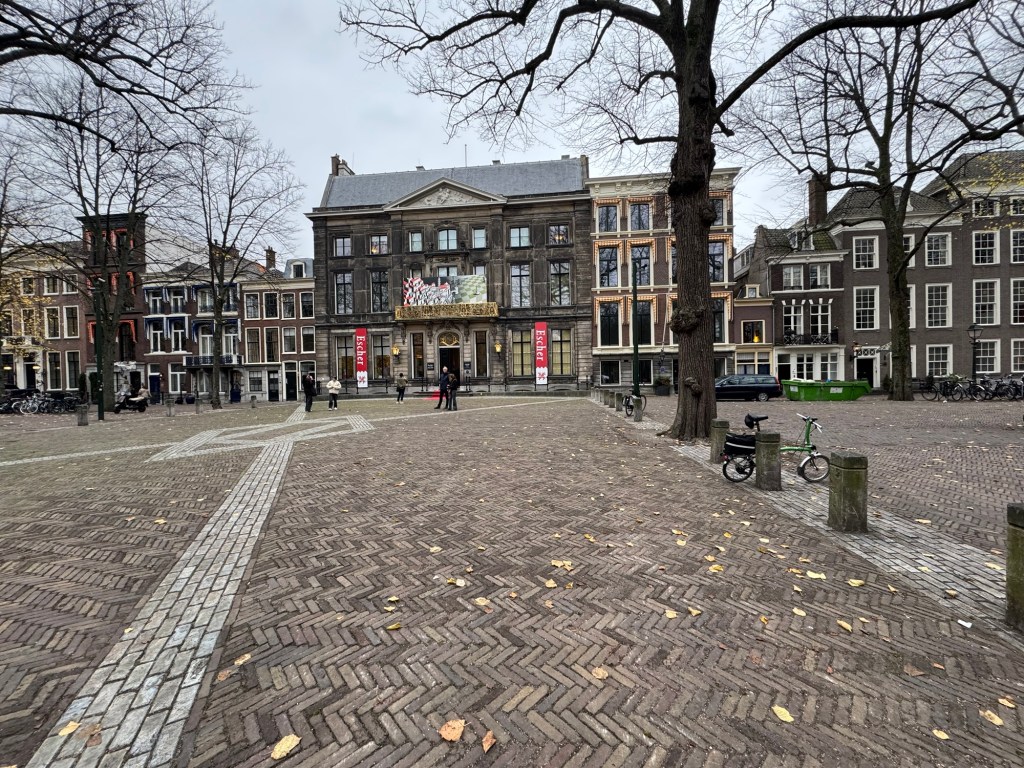
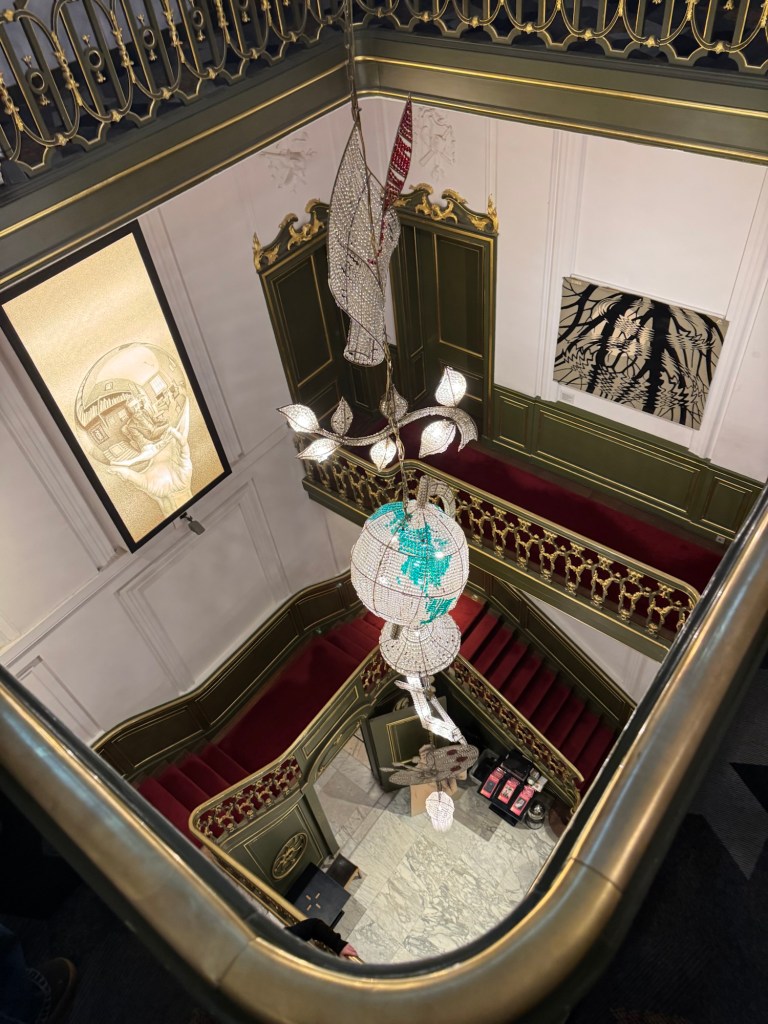
The Escher exhibition in a former palace is worth the visit.
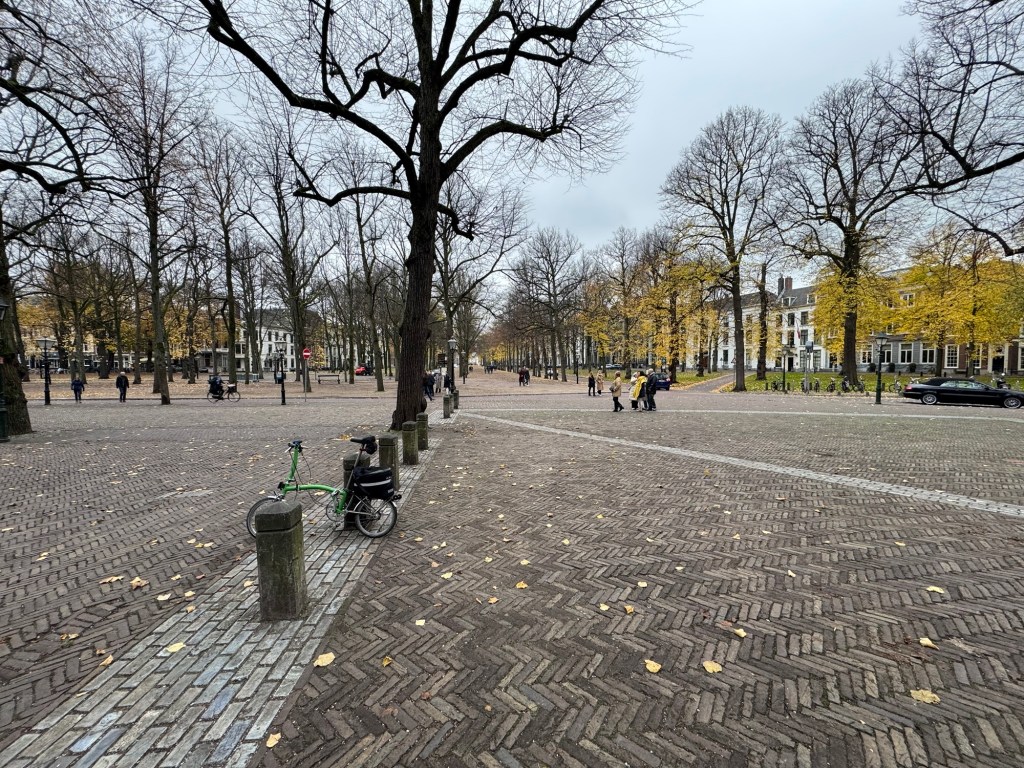
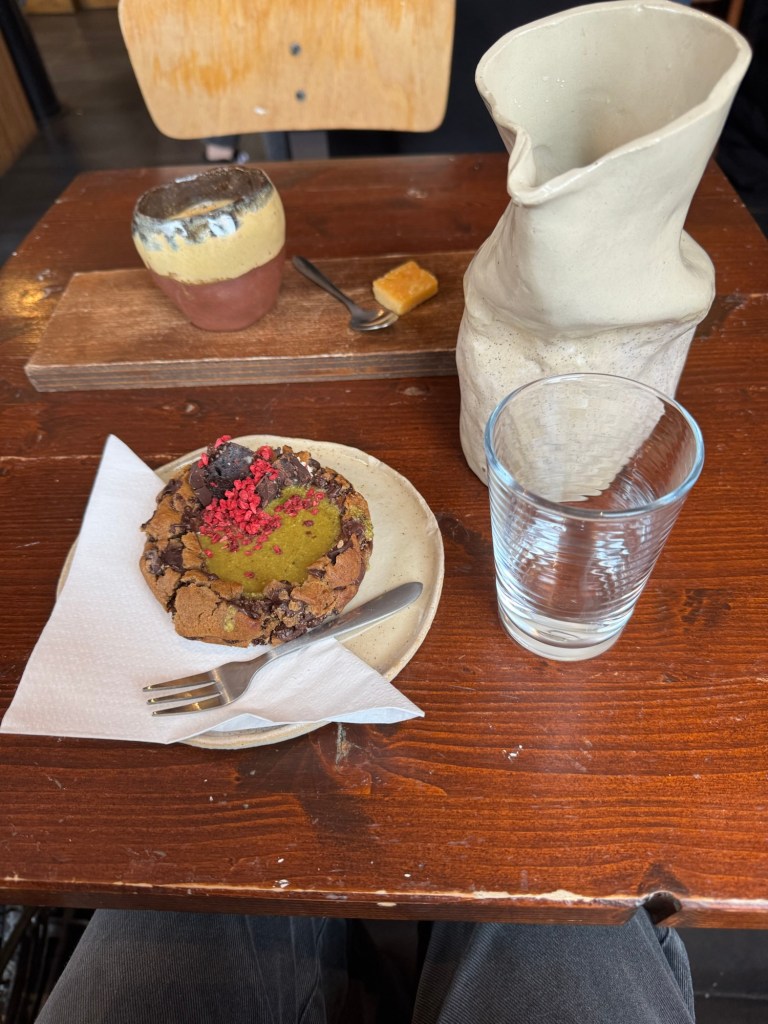
Having left the exhibition I stumbled on the Sintetkaas parade., which was impressively long. Before the parade children and parents thronged the streets. I grabbed a coffee in Vascobelo – V Den Haag.
Unfortunately the cycle back in the rain resulted in a soaking.
The people in Den Haag are extremely friendly and international.
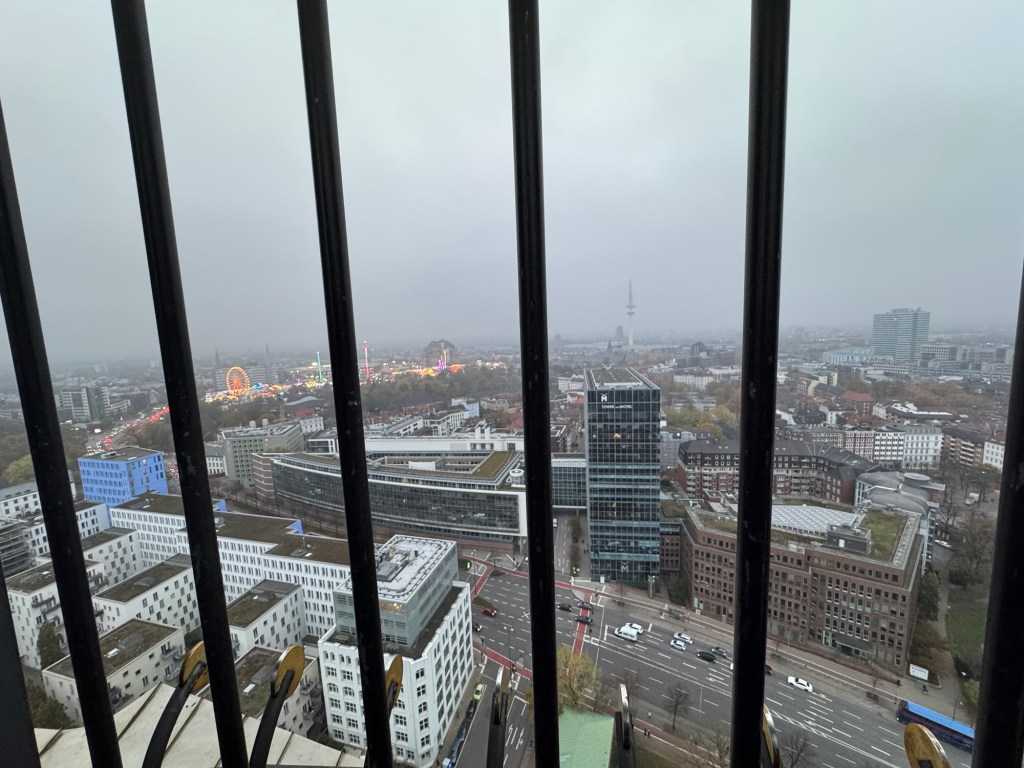
Hamburg combines a massive port, industry with a beautiful city including two large lakes, Binnen Alster and the Außen Alster. Lots of history, lots of culture, lots to see. And the there is the Elbe, used by ships to reach Hamburg, which is inland. The container port is built on the Elbe.
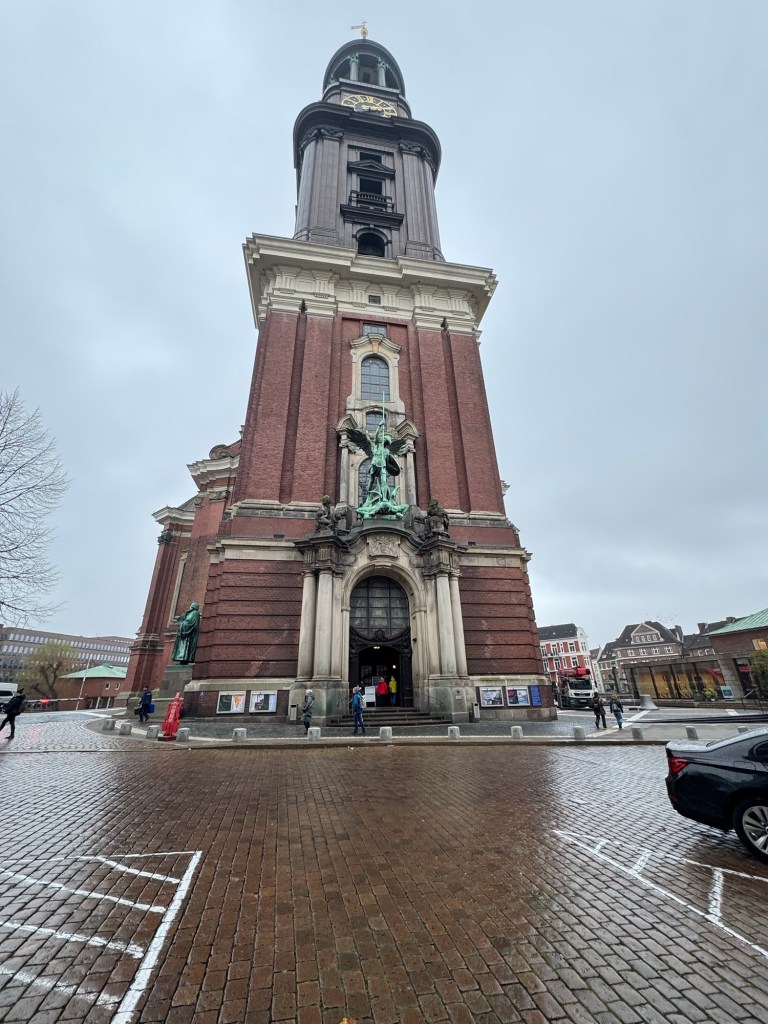
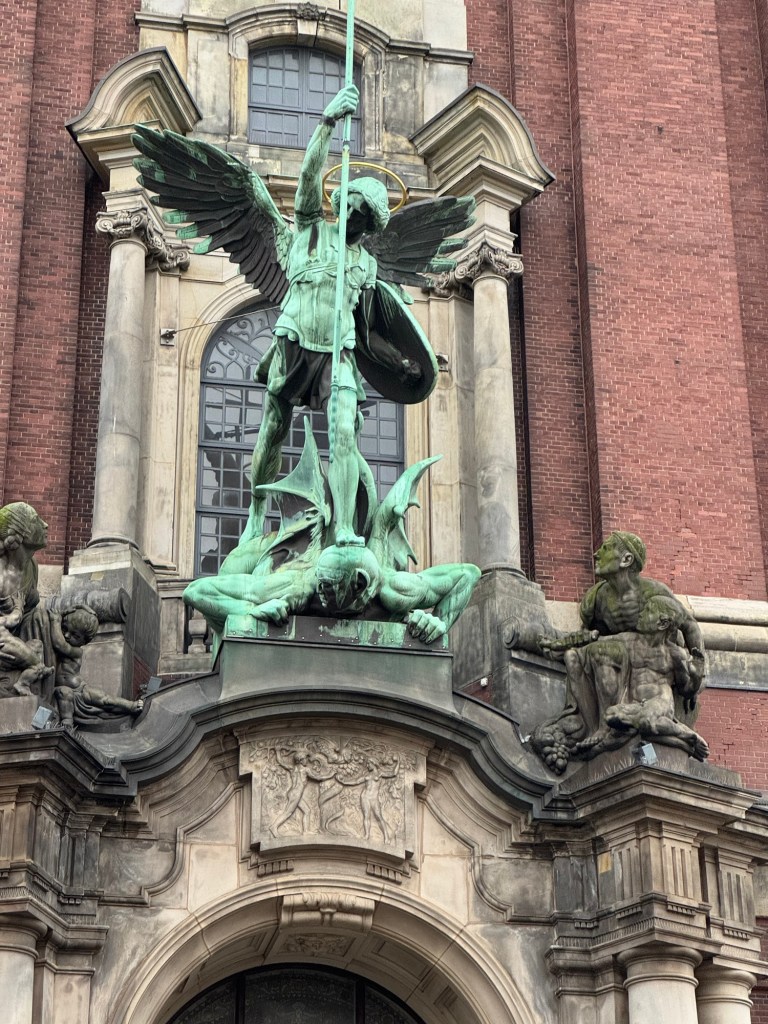
Hamburg has a number of impressive churches.
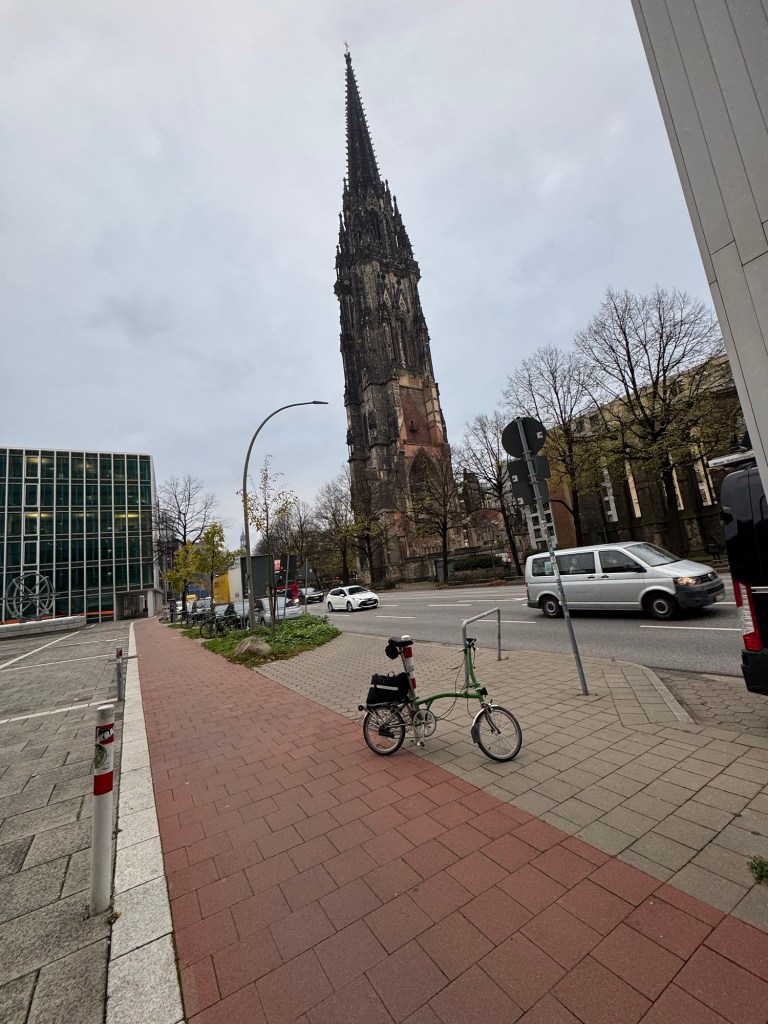
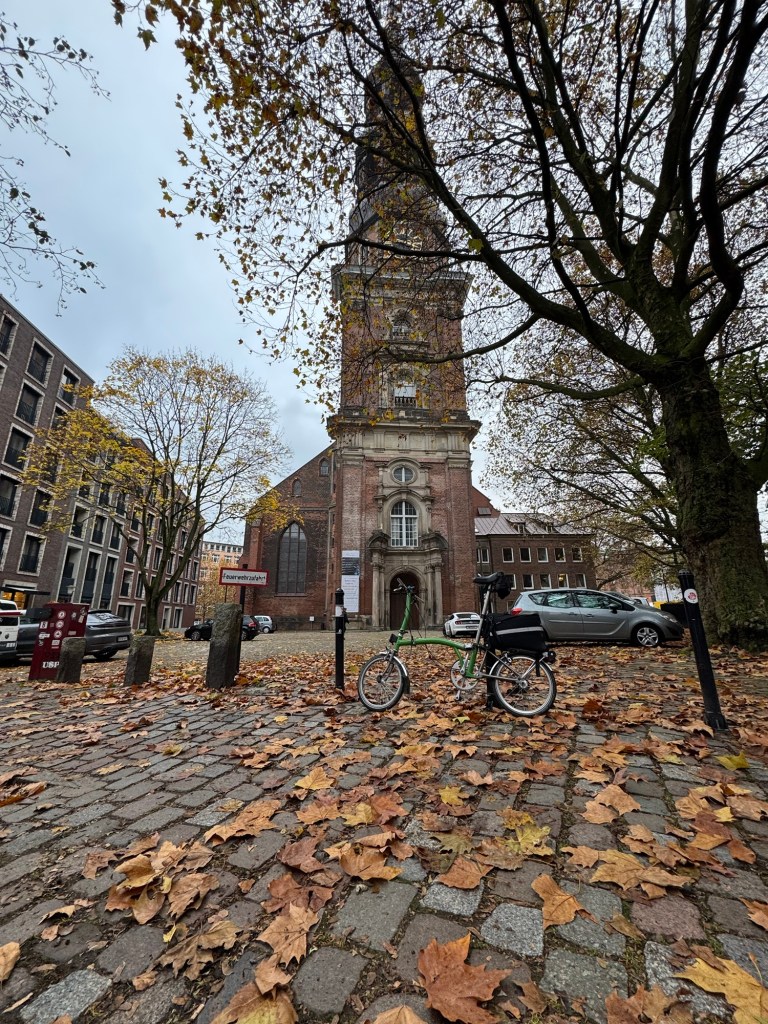
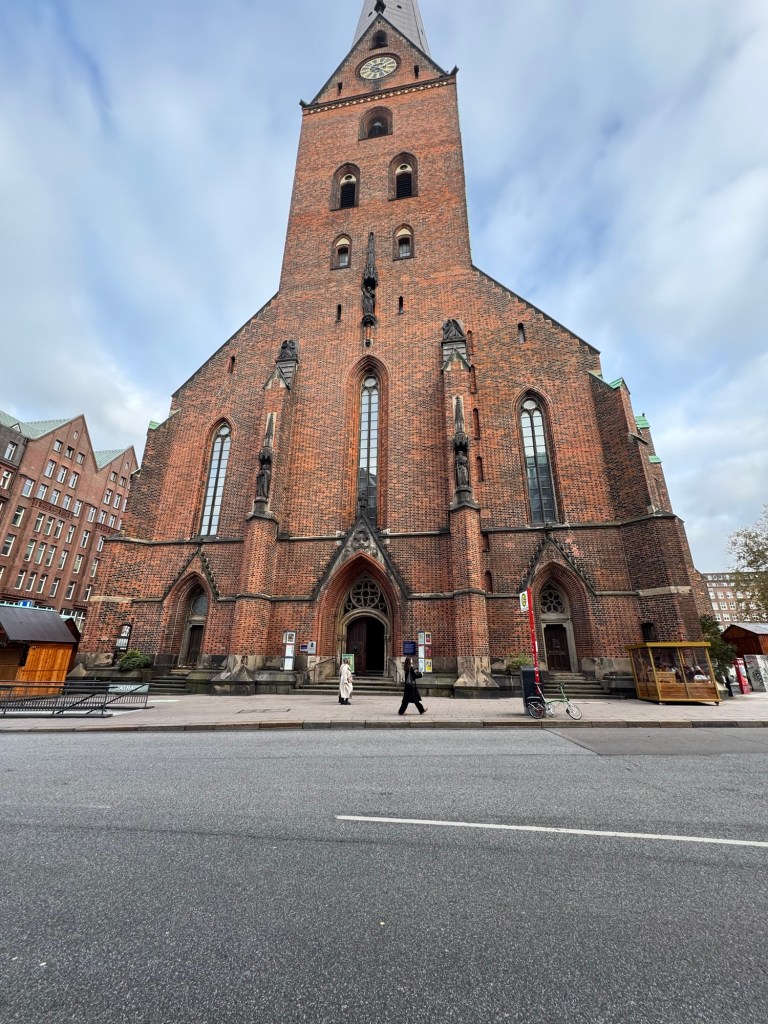
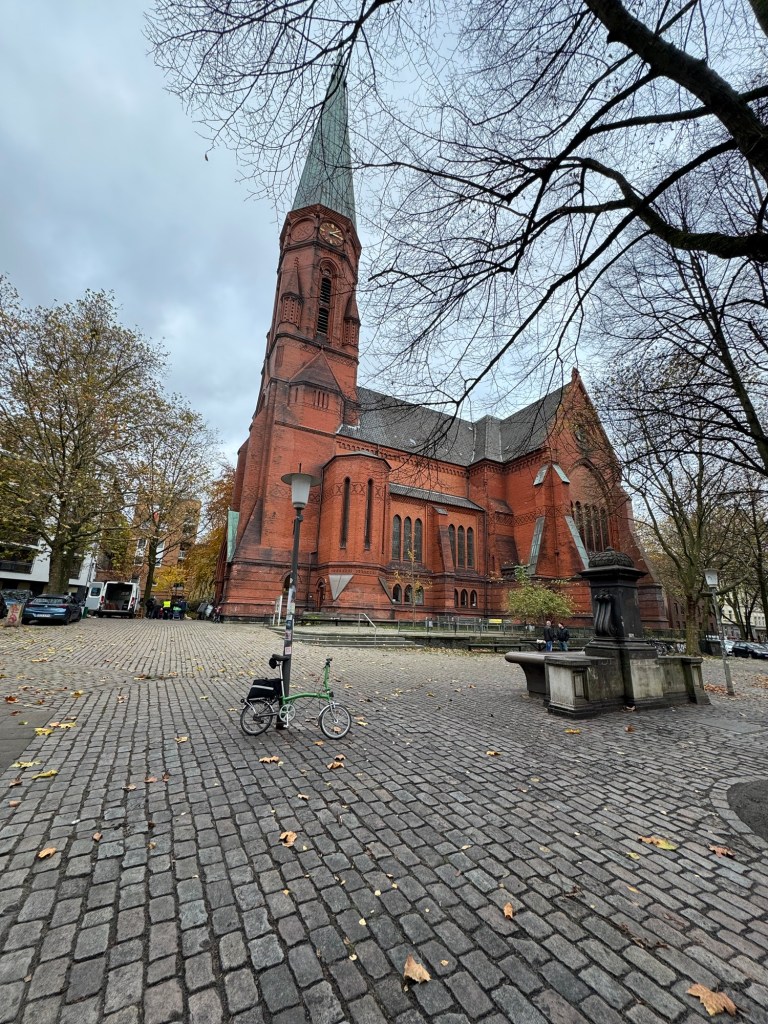
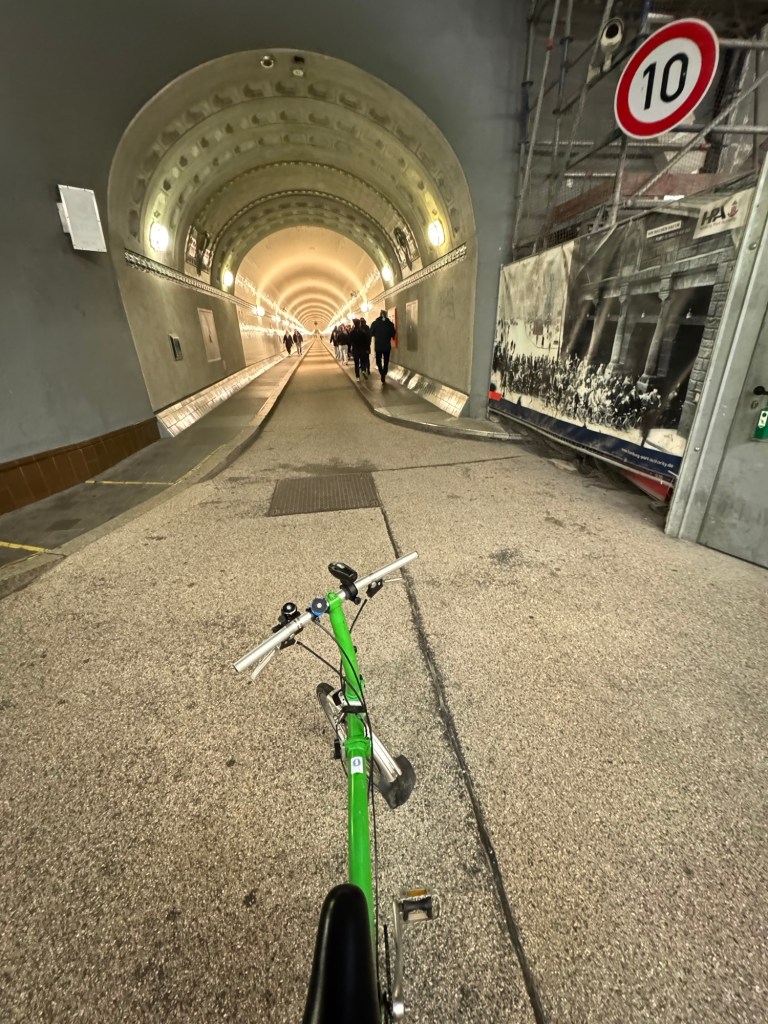
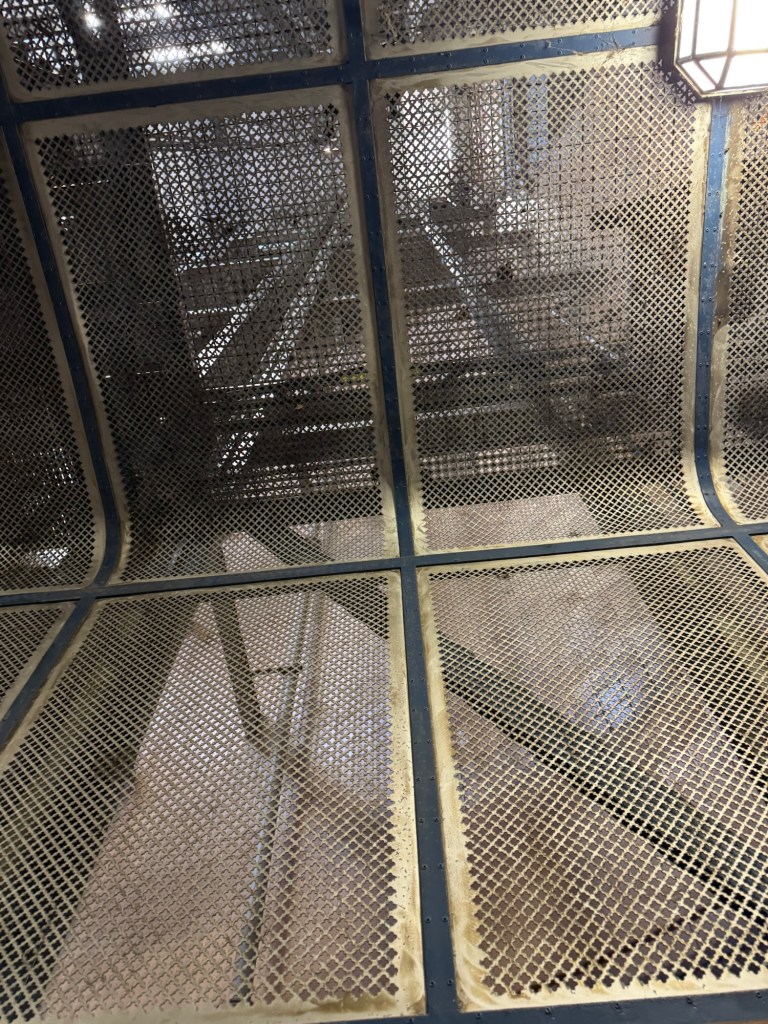
Not as old as the churches is the Elbtunnel opened 1911. You can cycle or walk through it, free of charge.
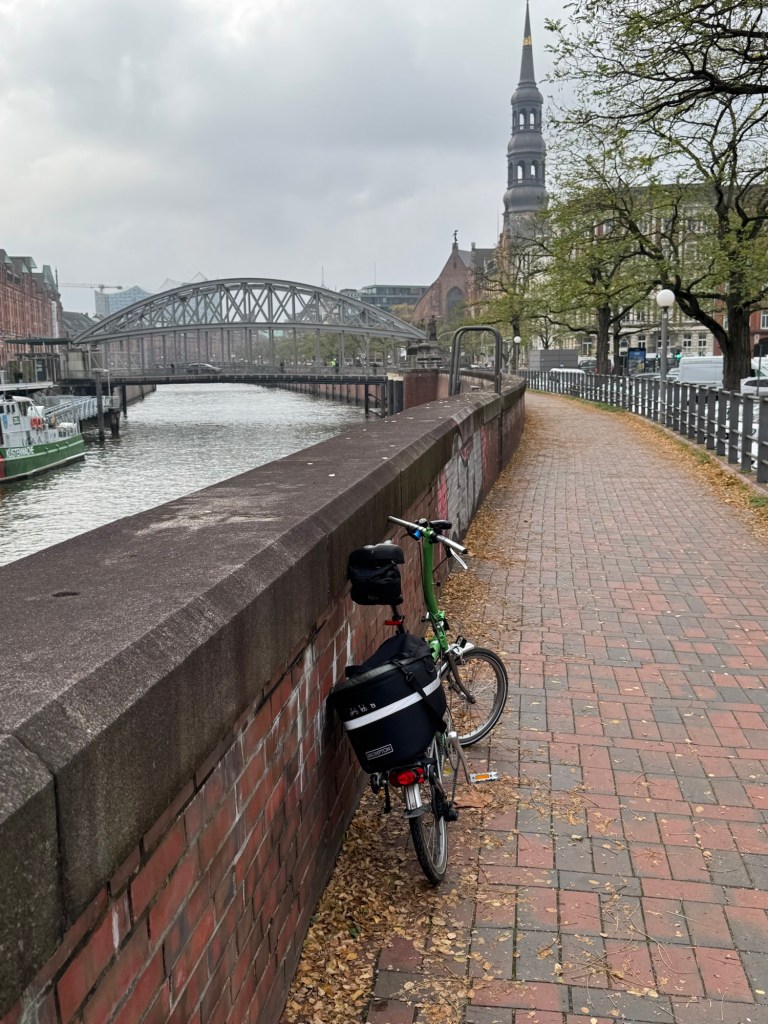
And then there is the Spiecherstadt. A complex of old warehouses next to canals. Now mainly repurposed.
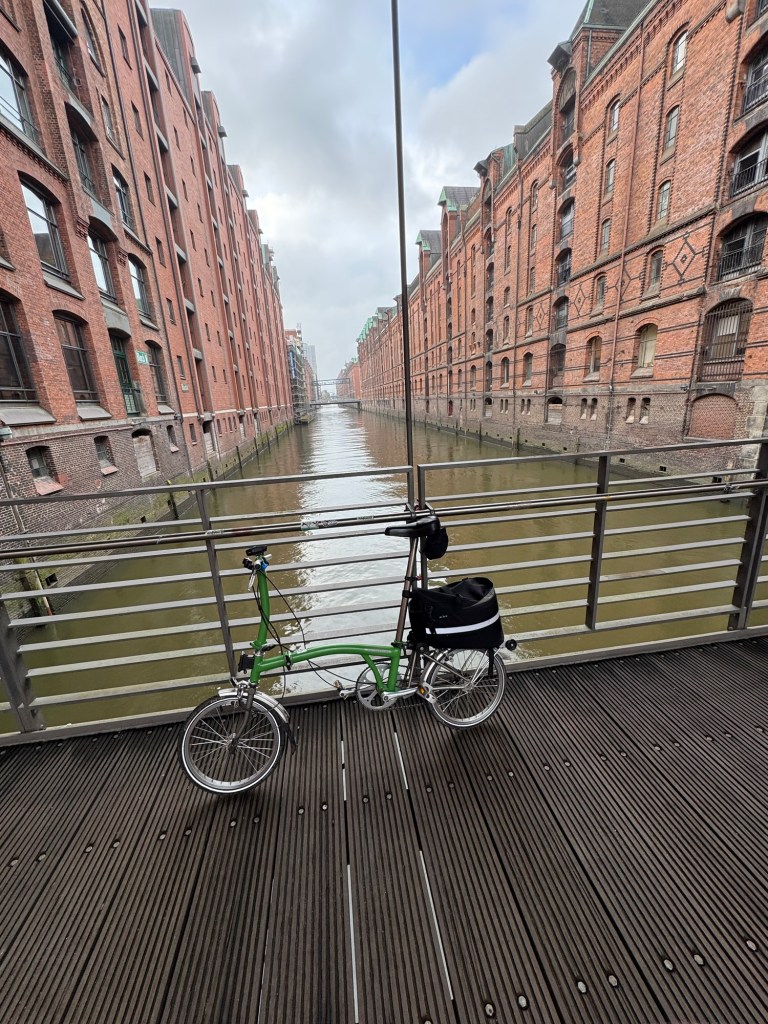
Some of the bridges have two levels.
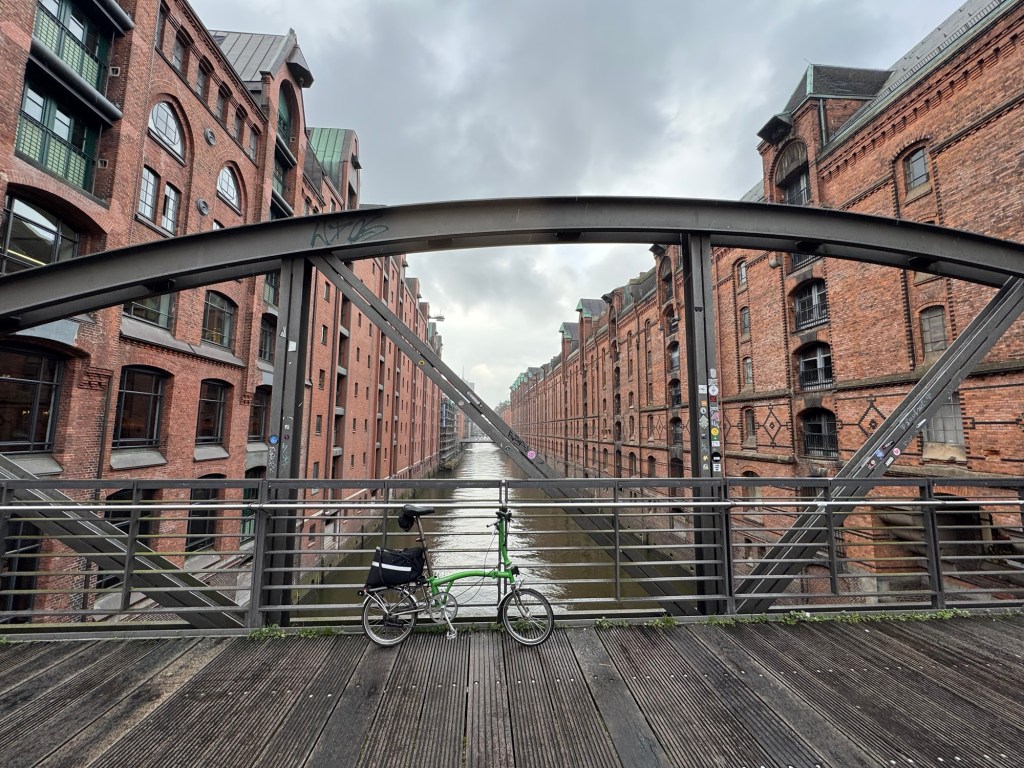
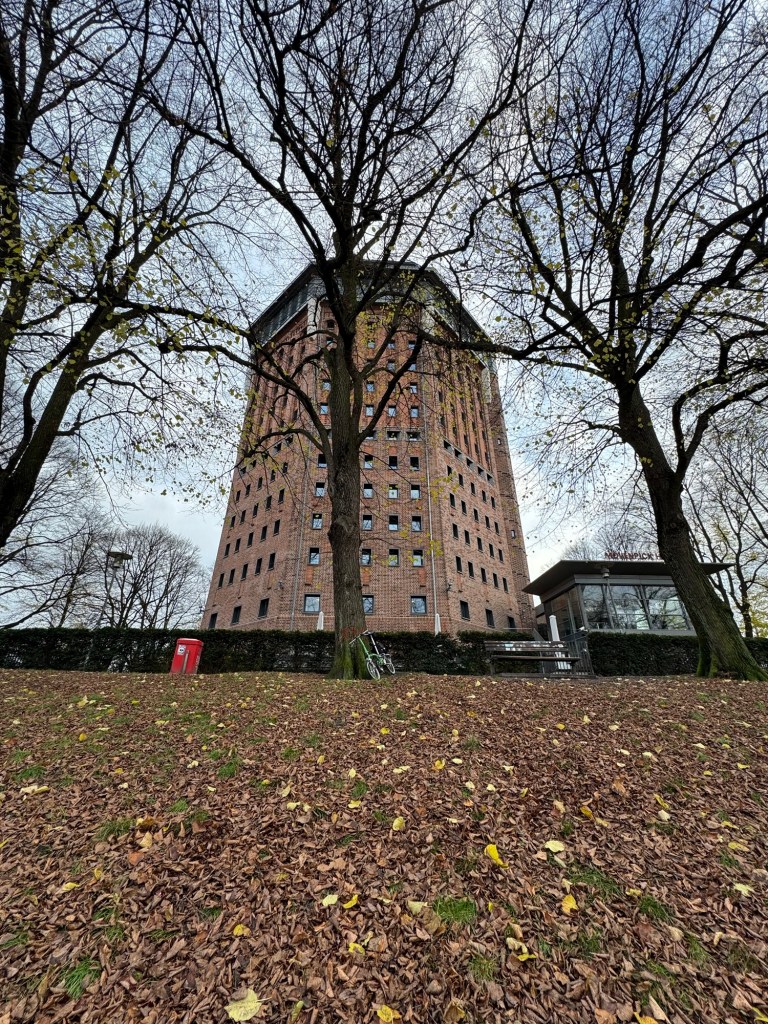
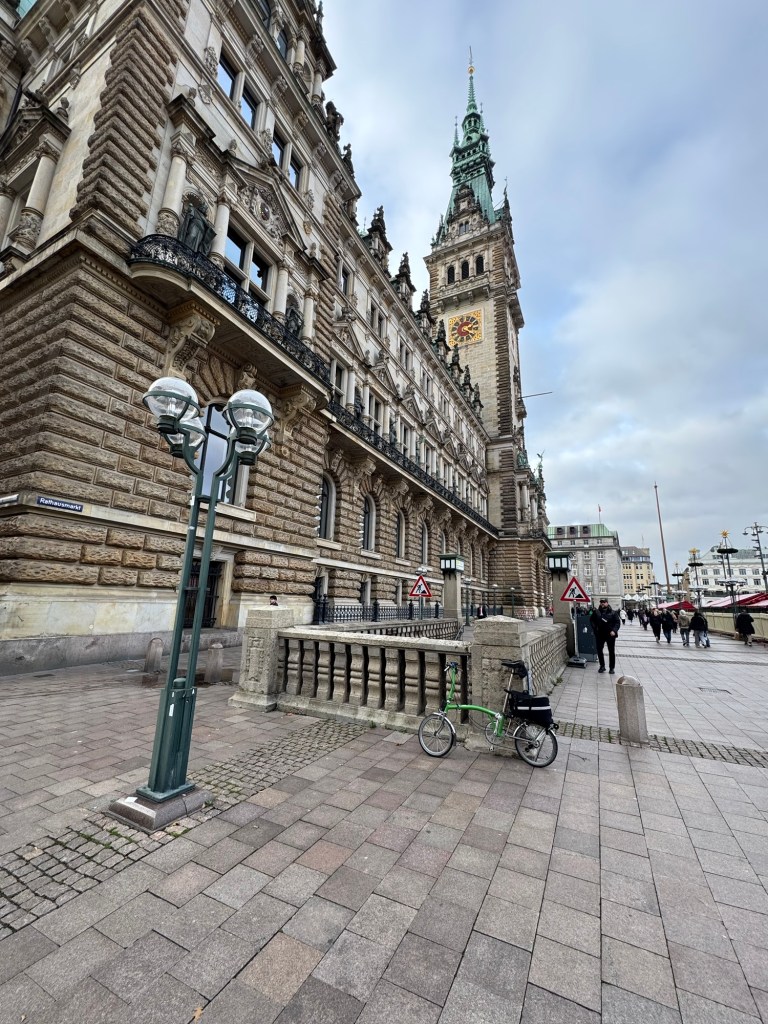
There are other interesting buildings.
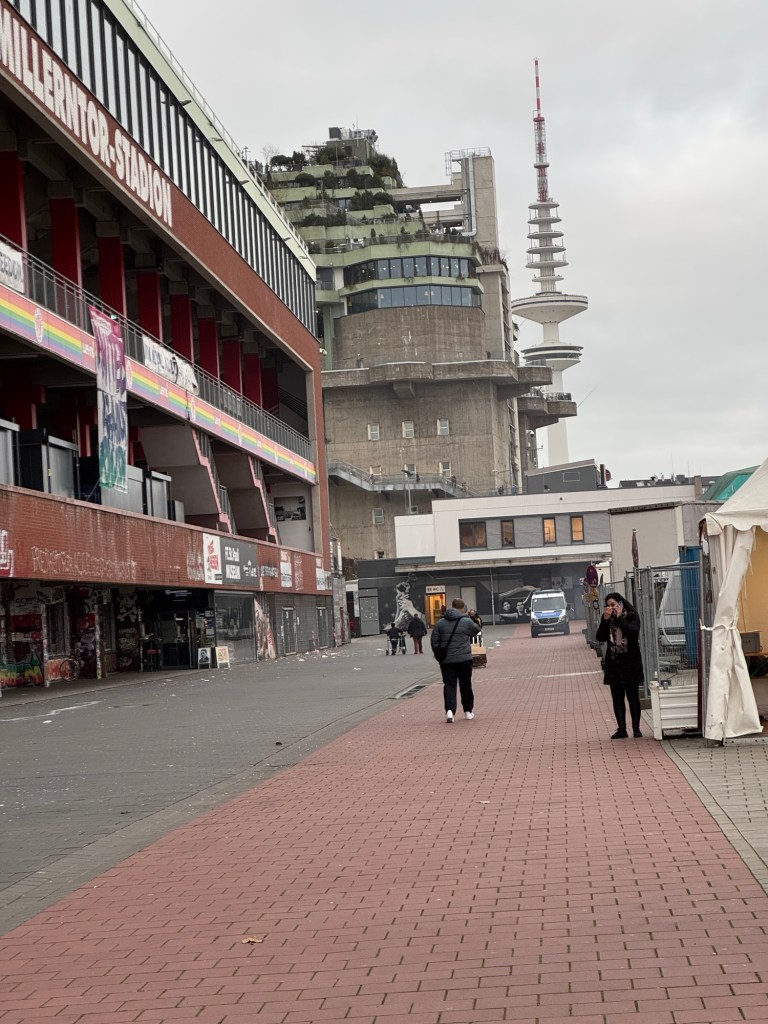
The former bunker now has a garden on top.
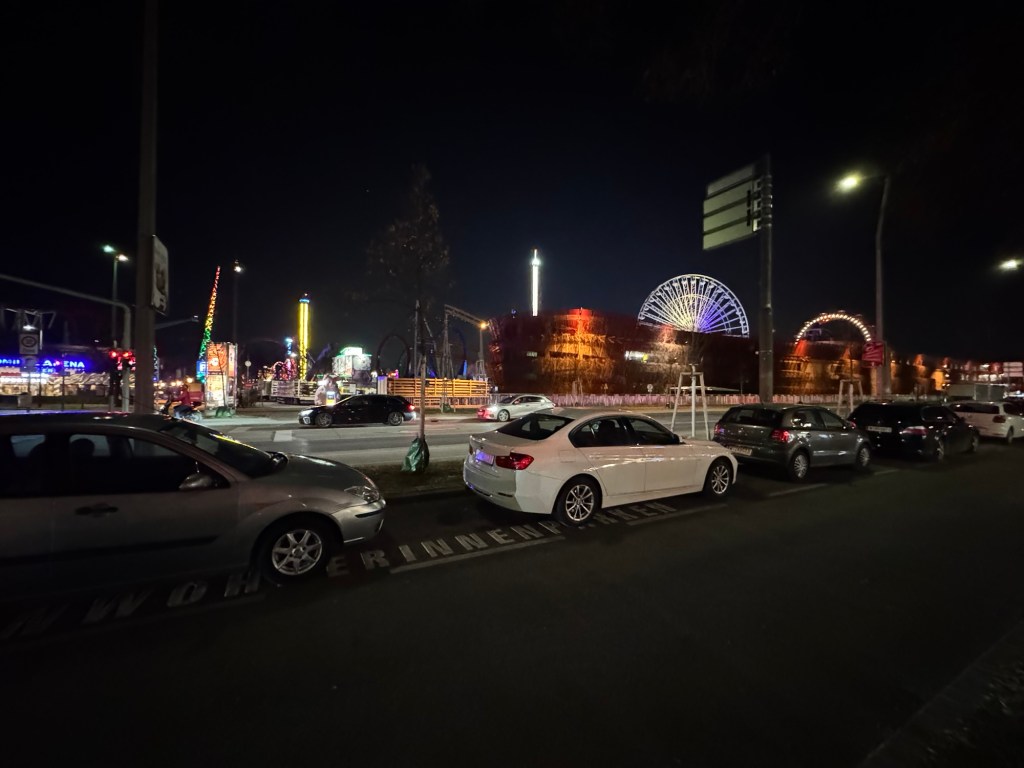
Every year the Hamburger Dom takes place in Winter. It has its origins in the 11th century.
There is a lot of culture in Hamburg, with the Elbphilharmonie standing out as a landmark, built on top of some warehouses.
The Elbphilharmonie is a good place to view Hamburg and the Hafenstadt.
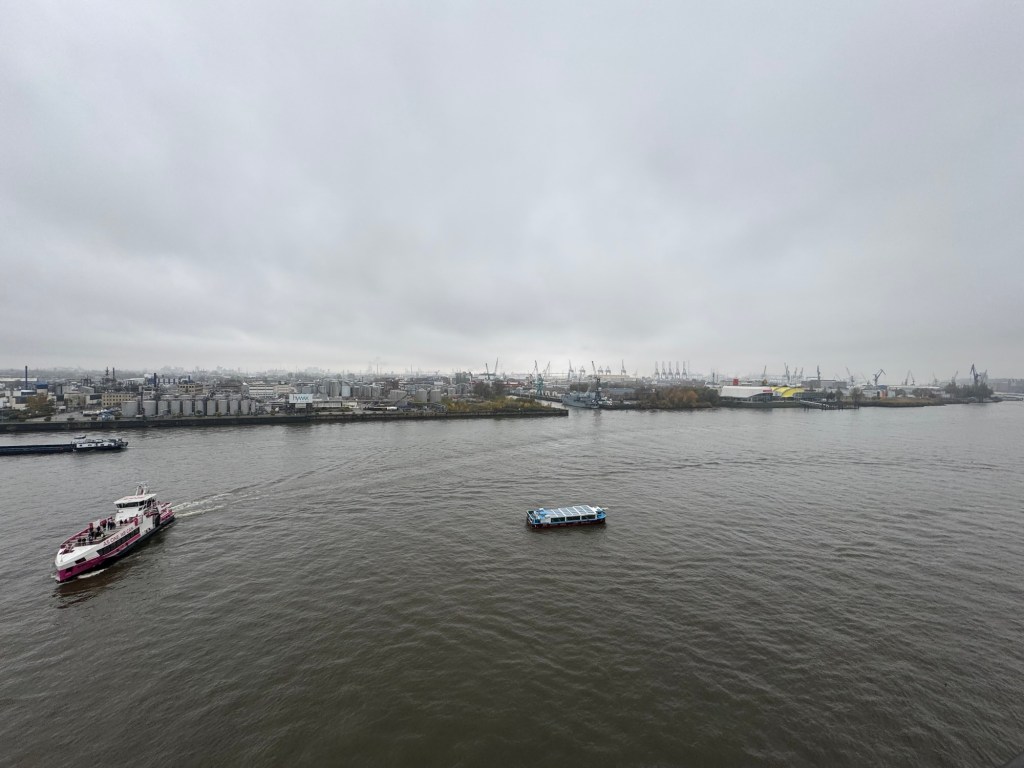
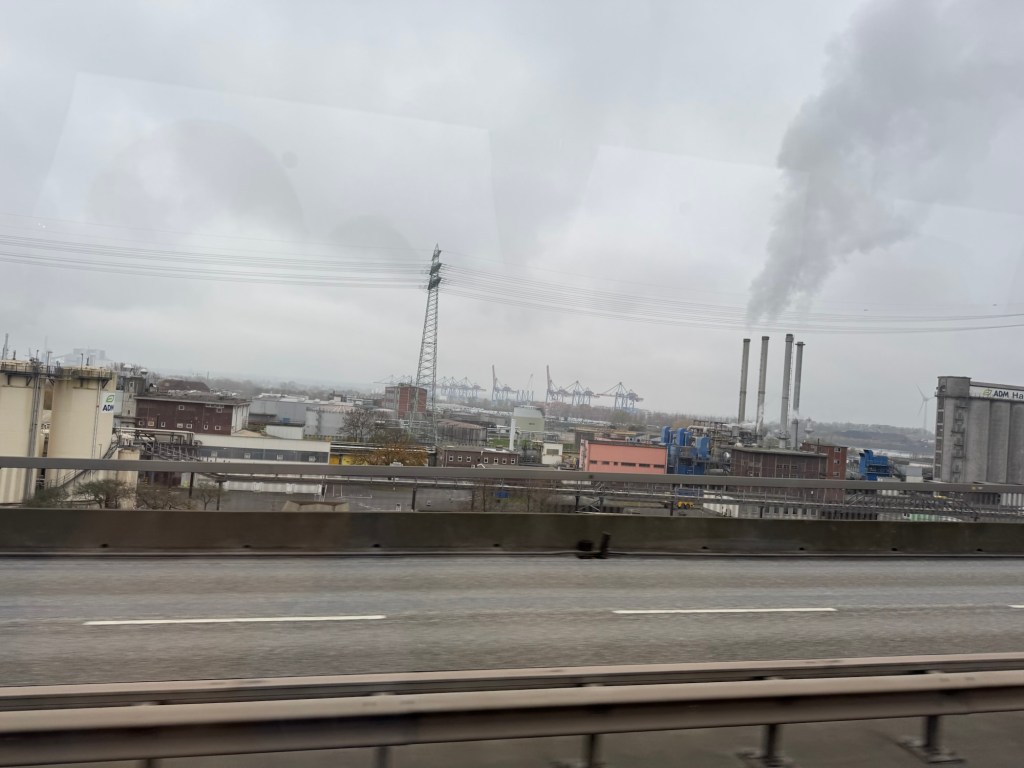
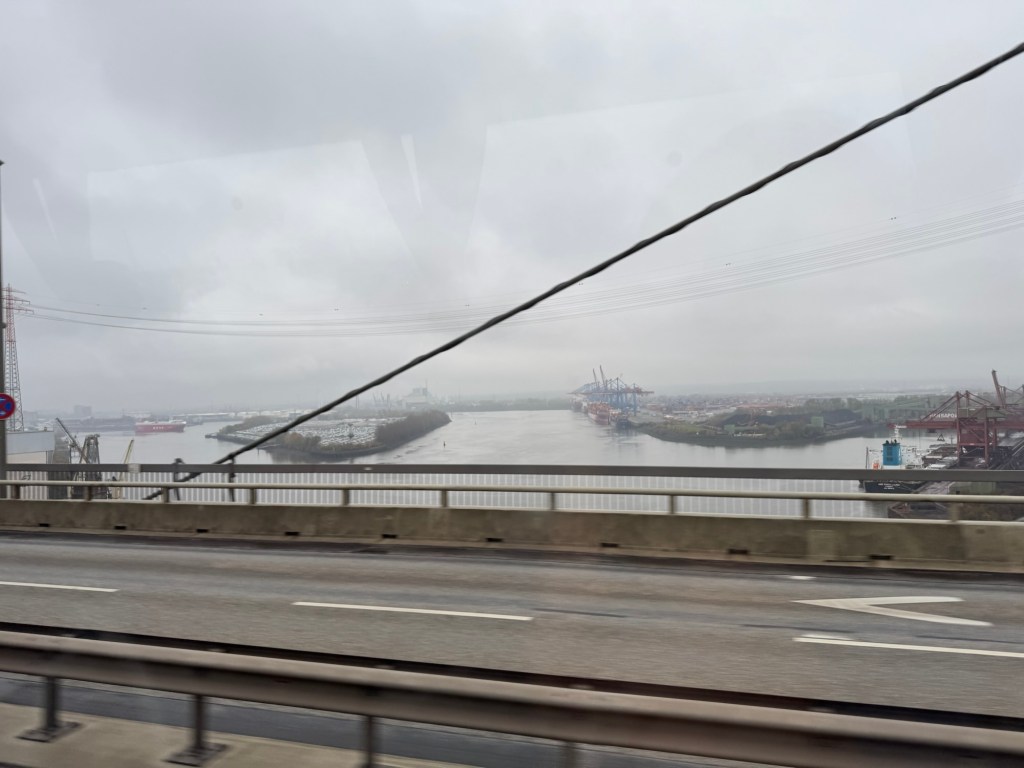
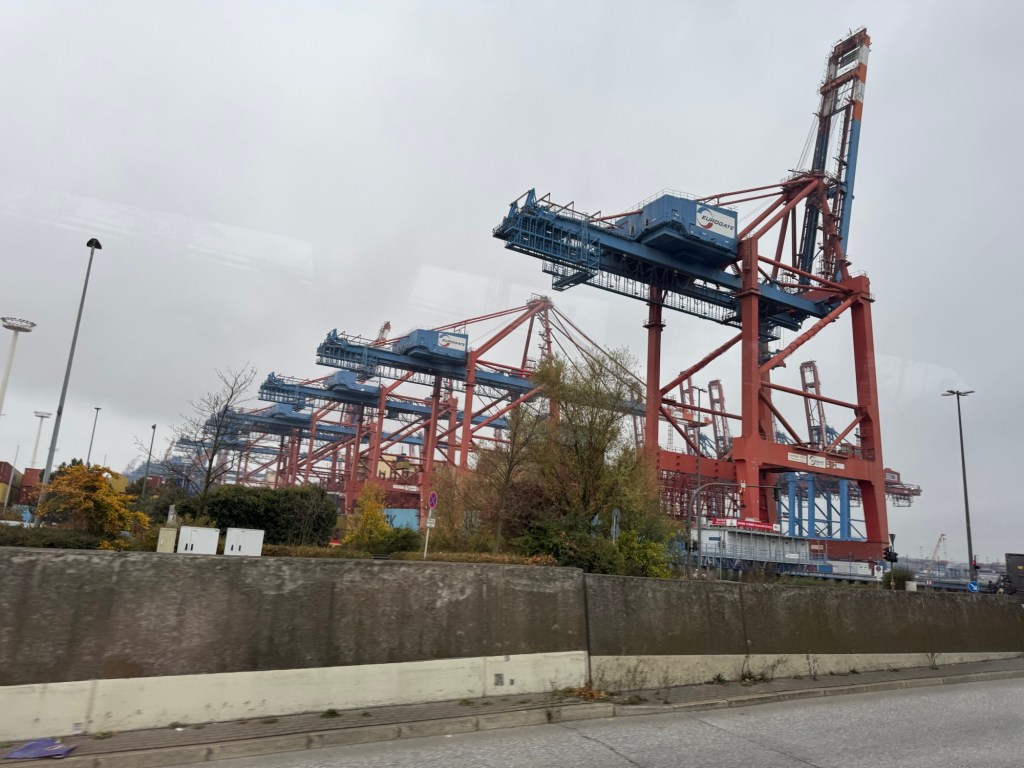
The port is huge, the third largest in Europe. The Elbe gives an advantage, bringing goods inland reducing costs, but the downside is as the ships are getting bigger they can no longer travel up the river.
There is of course the Reeperbahn
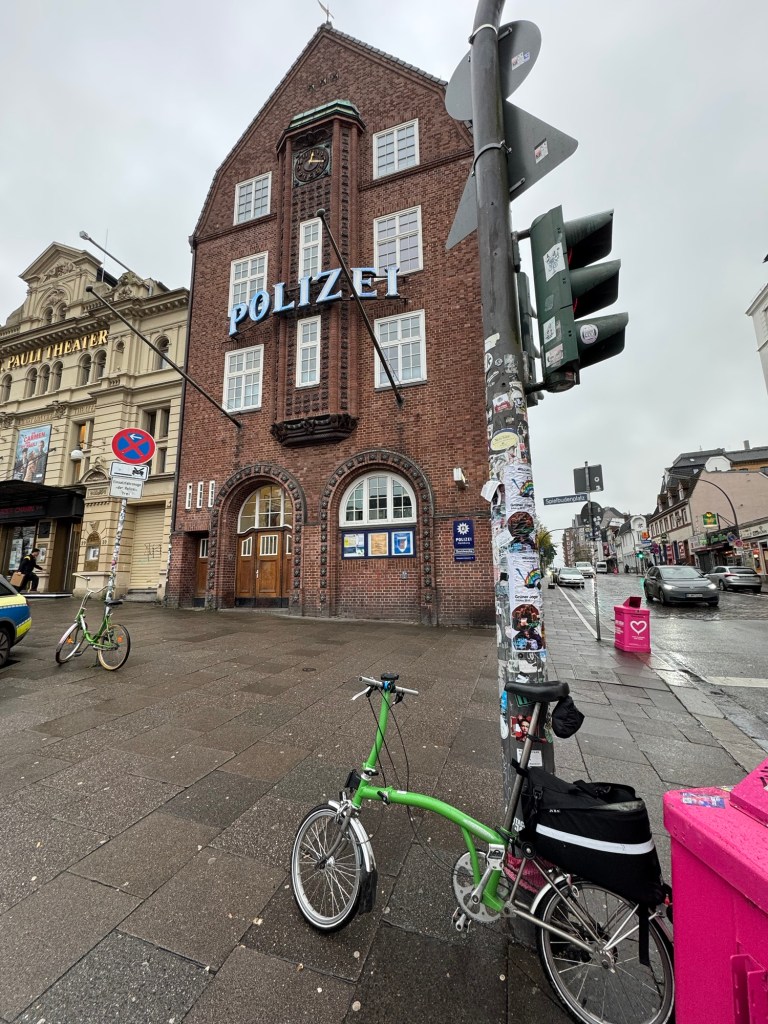
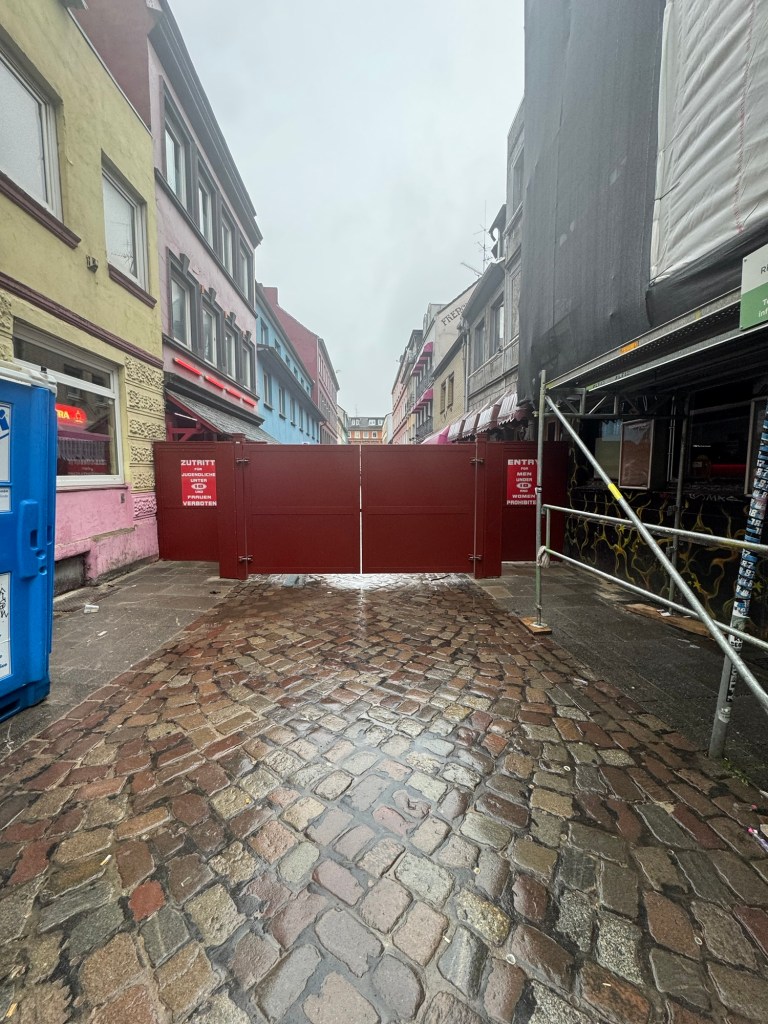
A few more Elbe related pictures.
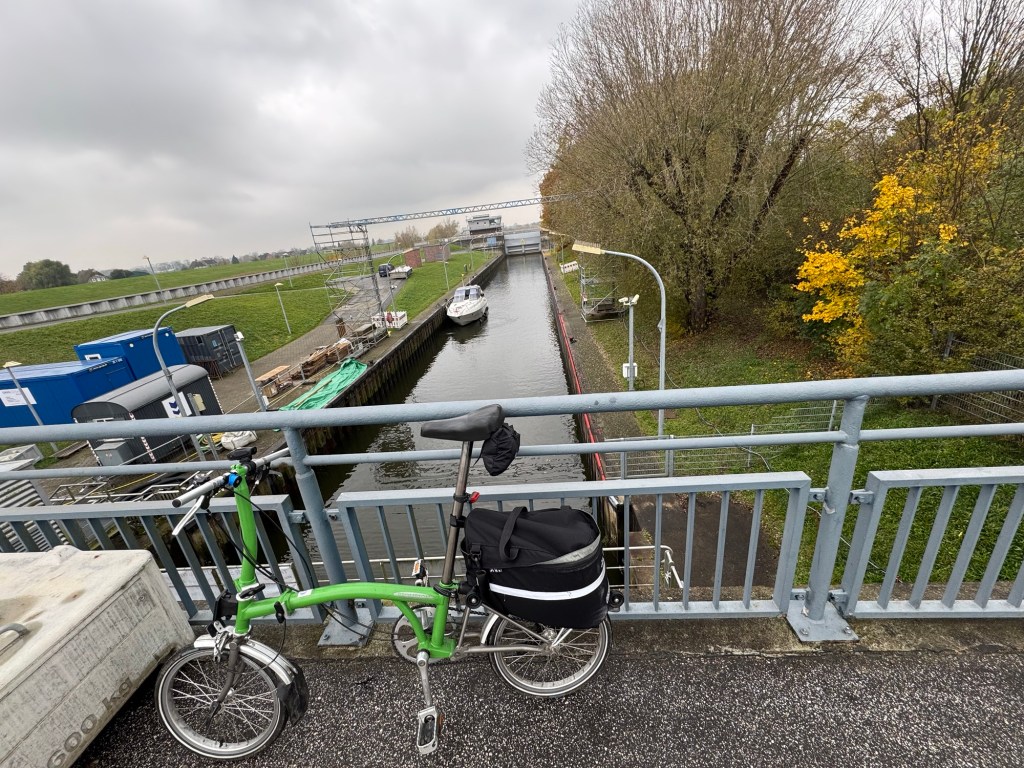
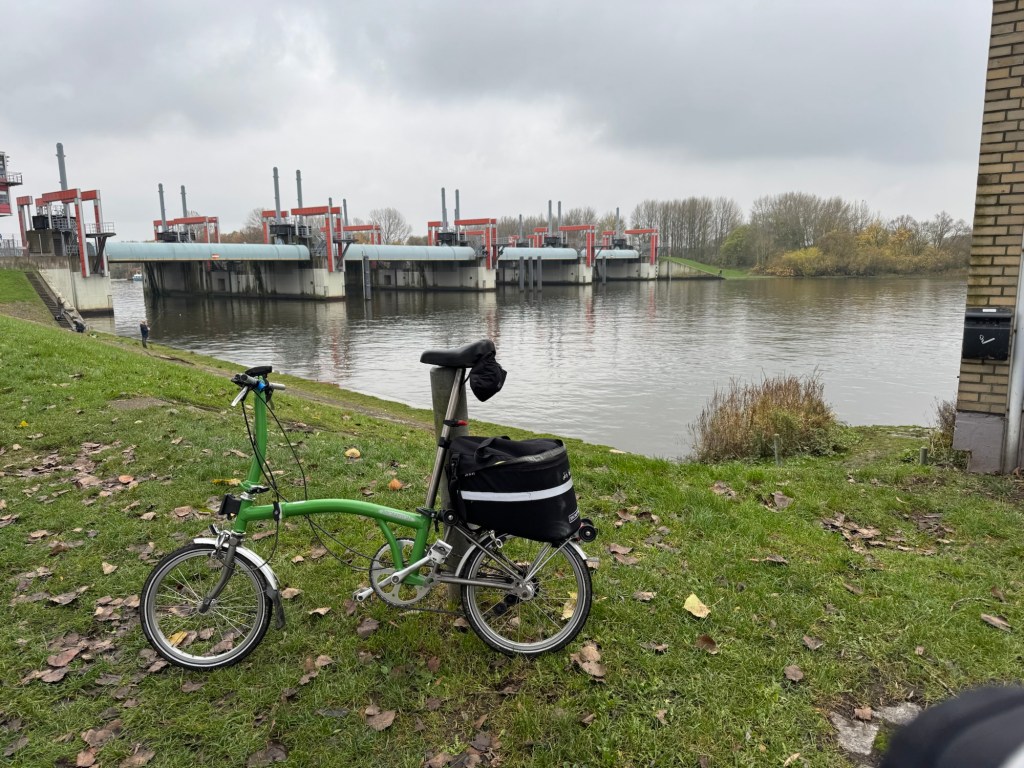
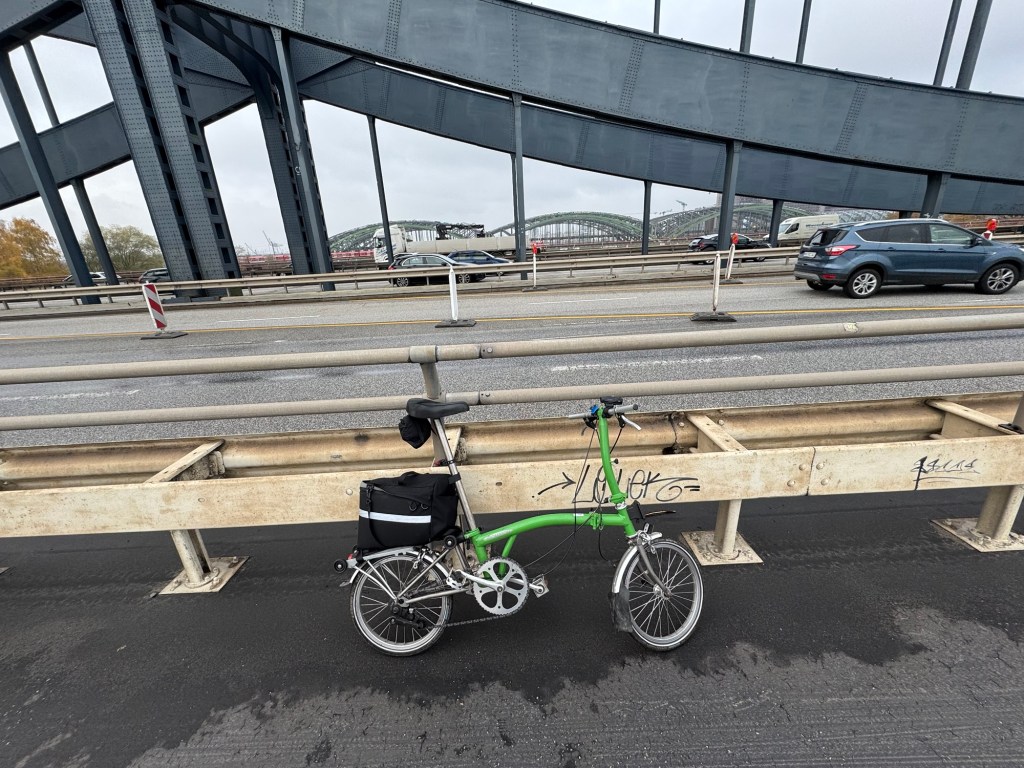
Hamburg is a a beautiful city but like many cities it suffers from the dominance of cars. The roads are crowded with cars and the seems to be little observance of the 50km/h speed limit. Unpleasant!
There is good provision for cyclists, but could be better. Occasionally the routes are not clear and there are frequent road works which particularly seem to affect the cycle paths. Touring Hamburg on the bike was fun.
And a tip for rainy days. Buy a HVV day ticket and travel on the U3 , which does a loop, mostly above ground, sometimes elevated.