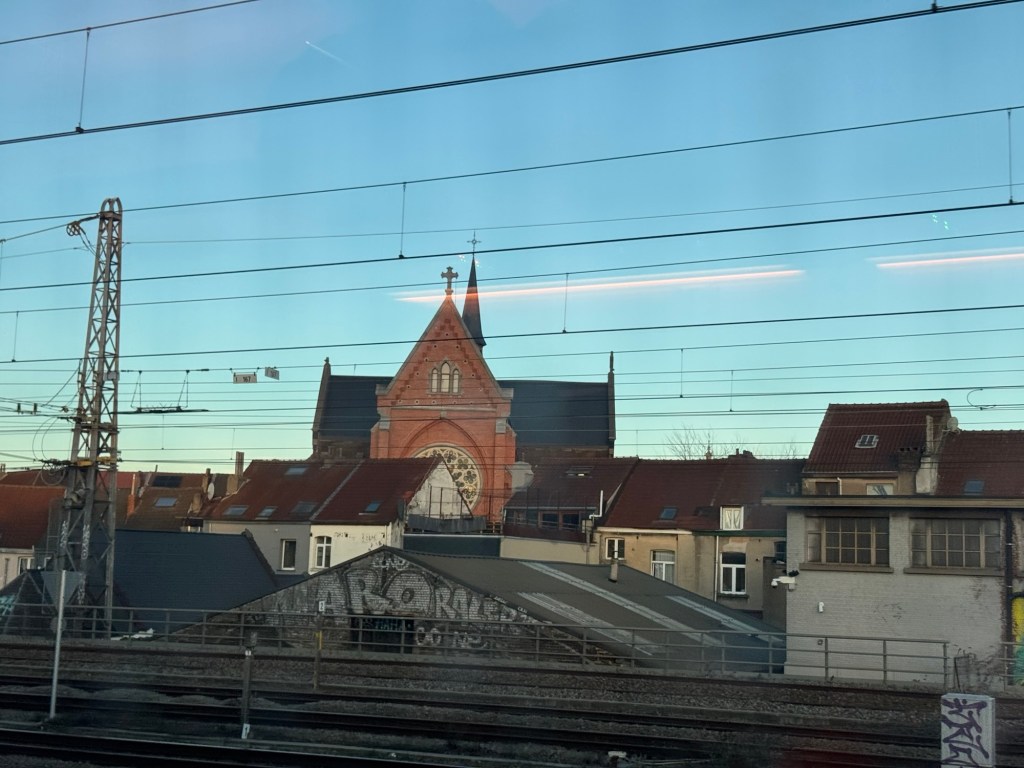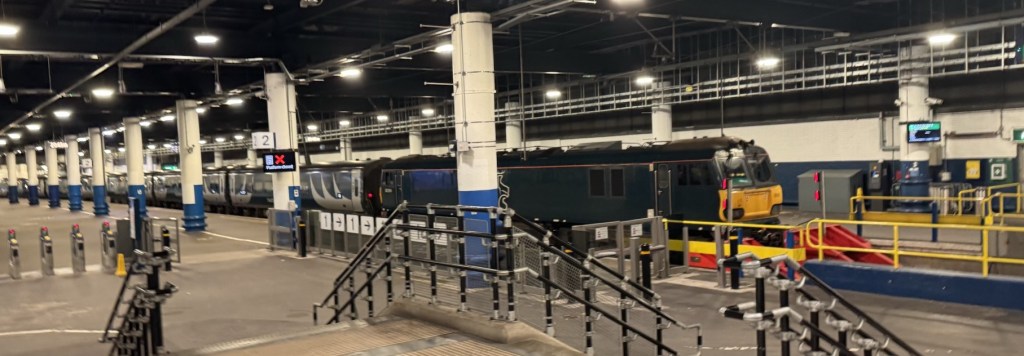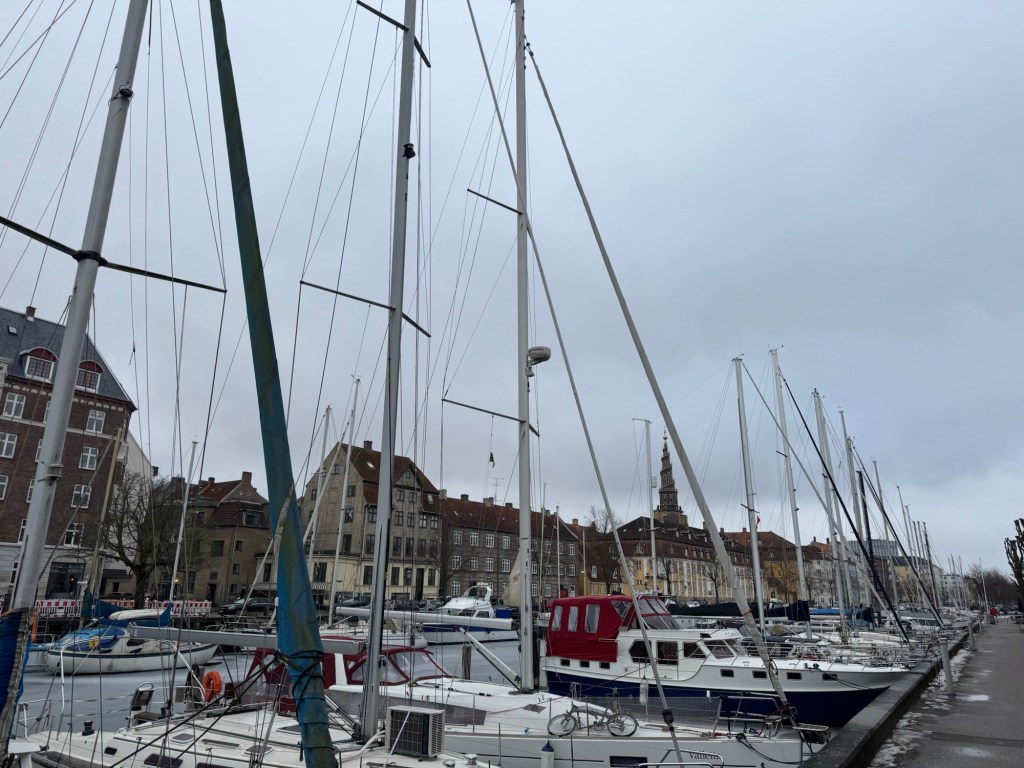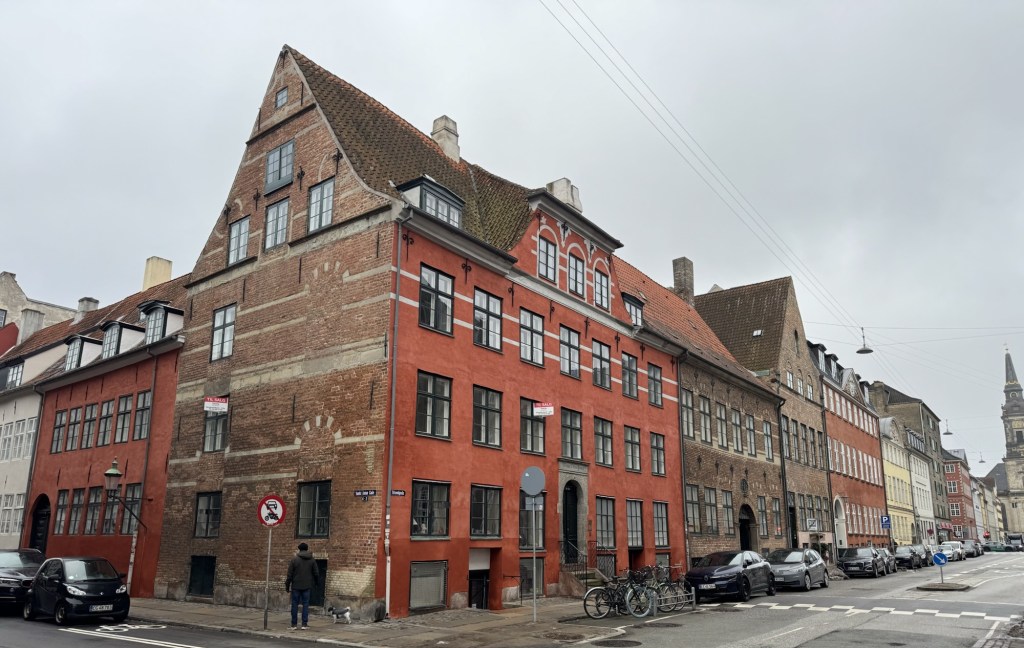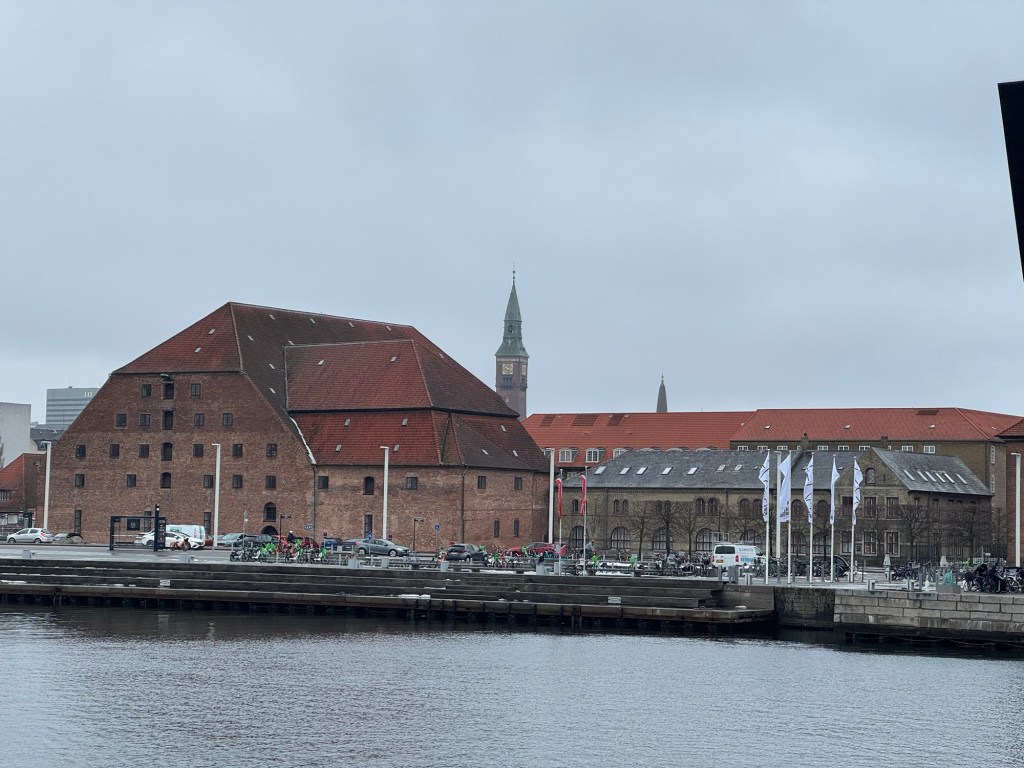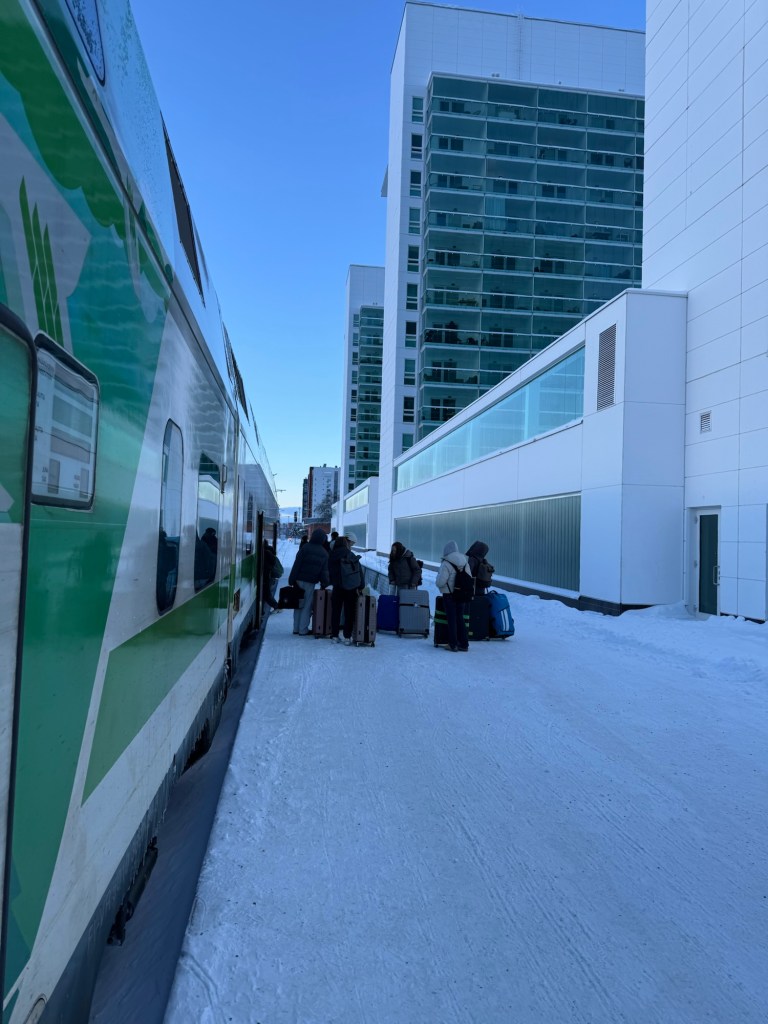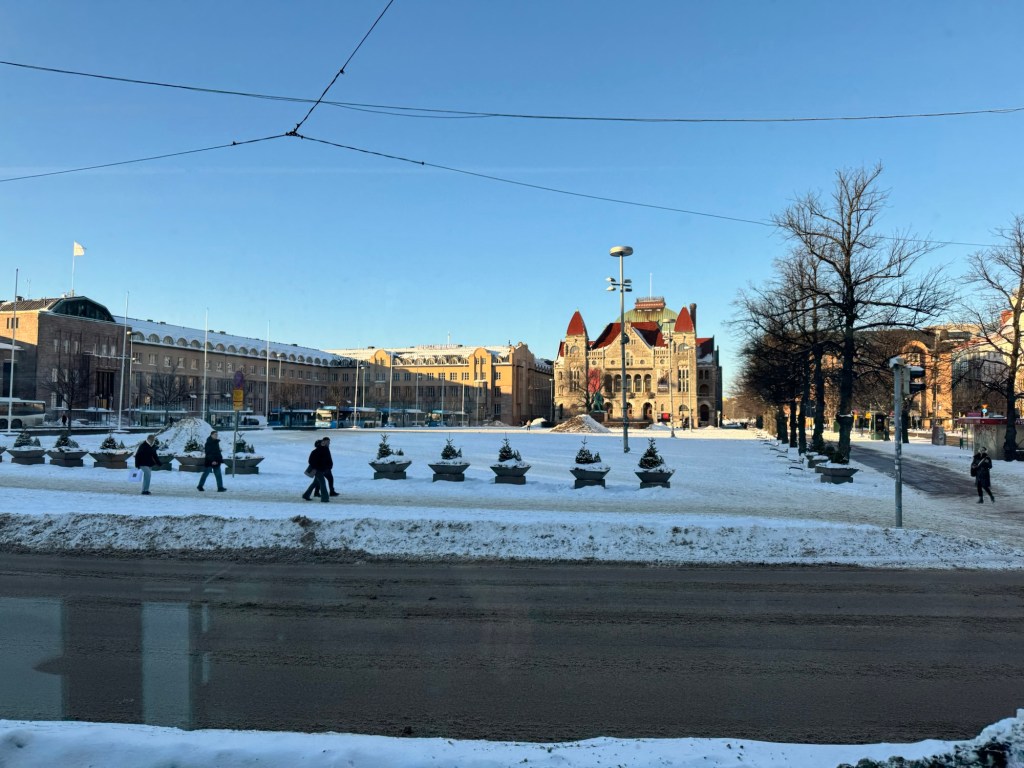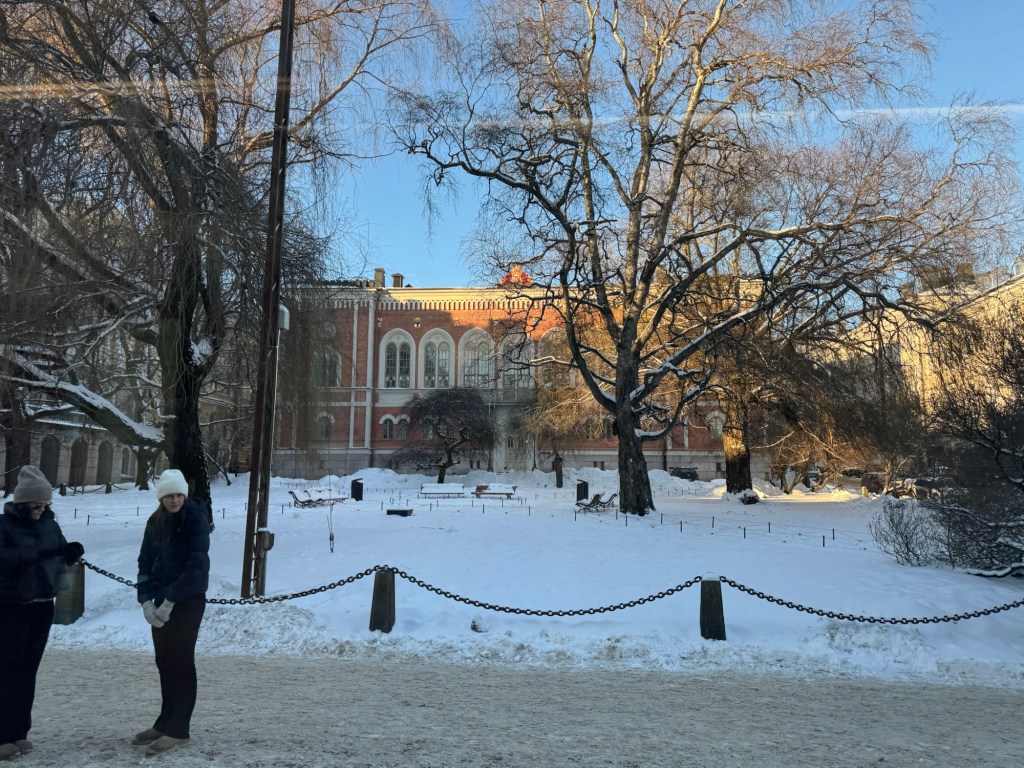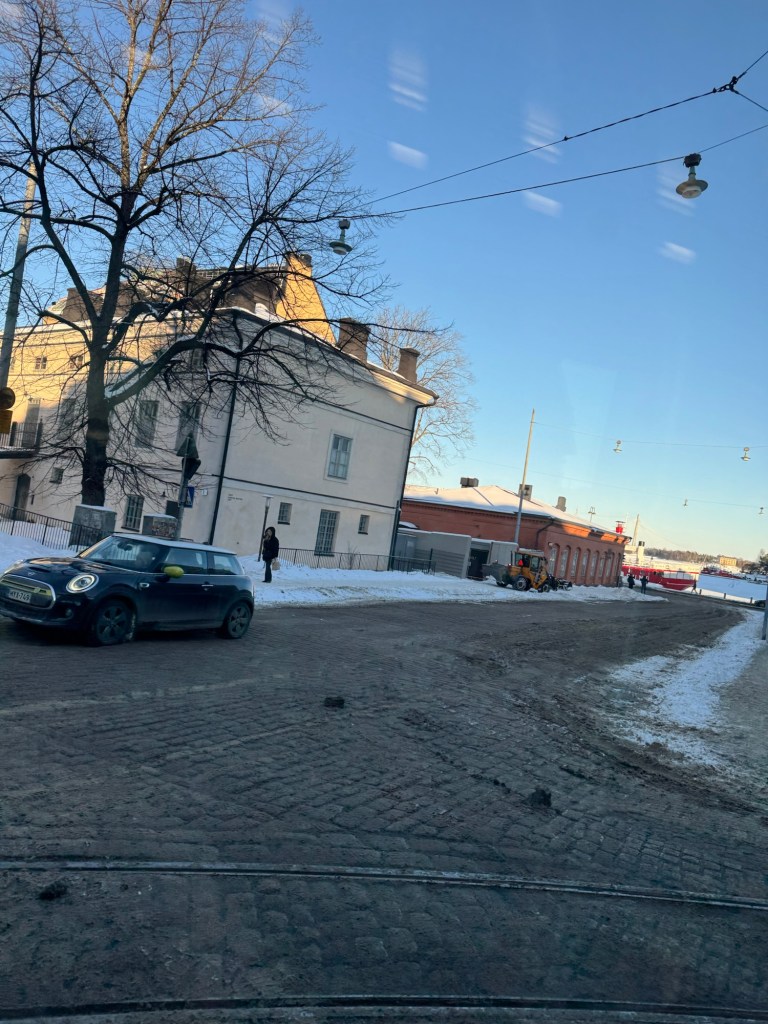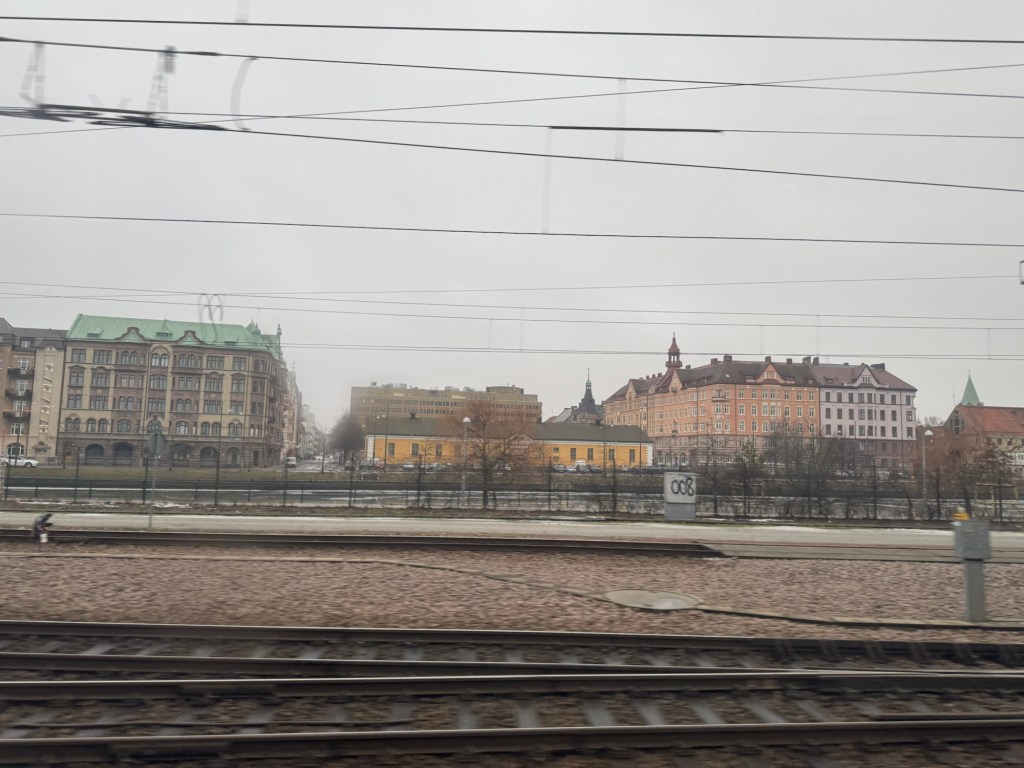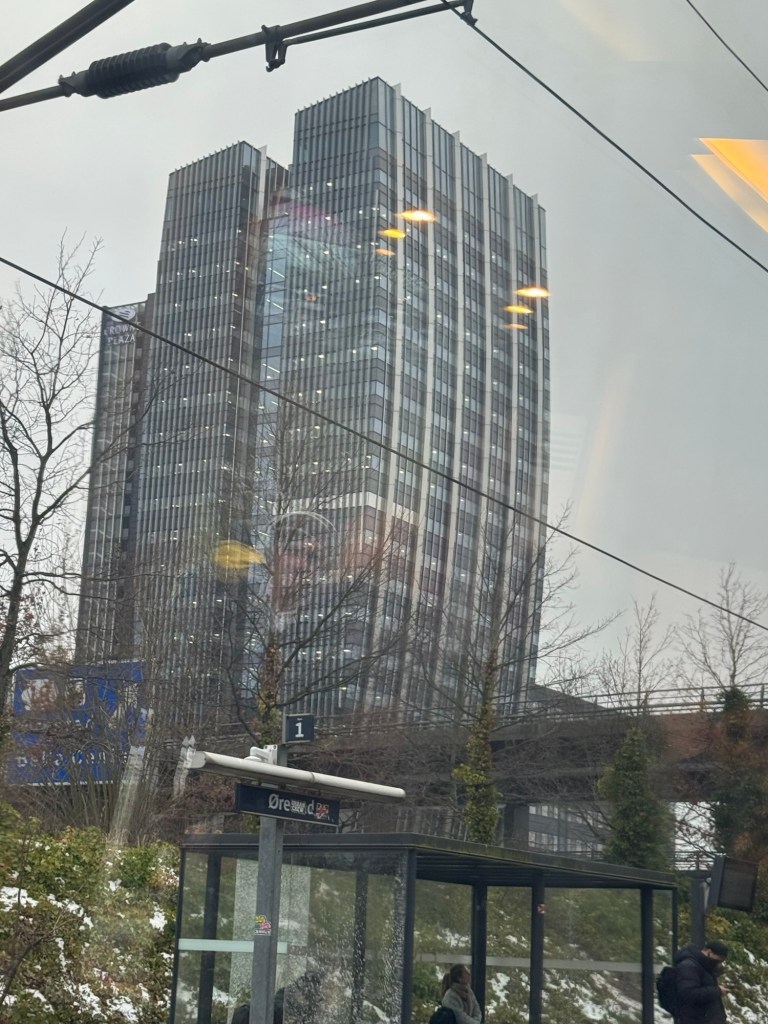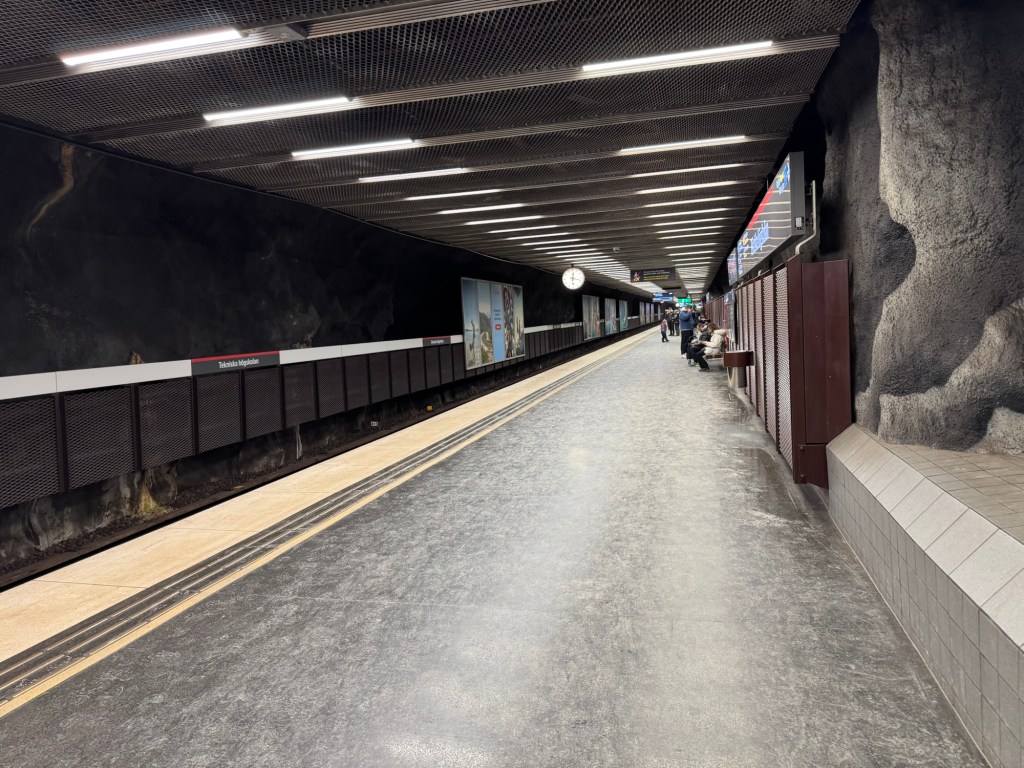
A short leg to London from Didcot, via the underground.


A short leg to London from Didcot, via the underground.


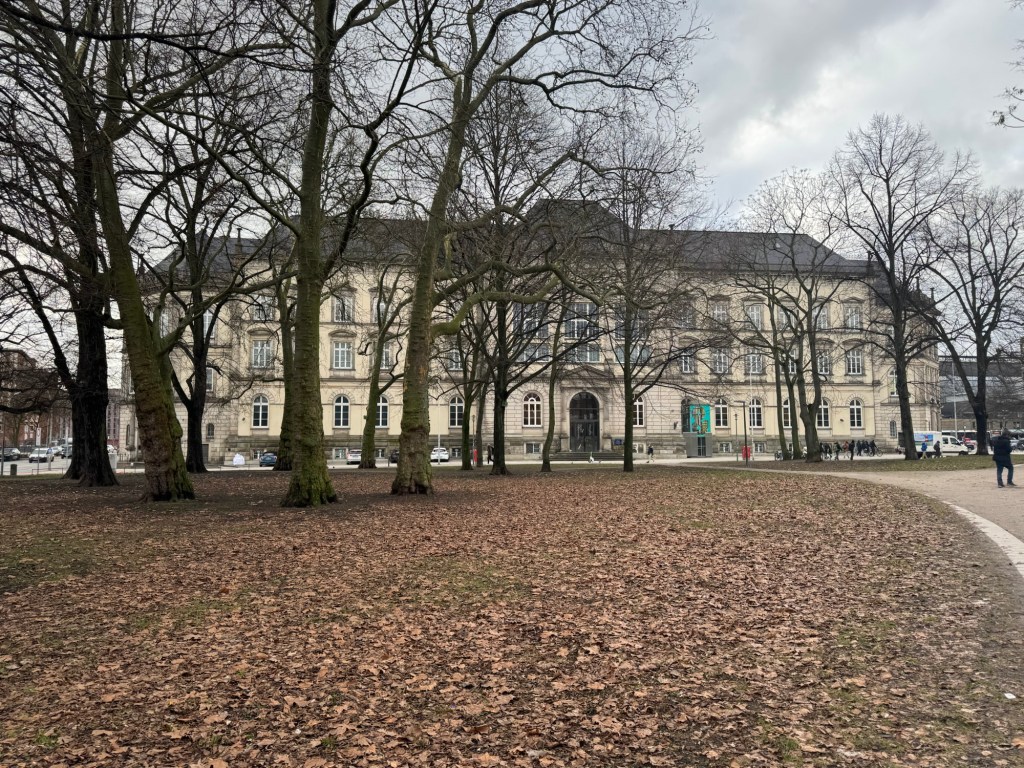
Nice to be back in Oxford, which is vibrant and benefiting from many of the streets in the centre becoming traffic free.

It was wet, but no issue. I visited the Art Café and had a very nice chocolate and coconut flapjack, with no animal products involved.


The Oxford Illusion Museum is worth a visit.
A bit of a walk from the station, I could have got a bus, but all good.


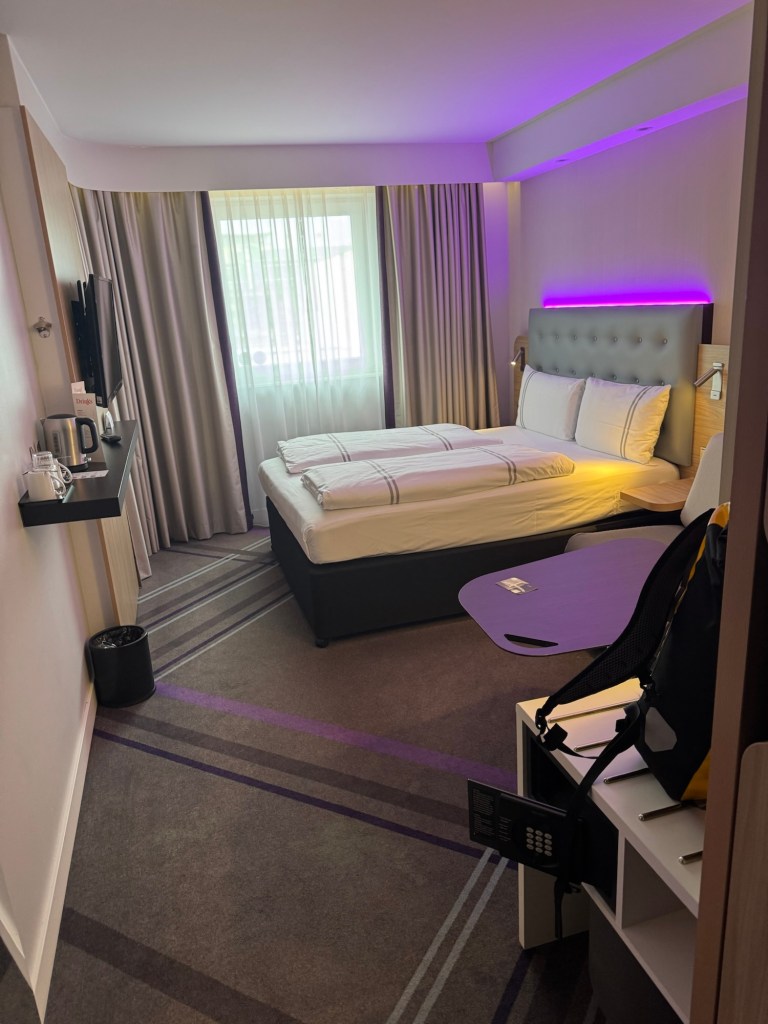
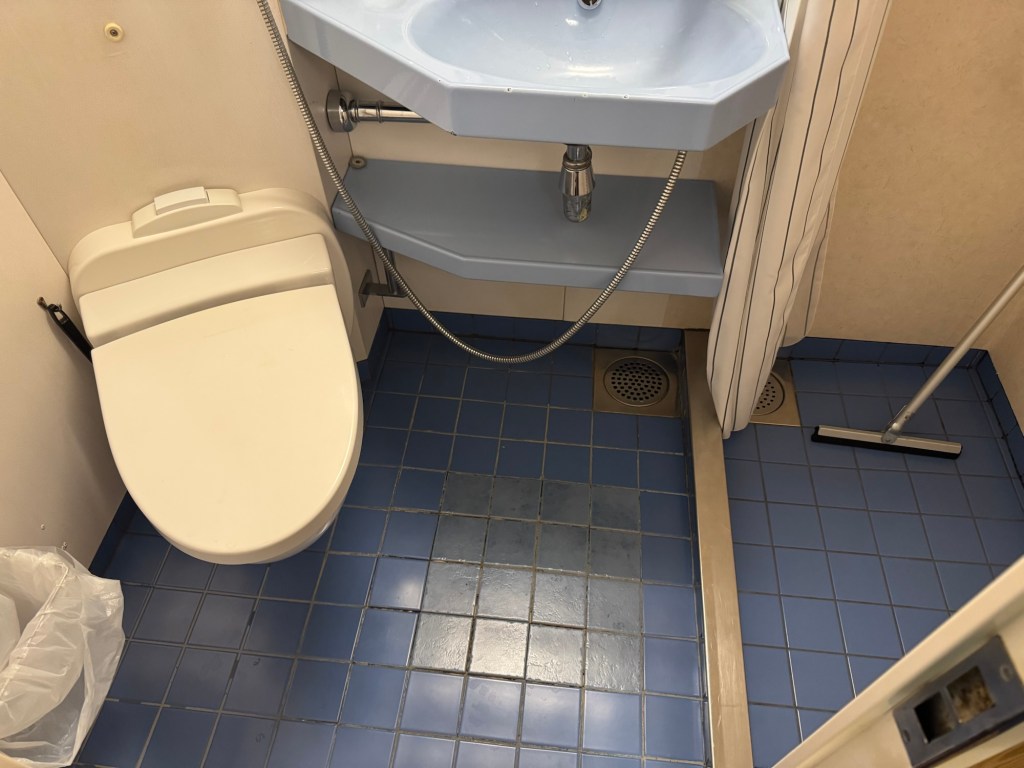
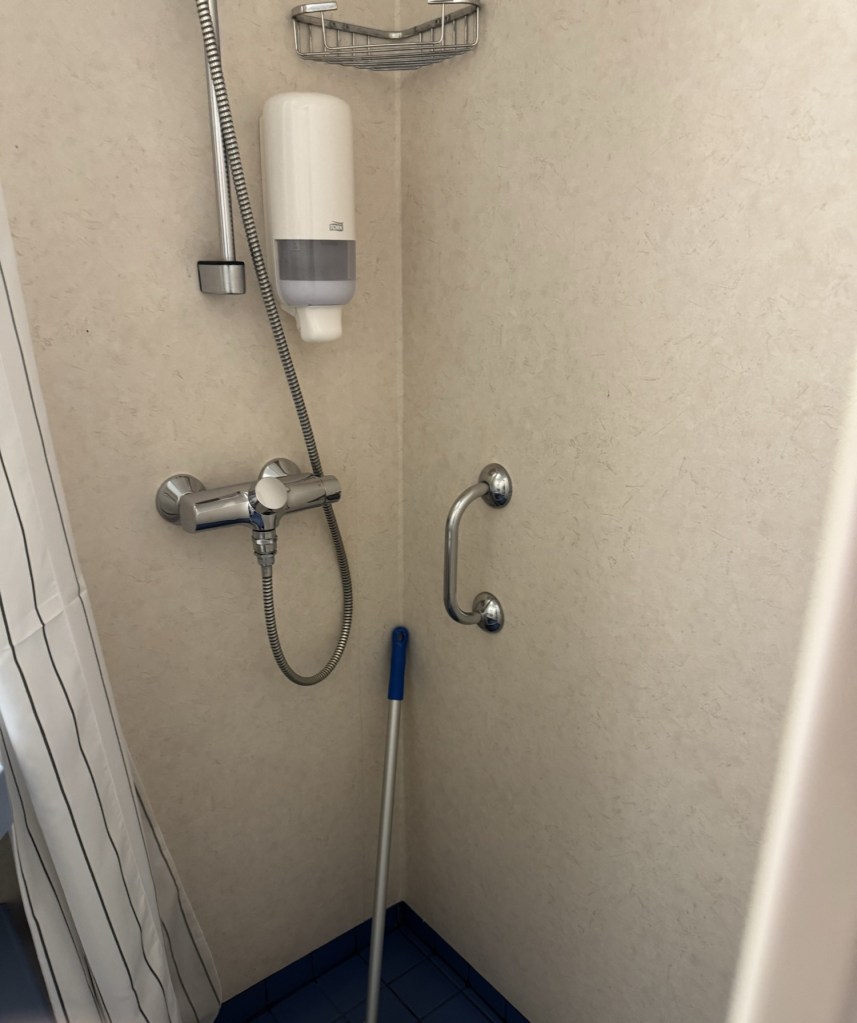
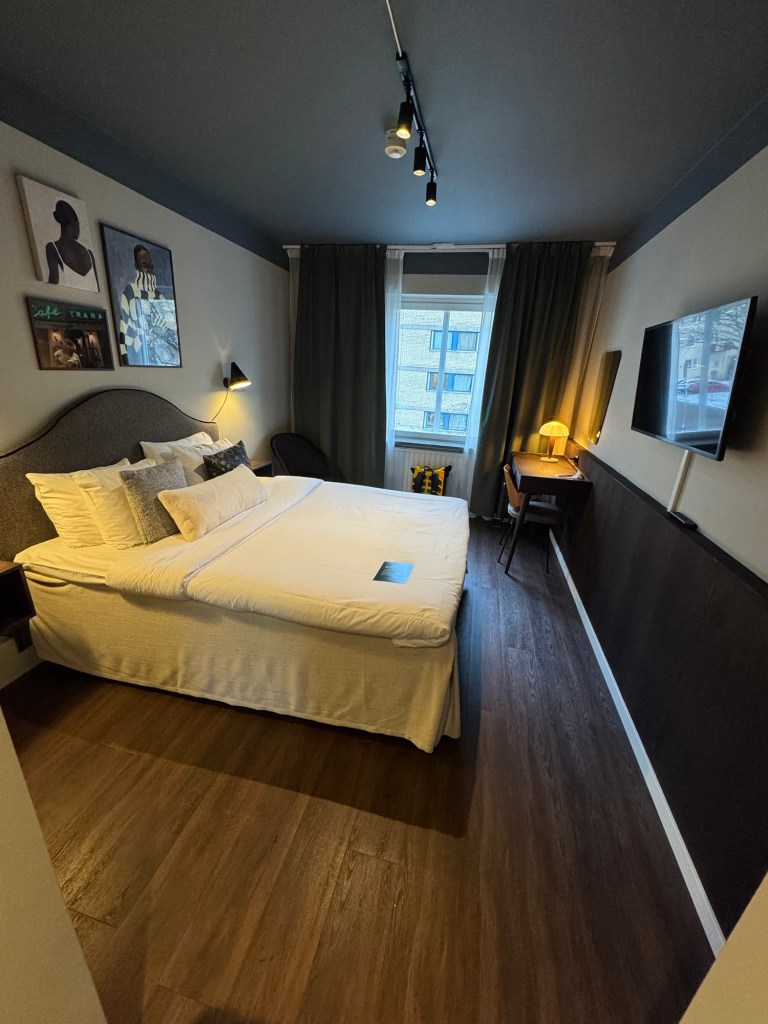
However two problems with the room. Firstly, the knob on the plunger to switch between the bath tap and the shower was missing. Second, after five minutes of being on the TV started glitching. But too late to get a change on the first night.
I found the knob the next day fixing the bath/shower issue. But the TV still was not working. I spoke to a very helpful member of the Premier Inn team and I swapped rooms.
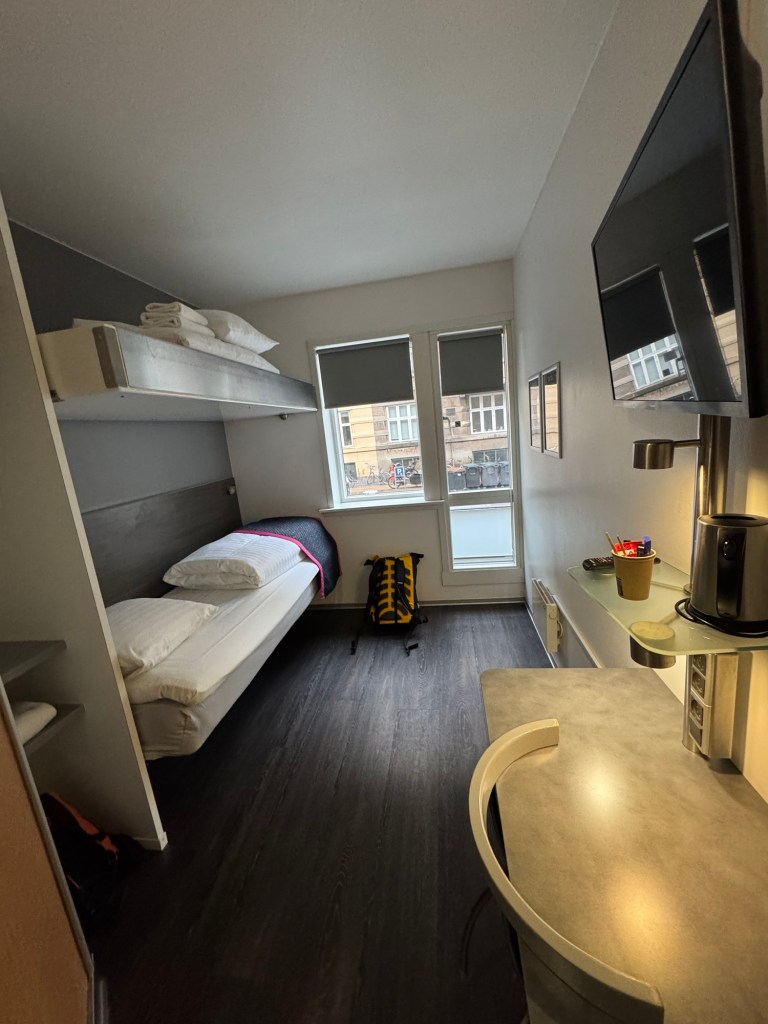
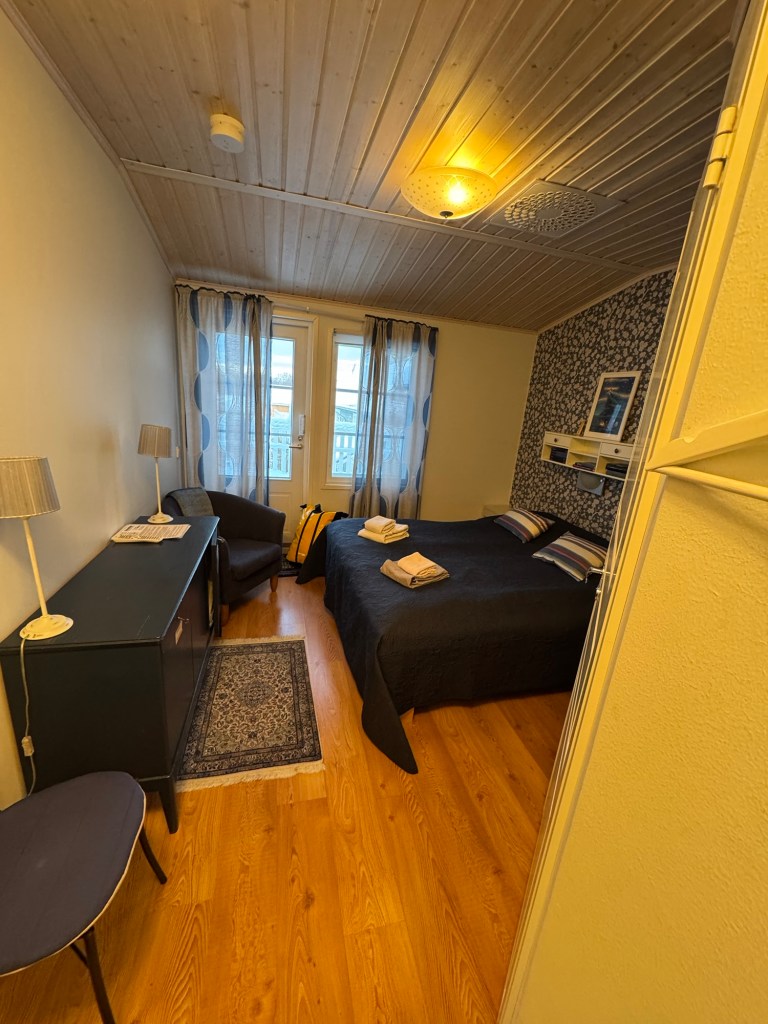
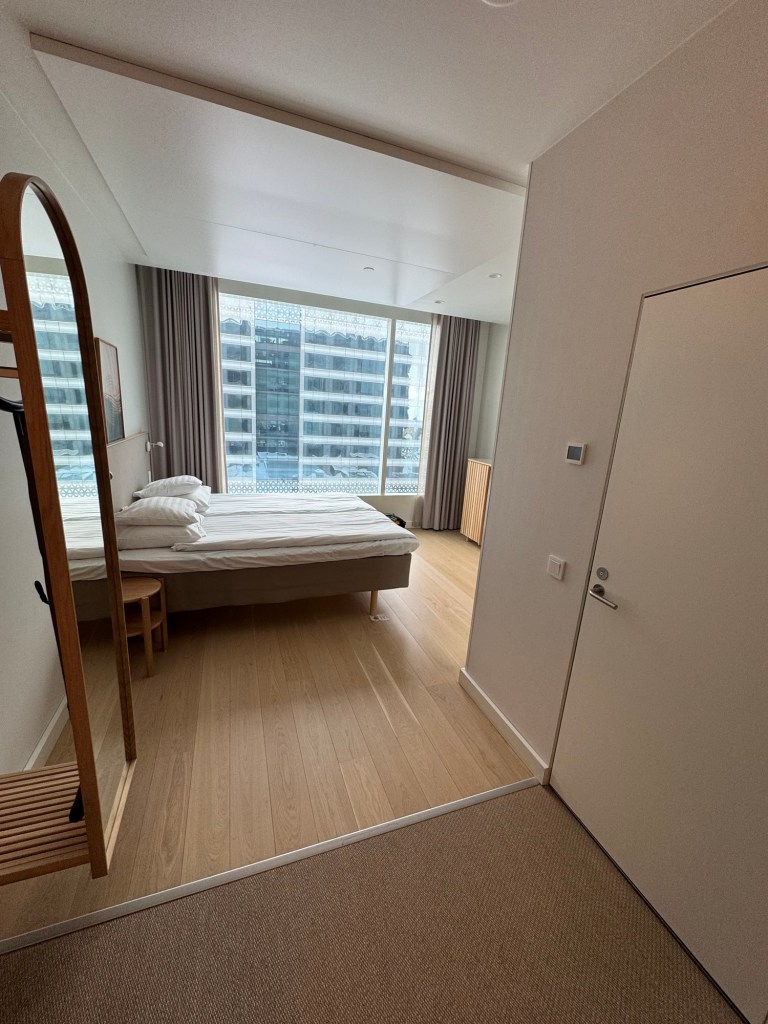
New room was smaller but had a proper shower, so a win. The TV works.


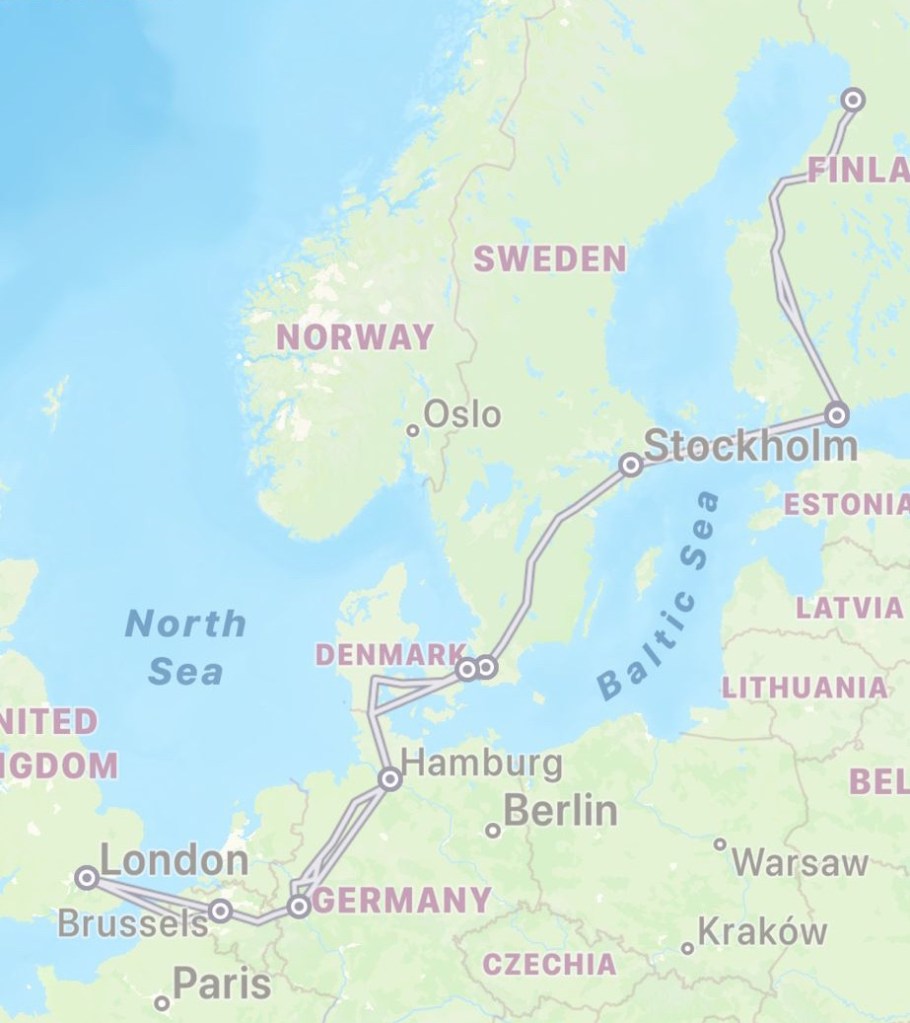
A February far flung journey, starting in the north,


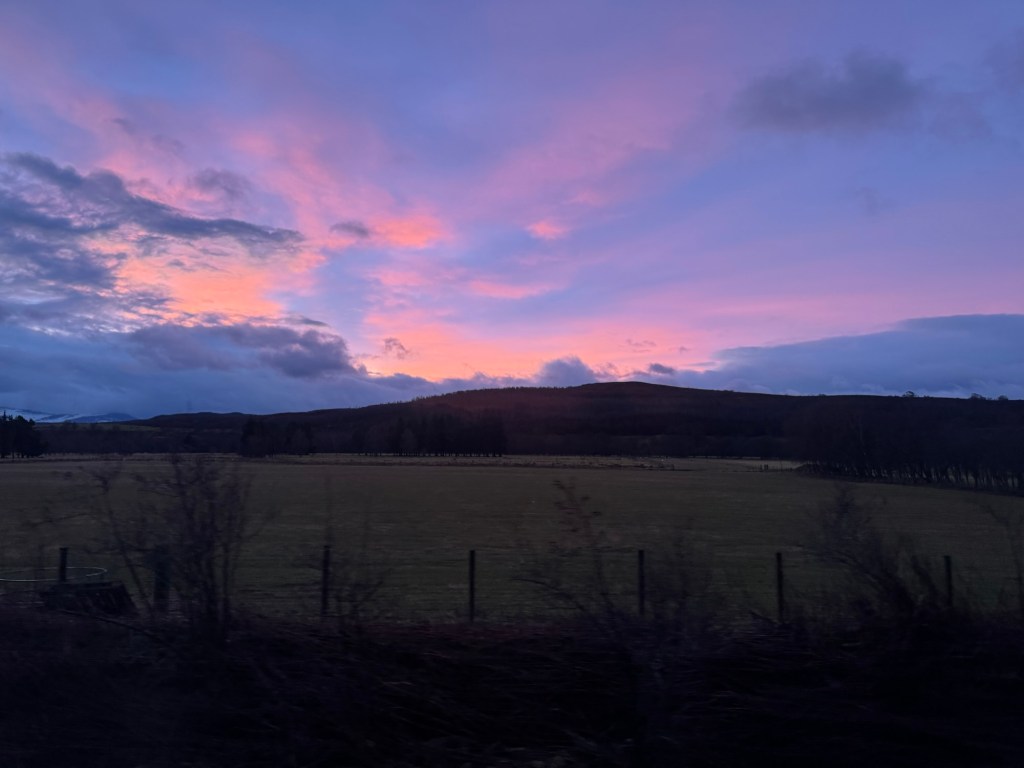
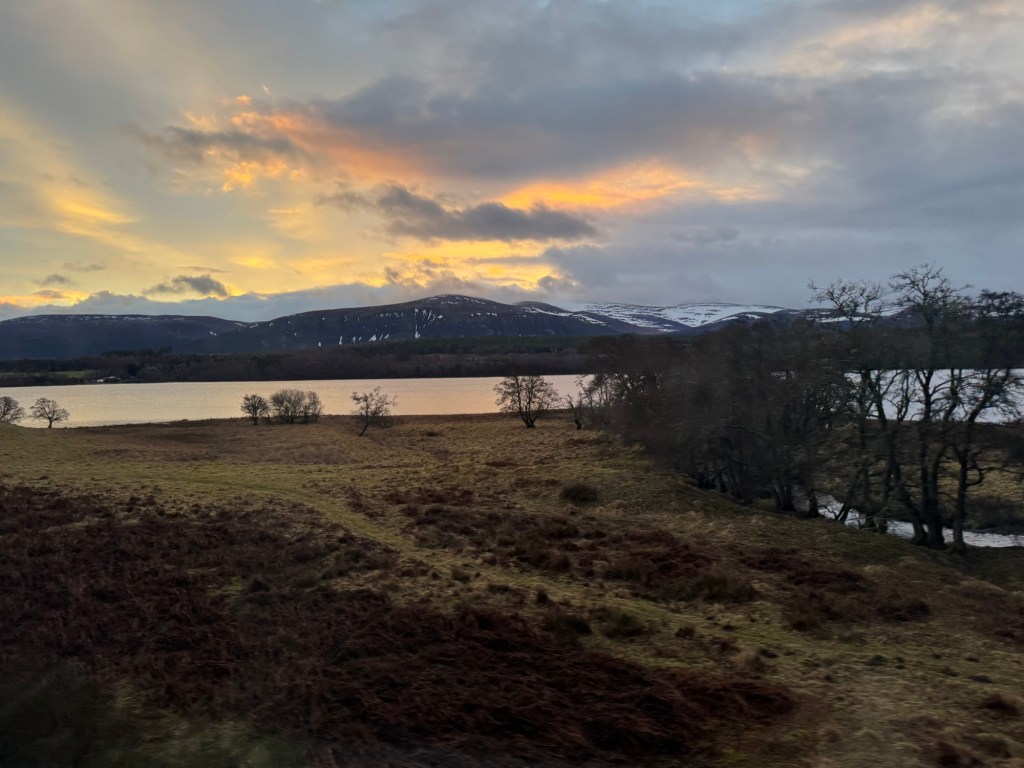
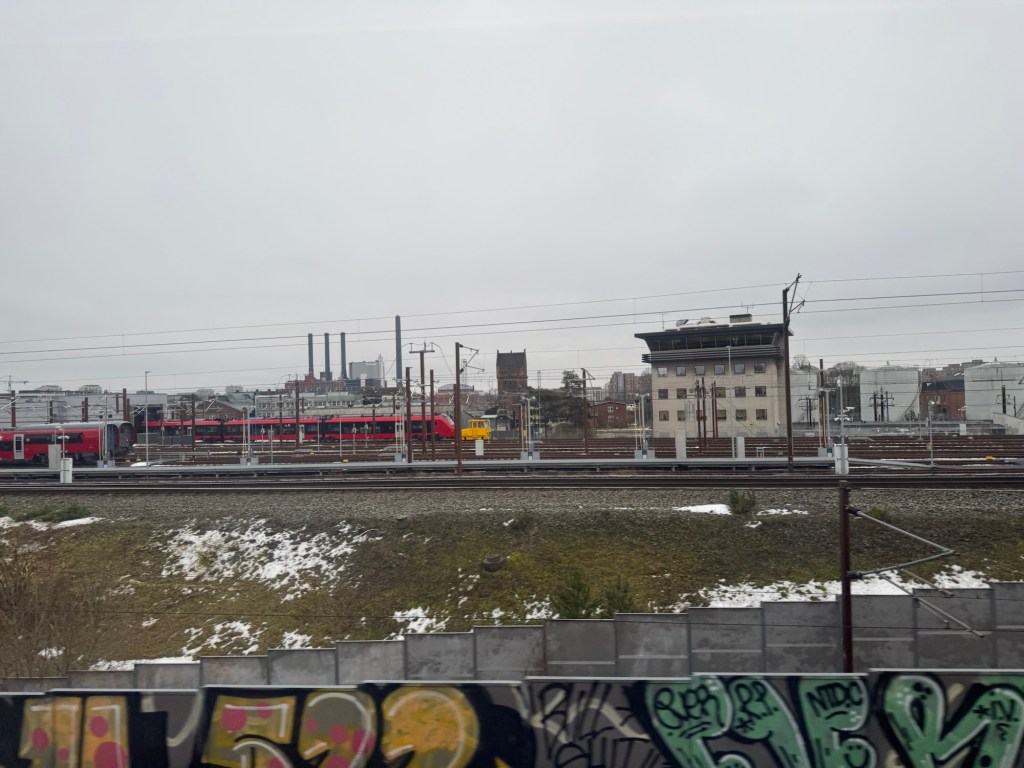
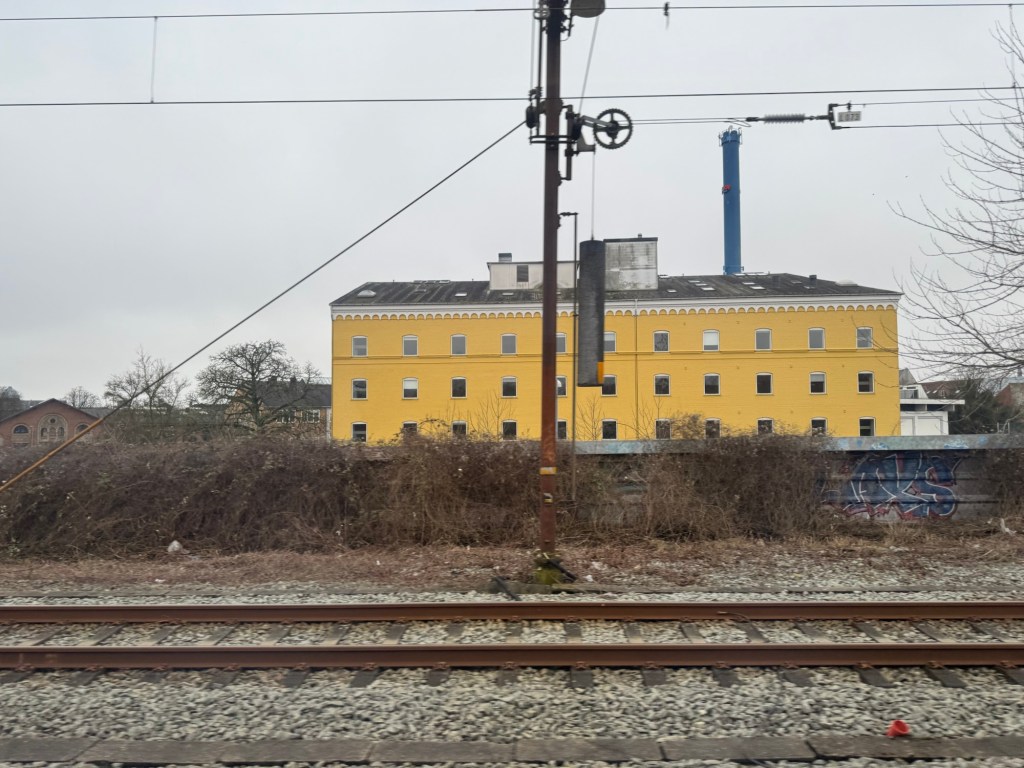
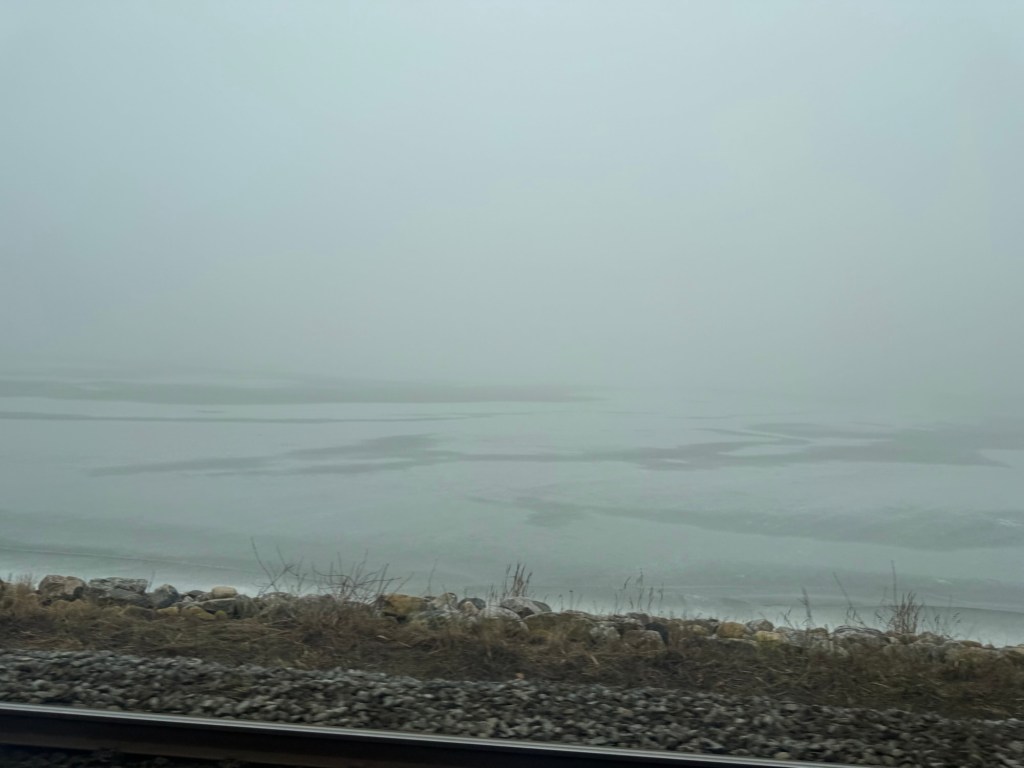
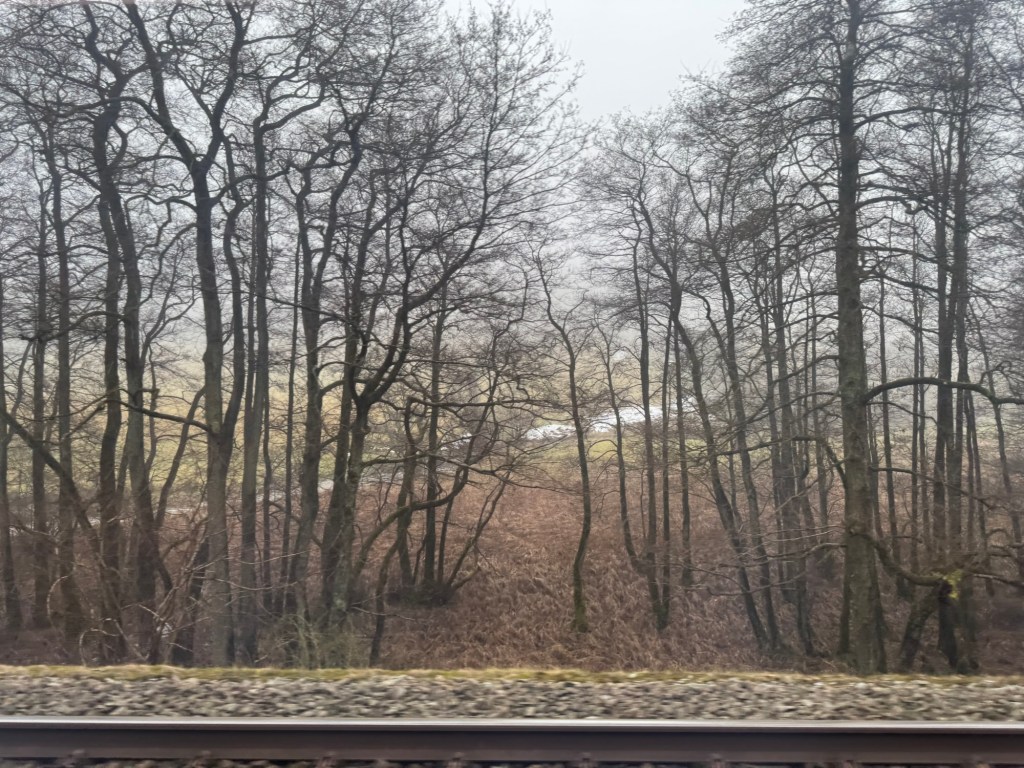
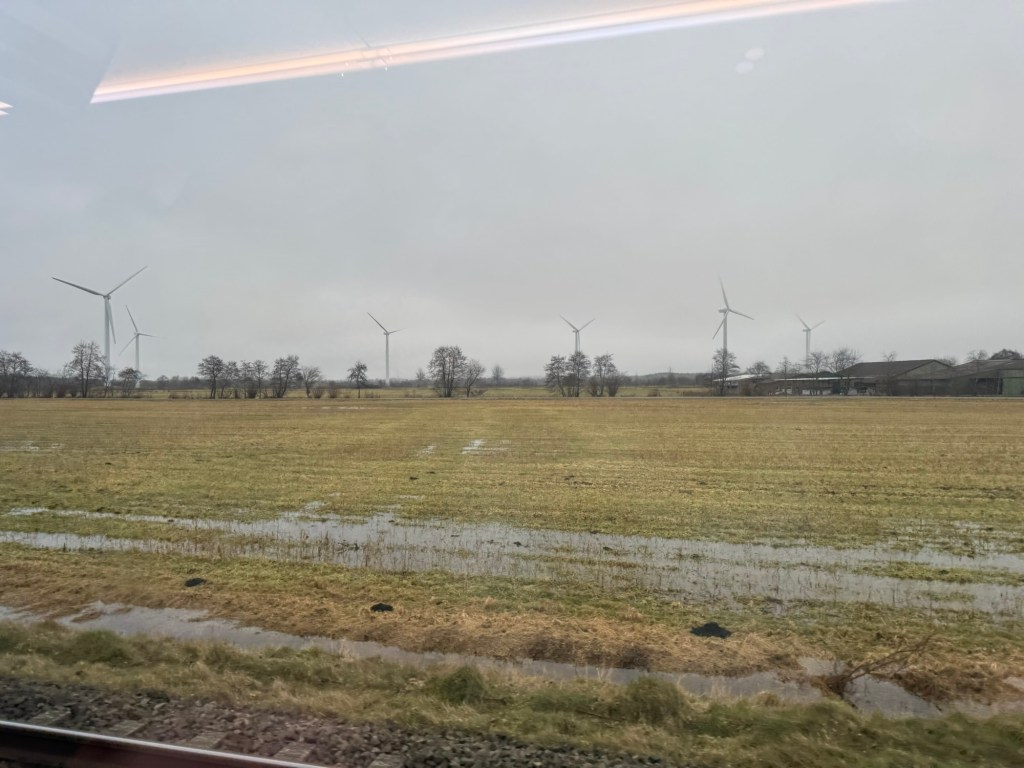
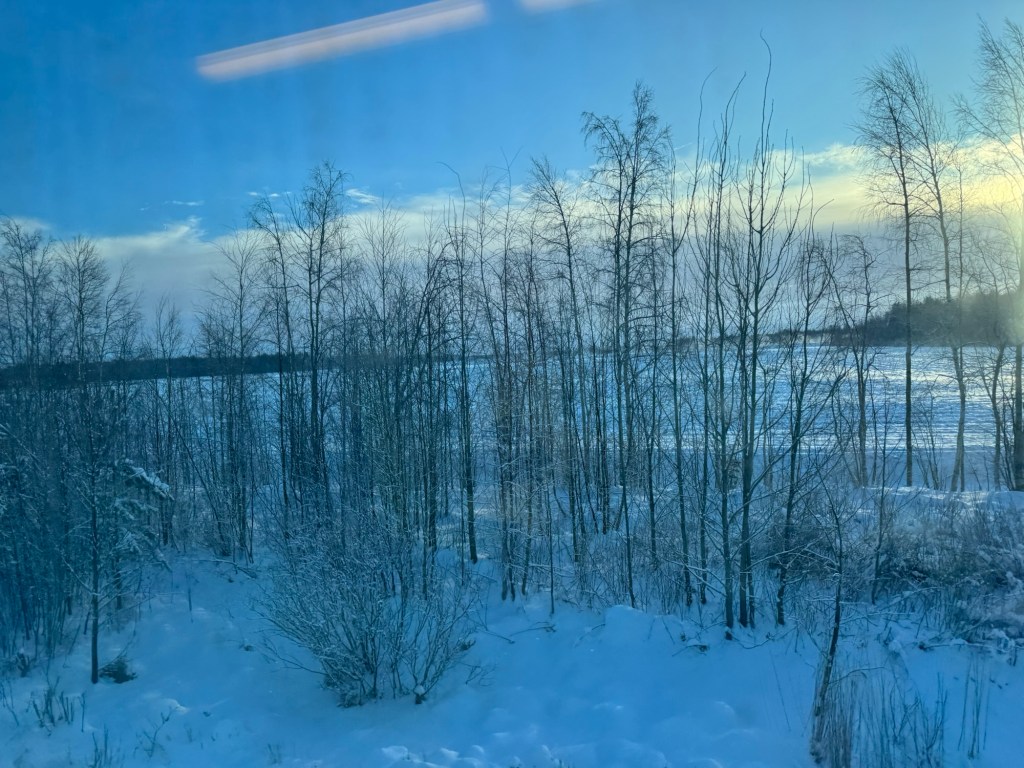
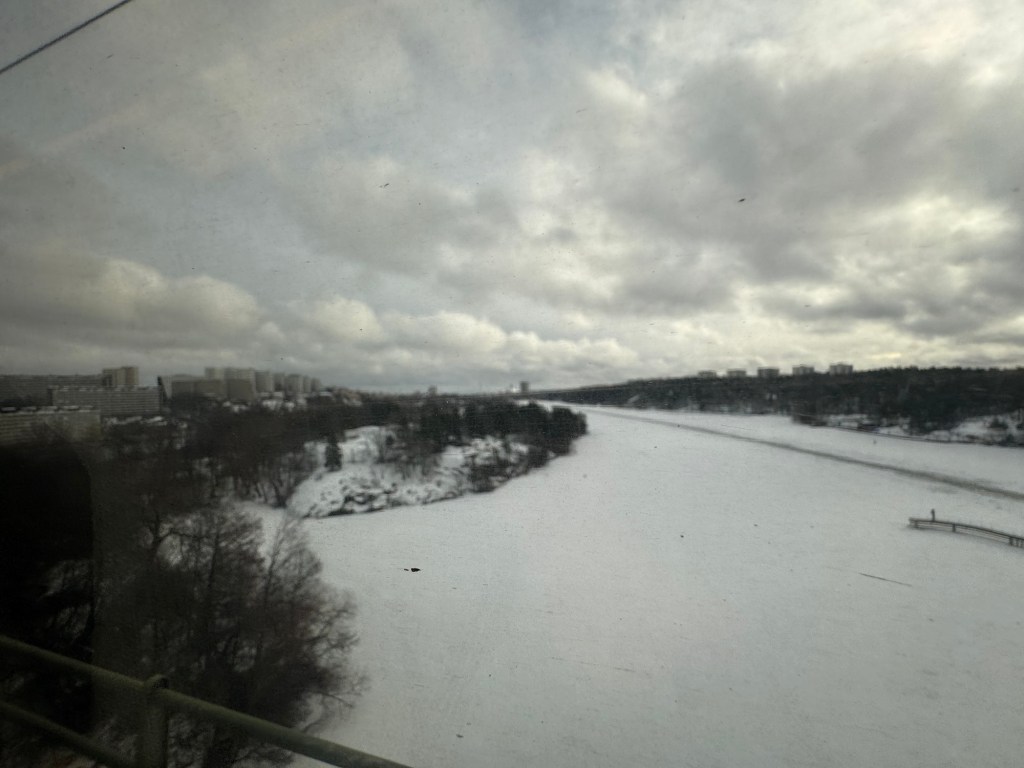
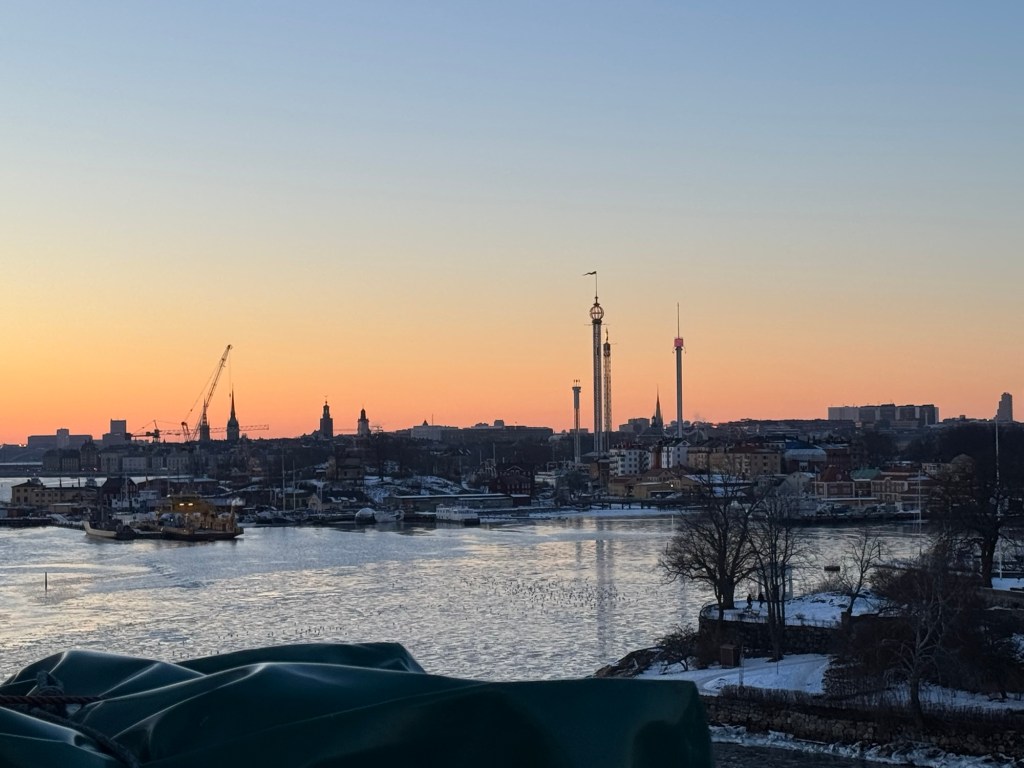
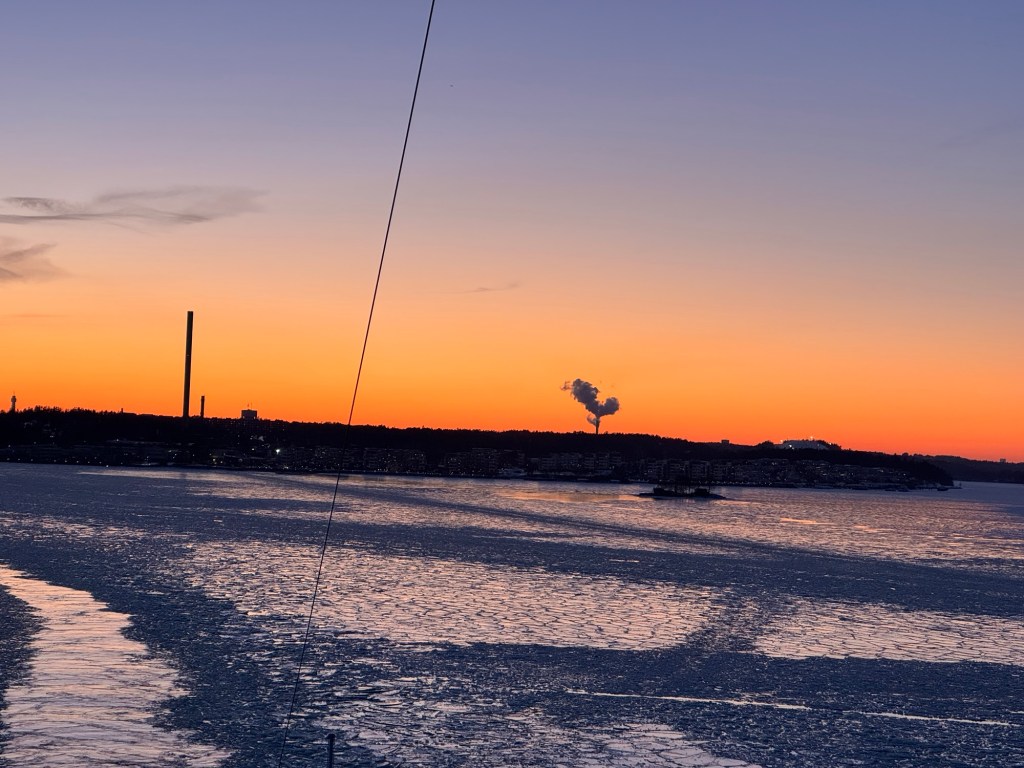
The downside to travelling this time of year is that it is dark for most of the journey, so not many views.


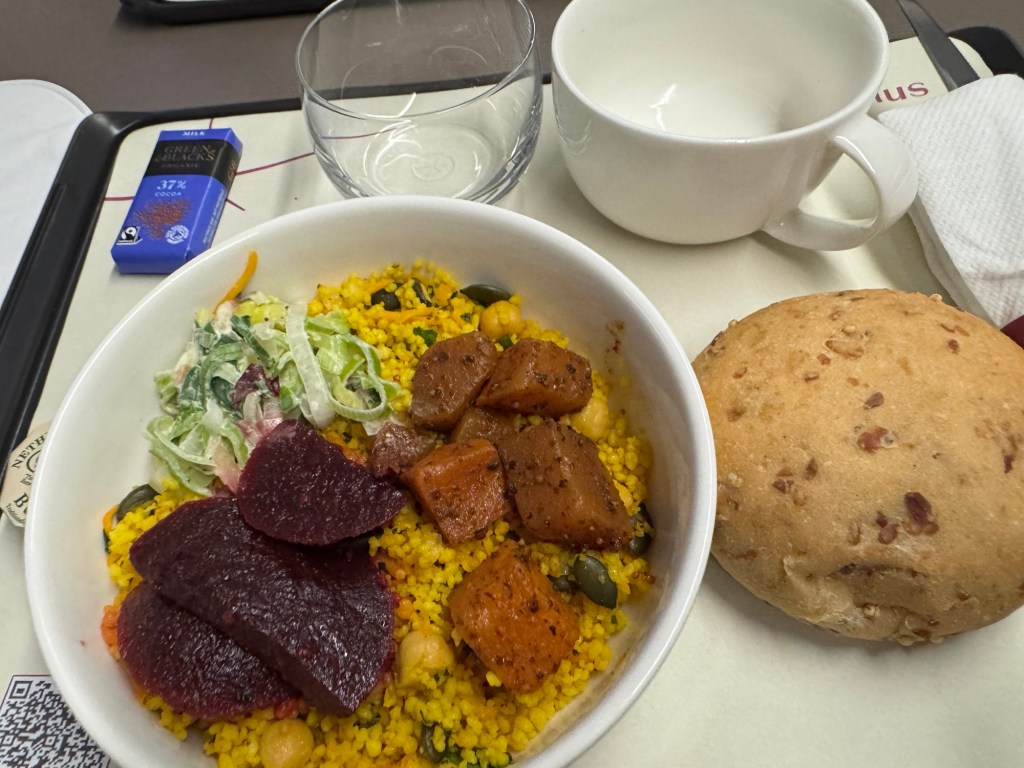
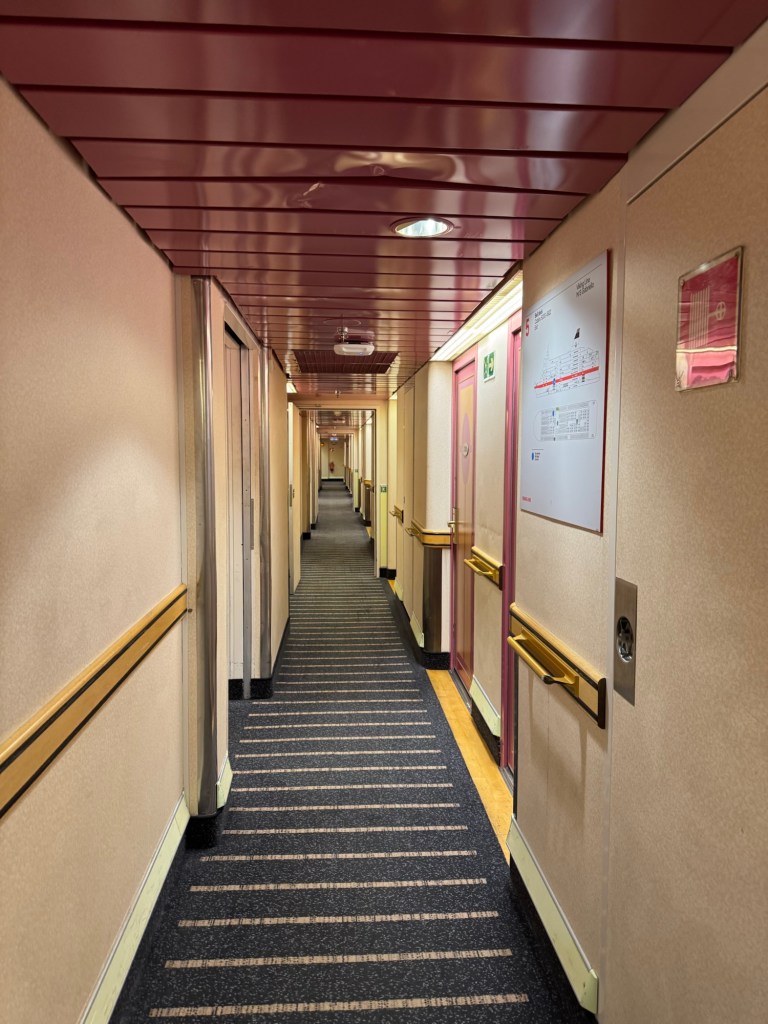
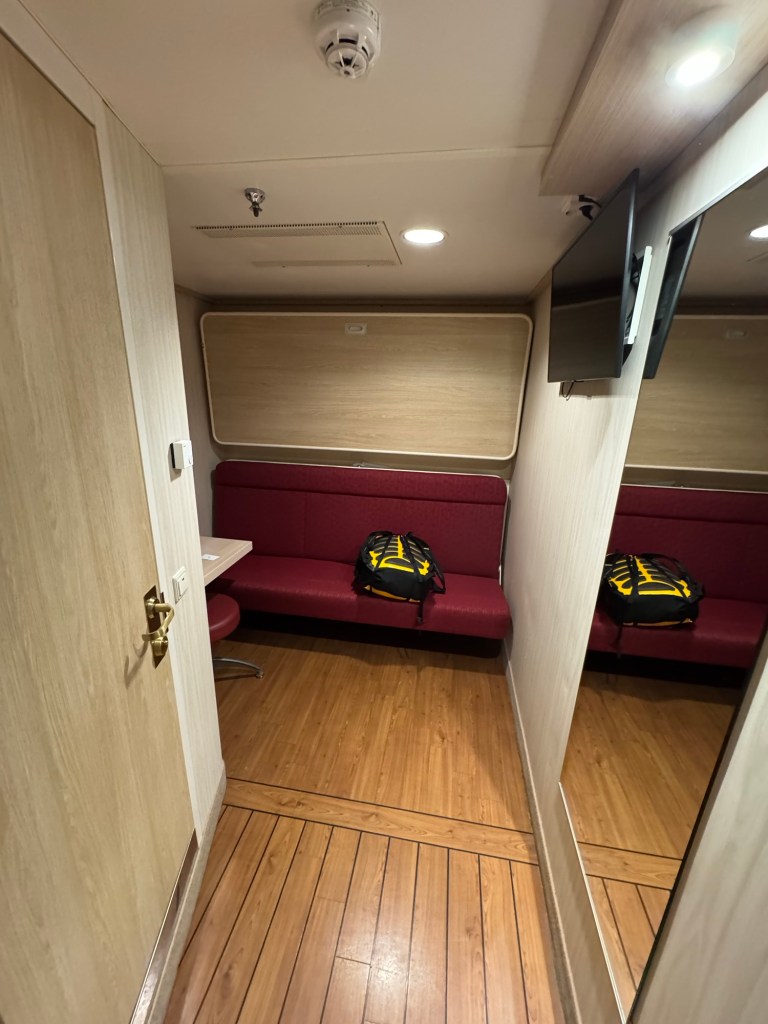
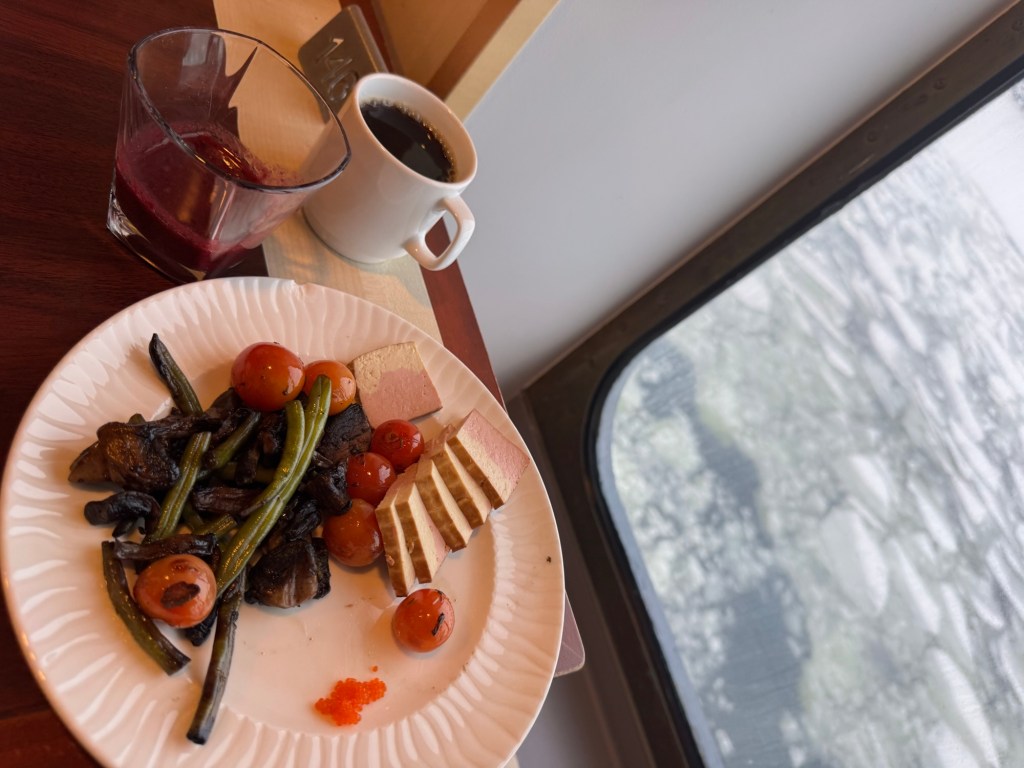
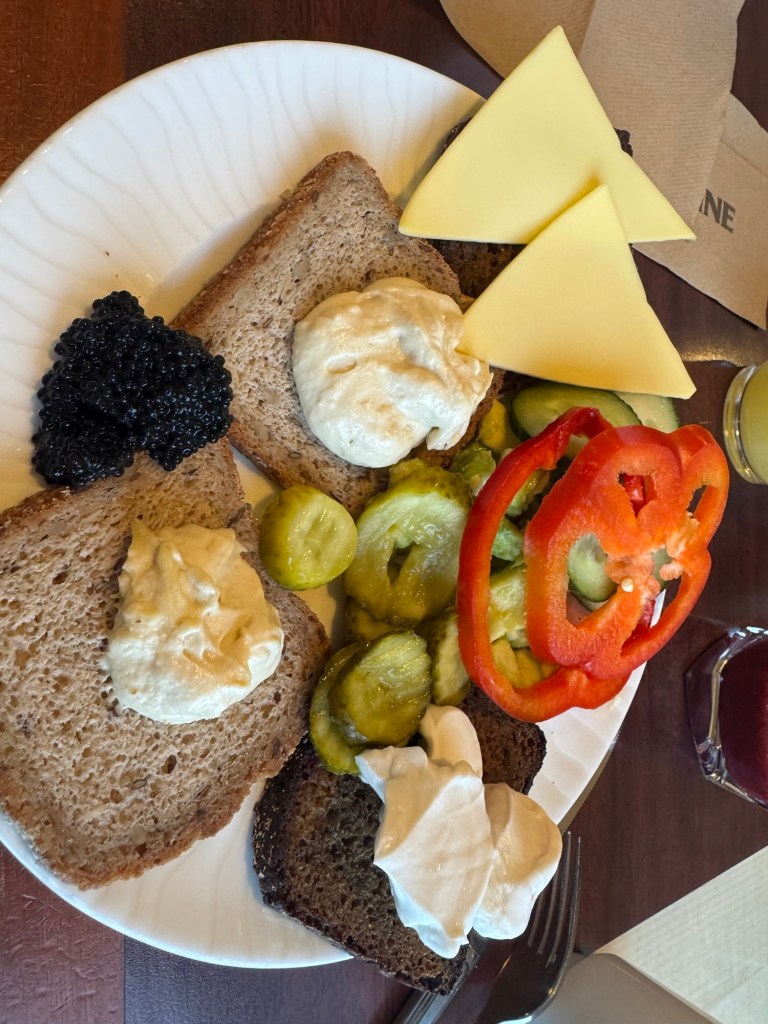
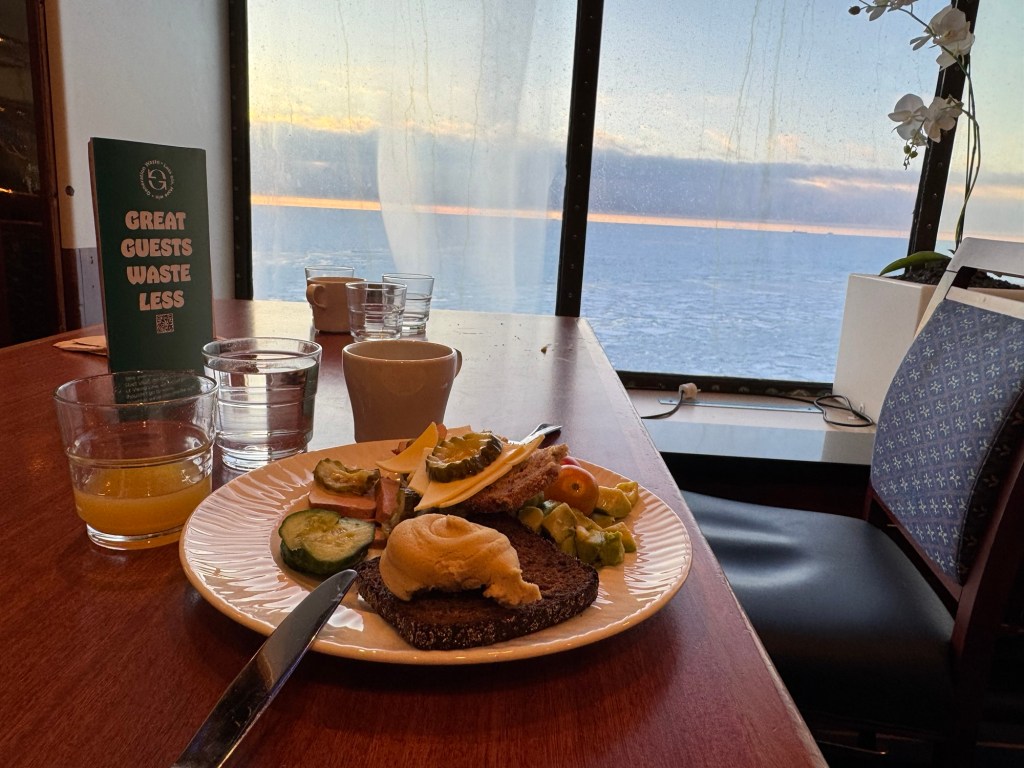
I had a really good nights sleep, waking up for breakfast in the buffet car.

Caledonian sleeper have added a new stop at Birmingham International. This looks potentially very useful. I saw the airport just after sitting down for breakfast.


No bike with me this time. I had an appointment in London within walking distance. The time to get there was pretty similar either by foot or public transport, so off I walked.
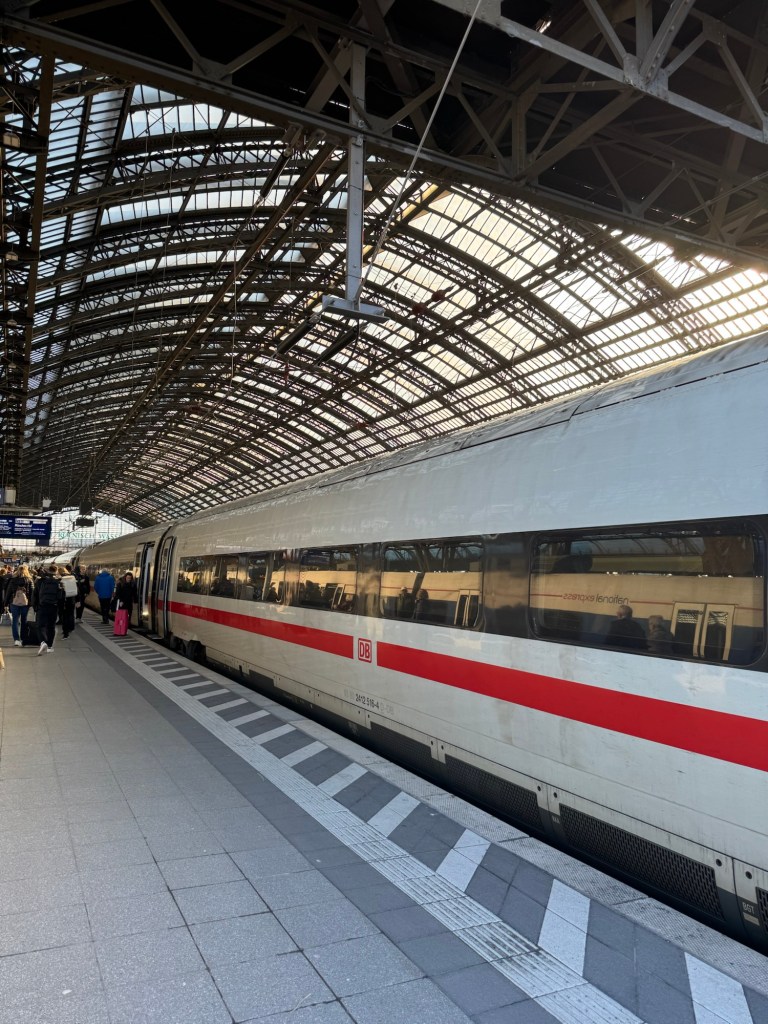
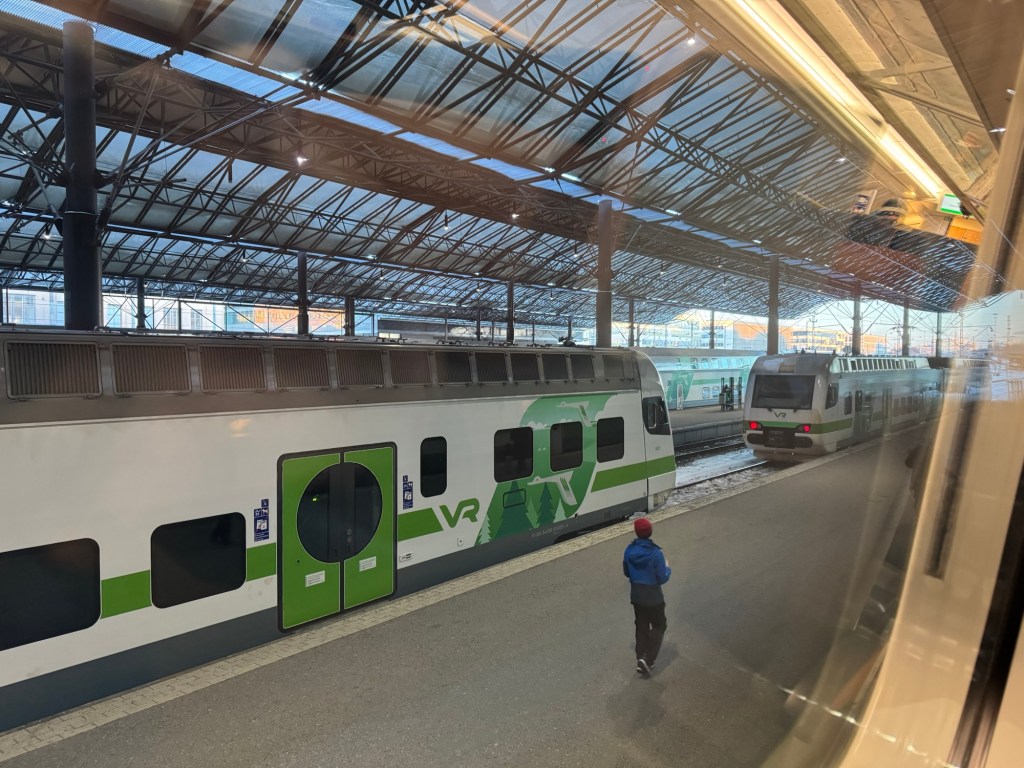
Then it was off to Marylebone Station, for my first ever visit. Also by foot.


Also first time I had seen the BBC buildings.


Things went a bit awry at this point. A goods train had broken down so the route was blocked.
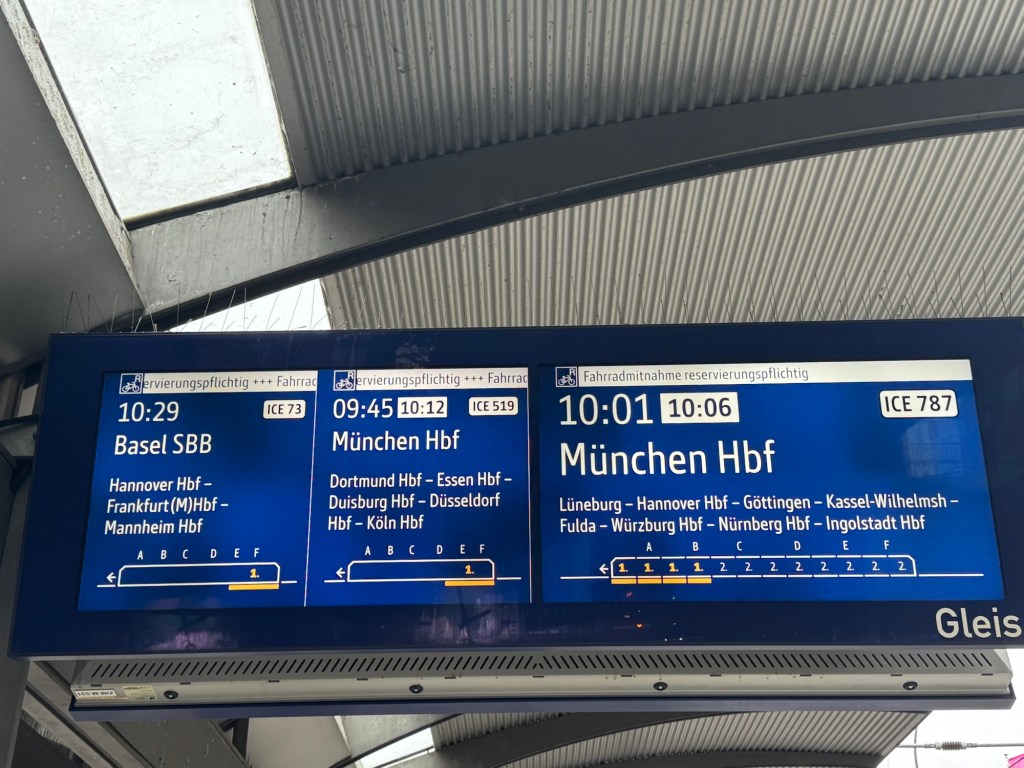
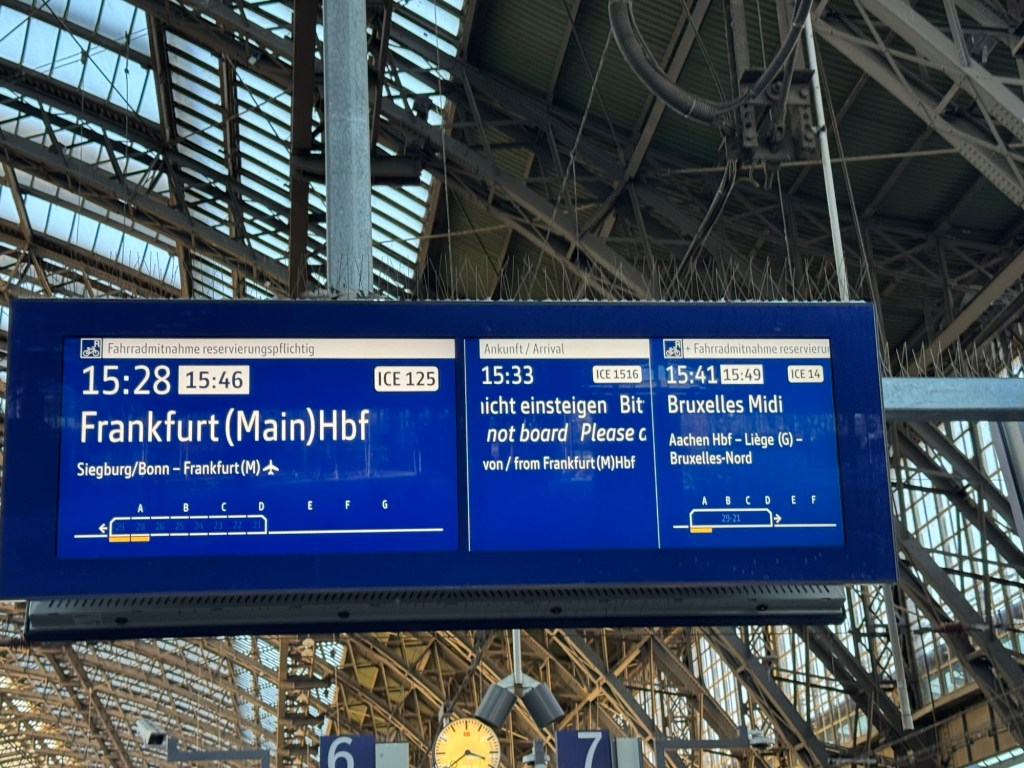
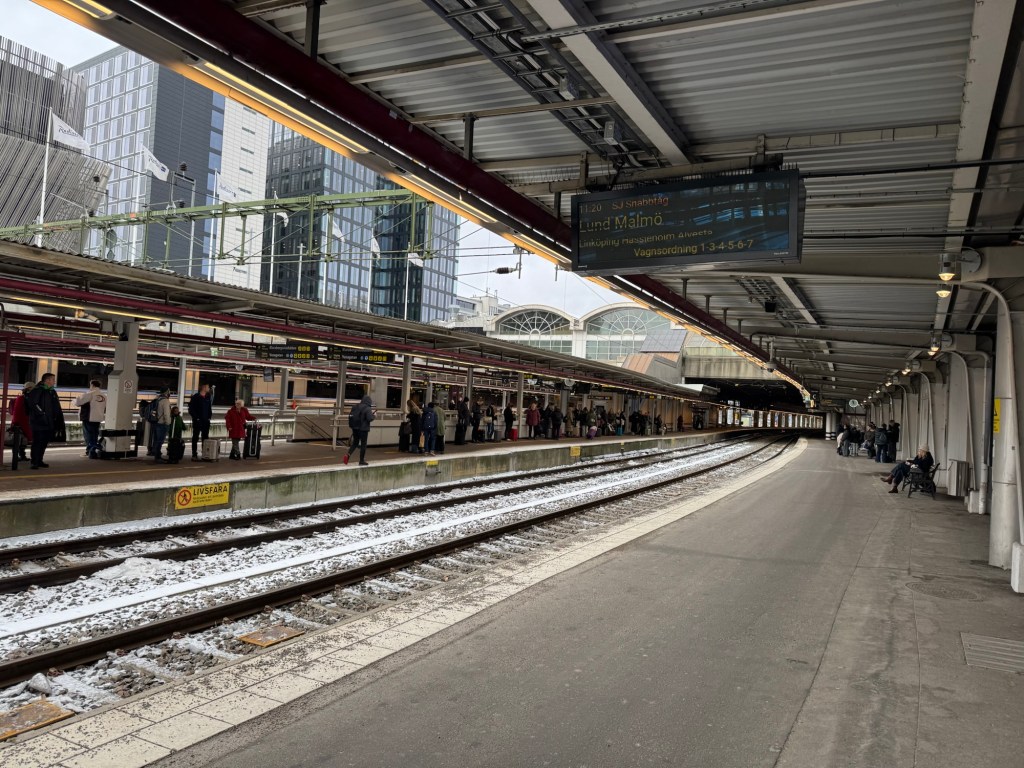
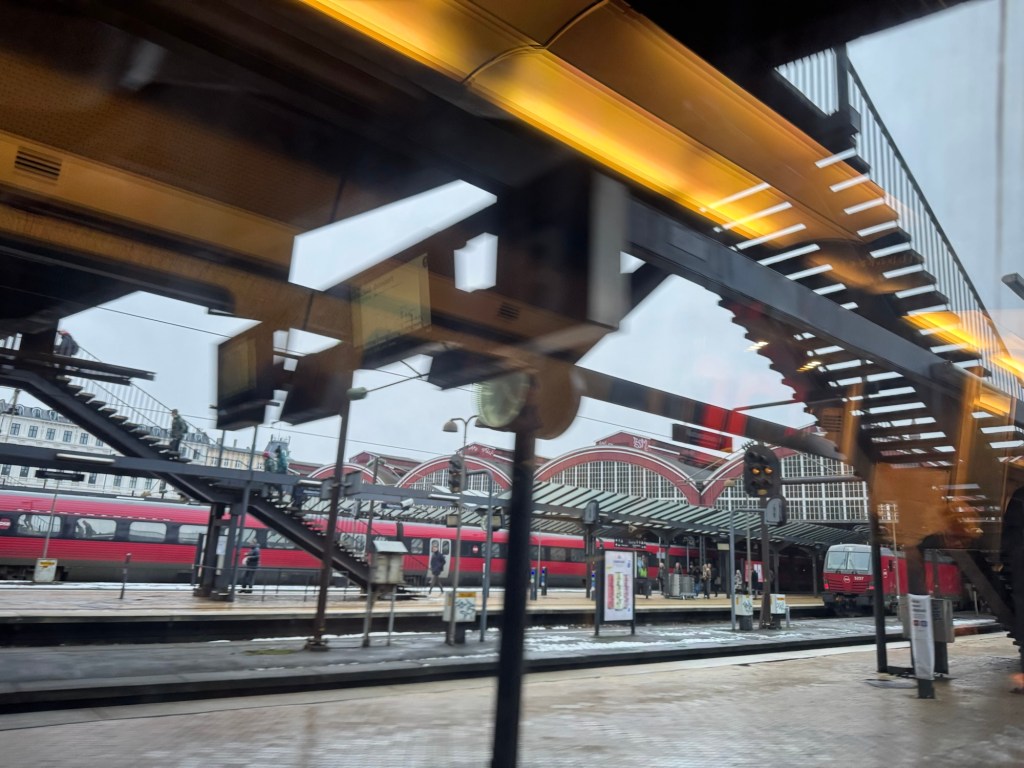
Take a picture or filming shows how much the boards must flicker.
The intention is to get to Oxford to change trains. Eventually a train is provided with loads of carriages to enable taking all the passengers from the cancelled trains. The route to avoid the blockage involved travelling to Princess Risborough, the train then reversed heading to Bicester Village, where again it reversed, eventually arriving in Oxford.

At Oxford some of the tracks are sectioned off. There are no trains to Didcot, only rail replacement buses. This is why I went via Marylebone rather than Paddington.
Smooth onward journey to Moreton-in-Marsh.


After my appointment in Moreton-in-Marsh it’s back to Oxford in the dark.


The train is delayed by trespassers.

The delay meant I could not get a decent lunch.


The train to Edinburgh was delayed due to trespassers. However there was plenty of leeway to catch the connecting train, especially if I changed at Haymarket.


As we headed north the delayed train lost time rather than catching up.
We arrived at Haymarket. As I got off the train. I heard the Inverness train leaving. That added another hour to the journey. Why can’t the trains cooperate to avoid these problems. It was minutes. And why was the Edinburgh train continually slowed down.

Time to kill so time to grab food.

Now this is when things got crazy.
I was looking at the display times for the trains on platform four. A man stumbled down the stairs grabbed hold of one my belt loops, span round out of control, falling off the platform, onto the train track. At that point my thoughts were , was a train coming, how do we get this man off the tracks, going down onto the tracks was not an option, too risky. We coaxed the man to his feet, and four complete strangers hauled the man onto the platform.. We restrained the man to stop a further incident.
I thought that the next train was mine, got on discovered it wasn’t. After getting on the correct train I realised just how traumatic I had found the incident.


The problem with catching the late afternoon train in autumn is that it’s dark. No views.


The ride from Euston to Paddington was less affected by the traffic lights than normal. As a result I managed to catch an earlier train to Reading.
Then on to Mortimer.


What a smooth journey, all the trains on time. No overcrowding. I had slept very well on the sleeper. A good journey.
And then……
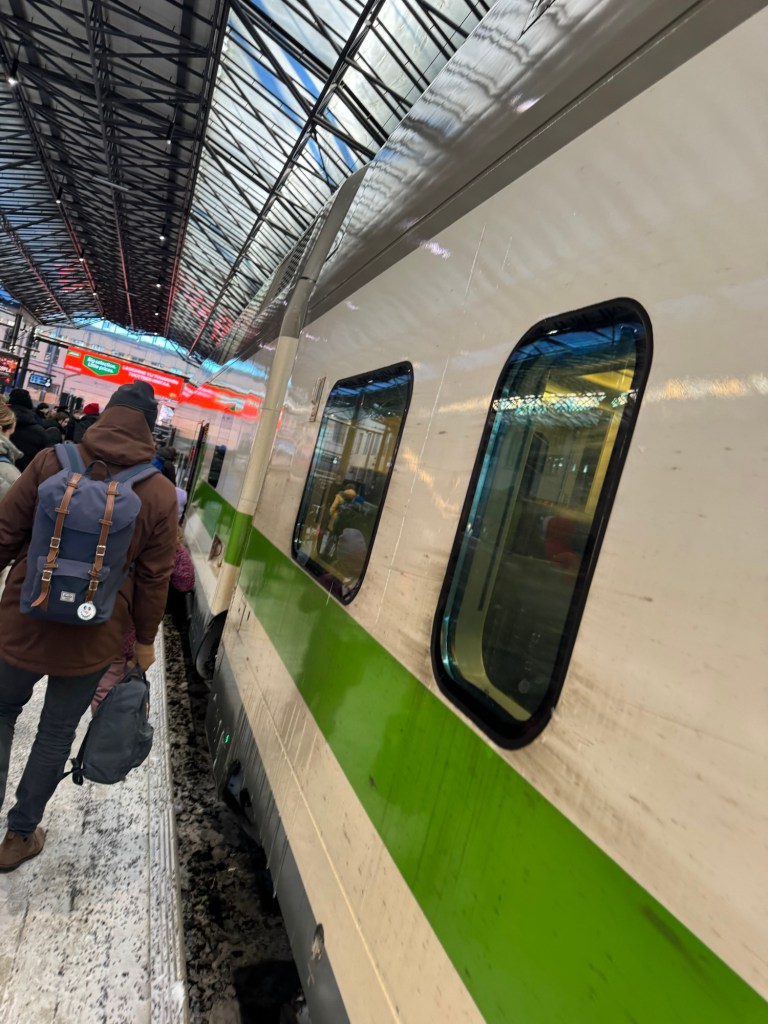
On to the train at Reading to Manchester Piccadilly. It was rammed. Totally overcrowded.
Things started going really wrong and confusing as we went to Oxford. Announced that we would have to change trains. Then announced we would not have to change trains but we needed to go past Oxford into a siding and then come back. A long wait in the siding then back to the station. Then it was announced we would have to change trains after all.
There was a signal failure near Banbury.
We crossed Oxford Station and caught a train towards Hereford, changed at Worcester, heading to Birmingham. This was bad as now I was due to be in Manchester two hours late.


Change at Birmingham New Street. This is a very badly designed station. The signage is poor. Very confusing, The ugly side of architecture.
More delay due to trespassers on the track. The train had to go slow as a precaution.


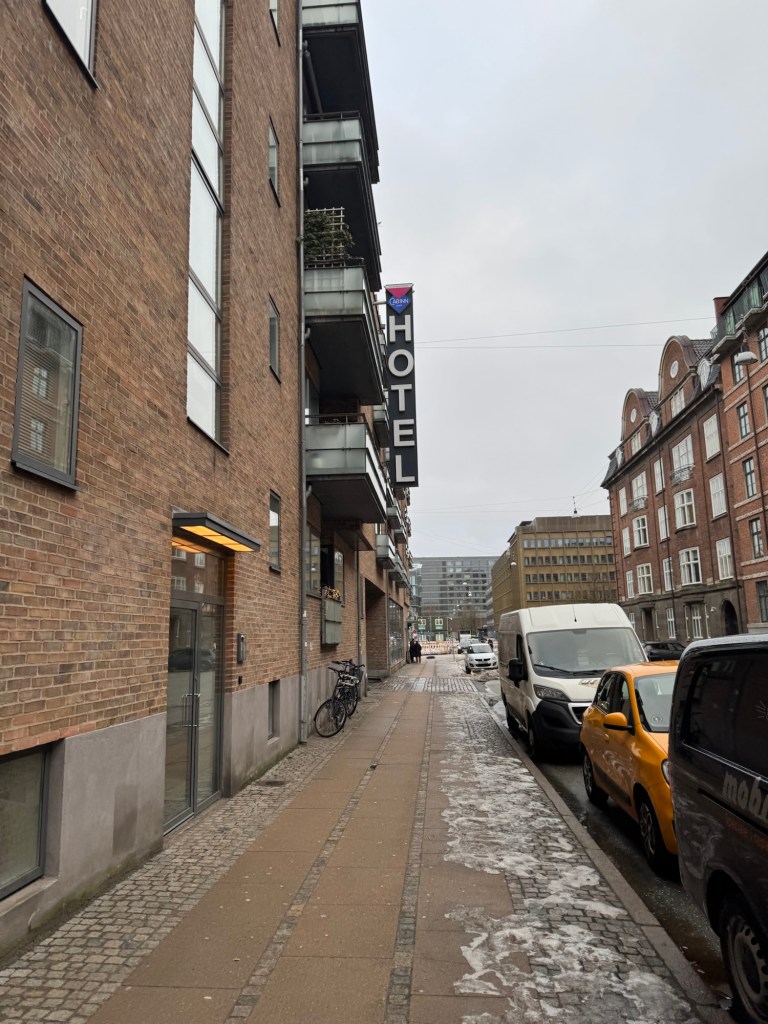
The Premier Inn is a quarter mile from the station.

First time traveling in a long while with a non-folding bike. The chief difference is that I had to book the bike on most of the trains, including the far north line and the sleeper.
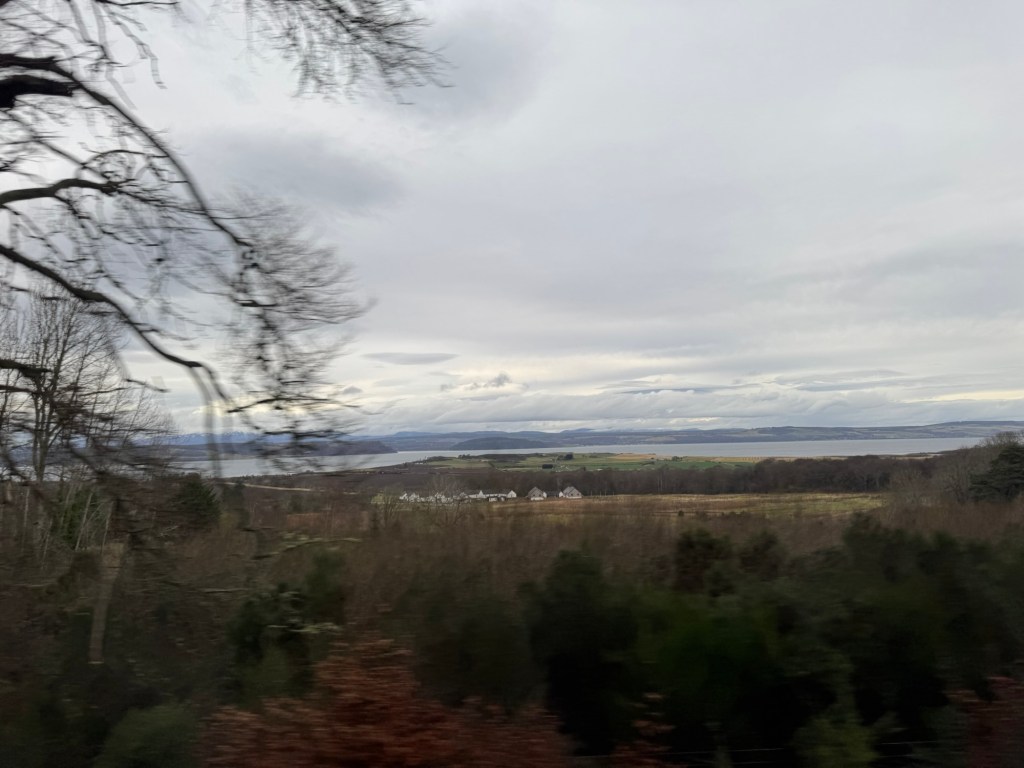
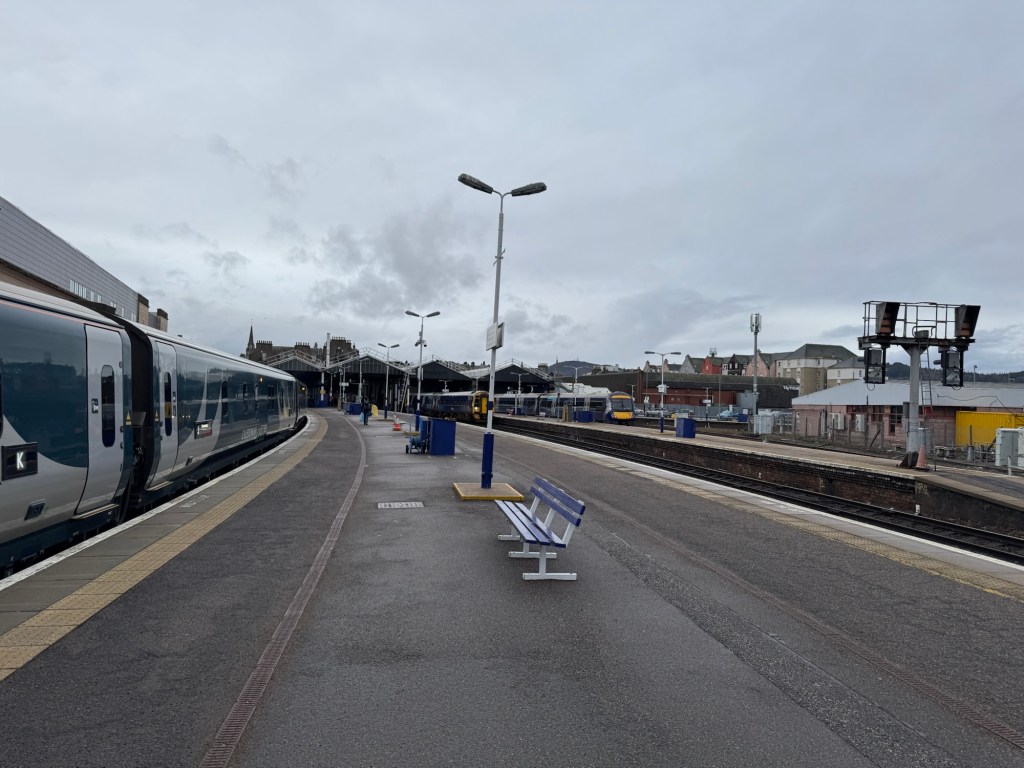
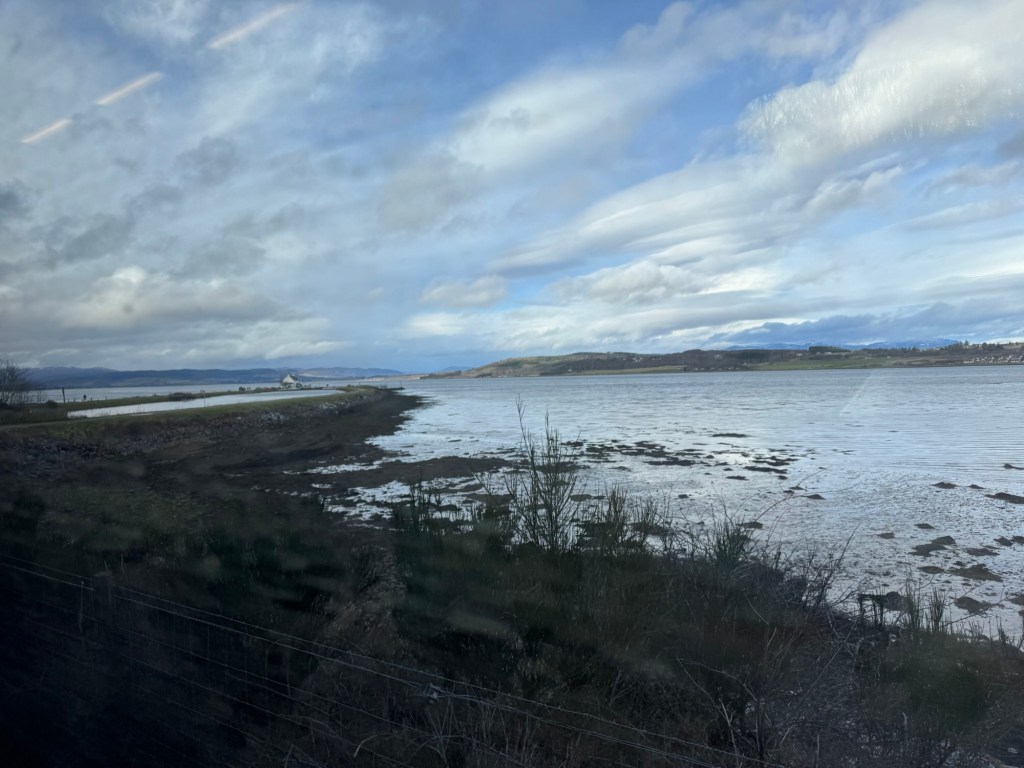
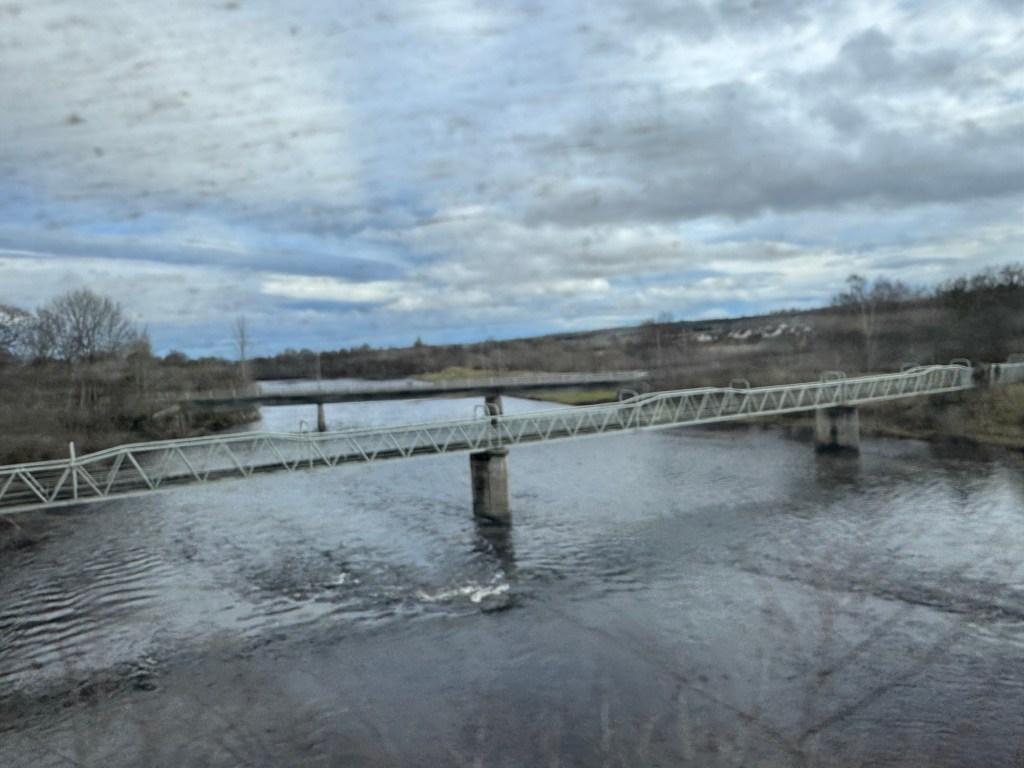
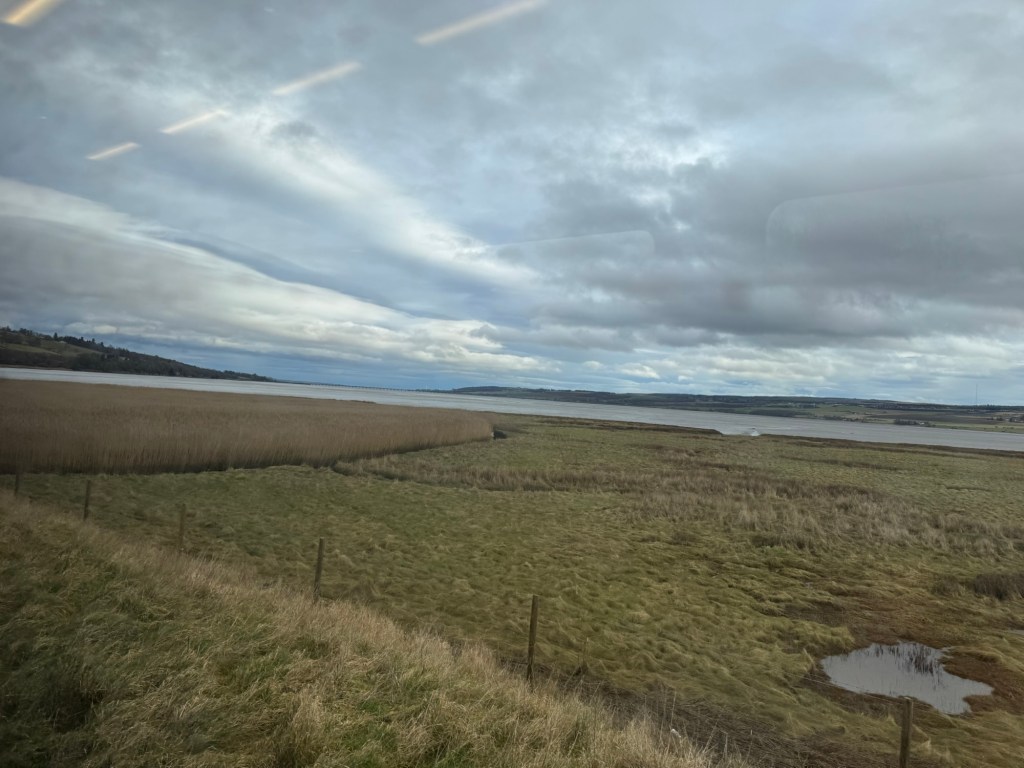
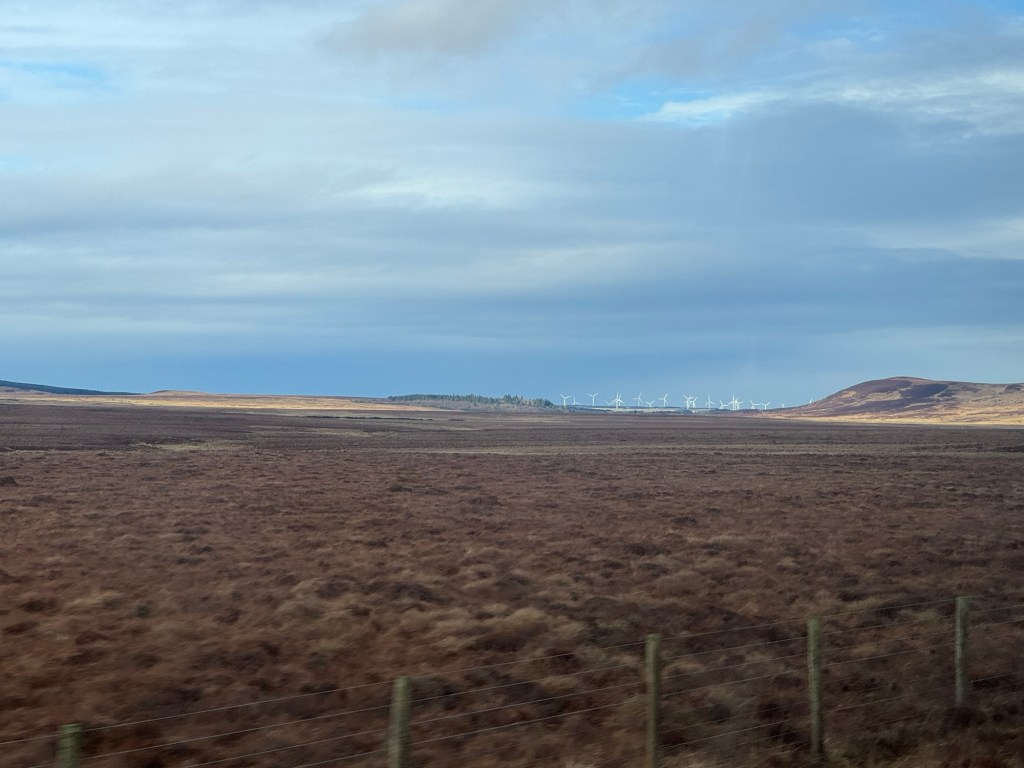
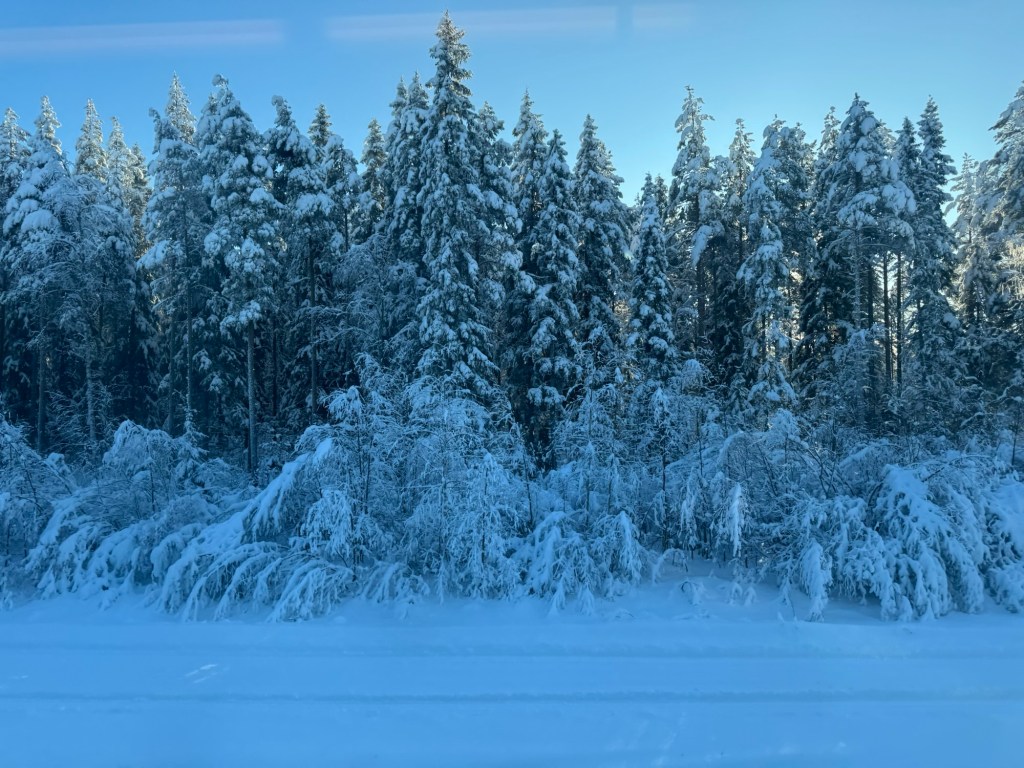
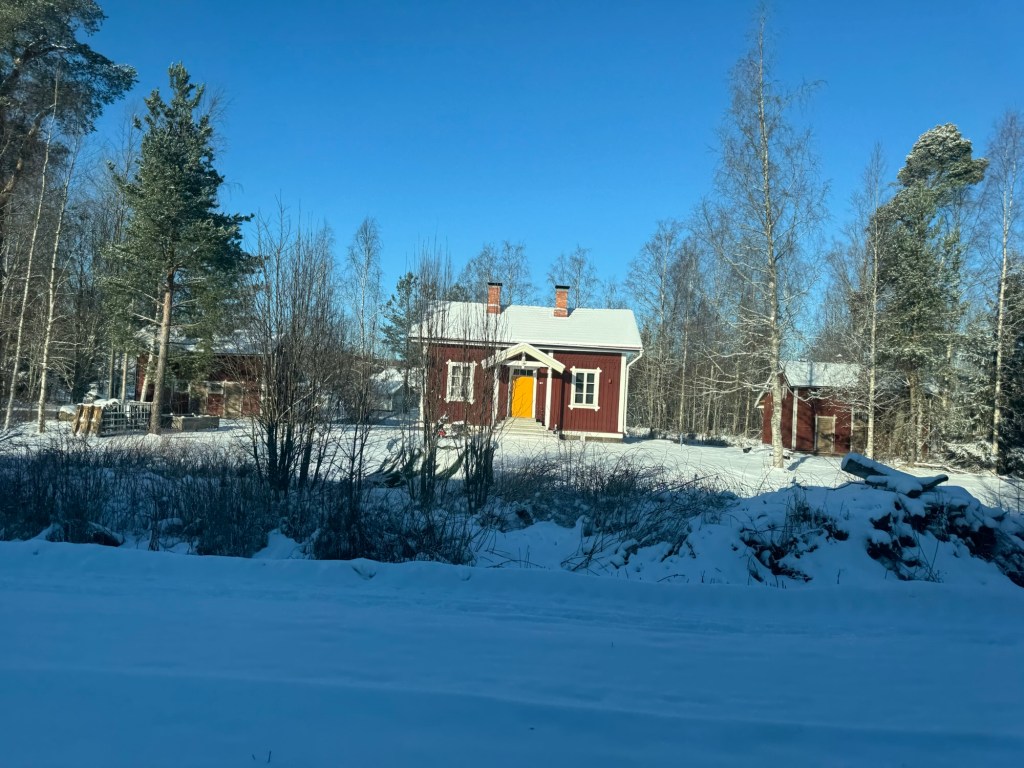
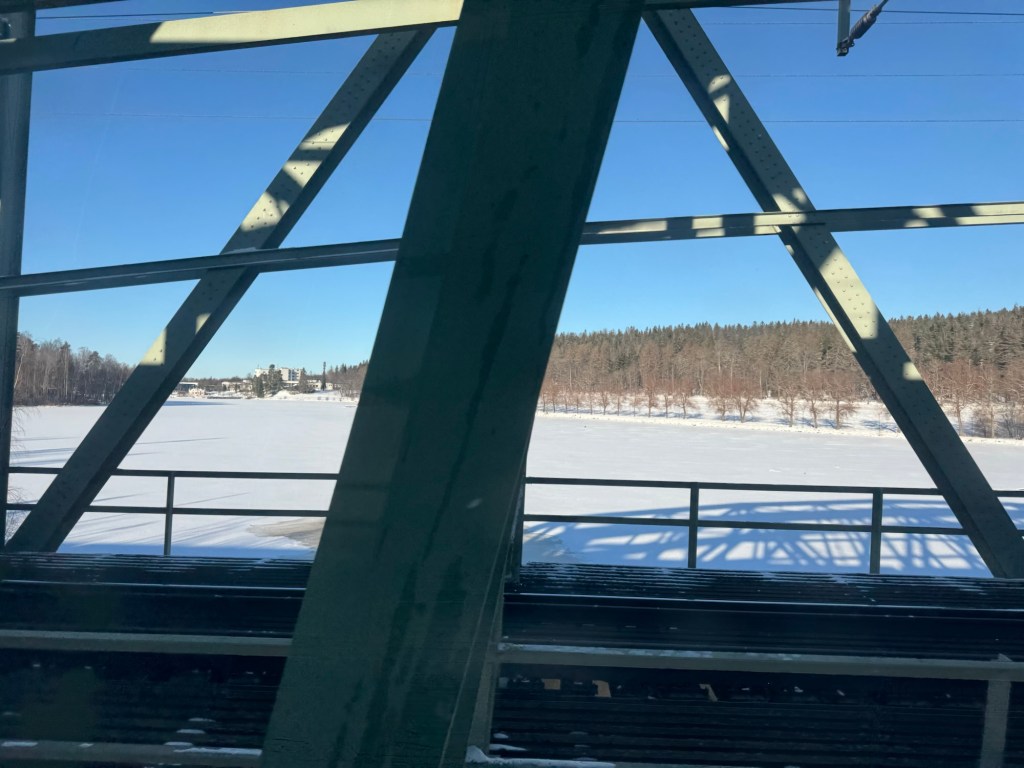
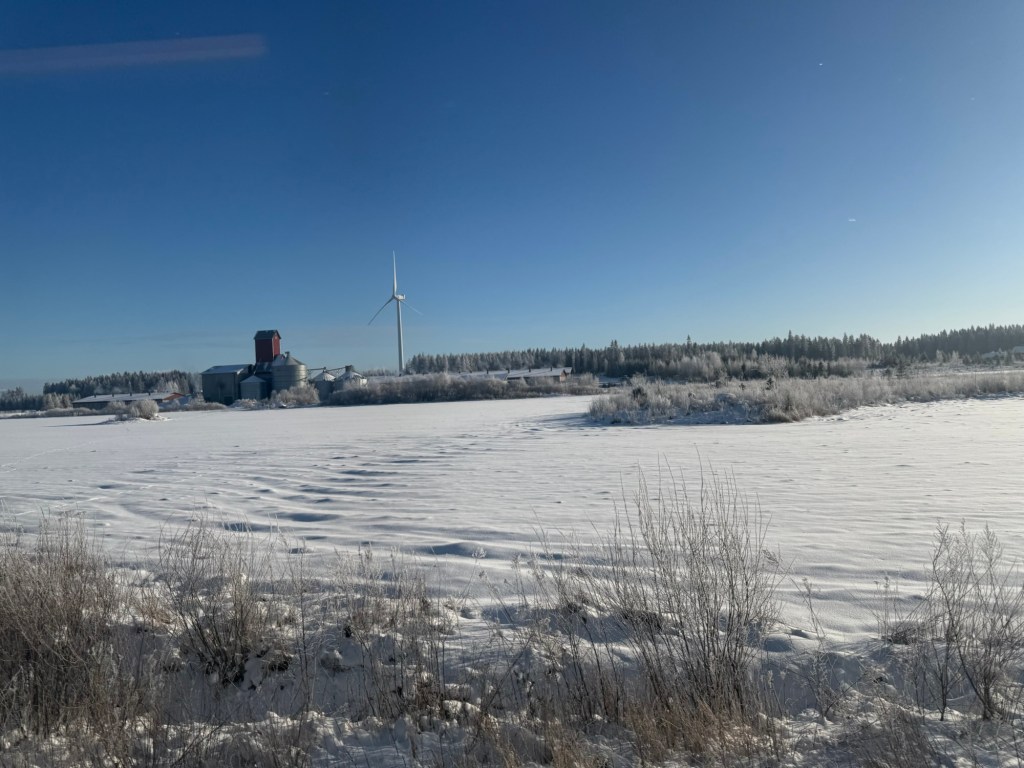
A stunning train ride to Inverness.


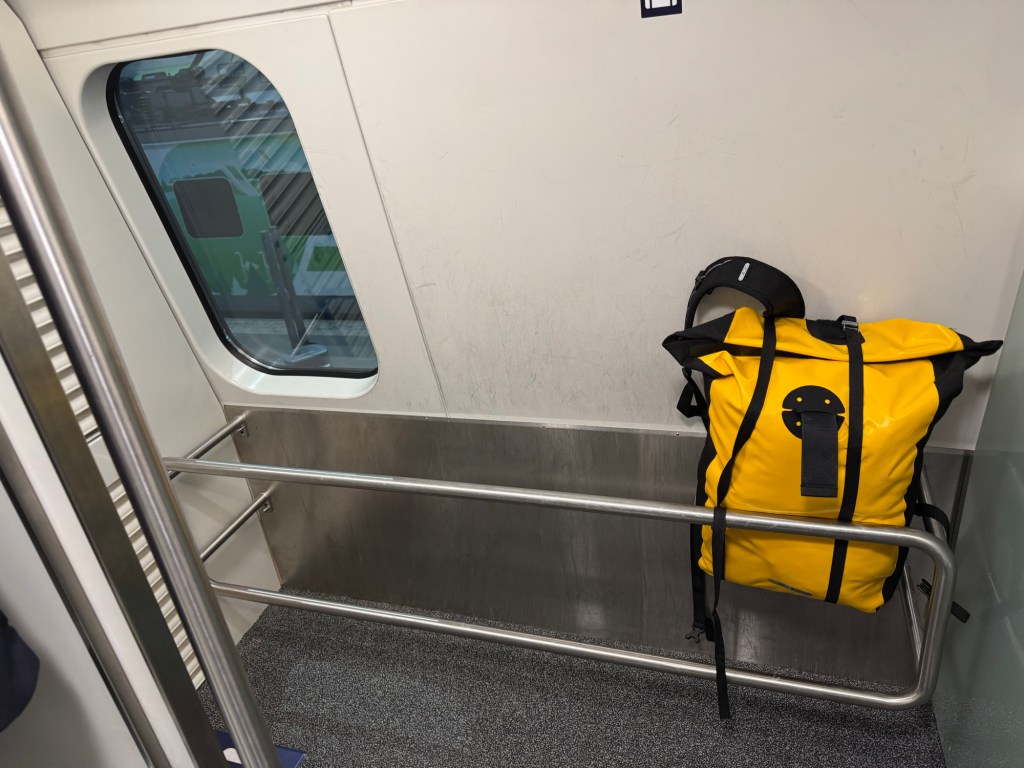
The bike went into a room on a carriage for bikes and large luggage. Not sure about the way the bike is hung up.


Interesting ride, an impressive number of cyclists on route to work, some with no road sense. One, who was on my right, turned left across my path without looking or signalling.


Nice to be the fastest for a change. Faster than the bikes and the cars 🙂.

Some jeopardy getting onto the SWR train, as they don’t do bookings for bikes. Will I get a space?


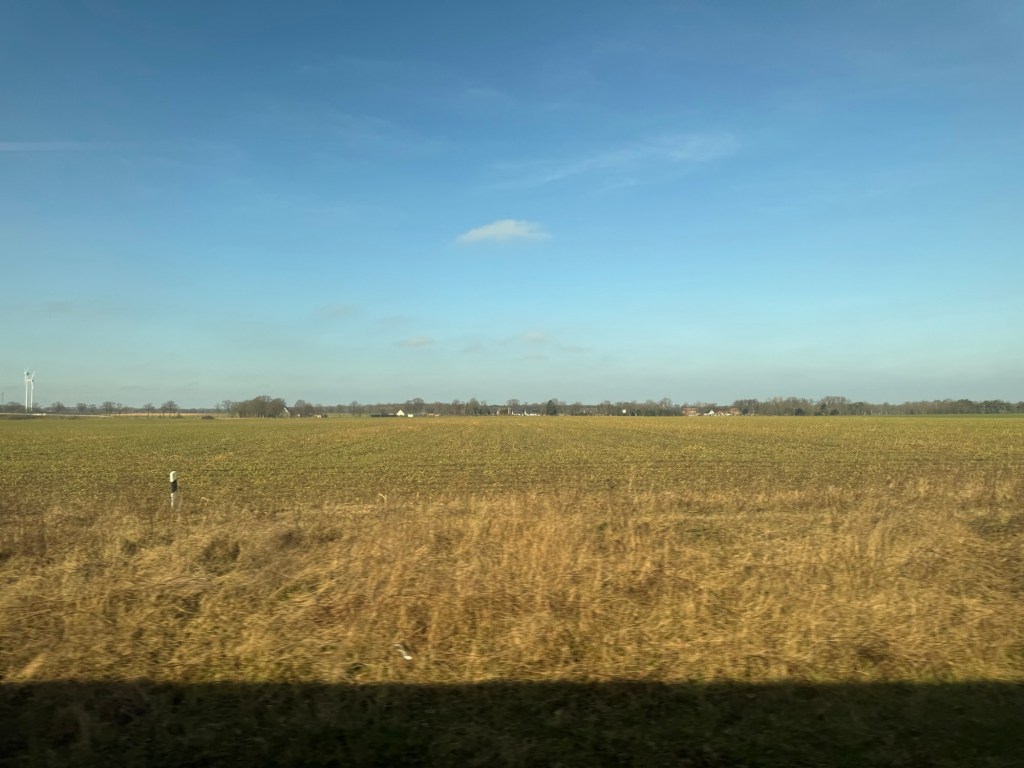
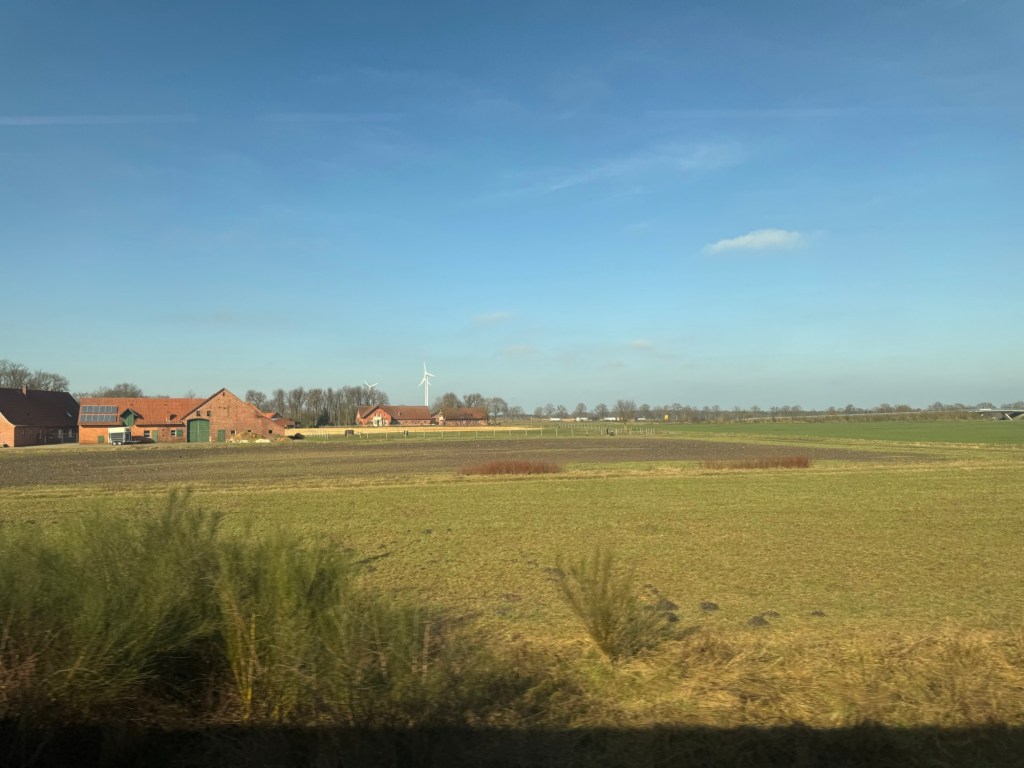
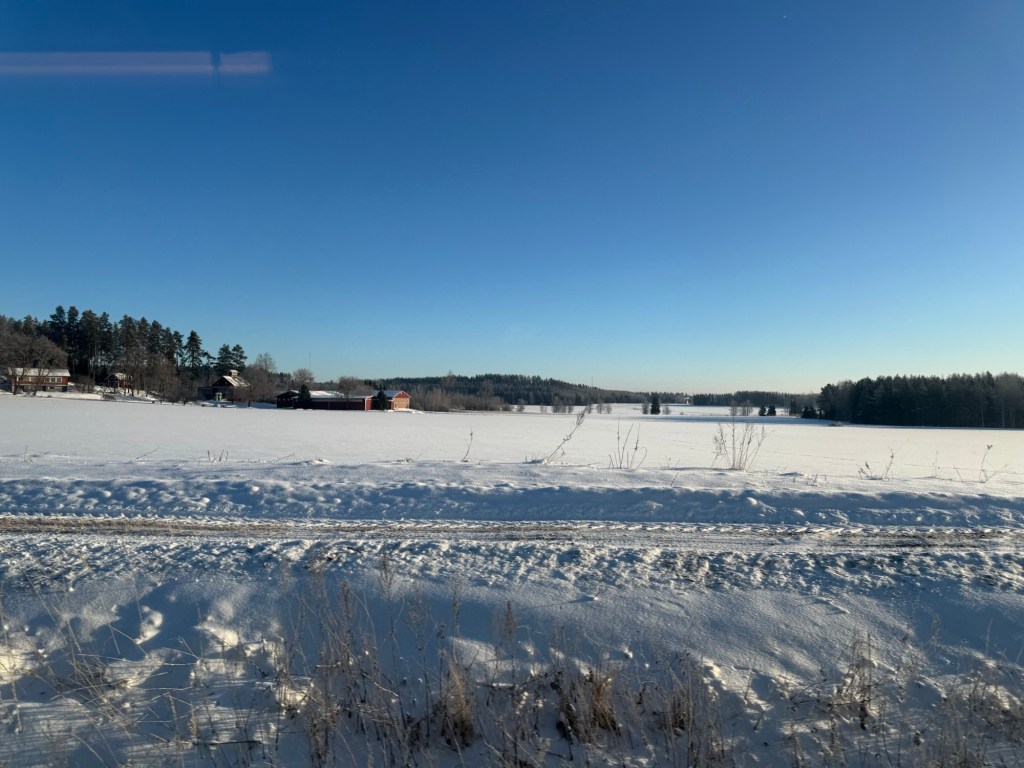
It only required three trains to get from the north coast of Scotland to the south coast of England. Weather good all the way,
It is Bike Week 2025. https://www.cyclinguk.org/bikeweek.
There are a lot of misconceptions out there. This bike week I addressed a few of them. This is my last blog post on the subject, for now.
In many western countries society is skewed in the favour of cars. In the UK we have allowed cars to dominate city and town centres. This has led to many negative effects, high levels of pollution, particulate, noise and visual. Plus there is the ever present danger of injury from vehicles. We are now afraid to allow children to travel on foot or by bicycle on their own. Even parked cars take precedence over children playing. God forbid a car is accidentally damaged.
In the US, it’s worse. Who came up with the idea of jaywalking as an offence? Too many lawsuits against errant drivers? So criminalise the victims. In the UK pedestrians take responsibility for their safety and decide when to cross. In Germany the onus is on the driver. In Budapest often the drivers ignore the red lights at pedestrian crossings. In busy cities it is frustrating crossing the roads, you have to wait for the green man and watch for cyclists jumping the red lights.
The UK has made an effort to rebalance. The Highway Code has introduced the idea of the more dangerous you are the more responsibility you have. When turning left cars have to give way to cyclists and pedestrian, cyclists have to give way pedestrians. This is the opposite of might is right. Low emission zones and traffic free areas have helped improve safety and reduce pollution.
Low speed limits in built up areas, 20 mph in the UK makes life far more pleasant for pedestrians, cyclists and motorists. Reduced noise and pollution, increased safety, what’s not to like. There is still a large minority of drivers who don’t think the rules apply to them. Enforcement is an issue, but when I am driving in a 20 mph zone, all the vehicles behind me obey the speed limit 🙂.
But even in higher speed limit areas, what could be round the corner? Drive so that you can avoid mowing down the mother with pram forced to walk on the road with no pavement, who could be round the blind bend.
There seems to be a lot of overly noisy people including some politicians who object. What’s not to like about increased safety and health? Unfortunately there is a sense of entitlement amongst some drivers, nothing must impede their speed. News for you, you are not that important.
Some politicians try to create a phoney argument with phrases like “war on motorists “, a typical populist approach to gain traction with an over simplified statement with no substance or merit. There is no war on motorists in this sense, just a push to make life better for people.
There is a kind of war on motorists in the UK, and all other road users. You can see the craters everywhere on the roads. Lack of maintenance a false economy. Today I hit a pot hole on my bike and ended up with a puncture.
Could things get more skewed across the world as driverless cars come into use? The offence of jaywalking makes it far easier to have poorly performing driverless cars on the road. Policy makers in all countries, protect people first, not car makers.
The UK has improved, you can see that in driver behaviour, but has more to do. Don’t allow repeat offenders to stay on the road. Speeding, reckless driving should be treated more seriously. Change the attitude of drivers so driving too close to cyclists and pedestrians and other vulnerable road users such as horse riders is absolutely frowned upon. Make towns and cities safe for people, especially children.
One of the common moans about cyclists, is that they don’t pay road tax. This is true, but no road users pay road tax. But owners of motorised vehicles do need to pay a vehicle tax https://www.gov.uk/vehicle-tax-rate-tables. There is no requirement to pay a vehicle tax for a bicycle. This makes sense as for newer vehicles the vehicle tax is related to how polluting a vehicle is. Bicycles produce next to no pollution. Even electric cars pollute, the brakes and tyres produce particulates.
I am going to look at the tax situation from a different angle.
Most adult cyclists do pay tax which contributes to the upkeep of roads, it’s called income tax. Given the extreme low levels of damage to roads from cyclists and the extremely low level of pollution from cyclists, it seems unfair that cyclists pay as much income tax as drivers. People who do not own motorised vehicles are subsidising the owners of motorised vehicles. Cyclists who reduce their motorised vehicle usage due to cycling should be thanked for reducing their contribution to causing pot holes.
There is of course taxation on petrol and diesel. But given the damage to people’s health and to the environment from vehicle emissions , I suspect that this is not enough.
Thank you cyclists, a group who are actually reduce the tax burden.