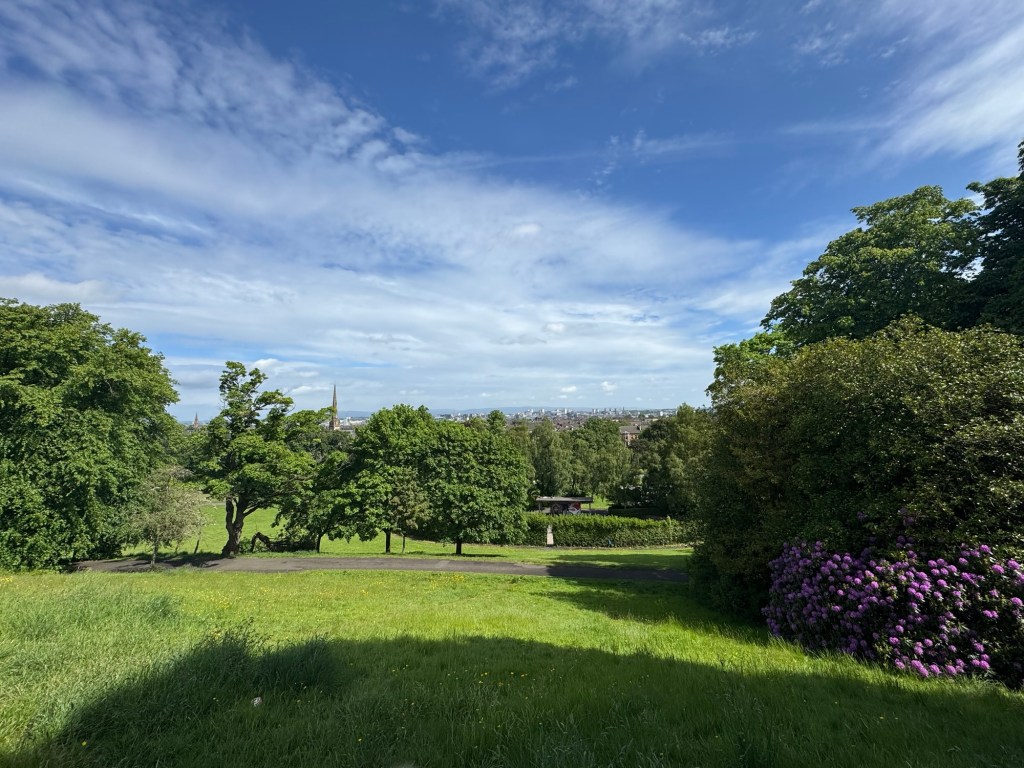
I cycled in Glasgow and tried out the buses. Glasgow has some proper cycle lanes, separated from traffic. The drivers are polite and the cyclists obey the traffic lights.
Comprehensive bus service.
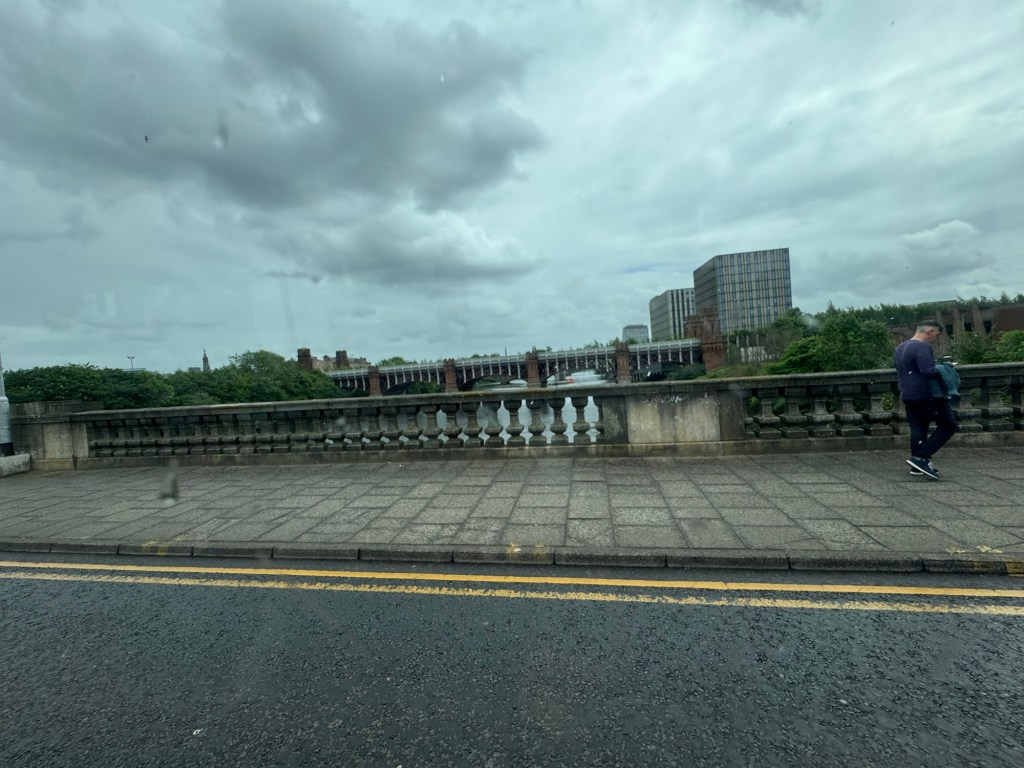
Crossing the Clyde
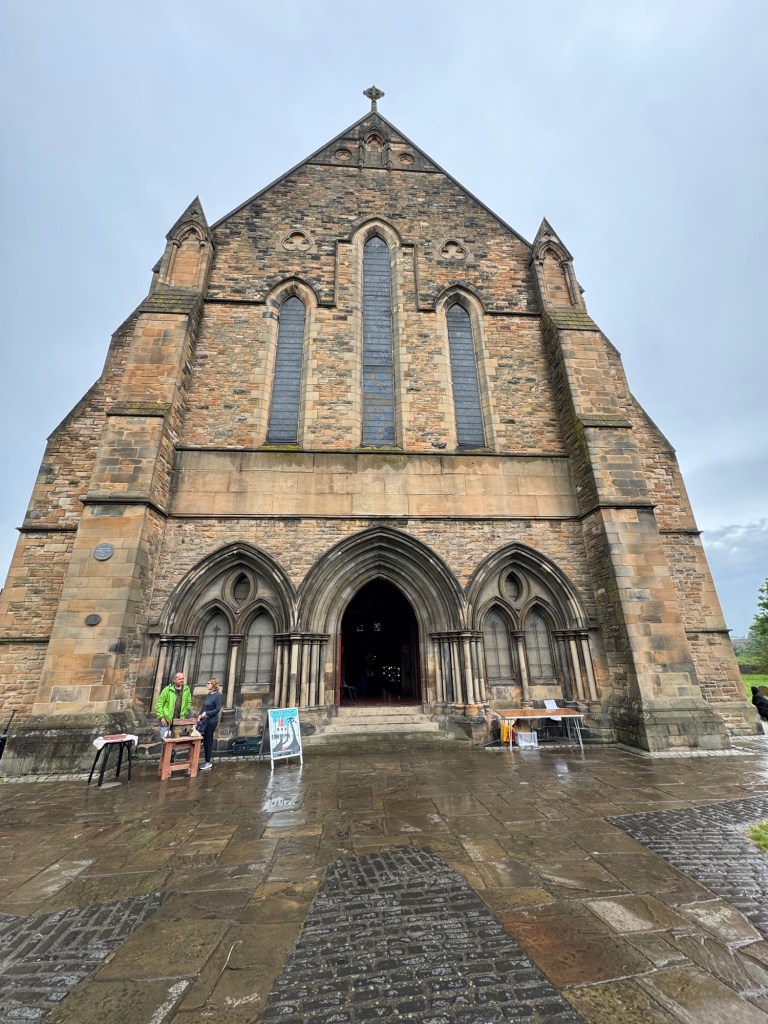
I visited the old Govan Church following a recommendation.
Old Govan church.
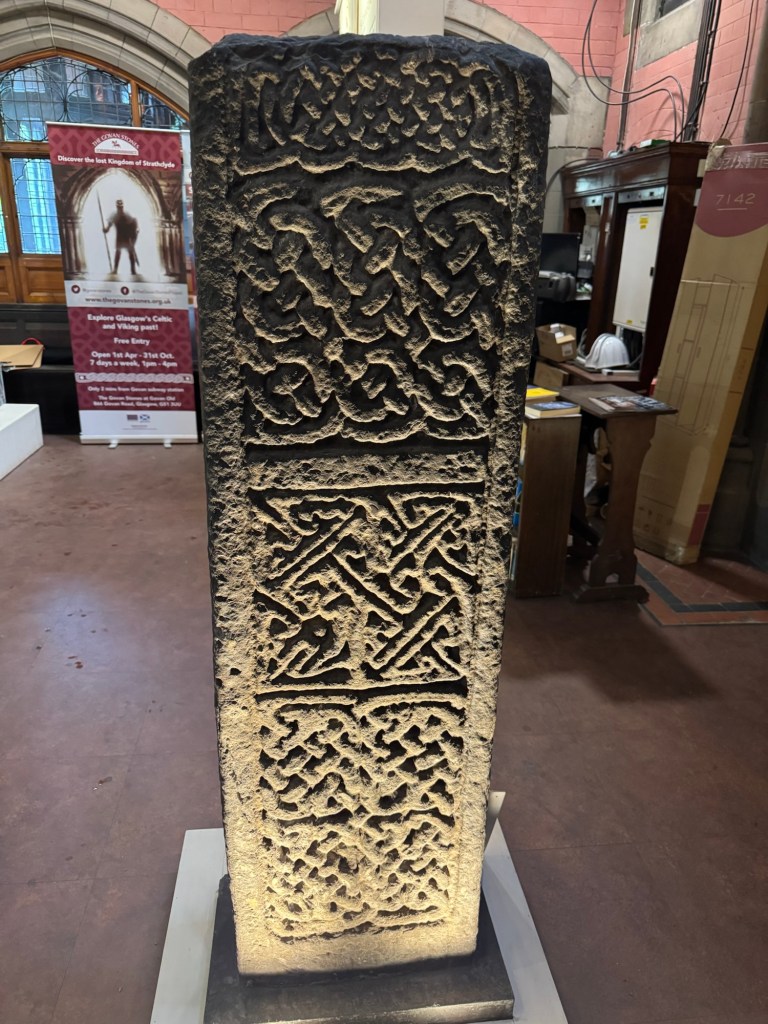
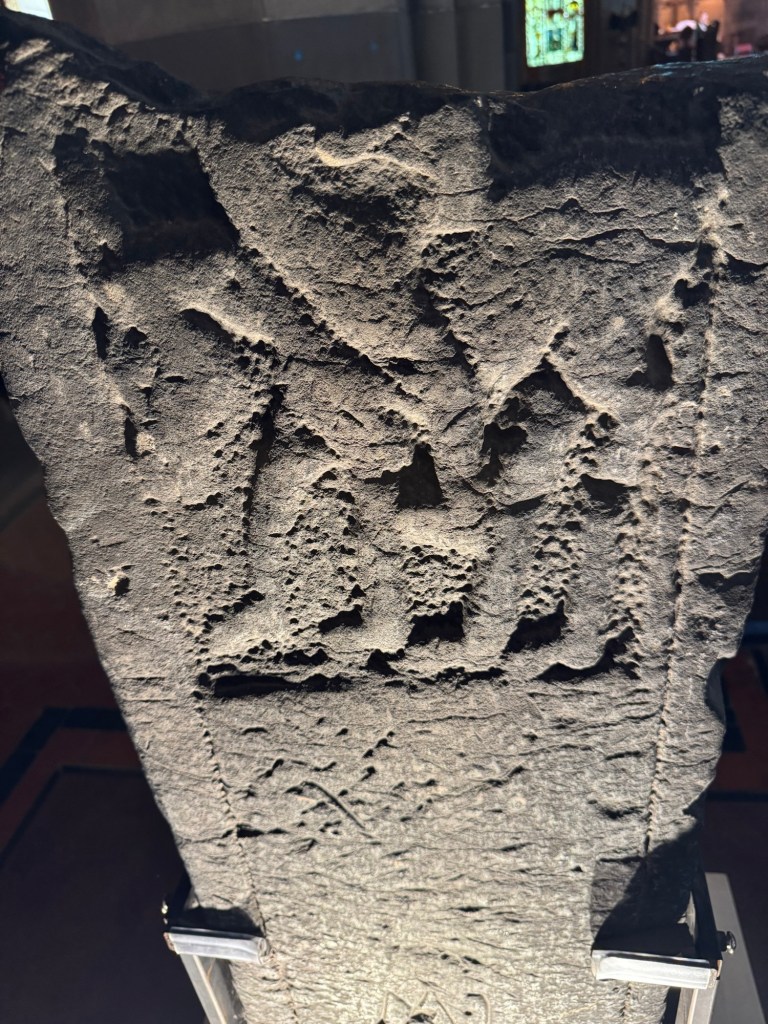
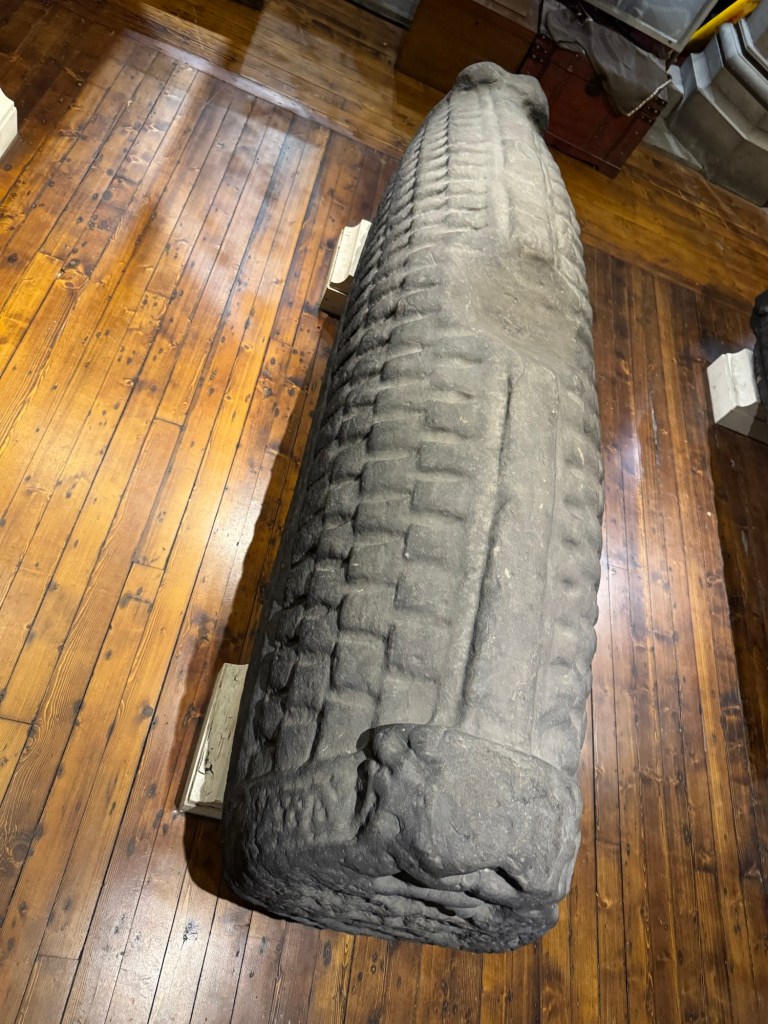
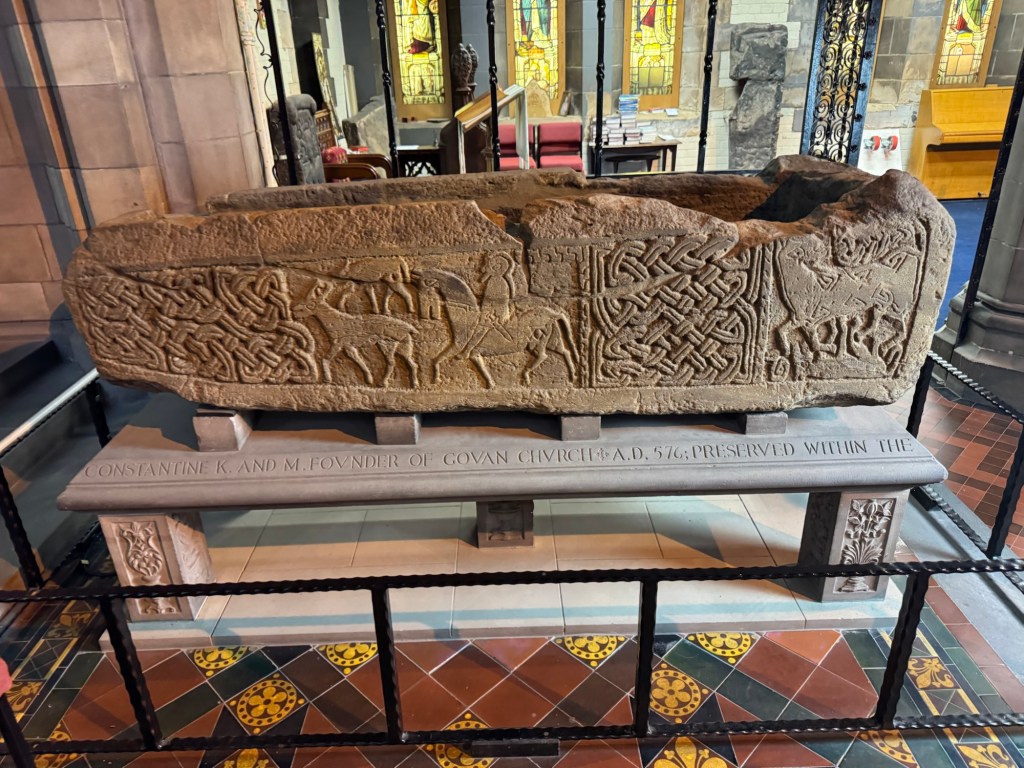
Fascinating old grave stones from 800 AD onwards are displayed in the church.
Person on horseHogsbackCasket
I had a proper explanation of the history of the kingdom of Strathclyde from the guide. A language close to Welsh was spoken here.
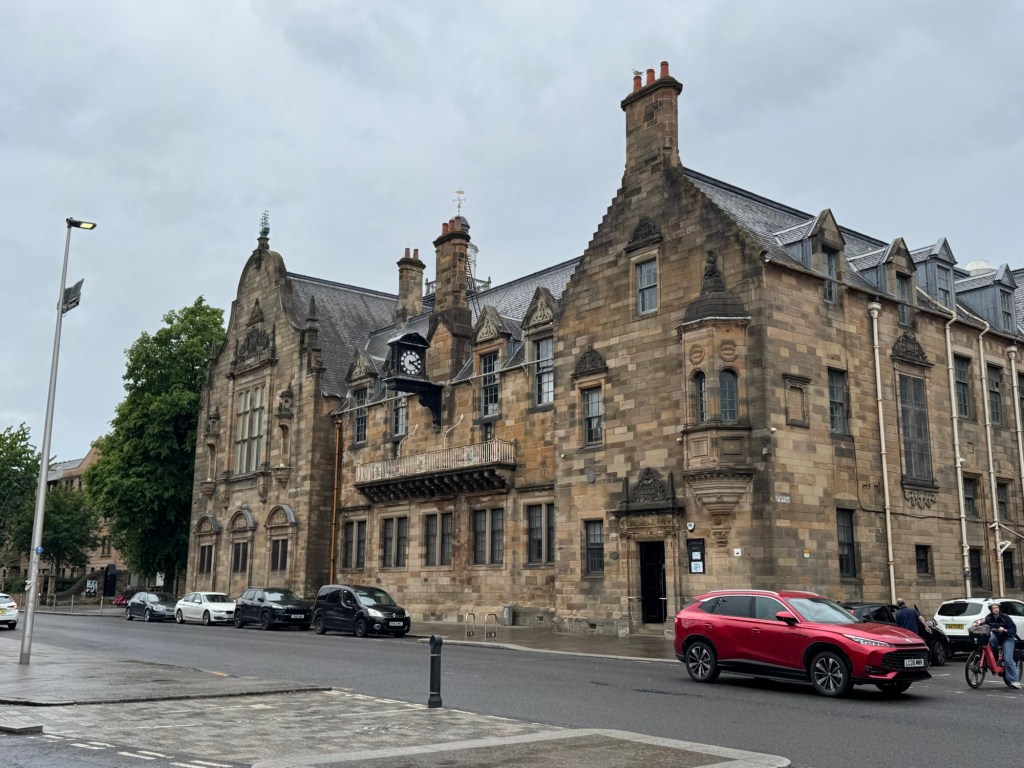
Meanwhile across the river.Also in Govan.
Had to wait for the bus for a long time due to a Scotland international friendly messing up the buses.
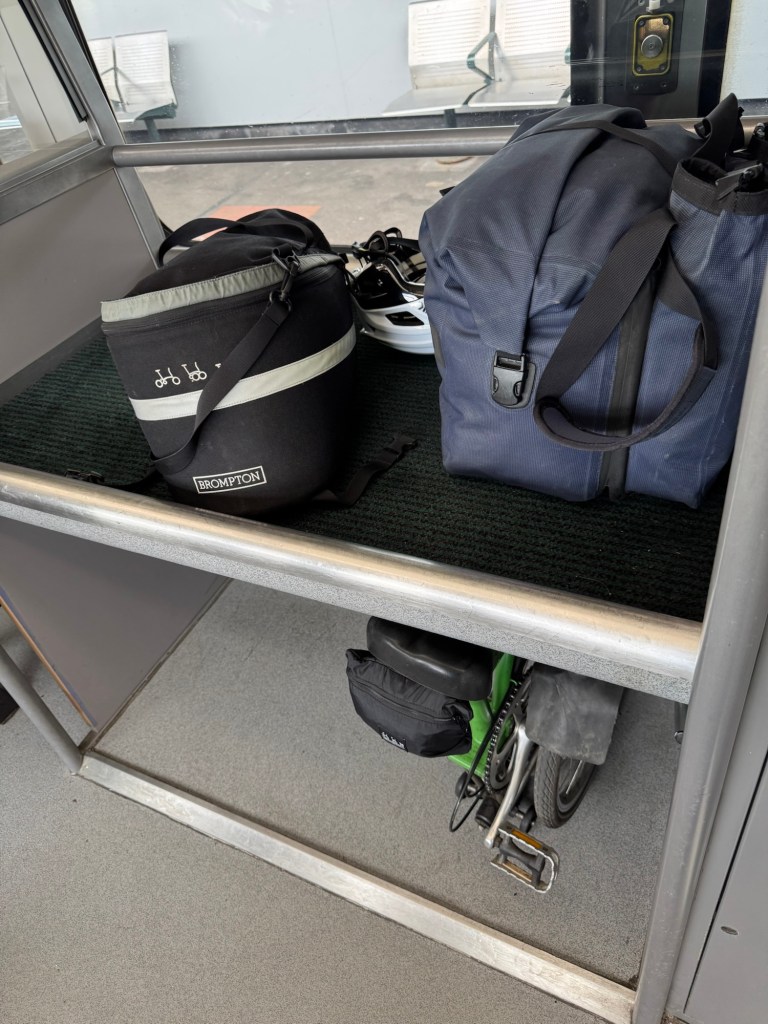
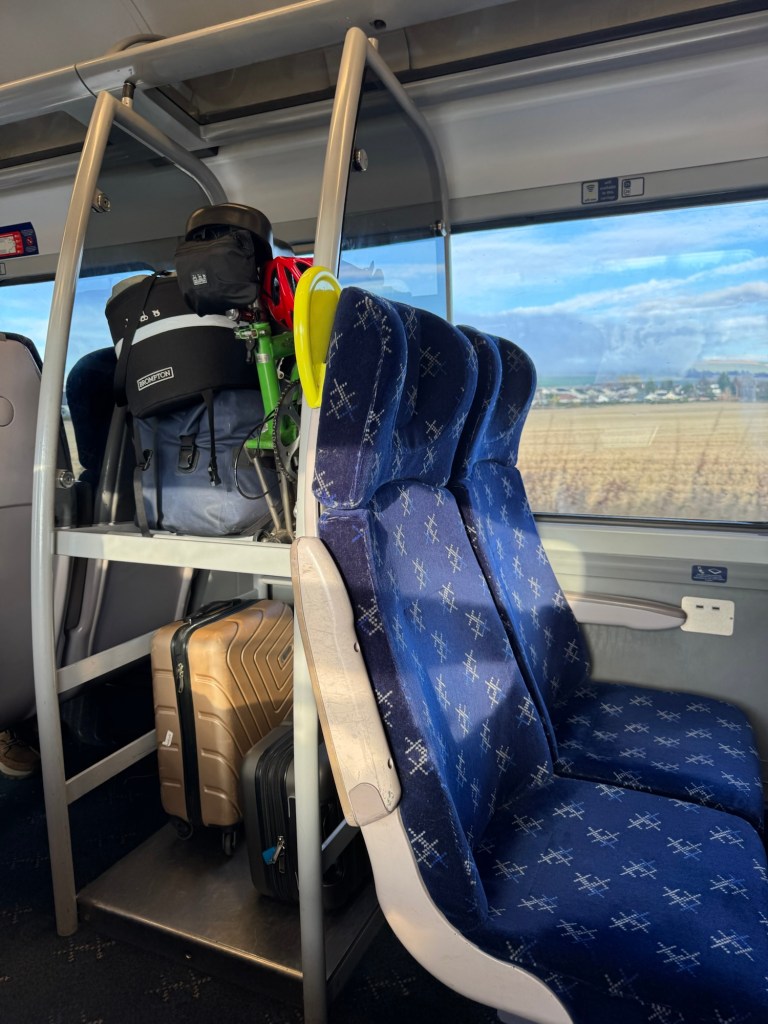
I had a realisation on this trip that not all trains have luggage racks and not all trains have toilets.
Didcot to Chester involved four trains, which is strange as I only needed three trains from the far north to Didcot.
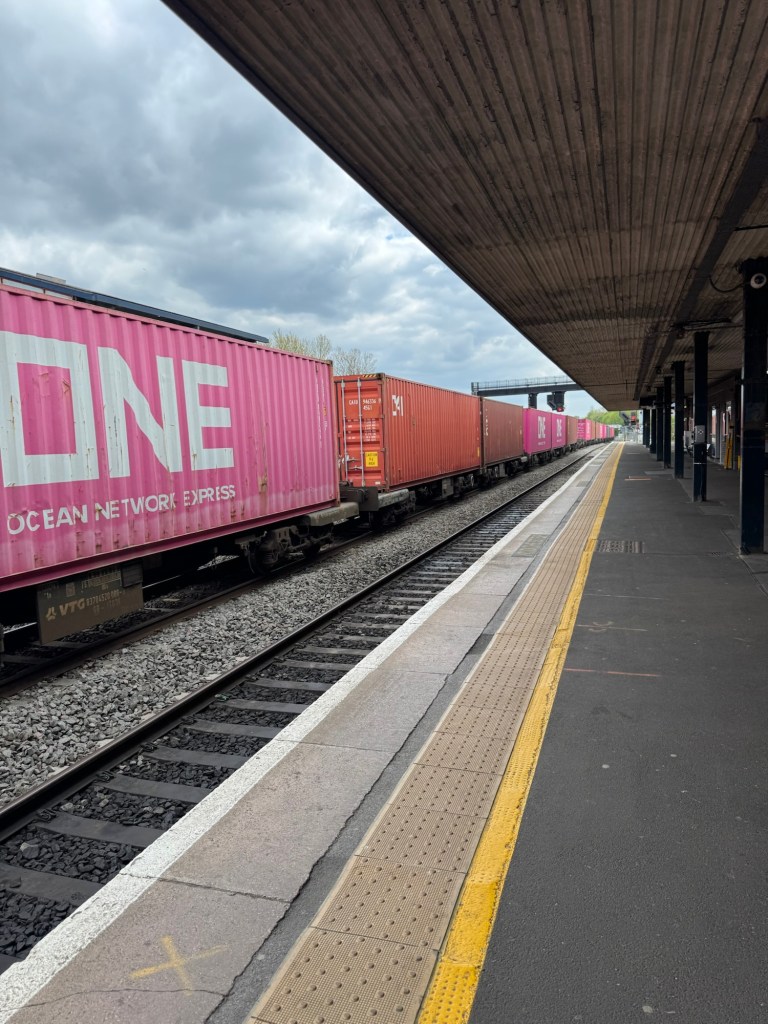
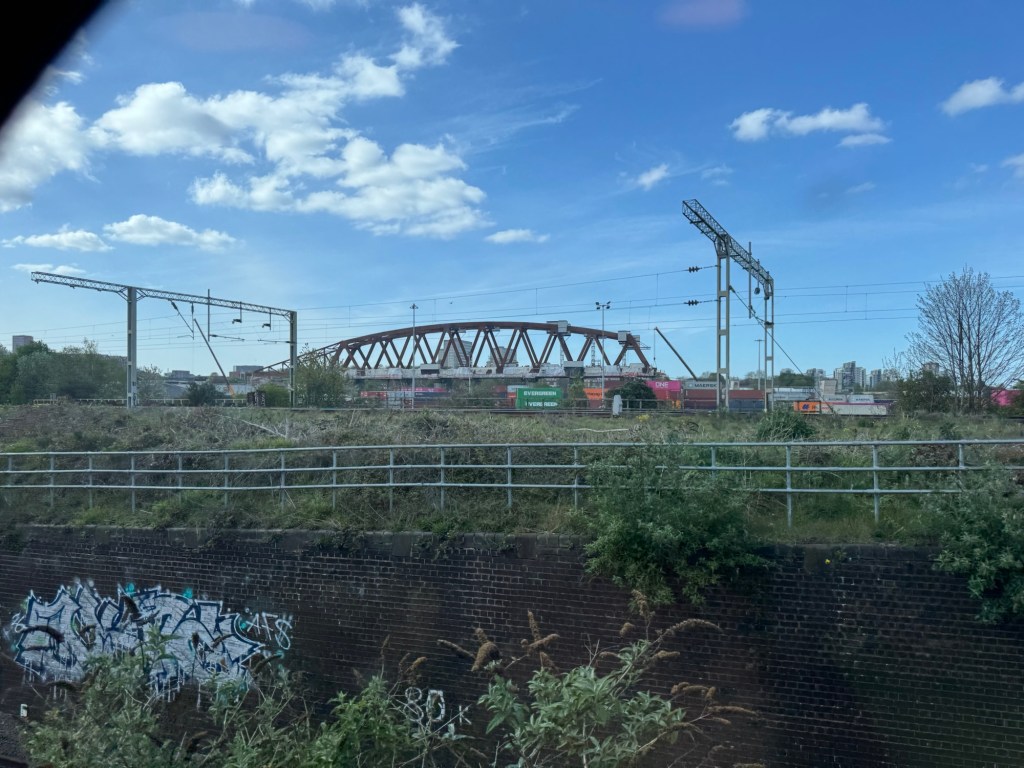
On the way to Oxford.Changed at Oxford, no need to change platform.Approaching Birmingham
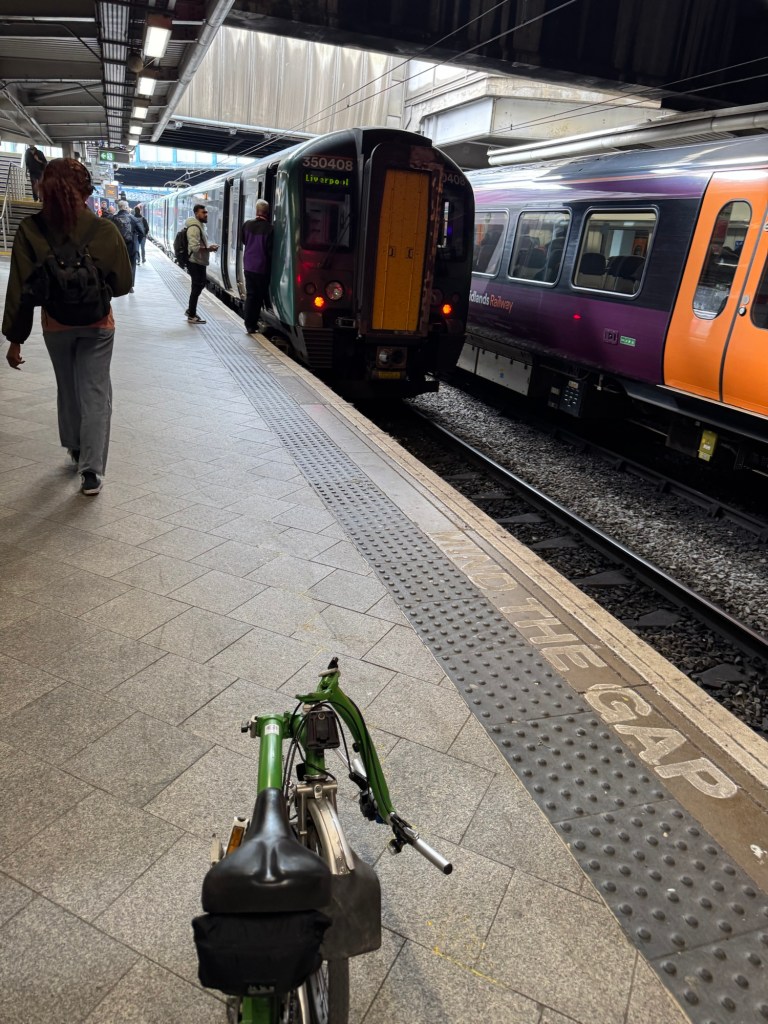
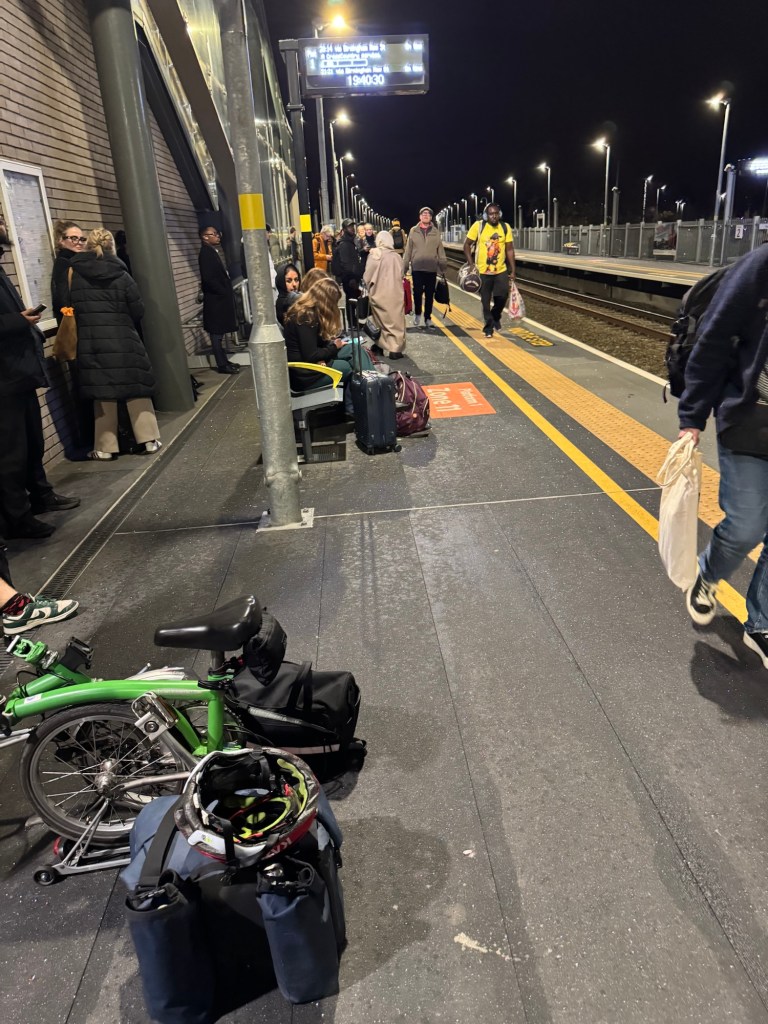
Change again at Birmingham, the most confusing station that I have come across, not helped by poor signage. Slightly stressful due to a slight delay in arriving. Had to go to platform 4B . Was that a left or right turn at the bottom of the stairs? Guessed correctly as left.
Platform 4B Birmingham.
Accents a mixture of brummie and scouse on the train to Chester.
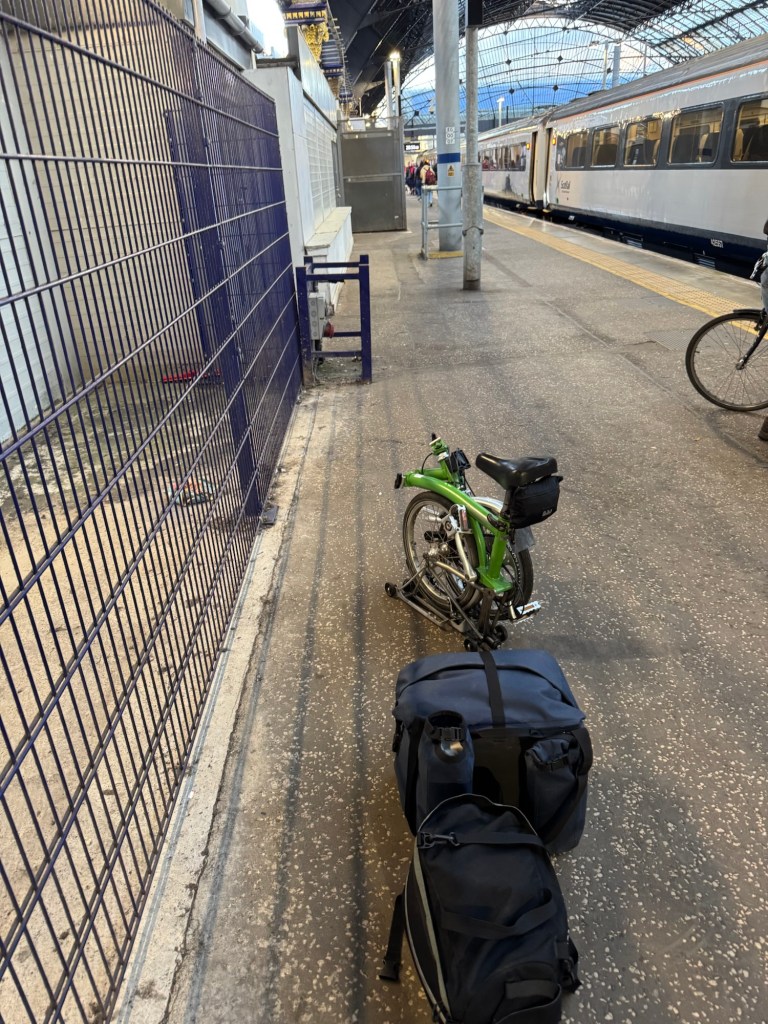
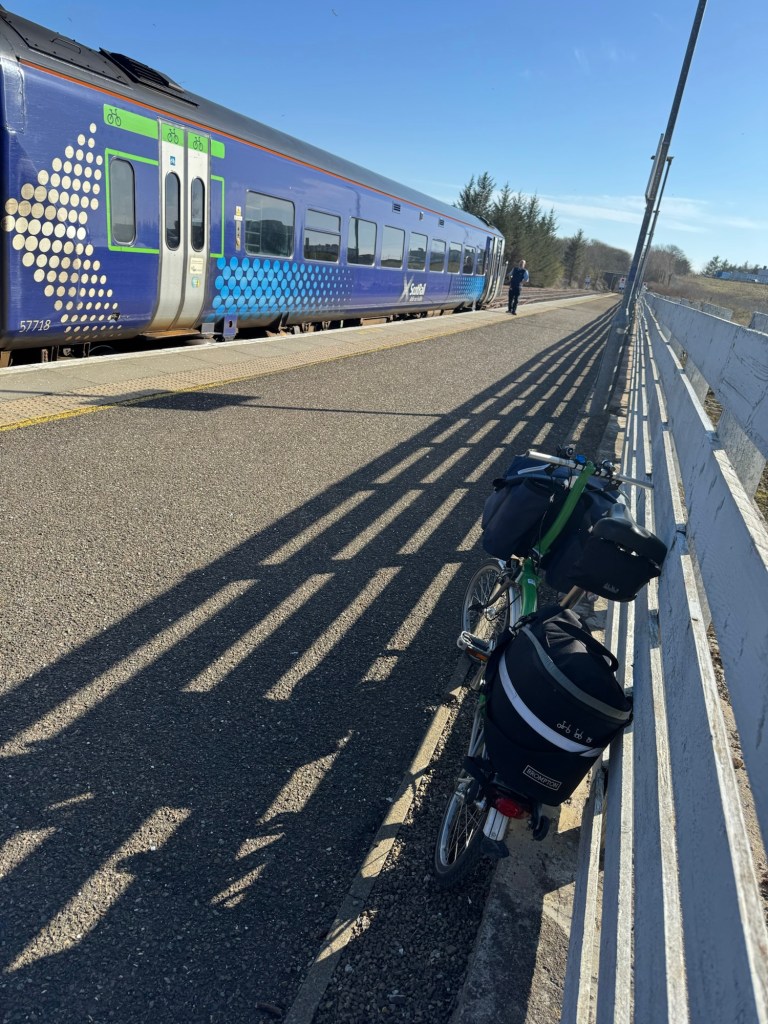
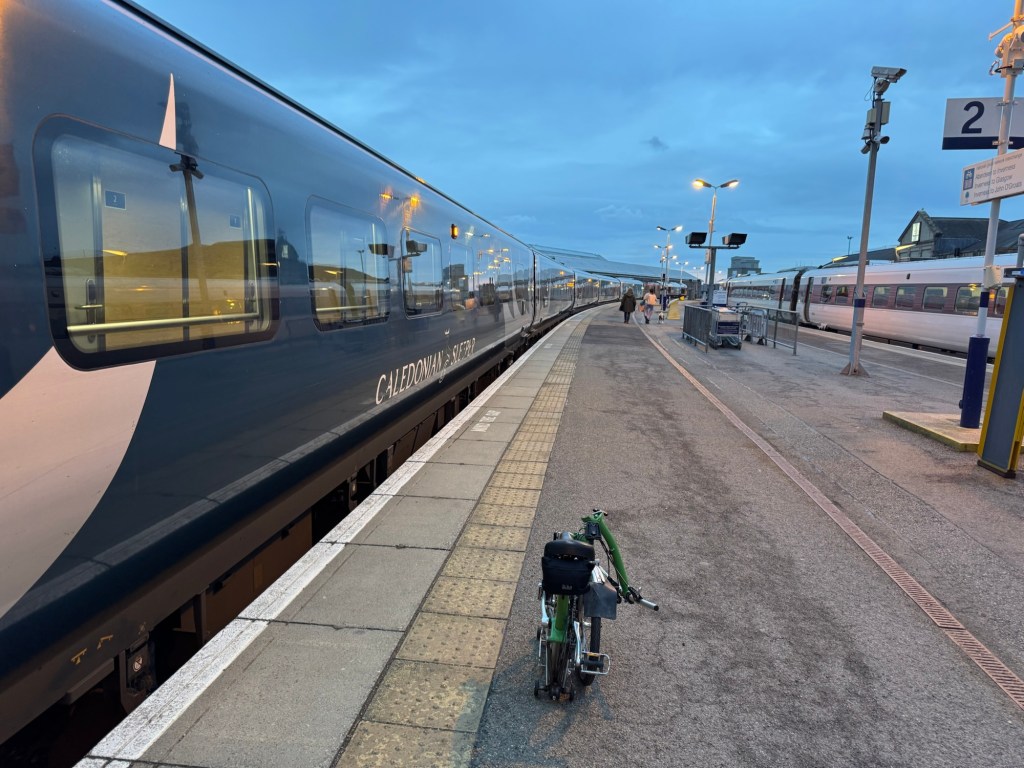
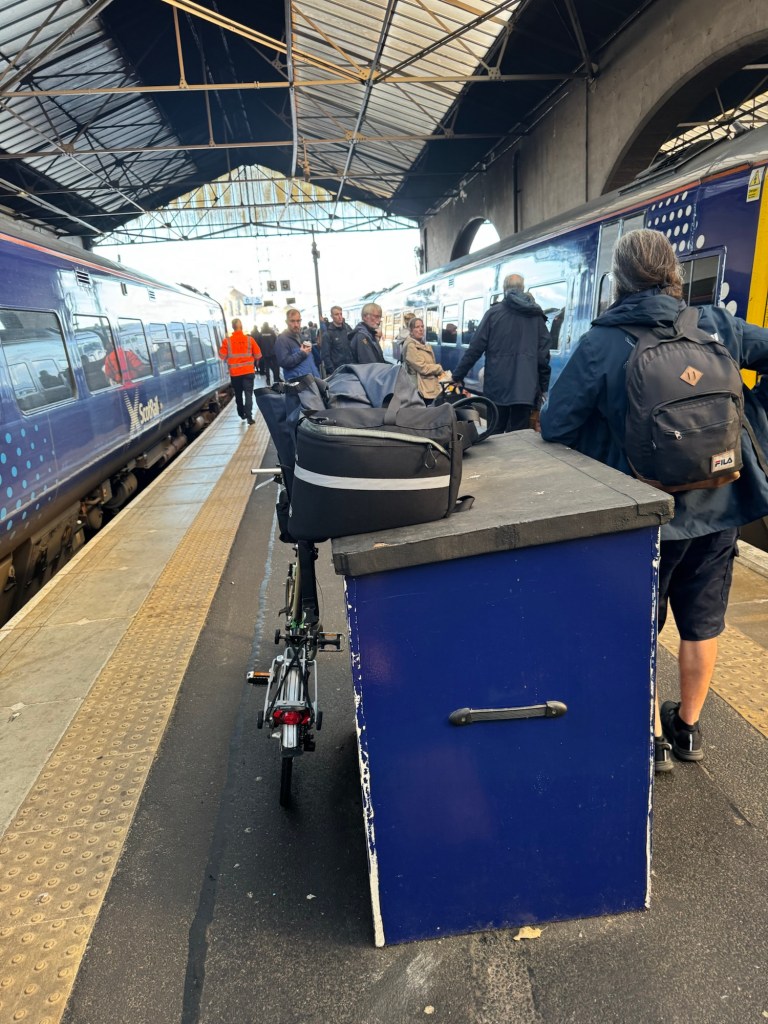
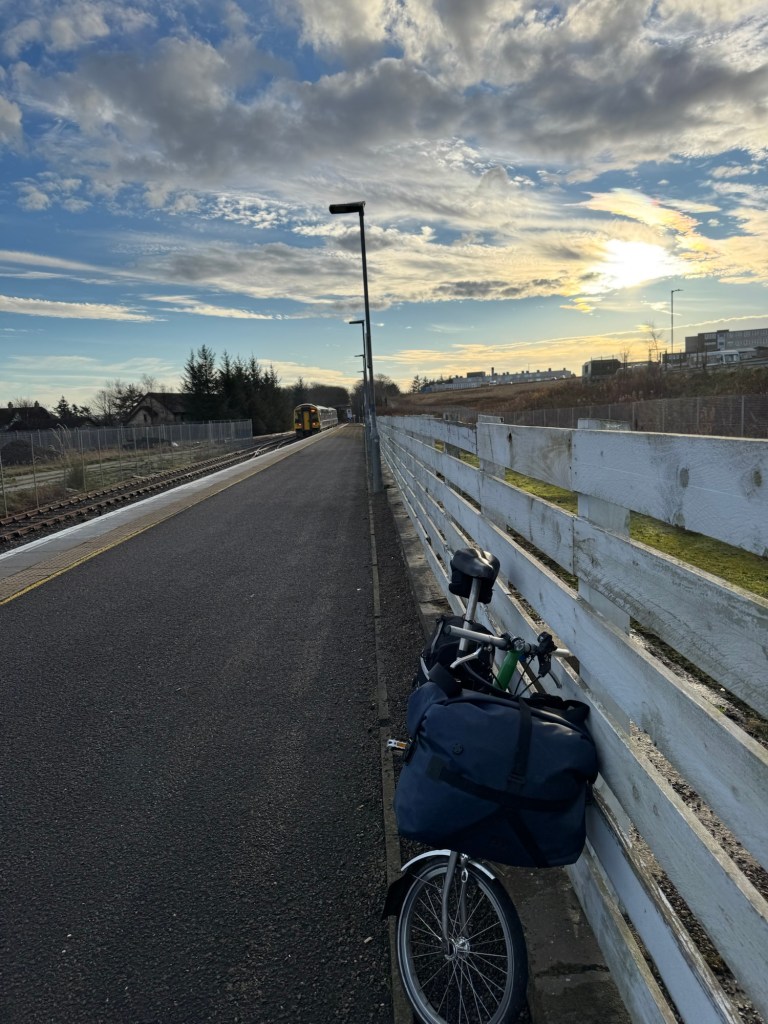
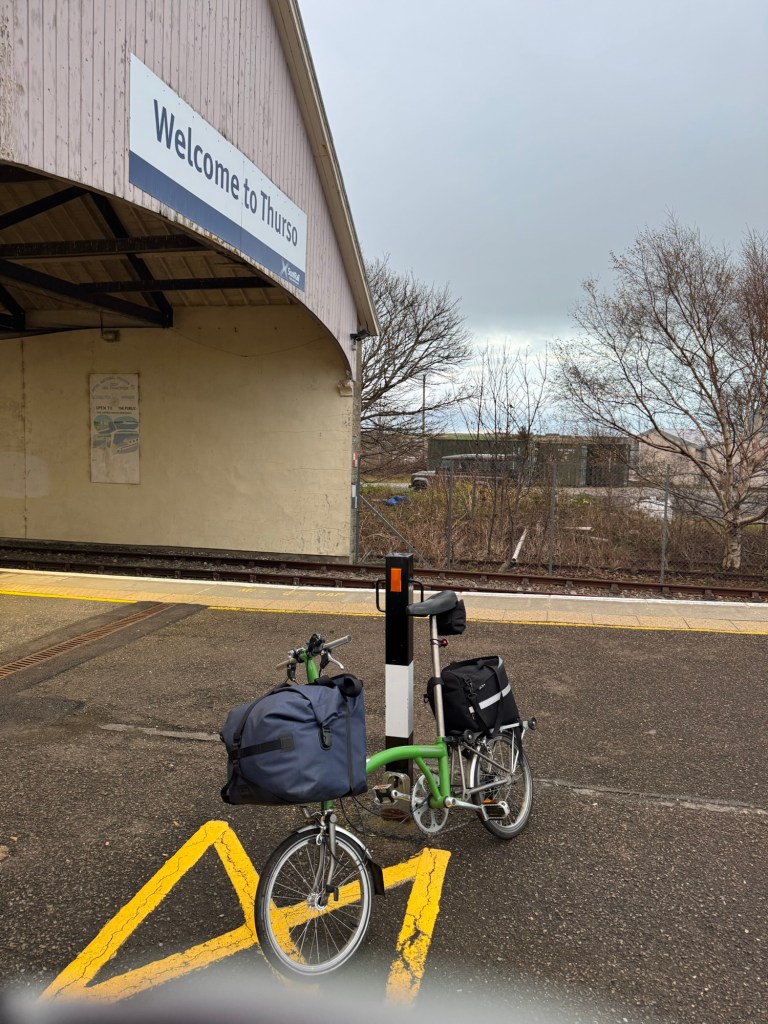
Another trip south by train, this time with bike. Arrived at the station to meet the train to Inverness. It was windy.
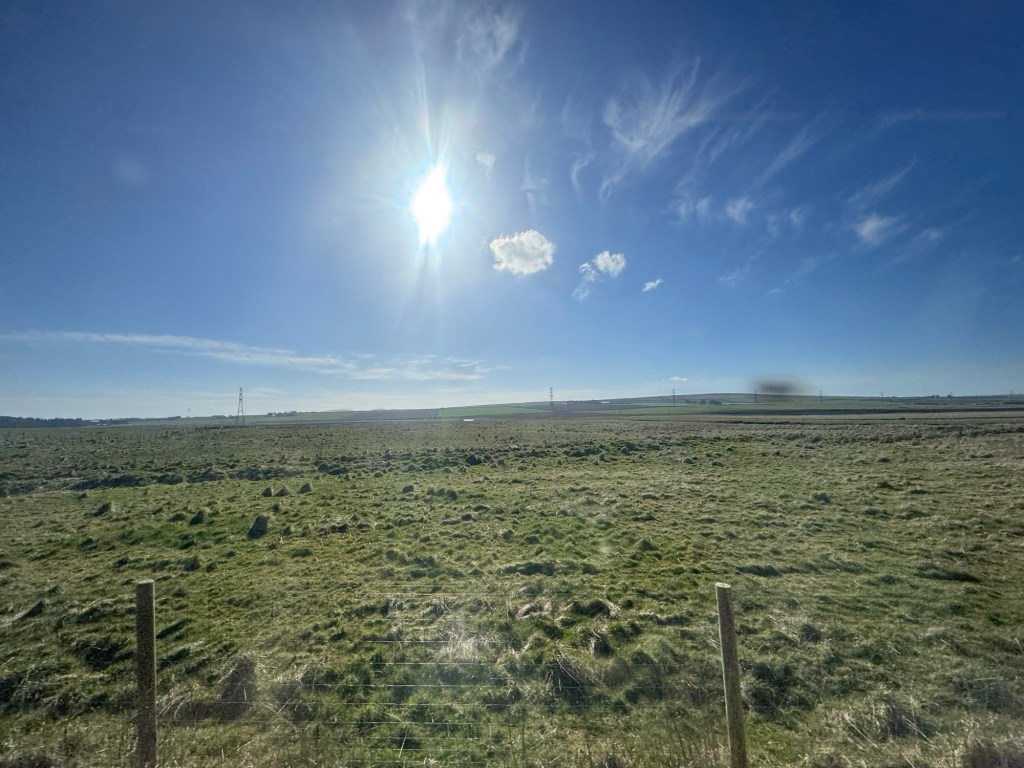
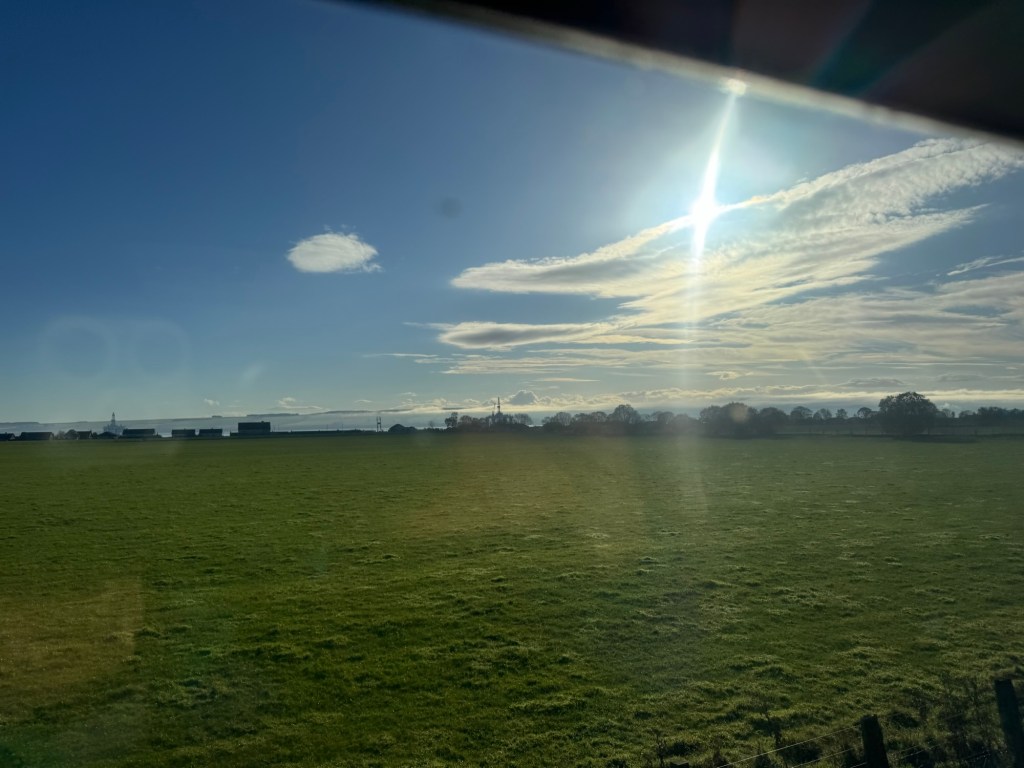
And sunny.
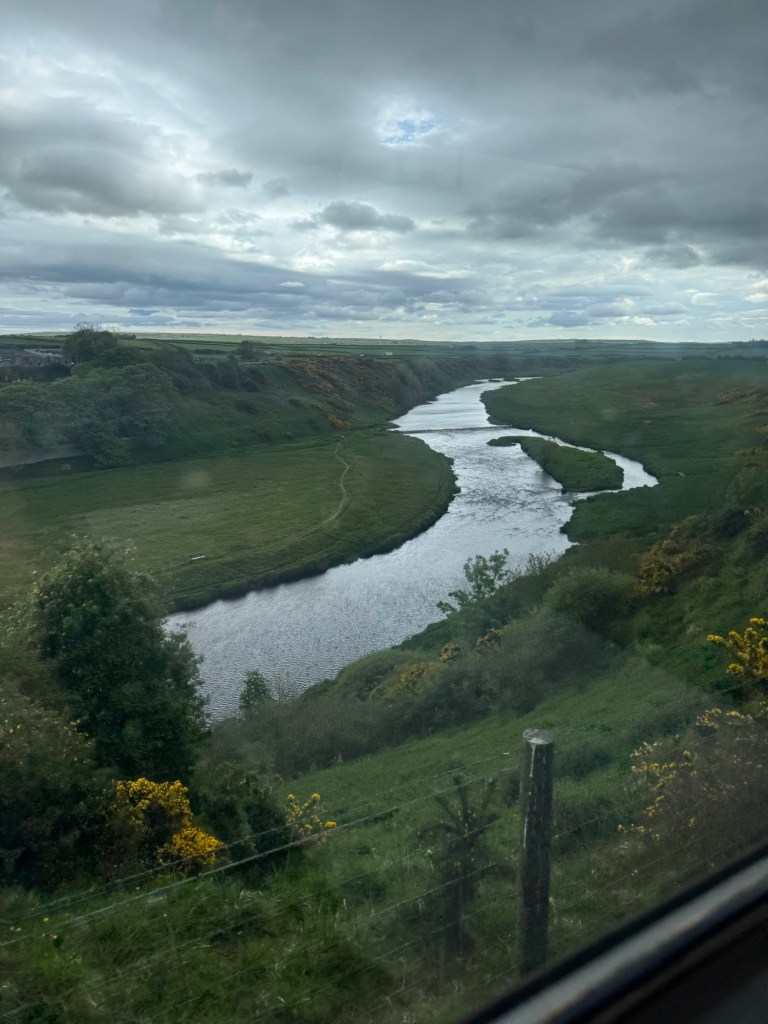
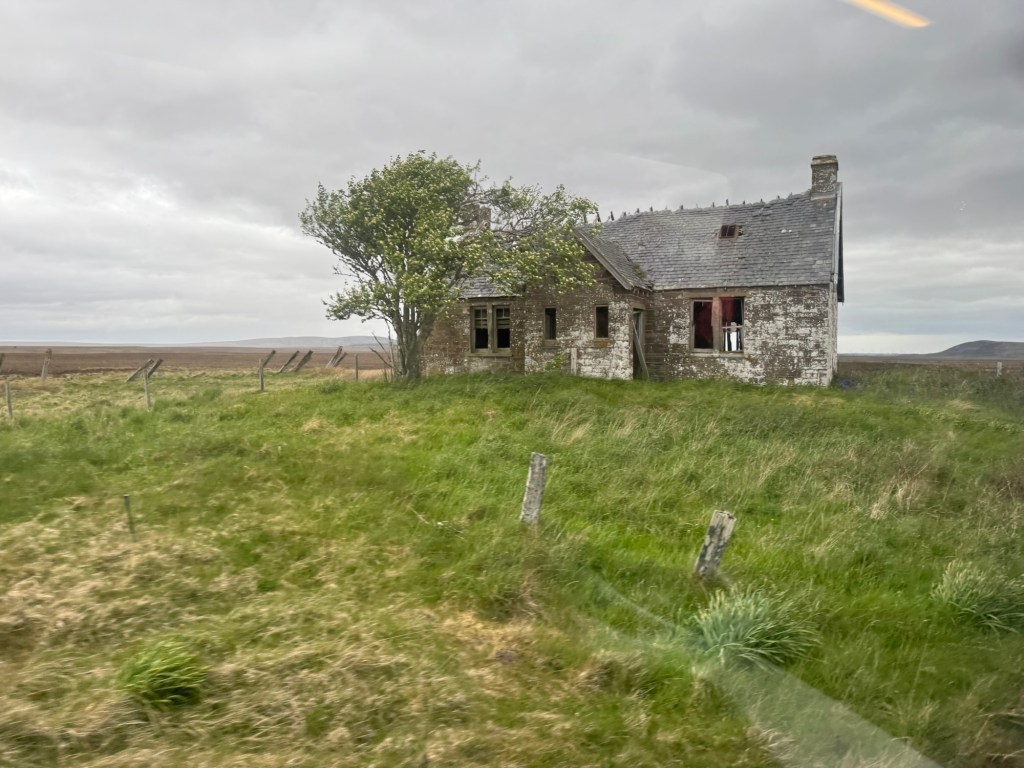
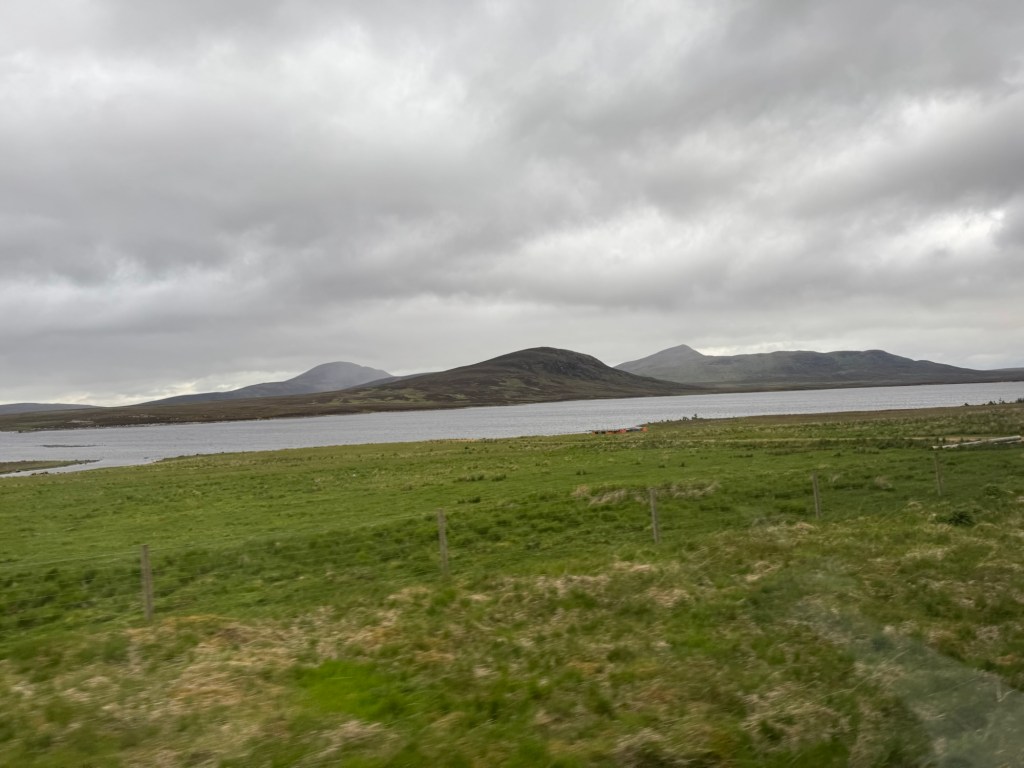
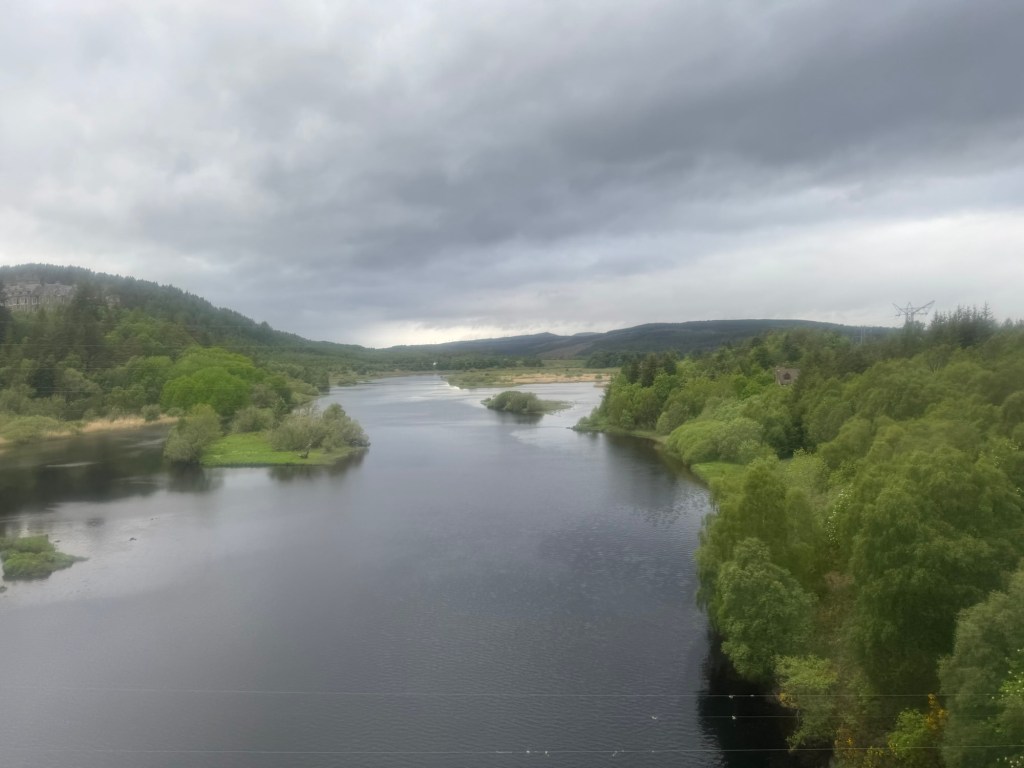
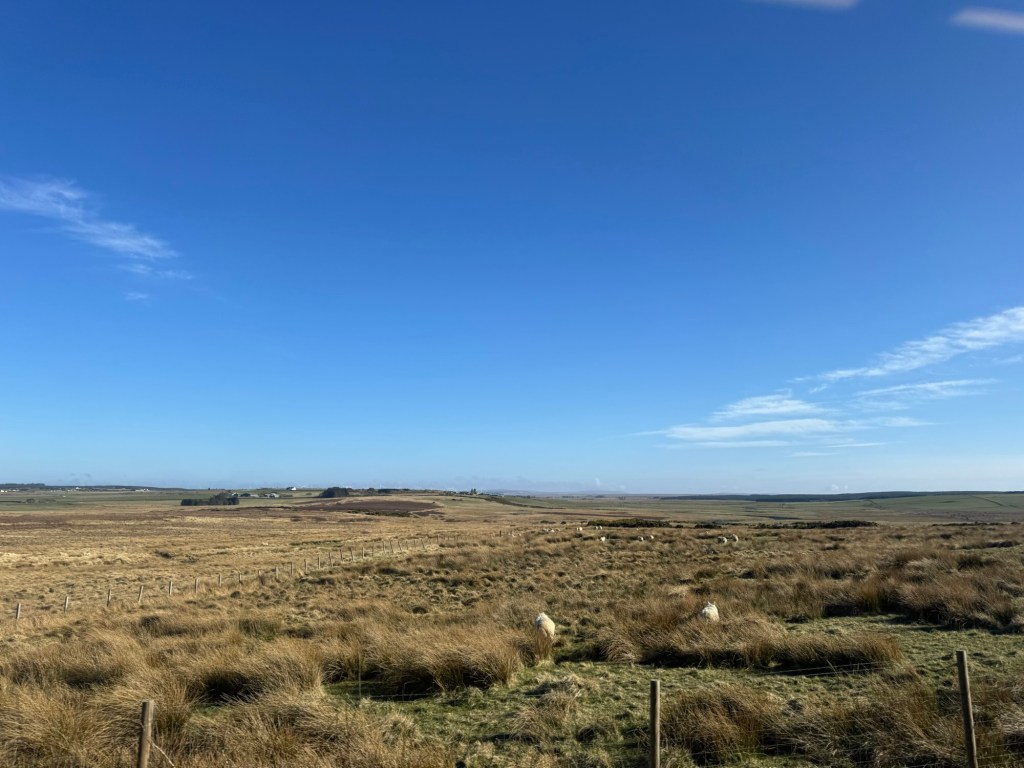
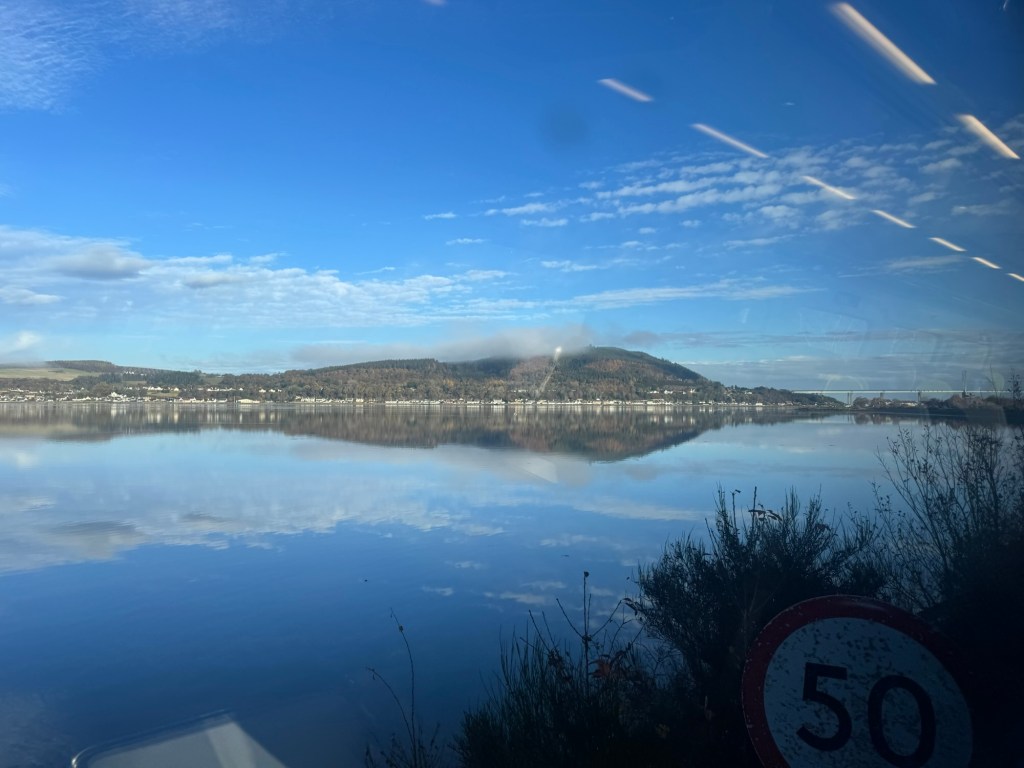
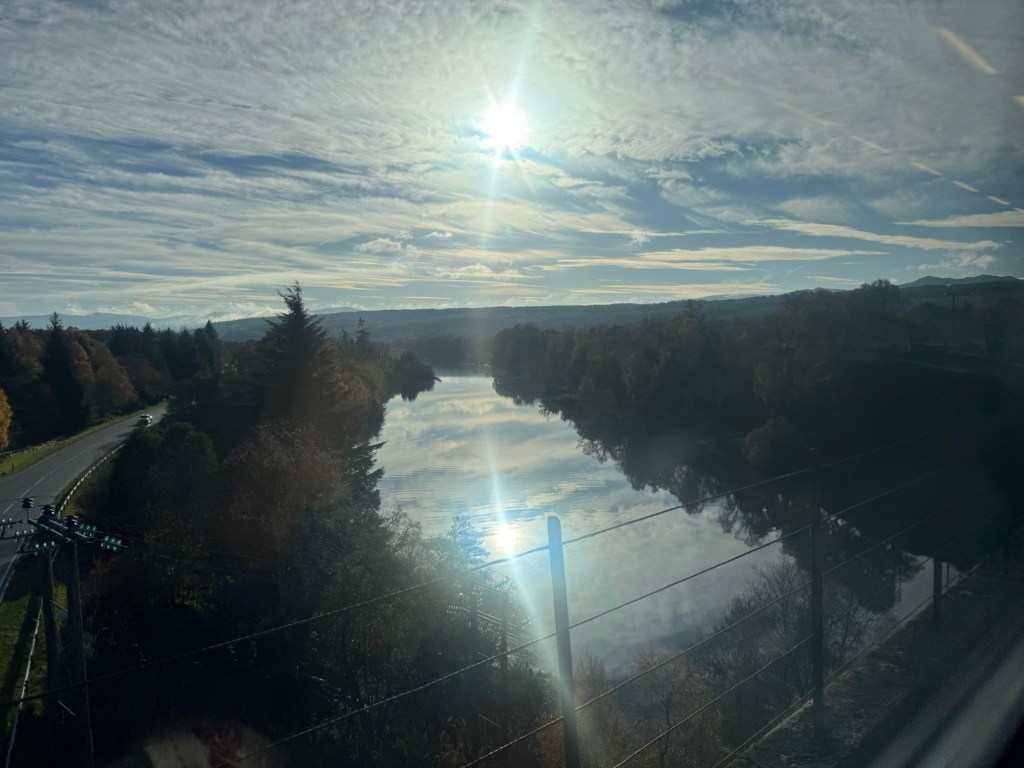
Very sunny.Big blue sky with turbines in the distance.Loch FleetRiver OykelSnow on the hills Coming into Inverness
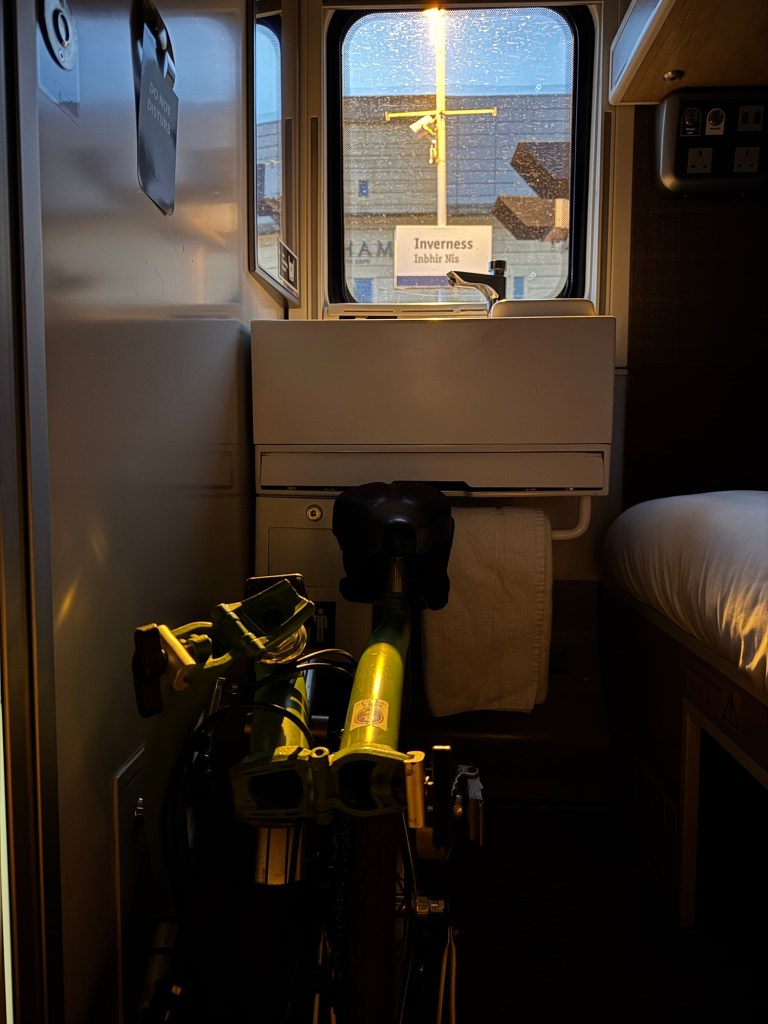
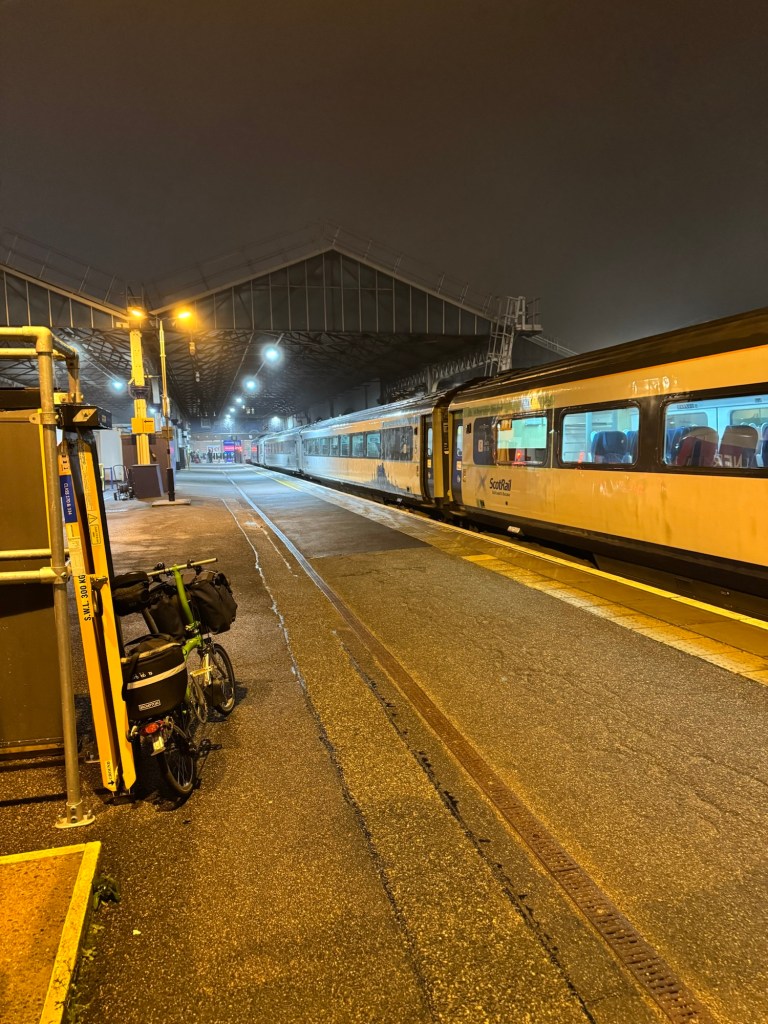
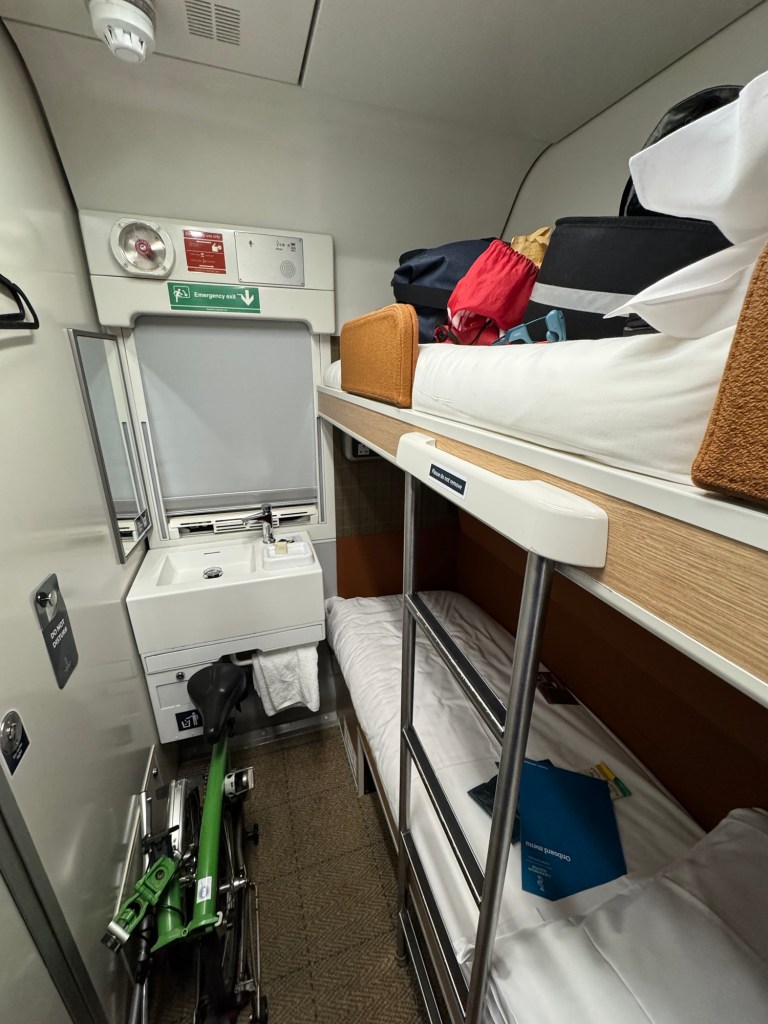
Getting on to the sleeper.
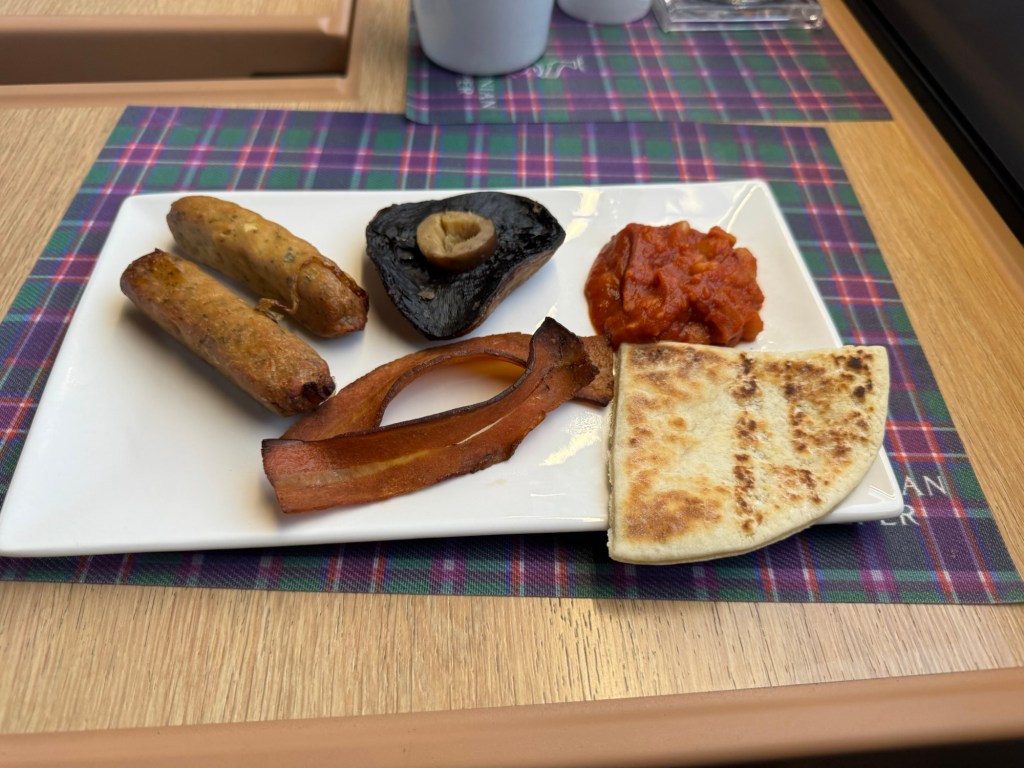
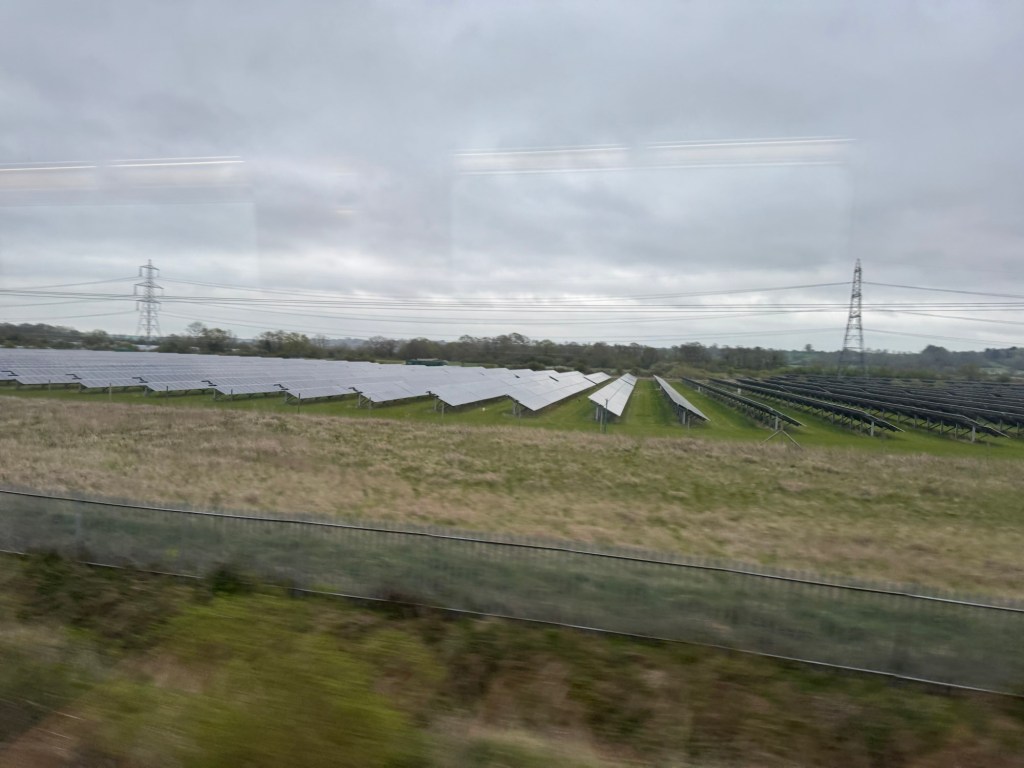
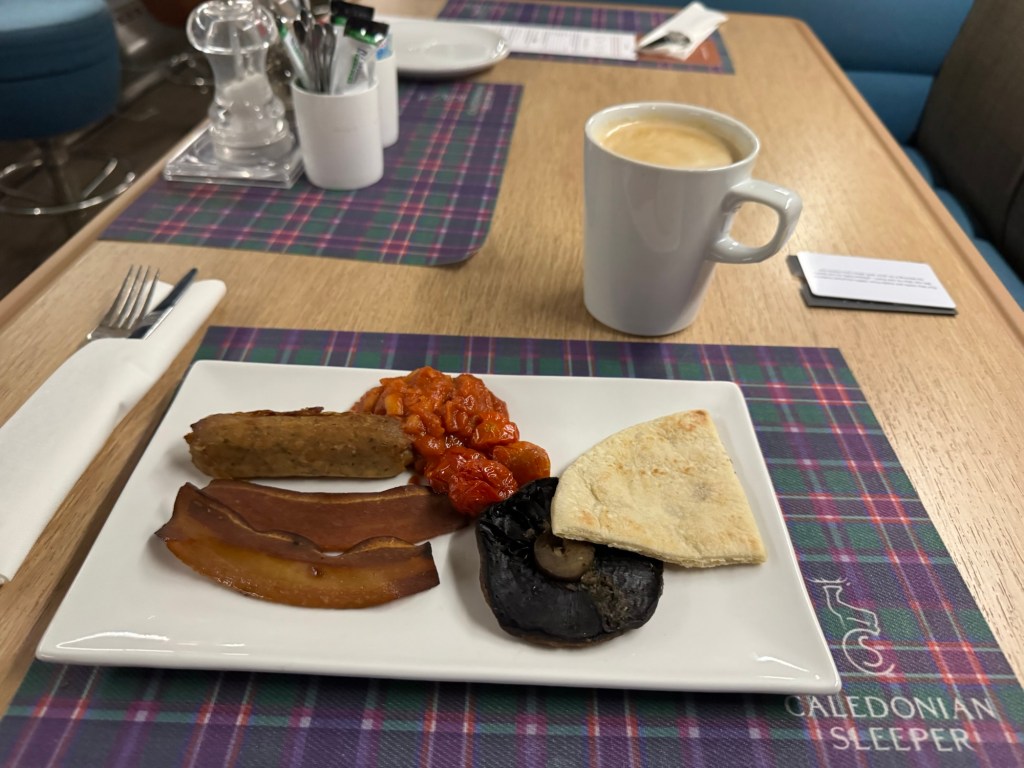
Breakfast Solar panels next to the railway line.
The sleeper was not taking its normal route meaning it arrived 40minutes later than normal. Much of the extra time was spent manoeuvring through London.
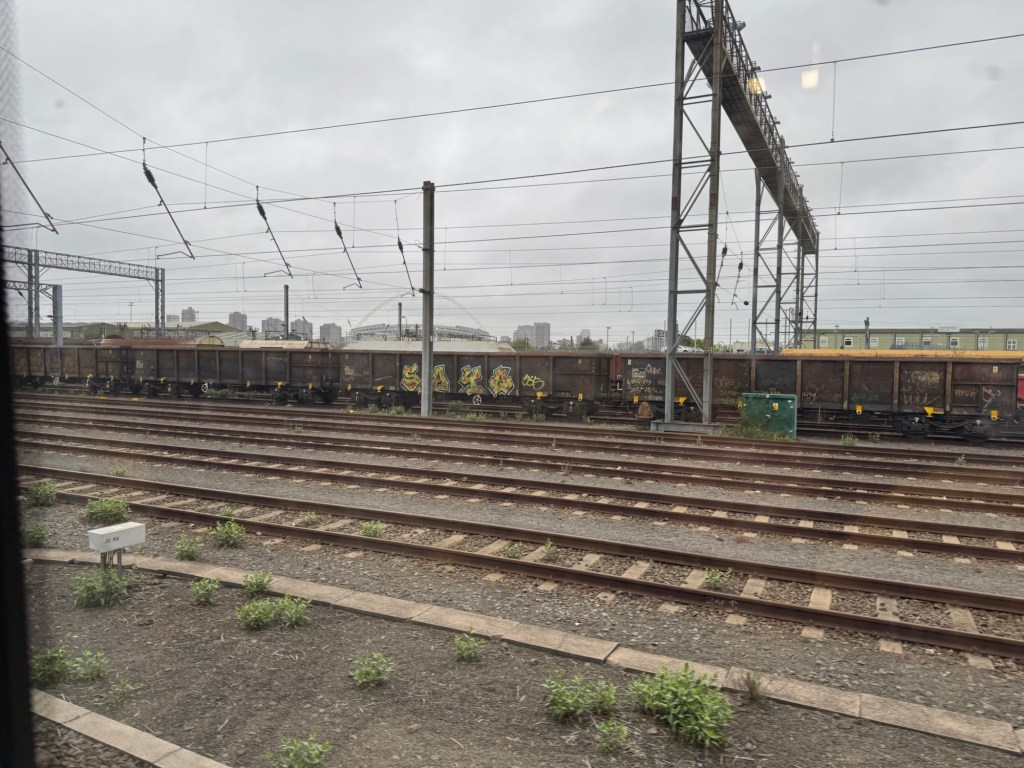
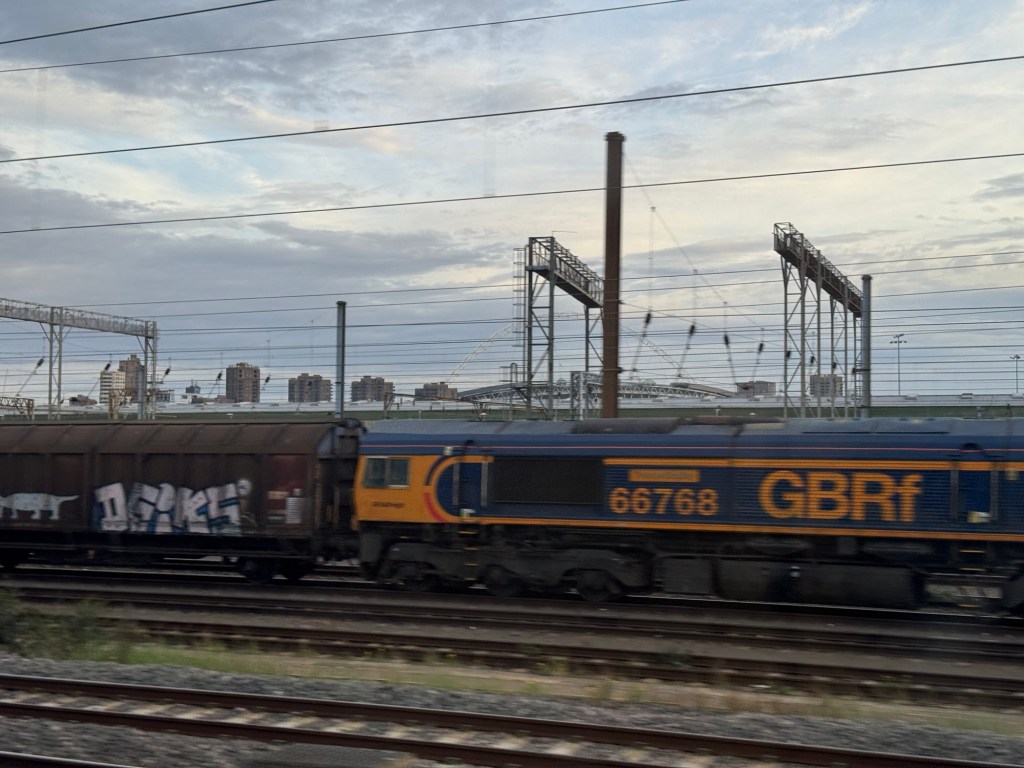
Wembley stadium in the distance.
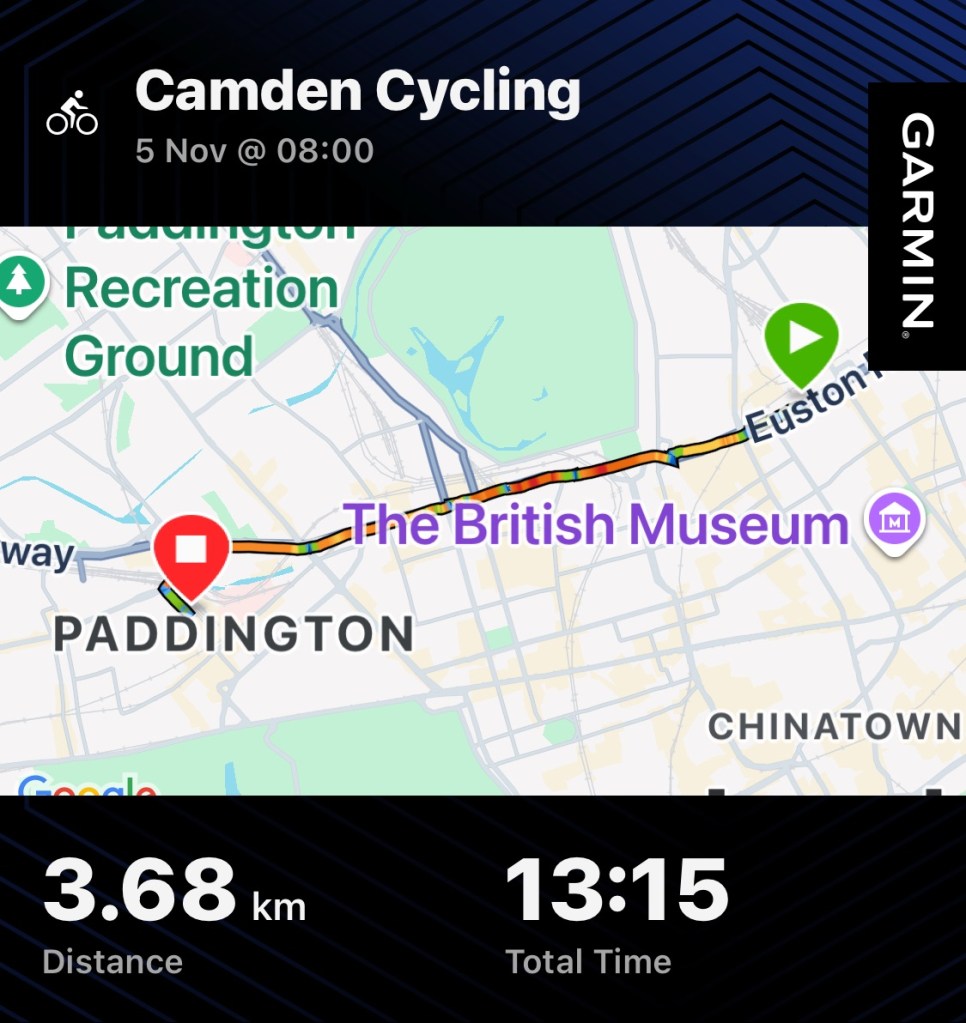
A ride through London taking 19 minutes to get from Euston to Paddington, five minutes of which was spent stationary at traffic lights.
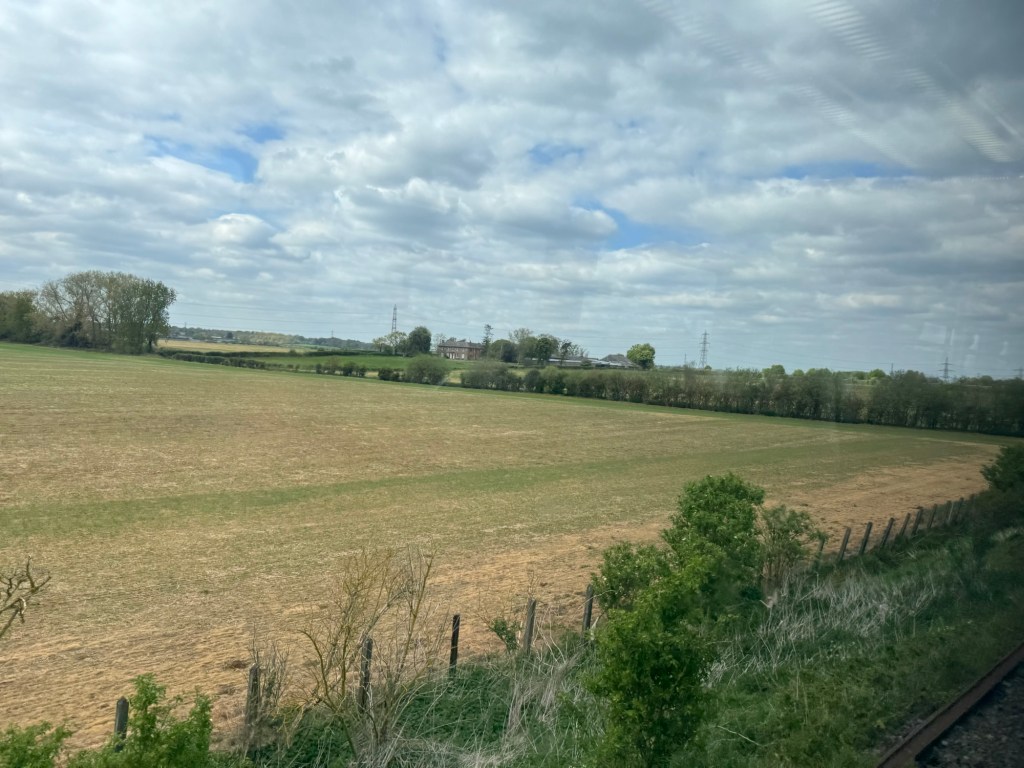
Green Oxfordshire.Didcot.
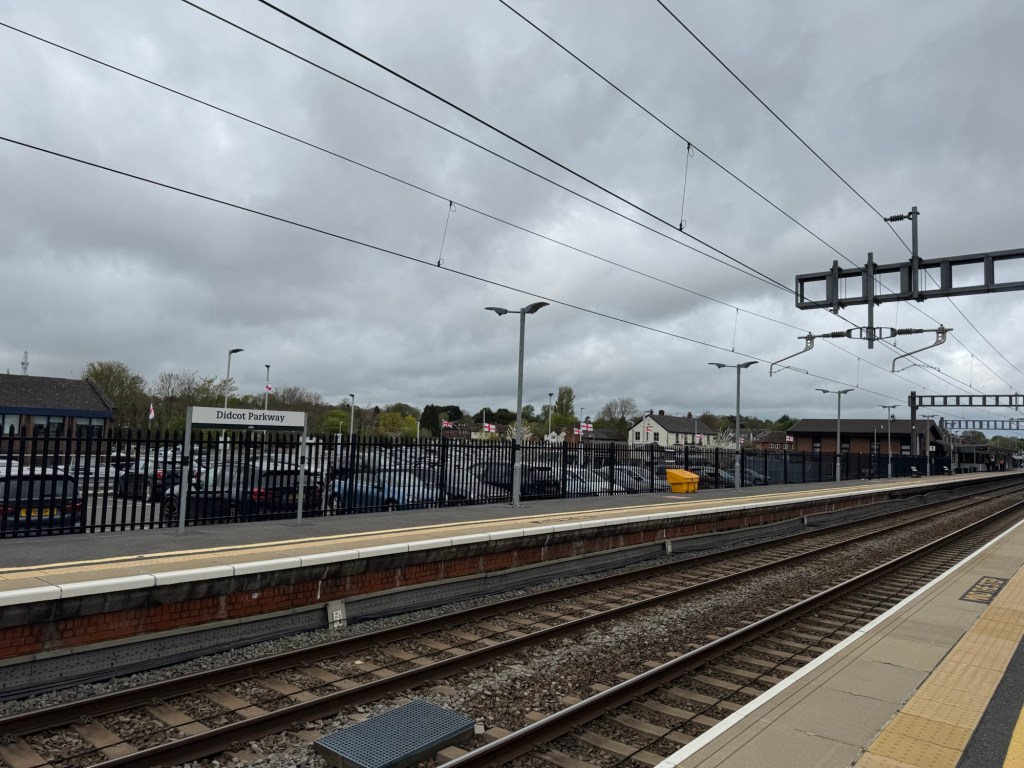
Oh dear, the English and Union Jack Flags being inappropriately displayed in Didcot. Very disrespectful! What can be more disrespectful than cheap Chinese made flags looking scrawny and scruffy.
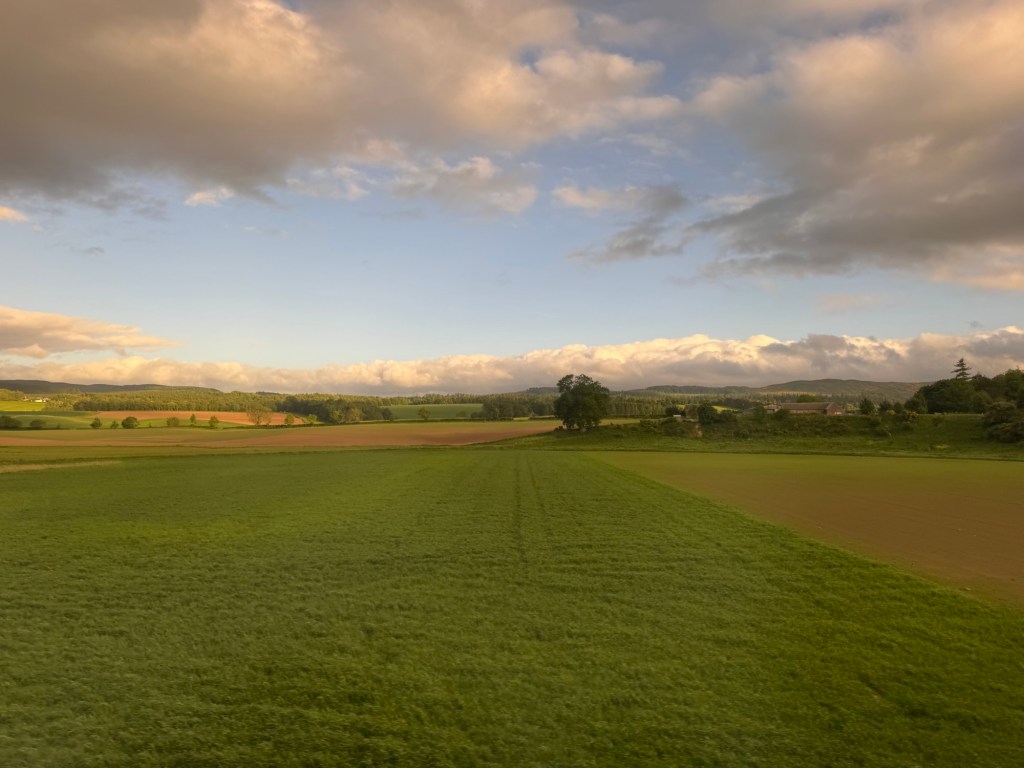
From bright sunshine and blue skies in the far north to cloud in the south.
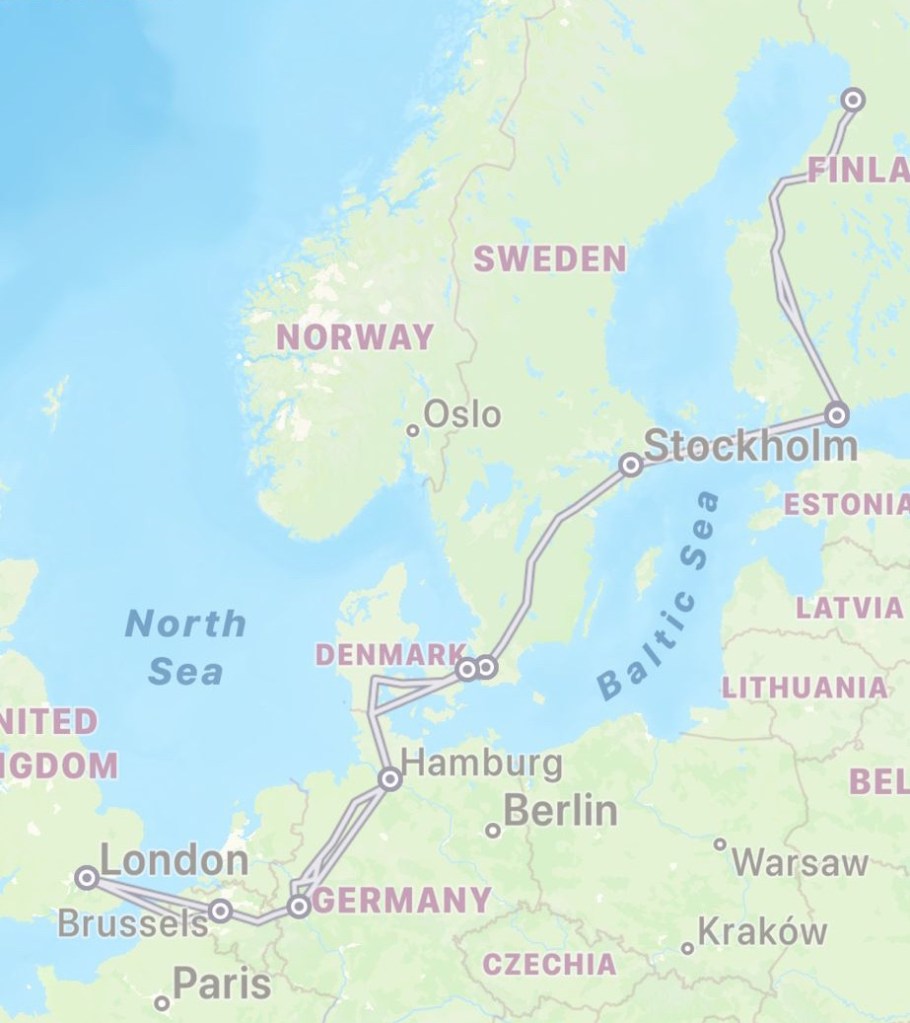
Negatives: getting food poisoning and train delays. Germany really struggles to get trains to go on time. Eurostar also had its issues. I did have a 77 minute delay on the sleeper to Stockholm, but that worked in my favour. The sleeper Stockholm was also too hot and the curtains were poor allowing flashes of bright light into the cabin while travelling.
Questionable things: seeing people smoke on train platforms in Germany was strange, and also a bit objectionable. The speed that cars drive at in Hamburg is ridiculously high and not suited to the roads. Also objectionable.
Positives: the trains in Finland, Sweden and Denmark were great, excluding the sleeper. In time. The rolling stock was high quality throughout including Germany. Met some great people. The cycle facilities in Copenhagen and seeing so many cyclists was incredible. We should be doing this in the UK.
Exceeding expectations: The ferries between Stockholm and Helsinki were amazing, good prices, amazing views, great facilities. Finland in winter, incredible, stunning snowy landscapes.
Tips:
Don’t plan to catch the last train of the day.
Don’t make connections too tight.
Travel in your sports gear, make it multi purpose. (Sensibly)
Travel as light as possible.
Plan for the weather.
Don’t arrive late and leave early, it’s exhausting.
Staying for more than one night is more pleasant .
Rucksacks are better than wheelie luggage.
Make use of the late checkouts in hotels.
Carry just in case food and drink.
Make use of sleeper services.
Double check reservations.
Download apps for local public transport. They can be used to get the correct tickets and give directions.
Double check routes given by apps, sometimes they are sending you to the wrong place.
If in doubt, ask a local.
Chat to people on the trains.
Use tracking apps so friends and family can follow your progress. It’s fun and good for safety.
Give someone your itinerary- routes, hotels etc.
Look at and enjoy the landscape, as you travel through.
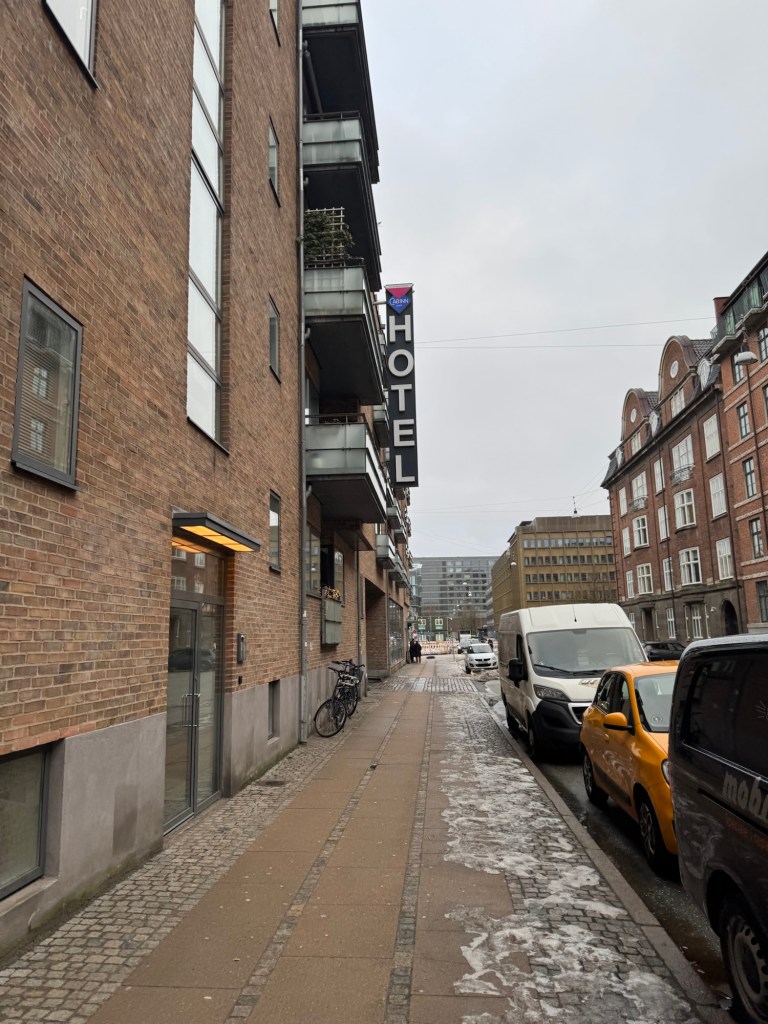
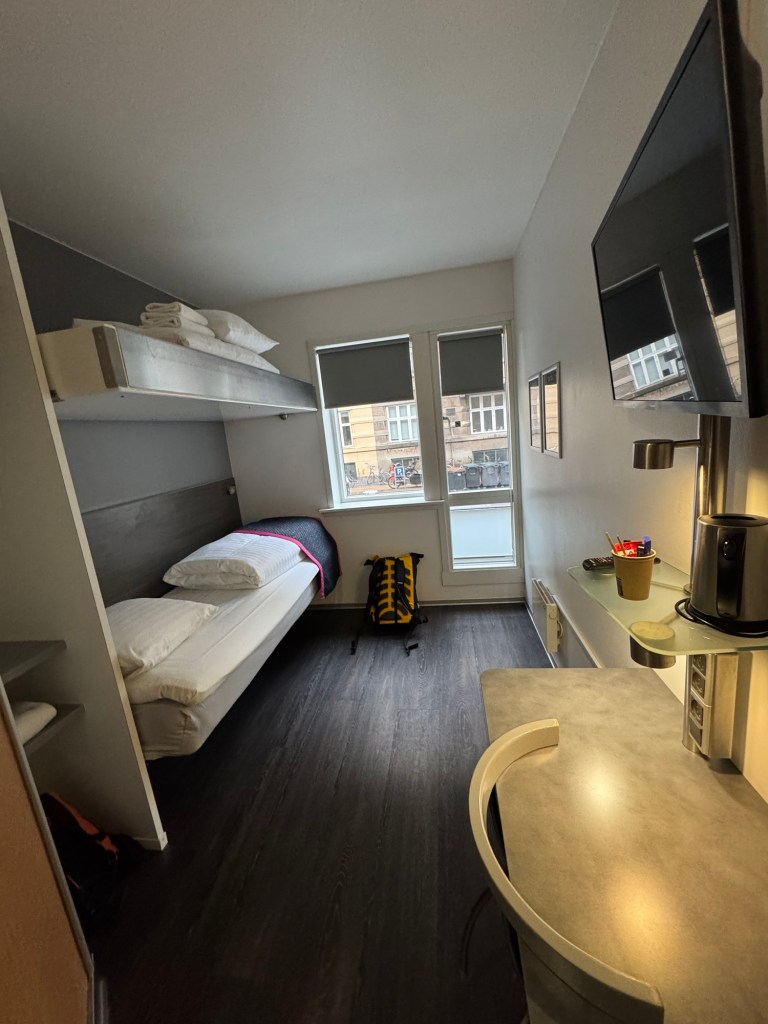
I am staying in a hotel where the room is modelled on a cabin.
It’s practical and located close to the station in the middle of the city.
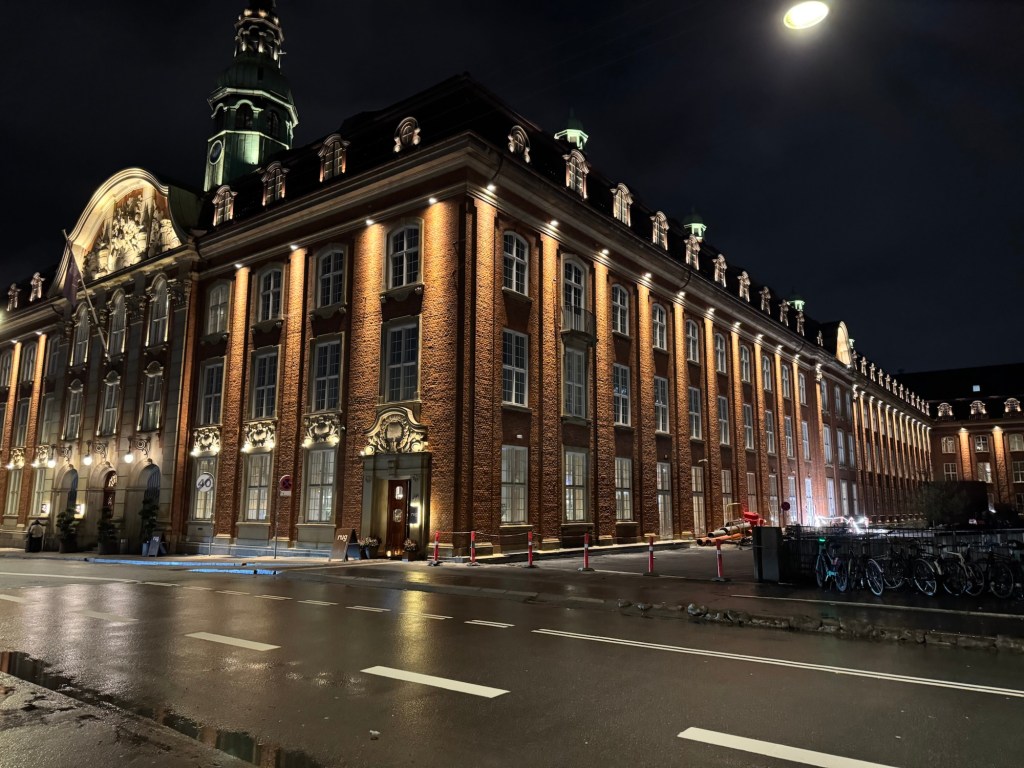
I went off to get some food.
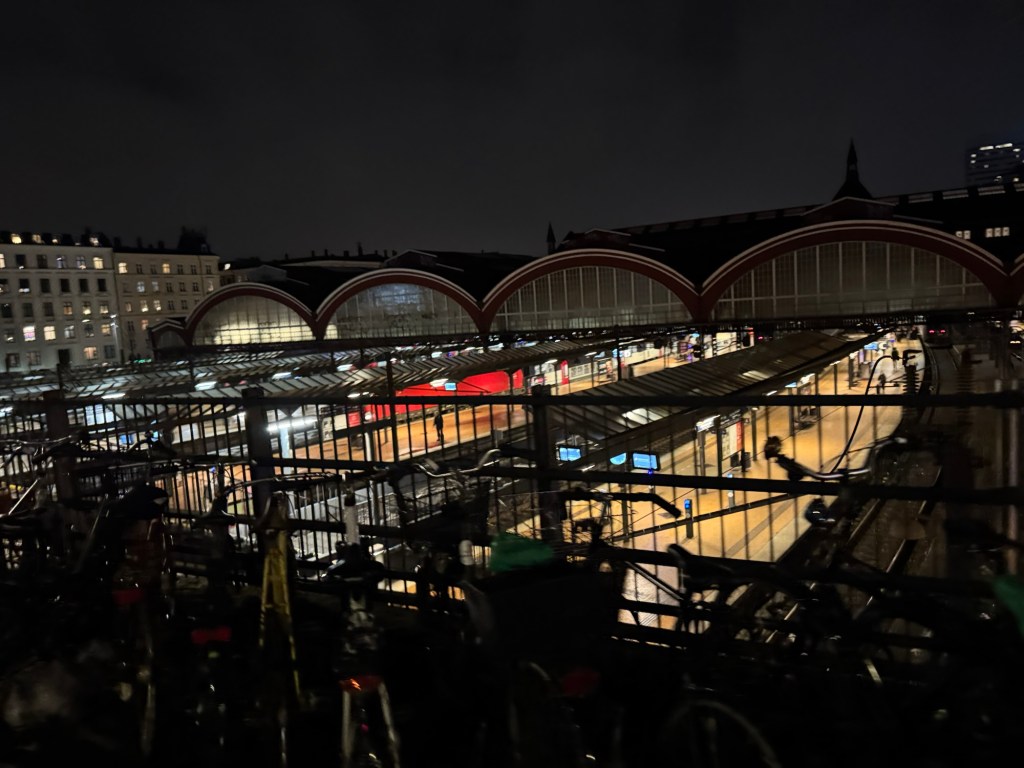
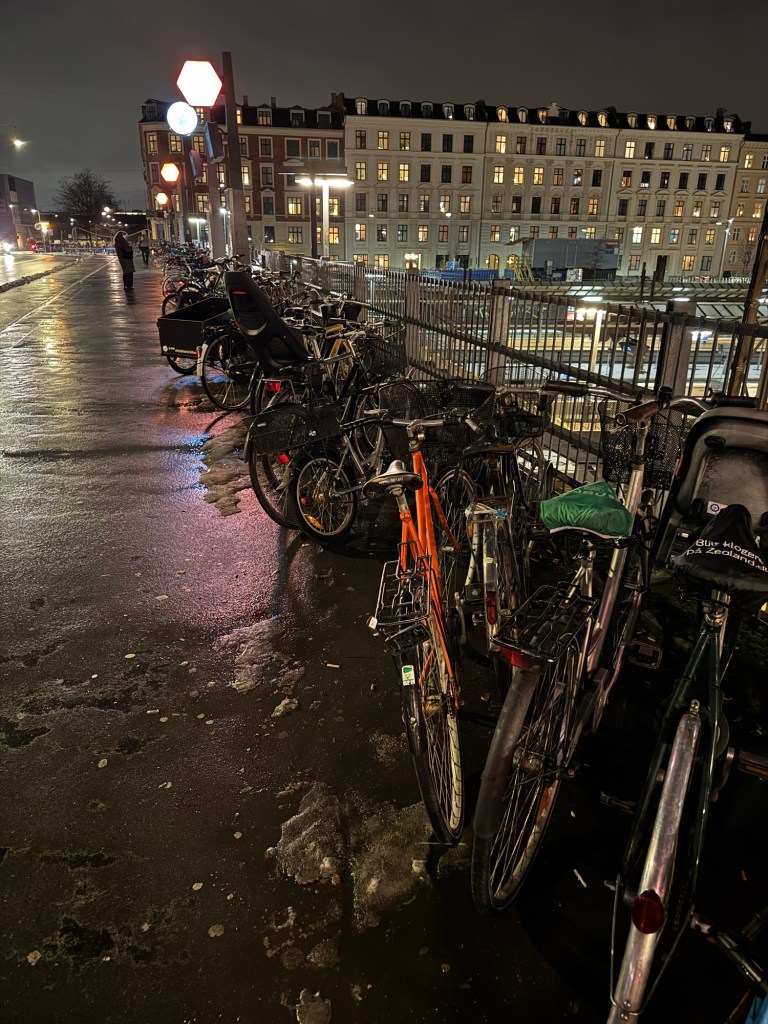
The central station There are a lot of bikes.
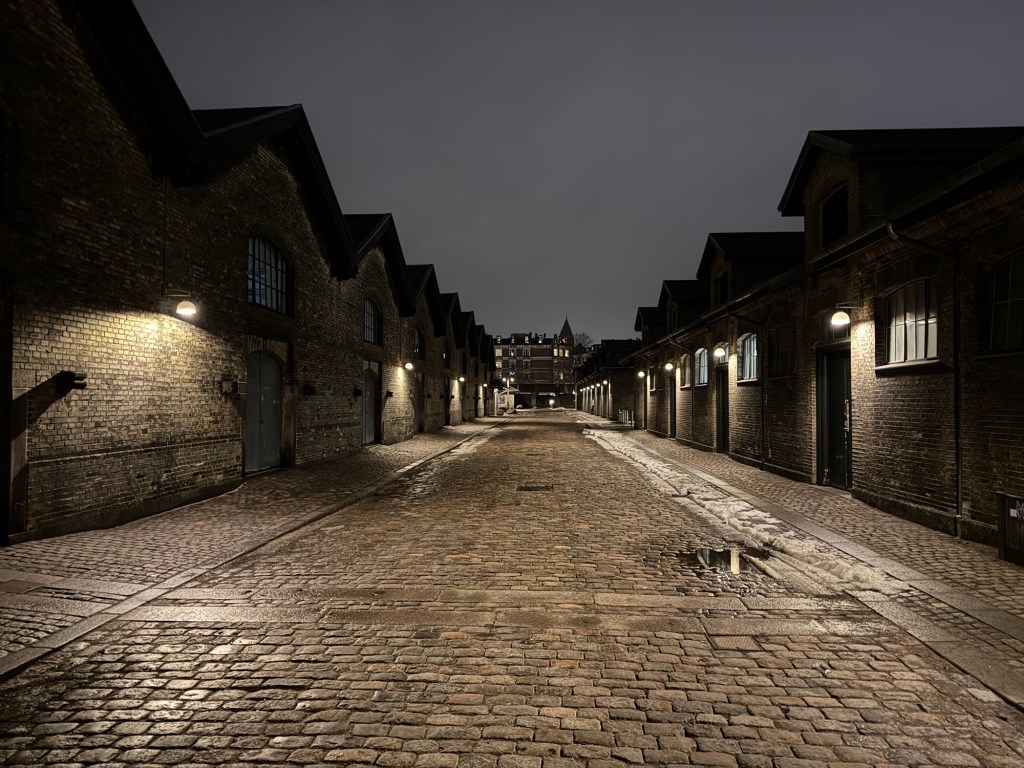
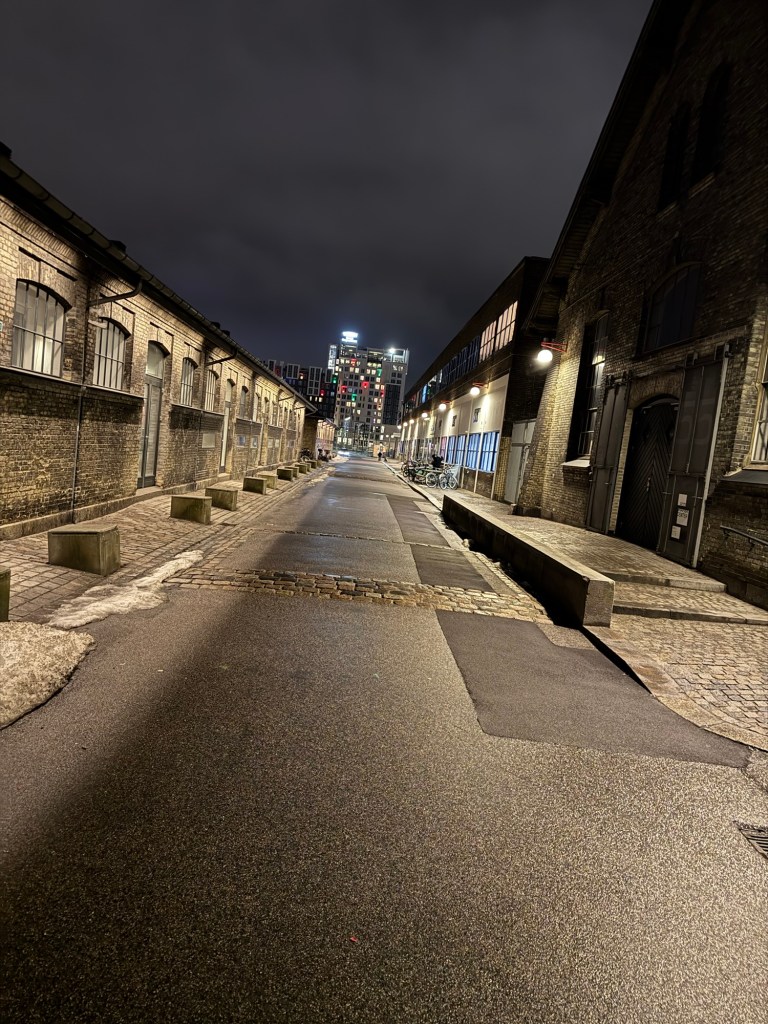
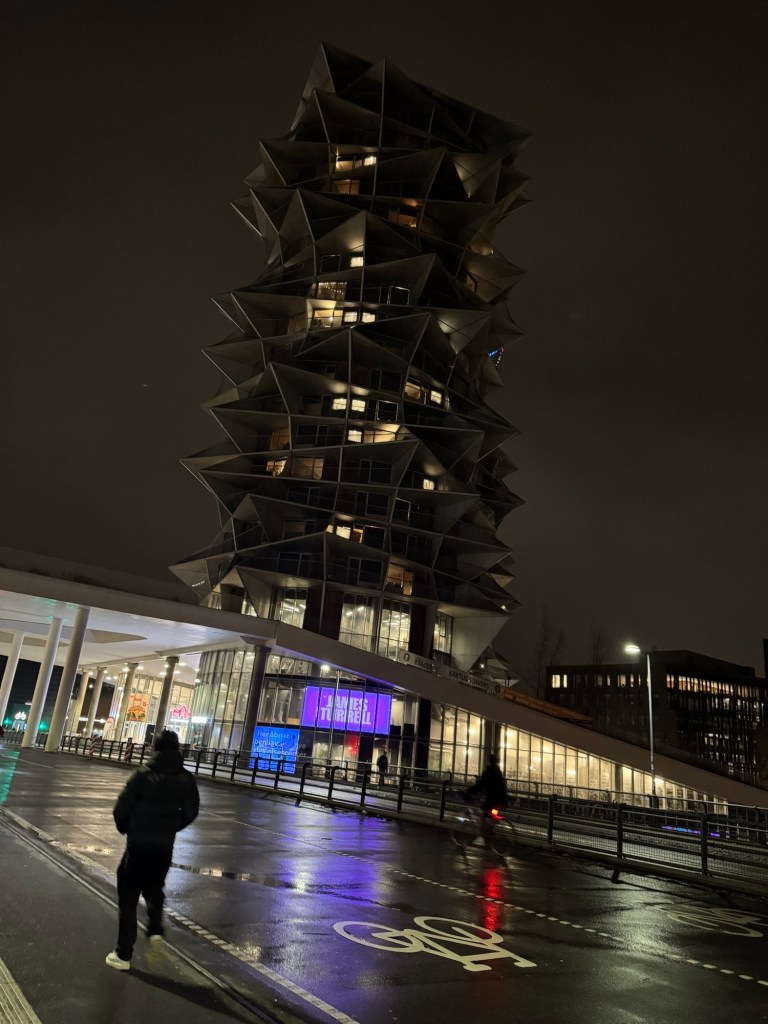
Heading to a restaurant in the meat packing district.
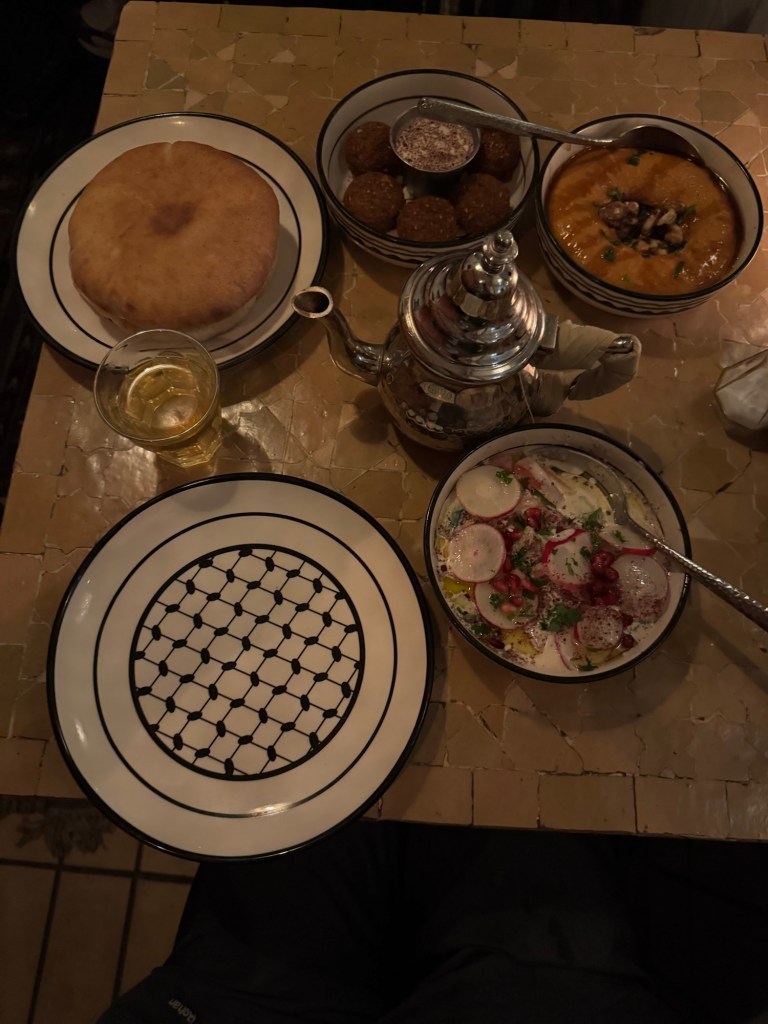
Meat packing districtFood at the Gaza GrillAn interesting design
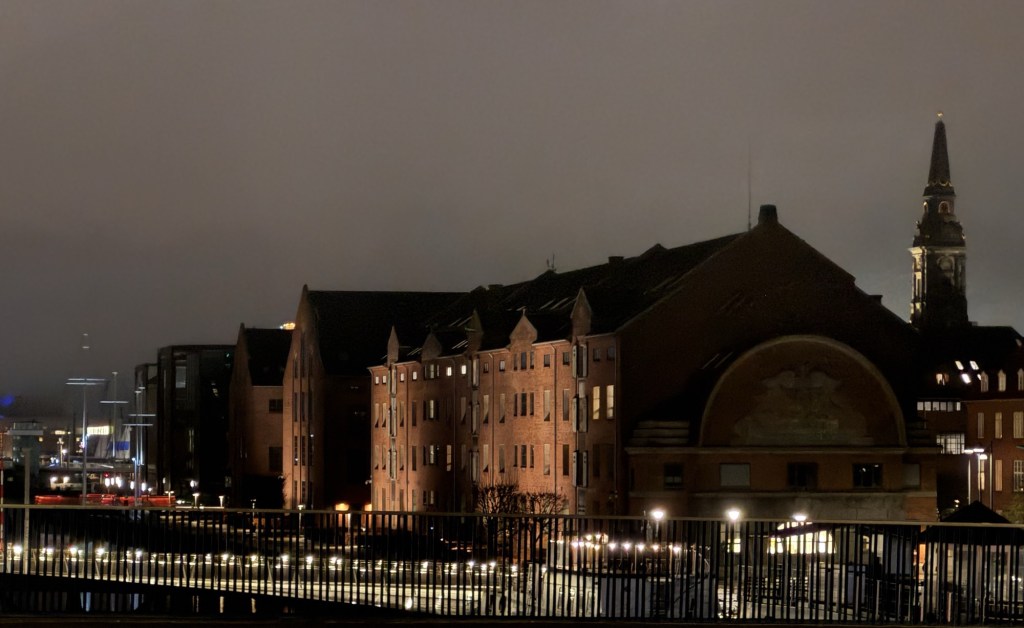
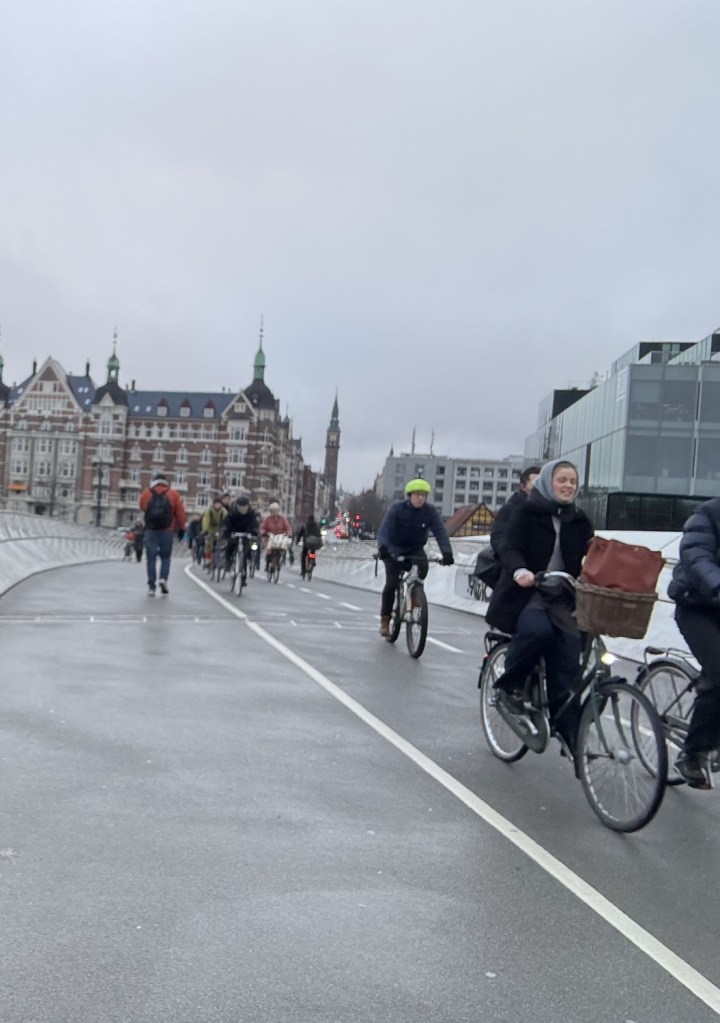
Copenhagen had proper infrastructure for cyclists. I came across a cycle flyover.
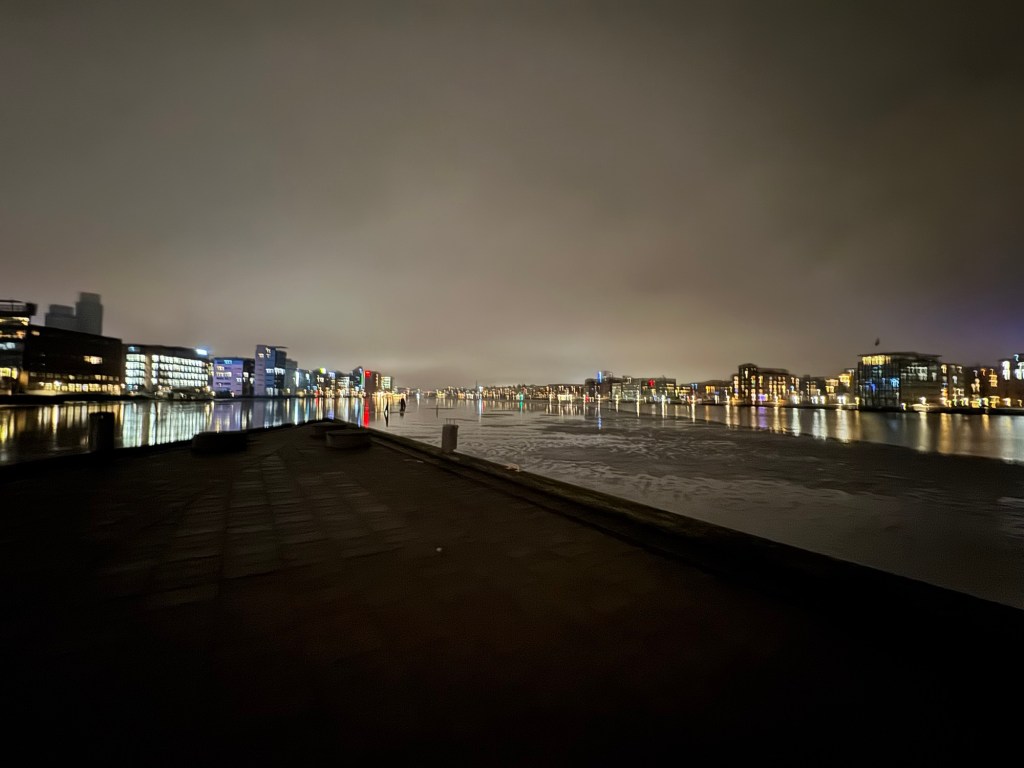
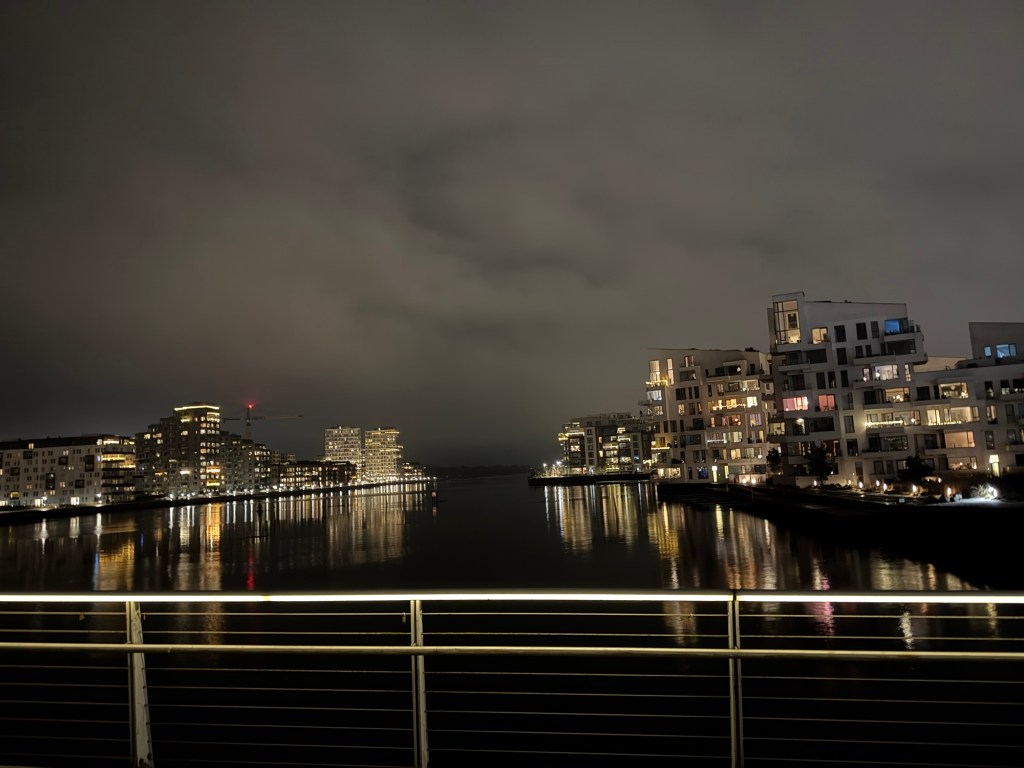
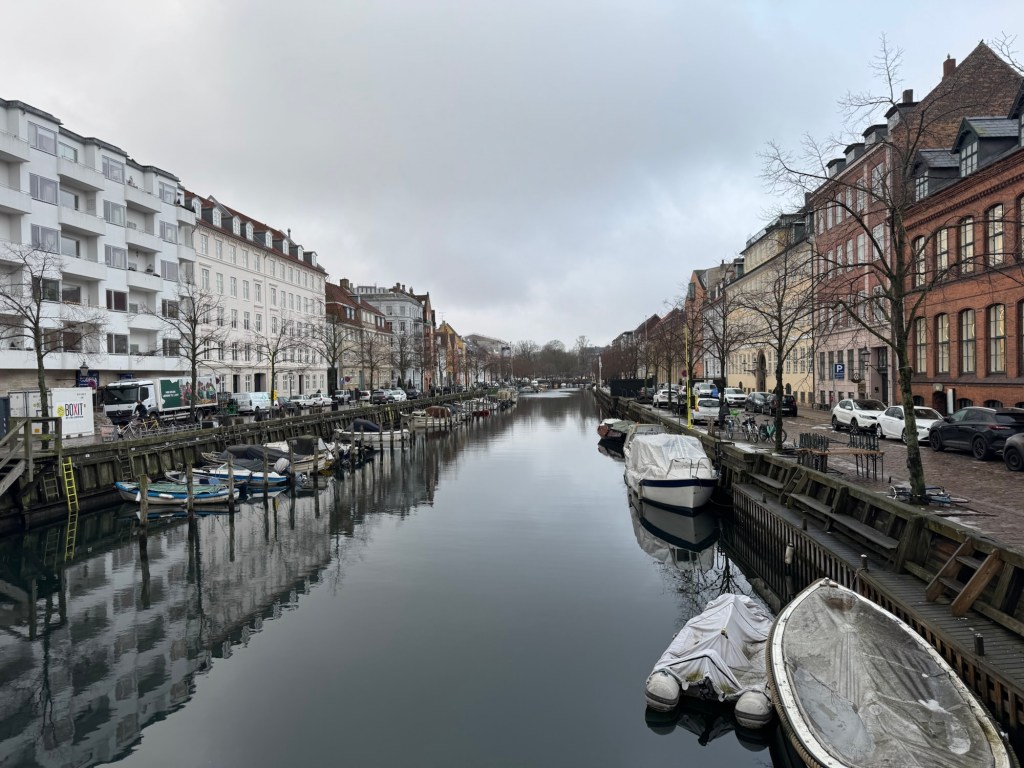
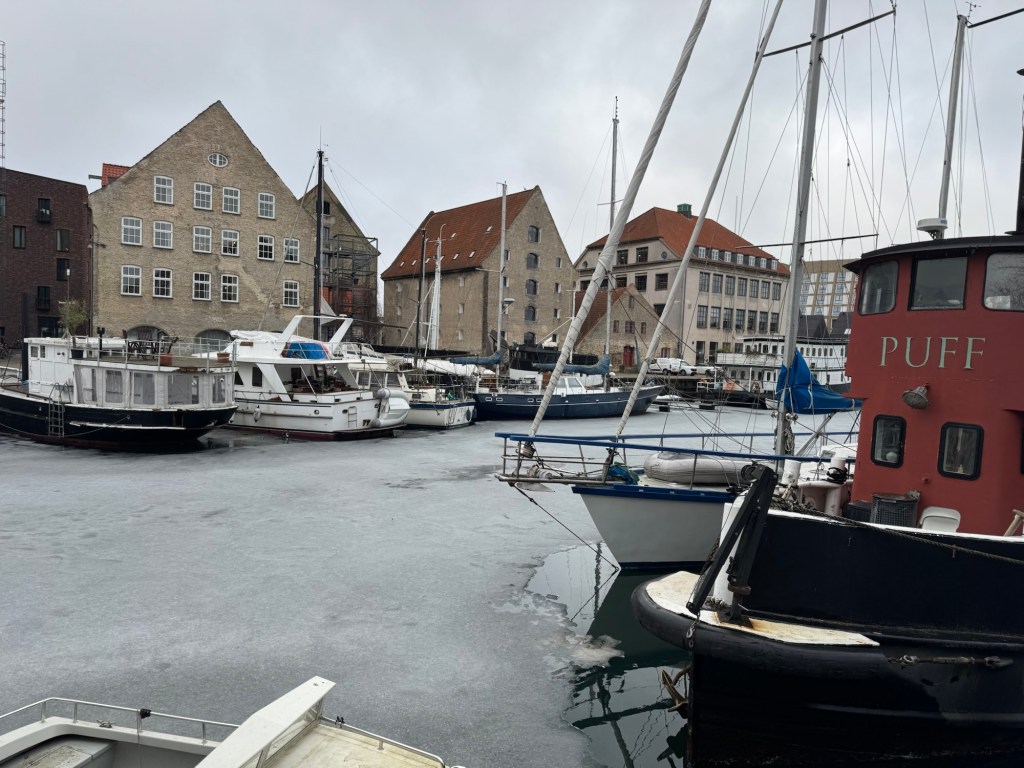
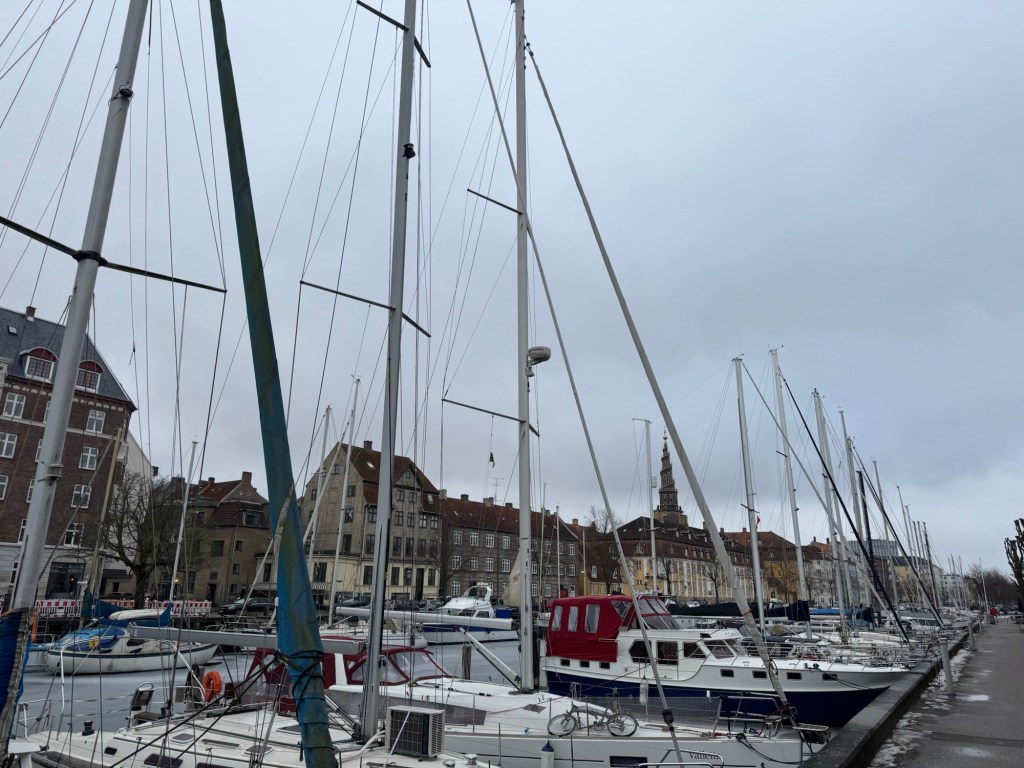
Cycle flyover Looking towards Christianhavn
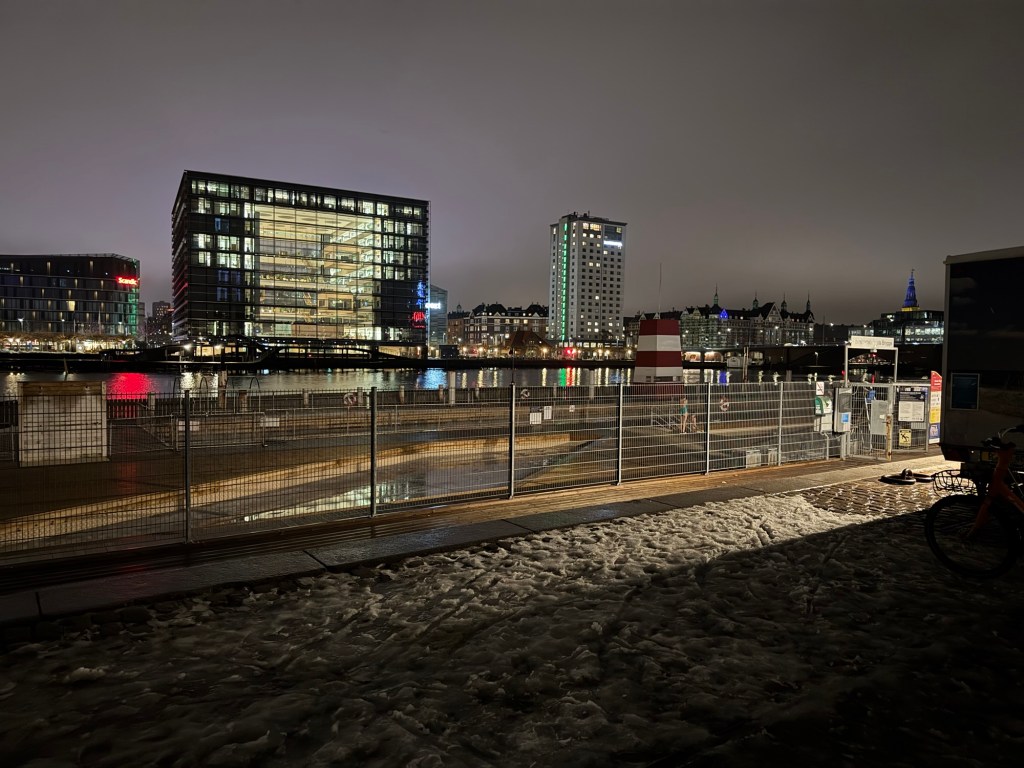
As I was walking I spotted a group coming out of a sauna and entering a swimming pool which still had some ice on top.
Swimming pool with sauna cabin to the right.
Next morning it was a stroll around Copenhagen to find some breakfast and explore.
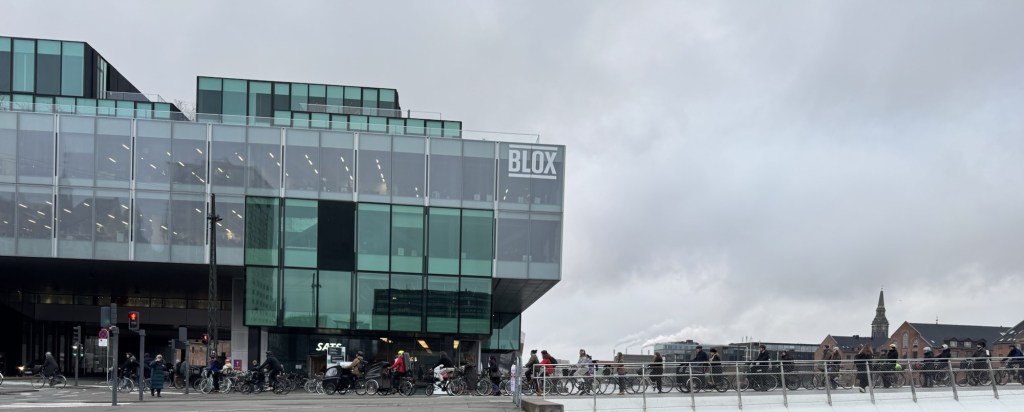
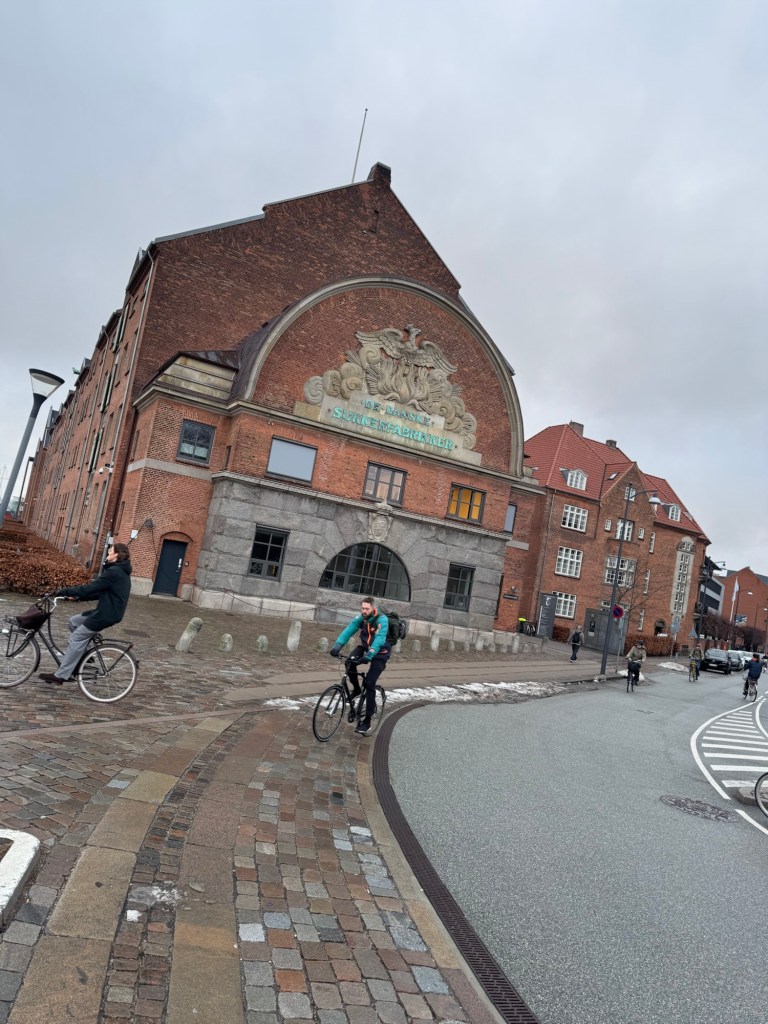
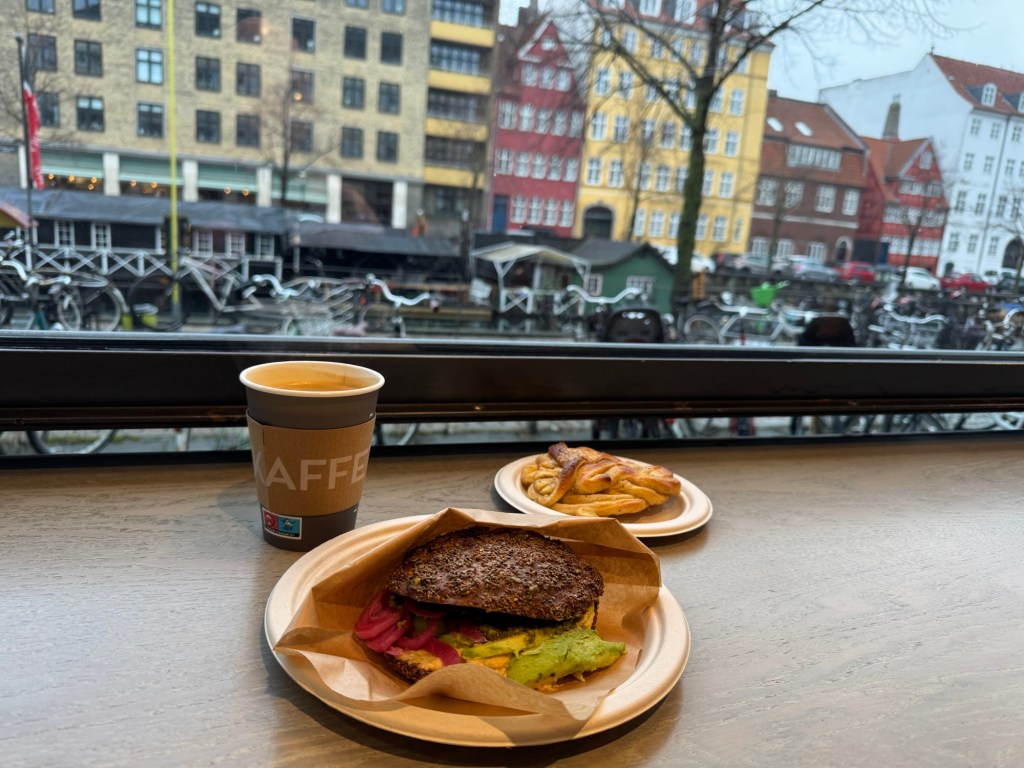
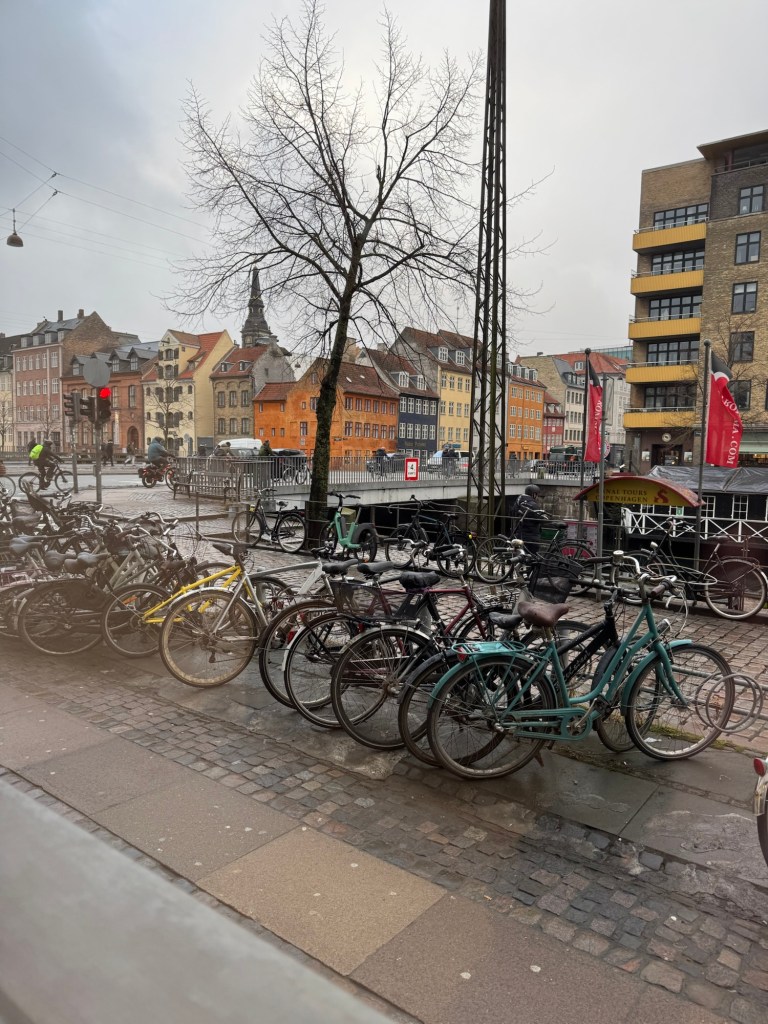
Cycle queue for traffic lights.Lots of commuter cyclists Entering ChristianshavnBreakfast Looking towards the centre
And back to the hotel.
The number of cyclists in the city was impressive, taking cars off the street. Everyone was wearing their normal clothes. It was noticeable that the cyclists followed the traffic signals. I had to keep my wits about me due to high numbers of cyclists, although they all seemed very attentive and careful.
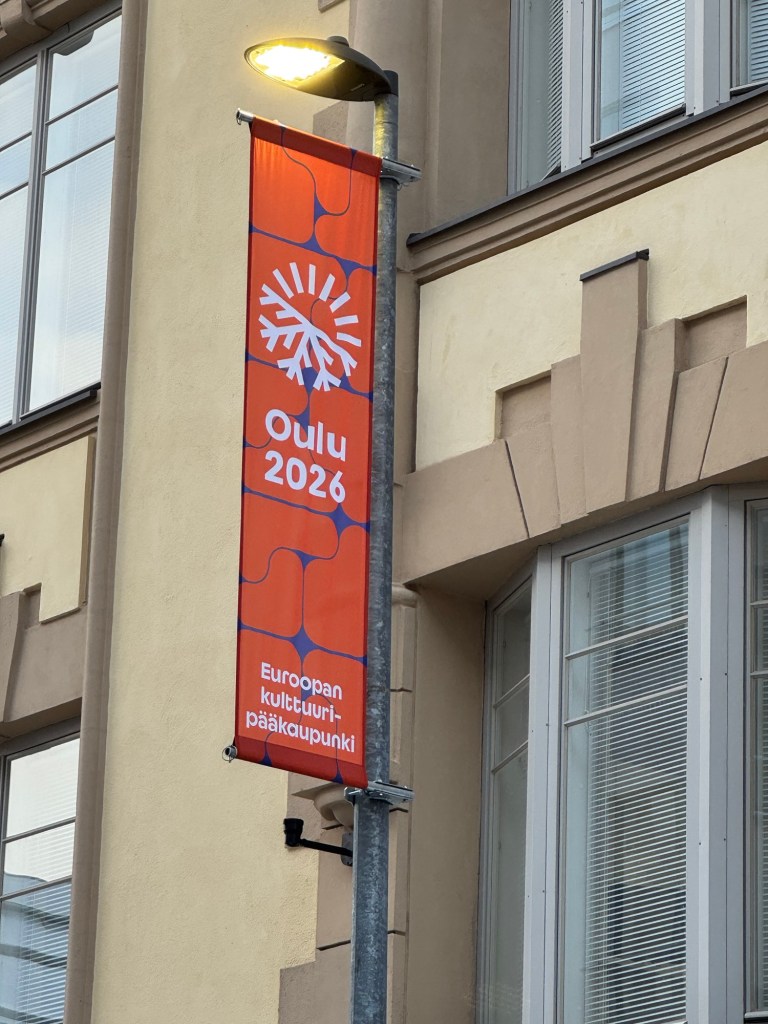
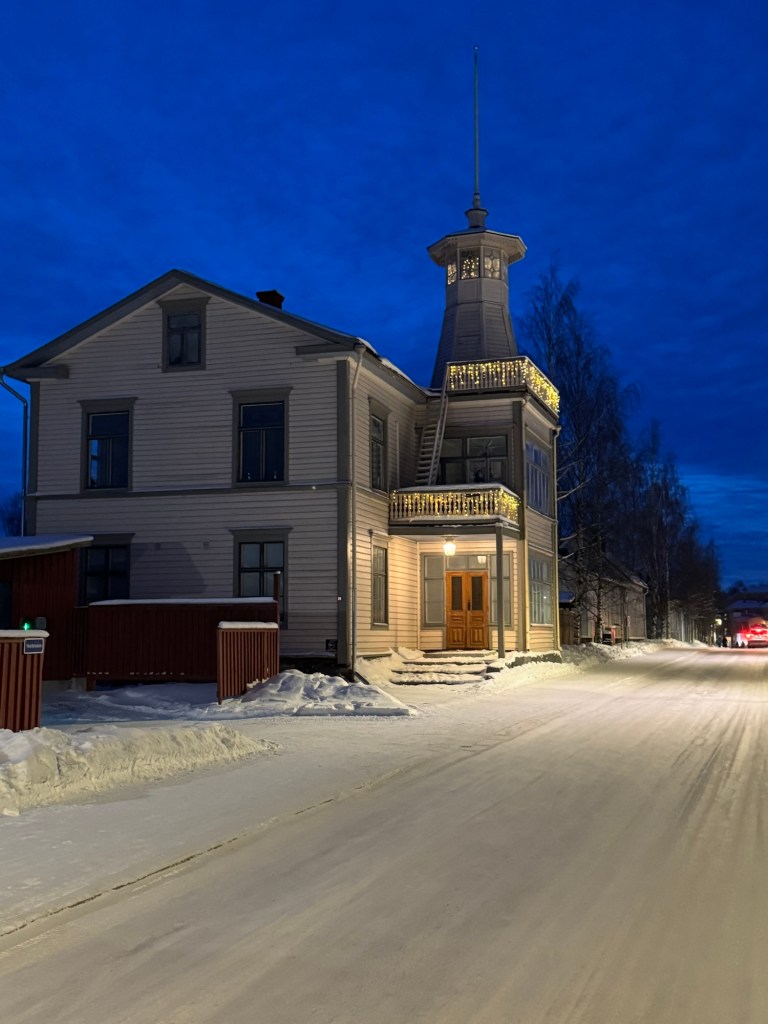
Oulu is sixty miles south of the Artic circle and is this year’s European City of culture. Consequently there is a lot happening, even in February.
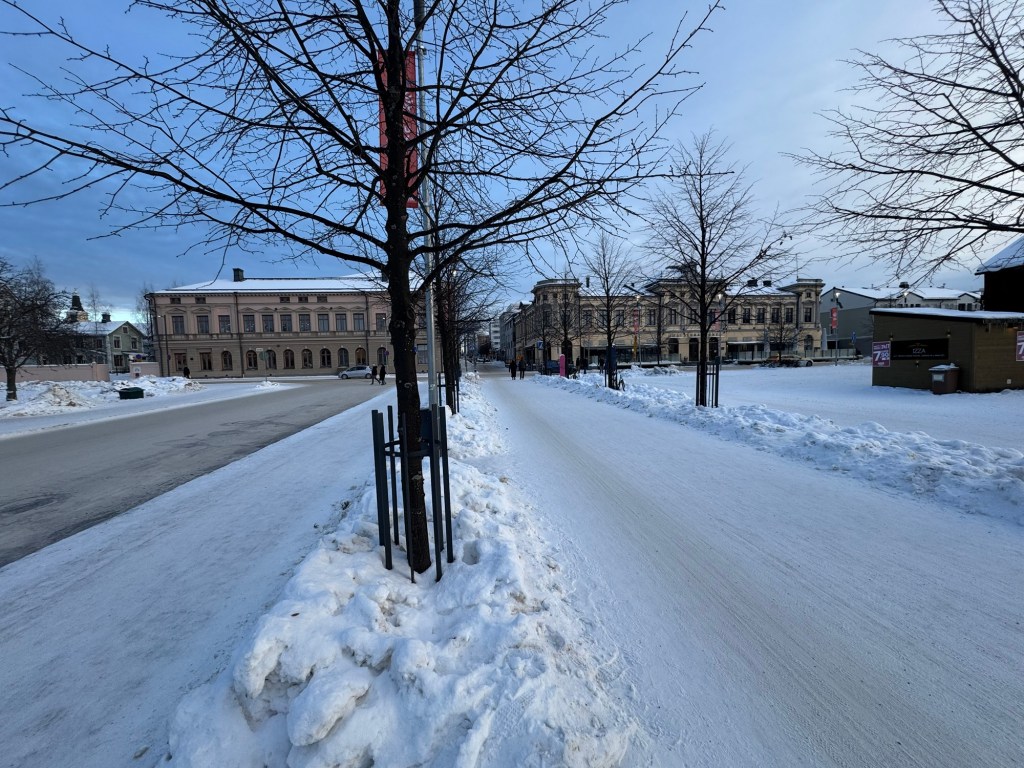
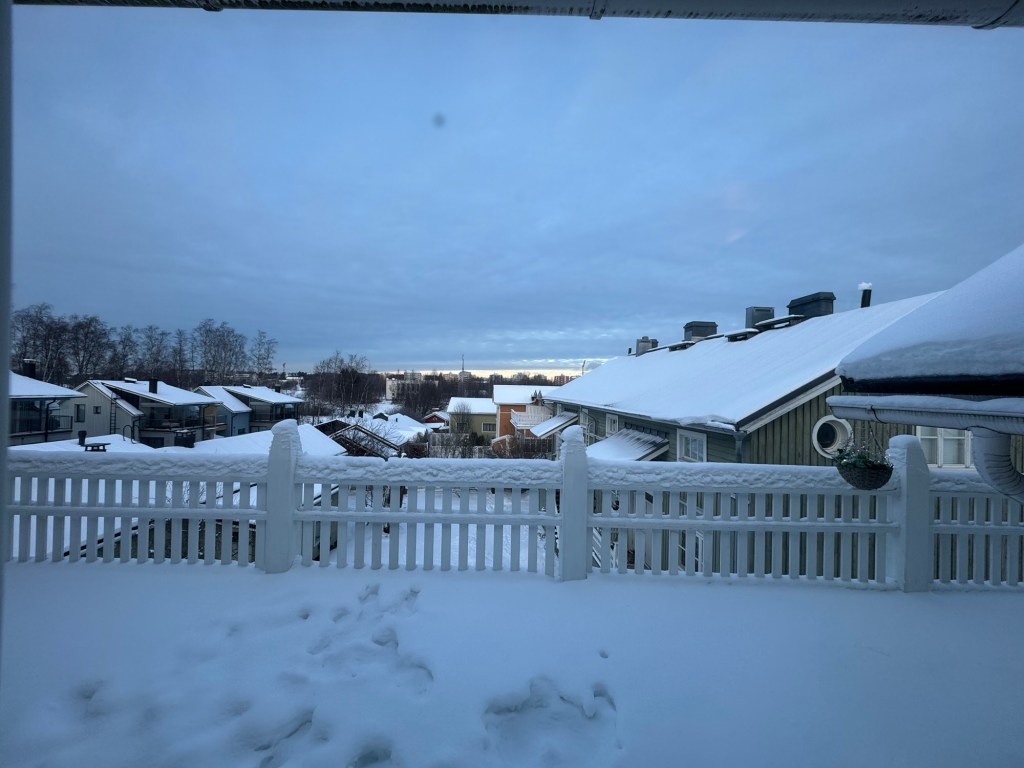
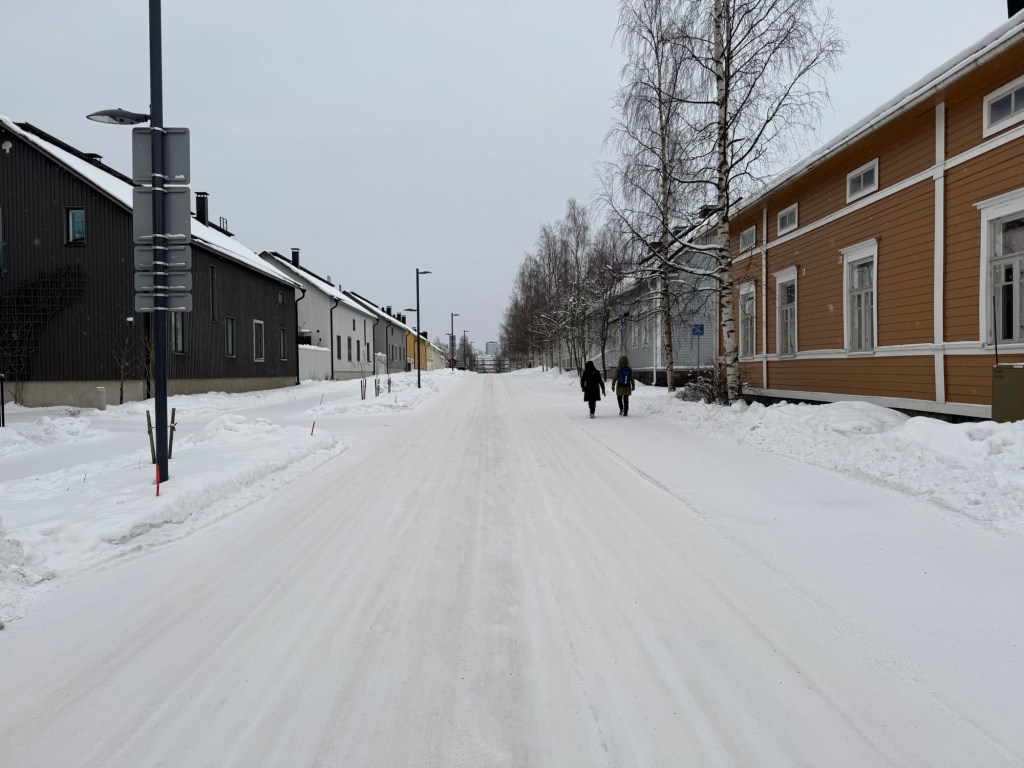
I walked from the station to the island Pikisaari, where I was staying. Walking mainly on compacted snow.
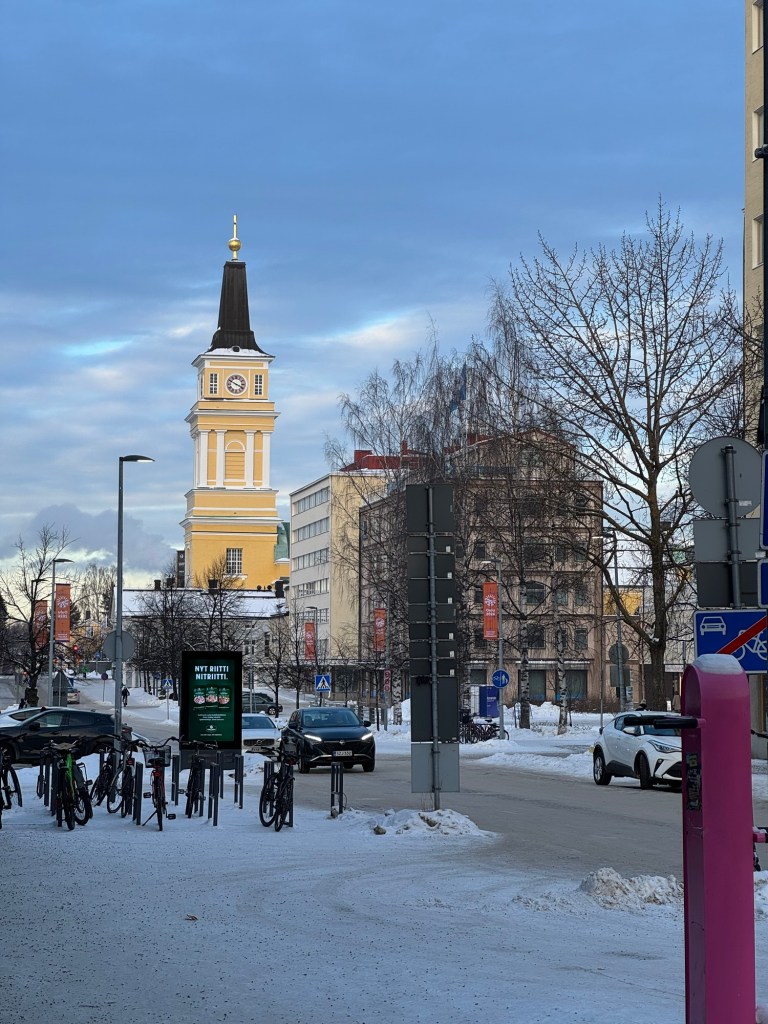
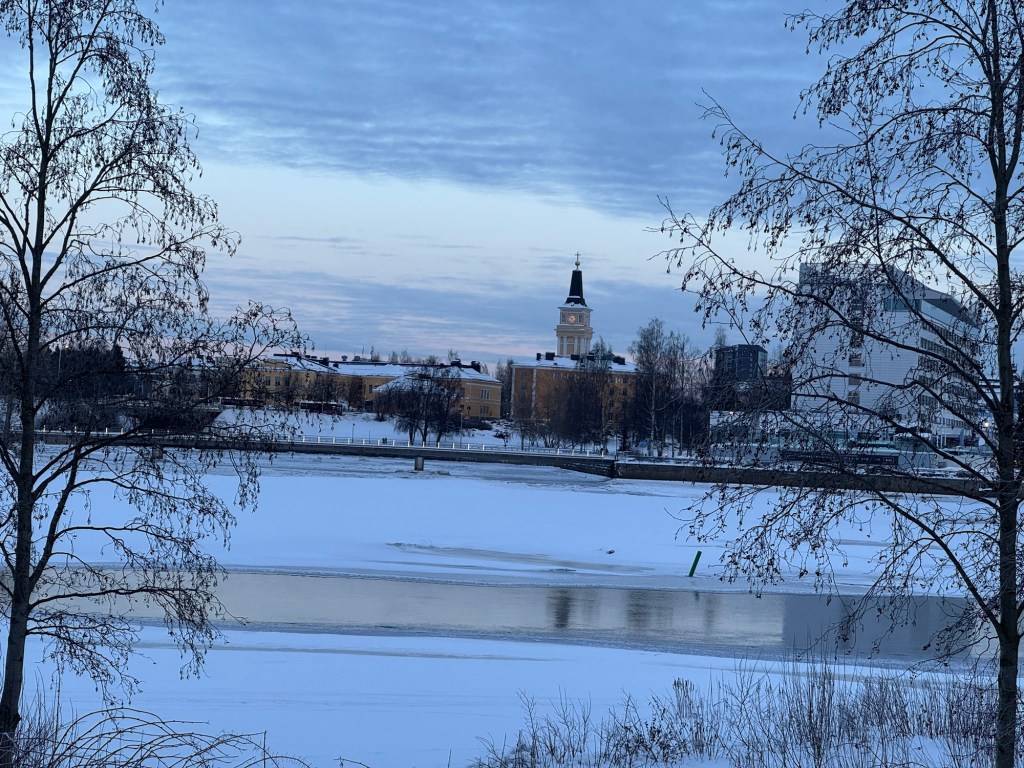
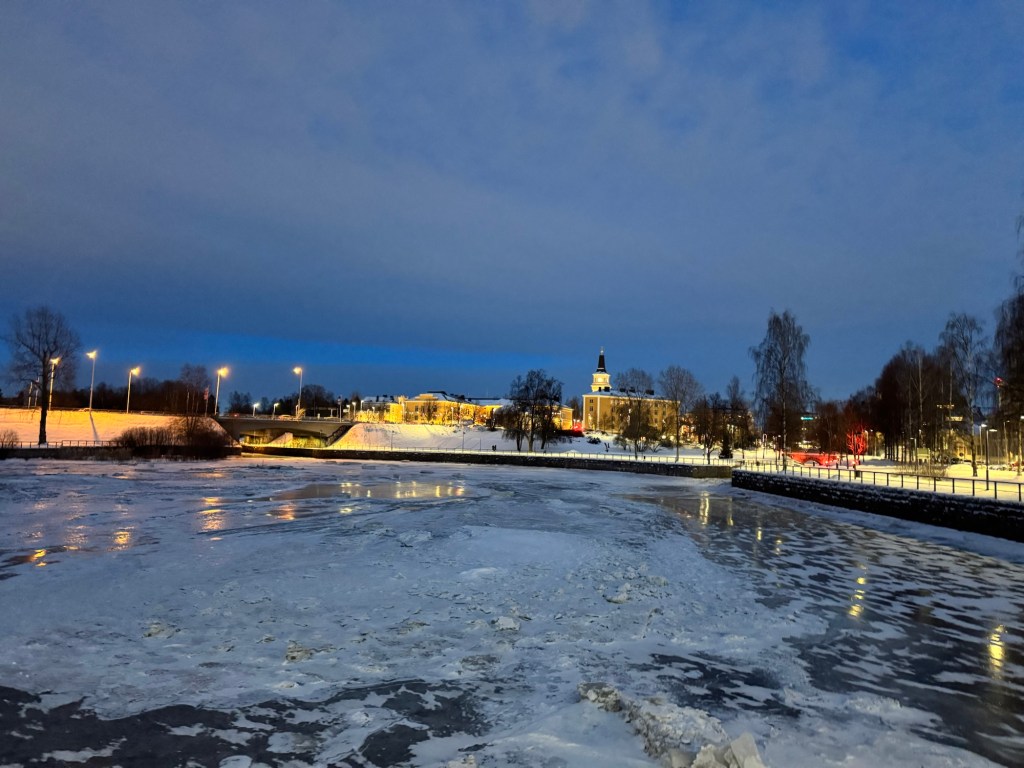
Oulu Cathedral in the distance.
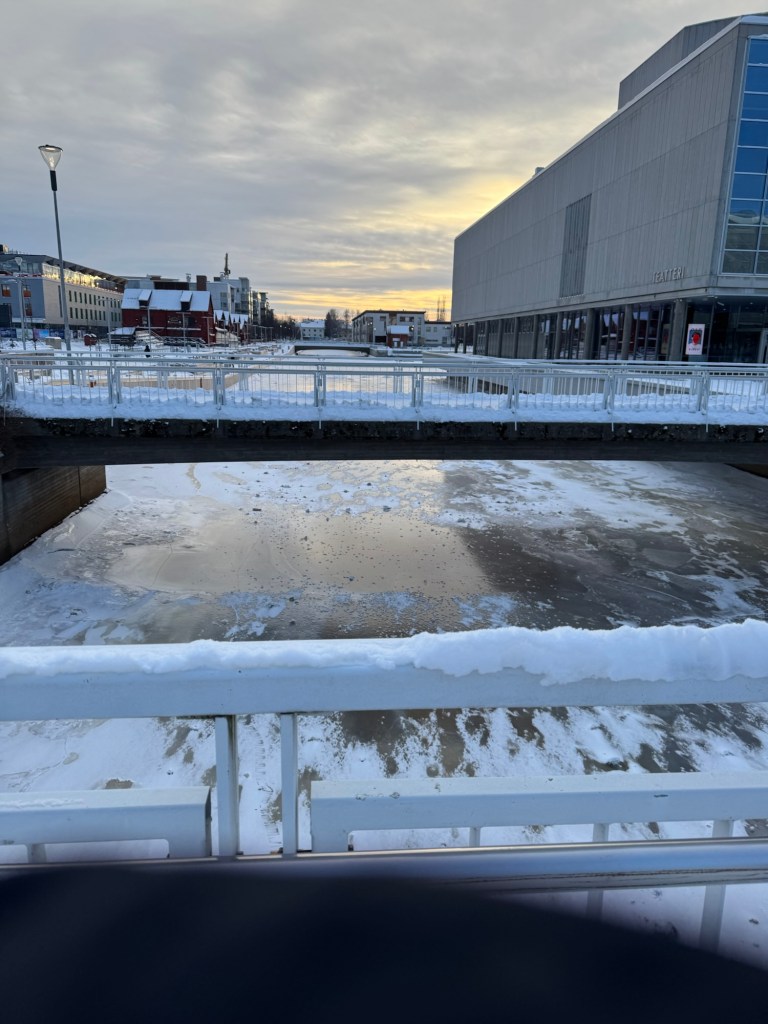
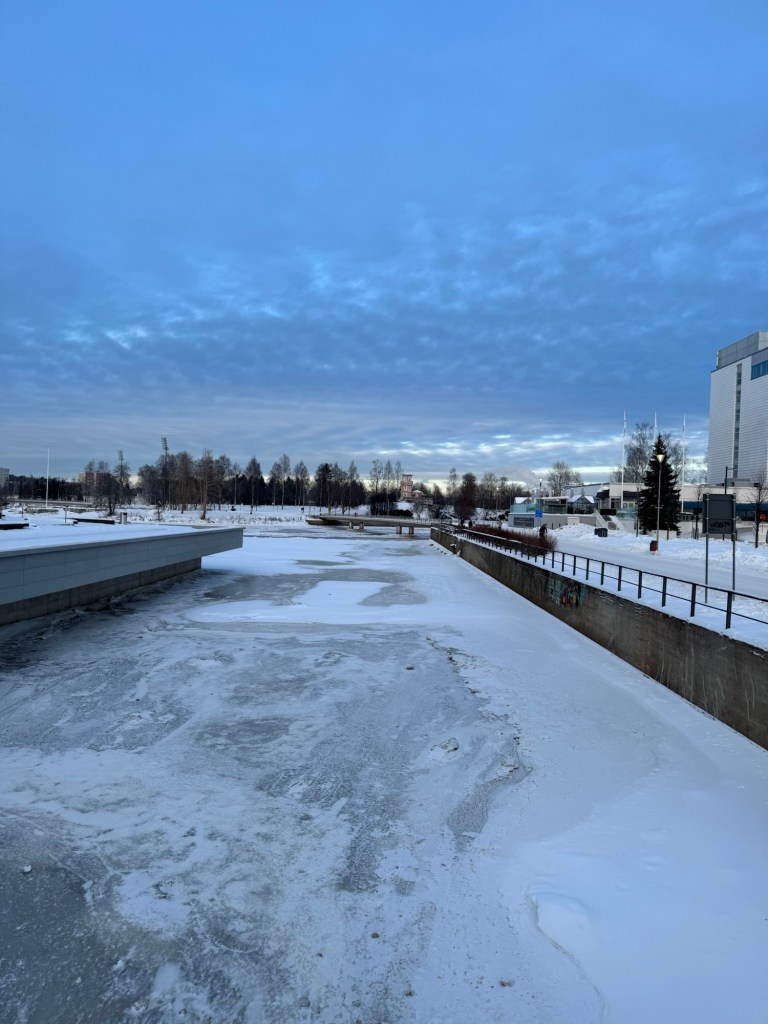
Crossing over frozen waterways.
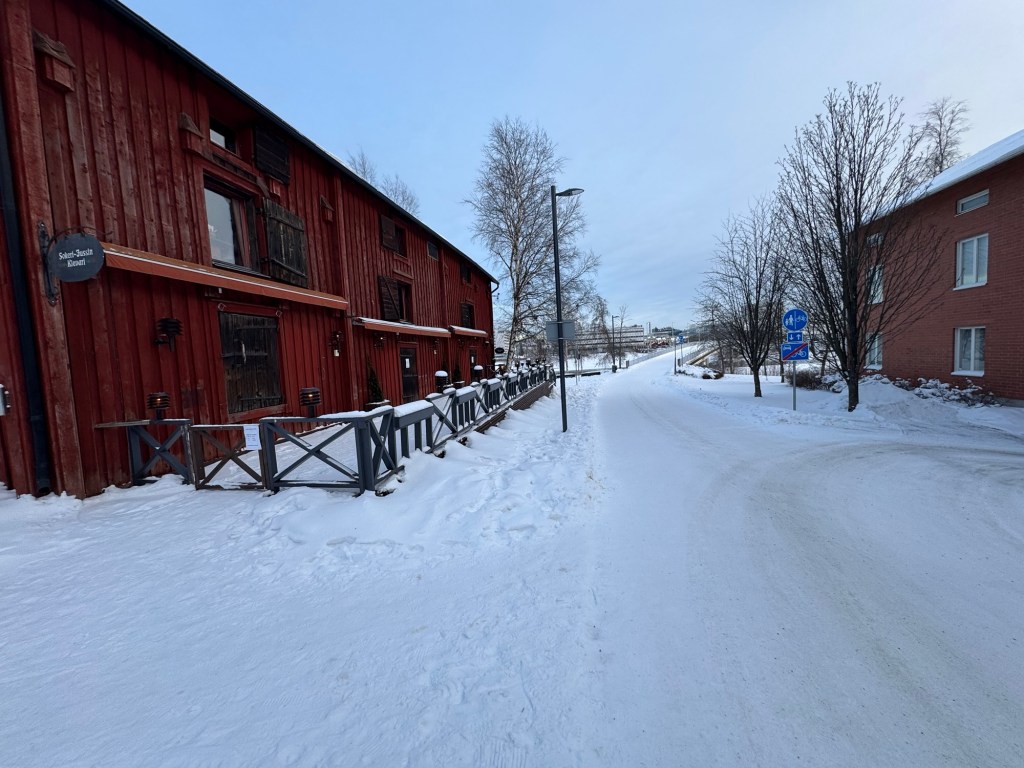
Passed the oldest restaurant, which is on Pikisaari.
The oldest restaurant , Sokeri-Jussin Kievari.
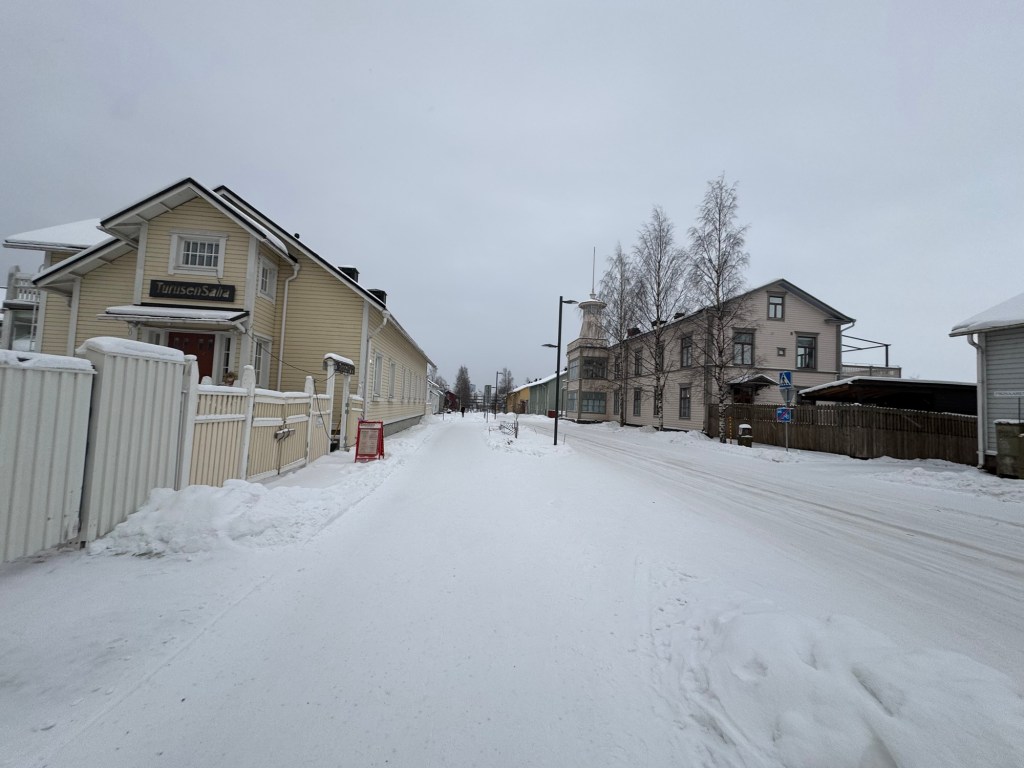
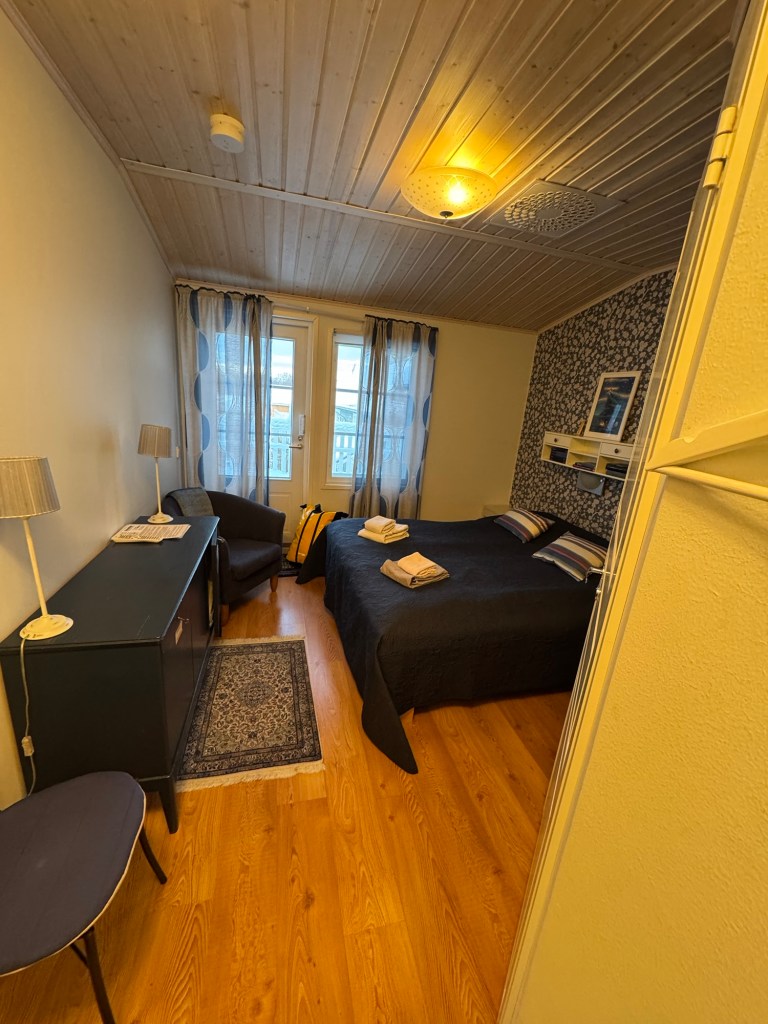
Onto my accommodation, TurusenSaha.
View from the room.
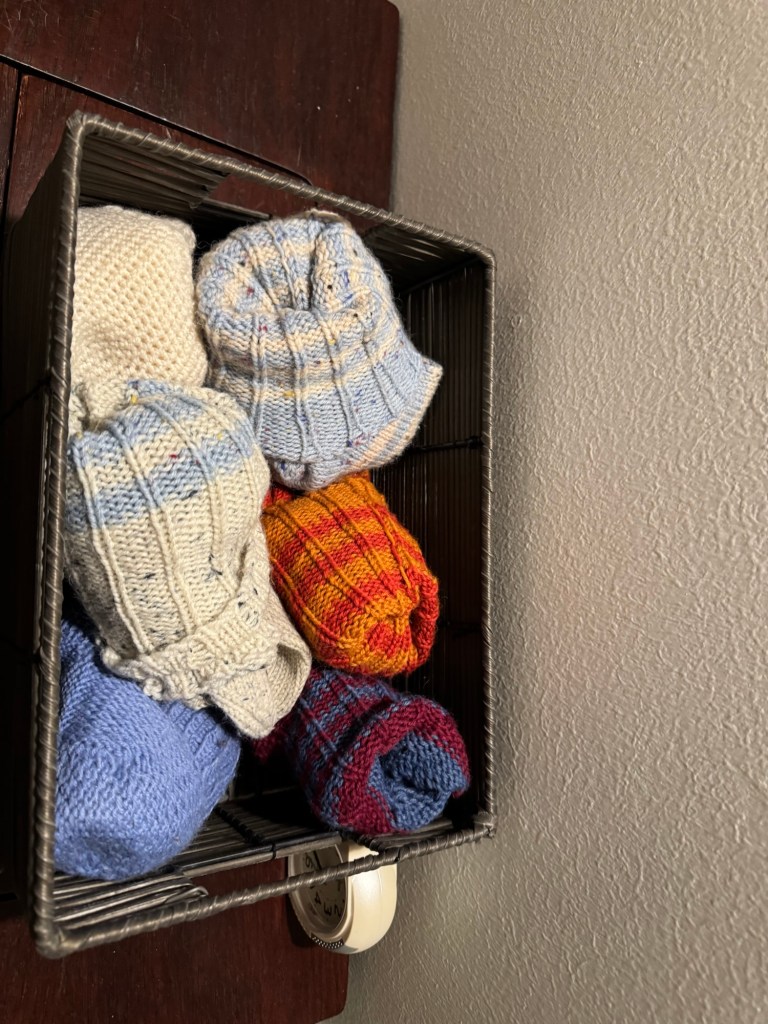
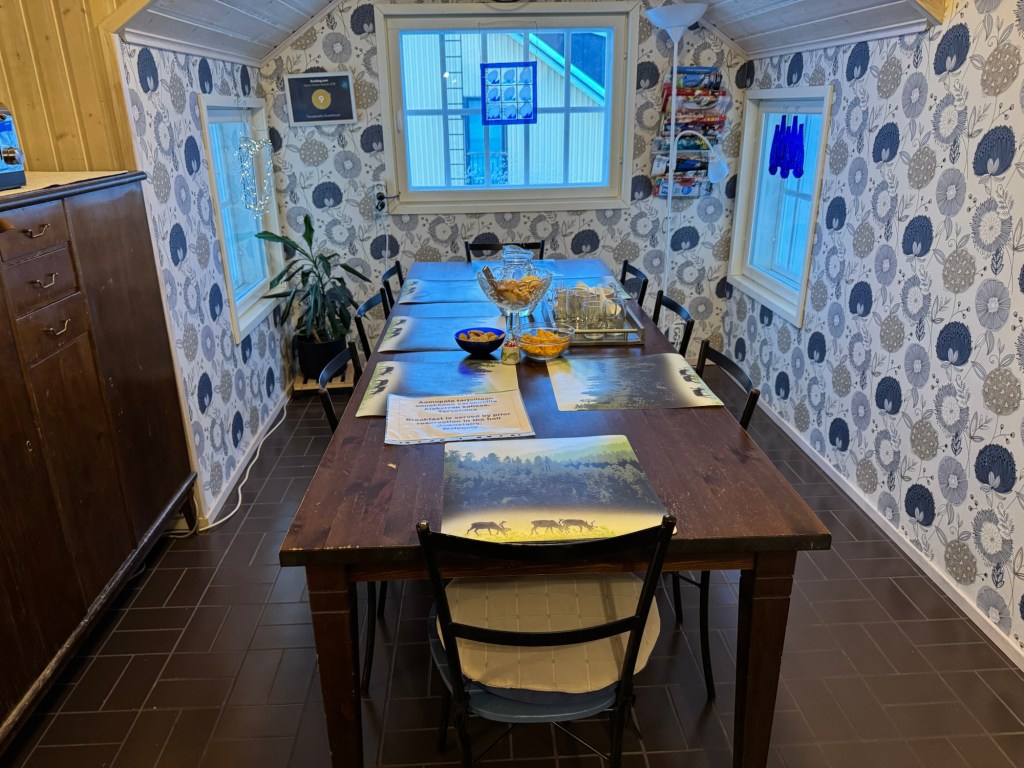
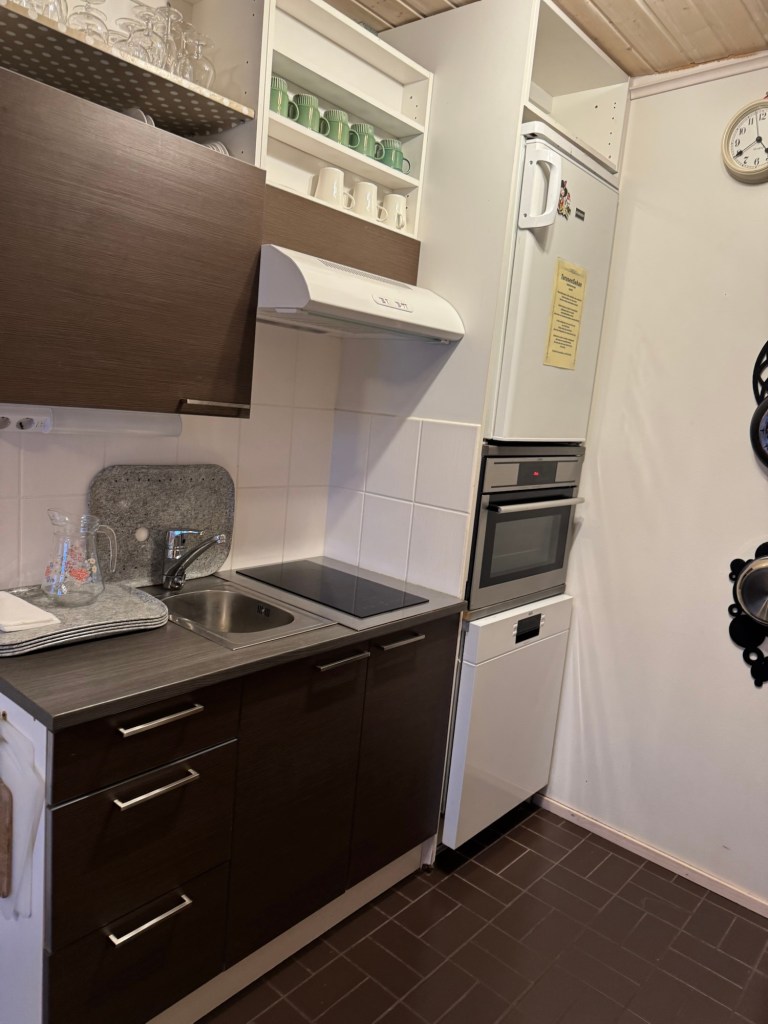
There is a supply of socks, eating area and cooking equipment.
The socks must be for those who have under estimated how cold it can be- outside. Very thoughtful.
I had a walk back to the centre.
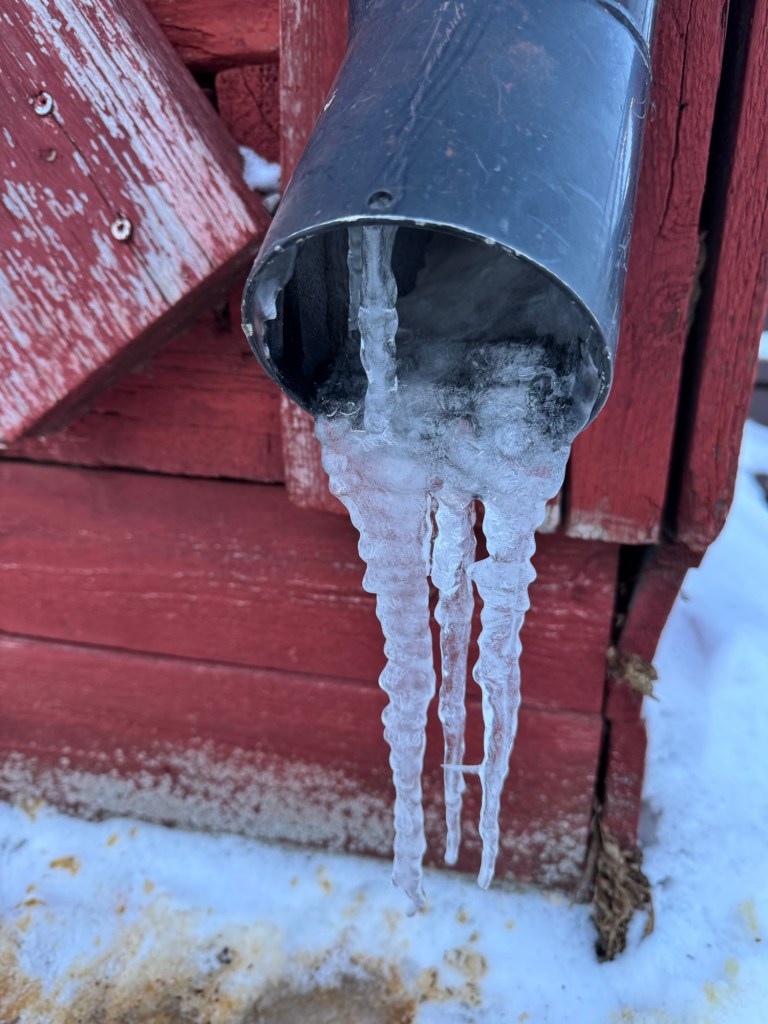
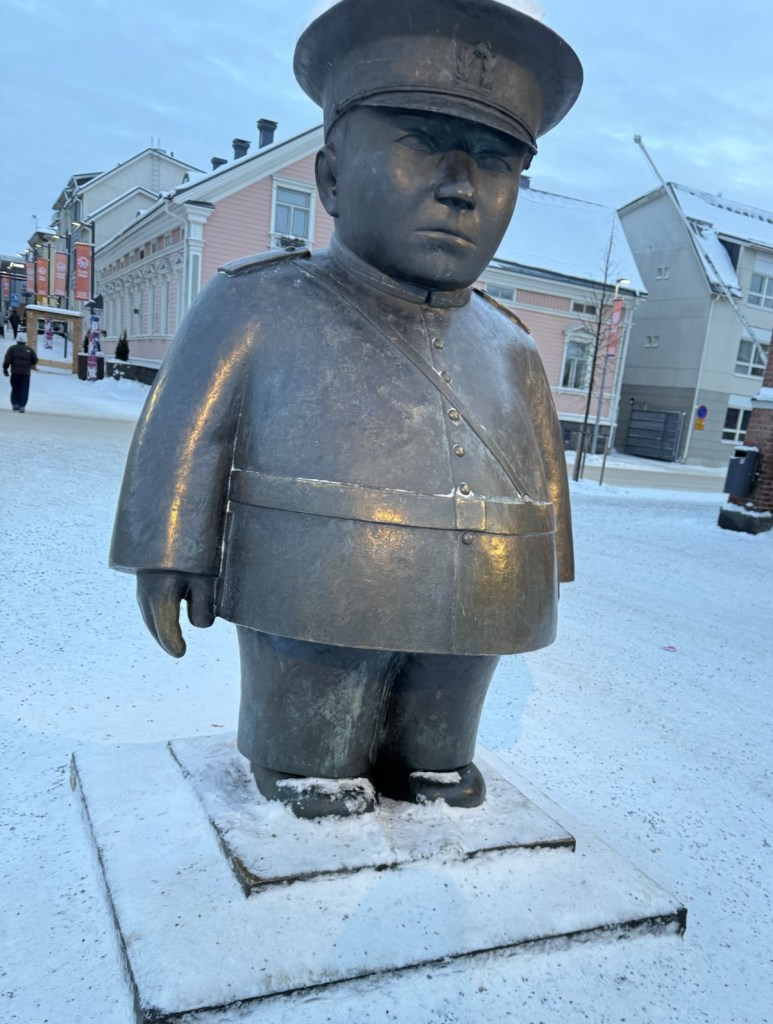
Looking from Pikisaari to Oulu centre.Icicles Bobby Oulu Market.
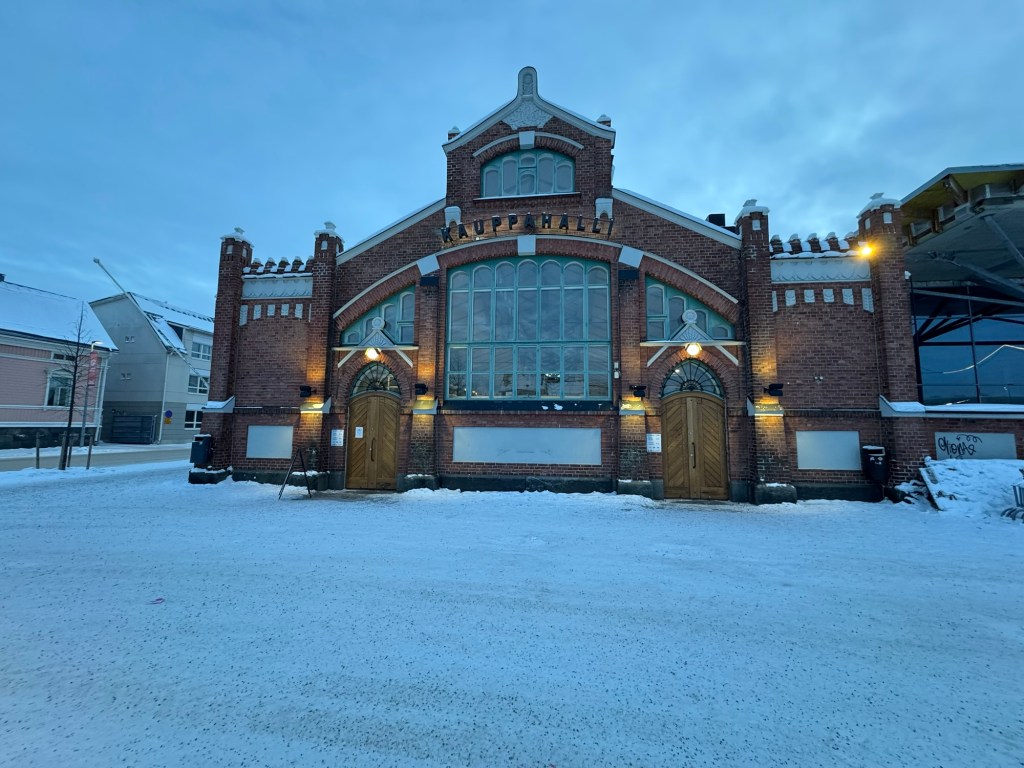
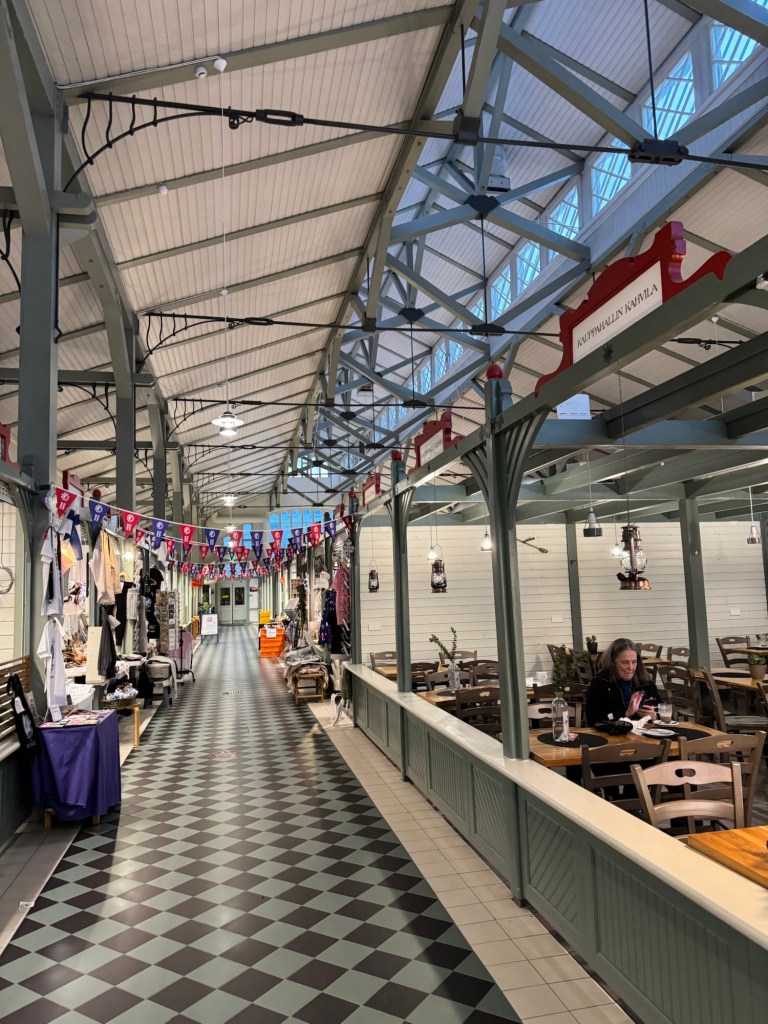
The market has a cafe, fish, meat shops and shops aimed at tourists.
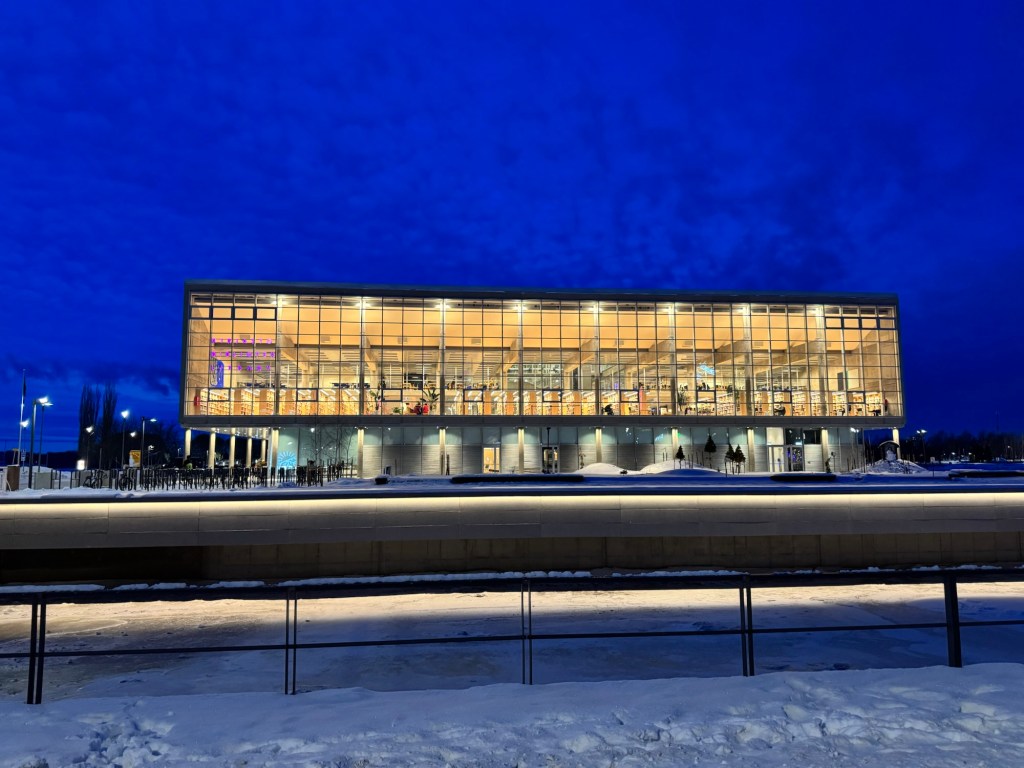
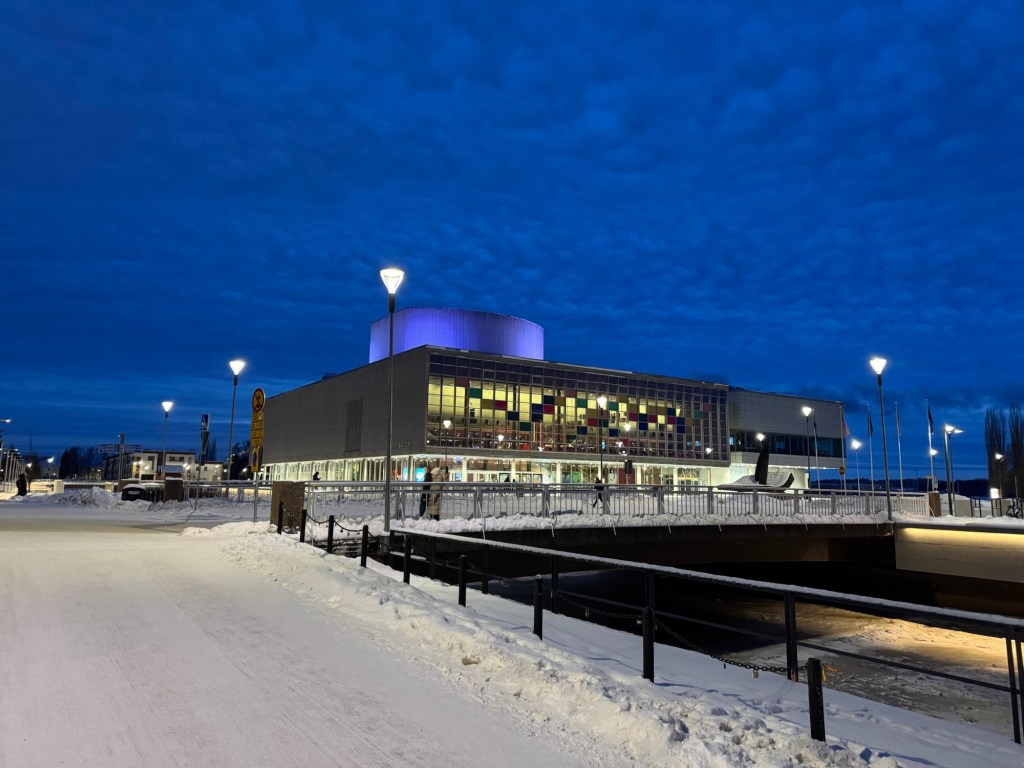
After buying some provisions in a supermarket, I headed back to my accommodation. It’s now getting dark.
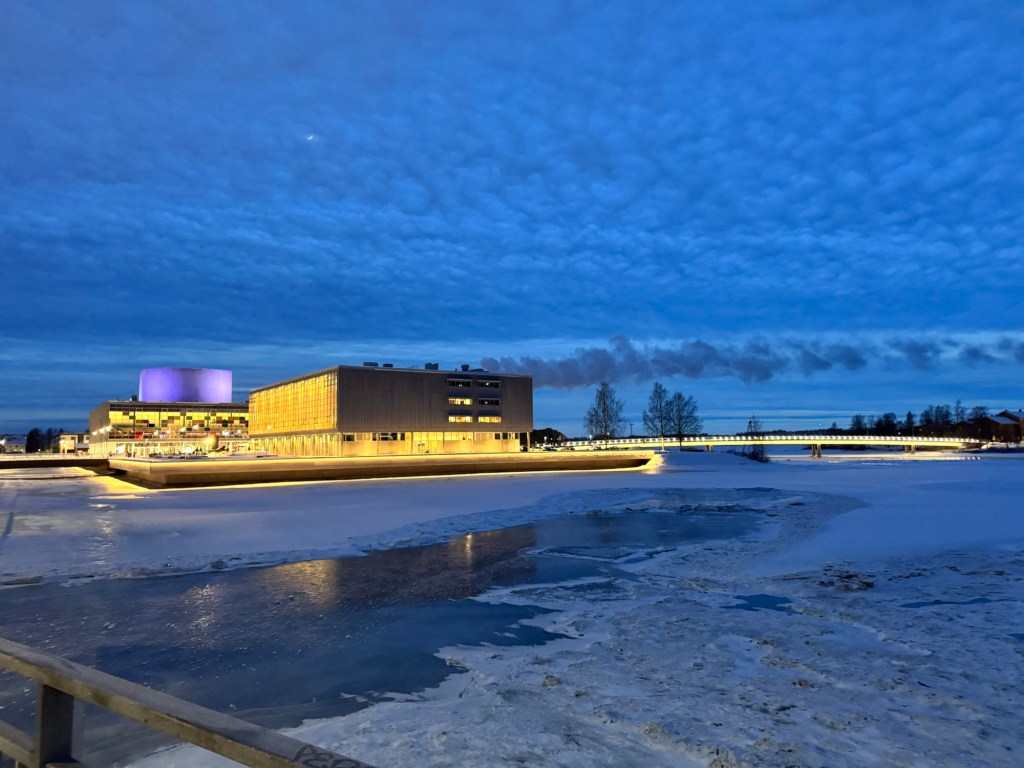
The library Theatre
It’s all well lit up.
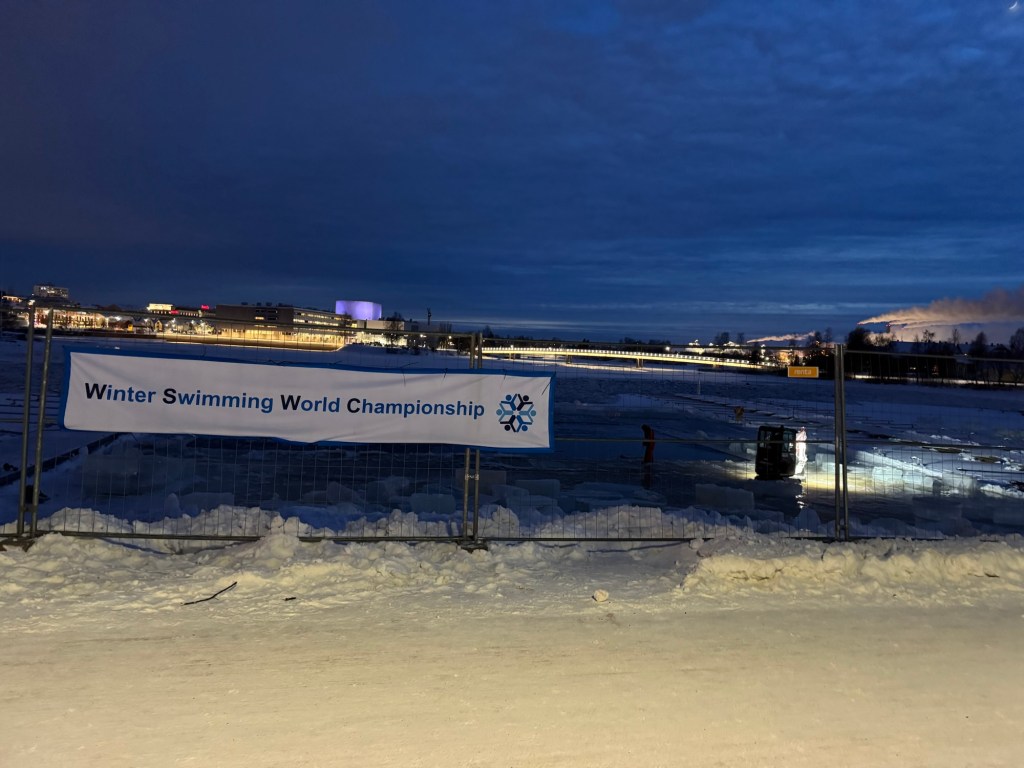
While walking back I spotted something strange.
What was going on?
Happening next week.
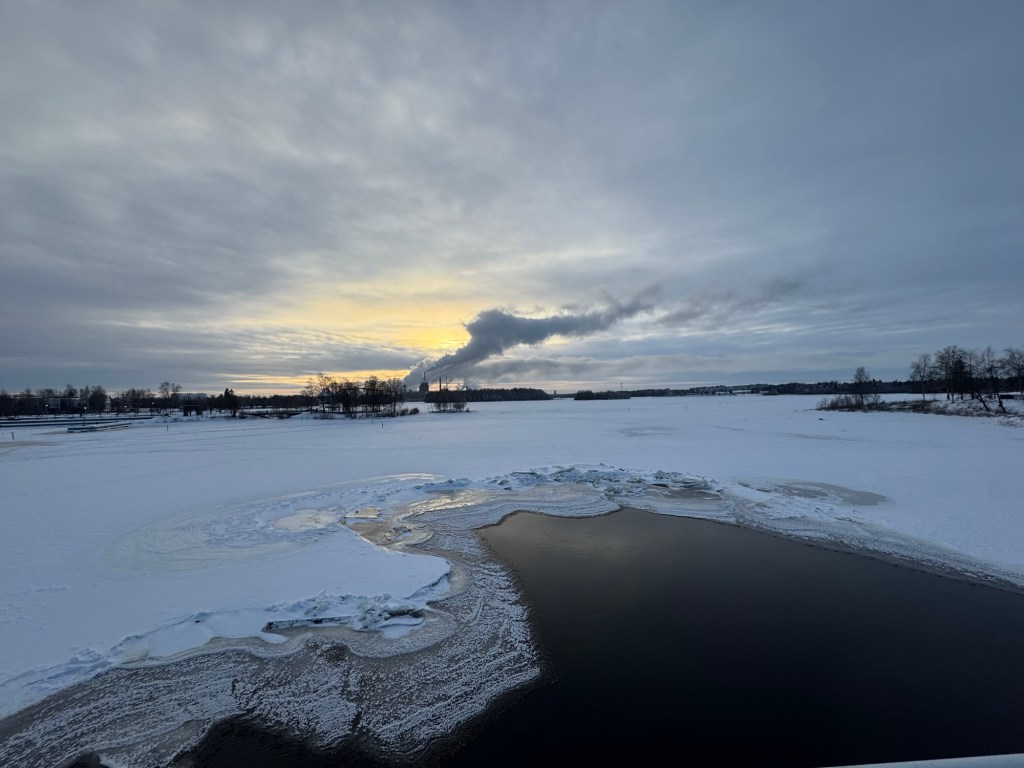
Holes in the ice are being cut to provide the competition pool.
On Pikisaari
The next day I was out and about.
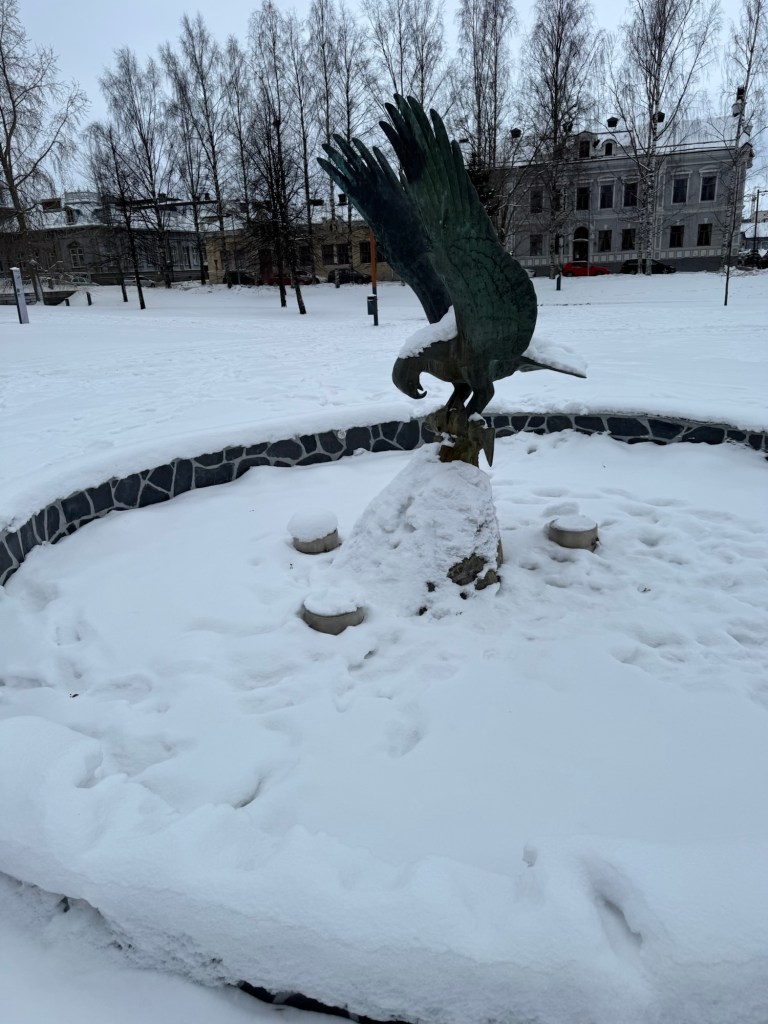
Osprey and Salmon
Headed towards Nallikari Beach from Pikisaari.
Frozen one side of the bridge.But not the other.
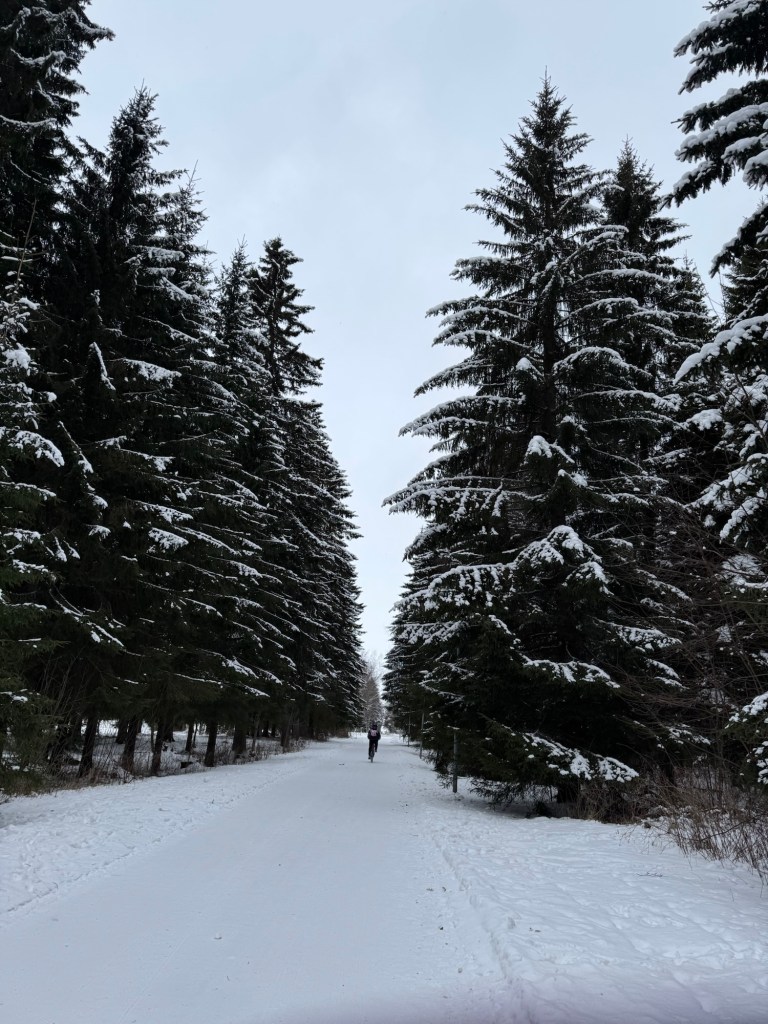
Cyclists are out despite the cold.
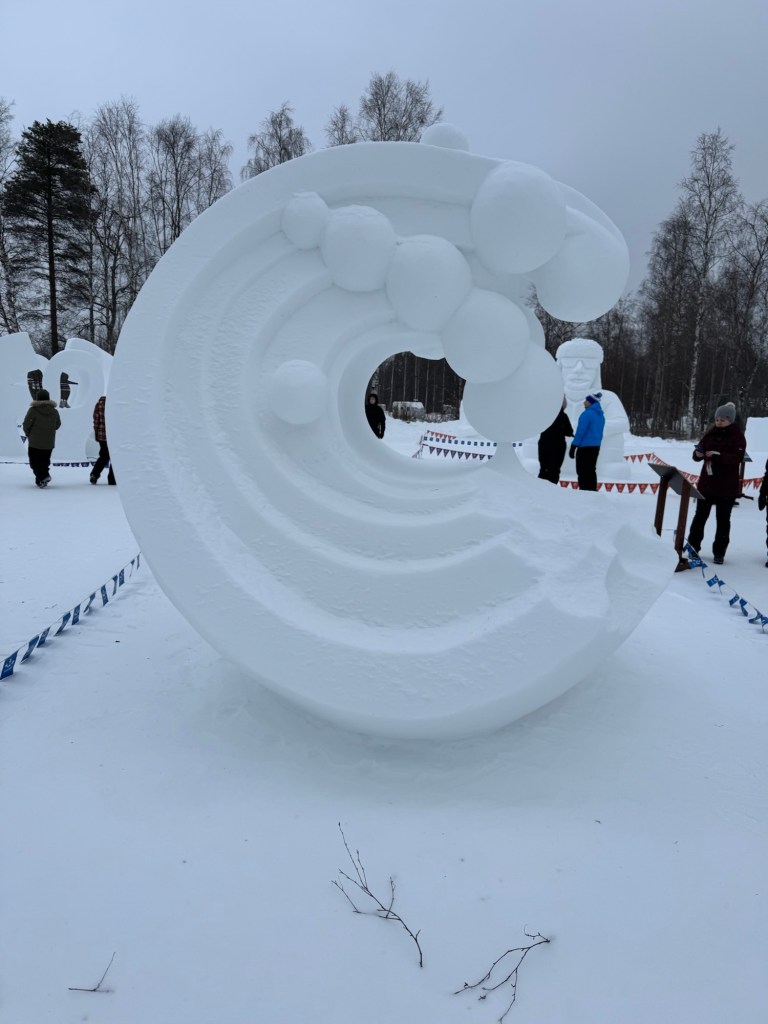
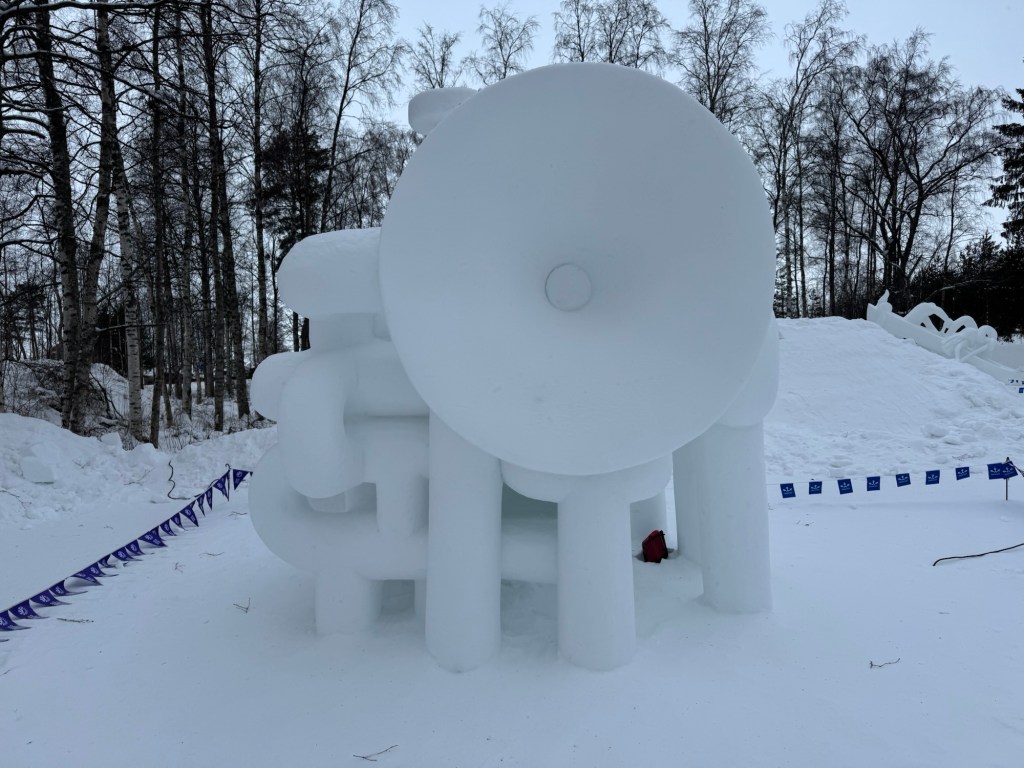
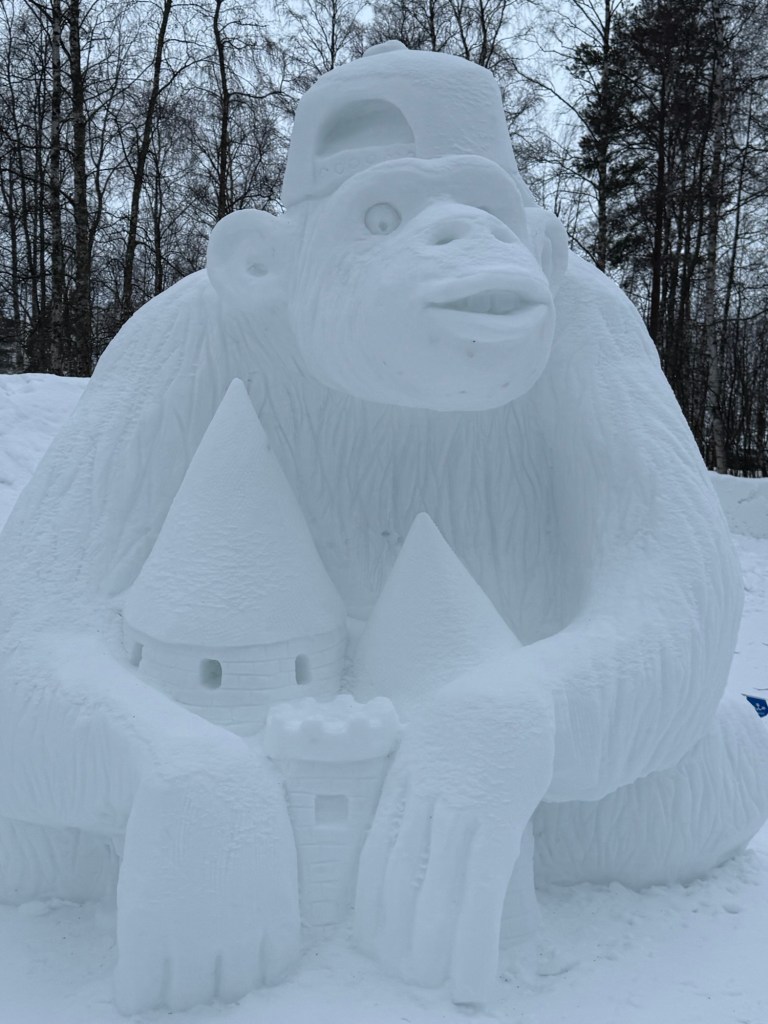
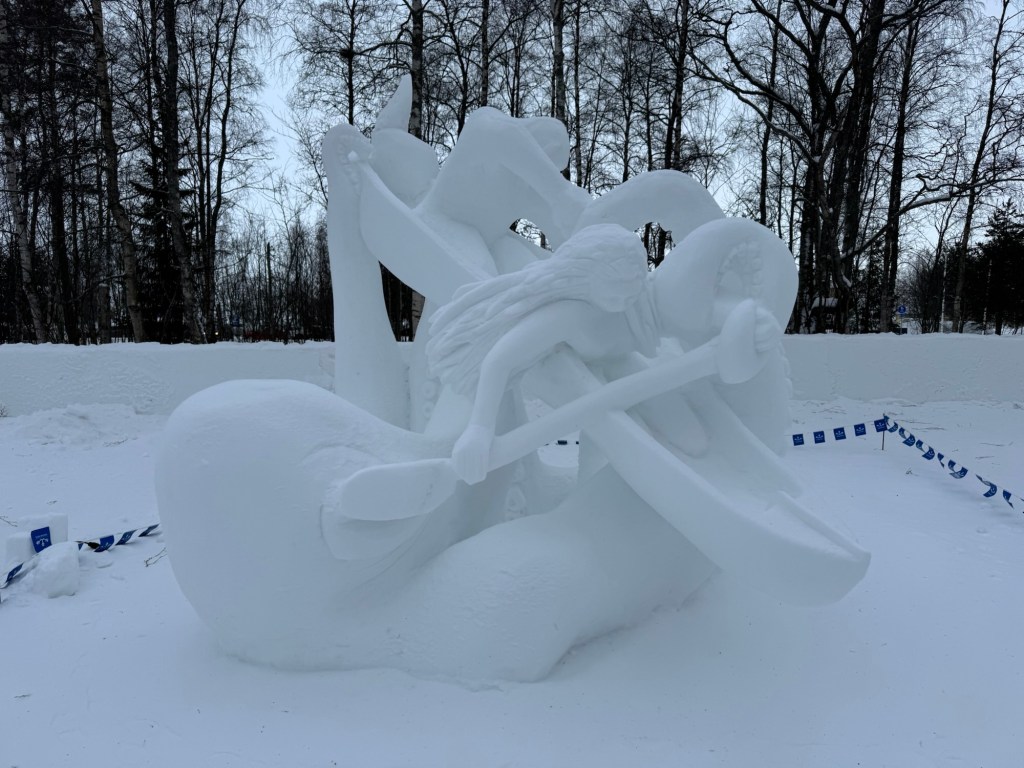
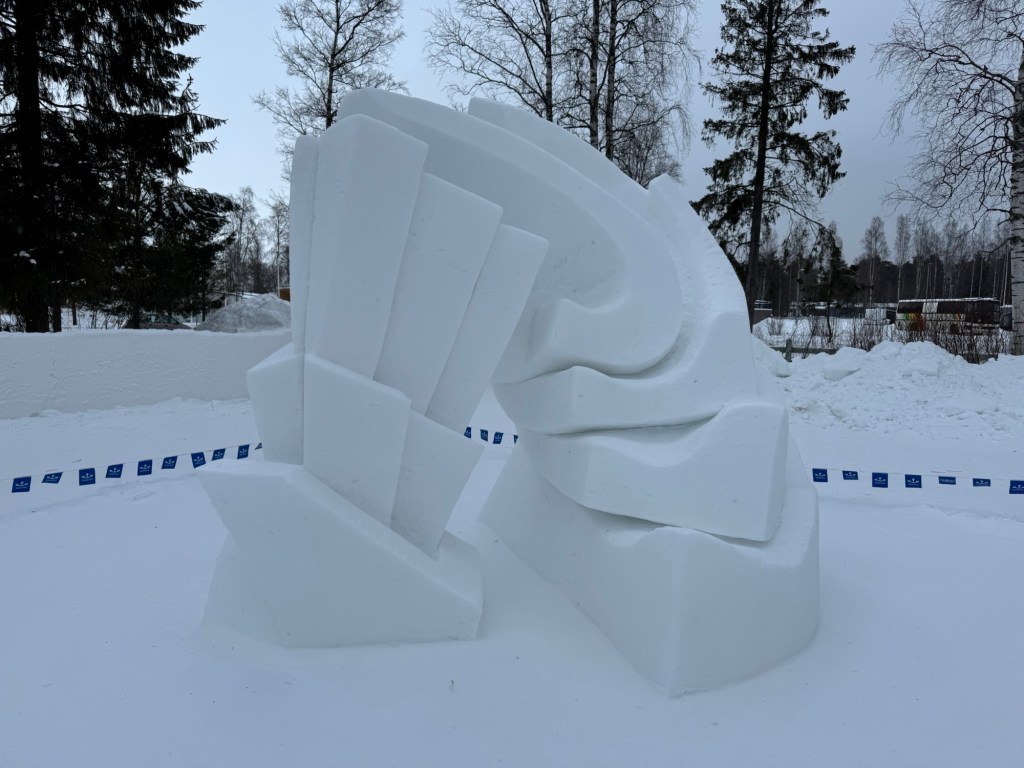
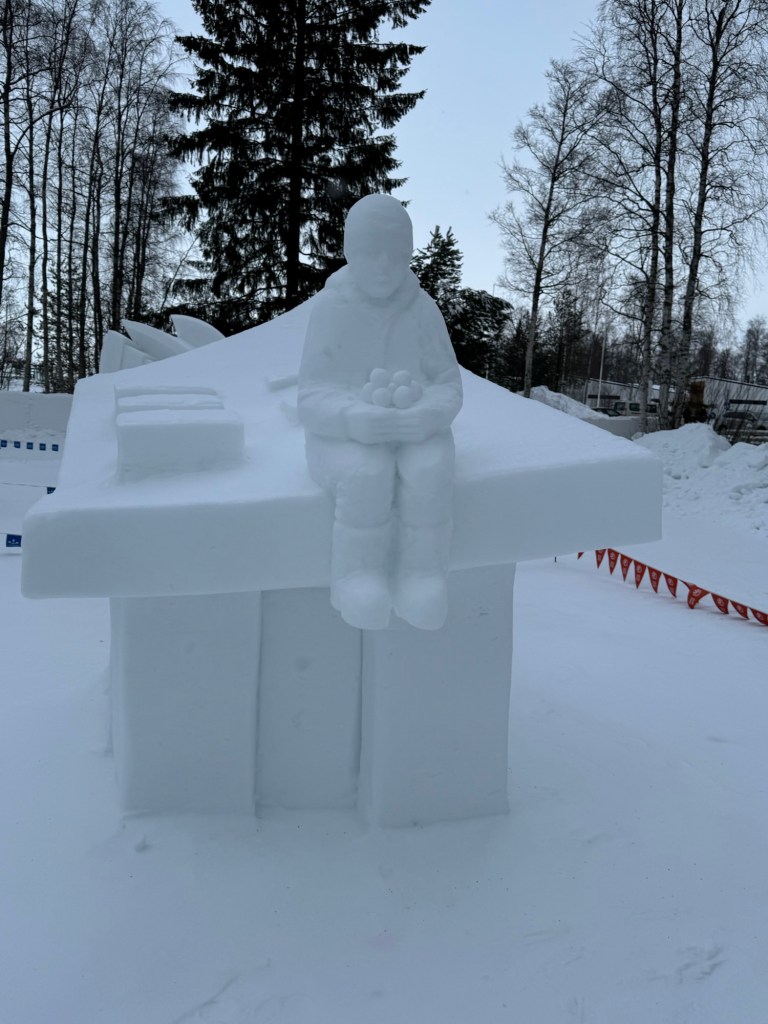
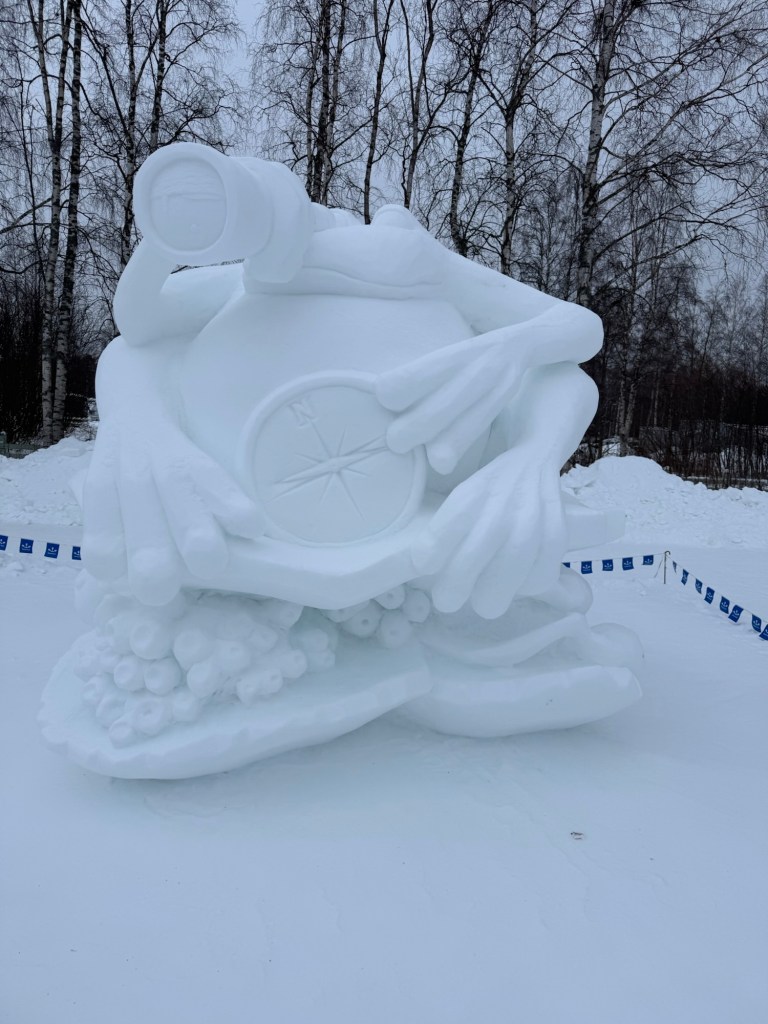
I went to see the ice sculptures that had been made the previous week. That must have been quite a spectacle when they were being made.
Team UK-CanadaGermany
I walked down to the beach.
Nallikari Beach
Where does the beach start and end?
I could tell when I was on the beach as the snow was soft.
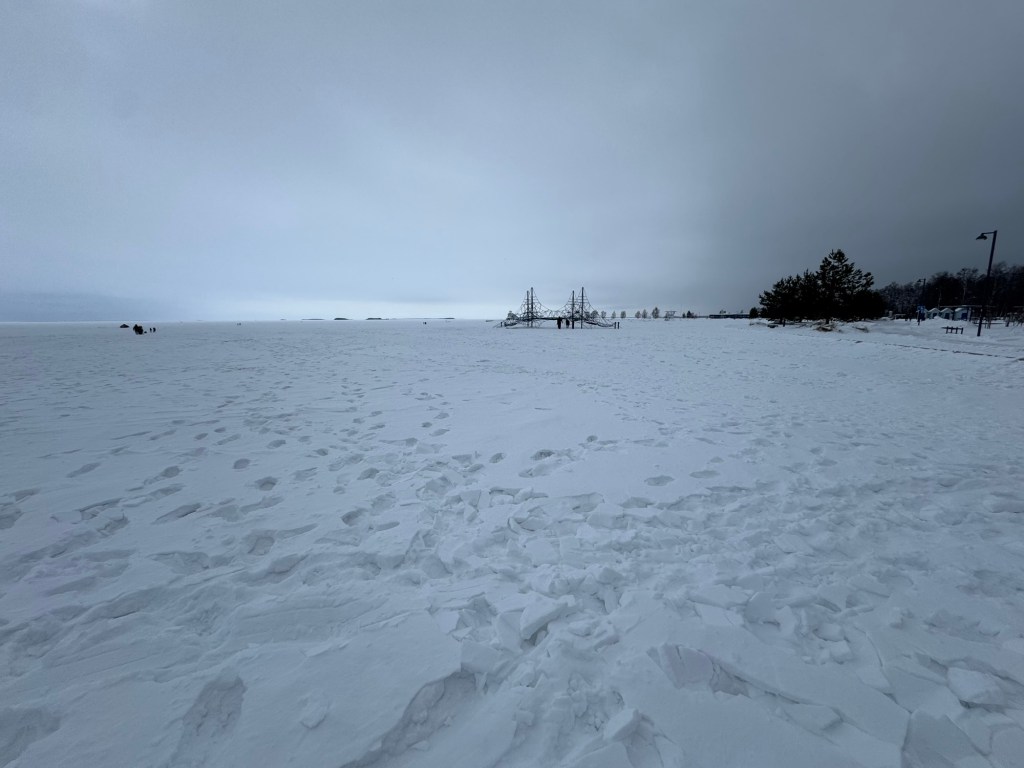
I then started walking on the sea.
Standing on the sea.
There were tents scattered around and one man was fishing in a hole. No idea if he caught anything.
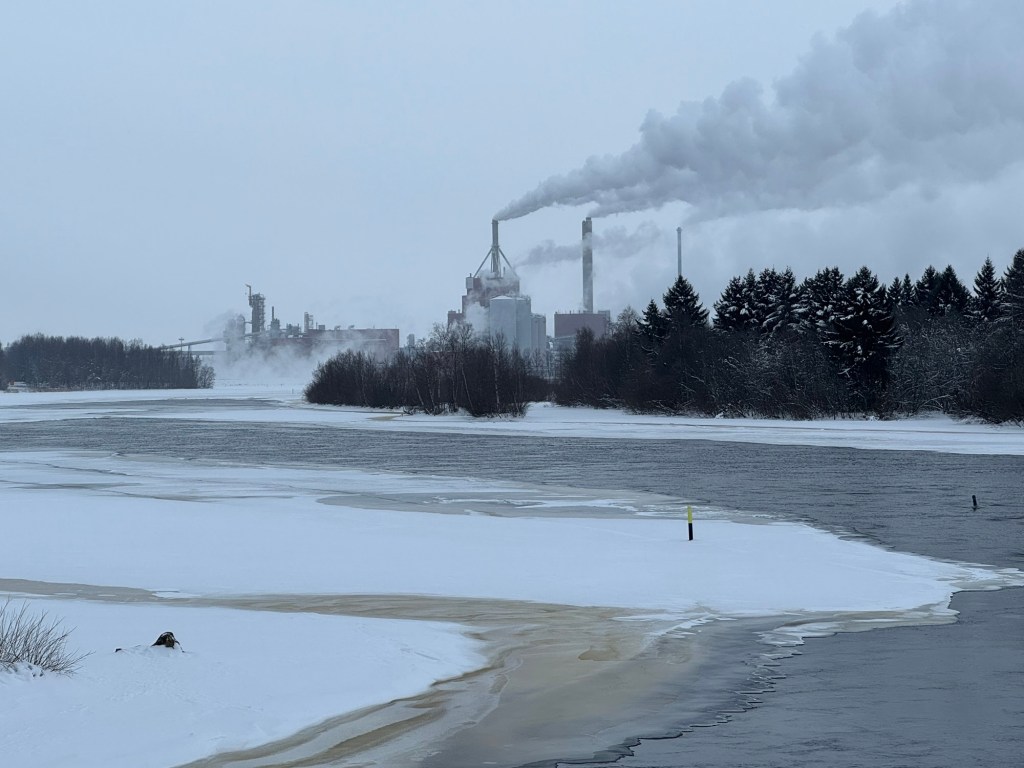
Heading back to Oulu via Pikisaari island. The steam generating industry buildings in the distance looked very atmospheric.
Looking towards the sea from the bridge heading onto Pikisaari.Buildings on Pikisaari.
After having a coffee in Oulu centre and buying some food I headed back. It was snowing.
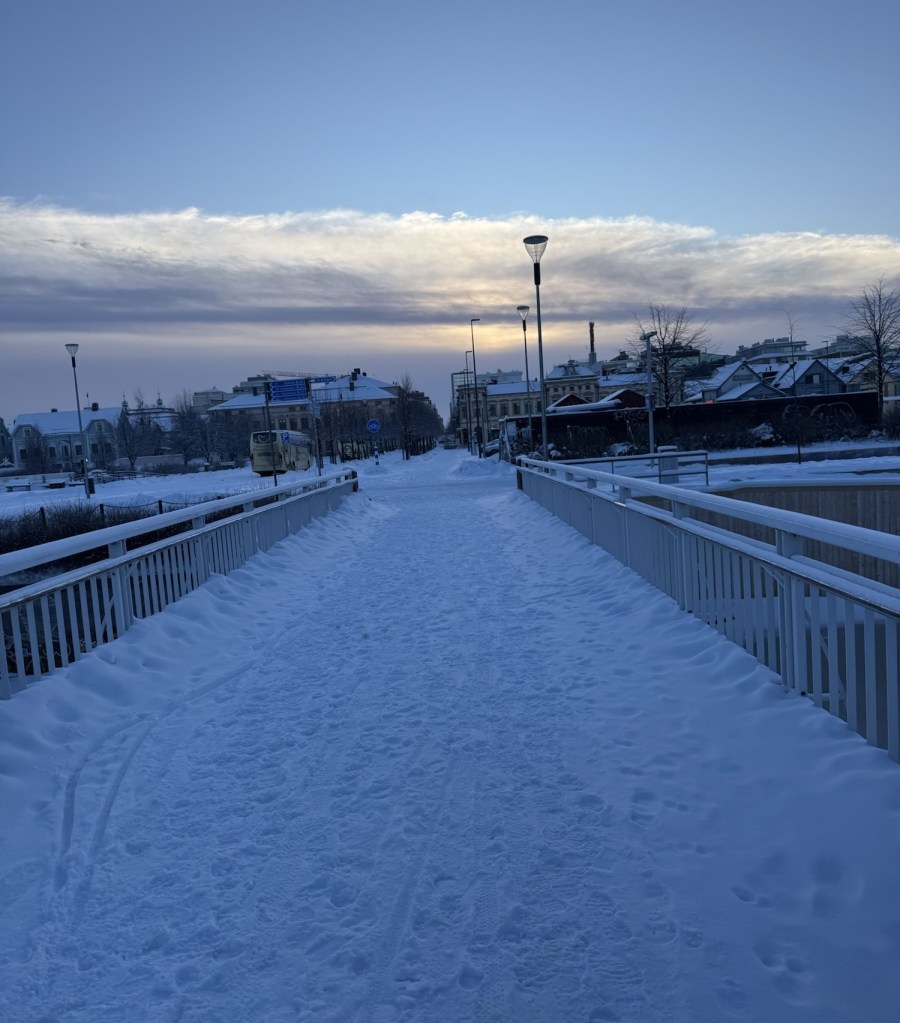
Bridge connecting Oulu to Pikisaari.
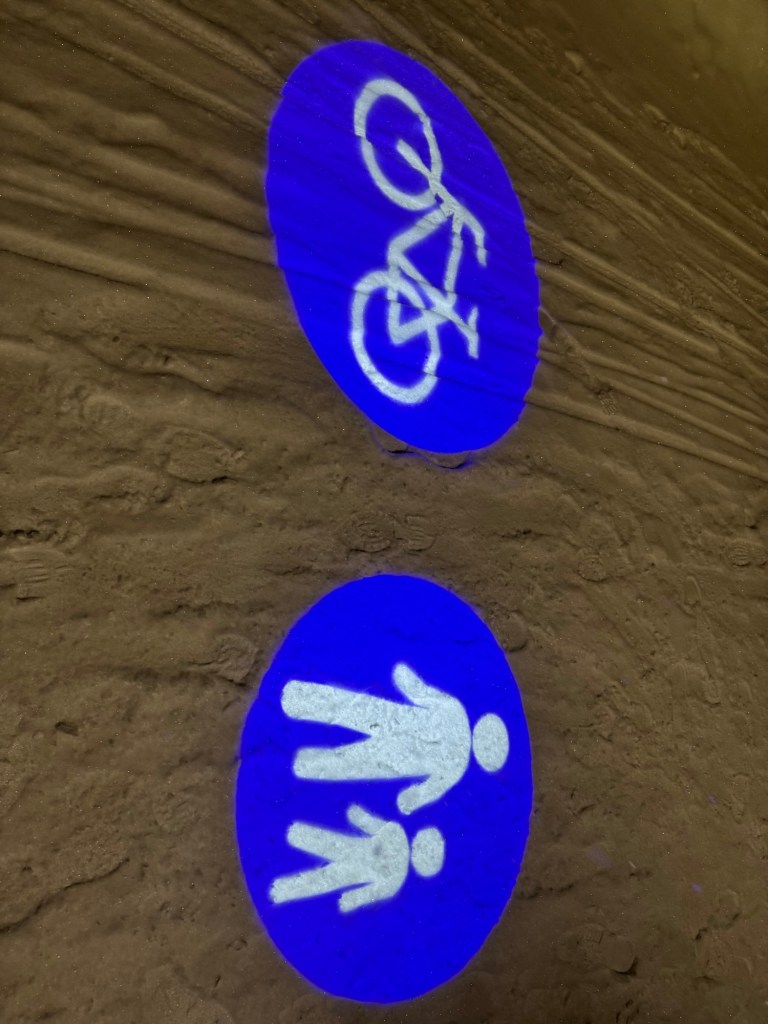
If there is snow covering the ground for a large part of the year the markings on the ground will be covered. The solution is to project the markings on to the snow.
After a night of snow.
The compacted snow got a dusting of soft snow overnight making it harder going as I headed to the station.
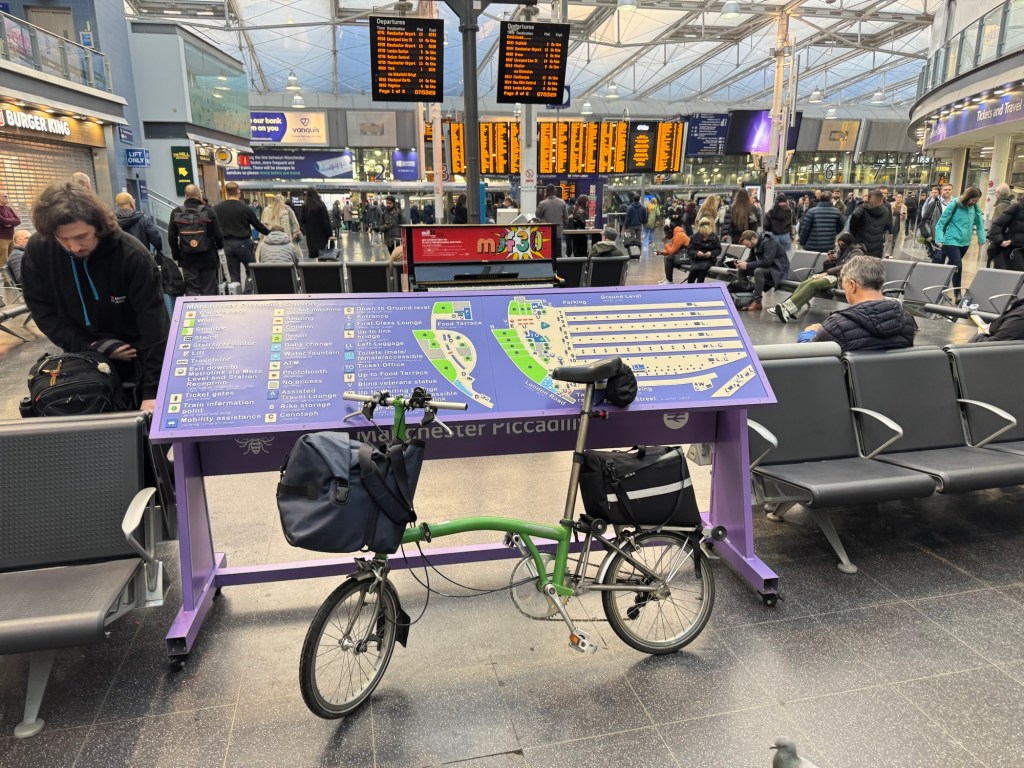
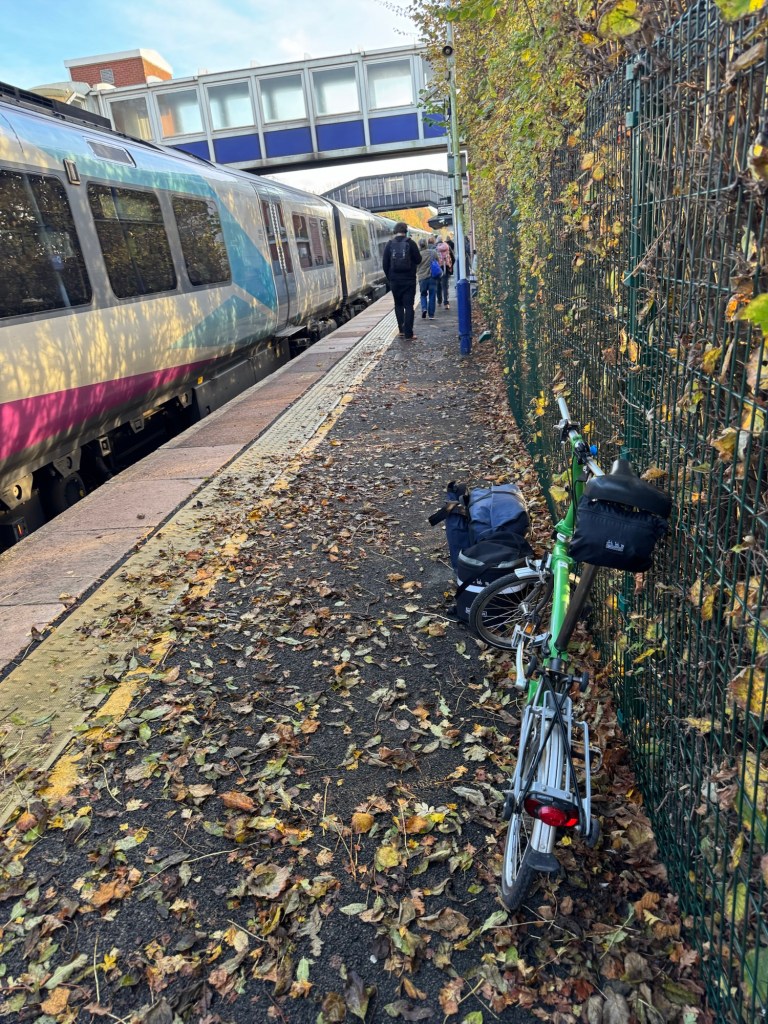
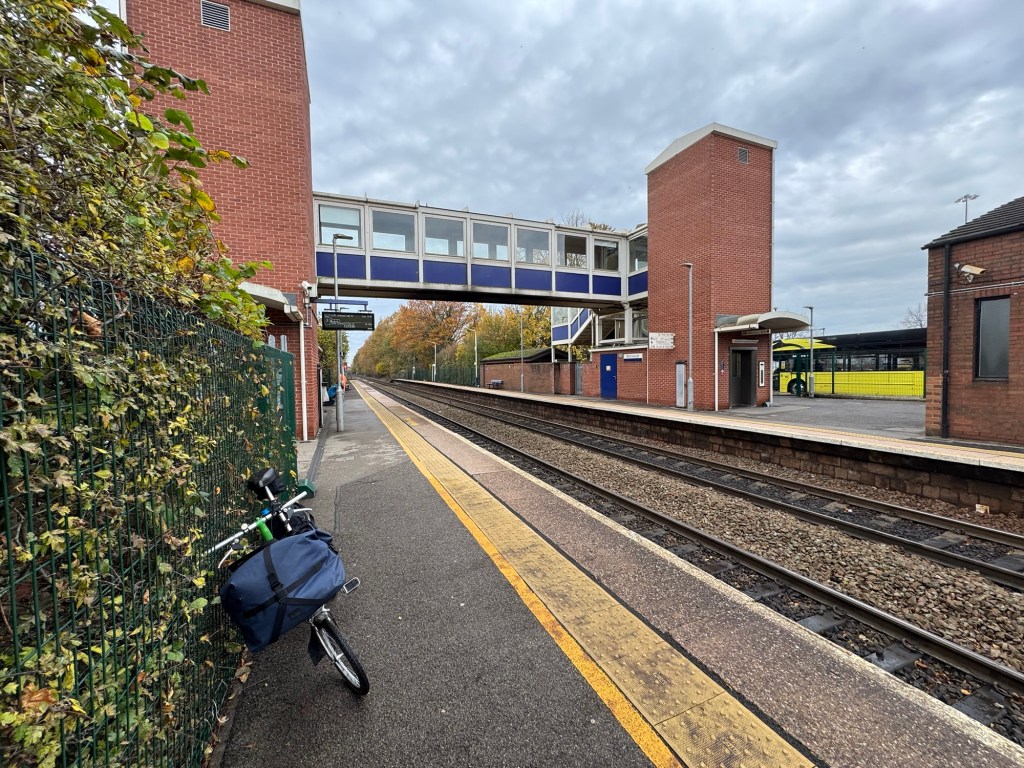
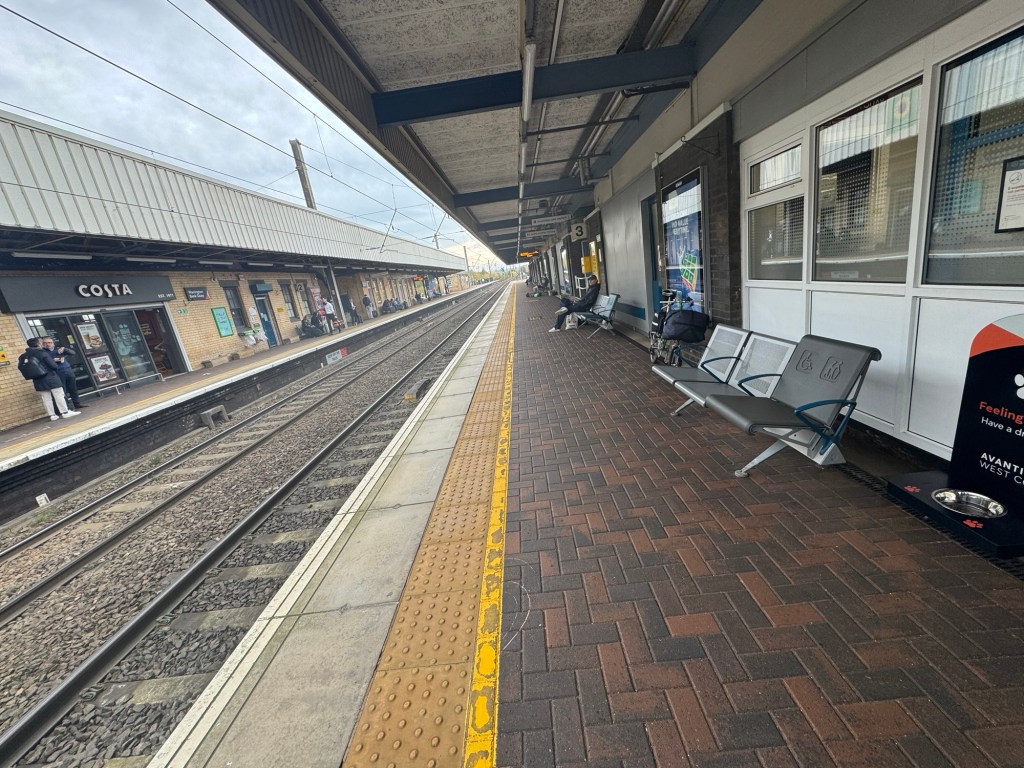
Good morning Manchester Manchester Piccadilly is busy Waiting for the train Birchwood StationBack to Birchwood, the leaves have been cleared.
The train is delayed by trespassers.
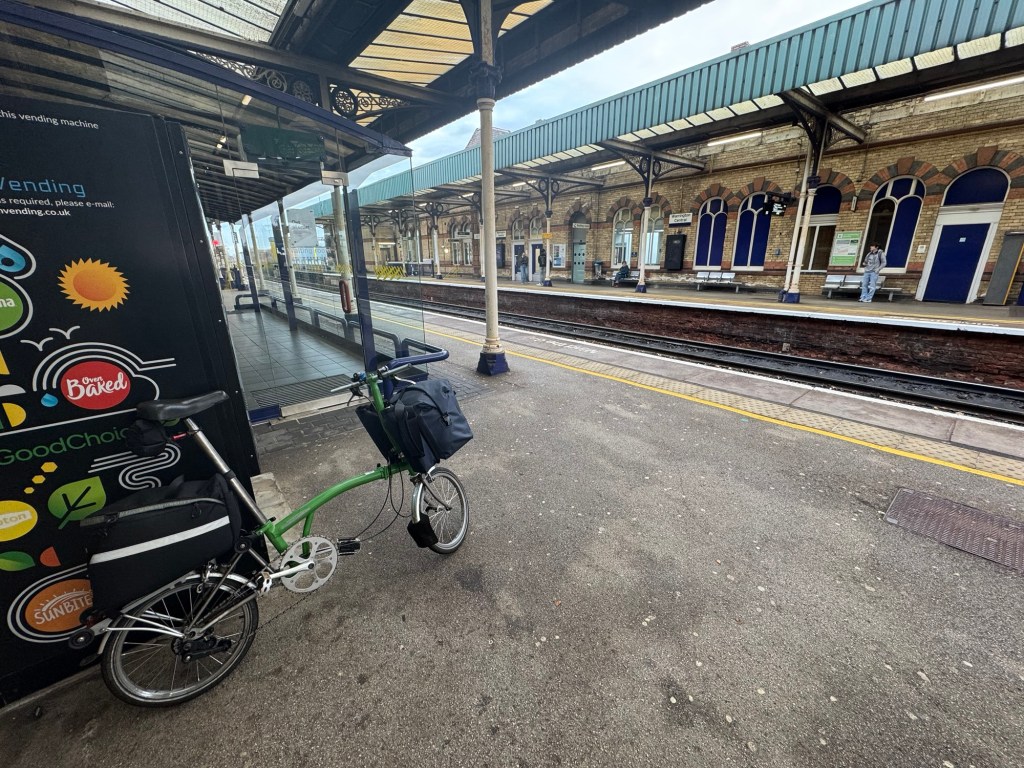
Off at Warrington Central.
The delay meant I could not get a decent lunch.
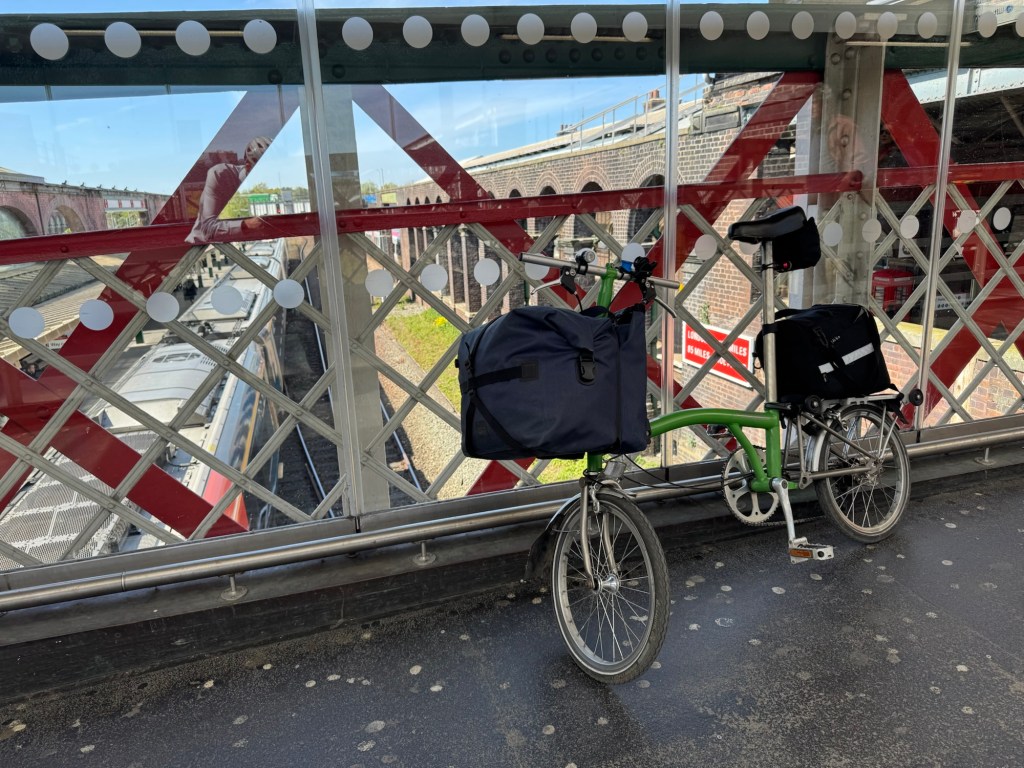
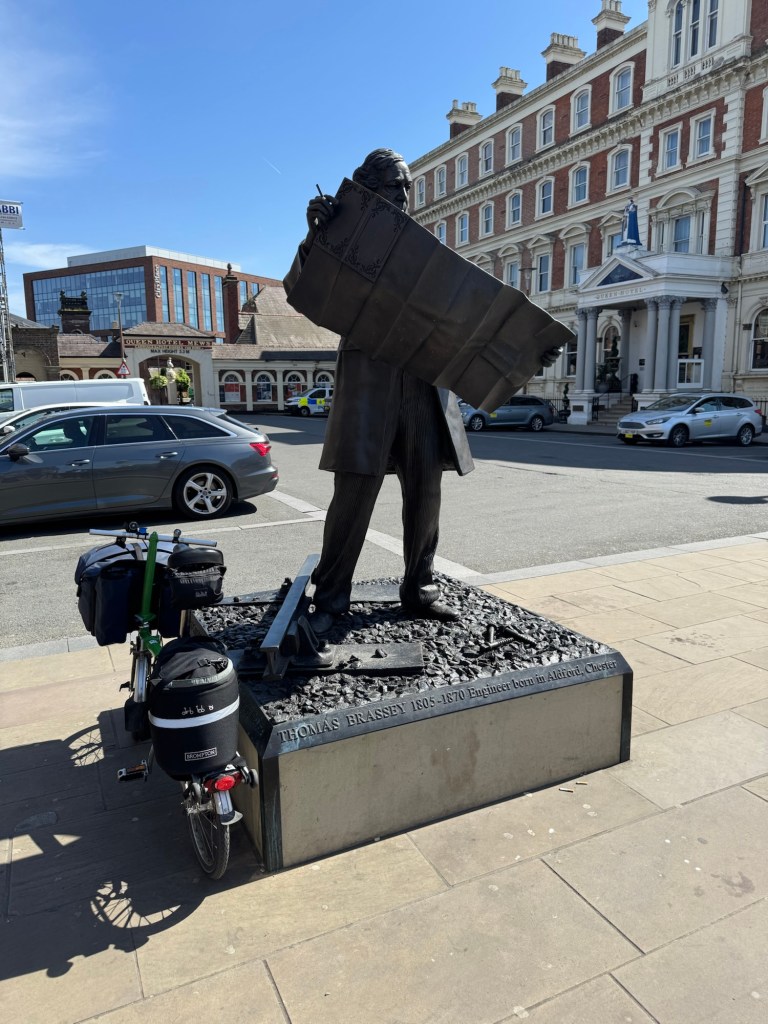
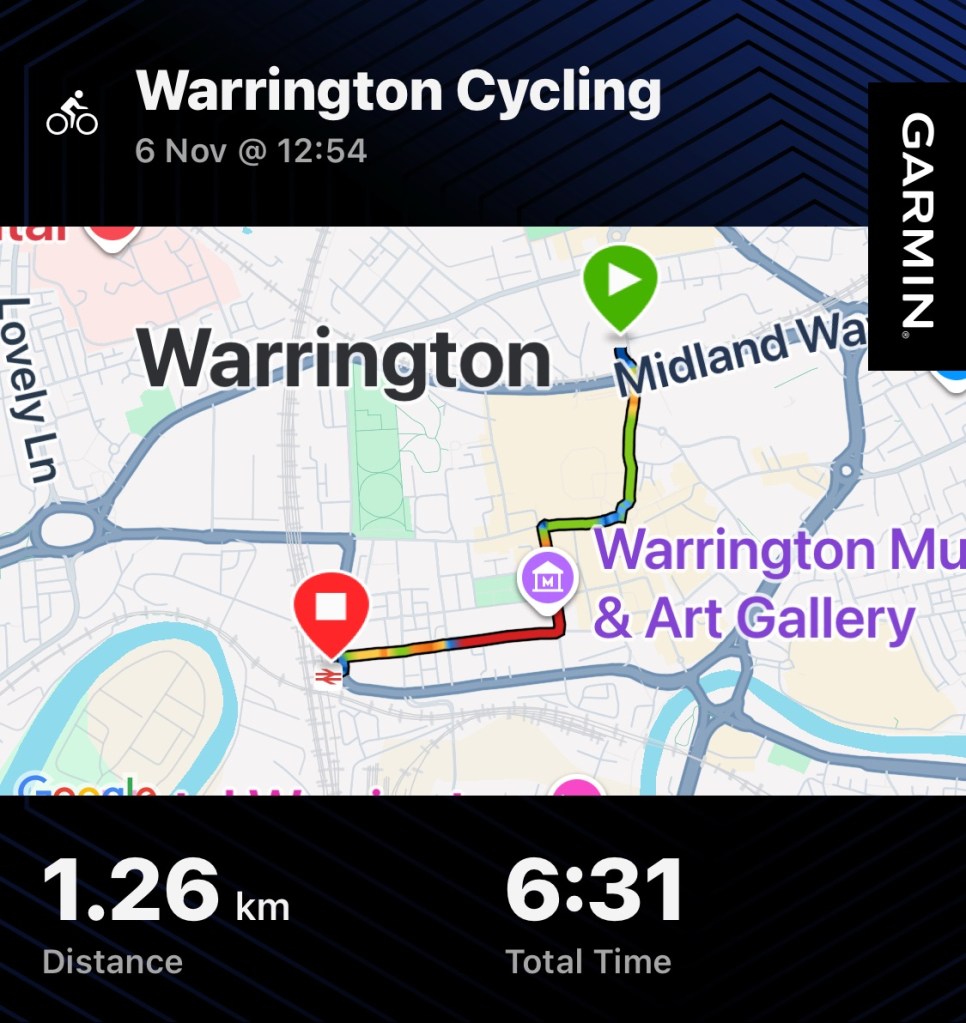
A short ride between Warrington train stations Warrington Bank Quay
The train to Edinburgh was delayed due to trespassers. However there was plenty of leeway to catch the connecting train, especially if I changed at Haymarket.
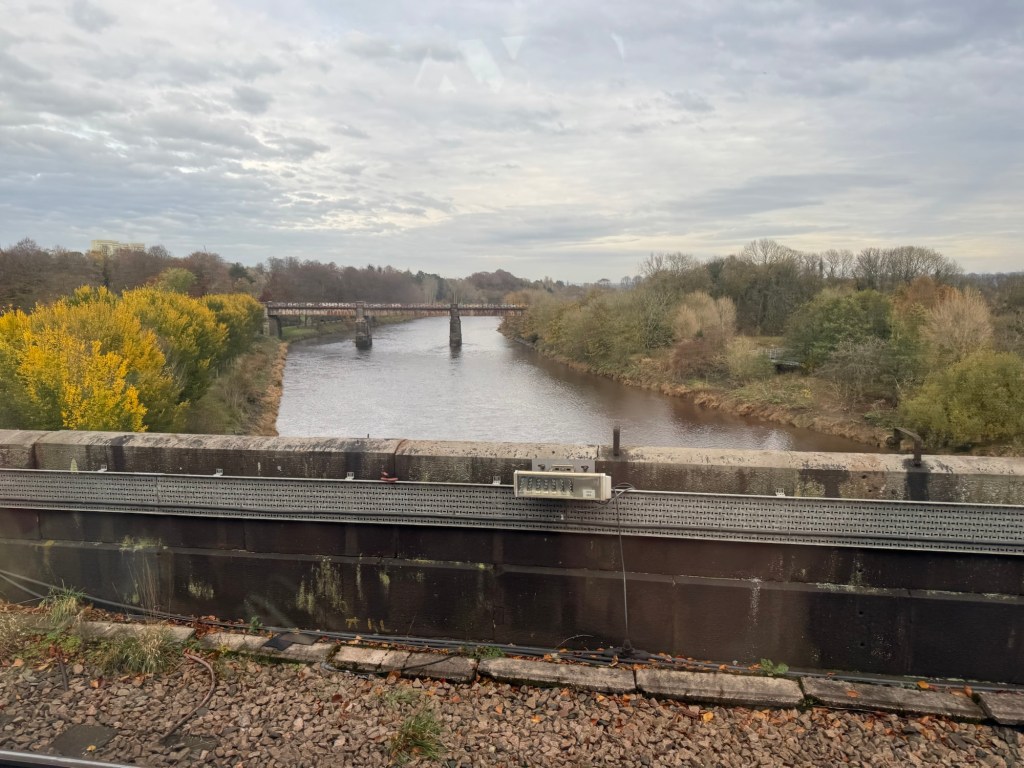
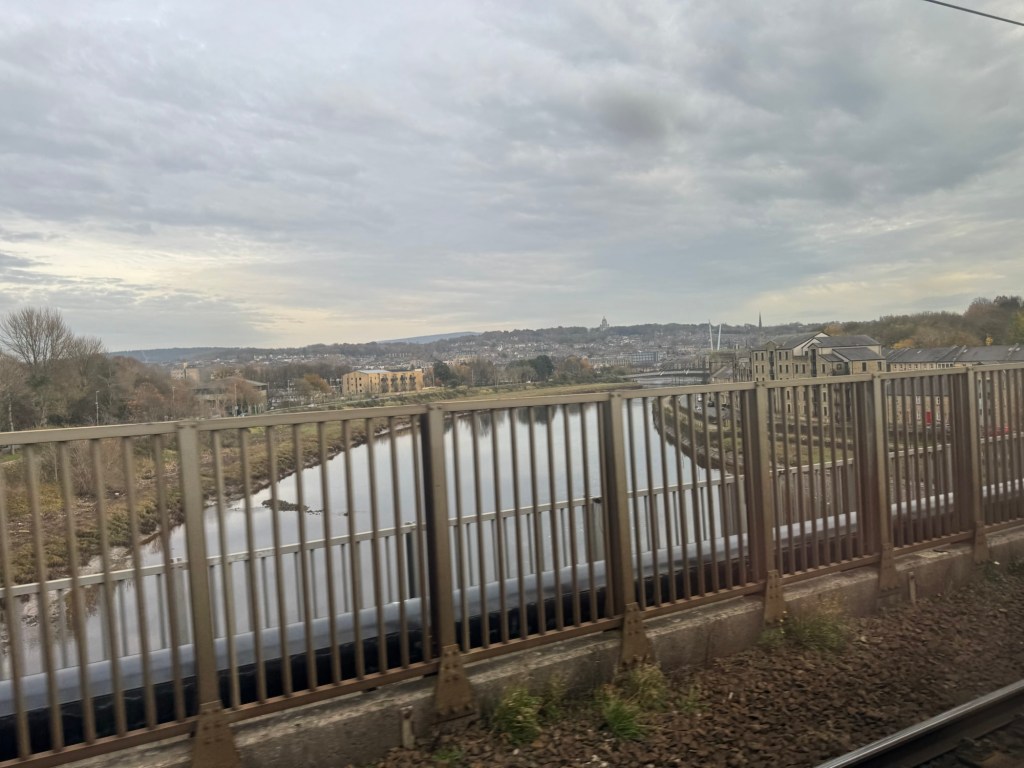
River RibbleLancaster River Laune
As we headed north the delayed train lost time rather than catching up.
We arrived at Haymarket. As I got off the train. I heard the Inverness train leaving. That added another hour to the journey. Why can’t the trains cooperate to avoid these problems. It was minutes. And why was the Edinburgh train continually slowed down.
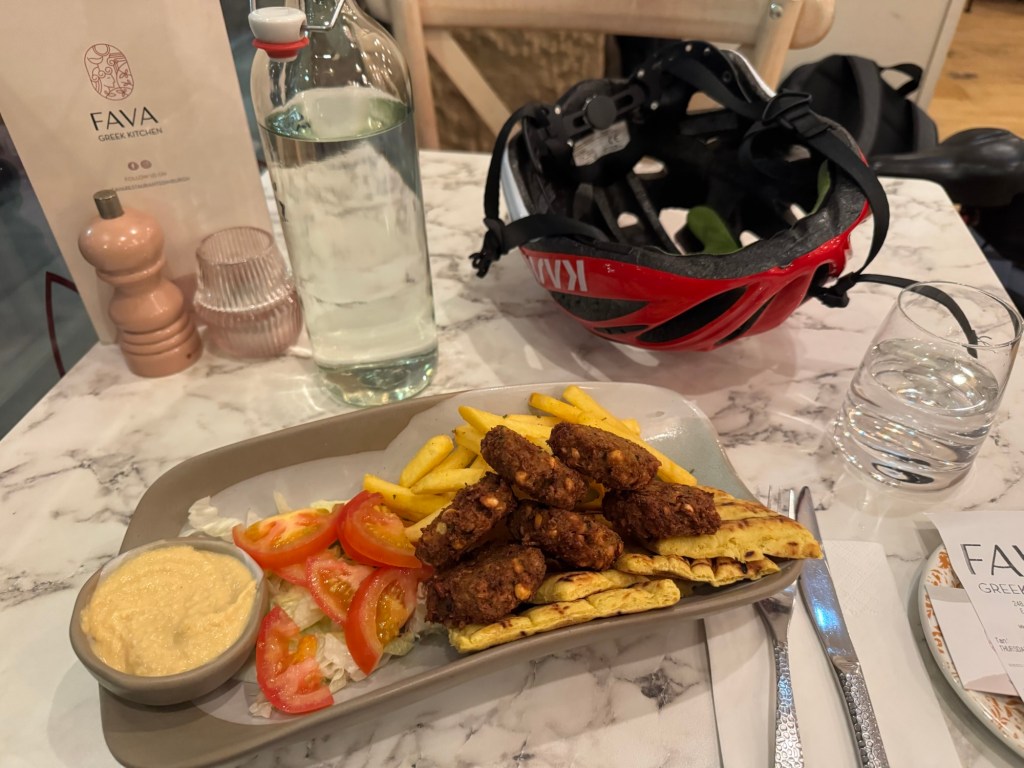
Food at Fava Greek Kitchen
Time to kill so time to grab food.
Back to Haymarket
Now this is when things got crazy.
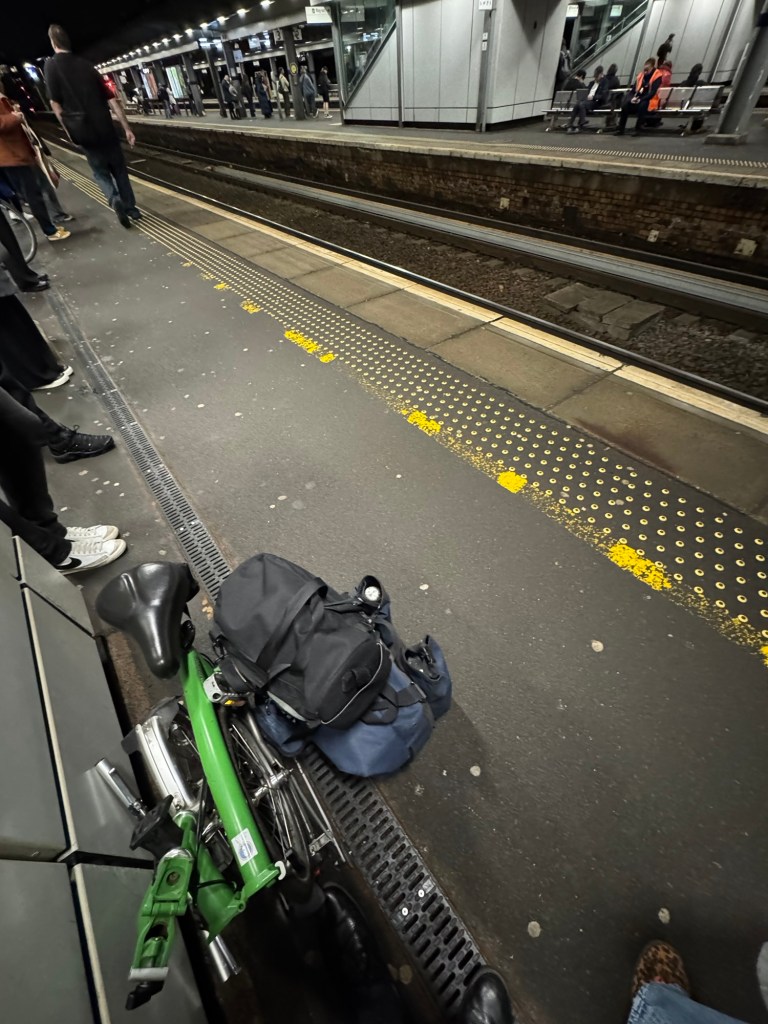
I was looking at the display times for the trains on platform four. A man stumbled down the stairs grabbed hold of one my belt loops, span round out of control, falling off the platform, onto the train track. At that point my thoughts were , was a train coming, how do we get this man off the tracks, going down onto the tracks was not an option, too risky. We coaxed the man to his feet, and four complete strangers hauled the man onto the platform.. We restrained the man to stop a further incident.
I thought that the next train was mine, got on discovered it wasn’t. After getting on the correct train I realised just how traumatic I had found the incident.
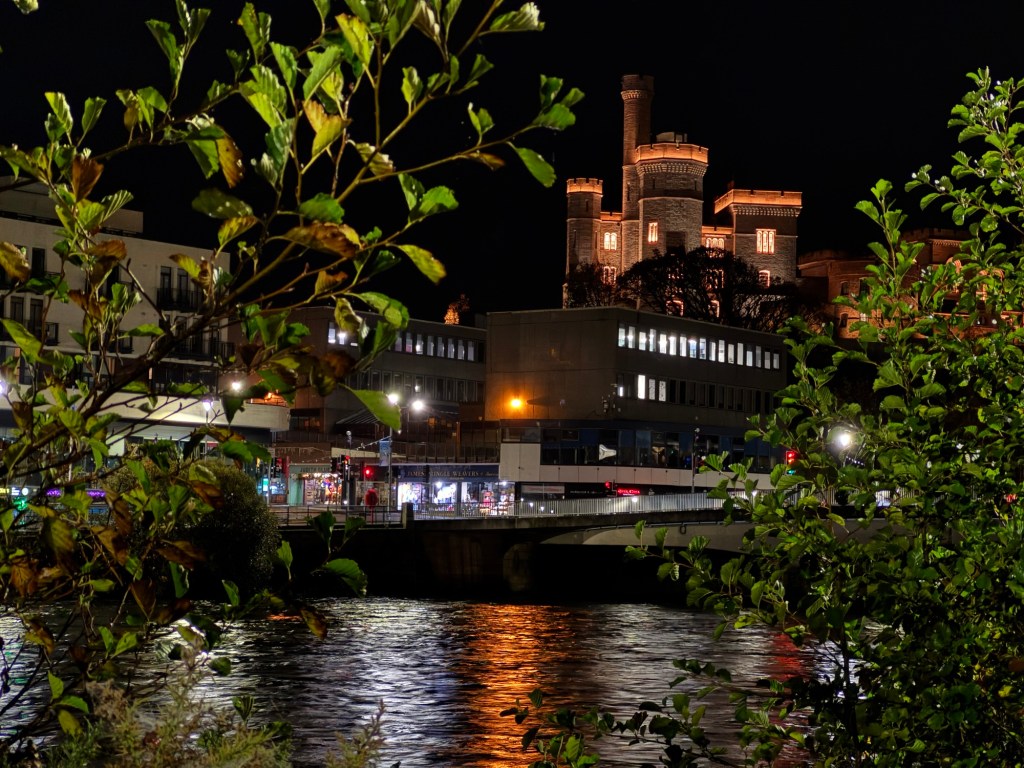
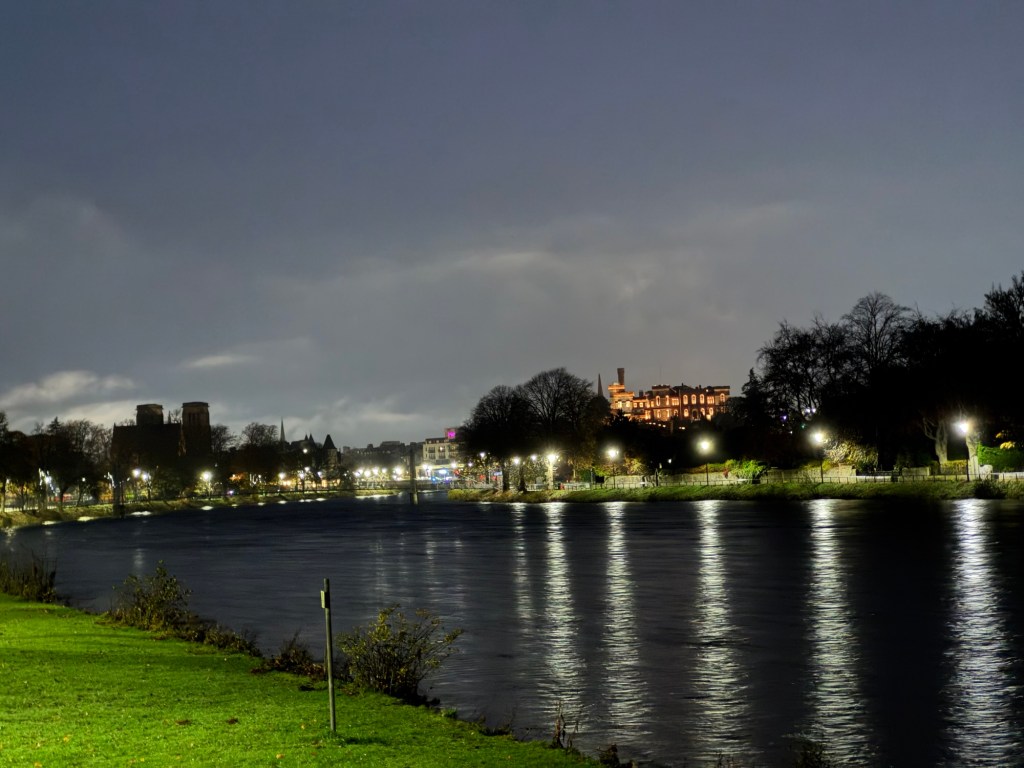
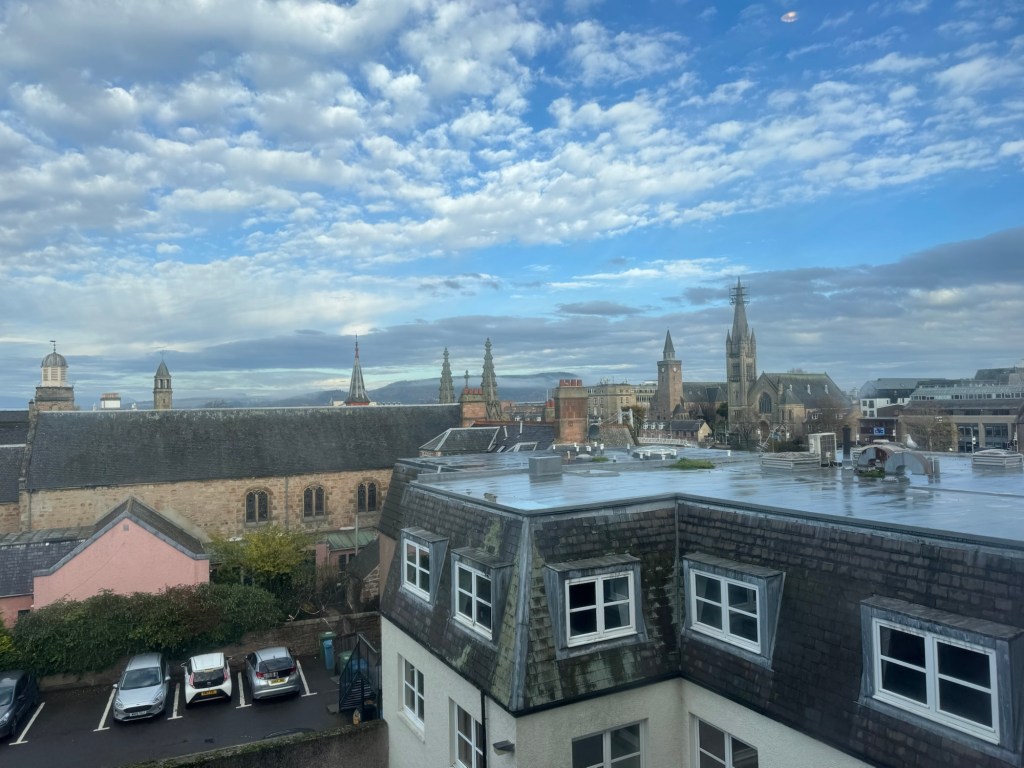
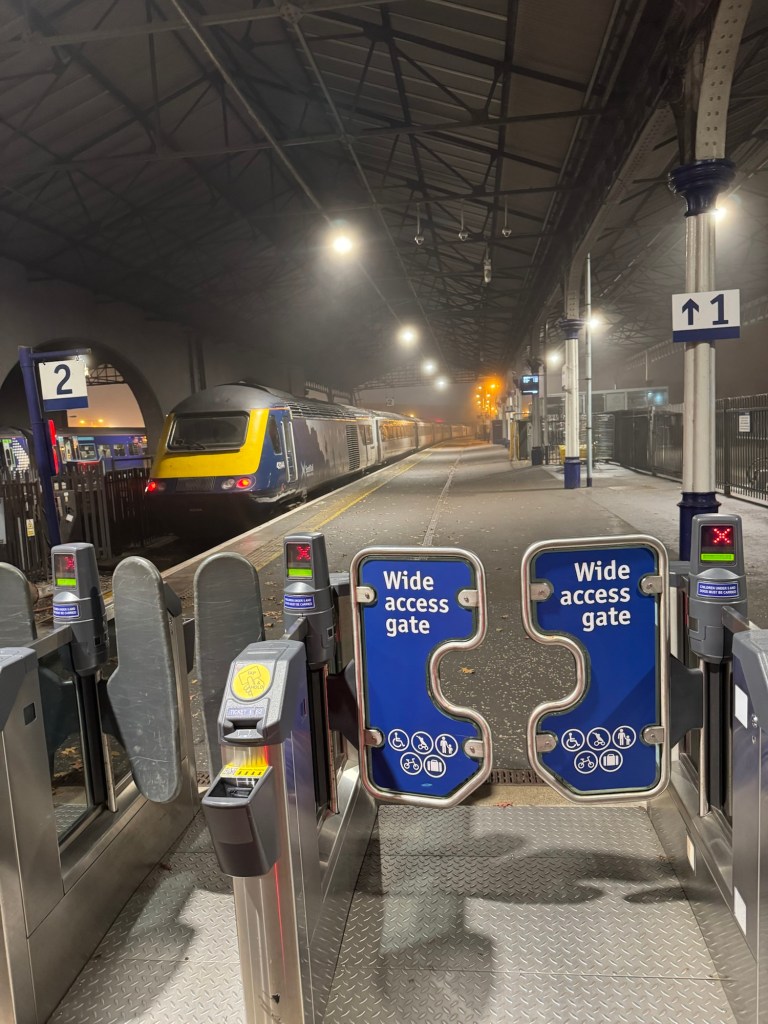
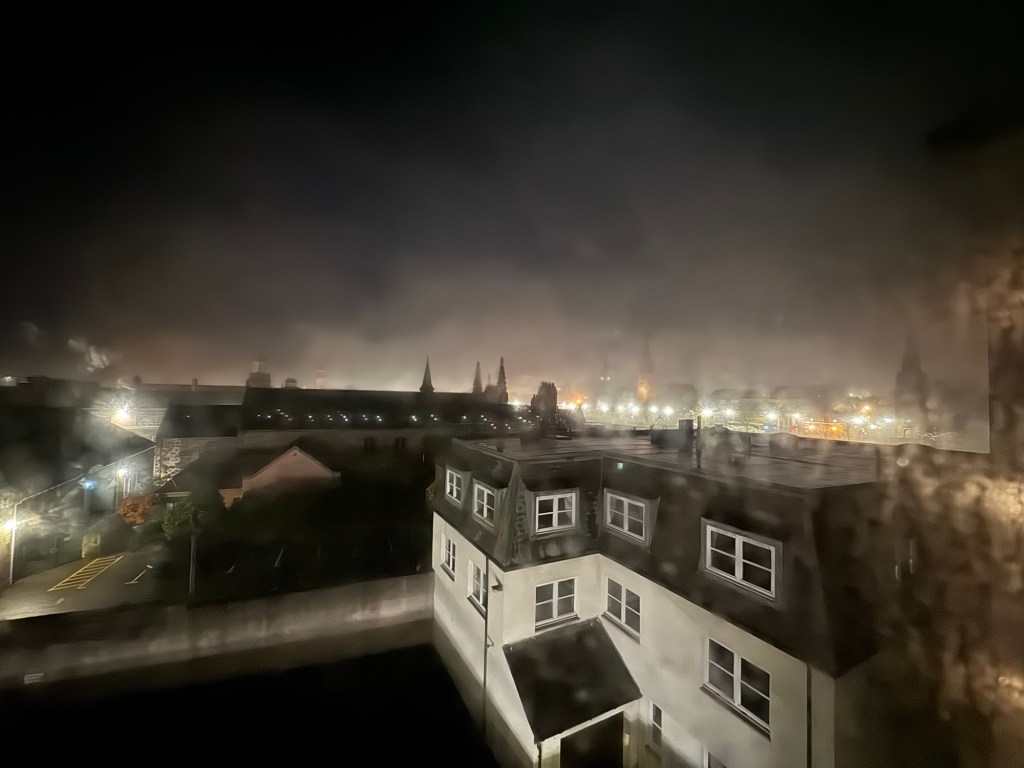
Arrived in a foggy Inverness Foggy view from the hotel
The problem with catching the late afternoon train in autumn is that it’s dark. No views.
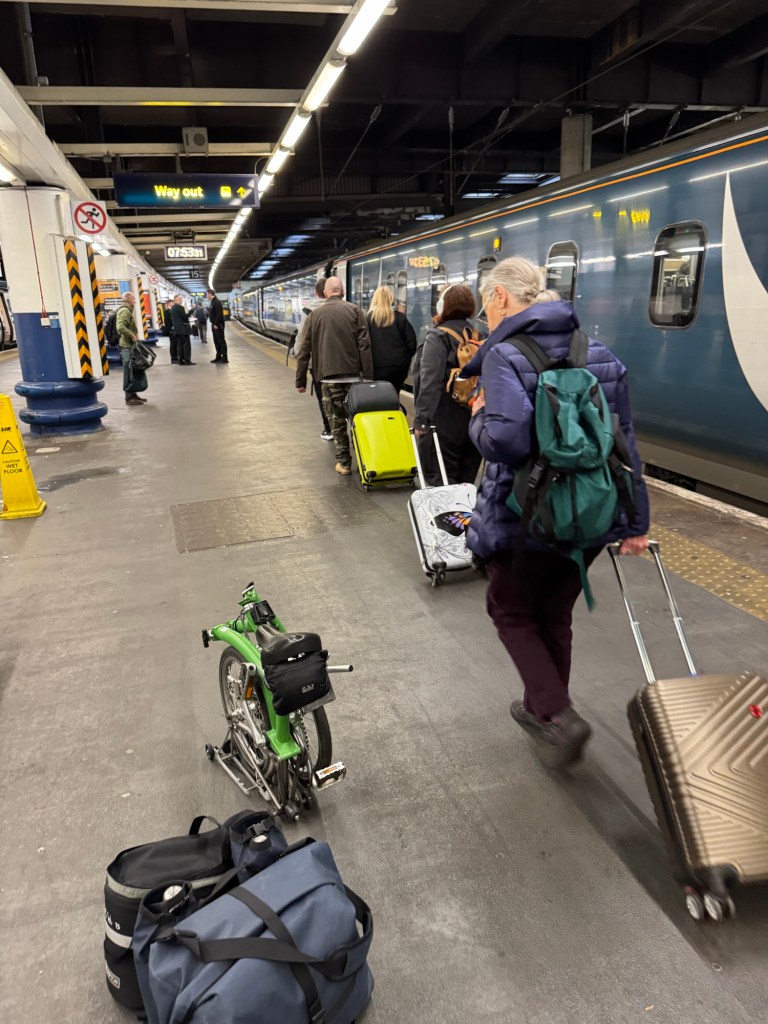
Onto the sleeper at Inverness.The breakfast has improved.WembleyArrival at Euston A quick ride
The ride from Euston to Paddington was less affected by the traffic lights than normal. As a result I managed to catch an earlier train to Reading.
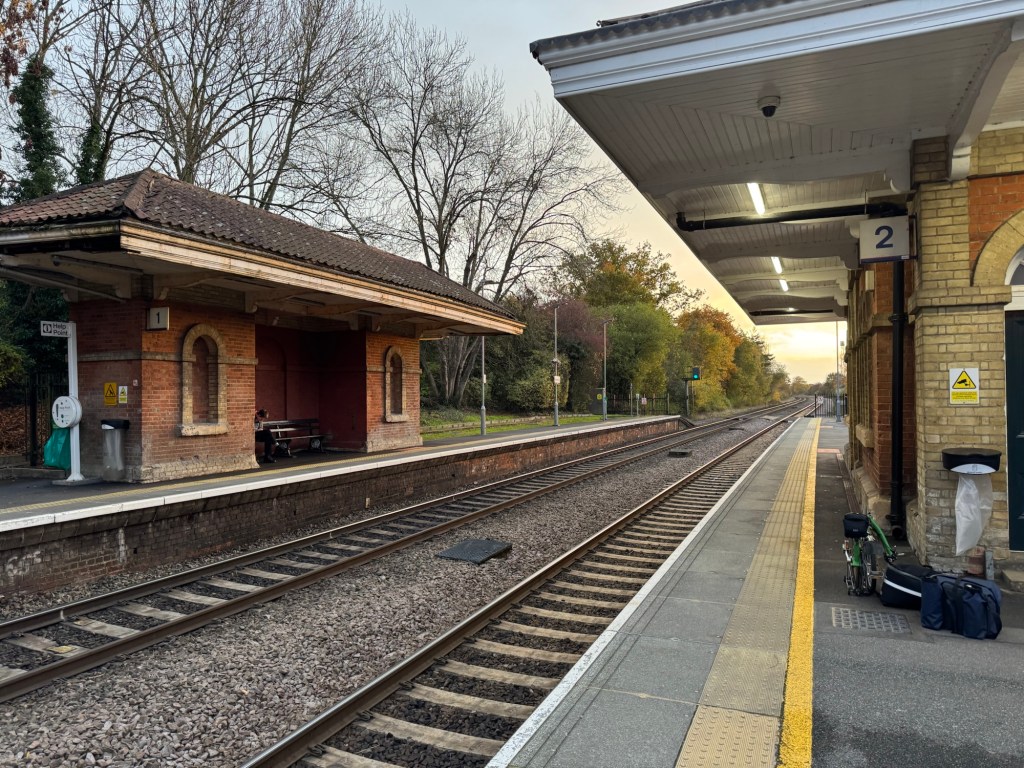
Then on to Mortimer.
Geese on Wokefield EstateMortimer Station – it’s short
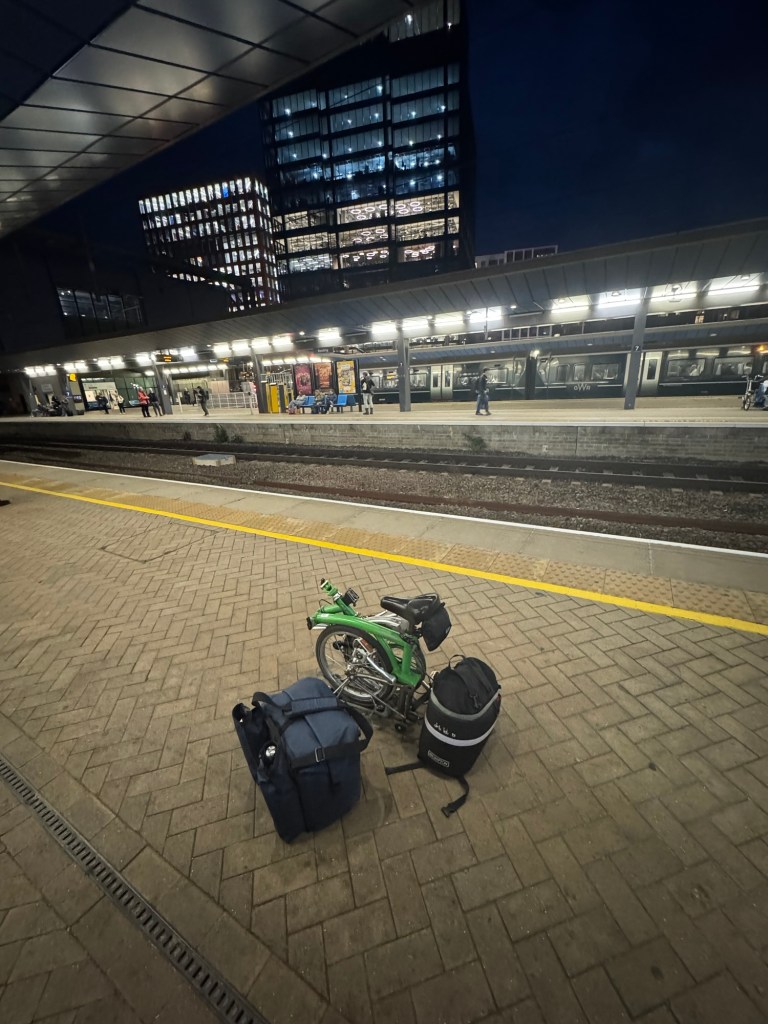
Reading Station
What a smooth journey, all the trains on time. No overcrowding. I had slept very well on the sleeper. A good journey.
And then……
On to the train at Reading to Manchester Piccadilly. It was rammed. Totally overcrowded.
Things started going really wrong and confusing as we went to Oxford. Announced that we would have to change trains. Then announced we would not have to change trains but we needed to go past Oxford into a siding and then come back. A long wait in the siding then back to the station. Then it was announced we would have to change trains after all.
There was a signal failure near Banbury.
We crossed Oxford Station and caught a train towards Hereford, changed at Worcester, heading to Birmingham. This was bad as now I was due to be in Manchester two hours late.
Worcestershire Parkway
Birmingham
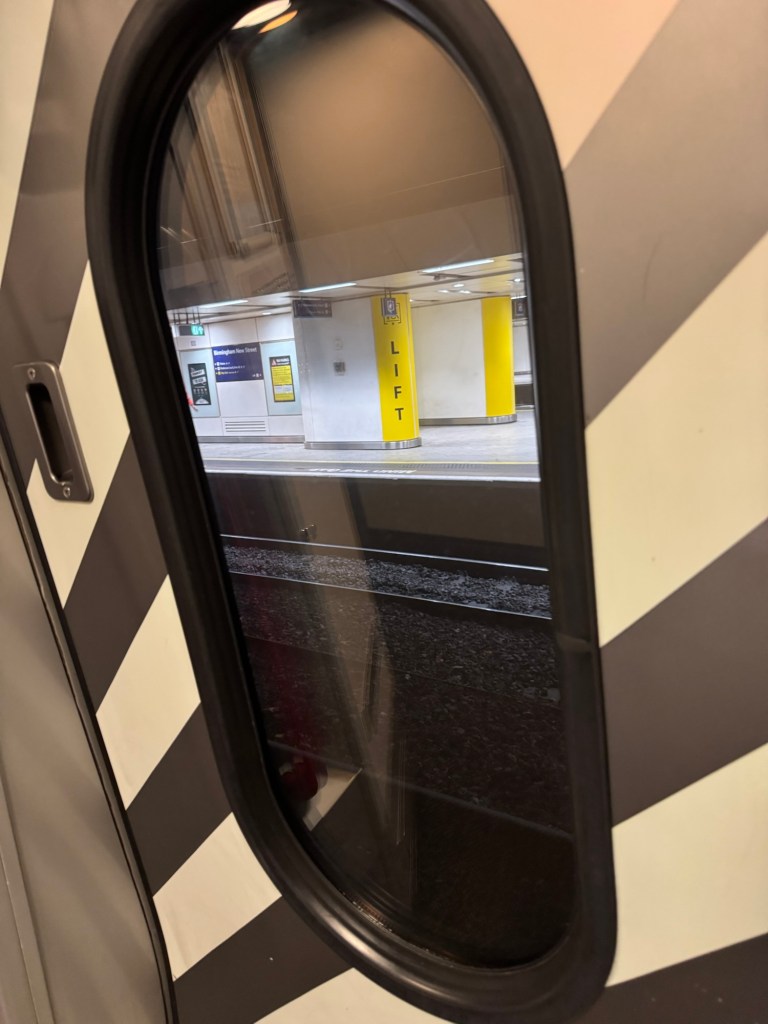
Change at Birmingham New Street. This is a very badly designed station. The signage is poor. Very confusing, The ugly side of architecture.
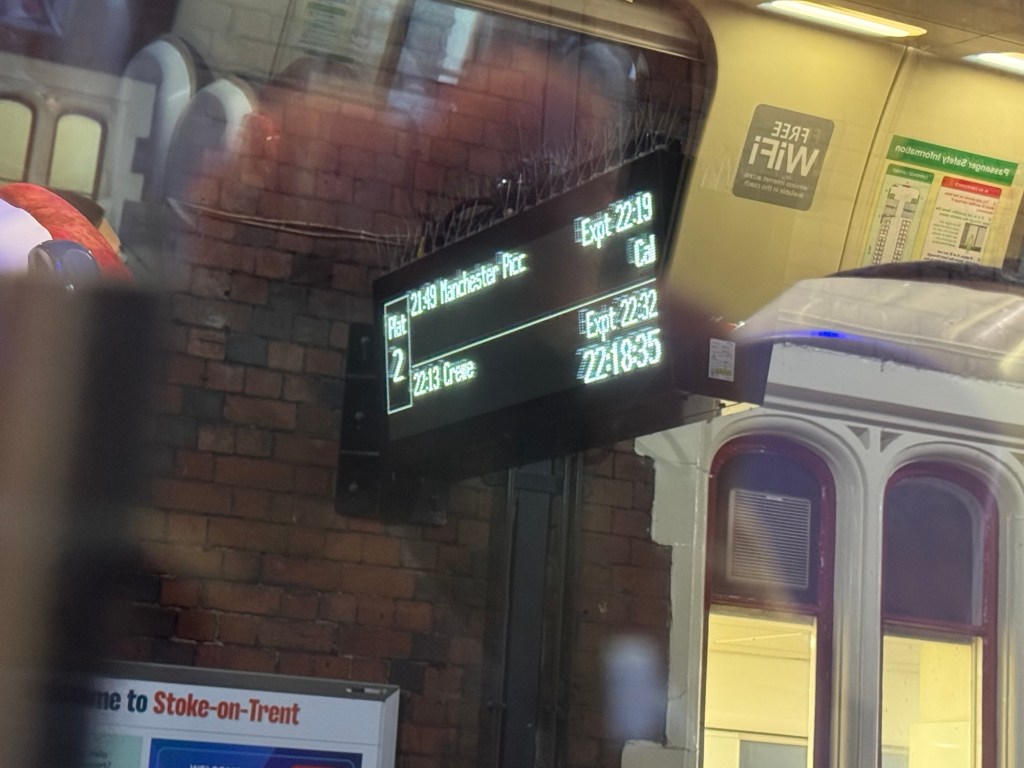
More delay due to trespassers on the track. The train had to go slow as a precaution.
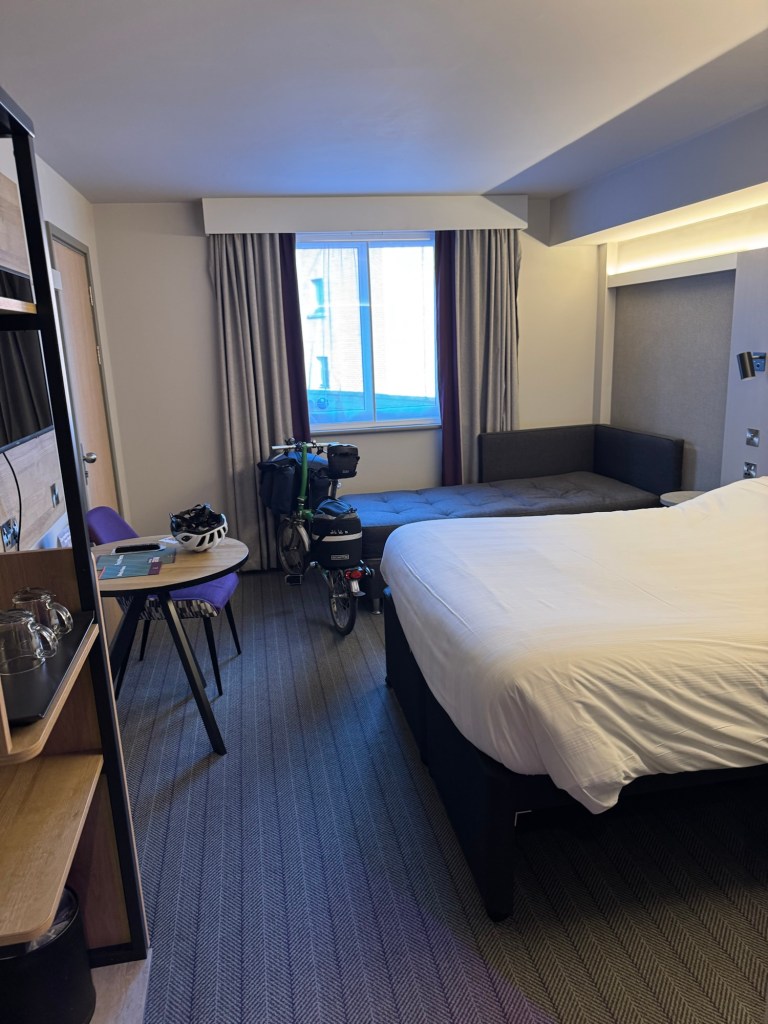
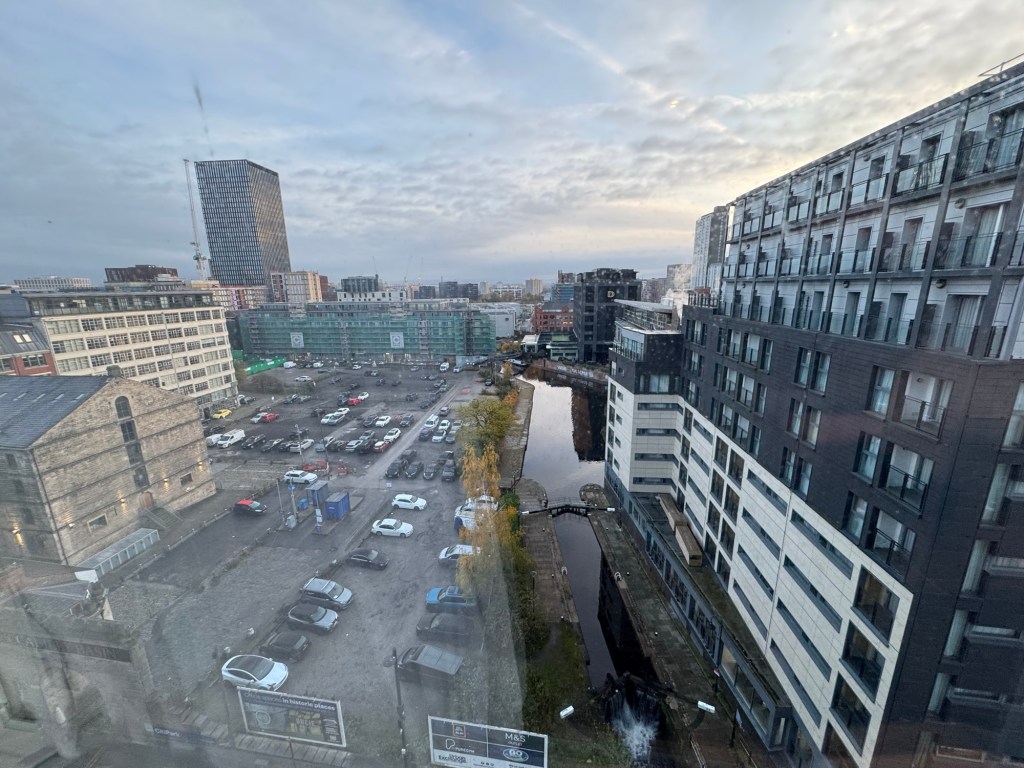
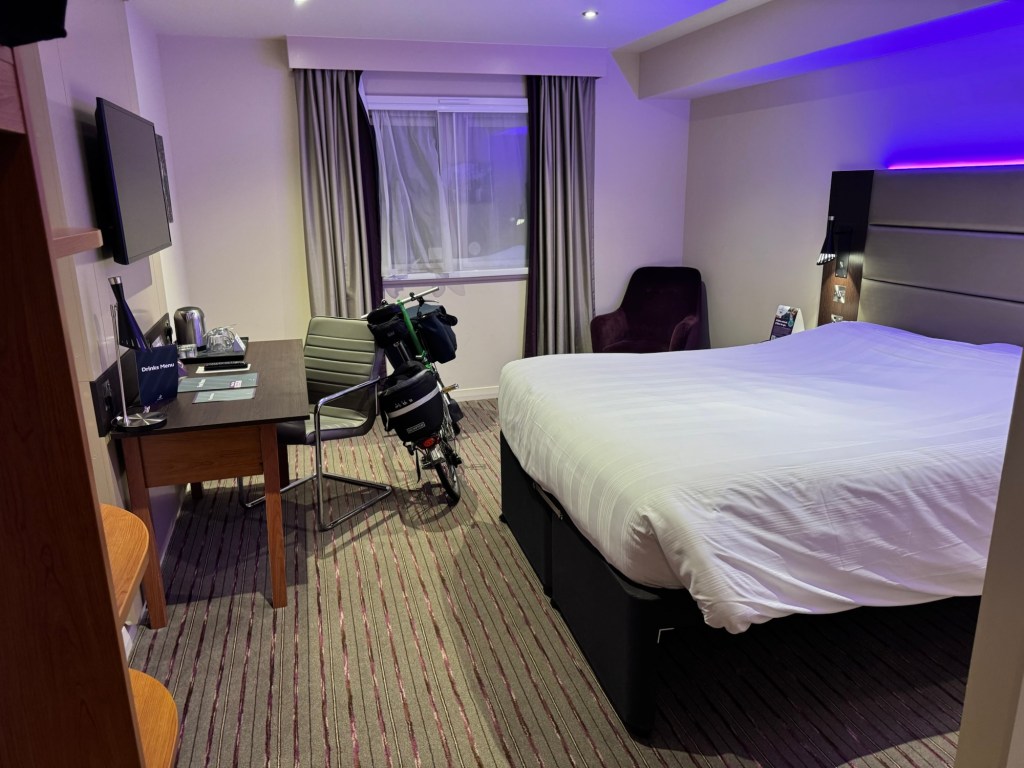
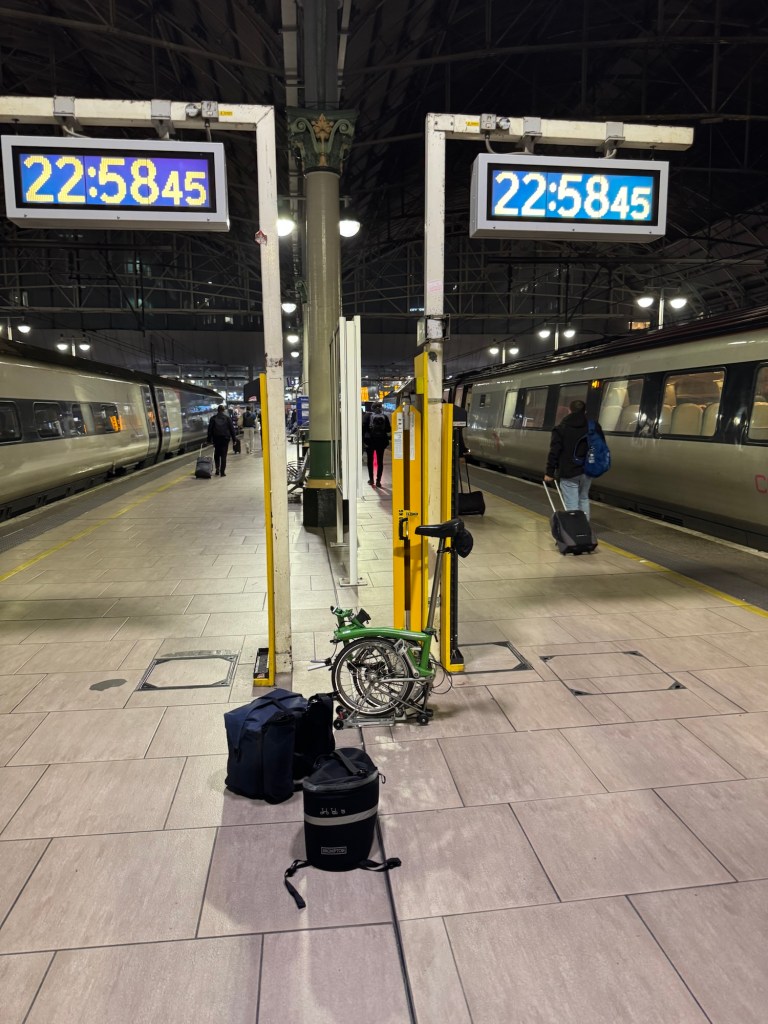
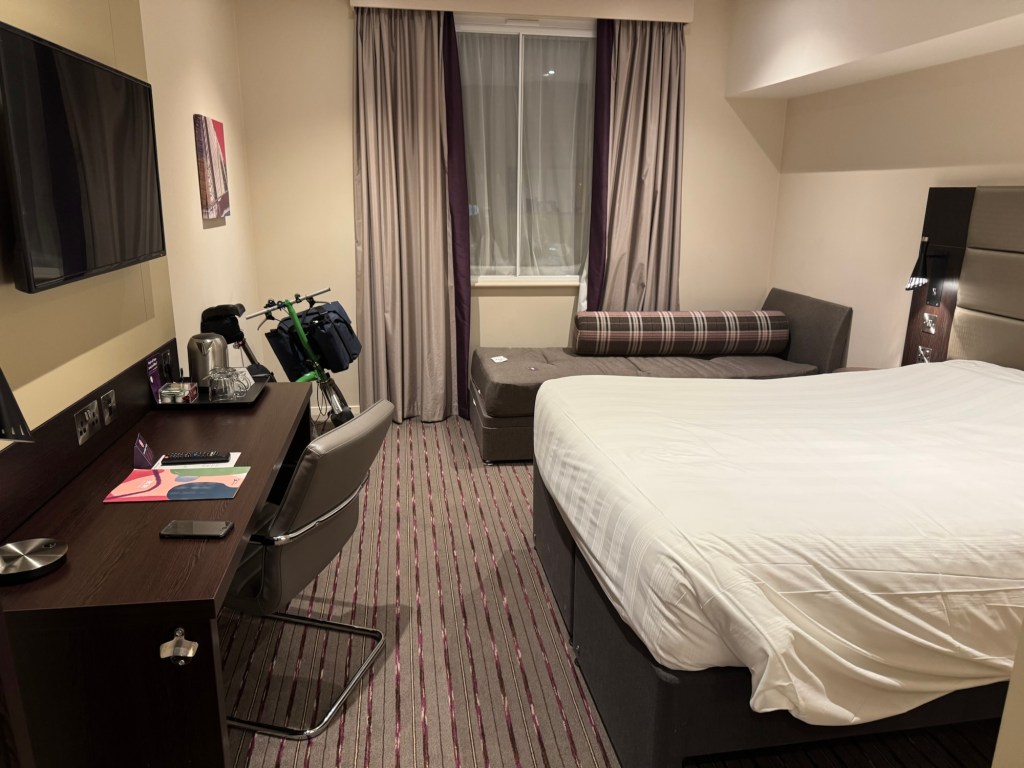
Late!Manchester Piccadilly two and a half hours latePremier Inn Room View from the eighth floor.
The Premier Inn is a quarter mile from the station.