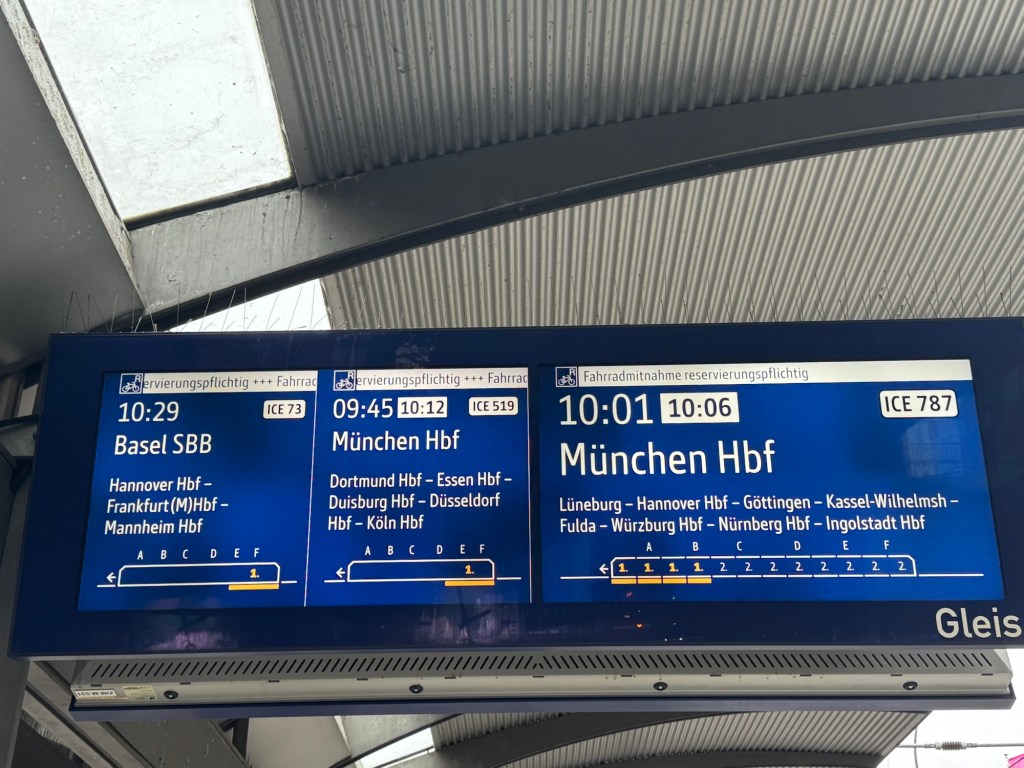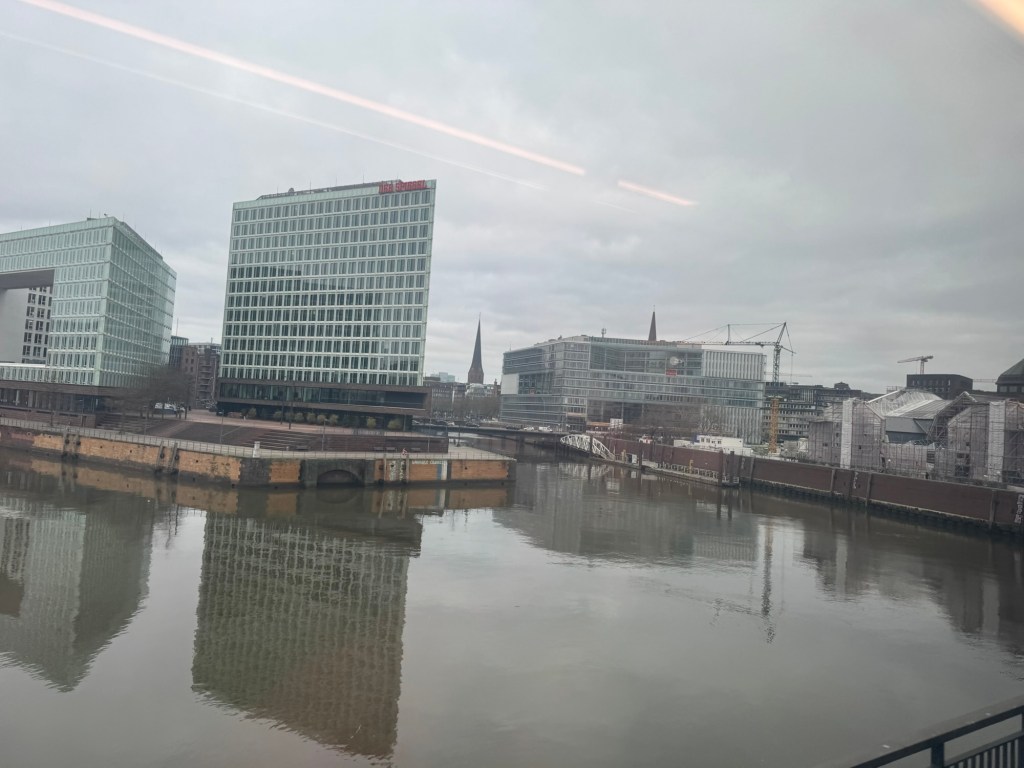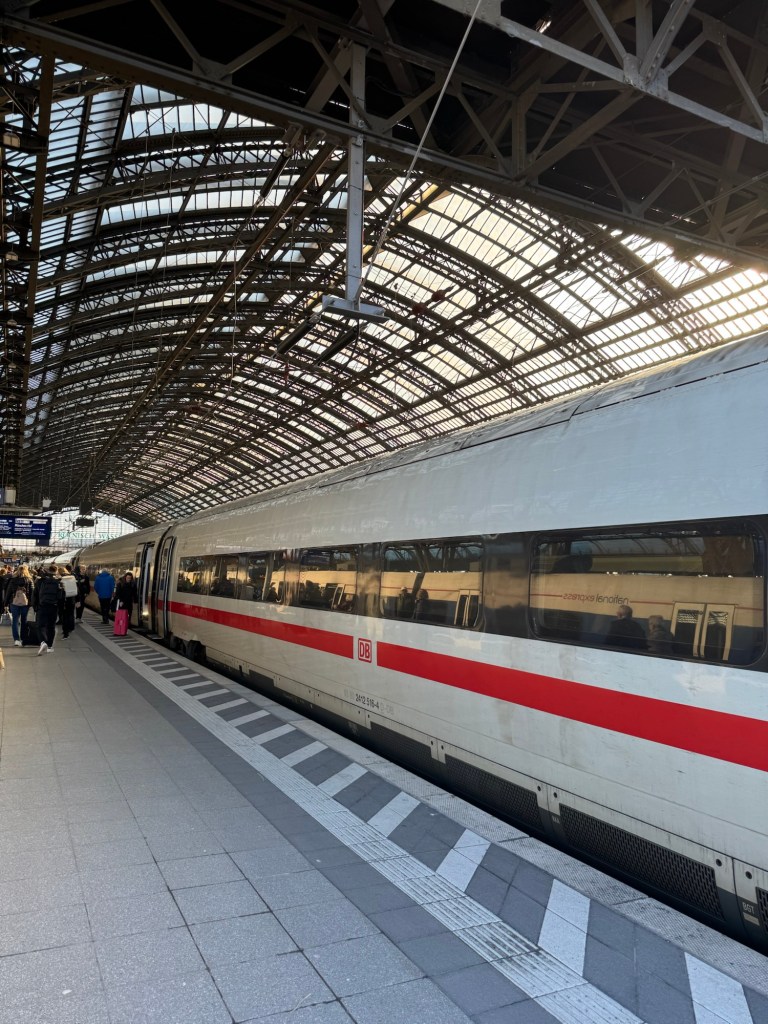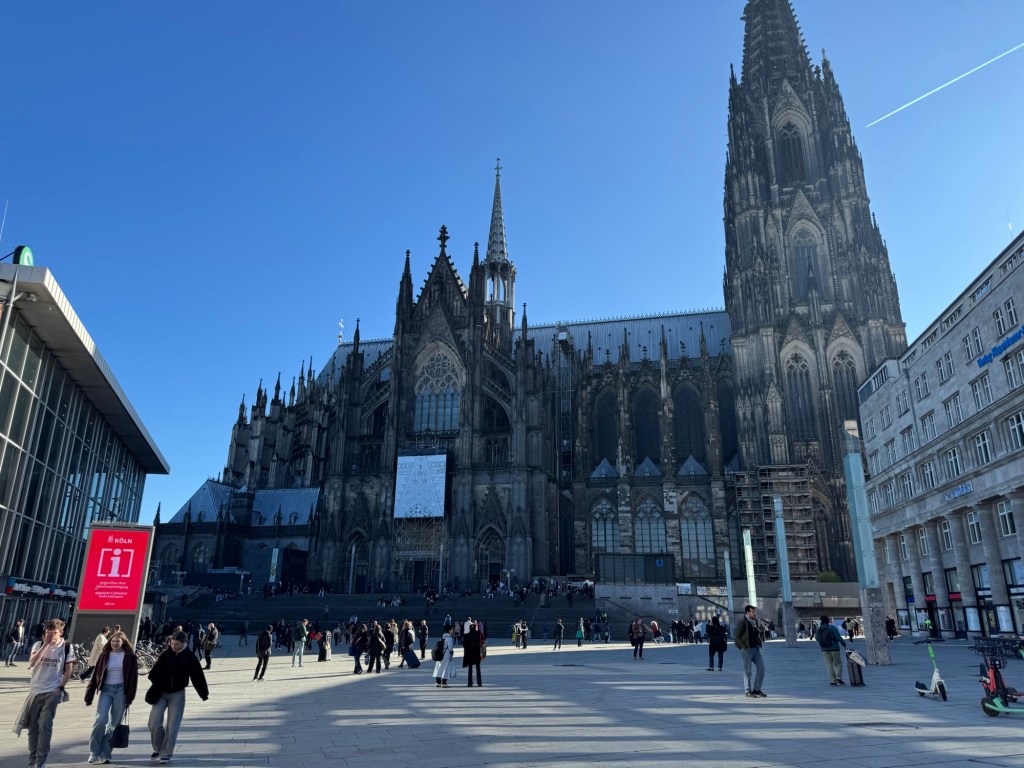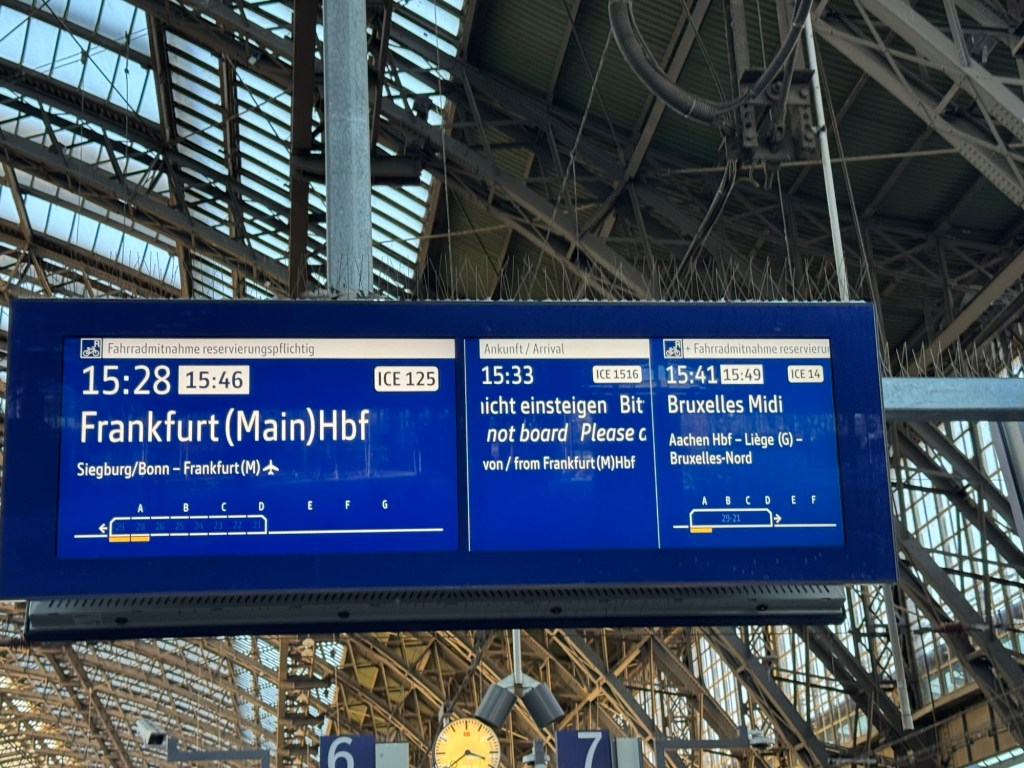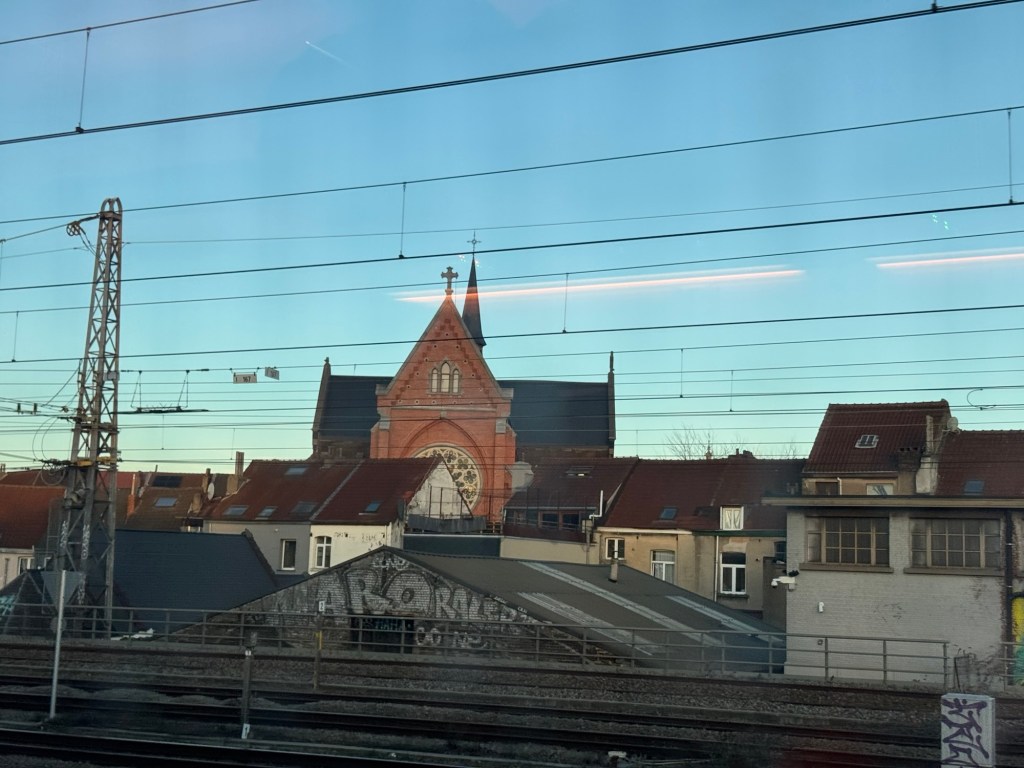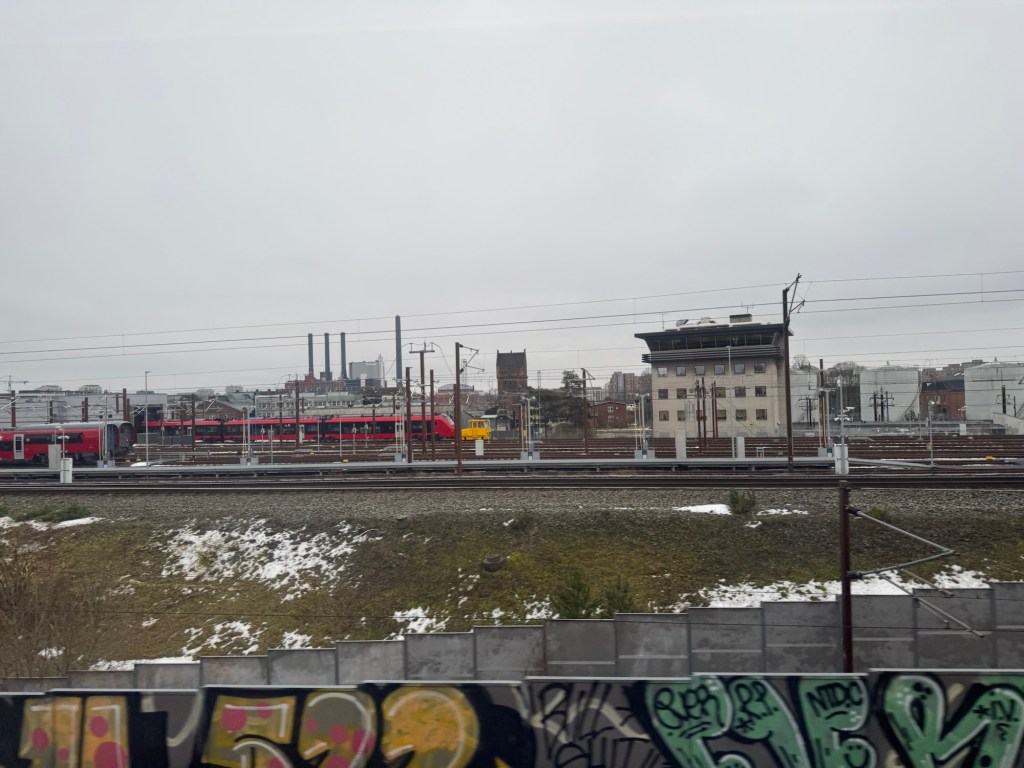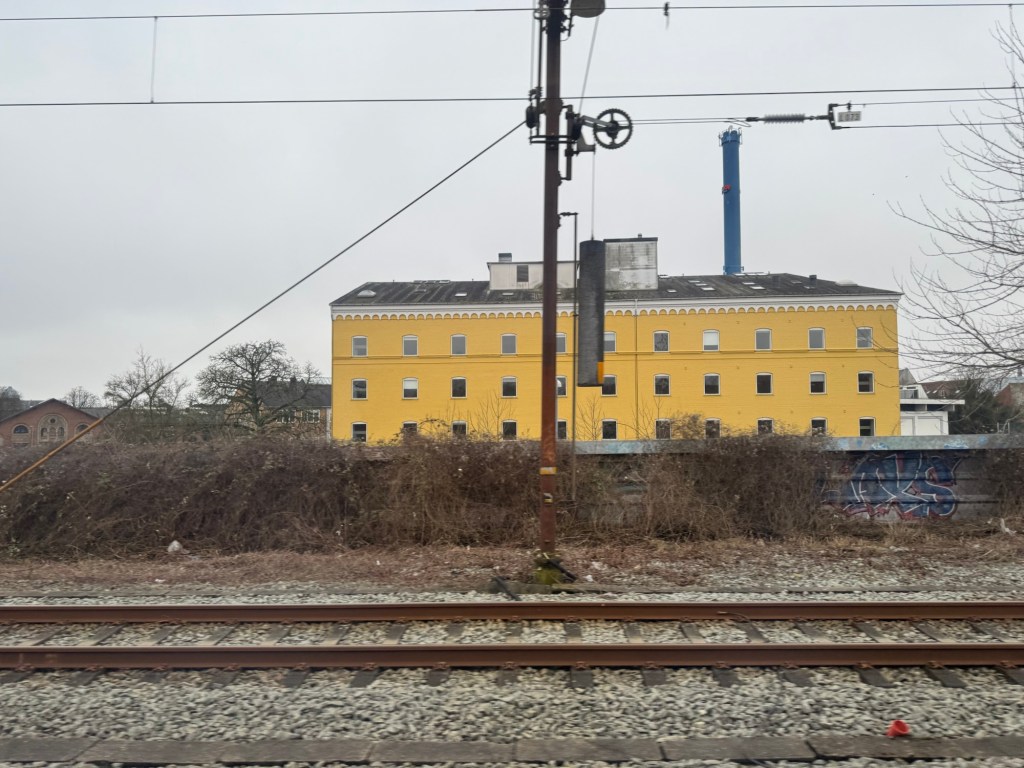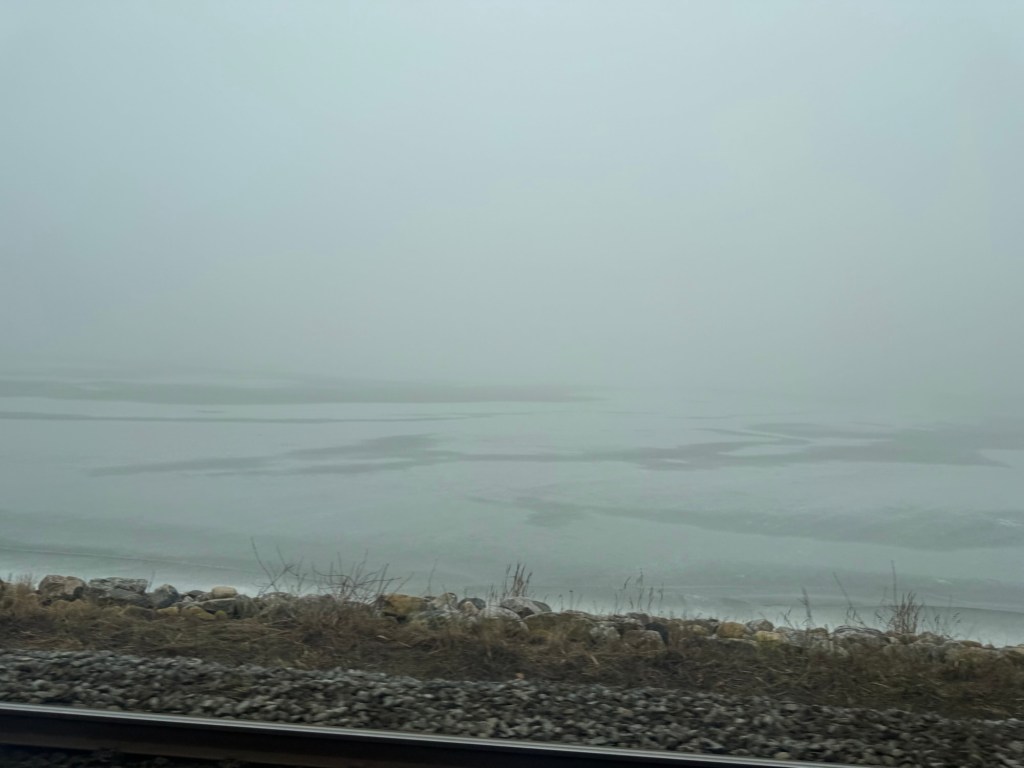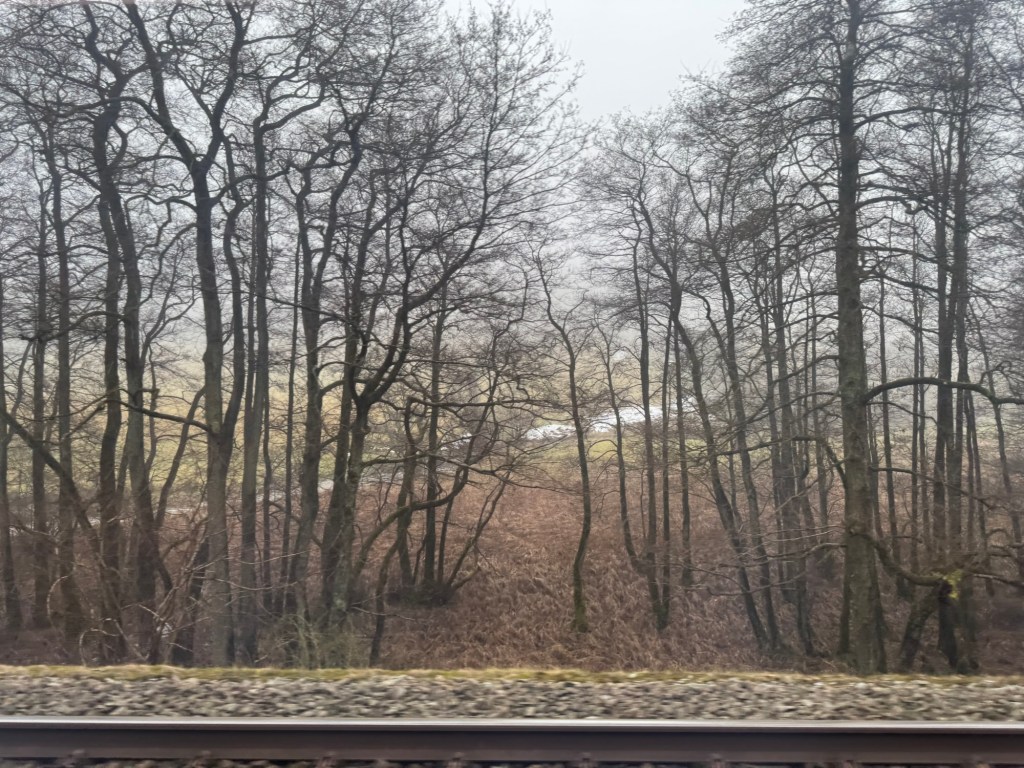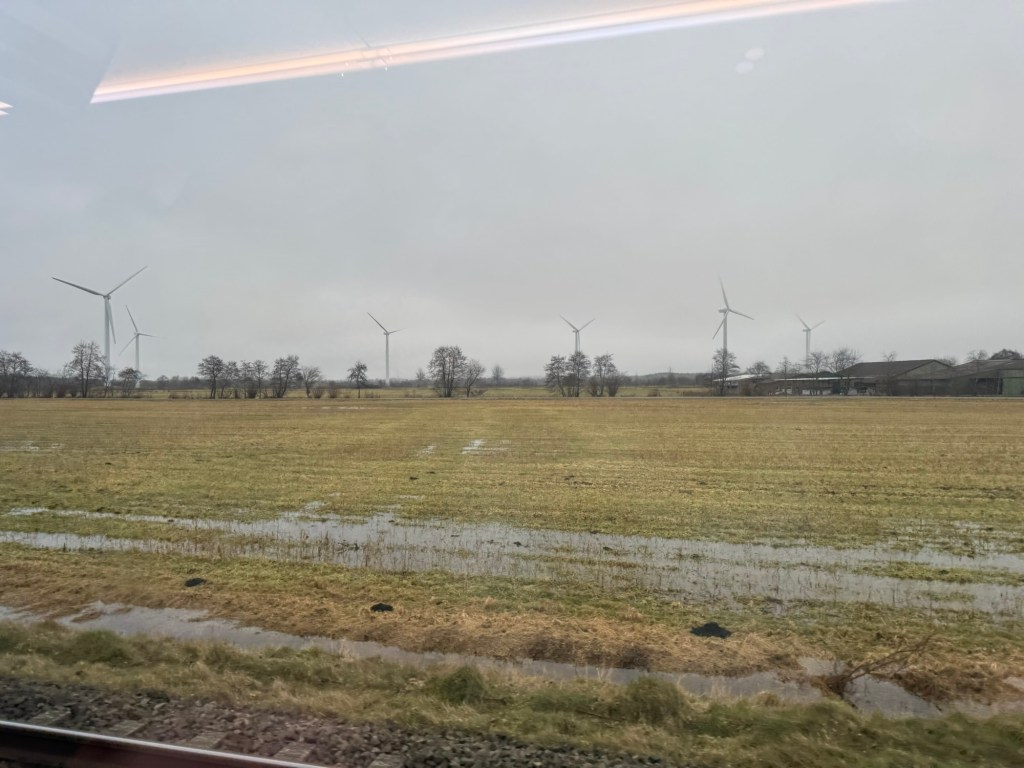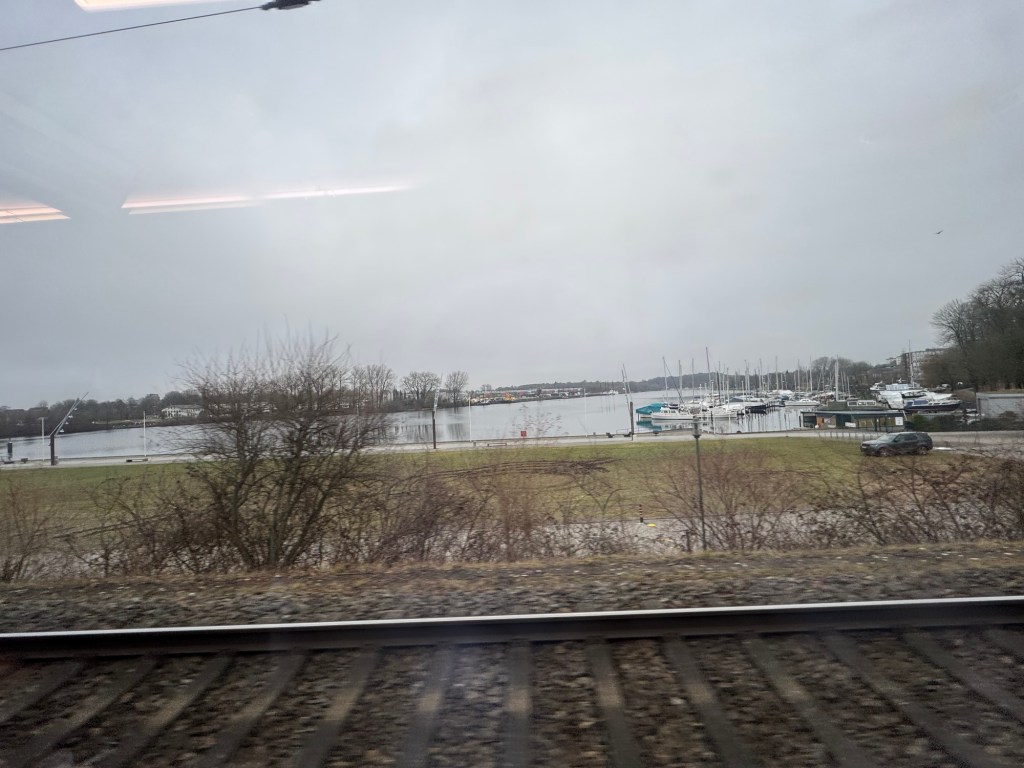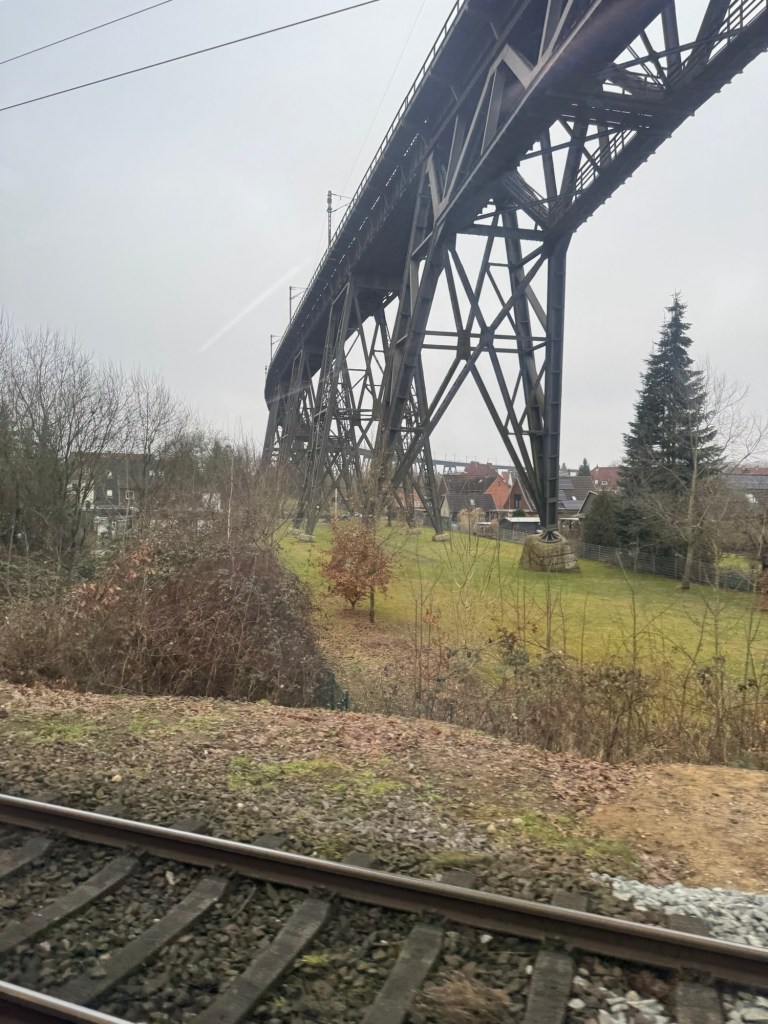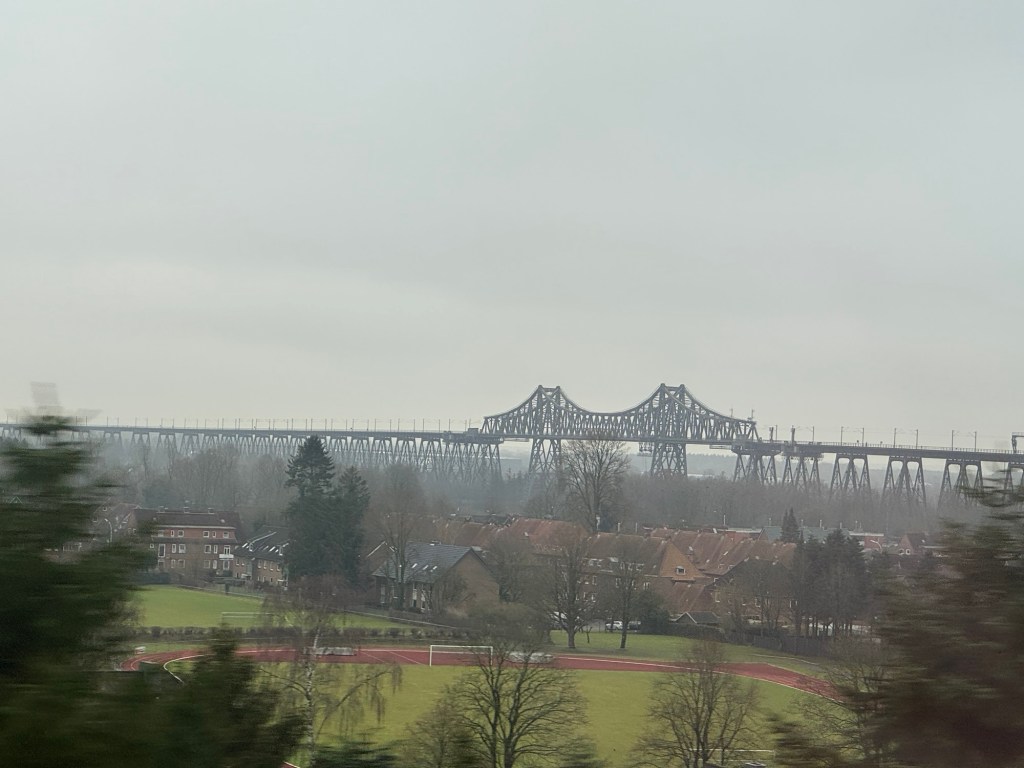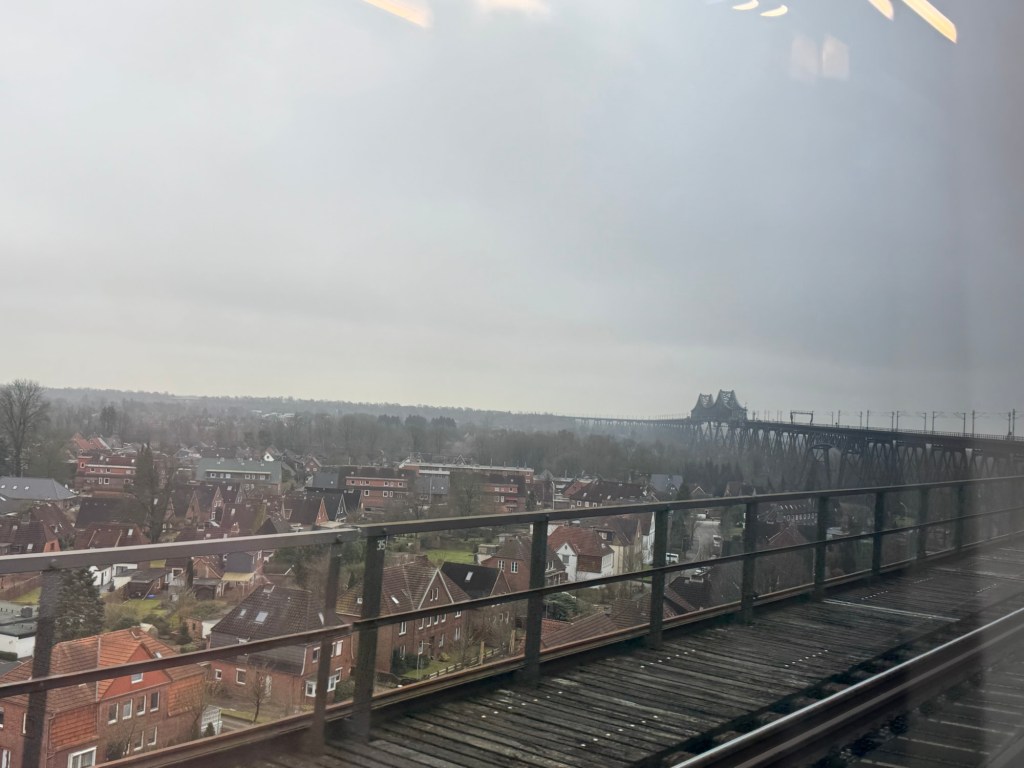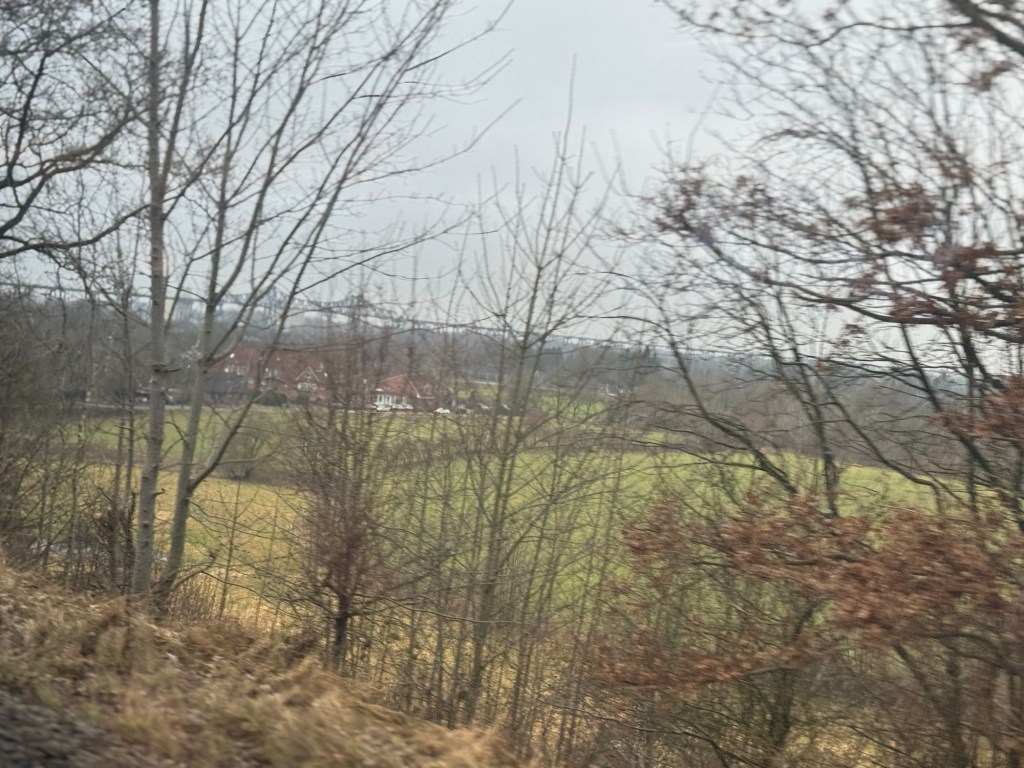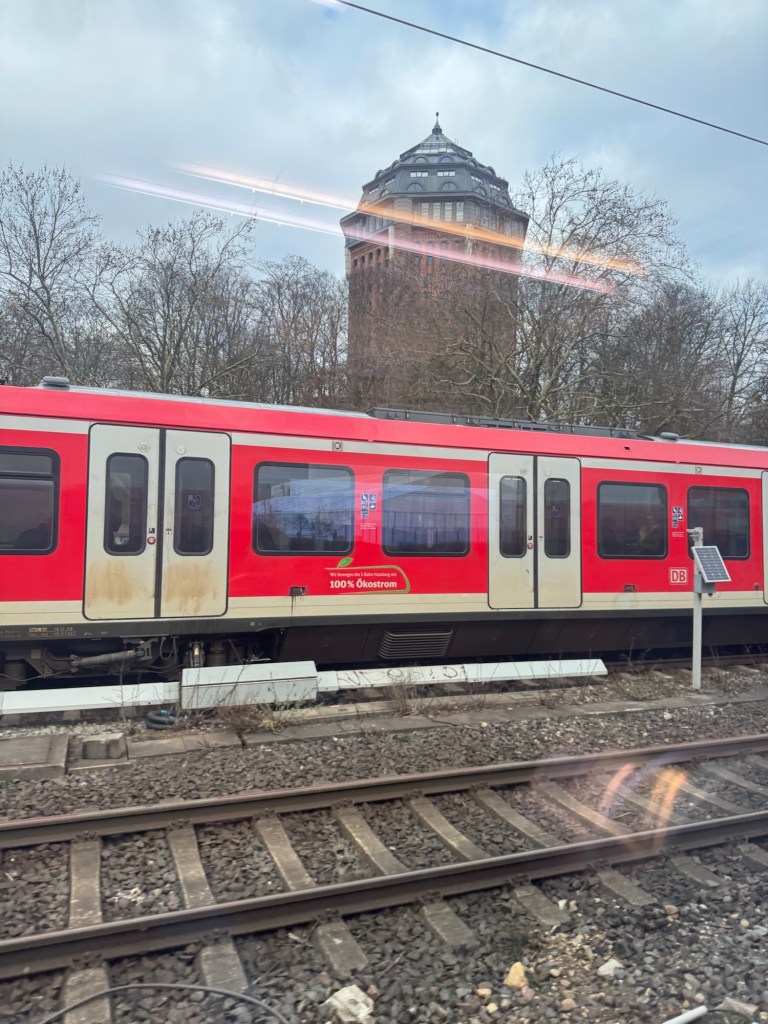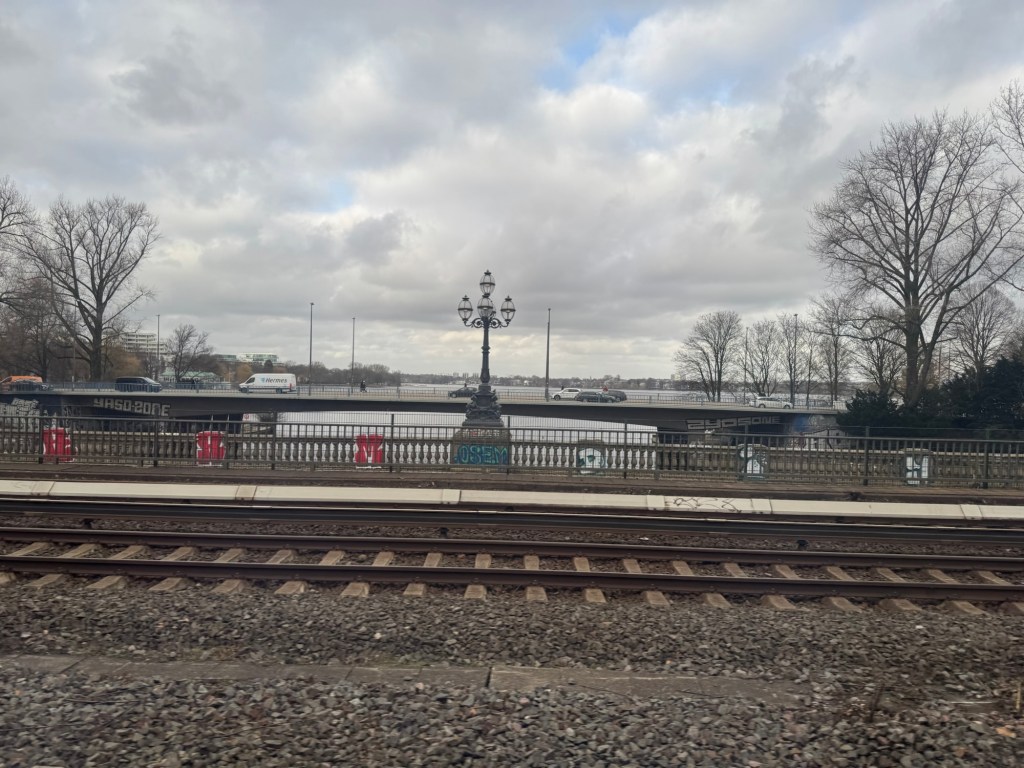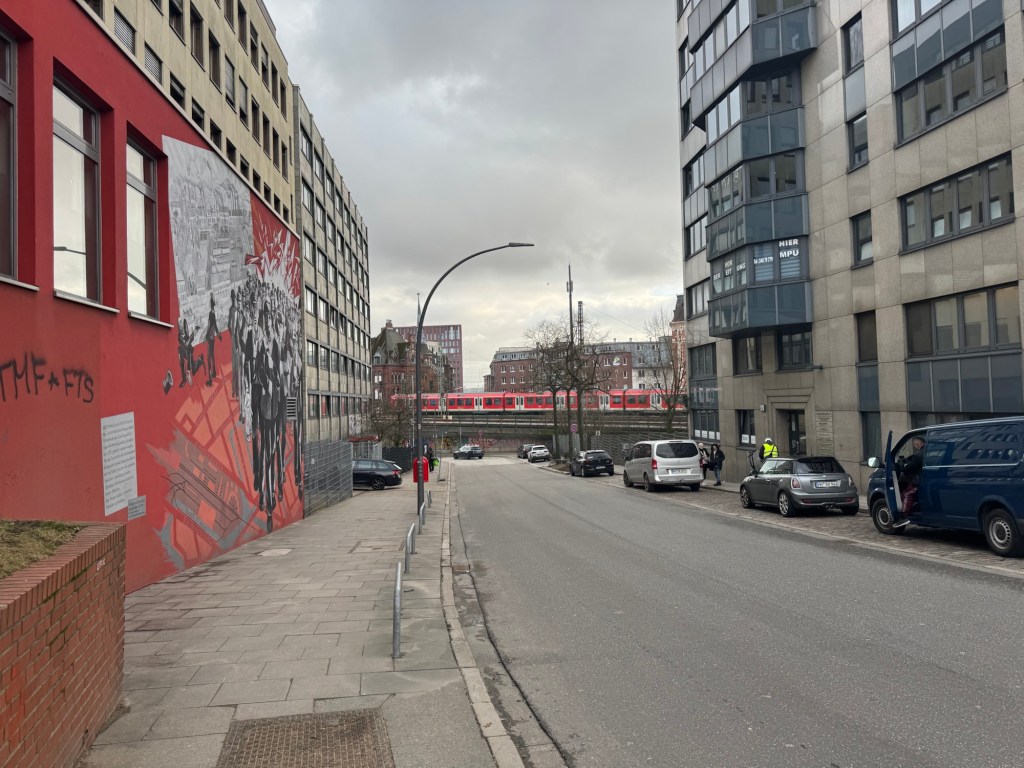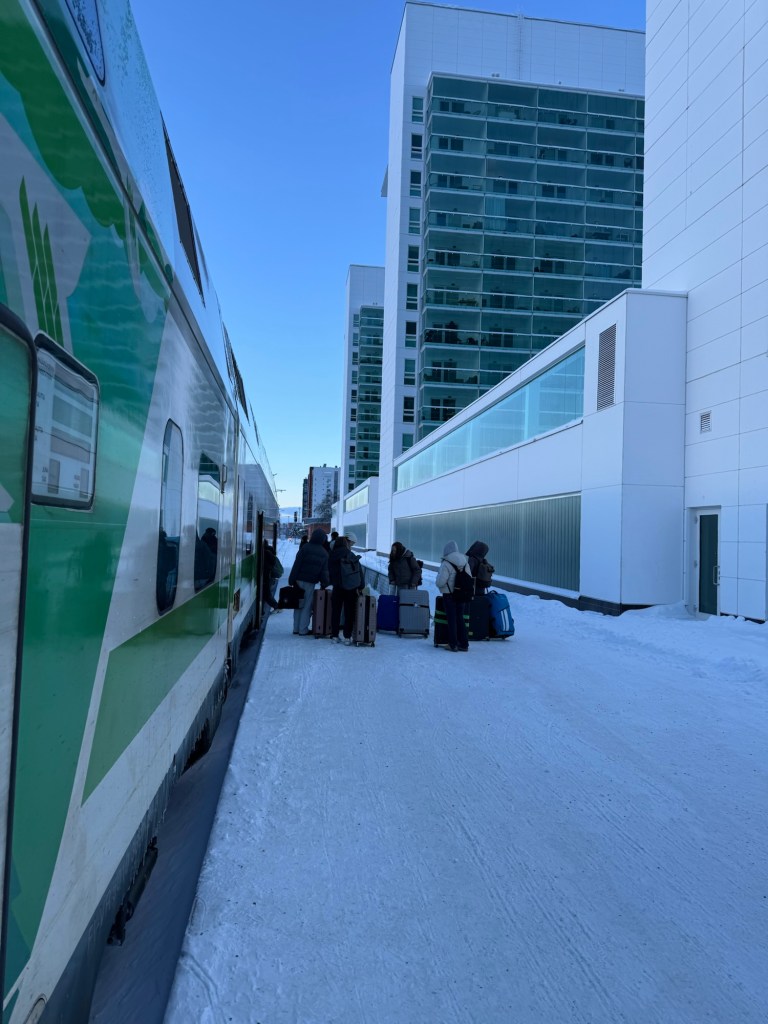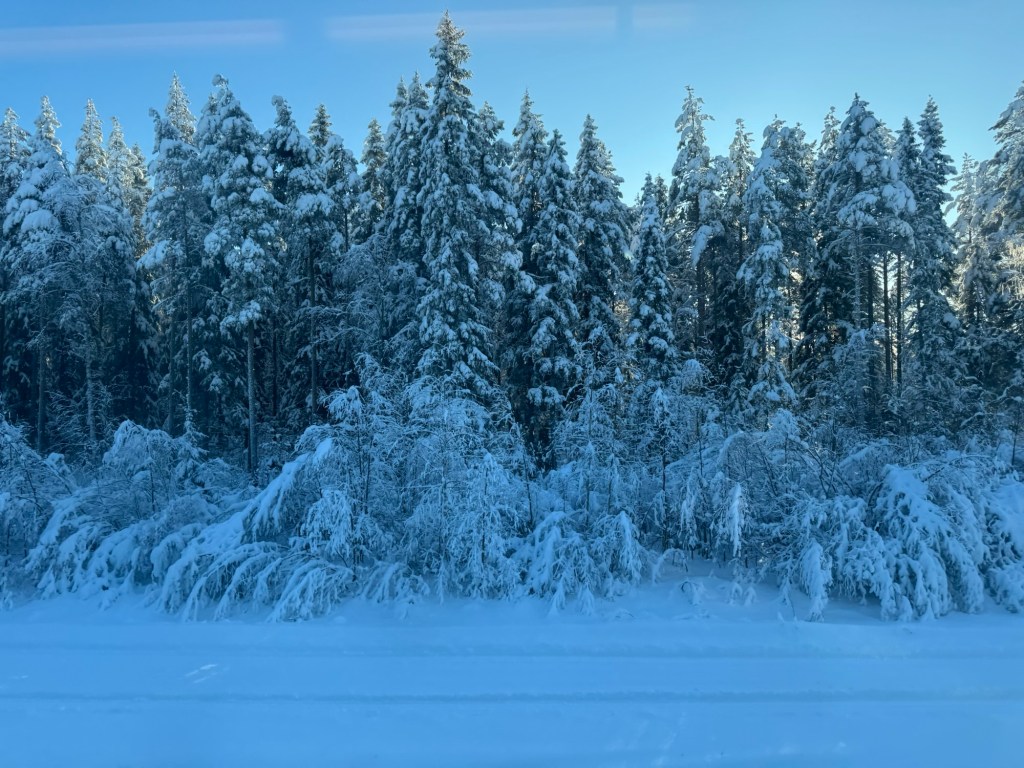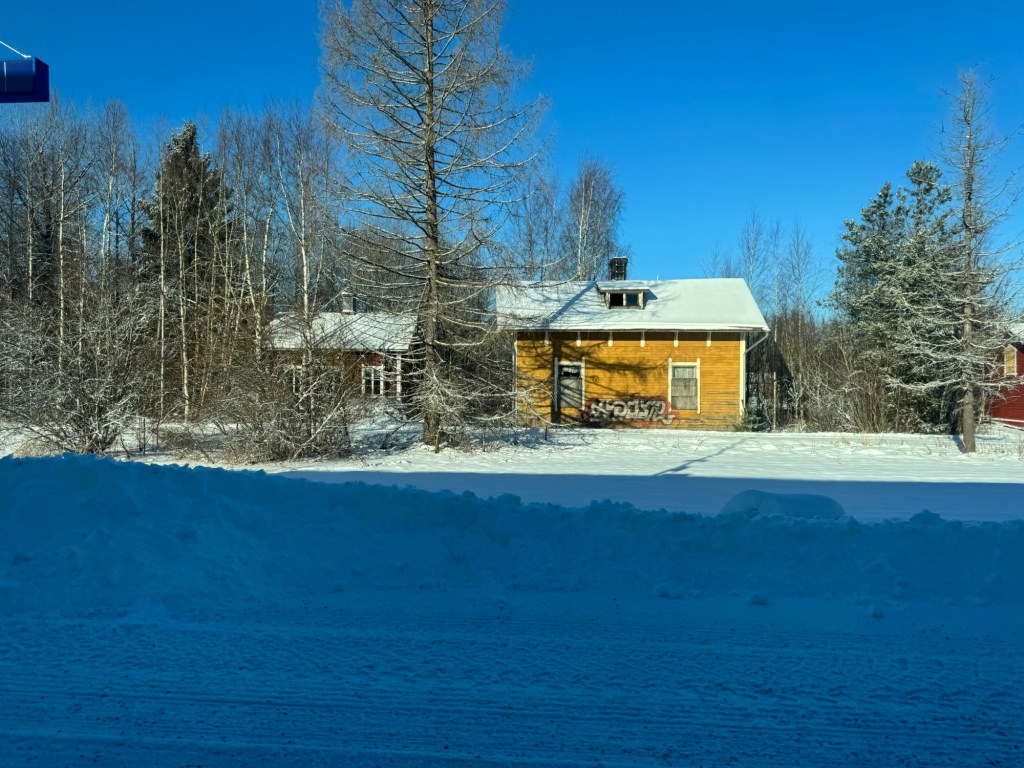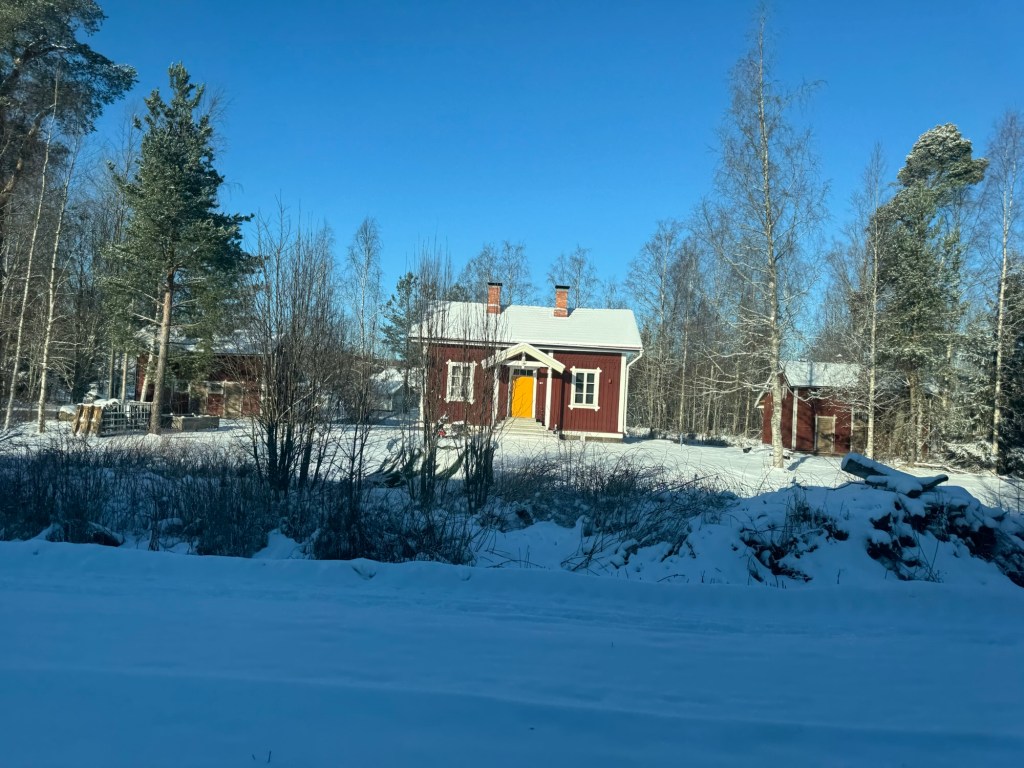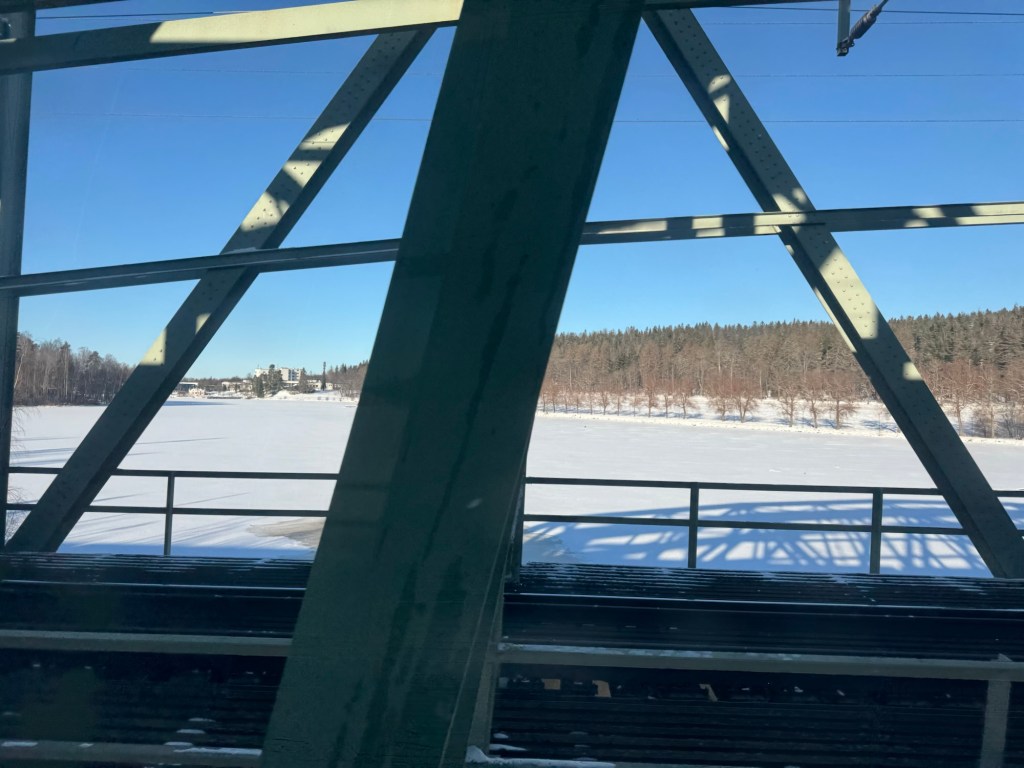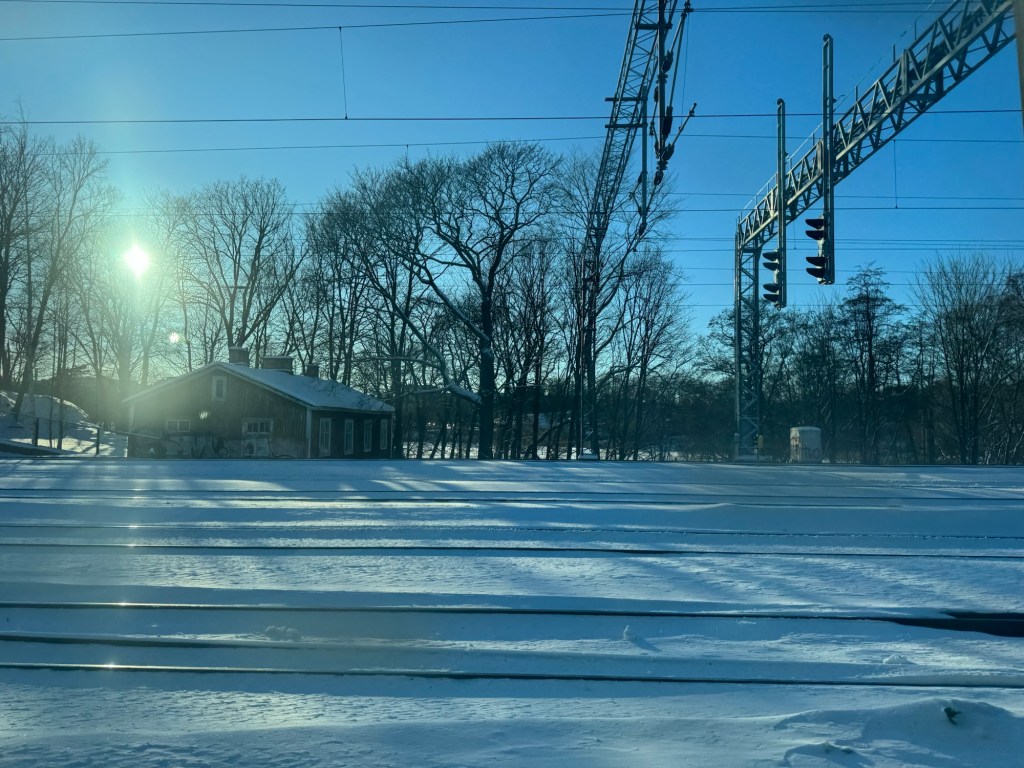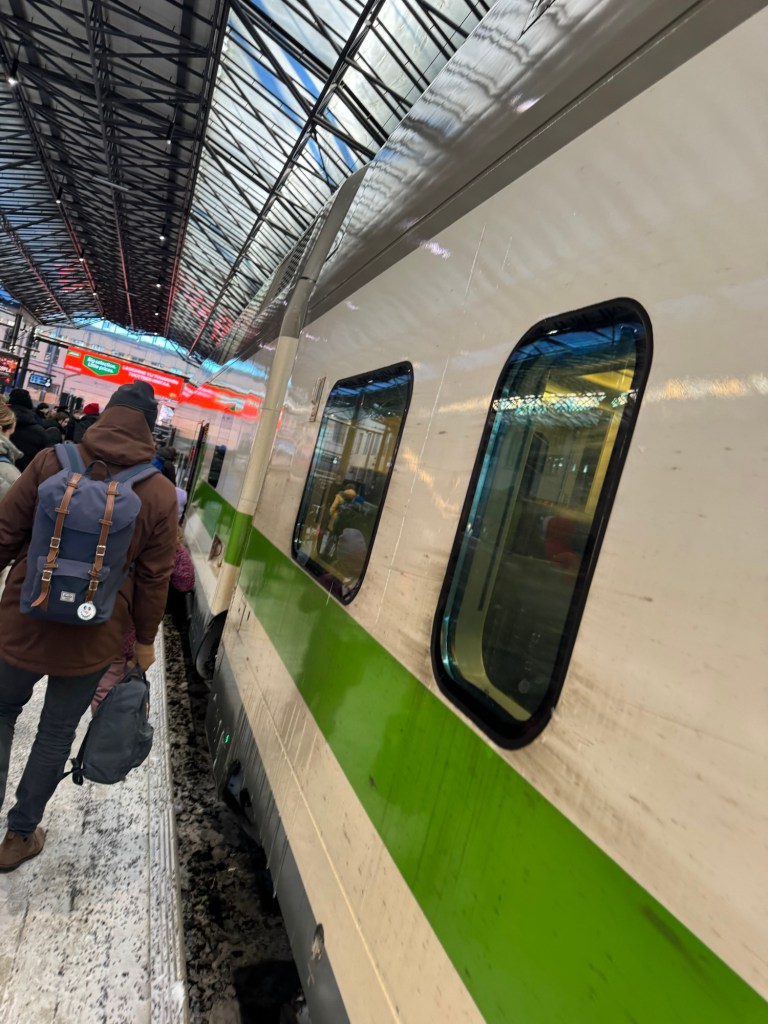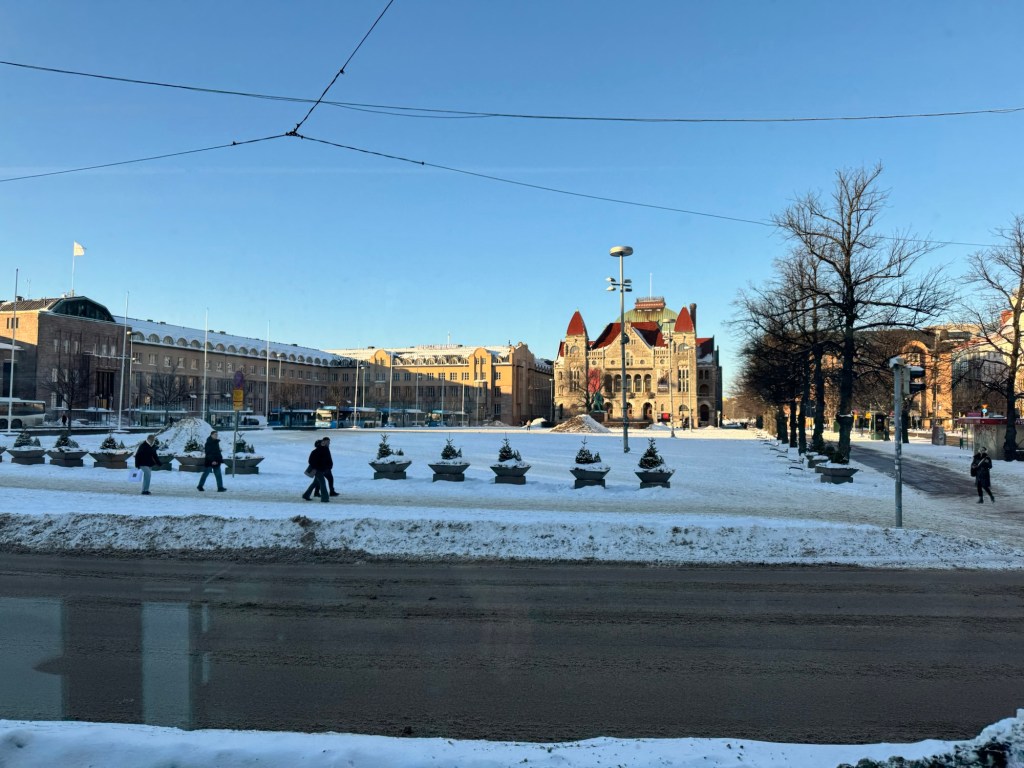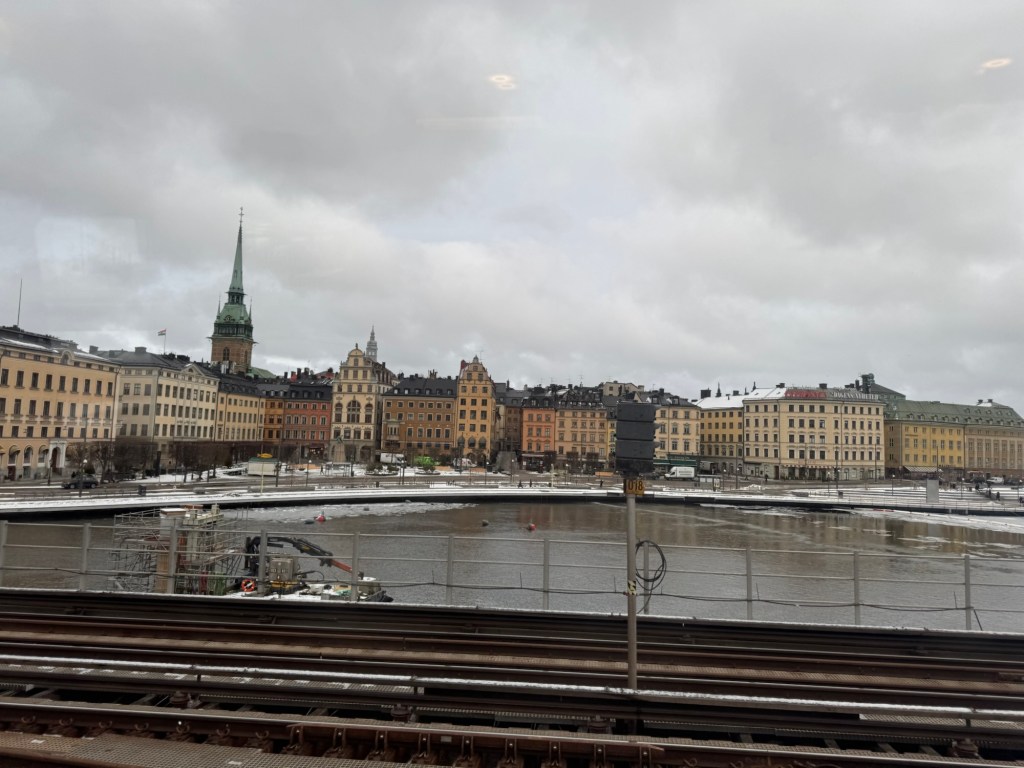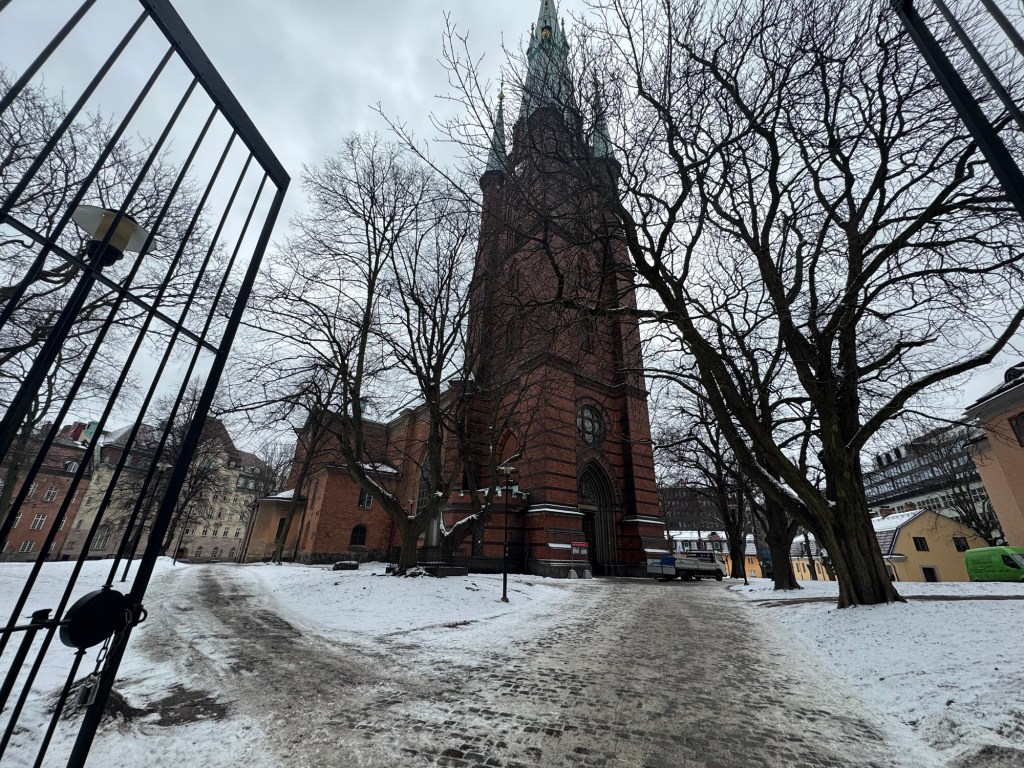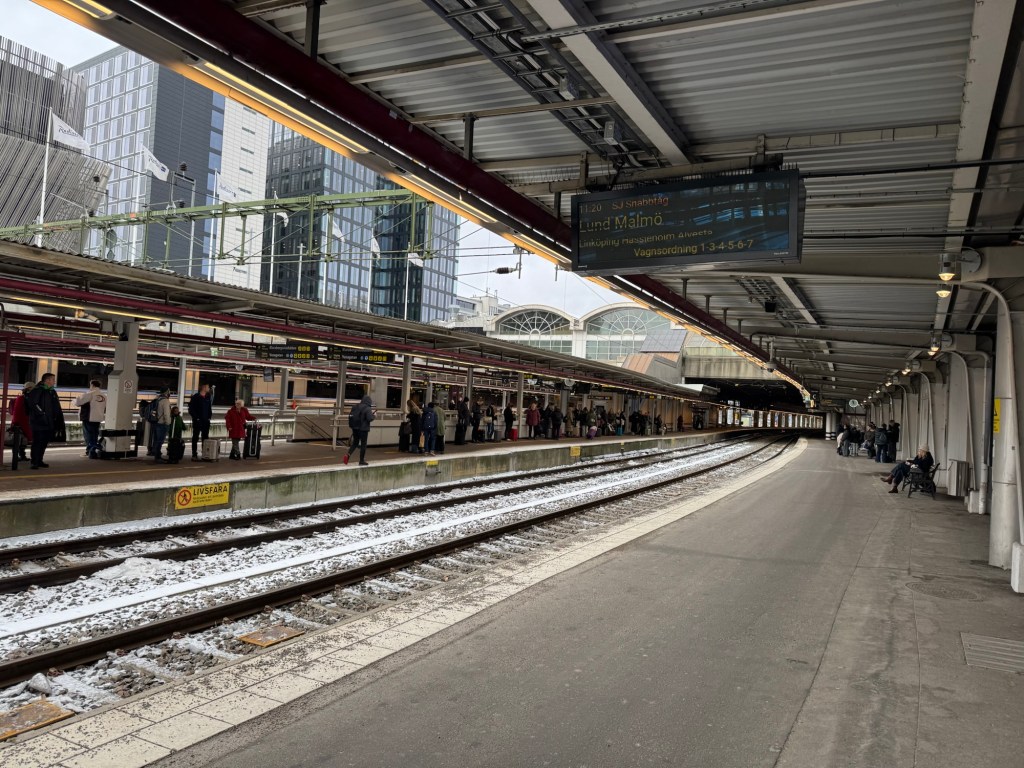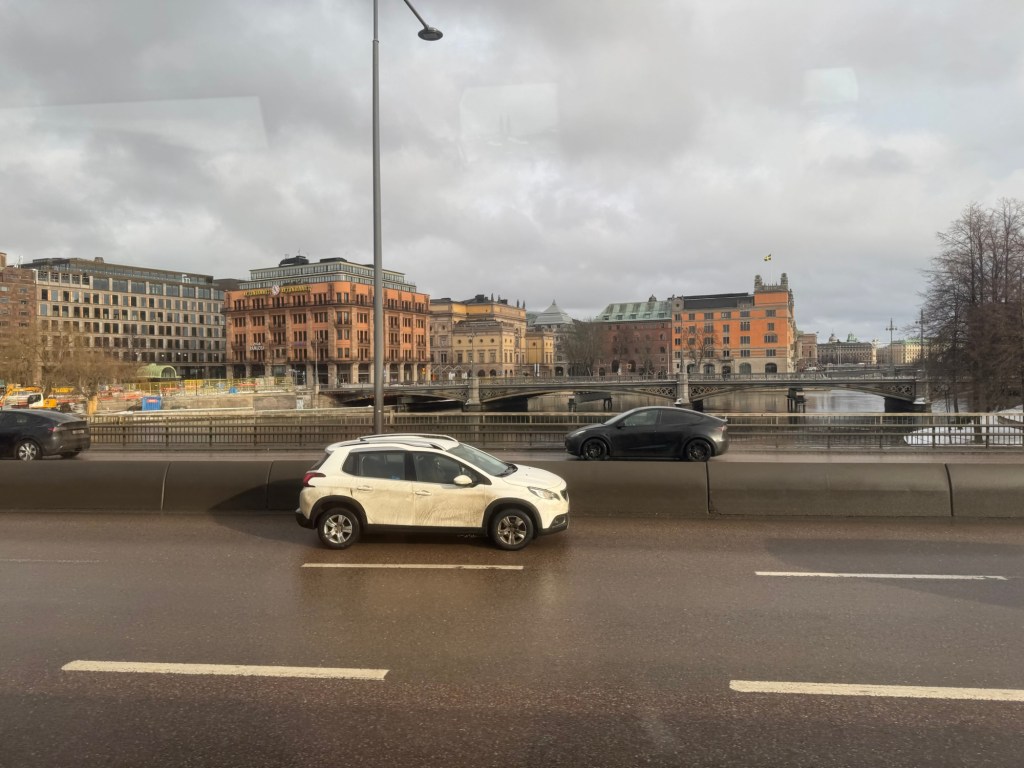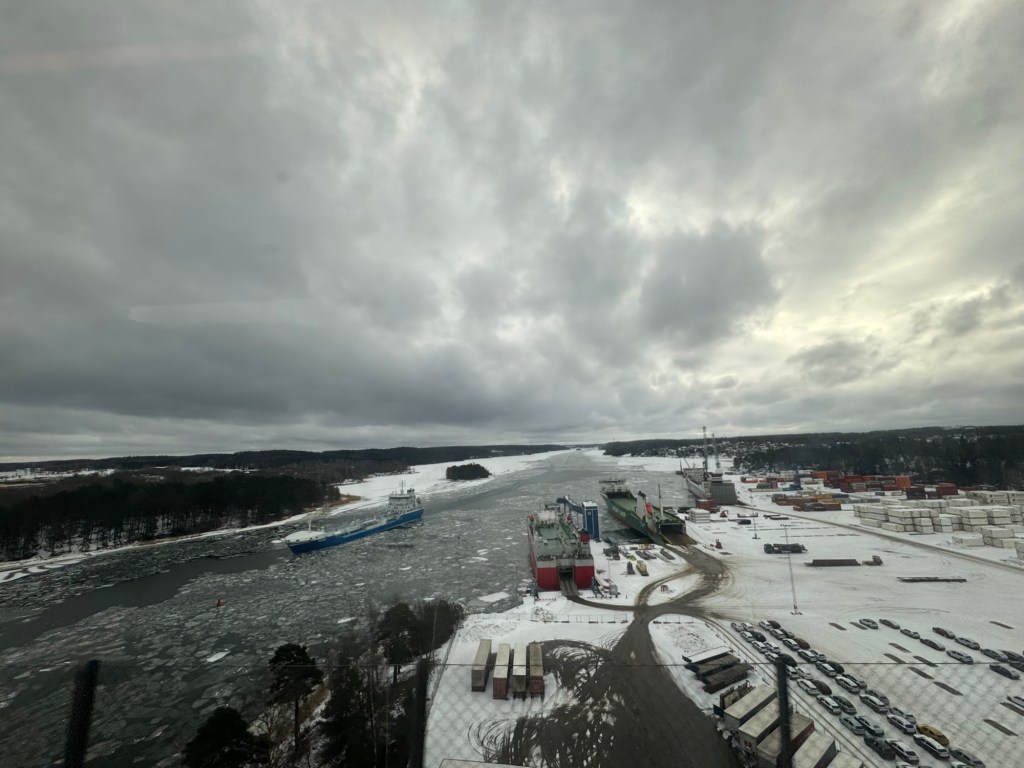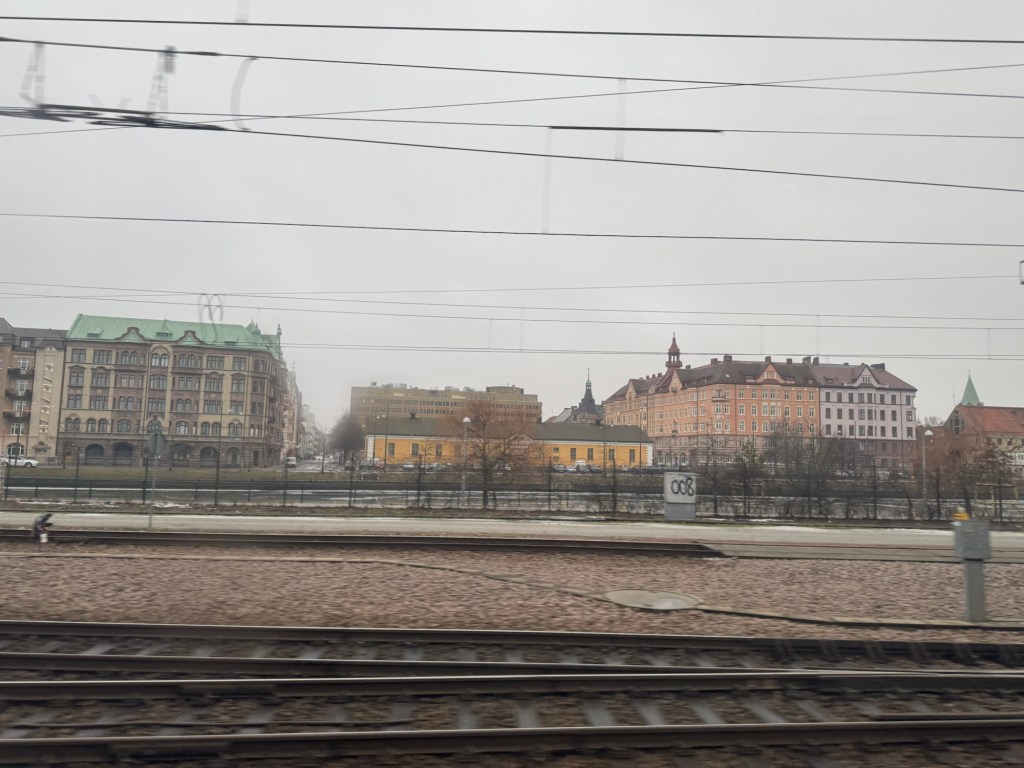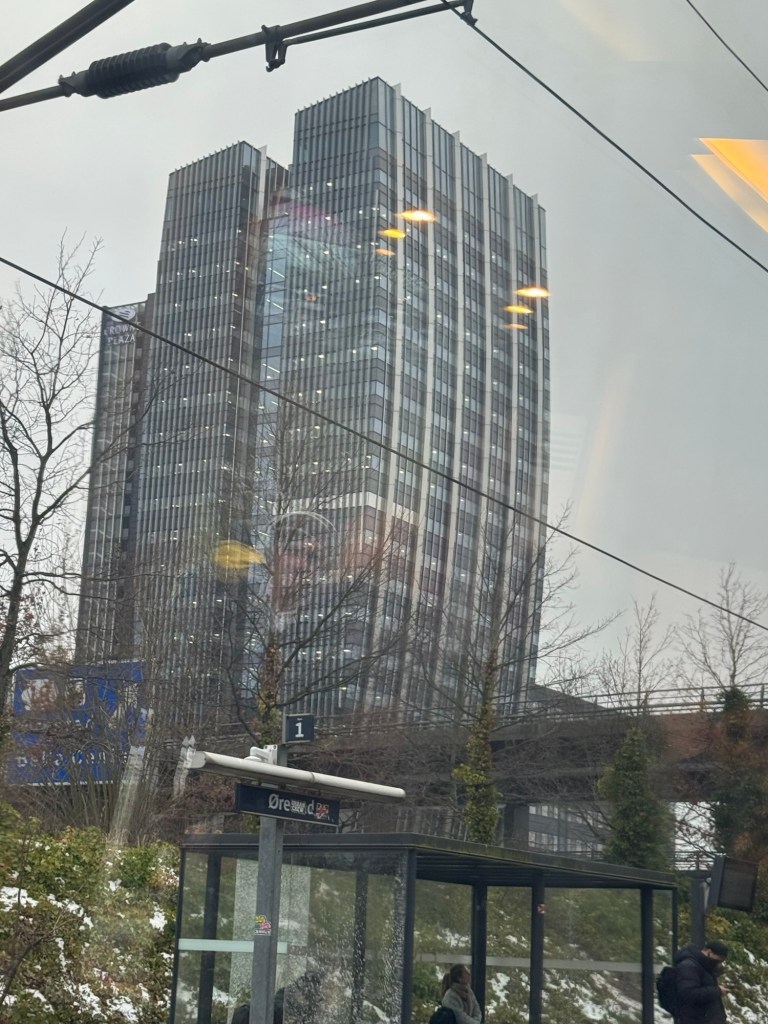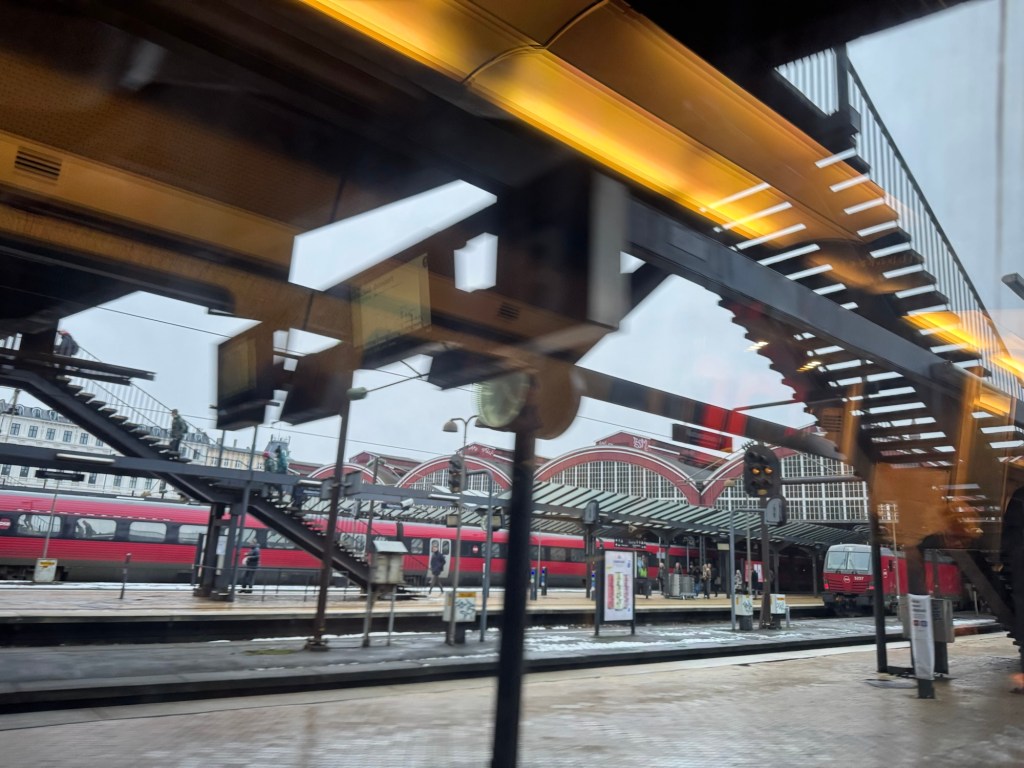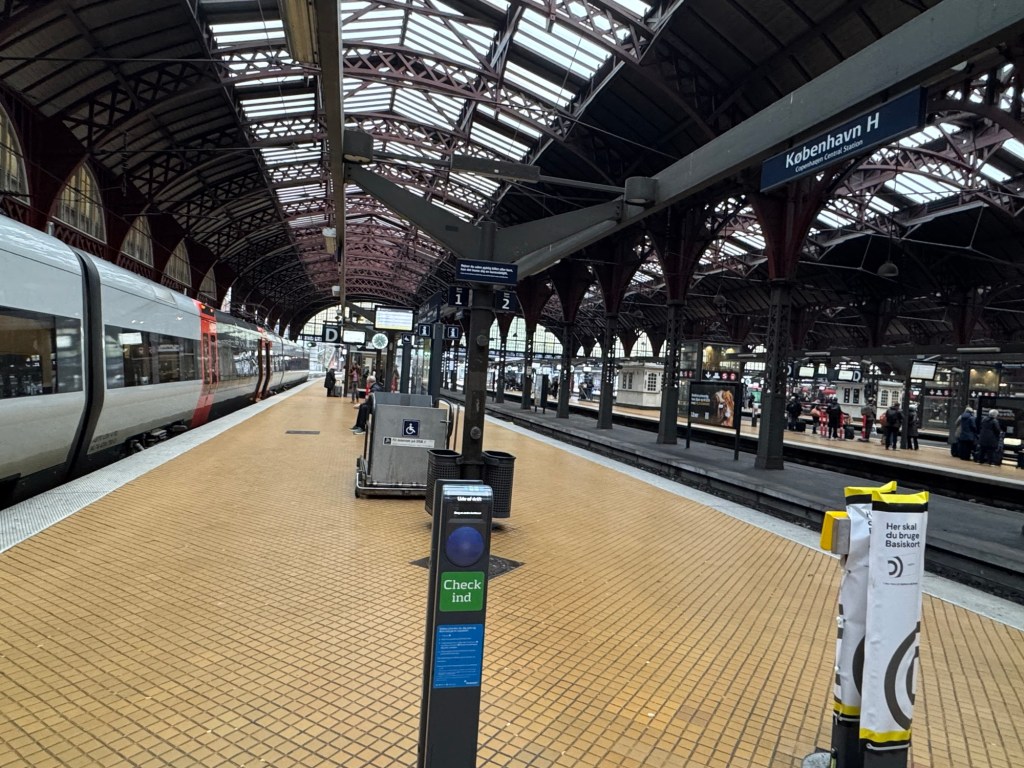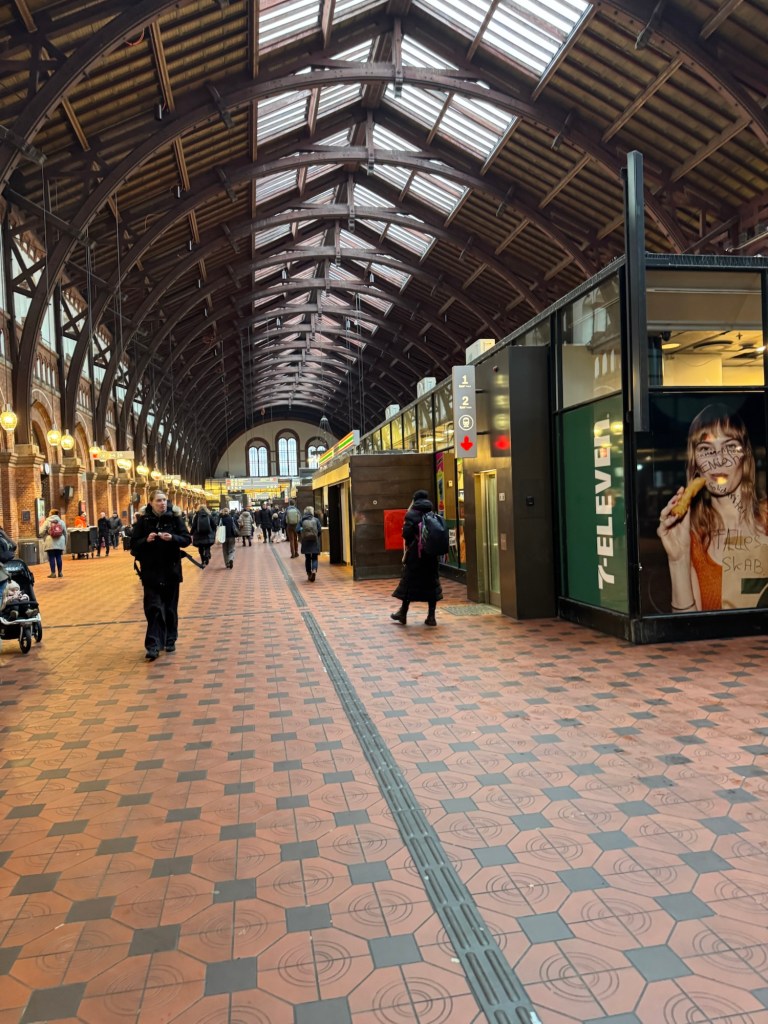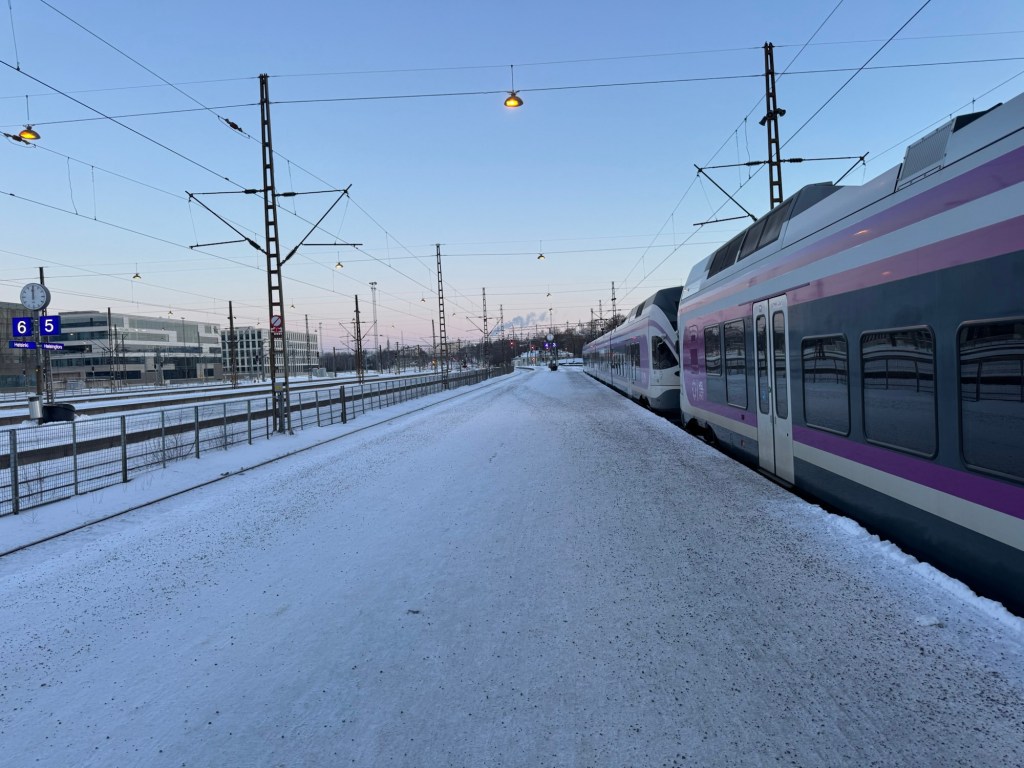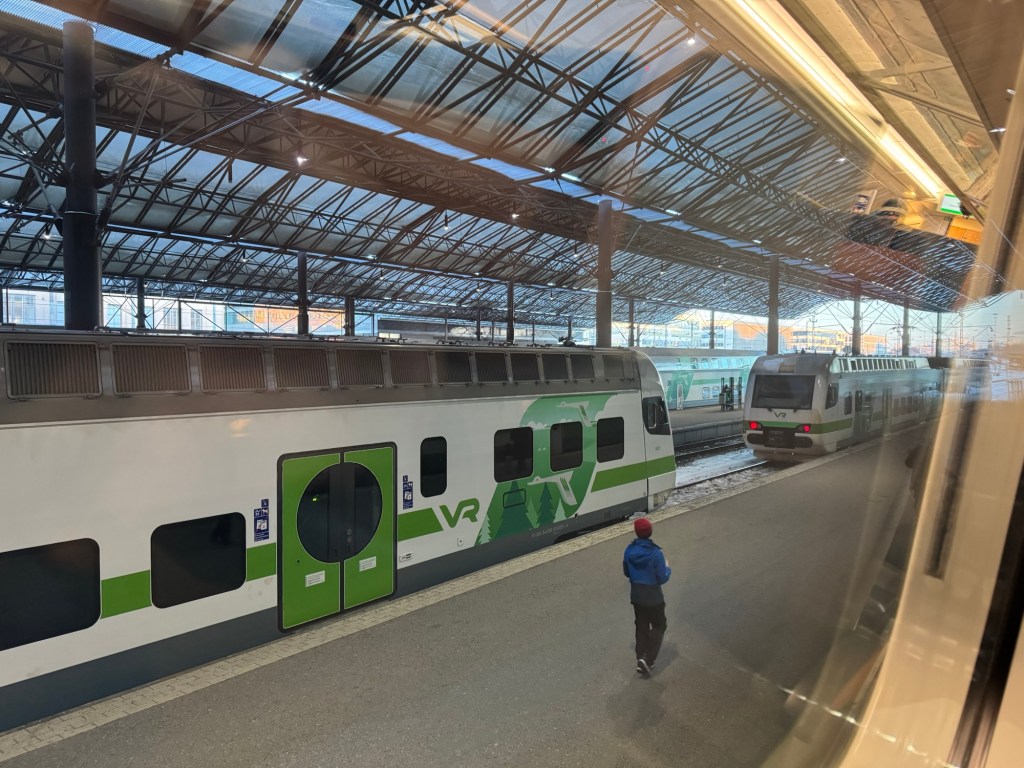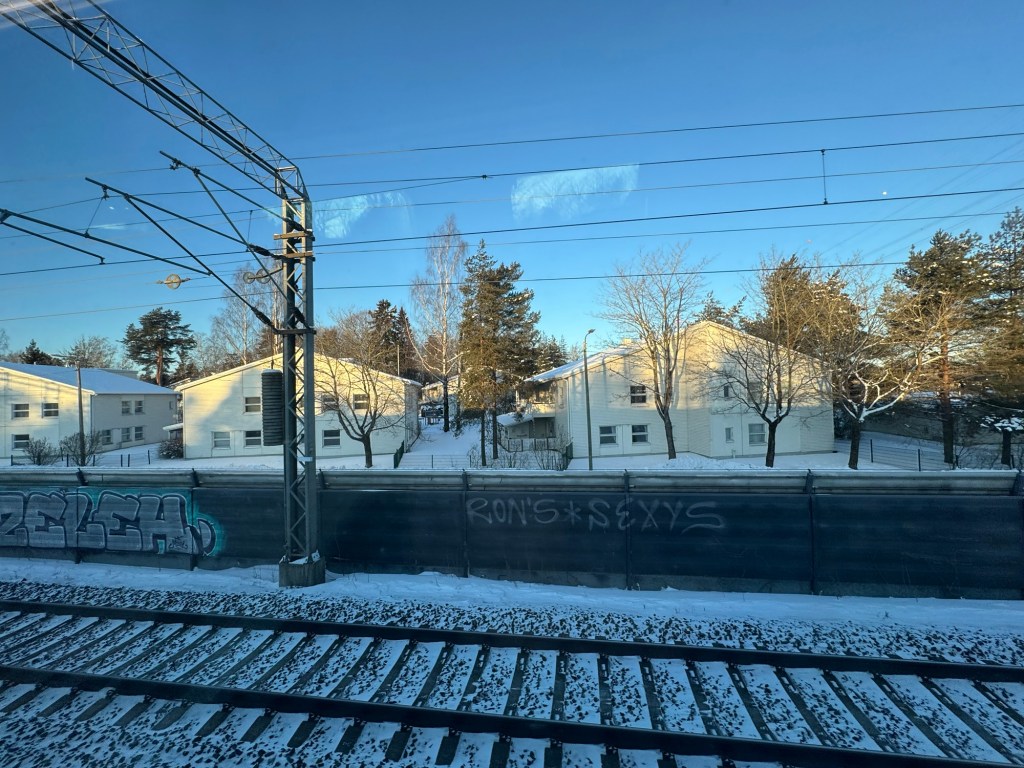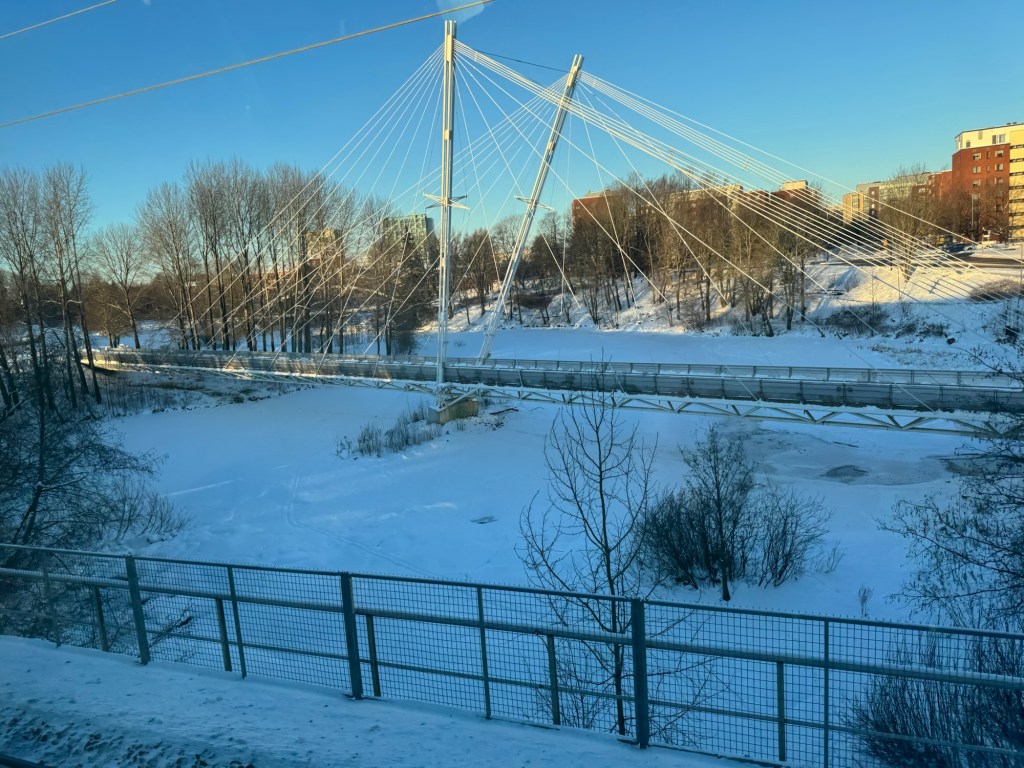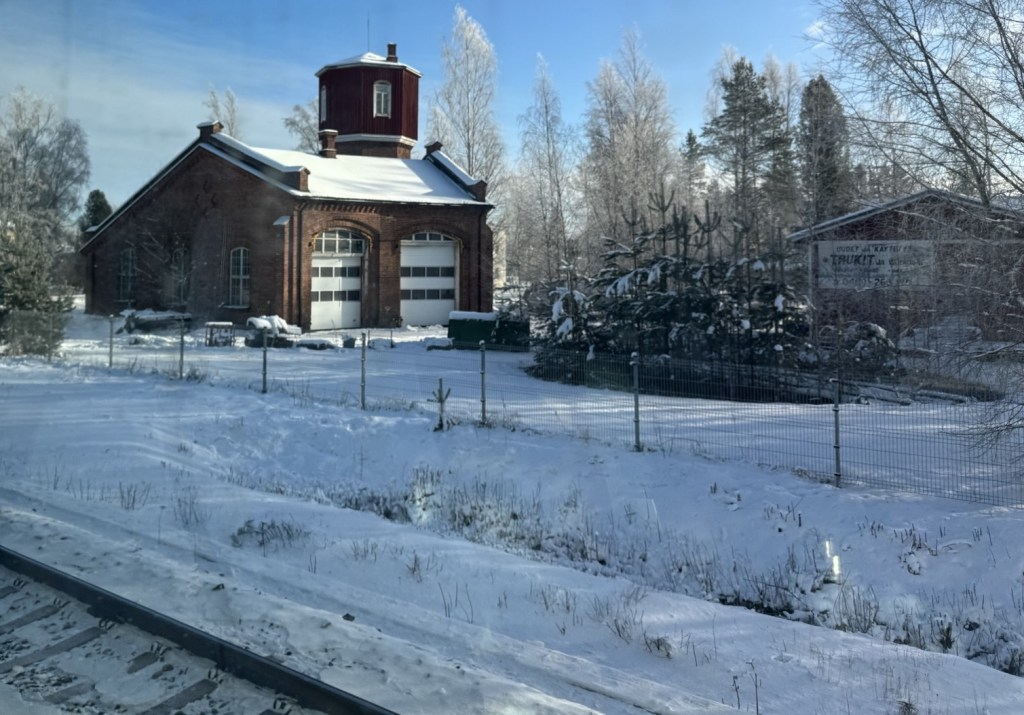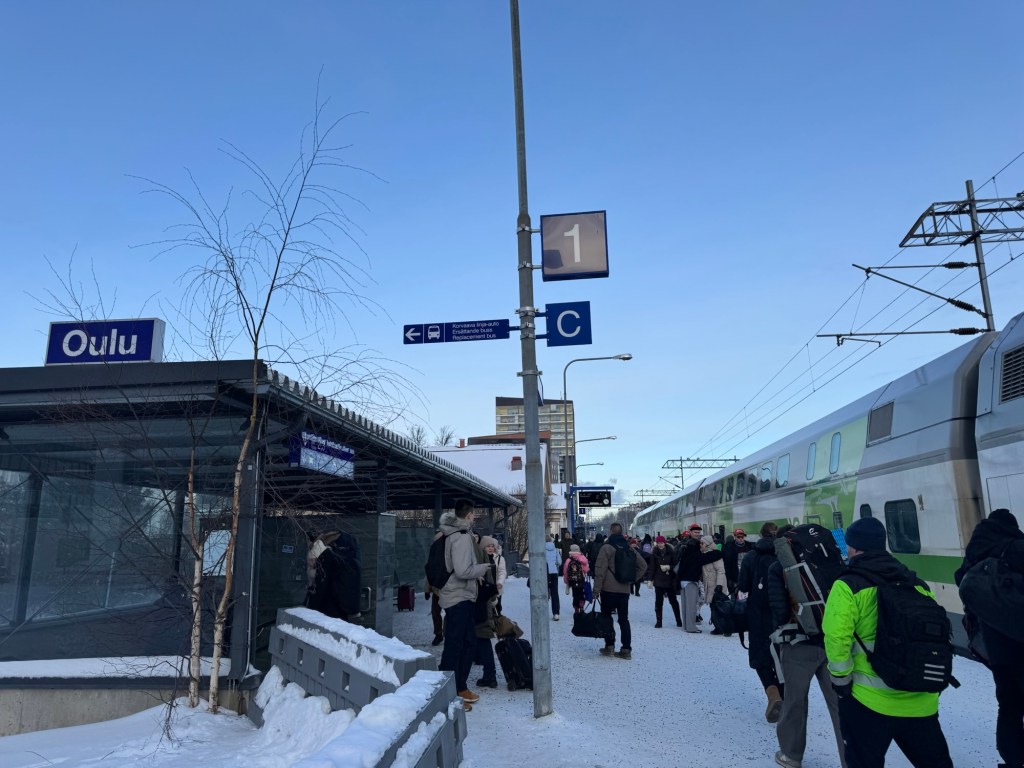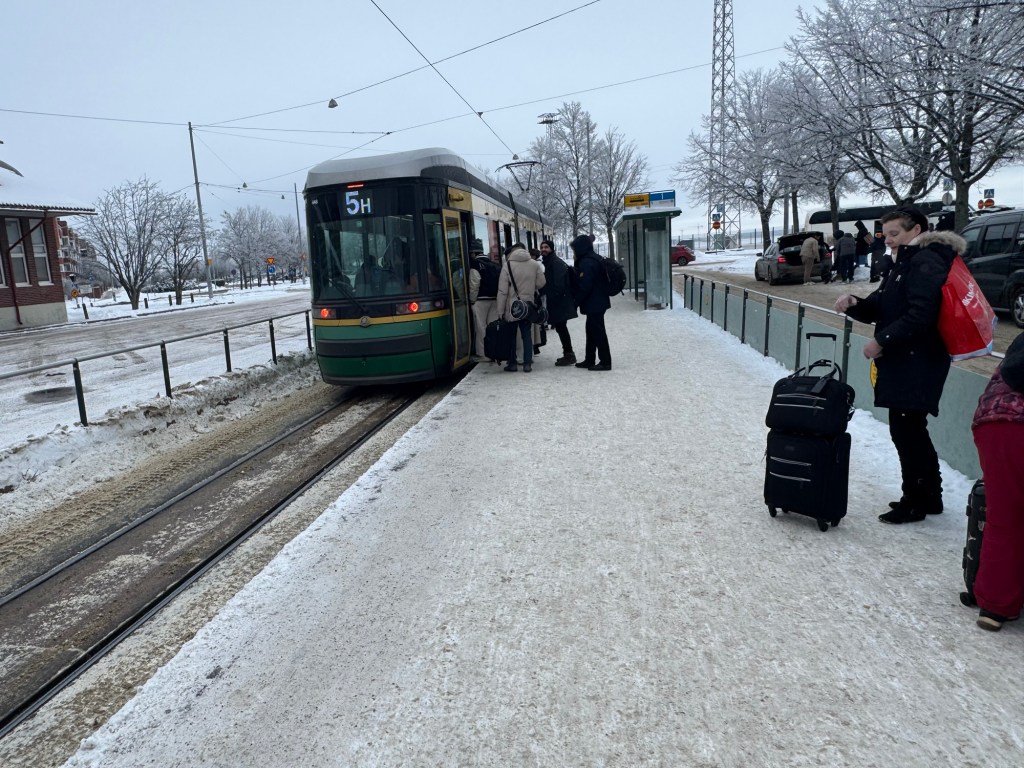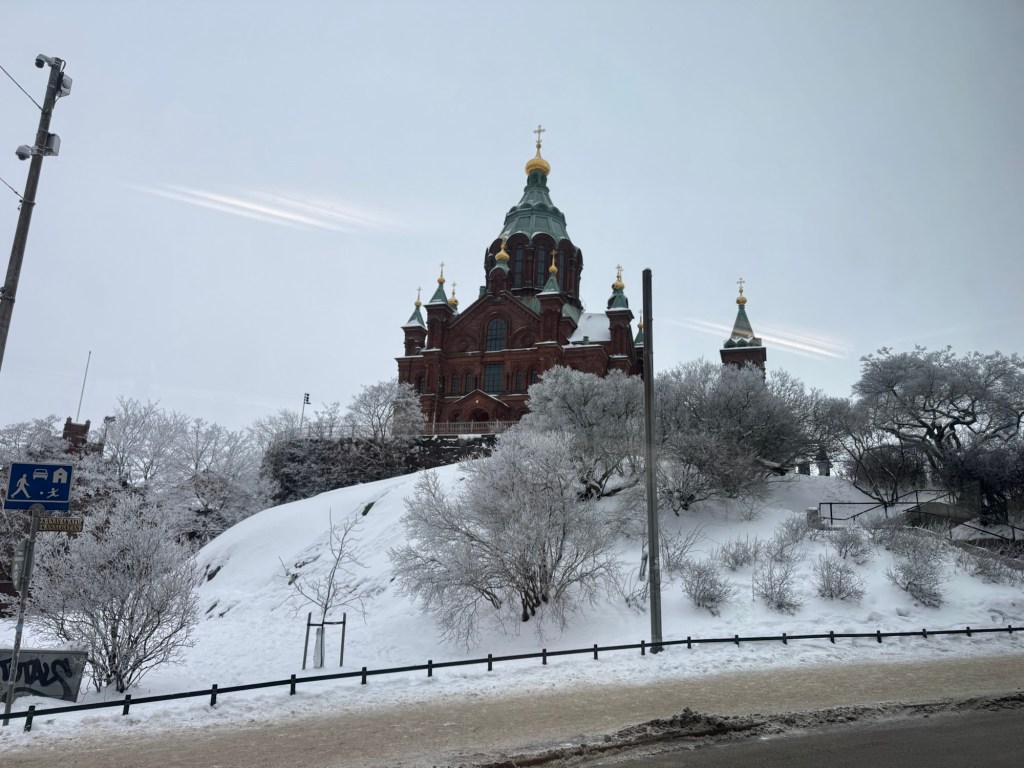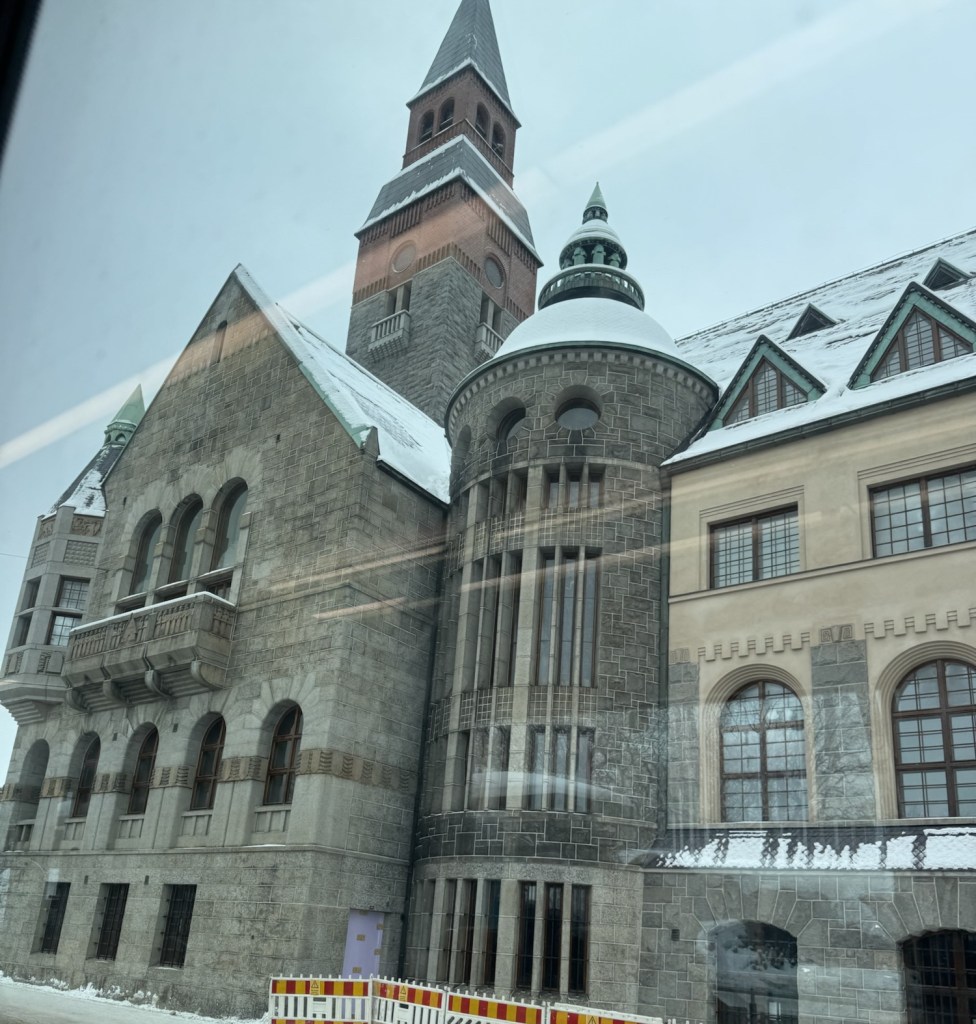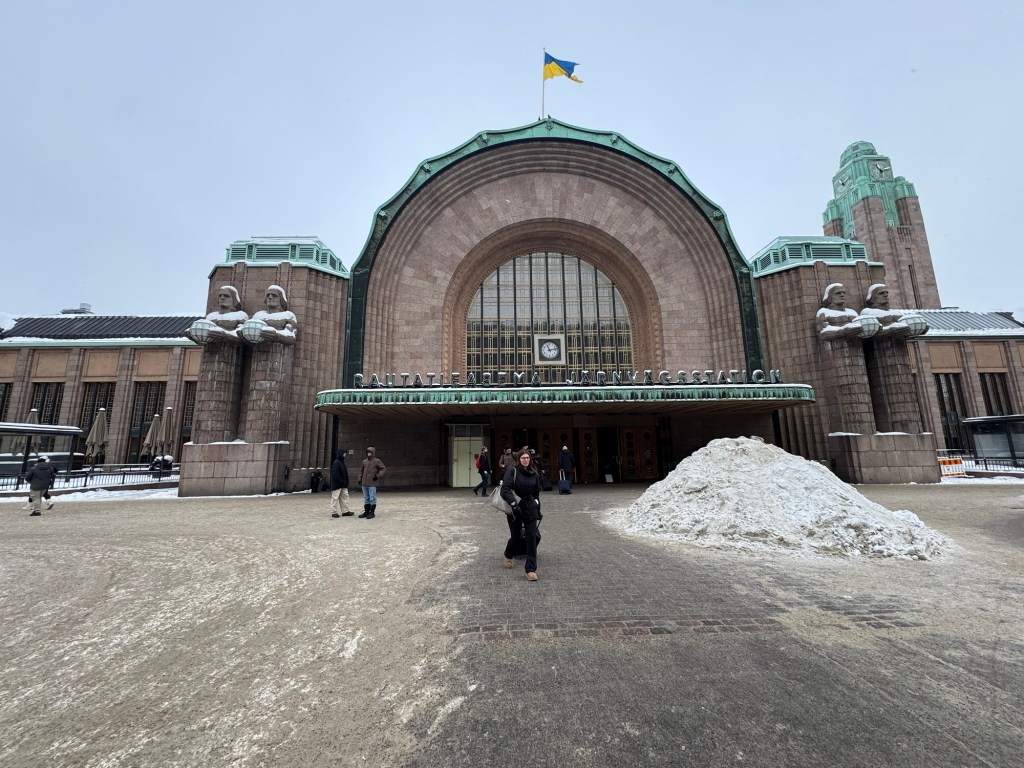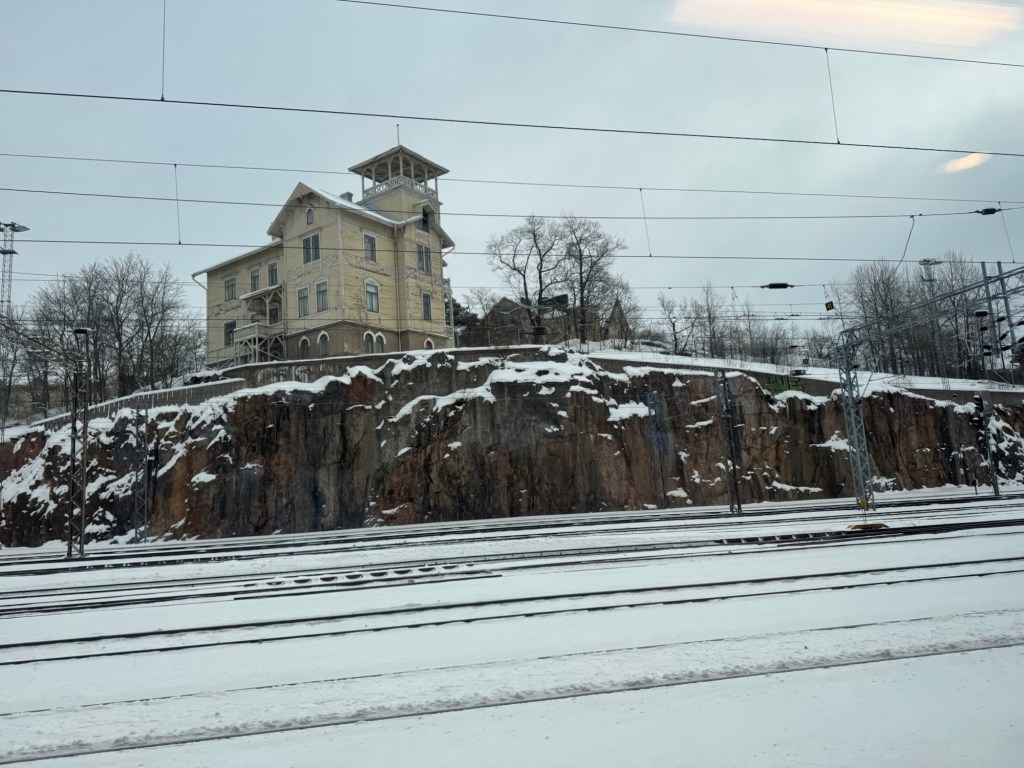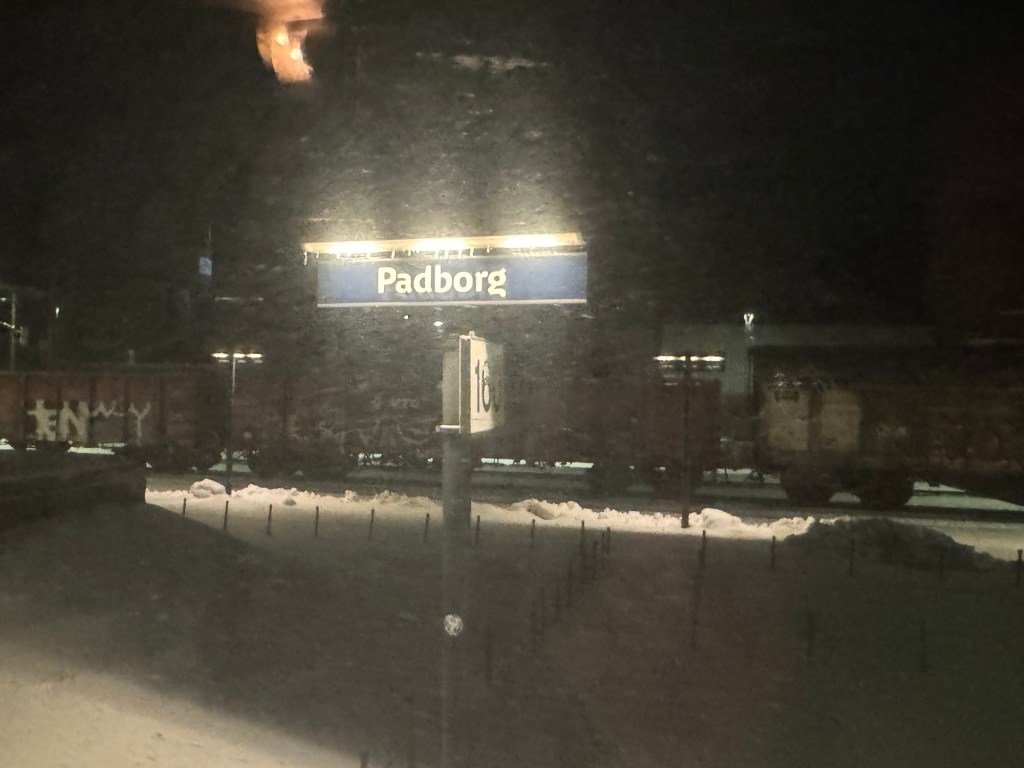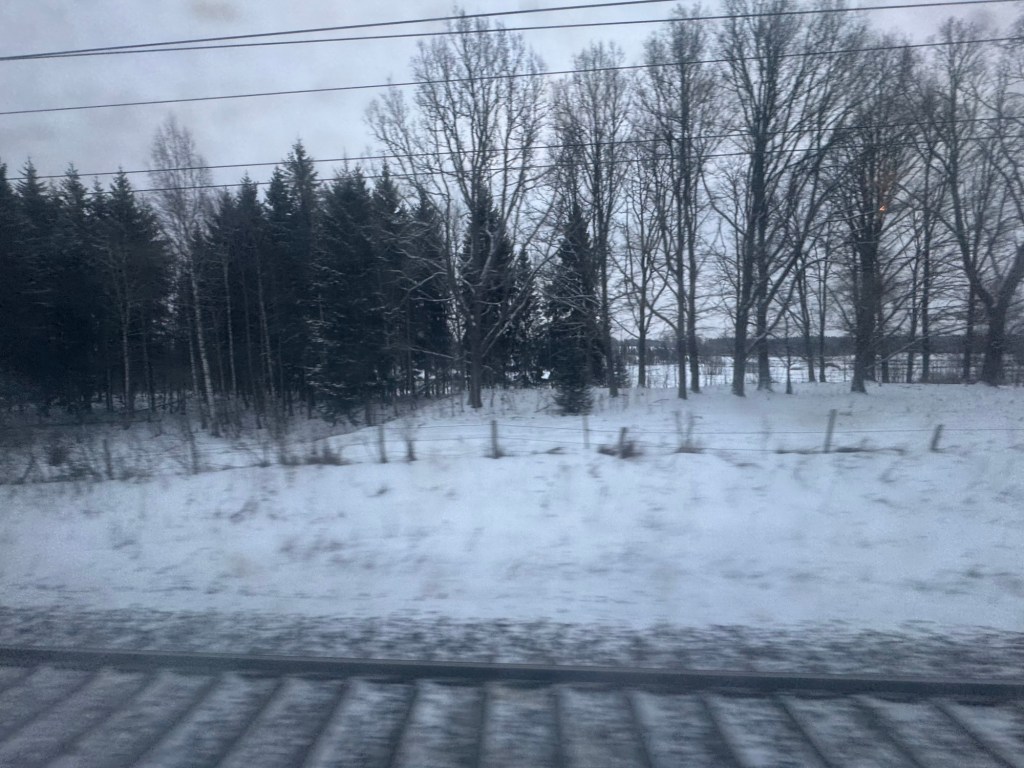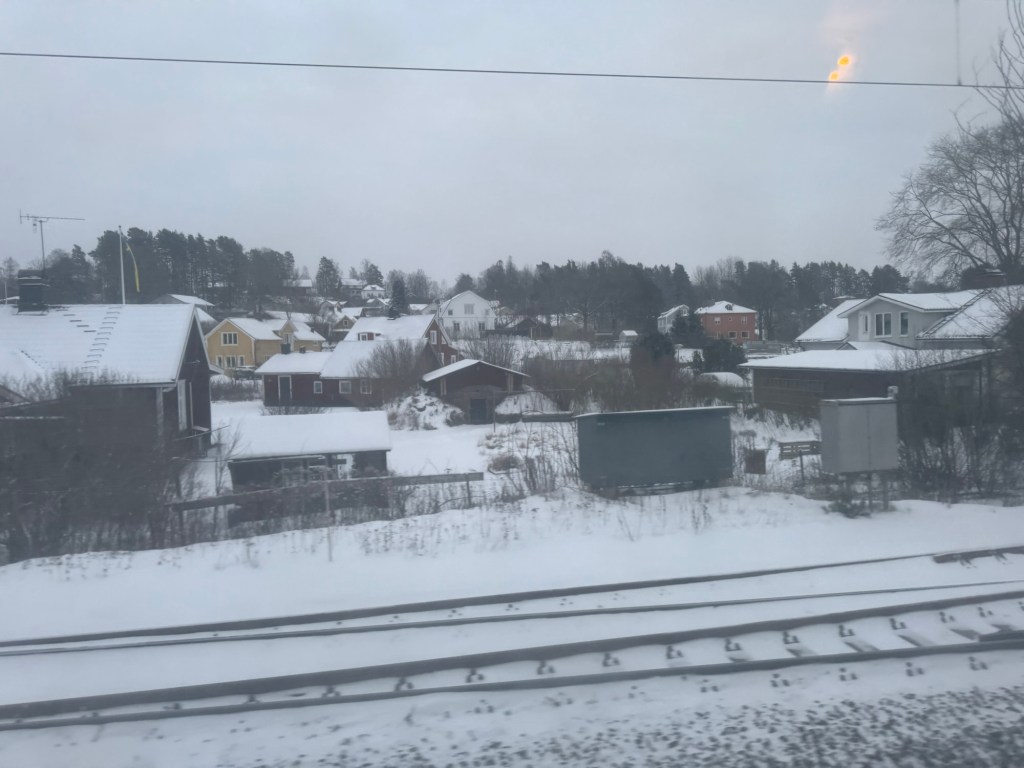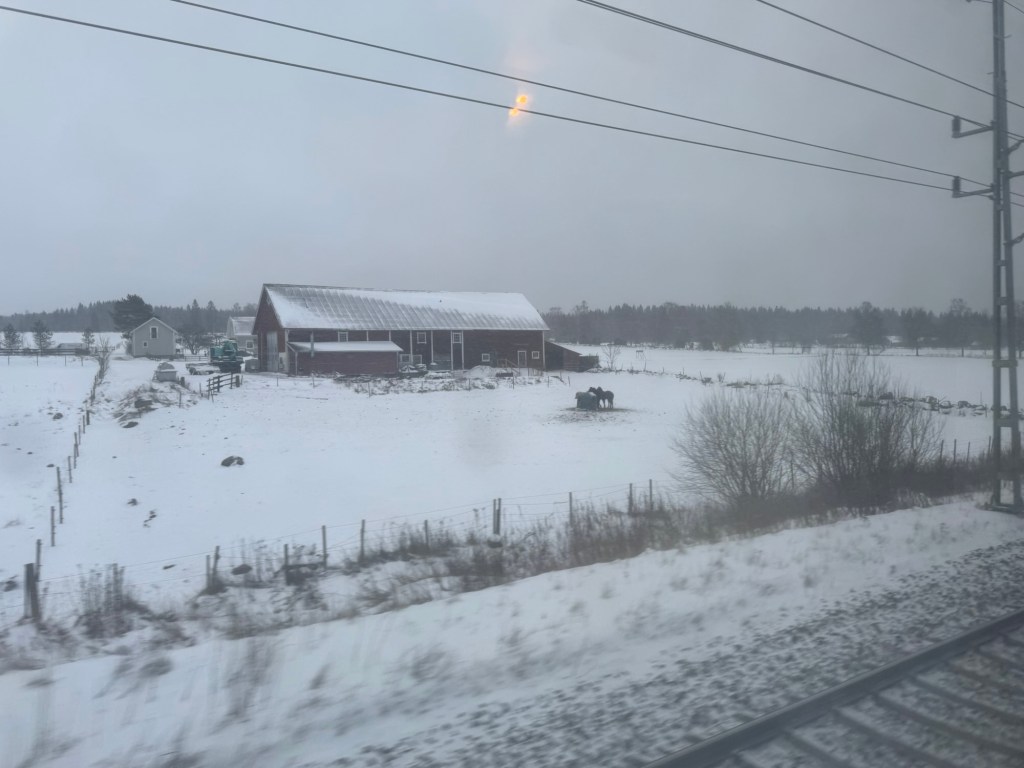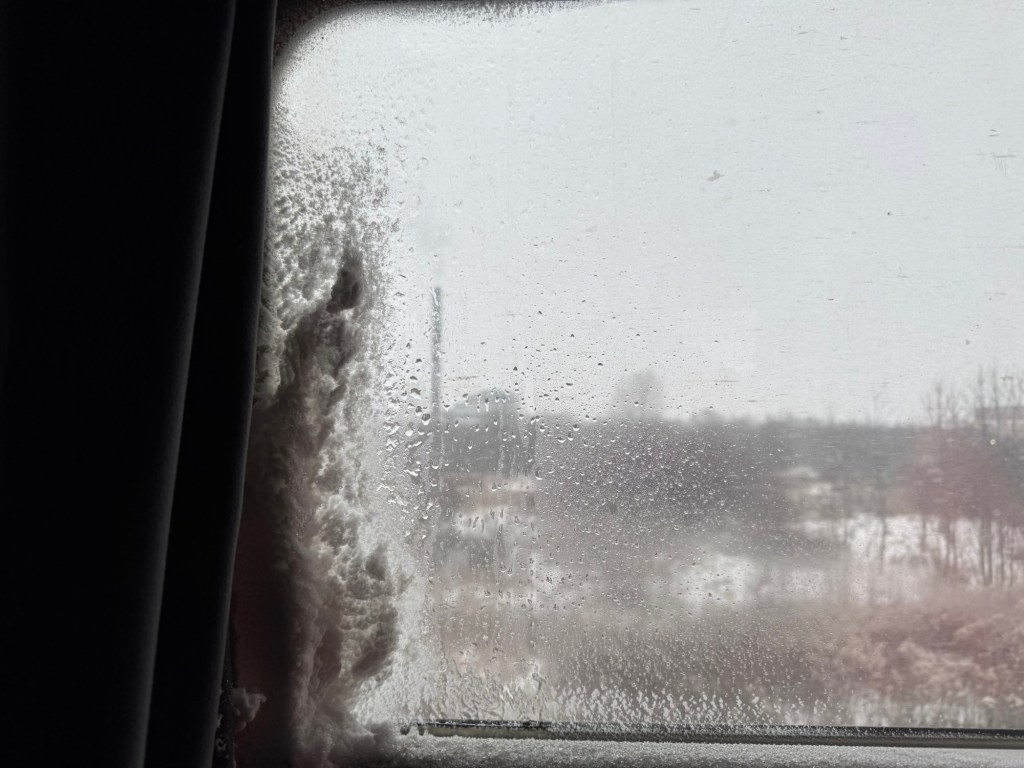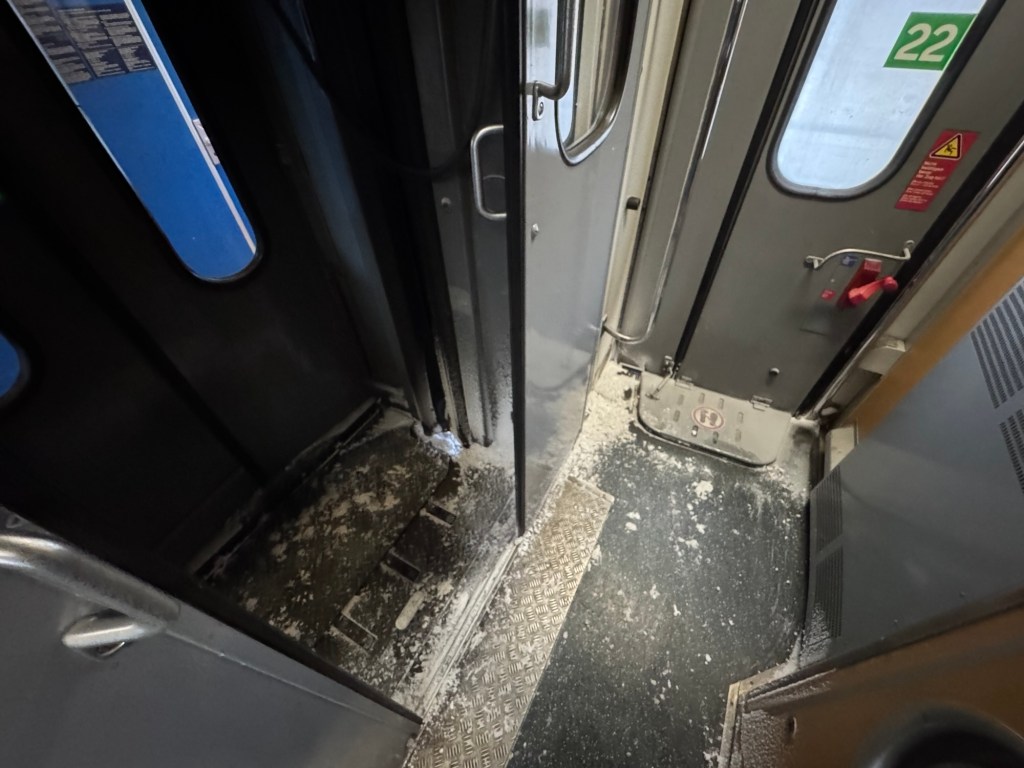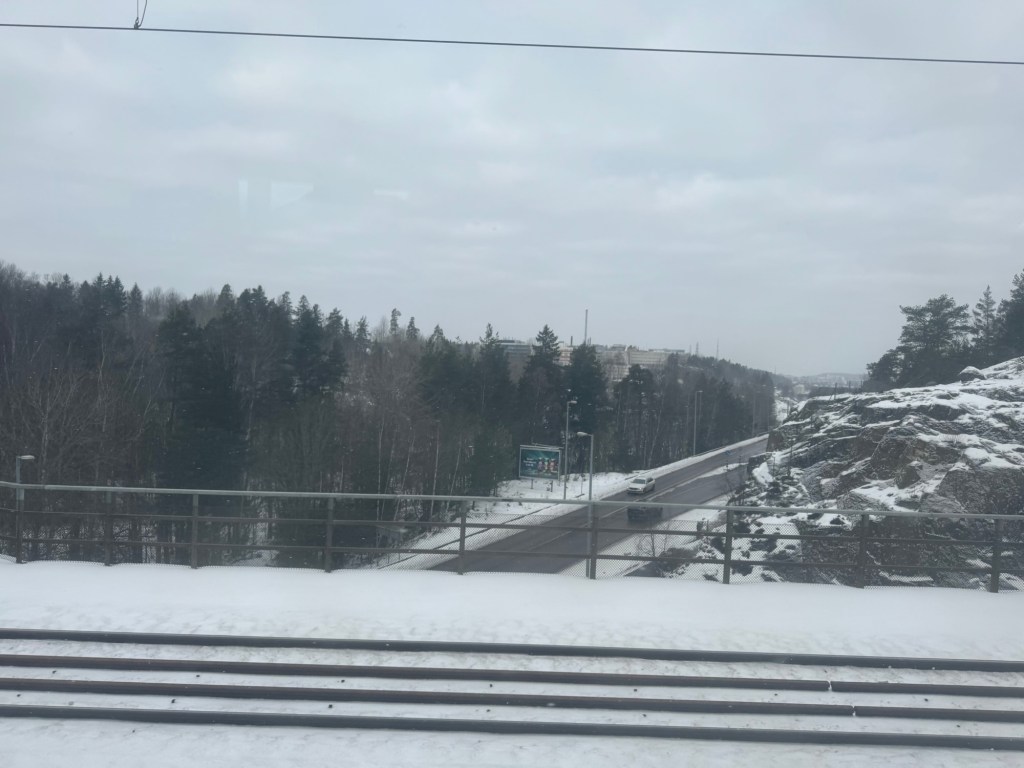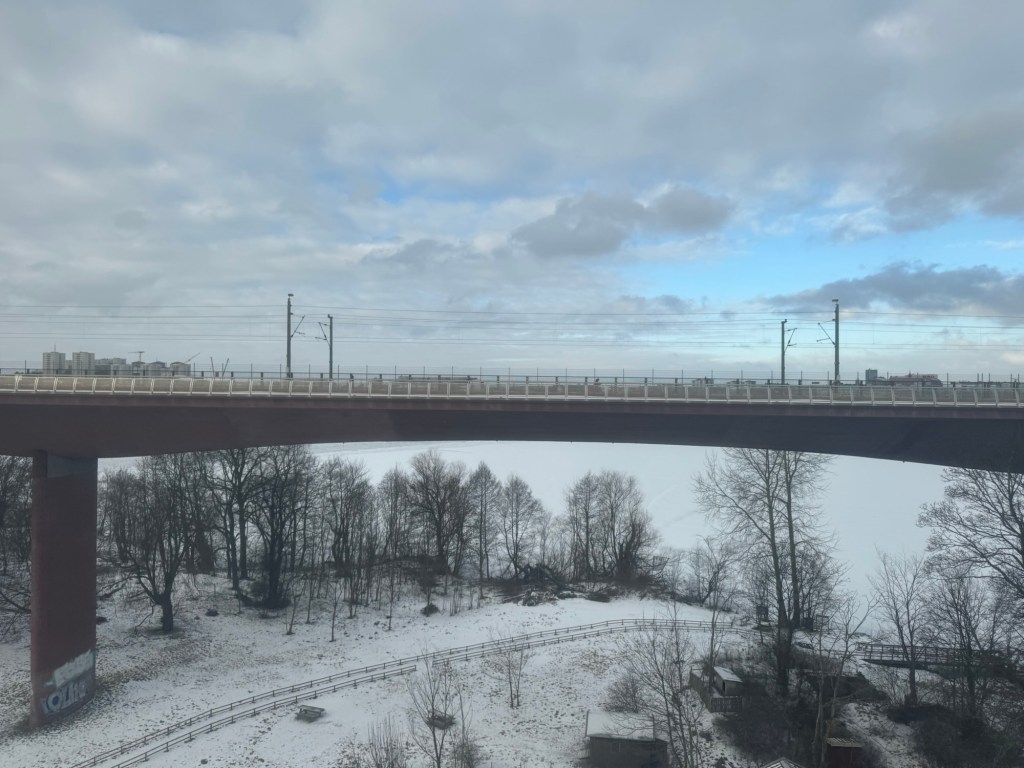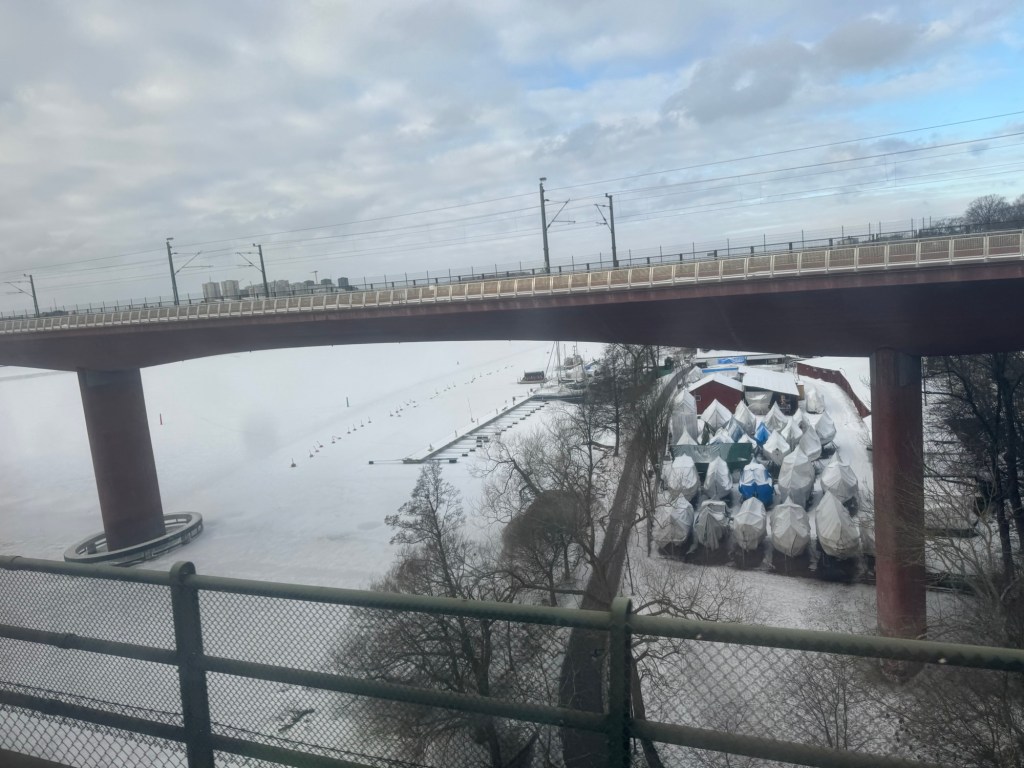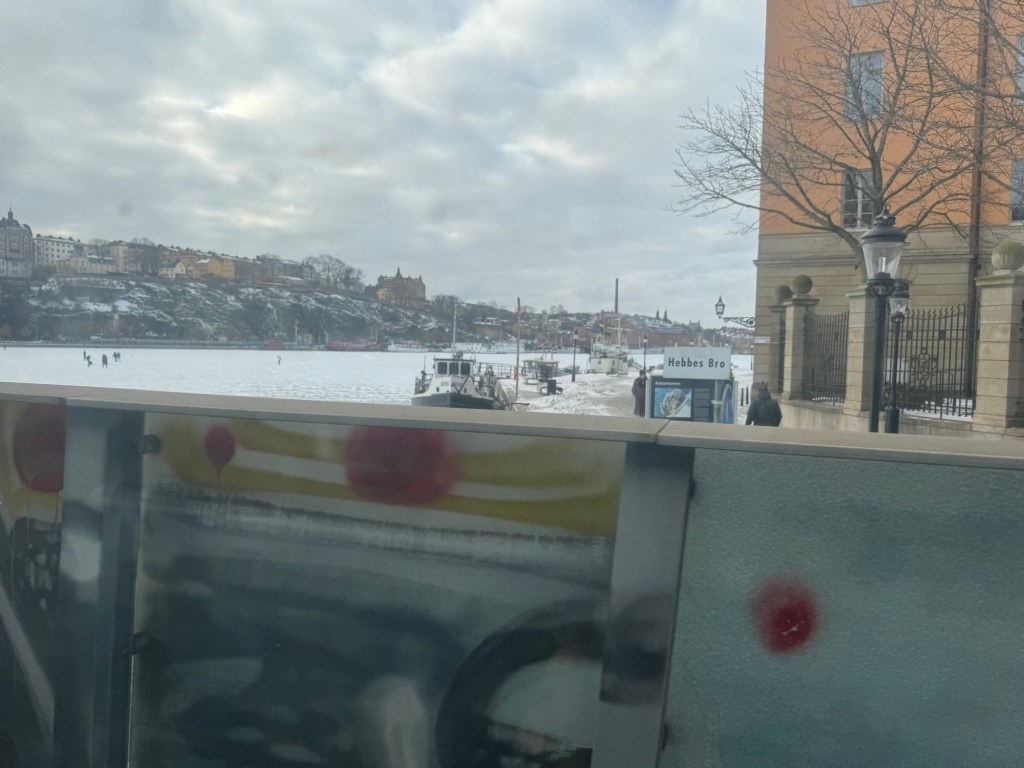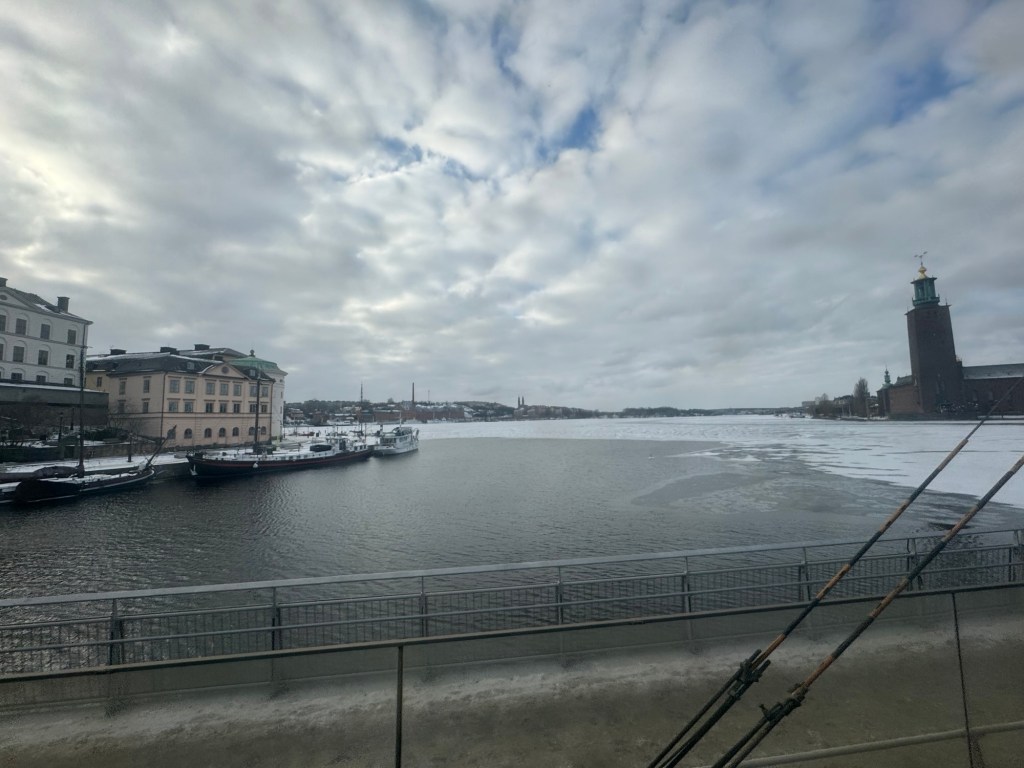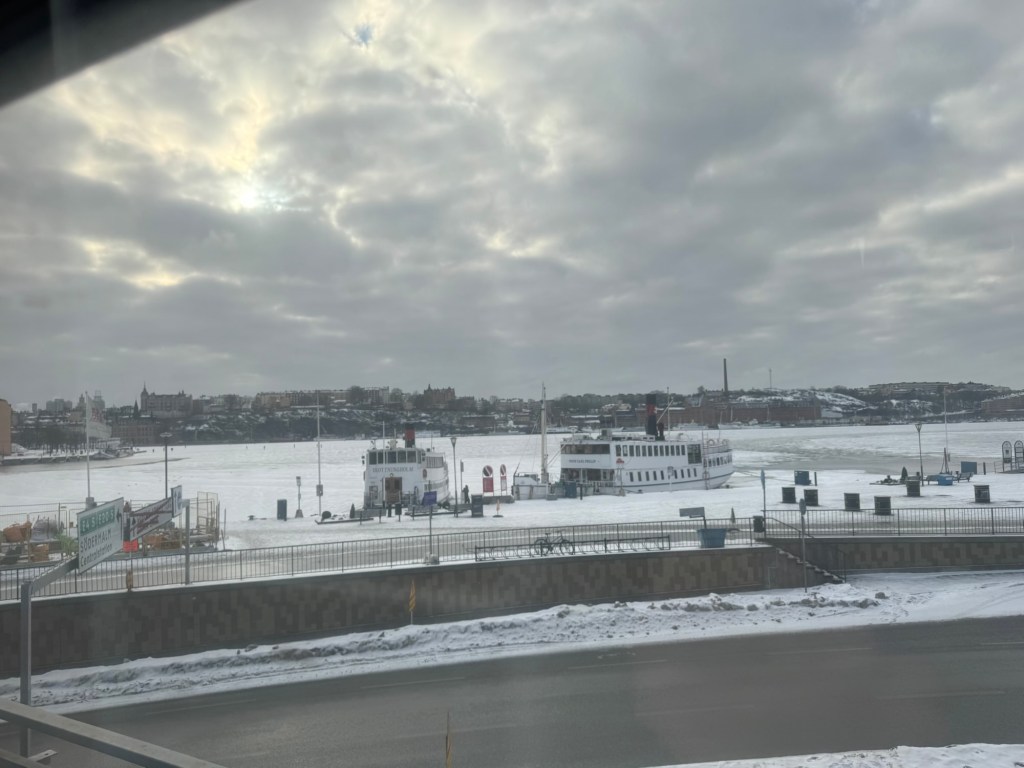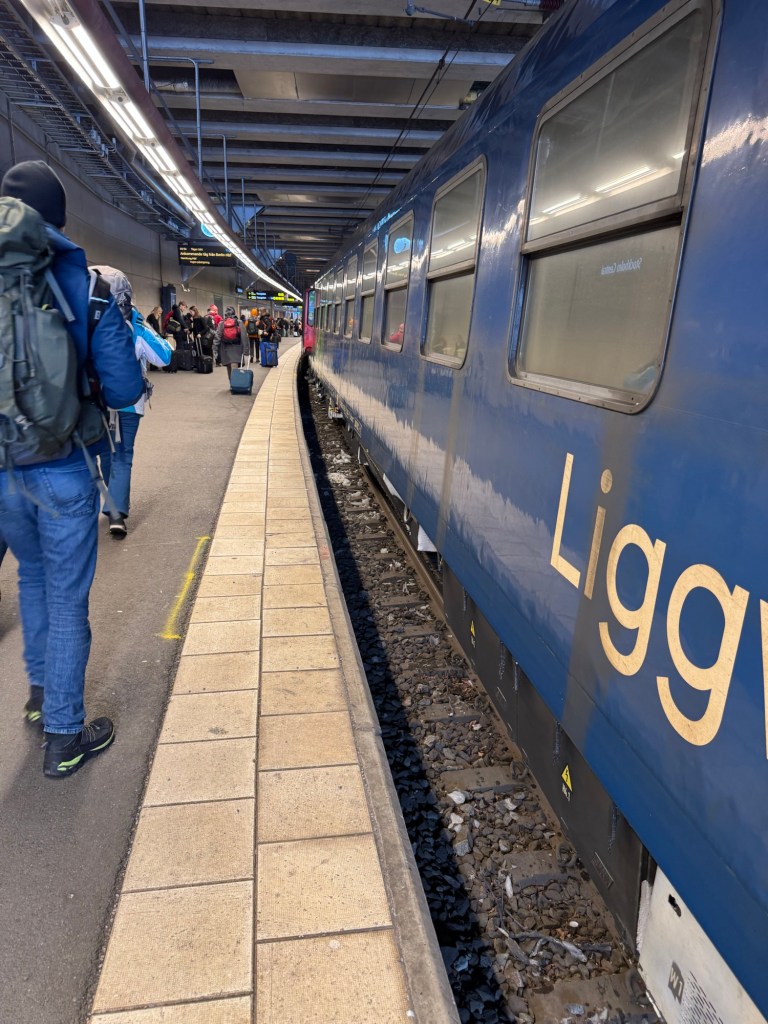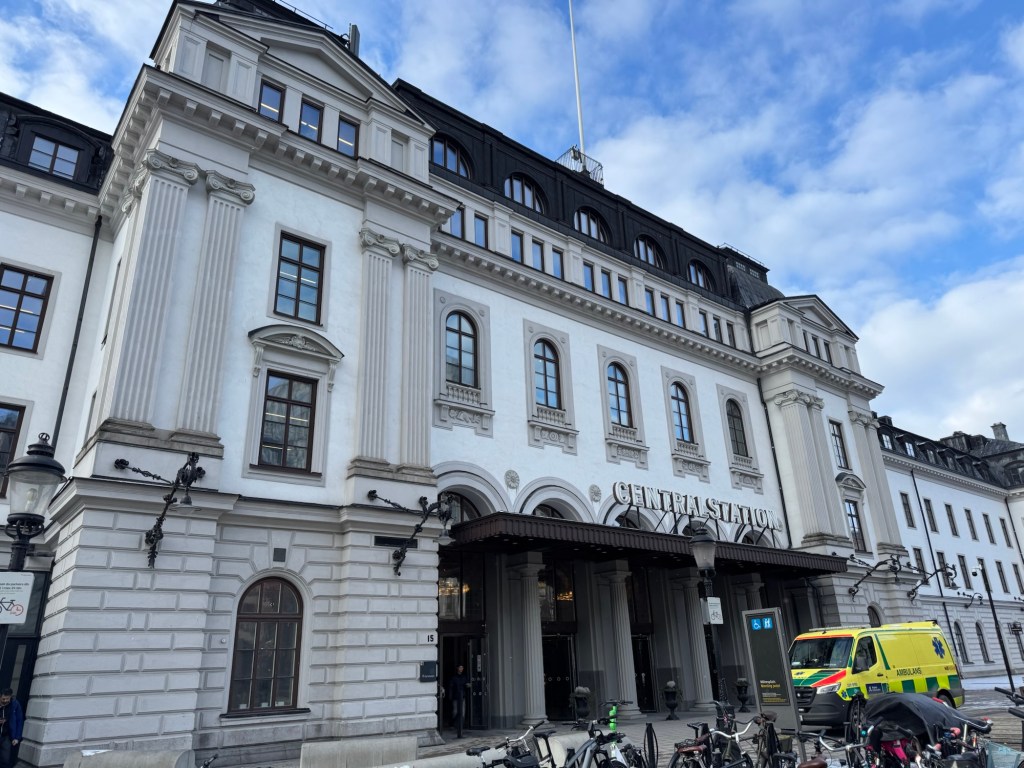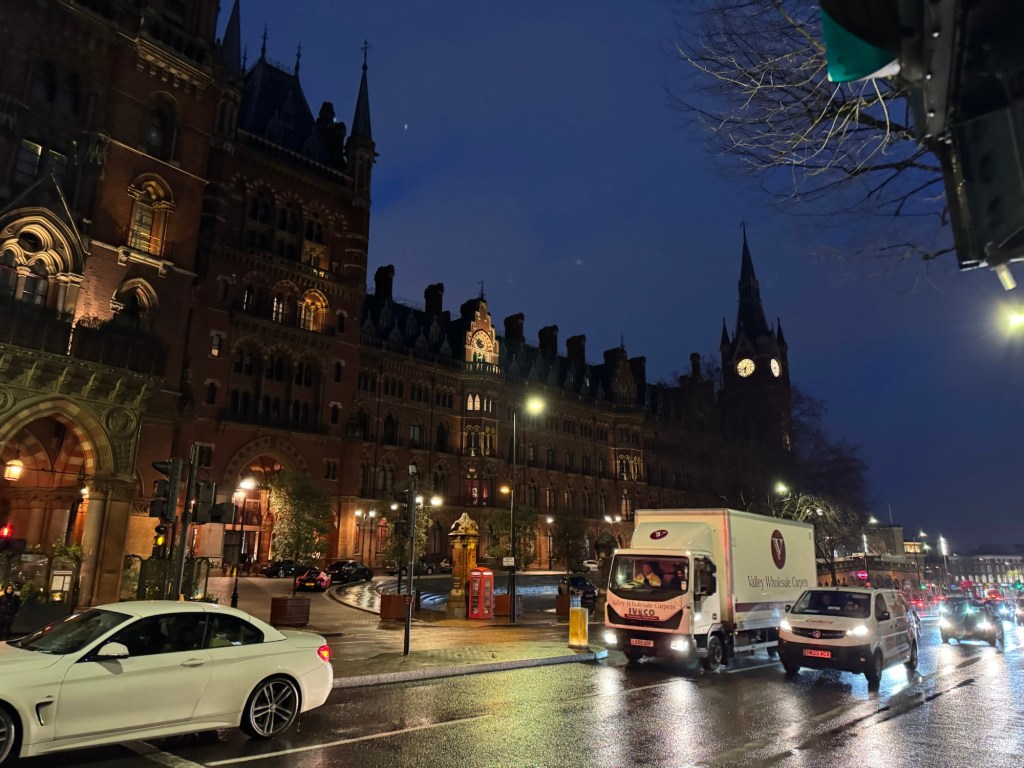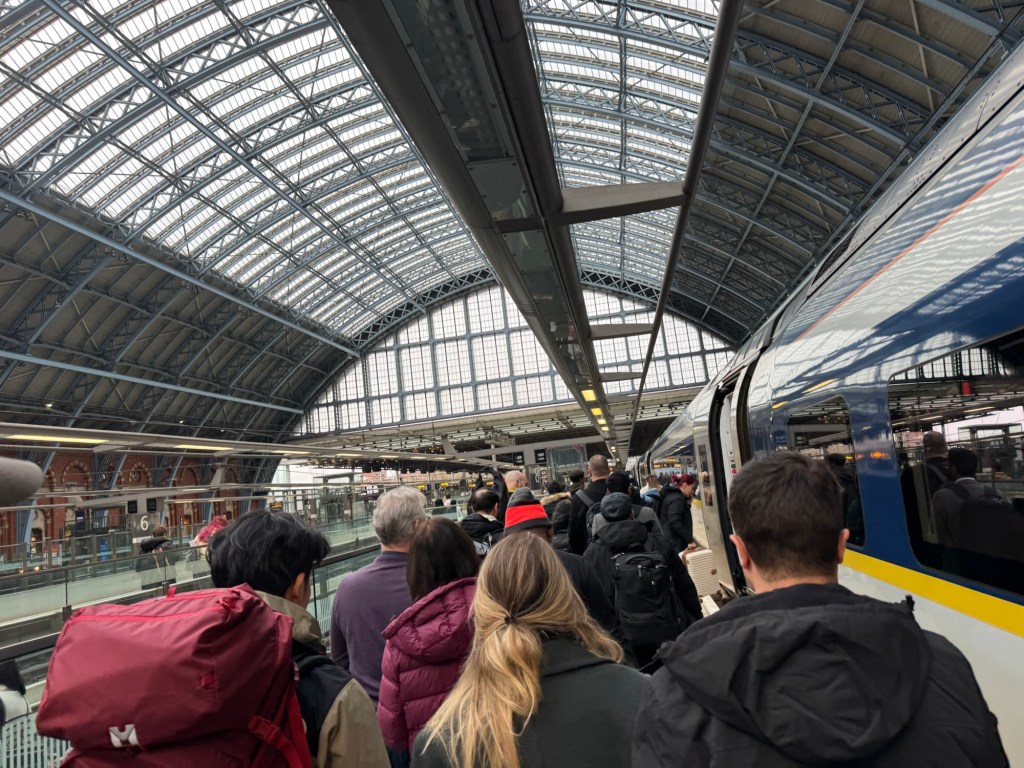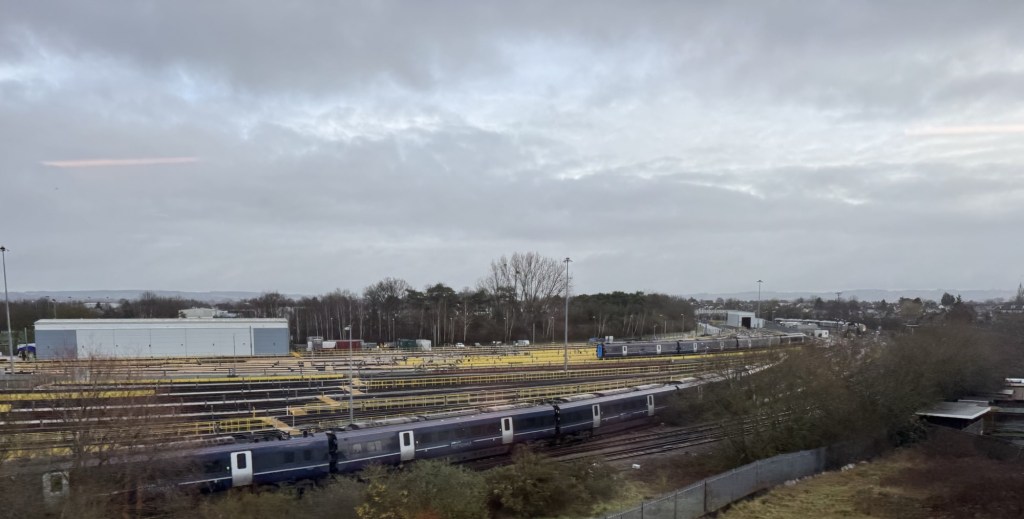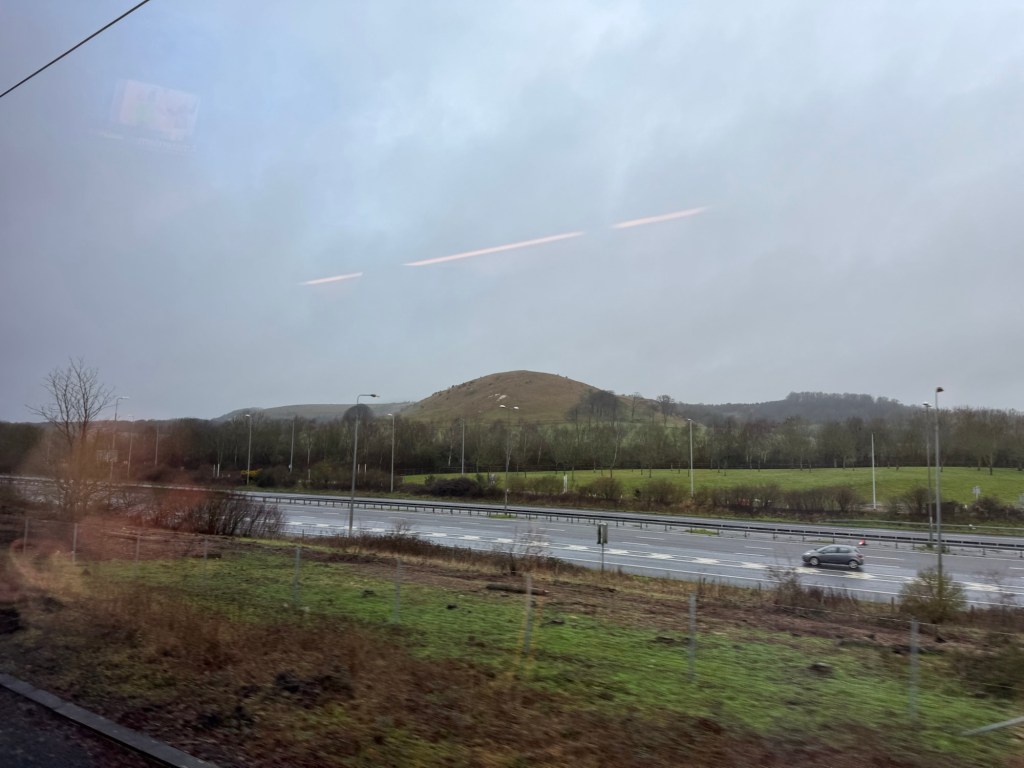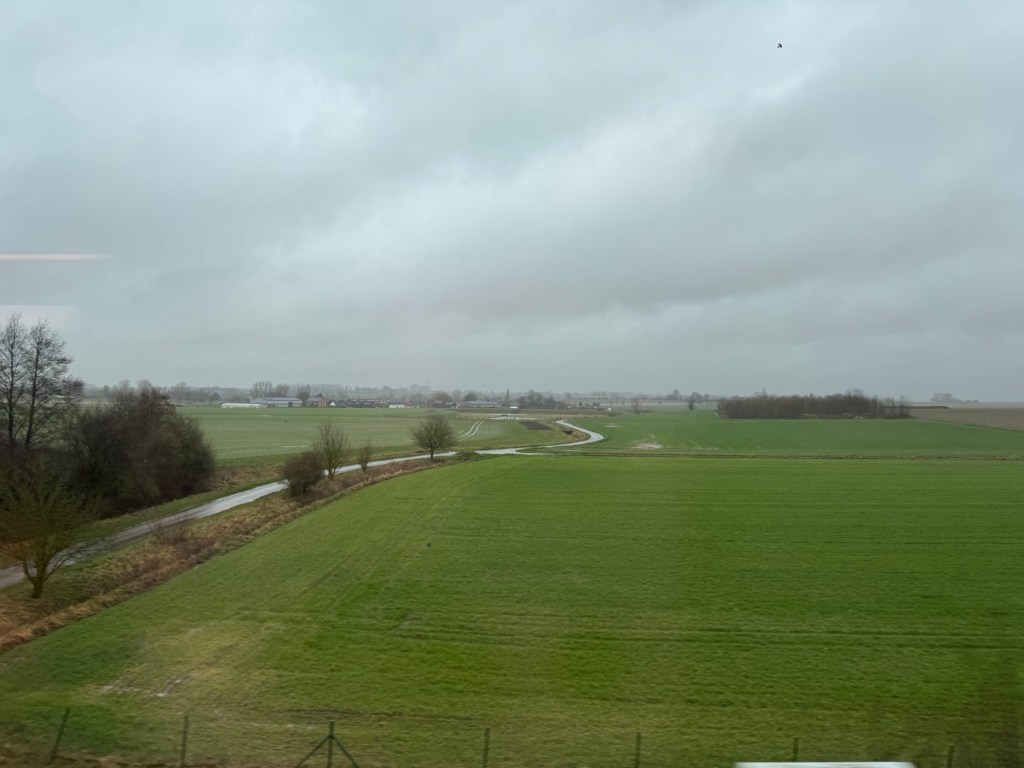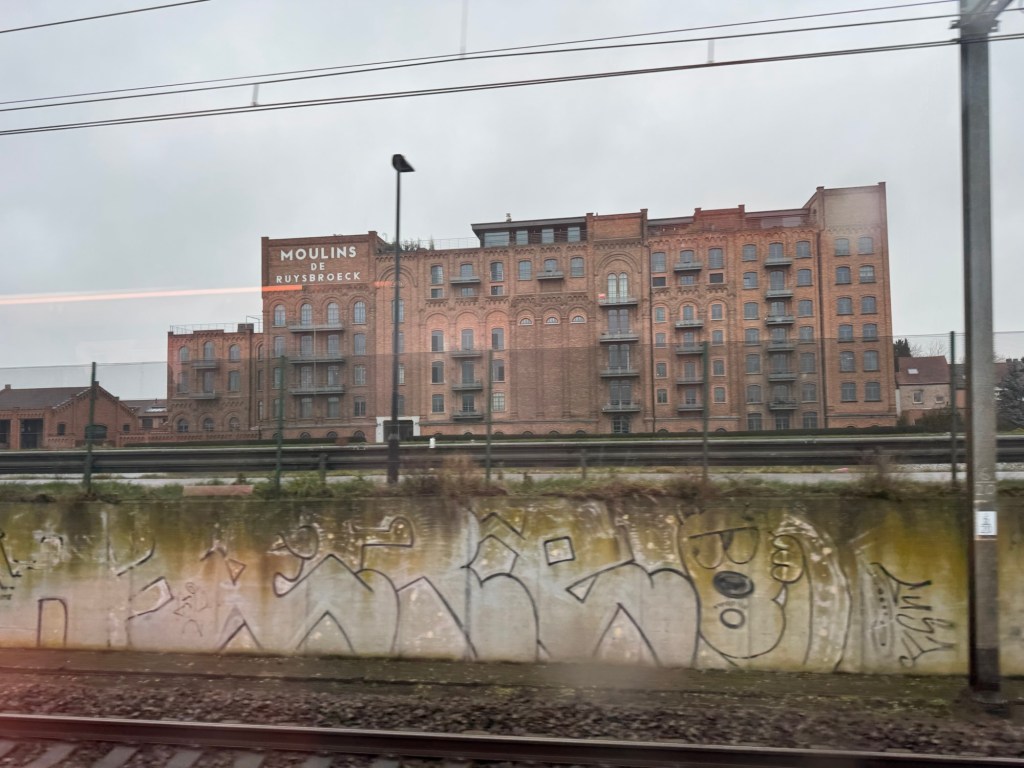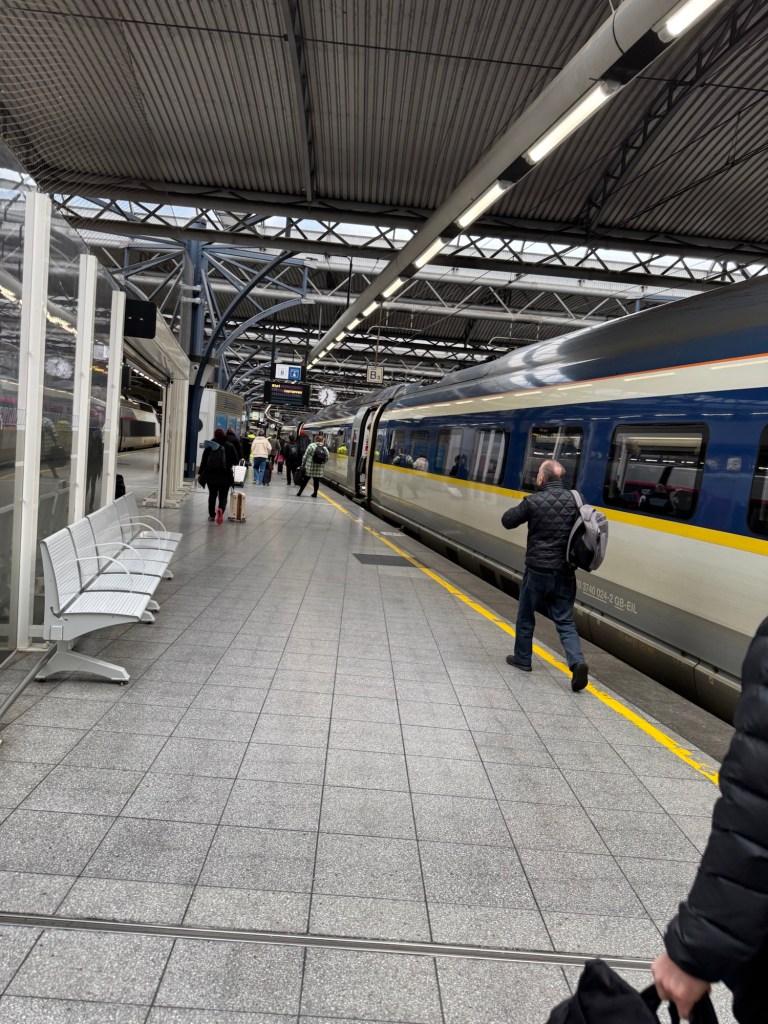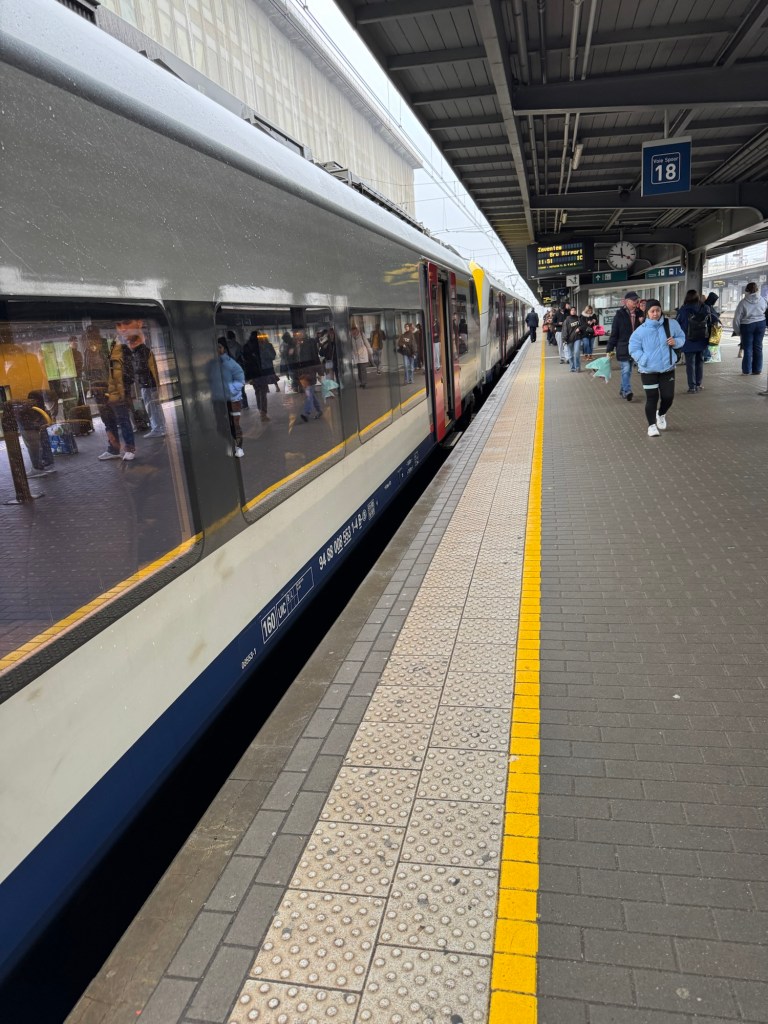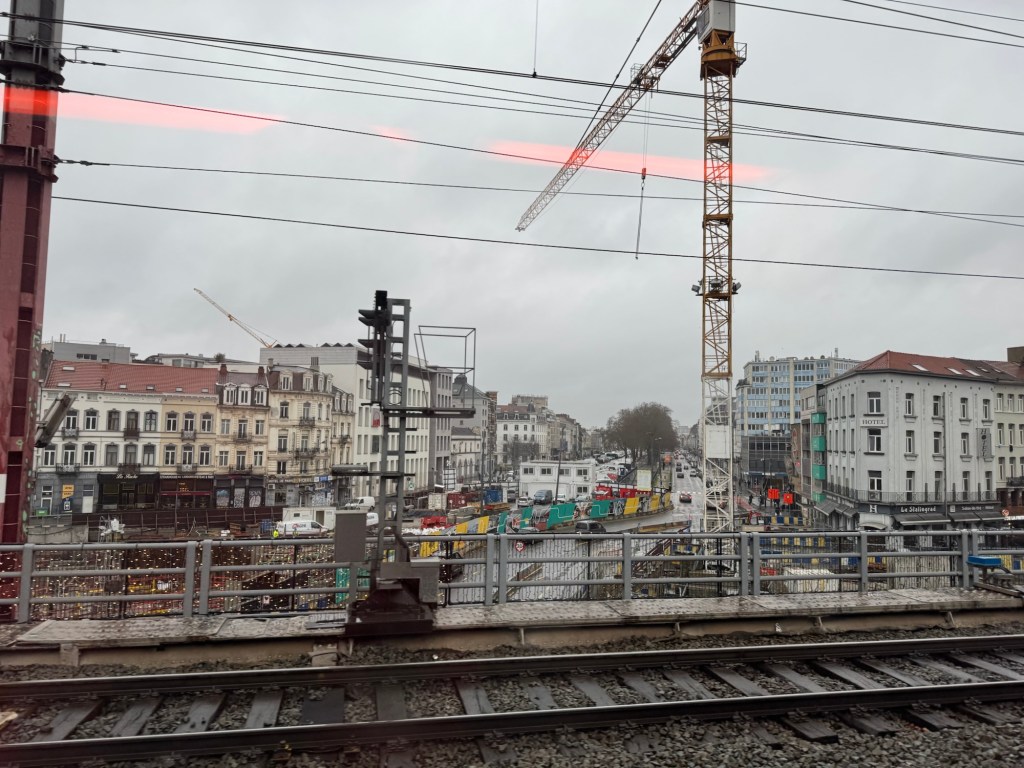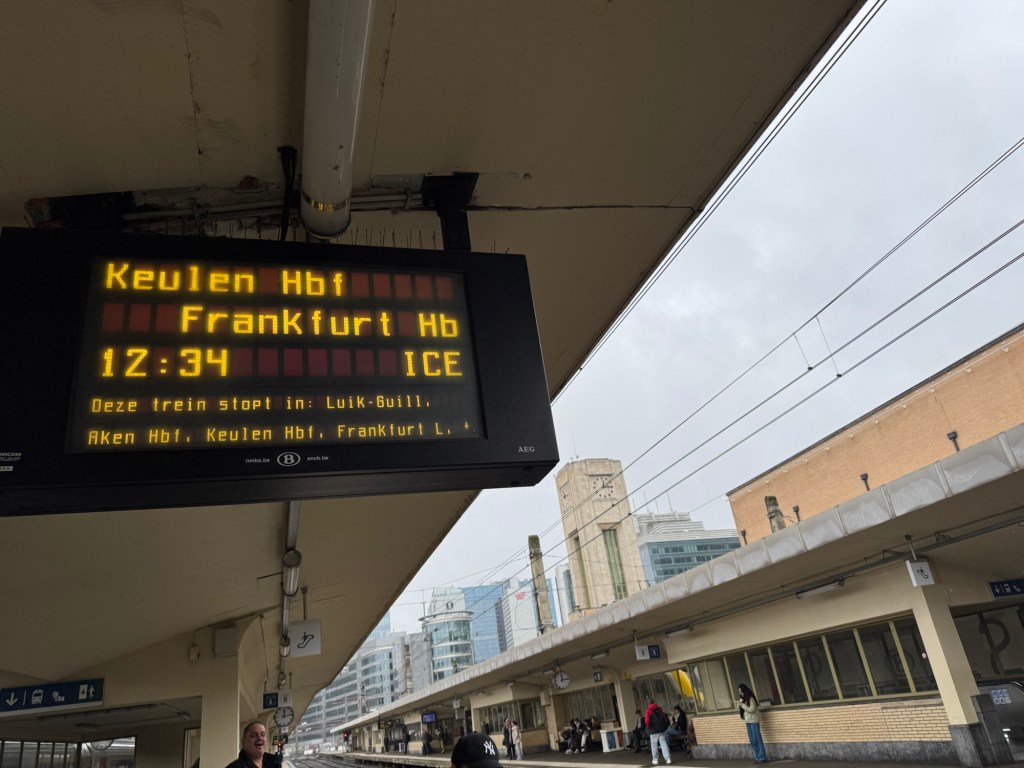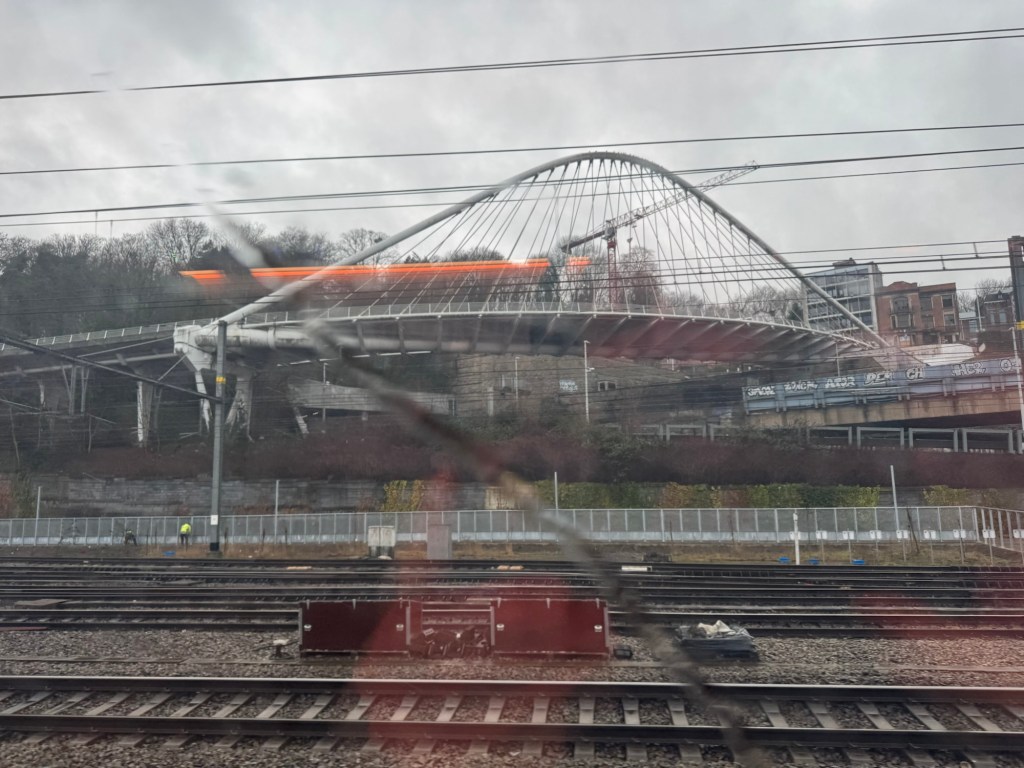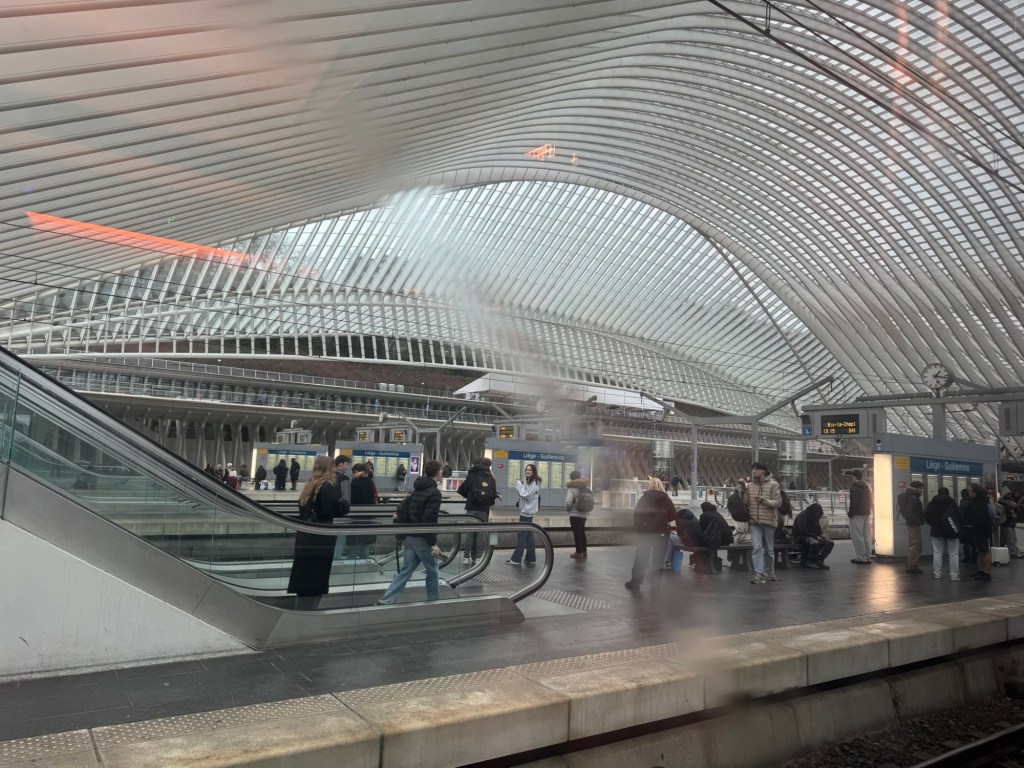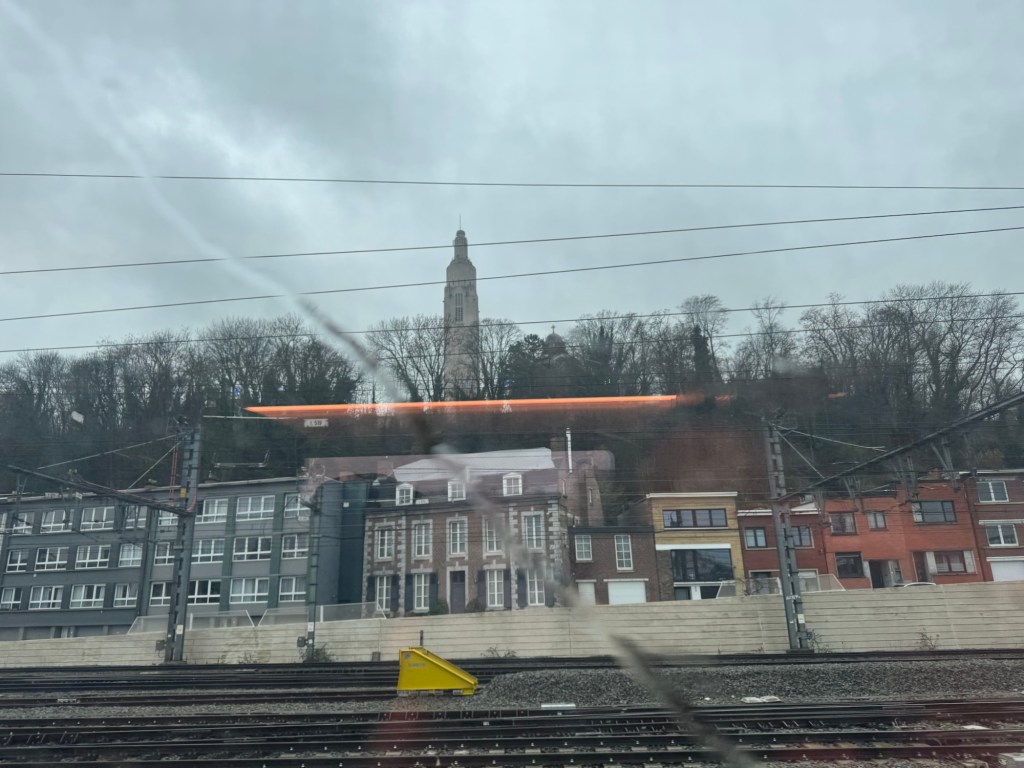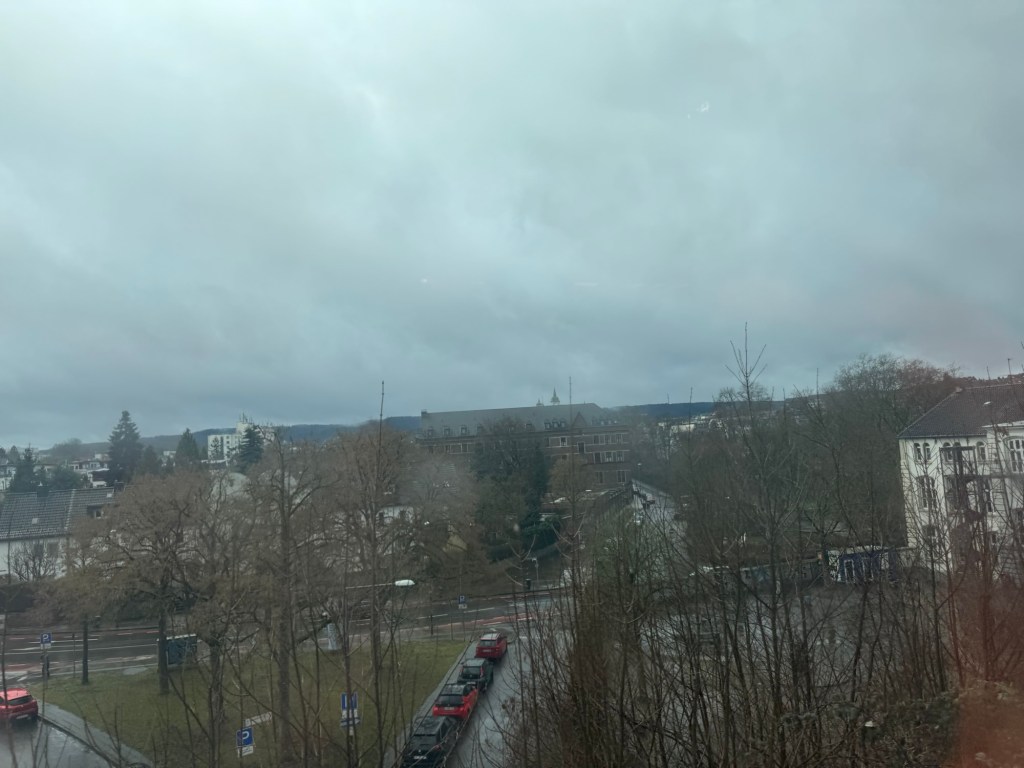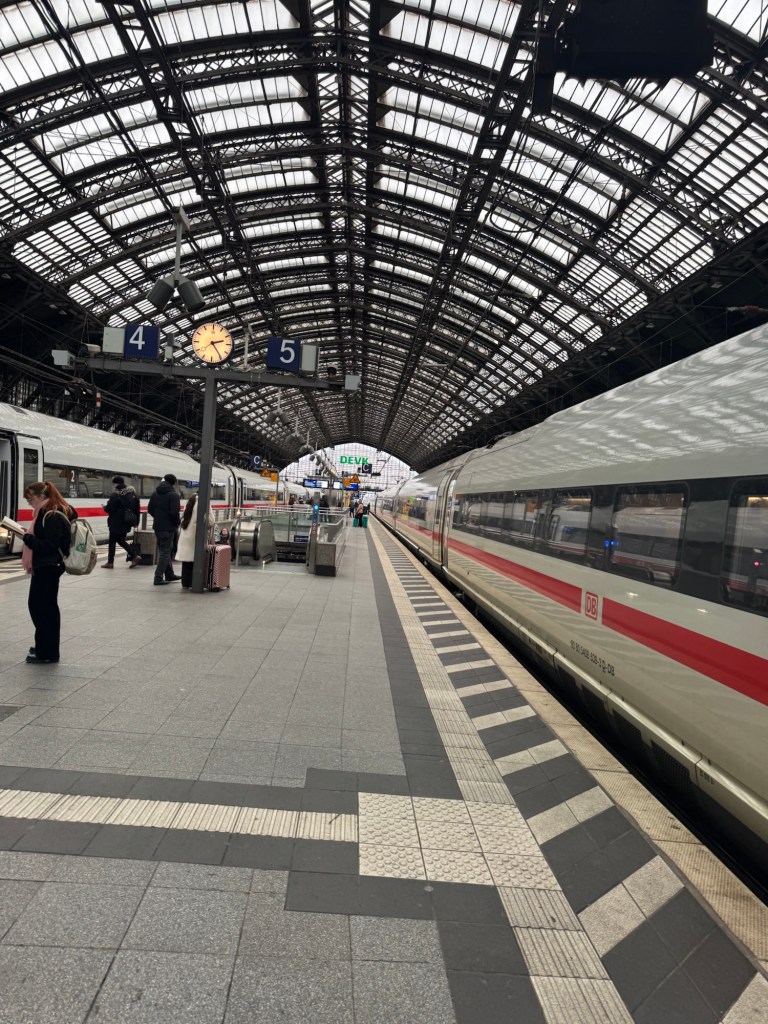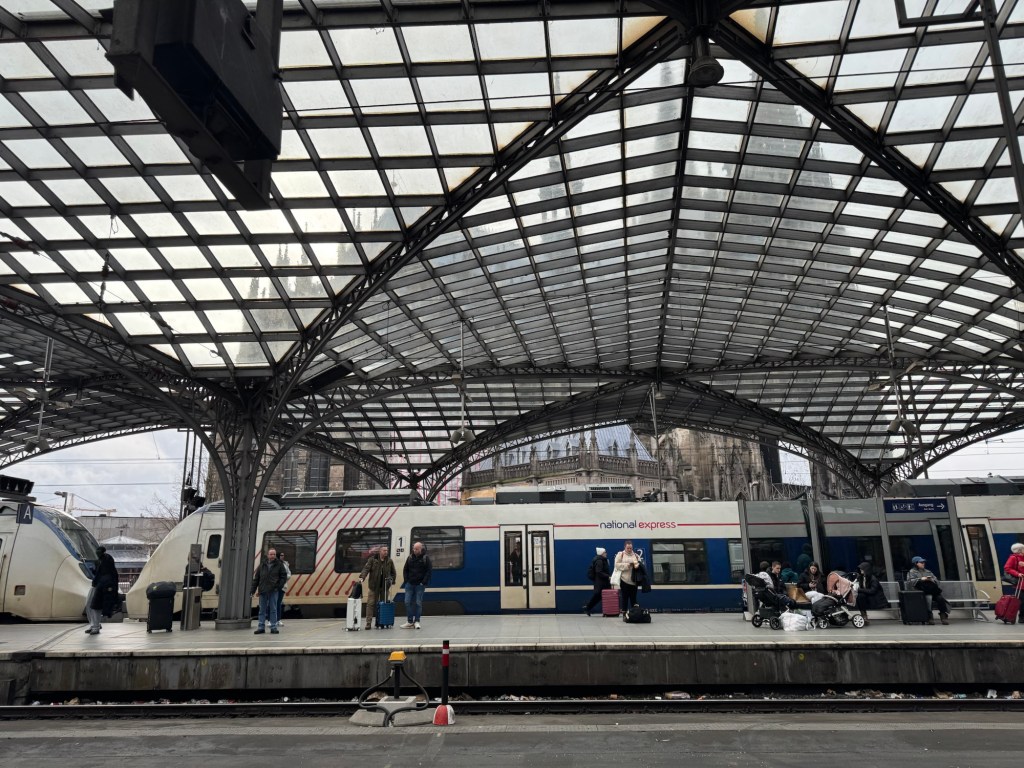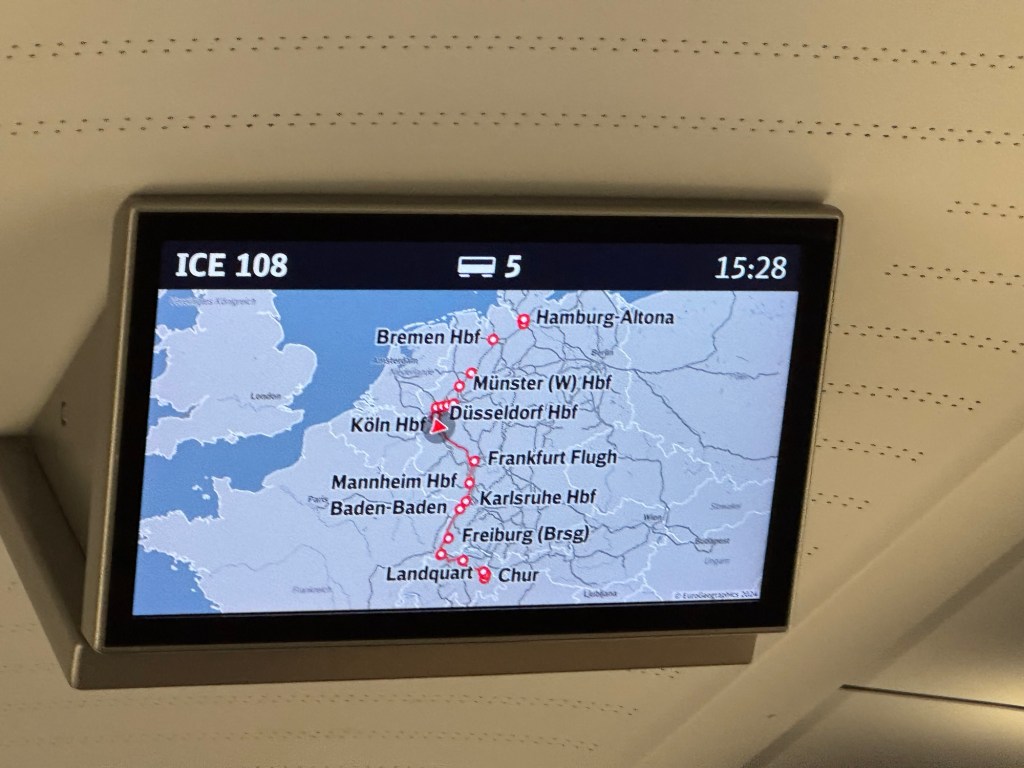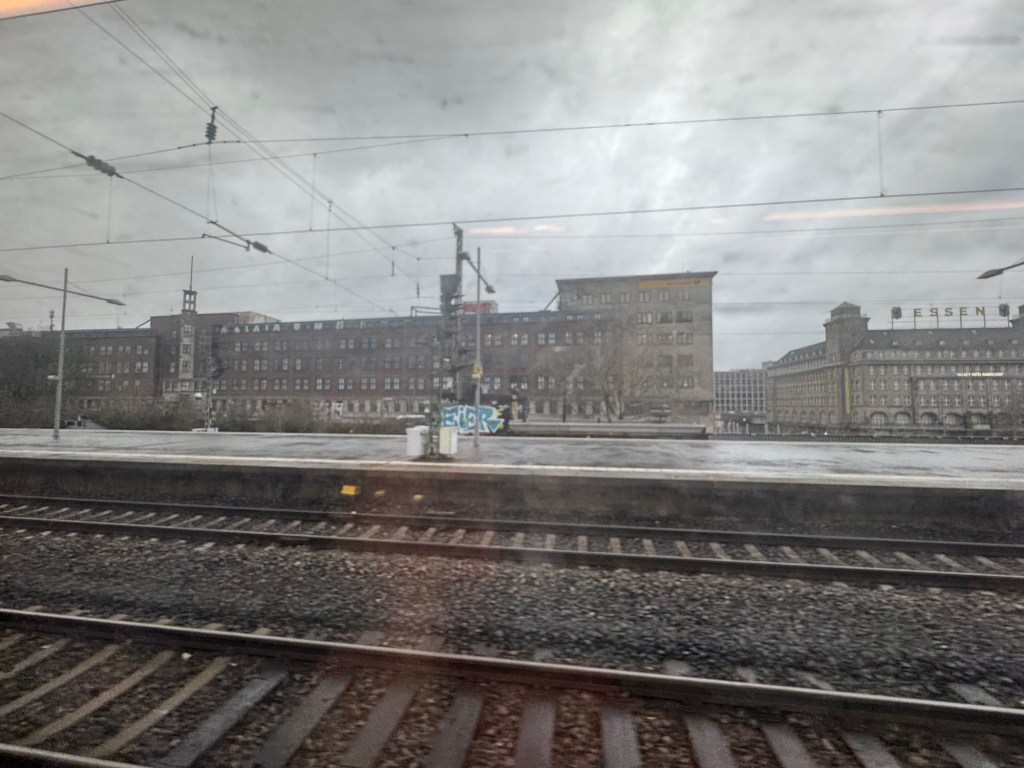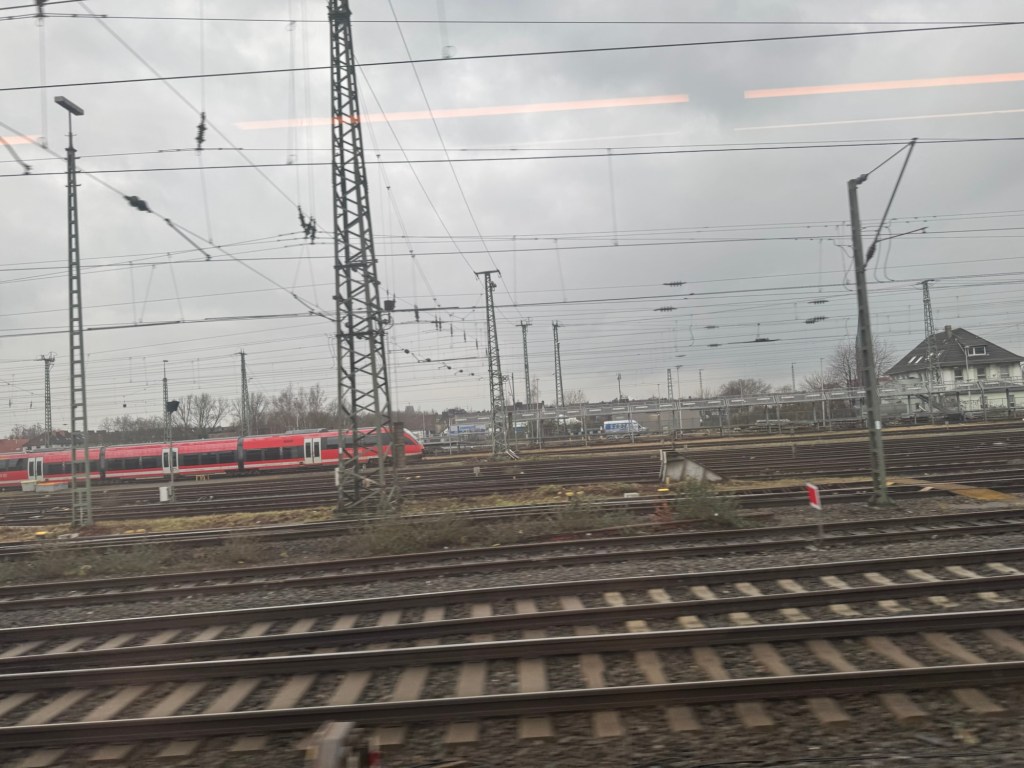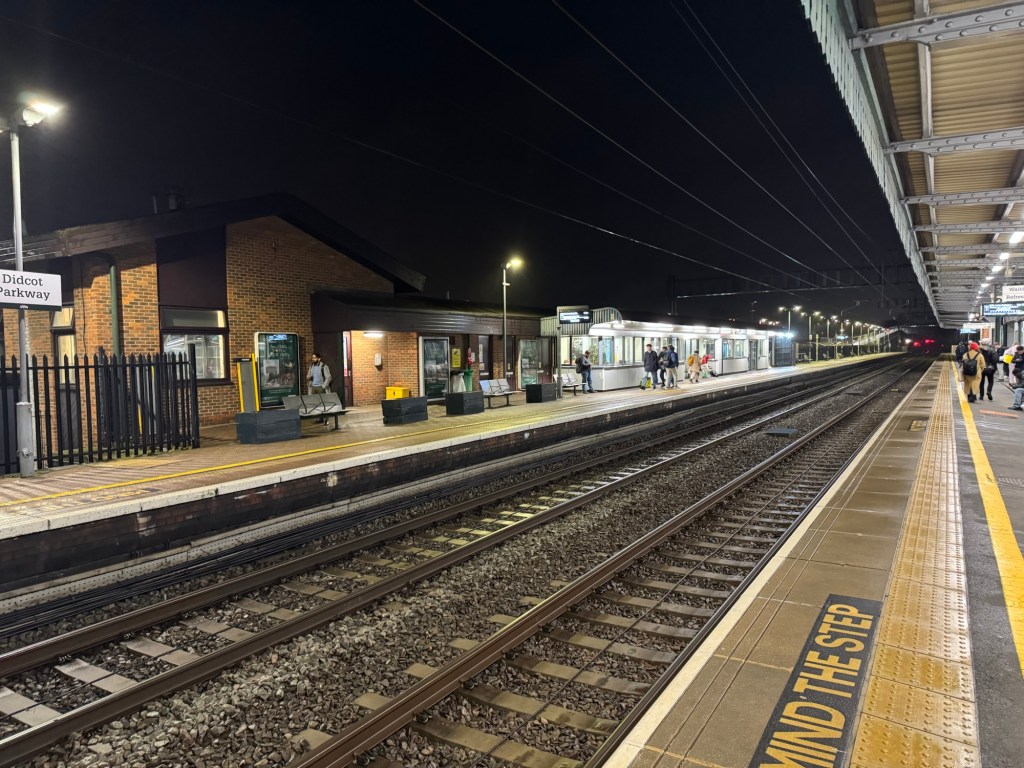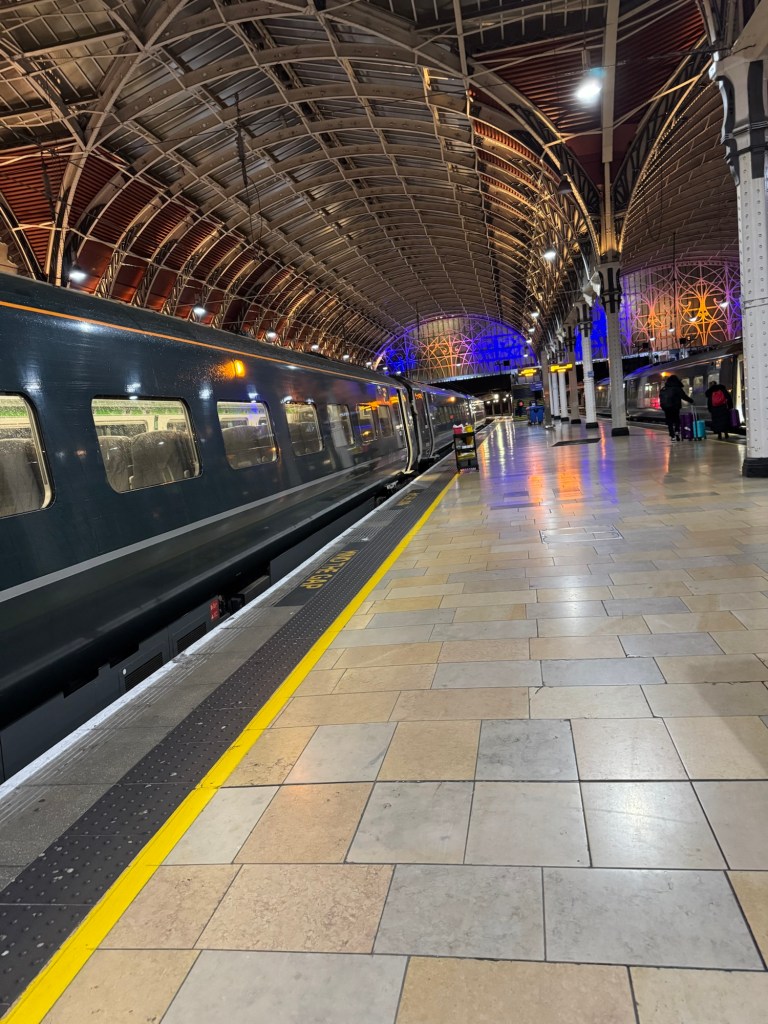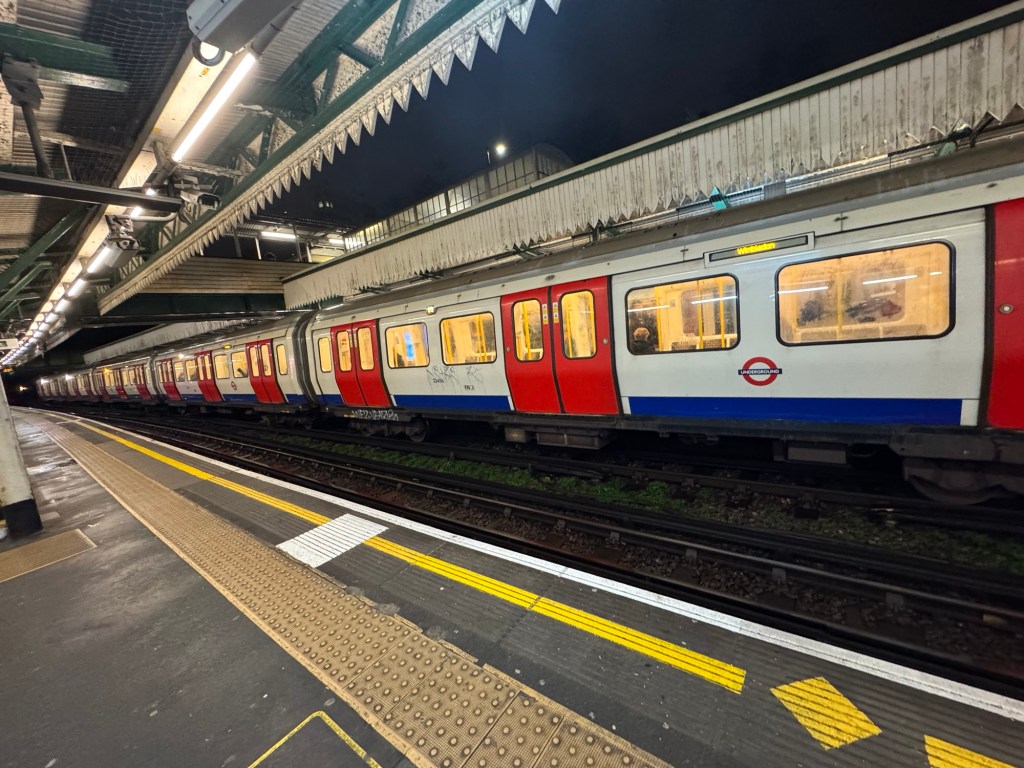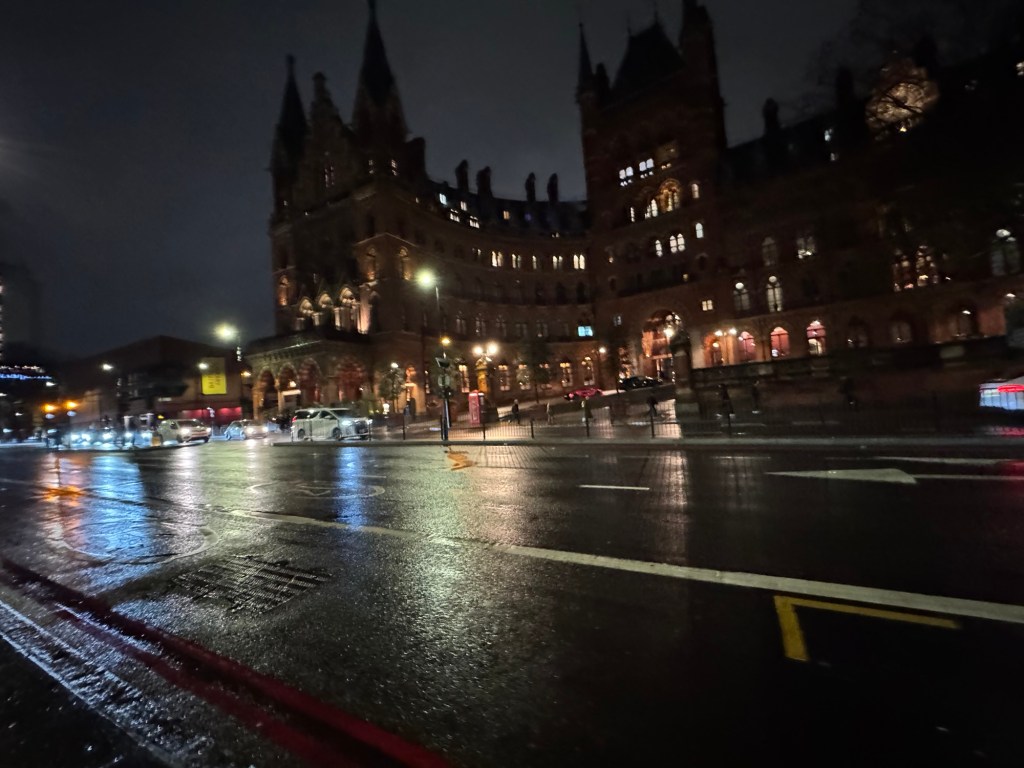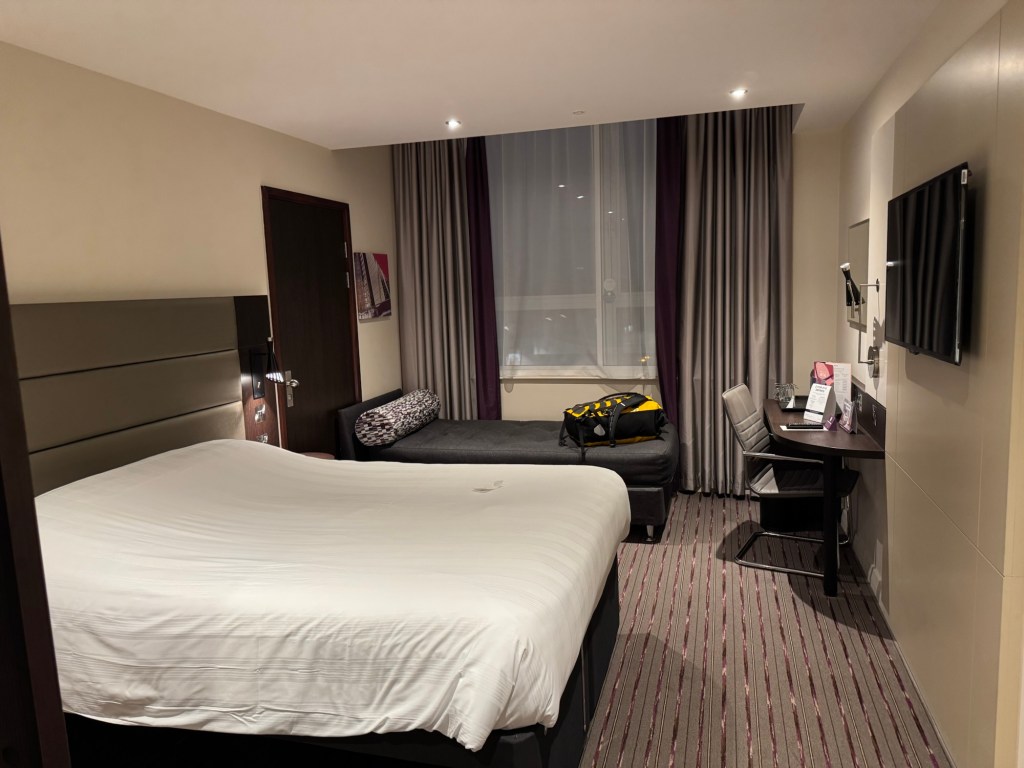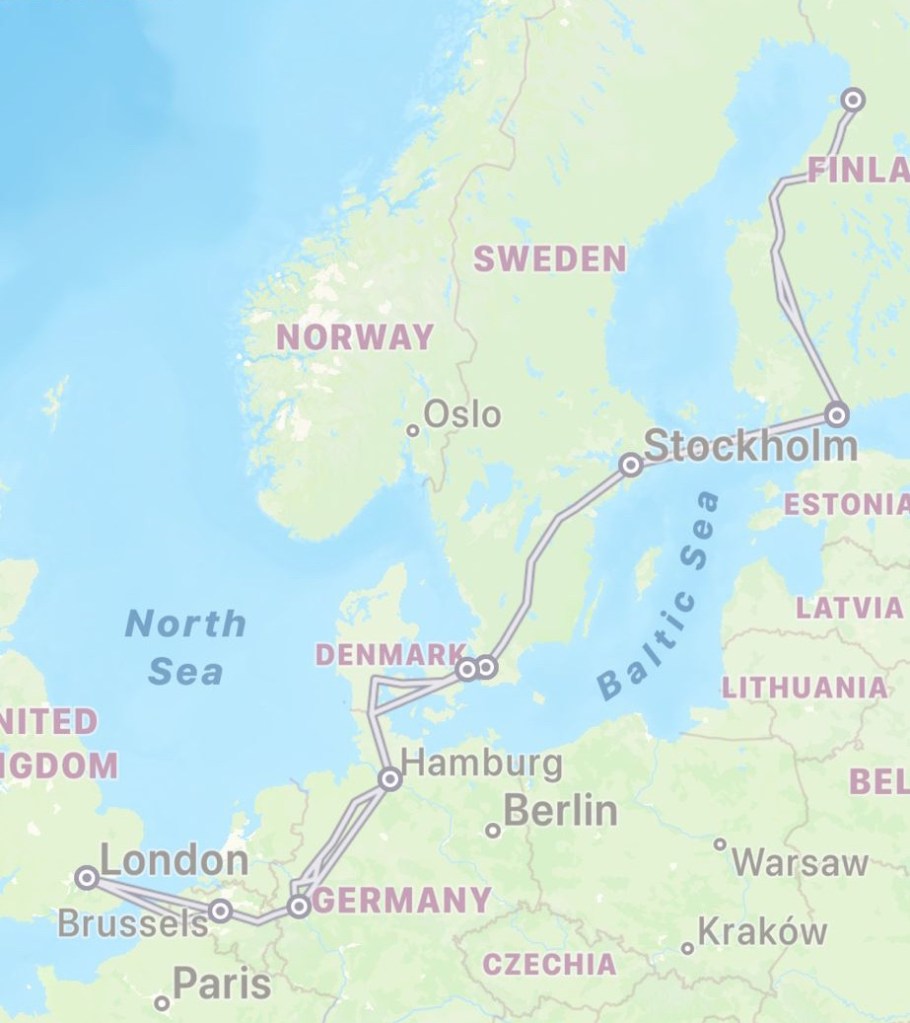


The train is delayed by trespassers.

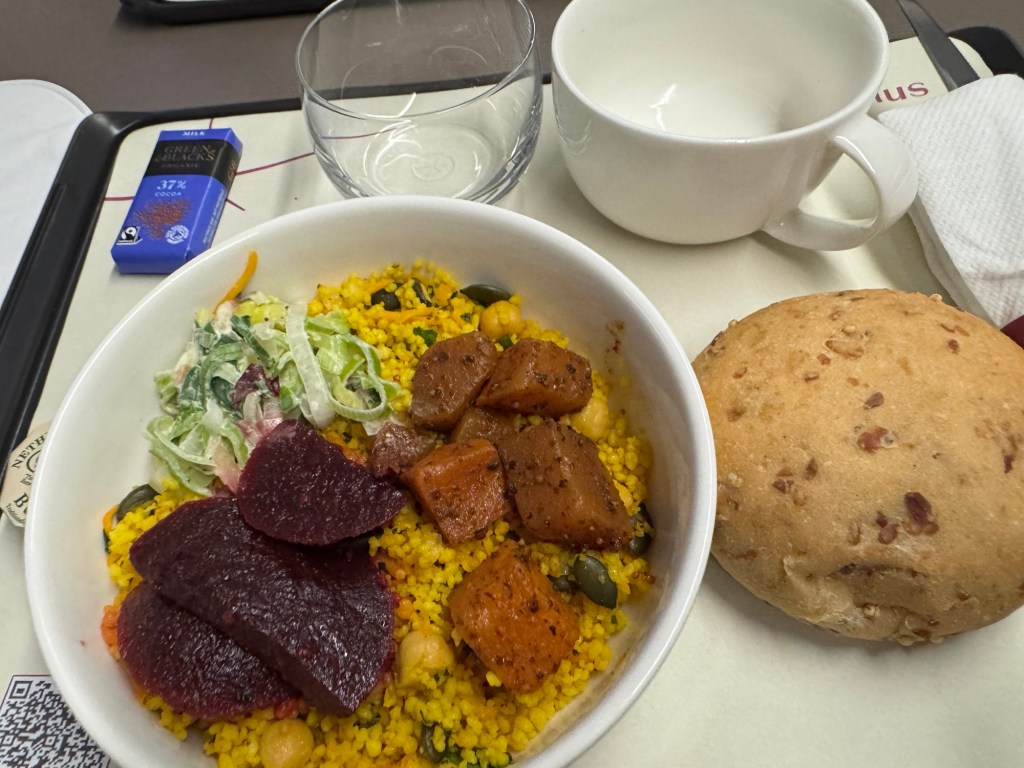
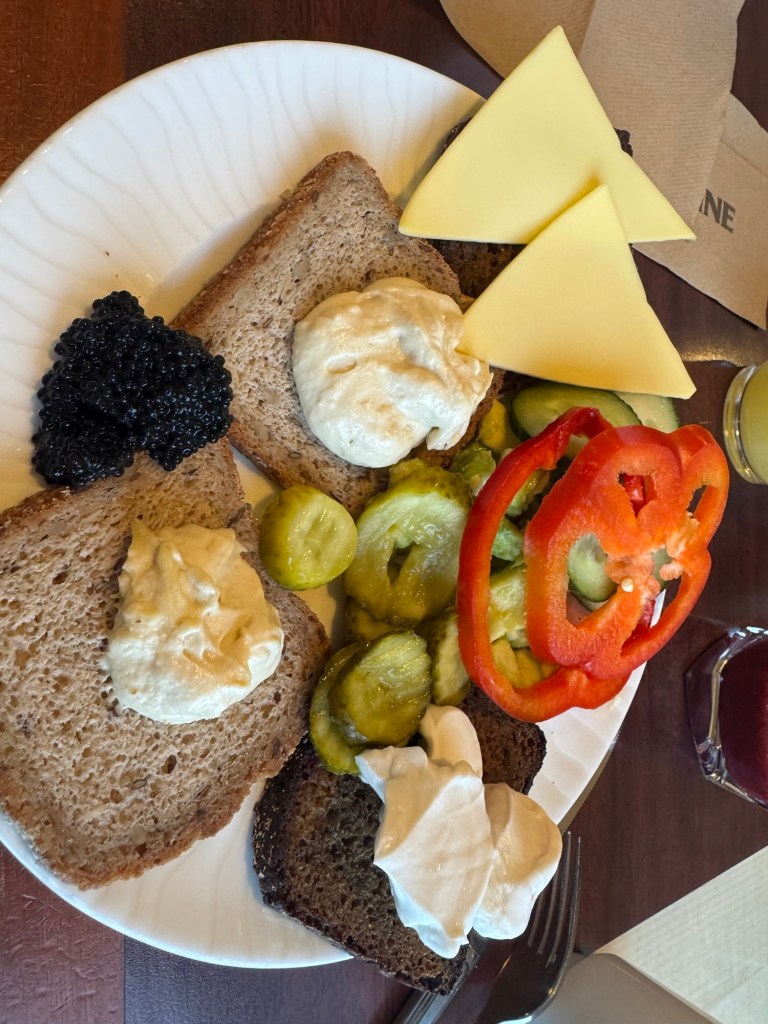
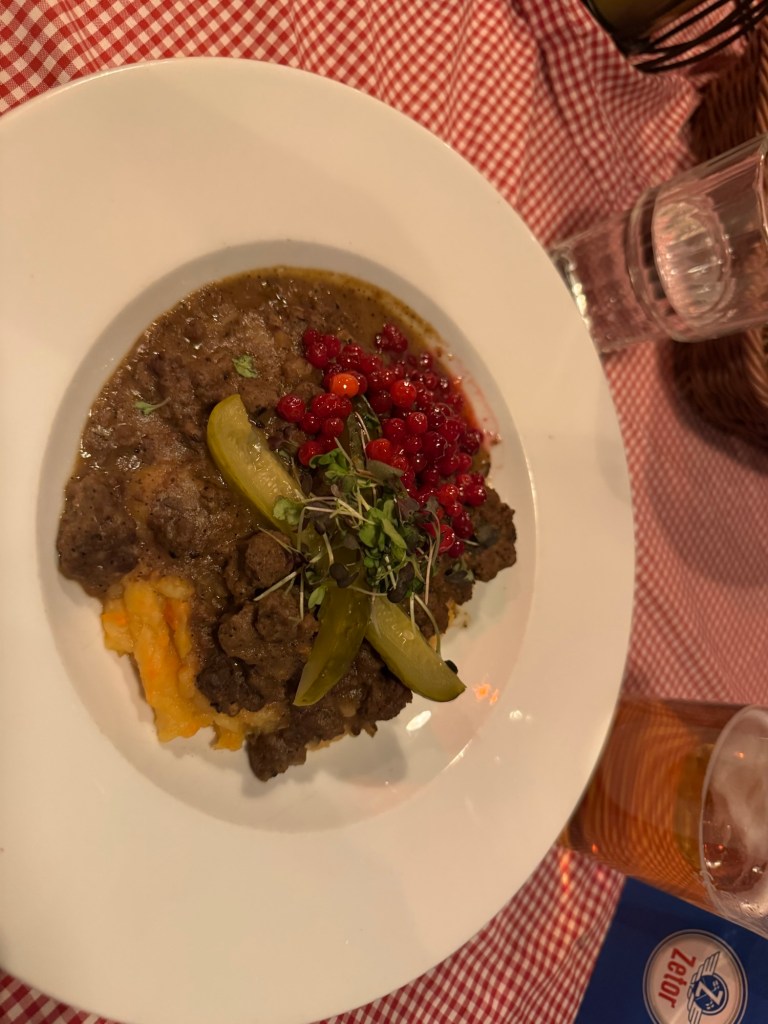
The delay meant I could not get a decent lunch.


The train to Edinburgh was delayed due to trespassers. However there was plenty of leeway to catch the connecting train, especially if I changed at Haymarket.


As we headed north the delayed train lost time rather than catching up.
We arrived at Haymarket. As I got off the train. I heard the Inverness train leaving. That added another hour to the journey. Why canât the trains cooperate to avoid these problems. It was minutes. And why was the Edinburgh train continually slowed down.

Time to kill so time to grab food.

Now this is when things got crazy.
I was looking at the display times for the trains on platform four. A man stumbled down the stairs grabbed hold of one my belt loops, span round out of control, falling off the platform, onto the train track. At that point my thoughts were , was a train coming, how do we get this man off the tracks, going down onto the tracks was not an option, too risky. We coaxed the man to his feet, and four complete strangers hauled the man onto the platform.. We restrained the man to stop a further incident.
I thought that the next train was mine, got on discovered it wasnât. After getting on the correct train I realised just how traumatic I had found the incident.


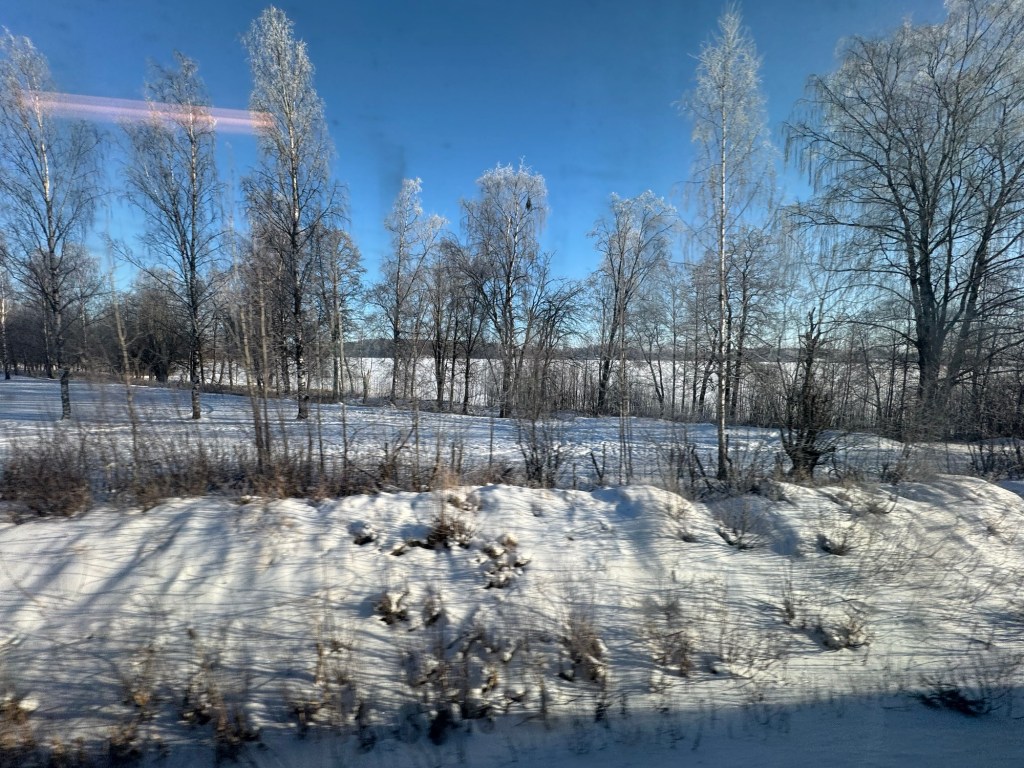
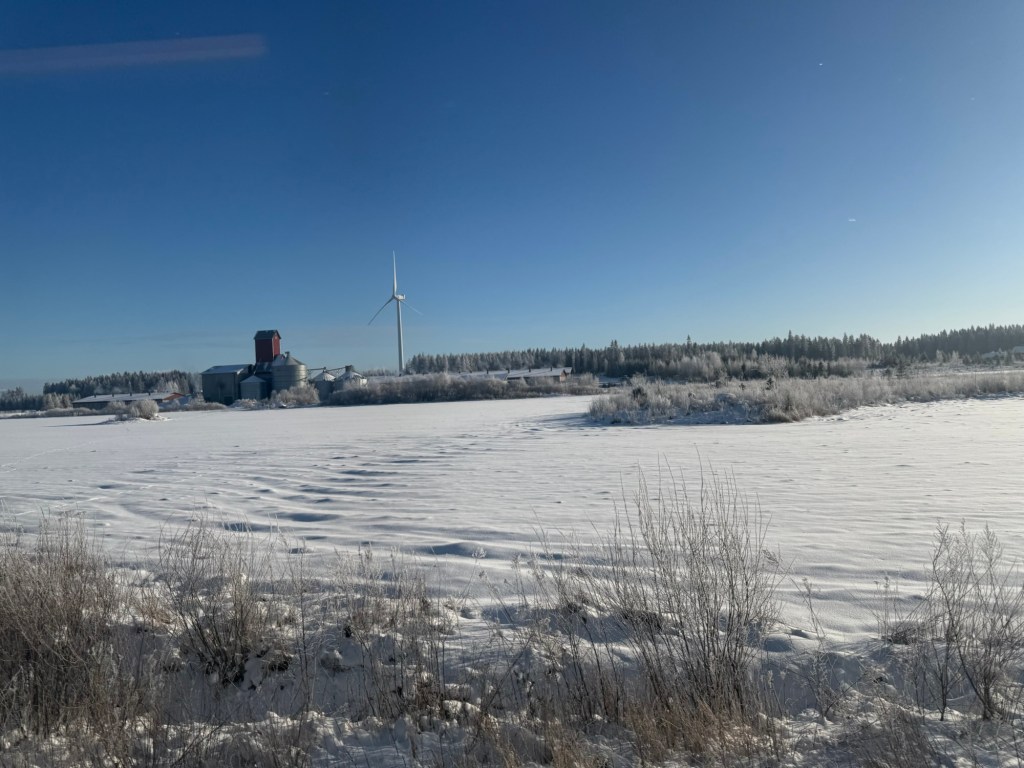
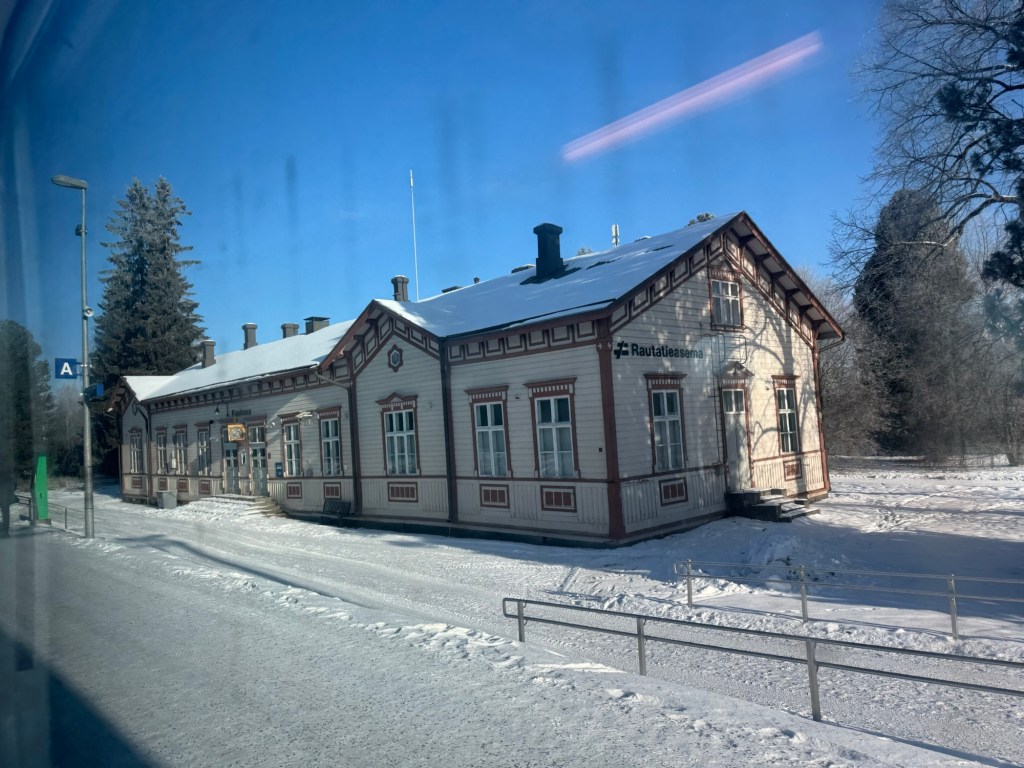
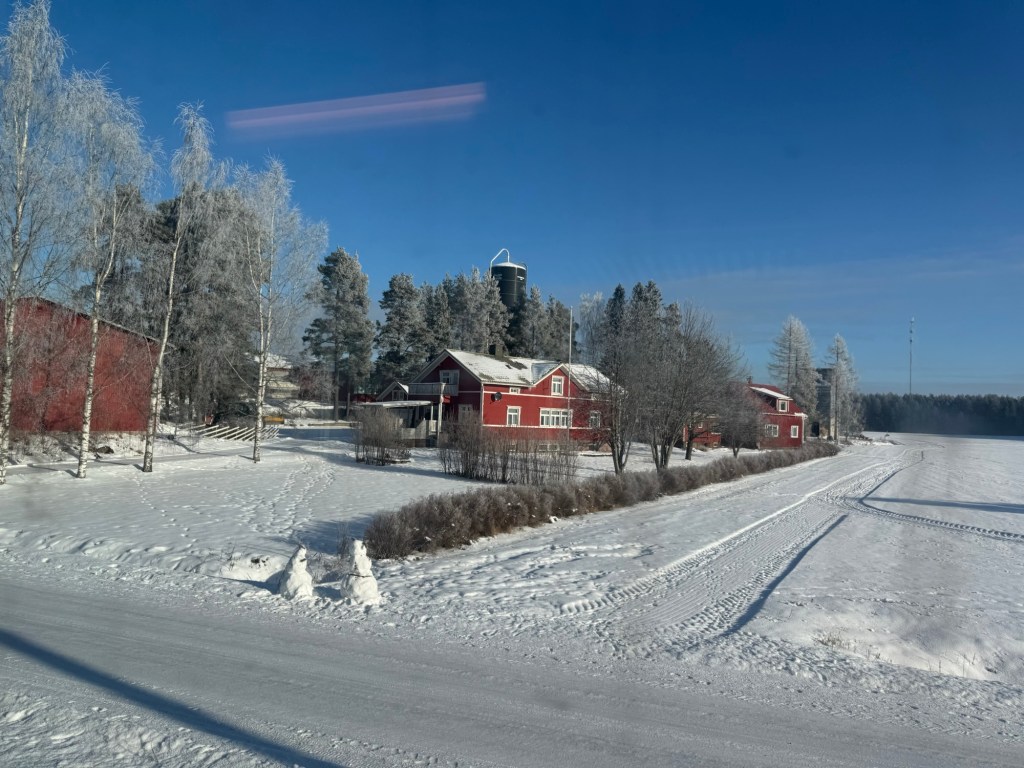
The problem with catching the late afternoon train in autumn is that itâs dark. No views.


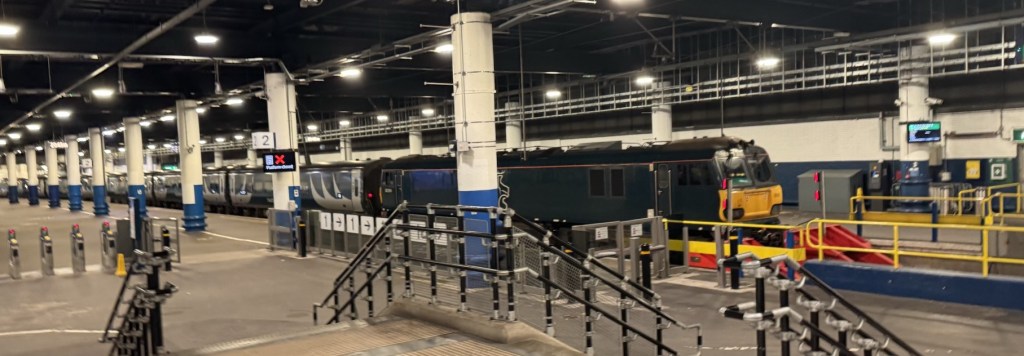
The ride from Euston to Paddington was less affected by the traffic lights than normal. As a result I managed to catch an earlier train to Reading.
Then on to Mortimer.


What a smooth journey, all the trains on time. No overcrowding. I had slept very well on the sleeper. A good journey.
And thenâŚâŚ
On to the train at Reading to Manchester Piccadilly. It was rammed. Totally overcrowded.
Things started going really wrong and confusing as we went to Oxford. Announced that we would have to change trains. Then announced we would not have to change trains but we needed to go past Oxford into a siding and then come back. A long wait in the siding then back to the station. Then it was announced we would have to change trains after all.
There was a signal failure near Banbury.
We crossed Oxford Station and caught a train towards Hereford, changed at Worcester, heading to Birmingham. This was bad as now I was due to be in Manchester two hours late.


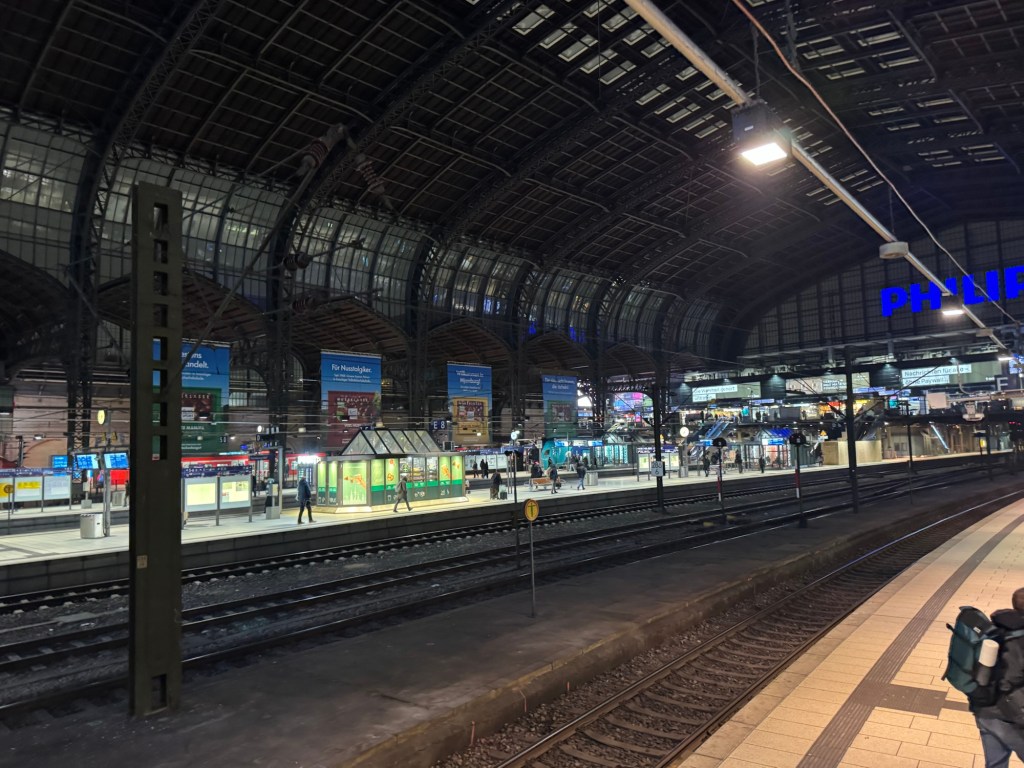
Change at Birmingham New Street. This is a very badly designed station. The signage is poor. Very confusing, The ugly side of architecture.
More delay due to trespassers on the track. The train had to go slow as a precaution.


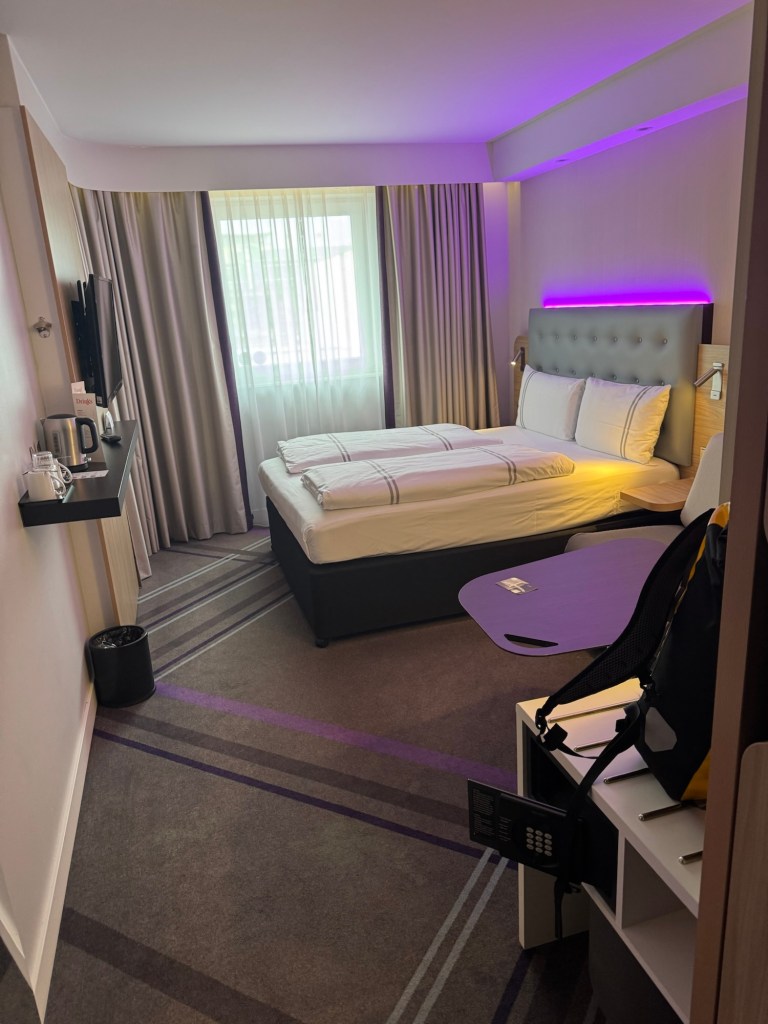
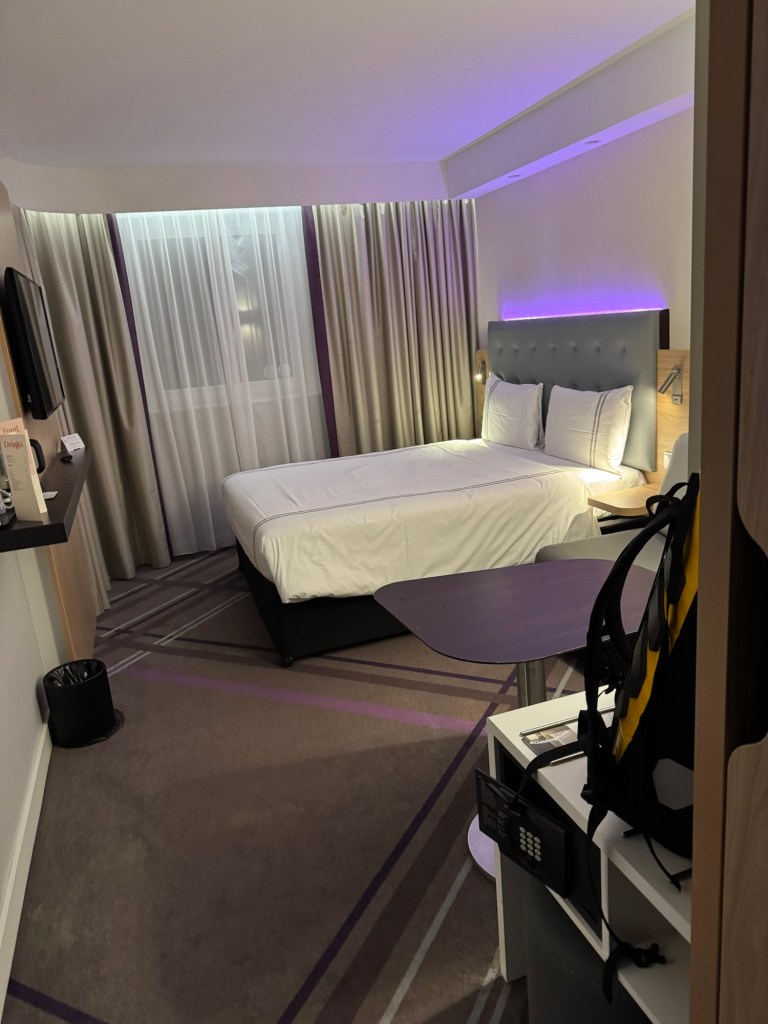
The Premier Inn is a quarter mile from the station.

First time traveling in a long while with a non-folding bike. The chief difference is that I had to book the bike on most of the trains, including the far north line and the sleeper.
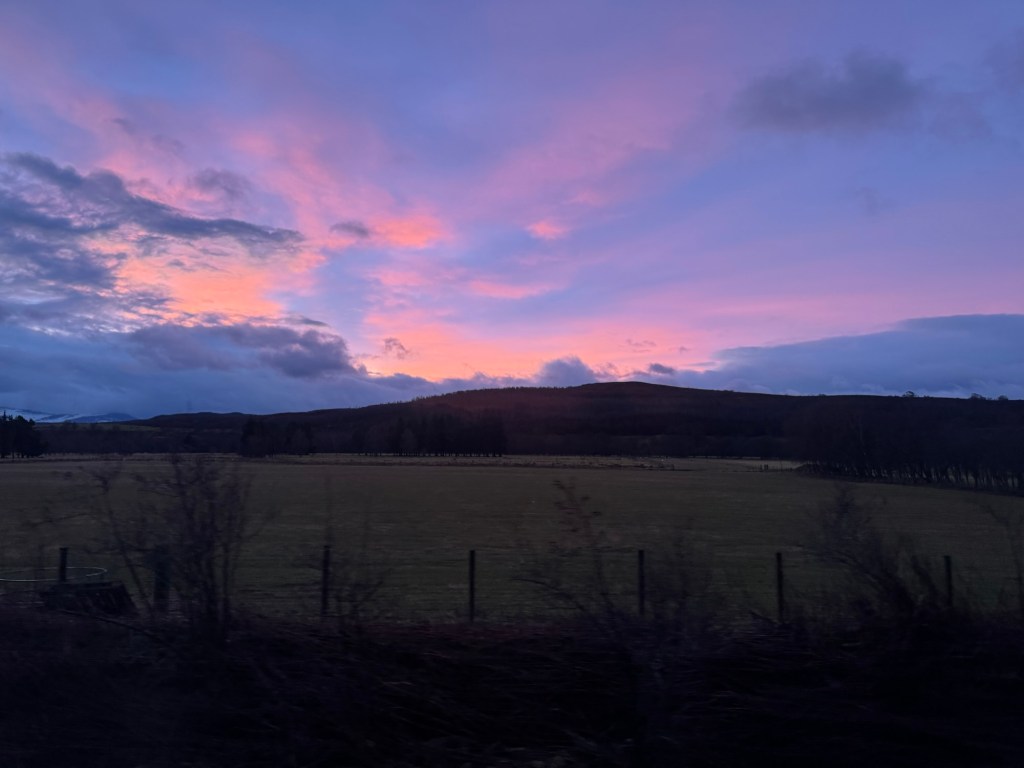
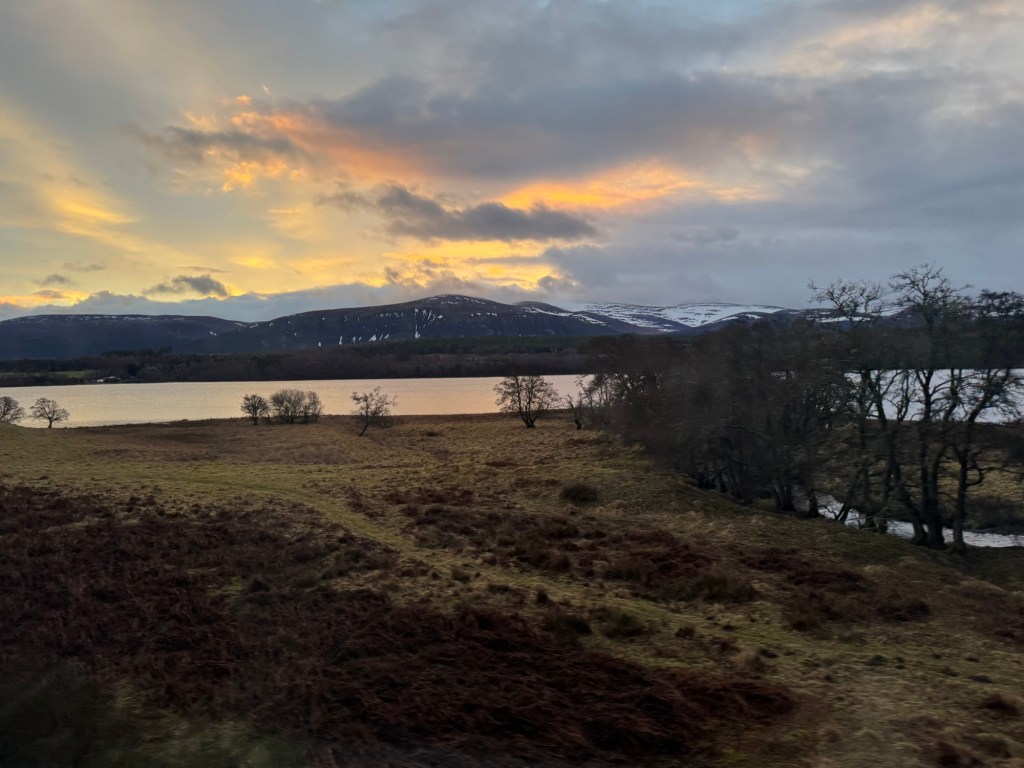
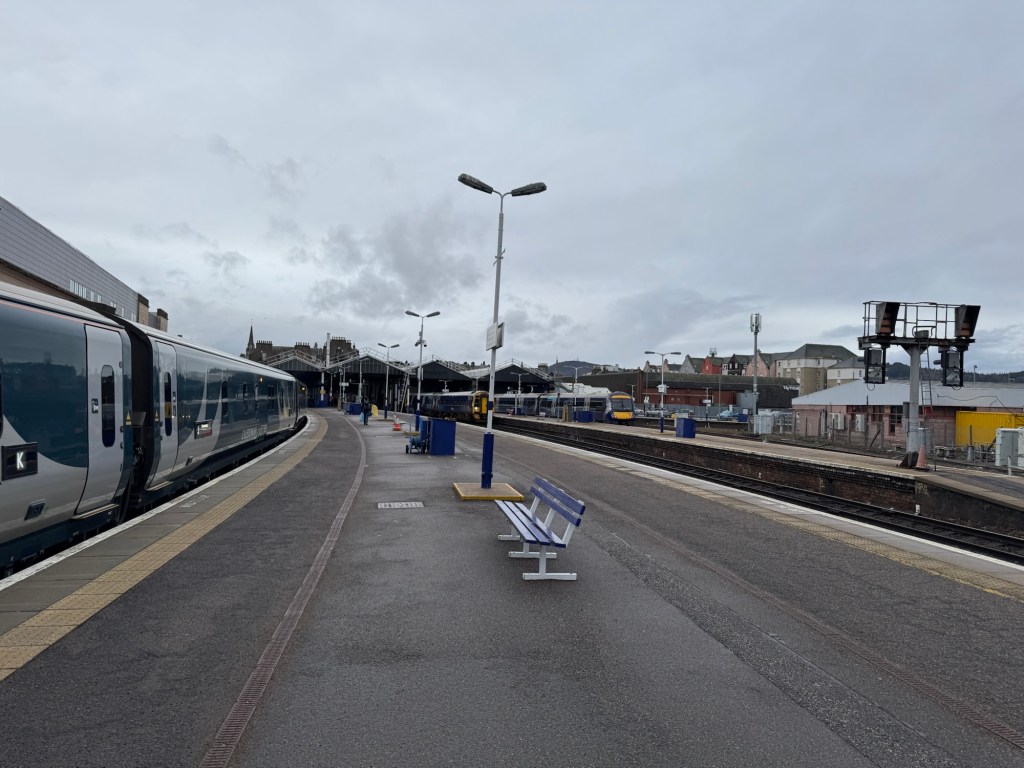
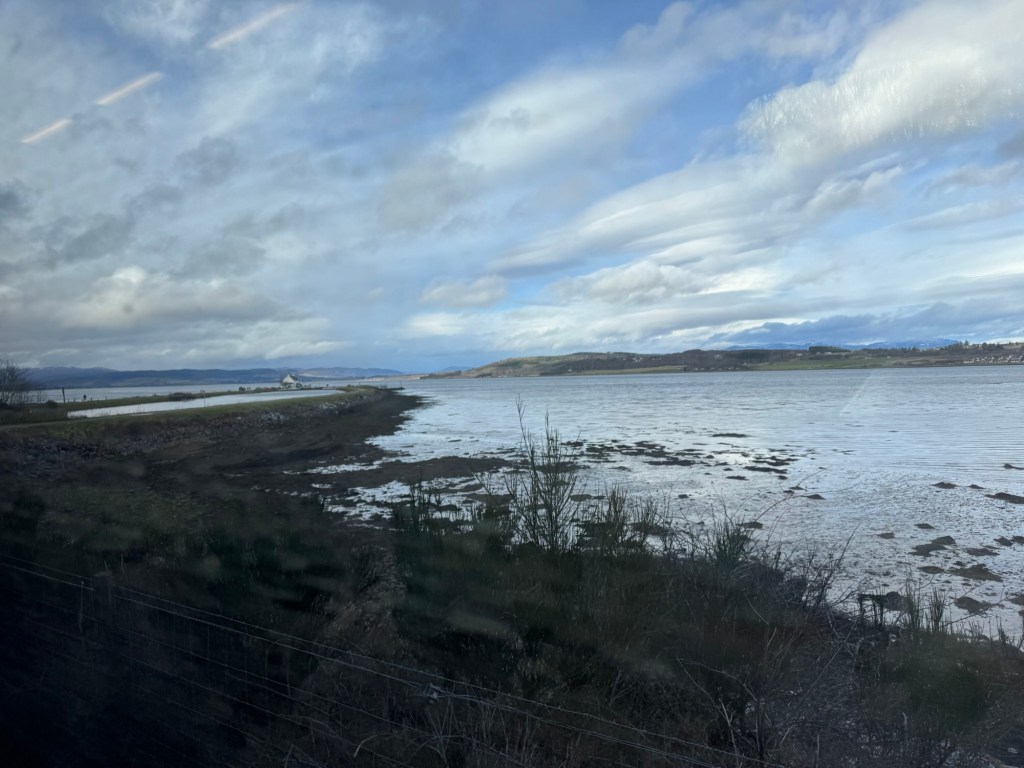
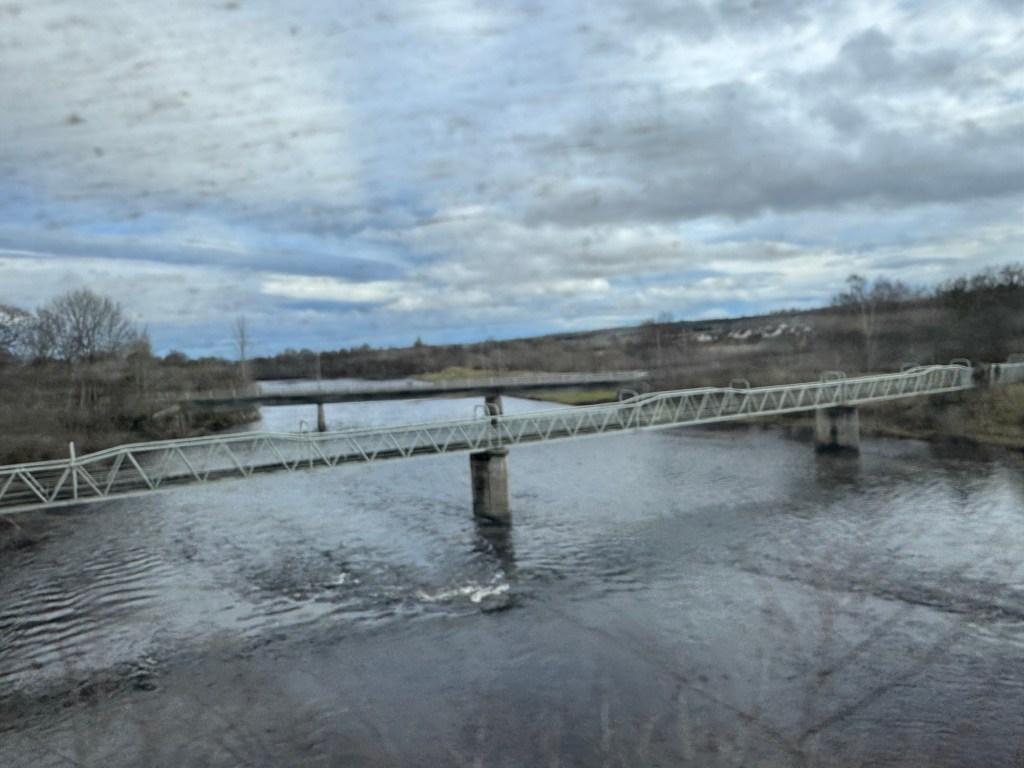
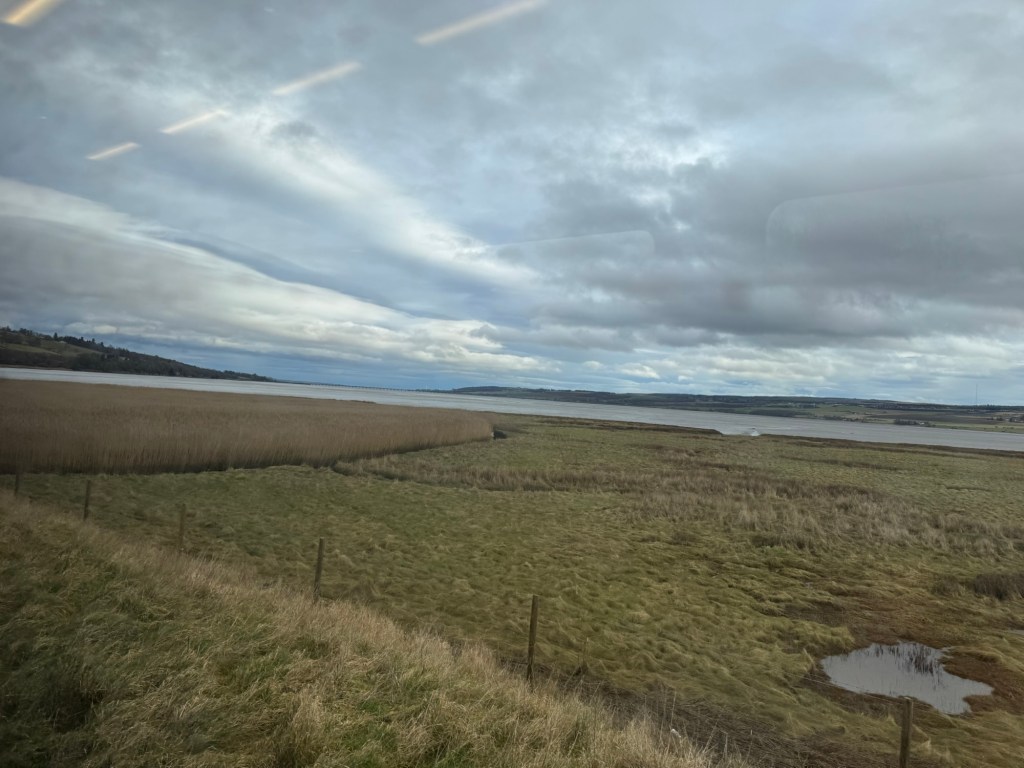
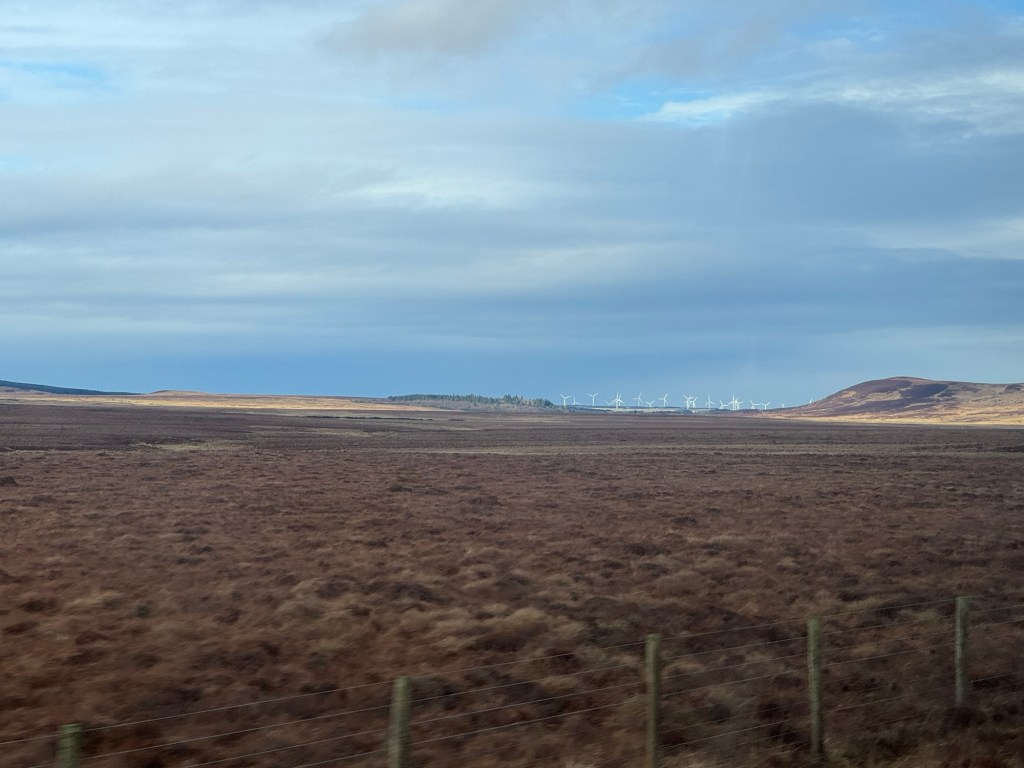
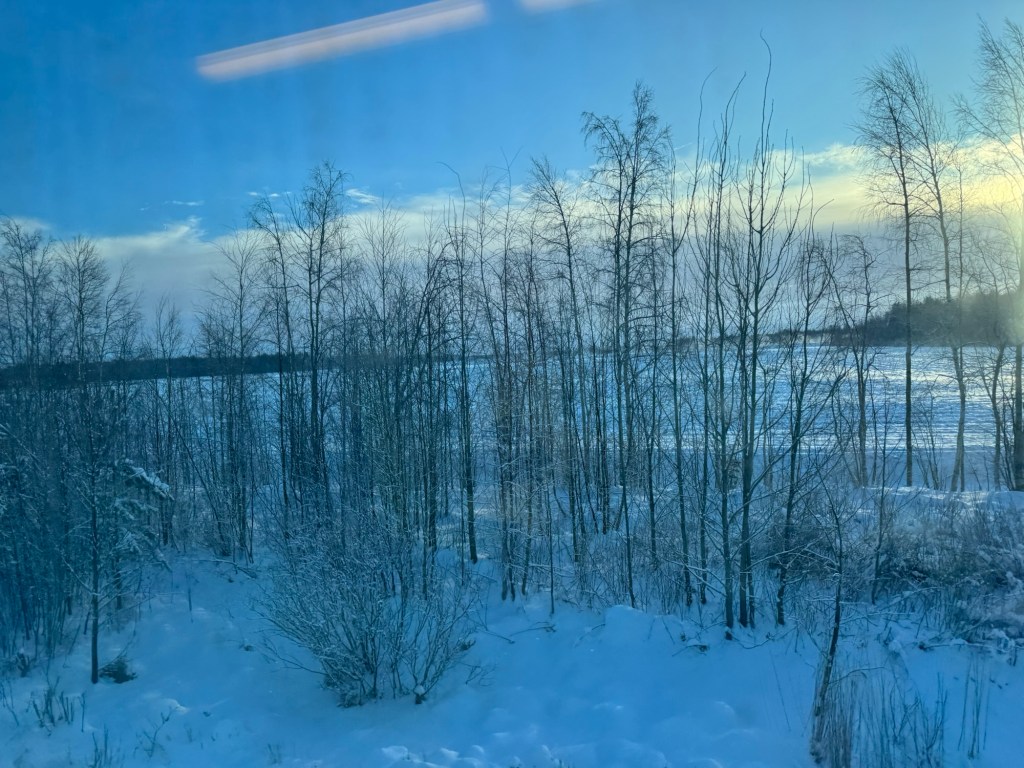
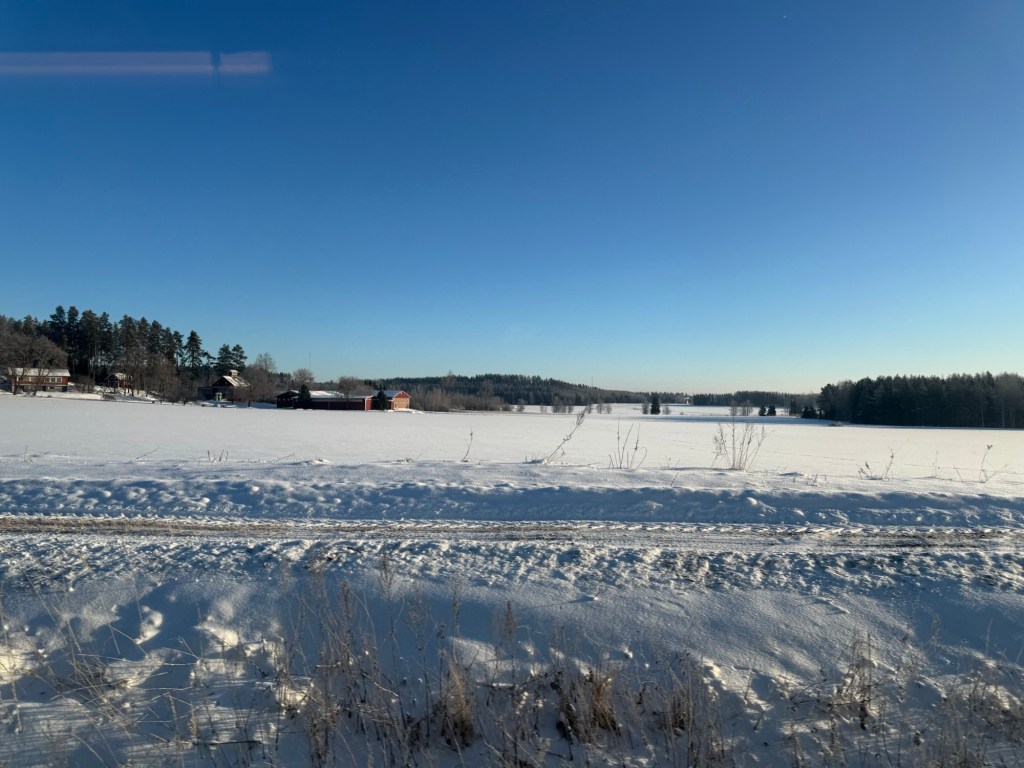
A stunning train ride to Inverness.


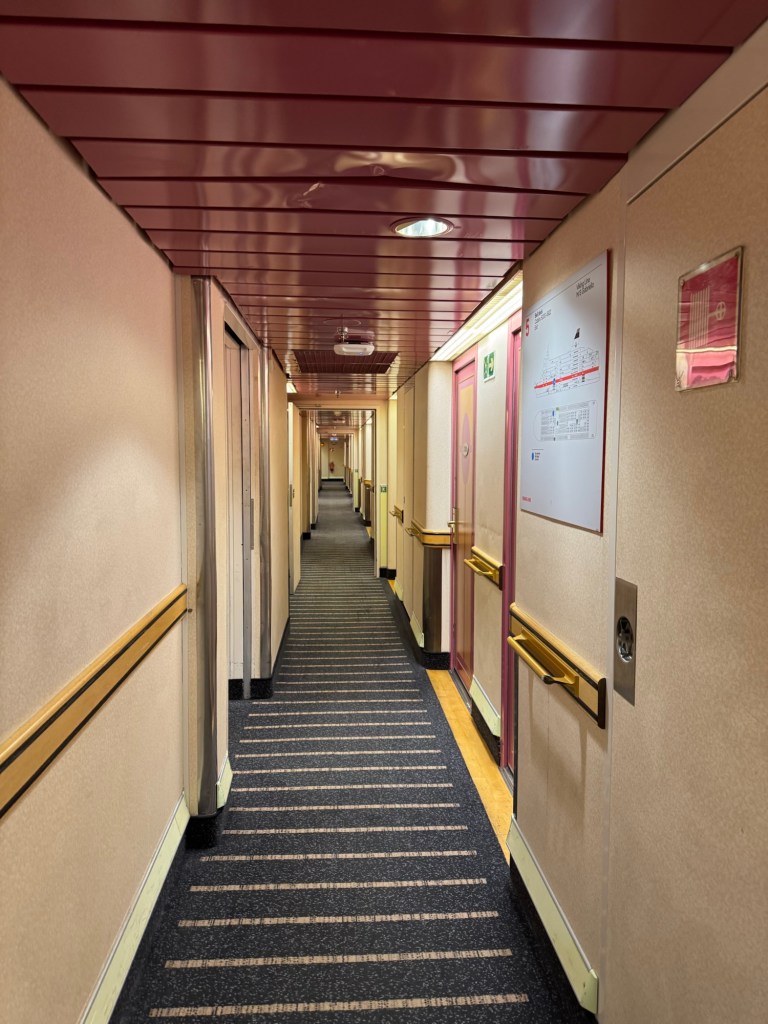
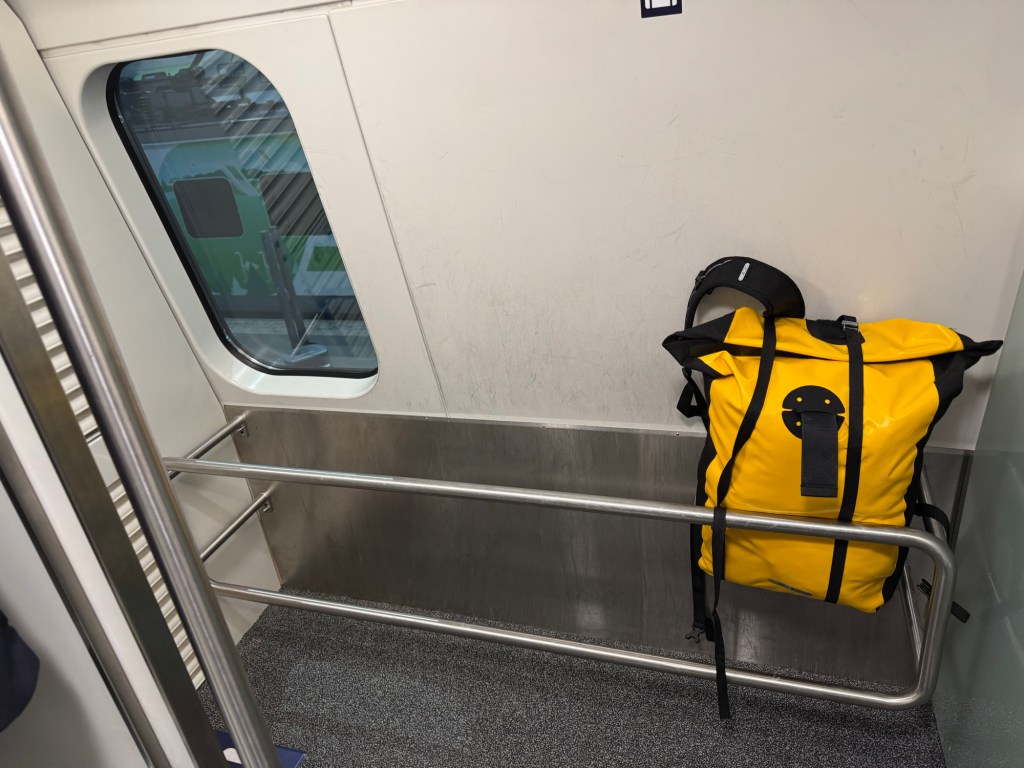
The bike went into a room on a carriage for bikes and large luggage. Not sure about the way the bike is hung up.


Interesting ride, an impressive number of cyclists on route to work, some with no road sense. One, who was on my right, turned left across my path without looking or signalling.


Nice to be the fastest for a change. Faster than the bikes and the cars đ.

Some jeopardy getting onto the SWR train, as they donât do bookings for bikes. Will I get a space?


It only required three trains to get from the north coast of Scotland to the south coast of England. Weather good all the way,
It is Bike Week 2025. https://www.cyclinguk.org/bikeweek.
There are a lot of misconceptions out there. This bike week I addressed a few of them. This is my last blog post on the subject, for now.
In many western countries society is skewed in the favour of cars. In the UK we have allowed cars to dominate city and town centres. This has led to many negative effects, high levels of pollution, particulate, noise and visual. Plus there is the ever present danger of injury from vehicles. We are now afraid to allow children to travel on foot or by bicycle on their own. Even parked cars take precedence over children playing. God forbid a car is accidentally damaged.
In the US, itâs worse. Who came up with the idea of jaywalking as an offence? Too many lawsuits against errant drivers? So criminalise the victims. In the UK pedestrians take responsibility for their safety and decide when to cross. In Germany the onus is on the driver. In Budapest often the drivers ignore the red lights at pedestrian crossings. In busy cities it is frustrating crossing the roads, you have to wait for the green man and watch for cyclists jumping the red lights.
The UK has made an effort to rebalance. The Highway Code has introduced the idea of the more dangerous you are the more responsibility you have. When turning left cars have to give way to cyclists and pedestrian, cyclists have to give way pedestrians. This is the opposite of might is right. Low emission zones and traffic free areas have helped improve safety and reduce pollution.
Low speed limits in built up areas, 20 mph in the UK makes life far more pleasant for pedestrians, cyclists and motorists. Reduced noise and pollution, increased safety, whatâs not to like. There is still a large minority of drivers who donât think the rules apply to them. Enforcement is an issue, but when I am driving in a 20 mph zone, all the vehicles behind me obey the speed limit đ.
But even in higher speed limit areas, what could be round the corner? Drive so that you can avoid mowing down the mother with pram forced to walk on the road with no pavement, who could be round the blind bend.
There seems to be a lot of overly noisy people including some politicians who object. Whatâs not to like about increased safety and health? Unfortunately there is a sense of entitlement amongst some drivers, nothing must impede their speed. News for you, you are not that important.
Some politicians try to create a phoney argument with phrases like âwar on motorists â, a typical populist approach to gain traction with an over simplified statement with no substance or merit. There is no war on motorists in this sense, just a push to make life better for people.
There is a kind of war on motorists in the UK, and all other road users. You can see the craters everywhere on the roads. Lack of maintenance a false economy. Today I hit a pot hole on my bike and ended up with a puncture.
Could things get more skewed across the world as driverless cars come into use? The offence of jaywalking makes it far easier to have poorly performing driverless cars on the road. Policy makers in all countries, protect people first, not car makers.
The UK has improved, you can see that in driver behaviour, but has more to do. Donât allow repeat offenders to stay on the road. Speeding, reckless driving should be treated more seriously. Change the attitude of drivers so driving too close to cyclists and pedestrians and other vulnerable road users such as horse riders is absolutely frowned upon. Make towns and cities safe for people, especially children.
One of the common moans about cyclists, is that they donât pay road tax. This is true, but no road users pay road tax. But owners of motorised vehicles do need to pay a vehicle tax https://www.gov.uk/vehicle-tax-rate-tables. There is no requirement to pay a vehicle tax for a bicycle. This makes sense as for newer vehicles the vehicle tax is related to how polluting a vehicle is. Bicycles produce next to no pollution. Even electric cars pollute, the brakes and tyres produce particulates.
I am going to look at the tax situation from a different angle.
Most adult cyclists do pay tax which contributes to the upkeep of roads, itâs called income tax. Given the extreme low levels of damage to roads from cyclists and the extremely low level of pollution from cyclists, it seems unfair that cyclists pay as much income tax as drivers. People who do not own motorised vehicles are subsidising the owners of motorised vehicles. Cyclists who reduce their motorised vehicle usage due to cycling should be thanked for reducing their contribution to causing pot holes.
There is of course taxation on petrol and diesel. But given the damage to peopleâs health and to the environment from vehicle emissions , I suspect that this is not enough.
Thank you cyclists, a group who are actually reduce the tax burden.
If course you can! The Highway Code even says in some circumstances it is better to do so, when in groups or riding with children. Itâs easier to overtake a group of cyclists close together than strung out.
This is what the Highway Code says : âbe considerate of the needs of other road users when riding in groups. You can ride two abreast and it can be safer to do so, particularly in larger groups or when accompanying children or less experienced riders. Be aware of drivers behind you and allow them to overtake (for example, by moving into single file or stopping) when you feel it is safe to let them do so..â rule 66.
But, as the rule says, cyclists should also be mindful of the traffic and make it easy to overtake, when safe. We should all be kind and considerate to each other.
It is Bike Week 2025. https://www.cyclinguk.org/bikeweek.
There are a lot of misconceptions out there. This bike week I thought that I would address a few of them.
In the U.K. this is not true, as rule 61 of the Highway Code says.
Referring to cycle lanes and cycle tracks âWhile such facilities are provided for reasons of safety, cyclists may exercise their judgement and are not obliged to use them.â
The Highway Code defines what cycle lanes and cycle tracks are, they are different.
A cycle lane is marked on the road, with either a solid line or a broken line. Vehicles cannot drive in cycle lanes marked by solid lines or park in them. From my observations this is not observed. A cycle lane which is only half a meter wide are worse than useless. Thereâs not enough space between the bike and the vehicles, and does not comply with Highway Code rule 72. I recently saw useless cycle lanes of this nature in Guildford and Wallingford. This is the part of the road which collects debris.
Cycle tracks are routes physically separated from vehicles, so, they should be good. Unfortunately in the UK they are often poorly designed, with dangerous entry and exit points, obstructions, debris, poor surfaces and no right of way when crossing side roads.
Why would a cyclist not use cycle lanes and cycle tracks? For the reasons described above, the UK cycle infrastructure is often useless. The UK needs to look abroad to see how to make proper cycle infrastructure.
When cyclists are a topic on social media there are always those shouting their condemnation because all cyclists are law breakers, according to them. But does this stack up?
Anecdotally, on my commute to work I see no cyclists breaking the law but I see plenty of drivers breaking the law, either contravening the double white lines or speeding.
If you look online there are plenty of studies showing drivers break the law, in their respective countries, far more often than cyclists, so why is there this apparently unwarranted demonisation of cyclists? Probably because when cyclists break the law, usually by running a red light, they are visible.
Speeding drivers are less obvious and there appears to an acceptance among a large minority that this is ok, to an extent that many complain about speed cameras, âitâs a money earnerâ. Itâs actually easy to avoid being caught by a speed camera, donât speed.
Drivers of vehicles cause far more damage when they have a collision than a cyclist, they are far heavier and far faster. Non compliance with the law by drivers is far more consequential.
When I have cycled through London, I have wondered why cyclists jump lights đŚ, a bad idea as this could end in death. Cycling between Euston and Padding, I add 25% time wise to the journey waiting at traffic lights. However I am still faster than the motorised vehicles.
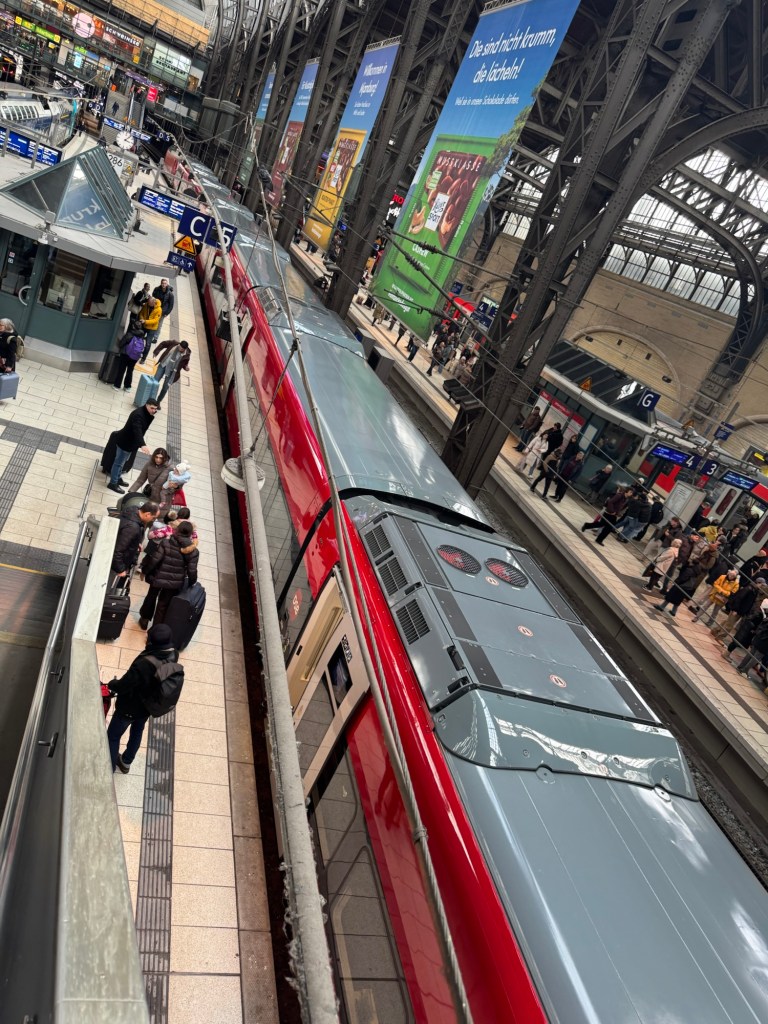
It appears that both cyclists and motorists have impatience in common.
Cyclists are an easy target. Mostly harmless, mostly law abiding, but a minority. This is what is known as prejudice.
Car drivers moaning about cyclists feel free to keep complaining if you have never contravened the law while driving, otherwise be quiet.
The sound of silence!
It is Bike Week 2025. https://www.cyclinguk.org/bikeweek.
There are a lot of misconceptions out there. This bike week I thought that I would address a few of them.
You are driving along and thereâs a bike in front of you going at a slower speed. Impatience builds, you canât get past. Bl**dy cyclistđ¤Ź.
In reality you may have a perceived delay of a few tens of seconds. But as you speed on to the next queue of vehicles , where you lose minutes, the bike made no difference. And why canât you overtake the bike? Because of the oncoming traffic. The problem is the excessive number cars not the bike.
But itâs worse! In 2024 the average UK driver lost 62 hours due to traffic congestion. Thatâs more than two and a half days. In London thatâs 101 hours. Thatâs a lot of time spent staring at someoneâs rear bumper. Look for INREX 2024. This is due to excessive number of motorised vehicles.
Traffic also delays pedestrians, you canât get across the road due to the traffic wizzing past. Cars also delay cyclists, sometimes itâs impossible to get out of junction due to the traffic. The congestion also gets in the way of emergency vehicles.
I have had cars overtake me while I was cycling, stopping just in front of me, to turn right, which they canât due to the oncoming traffic. Its then tricky to get past the immobile blockage on the road. Waste of my time and very rude.
There is another cost of congestion. Pollution! Shortens the lives of the drivers and the non drivers.â ď¸
The way to reduce that wasted 62 hours or 101 hours in London is to get on your bike. Reduced delays for you riding the bike, reduced traffic because you are riding your bicycle instead of driving. Less congestion, reduced delays for those in the cars. Everyone is happy.
It is Bike Week 2025. https://www.cyclinguk.org/bikeweek.
There are a lot of misconceptions out there. This bike week I thought that I would address a few of them.